

Новости
Эксклюзивные аналитические статьи с последними обновлениями рынка и своевременными новостными лентами.
![[Анализ SMM] Производство BESS в Индии ускоряется, но зависимость от аккумуляторных элементов остаётся ключевым узким местом](https://imgqn.smm.cn/production/admin/votes/imagesozVHm20260131125121.jpeg)
[Анализ SMM] Производство BESS в Индии ускоряется, но зависимость от аккумуляторных элементов остаётся ключевым узким местом
В первом квартале 2026 года мировые поставки систем накопления энергии достигли 100,0 ГВт·ч, что на 96,5% больше, чем 50,9 ГВт·ч за аналогичный период 2025 года, и вывело квартальные поставки на совершенно новый уровень.
30 Sep 2026 08:50 (GMT+8)
SMM запускает калькулятор CBAM для алюминия: что означают оценки затрат для предложений, ориентированных на ЕС【Анализ SMM】
По мере вступления Механизма пограничной углеродной корректировки ЕС (CBAM) в окончательную фазу при торговле алюминием с Европой необходимо оценивать углеродные затраты наряду с ценами на металл, стоимостью переработки и логистикой. SMM запустила Калькулятор CBAM для алюминия , объединяющий коды товаров, страну происхождения, данные о выбросах и цены сертификатов для поддержки экспортных котировок, европейских закупок и внутреннего бюджетирования. Модуль по алюминию предлагает 58 кодов CN и 68 категорий происхождения/значений по умолчанию, охватывая необработанный алюминий, профили, листы, полосы, фольгу и другую продукцию. Годовые параметры доступны на 2026–2030 годы. Пользователи вводят тоннаж и выбирают значения выбросов по умолчанию или вводят проверенные фактические выбросы. Затем на странице отображаются расчётное количество сертификатов на тонну, общее количество сертификатов, стоимость за тонну и общий бюджет, при этом маршруты первичного и вторичного алюминия сопоставляются с применимой базой данных. Практическое преимущество заключается в том, что допущения и результаты отображаются вместе. Экспортёры могут указать продукт, происхождение, период импорта и основу выбросов, лежащую в основе котировки, а покупатели могут сравнивать источники в единообразных условиях. Страница включает китайский и английский интерфейсы, таблицы параметров и возможность печати сметы расходов. Распределение связанных затрат между покупателями и продавцами остаётся предметом договорных отношений. Следует различать объём сертификатов и их денежную стоимость. По состоянию на 29 сентября 2026 года калькулятор учитывает официальные цены: €75,36 за сертификат за I квартал 2026 года и €75,28 за II квартал. Цена за III квартал ещё не опубликована. Если цена недоступна, на странице сохраняются оценки объёма сертификатов, а поля стоимости остаются пустыми, вместо подстановки предполагаемой цены. Текущая версия не учитывает вычеты за углеродные платежи, уплаченные за рубежом, и оценку годового порога импорта. Расчёт фактических выбросов для сложных алюминиевых изделий также не включает корректировку на бесплатное распределение, относящуюся к прекурсорам. Поэтому в приведённом ниже анализе используется проверенный расчёт по значениям по умолчанию. Результаты являются коммерческими оценками, а не окончательными обязательствами по сдаче сертификатов. Для сравнения на рынке один и тот же алюминиевый продукт может иметь существенно разные расчётные затраты в зависимости от значения по умолчанию для конкретной страны происхождения. Рассмотрим код CN 76012040 — необработанные алюминиевые сплавы в форме заготовок — с первичным маршрутом K, ценой сертификата за II квартал 2026 года и количеством 1000 тонн. Расчётные затраты по значениям по умолчанию для Китая, Индии и Канады составляют €143,98, €50,41 и €57,86 за тонну соответственно. Эти цифры включают годовую надбавку к значению по умолчанию и корректировку на бесплатное распределение на основе бенчмарка. Случаи со значениями по умолчанию для Китая и Индии различаются примерно на €93,57 за тонну. Сравнение только цены металла или стоимости переработки может упустить существенную разницу в бюджете покупателя. При прочих схожих коммерческих условиях расчётные затраты CBAM могут повлиять на привлекательность предложения. Однако это не является рейтингом фактической углеродоёмкости производителей. Фрахт, таможенные пошлины, качество и условия поставки также находятся за рамками данного сравнения, поэтому одни лишь цифры не могут определить предпочтительного поставщика. Это подчёркивает коммерческую ценность документации поставщика о выбросах. Для производителей, чьи фактические выбросы ниже применимого значения по умолчанию, подтверждённые надлежащей верификацией, фактические данные могут изменить оценку затрат покупателем. Покупатели могут использовать значения по умолчанию для первоначального бюджета при отсутствии документации, а затем провести переоценку на основе доказательств поставщика. Таким образом, у экспортёров появляется основание готовить информацию о выбросах вместе с коммерческими предложениями, а не вести переговоры исключительно вокруг различий в страновых значениях по умолчанию. Изменения годовых параметров также заслуживают внимания. При неизменных базовом значении по умолчанию для китайской продукции, маршруте и бенчмарке, а также при допущении, что год импорта и применимый отчётный год совпадают, расчётный объём сертификатов возрастает с 1,912575 на тонну в 2026 году до 2,248150 в 2027 году — увеличение примерно на 17,5%. Это отражает более высокую надбавку к значению по умолчанию и меньший вычет за бесплатное распределение; это не означает роста будущих цен на сертификаты. Для соглашений о поставках, охватывающих разные годы, компании могут сначала сравнить объём сертификатов, а затем обсудить механизмы обновления цен и распределение затрат. Даже при неизвестных будущих ценах на сертификаты определение объёма сертификатов и получение документации поставщика может повысить сопоставимость предложений и бюджетов закупок.
29 Sep 2026 17:32 (GMT+8)
[Анализ SMM] Низкоуглеродная первичная медь начинает торговаться отдельно — будет ли переоценена «зелёная» ценность вторичной меди?
[Анализ SMM: Низкоуглеродная первичная медь начинает торговаться отдельно — будет ли переоценена экологическая ценность вторичной меди?] Пилотный проект BHP и Amazon EAC отделяет подтверждённые сокращения выбросов от физической торговли медью, давая первичной меди с низким уровнем выбросов новый источник экологической ценности. Вторичная медь сохраняет значительное энергетическое преимущество, но будущая конкурентоспособность может в большей степени зависеть от прослеживаемости, содержания вторичного сырья и подтверждённых данных о выбросах углерода, что потенциально добавит экологическое измерение в ценообразование.
29 Sep 2026 16:03 (GMT+8)
Последние новости
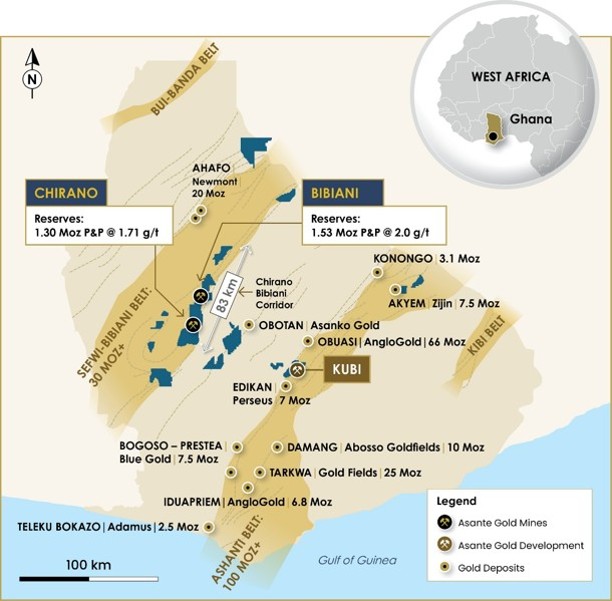
Асанте получает больше времени на привлечение 100 млн долларов США для шахт в Гане
2 часов назад
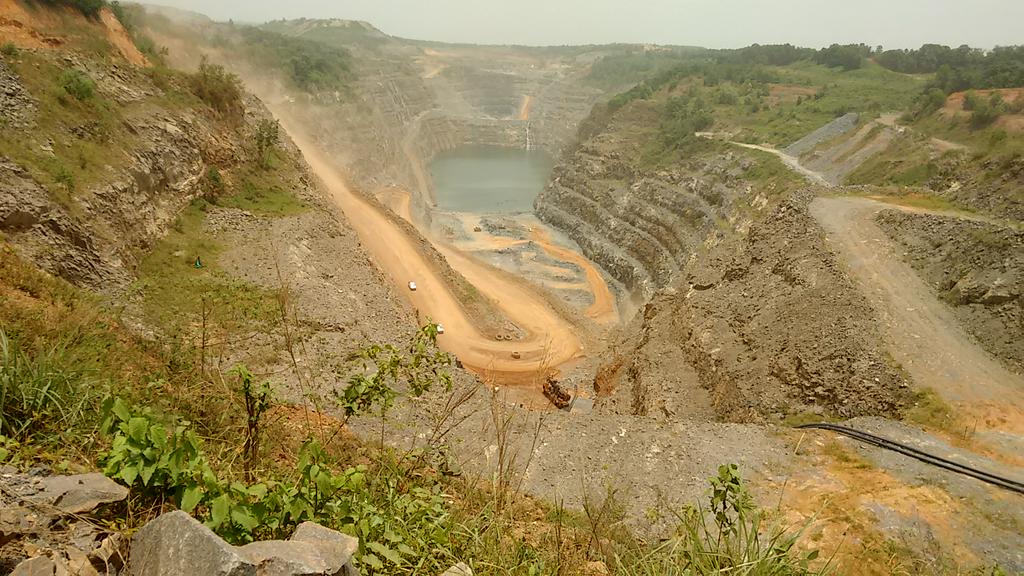
Законопроект Ганы предлагает специальную государственную долю и сокращение сроков аренды месторождений
02 Oct 2026 15:49 (GMT+8)
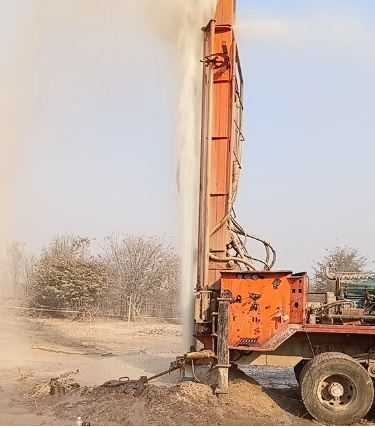
Ariana сообщает о водоносном горизонте по мере продвижения работ по ТЭО Докве
01 Oct 2026 16:43 (GMT+8)

Буркина-Фасо открывает первый национальный золотоперерабатывающий завод
[SMM Gold Flash] Буркина-Фасо 28 сентября в Уагадугу открыла аффинажный завод RAFFINOR-BF, сообщили правительство и министерство горнодобывающей промышленности. Министерство сообщило, что официальные лица наблюдали за аффинажем первых золотых слитков во время осмотра предприятия. Теоретическая мощность первой очереди оценивается в 164 тонны в год; дополнительная очередь увеличит её до 515 тонн в год. Правительство заявляет, что стоимость объекта составила около 11 млрд франков КФА, а финансирование осуществлялось в основном через государственную компанию по драгоценным металлам SONASP и частных партнёров.
Открытие знаменует собой шаг в усилиях Буркина-Фасо по аффинажу промышленного и кустарного золота внутри страны и сохранению большей добавленной стоимости от переработки. Однако мощность — это проектный показатель: ни торжественное открытие, ни наблюдаемые первые слитки не подтверждают годовой объём производства, устойчивую работу или достаточное сырьевое обеспечение. Сбор сырья, загрузка аффинажного завода и предлагаемое расширение остаются ключевыми показателями, за которыми следует следить.
30 Sep 2026 17:20 (GMT+8)
Анализ цен на золото: опасения повышения ставки ФРС давят на золото — центробанки продолжают покупать
30 Sep 2026 15:47 (GMT+8)
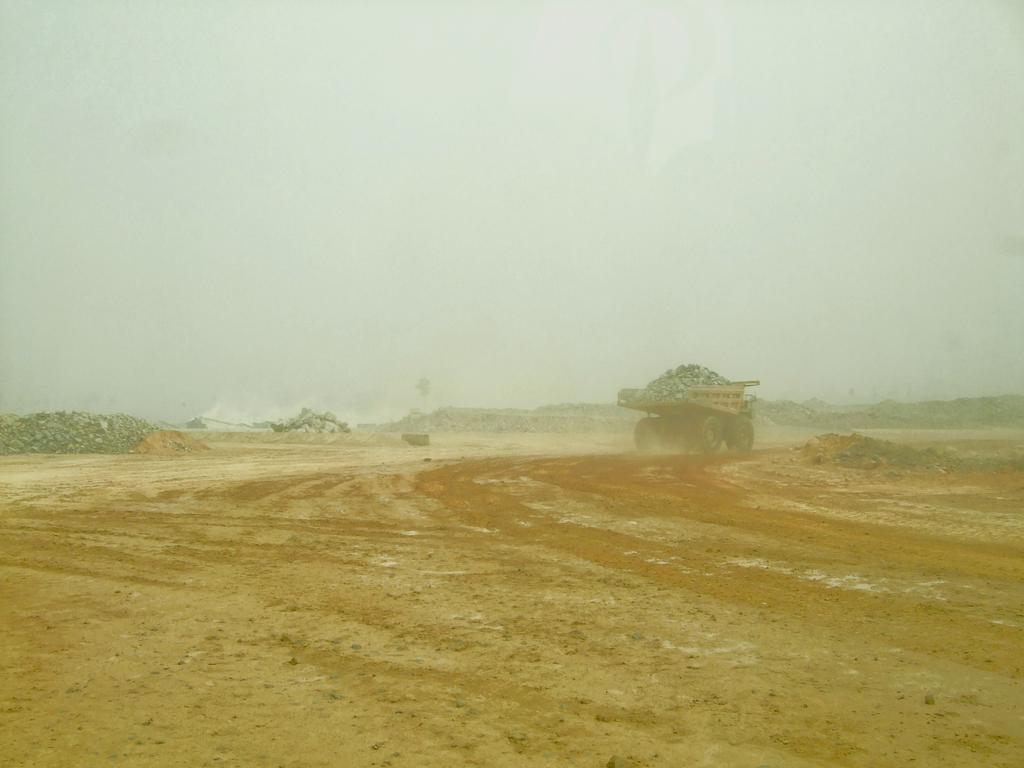
GoldStone продлевает отмену процентов по золотому кредиту до конца года
[SMM Gold Flash] Компания GoldStone Resources 29 сентября сообщила, что Asian Investment Management Services согласилась продлить беспроцентный период по действующему золотому займу до 31 декабря 2026 года. Кредитор также безотзывно отказался от права на получение процентов с 1 января по 31 декабря 2026 года. Освобождение, объявленное в июне, должно было истечь 30 сентября. Срок погашения займа по-прежнему наступает 30 июня 2027 года, остальные условия не изменились.
Продление снижает краткосрочное финансовое давление, поскольку GoldStone инвестирует в свой рудник Homase в Гане. Новых денежных средств оно не предоставляет и основную сумму займа не прощает. В объявлении не приводится ни новых данных о добыче, ни пересмотренного плана разработки; операционные показатели Homase и погашение займа остаются ключевыми моментами для наблюдения.
30 Sep 2026 15:16 (GMT+8)
Золото, прогноз на IV квартал 2026 года: устойчивость на фоне ралли доллара и доходностей
29 Sep 2026 17:35 (GMT+8)
Отчет по драгоценным металлам: закупки золота Китаем резко растут, а серебро борется за отметку в 60 долларов
29 Sep 2026 17:30 (GMT+8)
Рост доходности облигаций может подтолкнуть цену золота к $4 000, но Доши из State Street по-прежнему ожидает $5 000 ко второму кварталу 2027 года
29 Sep 2026 17:15 (GMT+8)
Китай на пути к импорту 1700 тонн золота в 2026 году, цена серебра столкнётся с ключевым испытанием вблизи 60 долларов за унцию – Heraeus
29 Sep 2026 16:38 (GMT+8)

Уолл-стрит разошлась во мнениях о динамике цен на золото после падения ниже $4300, Мейн-стрит сохраняет бычий настрой
29 Sep 2026 16:24 (GMT+8)

Коррекция золота приближается к критическому тесту поддержки, в то время как долгосрочные цели роста остаются в силе
29 Sep 2026 16:22 (GMT+8)

Золото под давлением: почему рынок ставит опасения по поводу процентных ставок выше геополитики
29 Sep 2026 14:50 (GMT+8)
Несмотря на встречные ветры процентных ставок: BMO видит высокую устойчивость цен на золото
29 Sep 2026 14:47 (GMT+8)
Gold Fields предложила Northern Star сделку на 38,7 млрд австралийских долларов, но получила отказ
[SMM Gold Flash] 28 сентября Northern Star Resources сообщила, что ее совет директоров единогласно отклонил нежелательное условное предложение южноафриканской Gold Fields о приобретении австралийского золотодобытчика. Индикативное предложение, полученное 14 сентября, предполагало 0,3125 новых акций Gold Fields и 7,25 австралийского доллара наличными за каждую акцию Northern Star. Исходя из цен на 11 сентября, это означало 27 австралийских долларов за акцию, или 38,7 млрд австралийских долларов стоимости акционерного капитала. 25 сентября Northern Star уведомила Gold Fields, что не будет продолжать обсуждение этого предложения.
Совет директоров заявил, что предложение недооценивает ее рудники и подвергает акционеров дополнительному операционному и юрисдикционному риску из-за значительной доли акций в структуре сделки. К 25 сентября подразумеваемая стоимость снизилась до 25,19 австралийского доллара за акцию на фоне изменения котировок Gold Fields. Раскрытие информации вновь привлекло внимание к консолидации крупных золотодобывающих портфелей, однако предложение не имело обязательной силы, и никакая сделка не была согласована.
29 Sep 2026 14:32 (GMT+8)
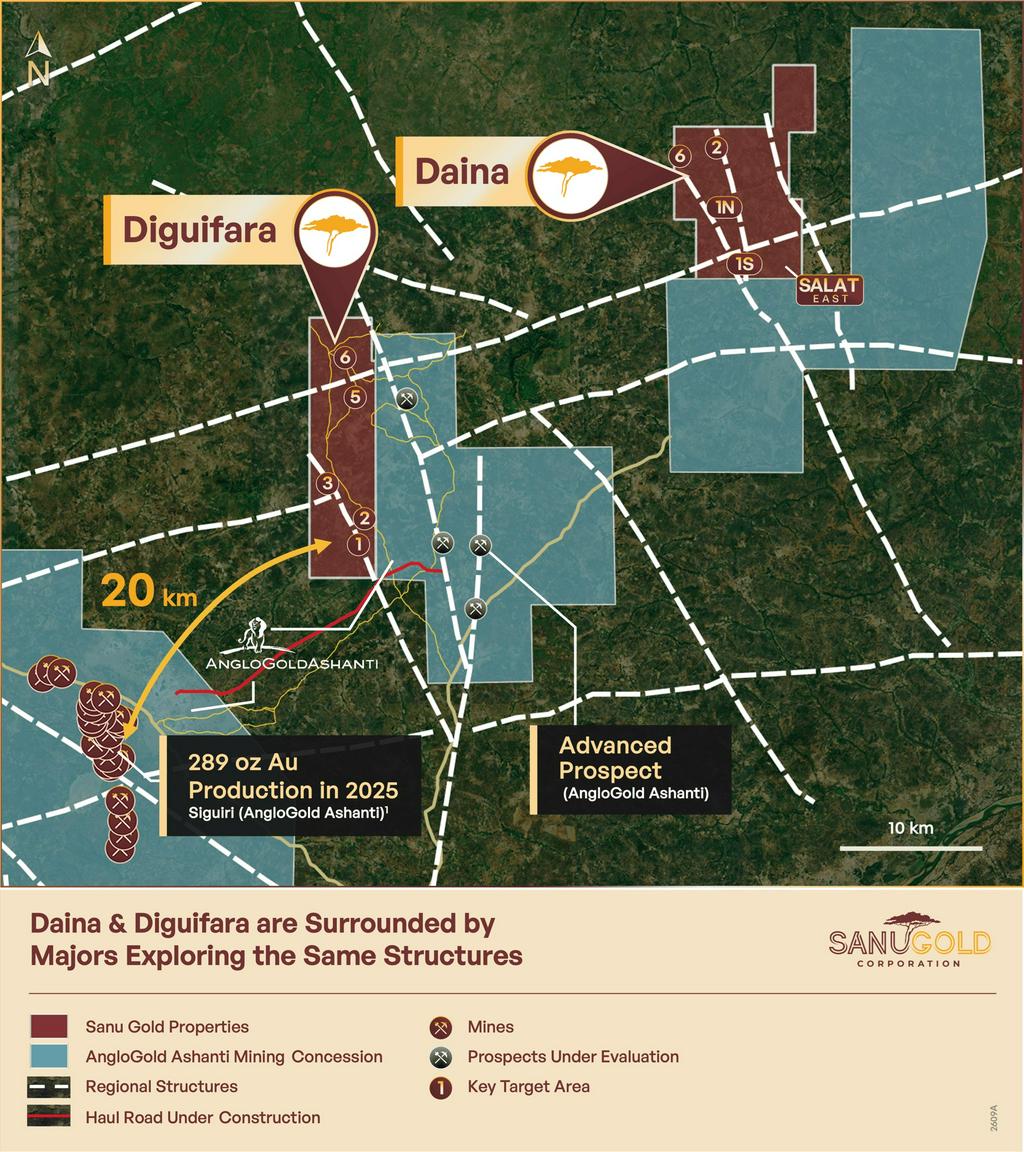
Гвинея: образцы показали среднее извлечение золота 91–94% в первоначальных испытаниях
[SMM Gold Flash] 22 сентября компания Sanu Gold сообщила предварительные результаты цианидного выщелачивания отобранных проб бурения на своих разведочных участках Diguifara и Daina в Гвинее. Среднее расчётное извлечение золота составило 91,2% на Diguifara и 94,0% на Daina. Компания представила 136 проб; один результат по Diguifara был исключён как недостоверный, осталось 135 действительных результатов. Это предварительные результаты скрининга, а не показатели извлечения на действующем предприятии.
Результаты показывают, что золото в испытанных пробах поддаётся цианидному выщелачиванию, что послужит исходными данными для будущих исследований по переработке. Sanu сообщает, что на следующем этапе будут испытаны представительные композитные пробы, включая кинетику выщелачивания, расход реагентов и реакцию на измельчение. Приведённые средние значения пока не позволяют установить показатели извлечения или экономику будущего рудника.
29 Sep 2026 14:25 (GMT+8)
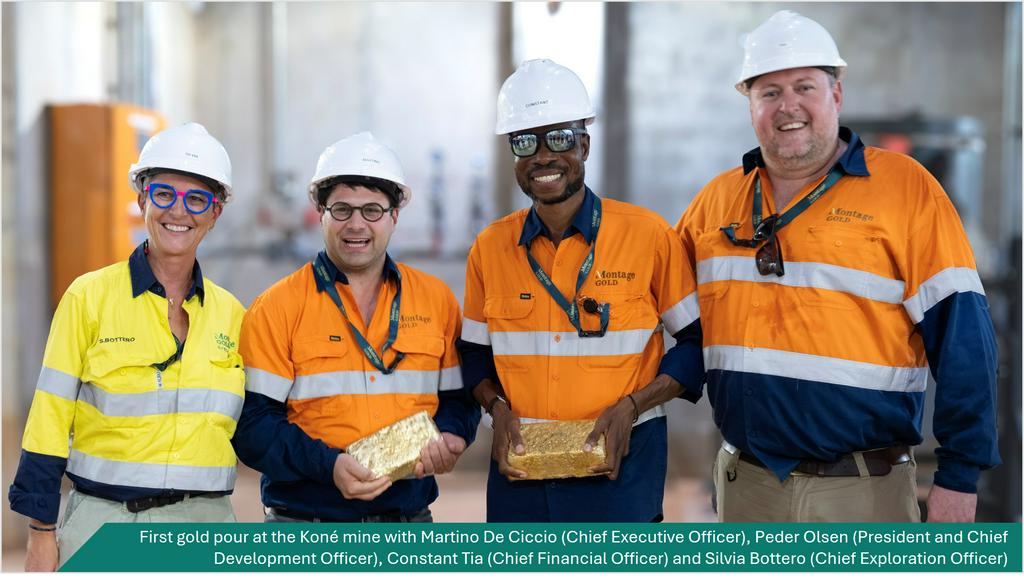
Кот-д’Ивуарский рудник Коне произвел первую заливку золота
[SMM Gold Flash] Компания Montage Gold сообщила о первом выпуске золота на руднике Koné в Кот-д’Ивуаре 26 сентября, получив около 1140 унций. Объявляя об этом достижении 27 сентября, компания заявила, что с момента начала подачи руды 8 сентября через оксидный контур прошло более 400 000 тонн руды. Выпуск состоялся раньше первоначального целевого срока — второго квартала 2027 года — благодаря досрочному завершению строительства этого контура.
Выпуск подтверждает, что золото было произведено, но не означает начала коммерческой добычи или устойчивого уровня производства. Montage ожидает, что оксидный контур достигнет коммерческой добычи в четвертом квартале 2026 года. Отдельный контур дробления твердой породы все еще находится в стадии строительства, завершение которого намечено на второй квартал 2027 года. Вклад Koné в поставки Кот-д’Ивуара будет зависеть от того, как эти контуры выйдут на проектную мощность.
28 Sep 2026 15:51 (GMT+8)
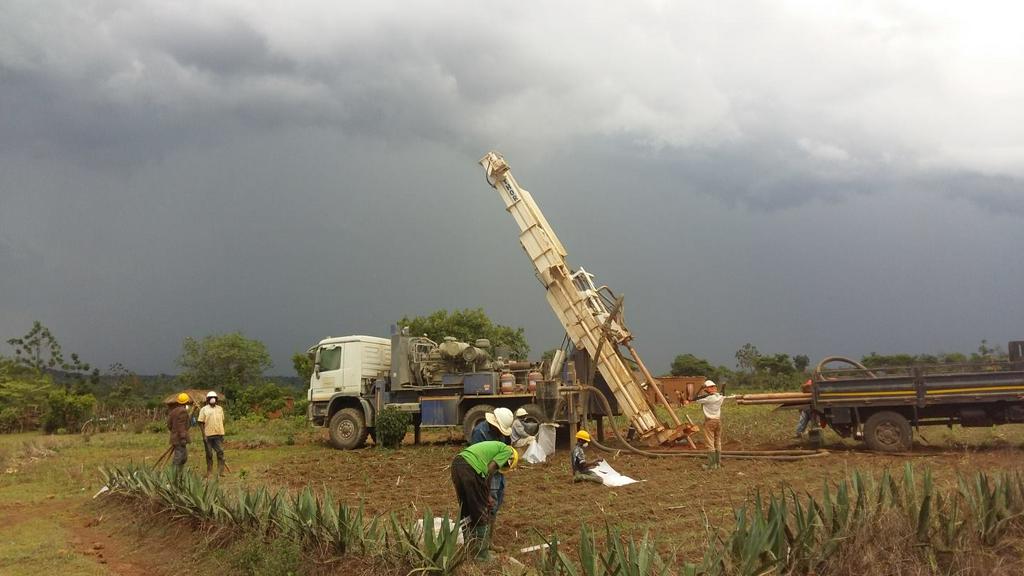
Танзанийский Imwelo выбирает технологию переработки после повышения извлечения золота до 84,5%
[SMM Gold Flash] Компания Lake Victoria Gold сообщила о новых металлургических испытаниях выветрелой руды на участке C своего полностью лицензированного проекта Imwelo Gold в Танзании. Аттриционная оттирка с последующим обесшламливанием увеличила 24-часовое извлечение золота с 49,99% до 84,54% при испытаниях с агитационным выщелачиванием. Извлечение в бутылочном тесте достигло 88,15% после предварительной обработки, при этом также увеличилось гравитационно извлекаемое золото. Работы проводились компанией Nesch Mintech Tanzania в Мванзе.
Компания определила аттриционную оттирку и обесшламливание как предпочтительный маршрут предварительной обработки для дальнейшей оптимизации богатого глиной приповерхностного материала. Lake Victoria Gold отмечает, что результаты дополняют более ранние работы по более глубокому материалу, где сообщалось об извлечении примерно 96–97%. Важно, что указанные показатели извлечения относятся к испытанным предварительно обработанным фракциям и пока не отражают общее извлечение на фабрике по всей руде; планируются дальнейшие работы по материальному балансу и оптимизации.
25 Sep 2026 16:02 (GMT+8)
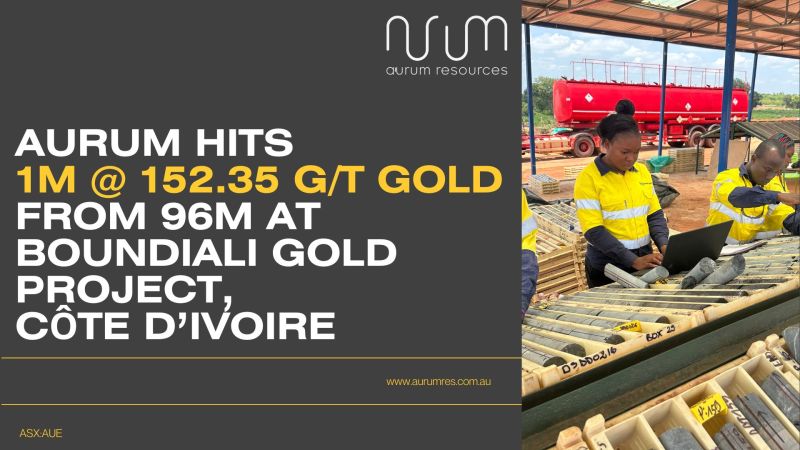
Aurum drilling приносит 155 г/т золота на месторождении Баундиали в Кот-д’Ивуаре
[SMM Gold Flash] Компания Aurum Resources сообщила о новых результатах опробования по 22 алмазным скважинам общей протяженностью 6 172,8 метра на месторождении BST1 в рамках проекта Boundiali Gold Project в Кот-д’Ивуаре. Результаты включают интервал 2,63 метра с содержанием золота 76,74 г/т на глубине от 195,2 метра, в том числе 1,3 метра с содержанием 155 г/т, а также 24 метра с содержанием 6,31 г/т на глубине от 108 метров, в том числе 7 метров с содержанием 19,25 г/т. Несколько пересечений выходят за пределы существующего контура ресурсов BST1.
Эти результаты будут использованы при запланированном обновлении оценки минеральных ресурсов Boundiali, которое намечено на начало четвертого квартала 2026 года. Компания отмечает, что минерализация остается открытой по простиранию и на глубину, при этом бурение на проекте продолжается. Таким образом, данные результаты представляют собой развитие геологоразведки и прирост ресурсов, а не дополнительную добычу. В настоящее время Boundiali располагает минеральными ресурсами по классификации JORC в объеме 3,22 миллиона унций, и Aurum продвигает технико-экономическое обоснование.
25 Sep 2026 15:58 (GMT+8)

Исследование показало, что платина сильнее связана с инфляцией и реальными ставками, чем золото
[SMM Gold & PGM Flash] Новое исследование, опубликованное в Journal of Commodity Markets, показывает, что платина демонстрирует более широкую и устойчивую совместную динамику с инфляцией и реальными процентными ставками, чем золото. Исследователи Аруша Курей и Ибрахим Озмен проанализировали ежемесячные данные с июля 1999 года по декабрь 2024 года по США, Германии, Италии, Франции, Швейцарии и Нидерландам, используя анализ поворотных точек, вейвлет-когерентность и методы изменяющейся во времени причинности по Грейнджеру. Исследование показало, что макроэкономические взаимосвязи золота были сравнительно слабее и более фрагментированными, тогда как платина и серебро демонстрировали более широкую синхронизацию, особенно в США и Германии.
Исследователи объясняют более высокую макроэкономическую чувствительность платины отчасти её значительной промышленной составляющей, то есть её цена отражает не только монетарные условия, но и производственную активность, инвестиции и ограничения предложения. Результаты не утверждают, что платина является универсально лучшим инструментом хеджирования инфляции: взаимосвязи различались по странам, периодам и режимам денежно-кредитной политики. Вместо этого исследование подчёркивает фундаментальное различие между металлами: более широкая монетарная и защитная роль золота обусловливает иную реакцию на инфляцию и условия реальных ставок.
25 Sep 2026 15:52 (GMT+8)
![[Объявление SMM] Публикация цен на металлы и новостей на китайском рынке приостановлена в период национальных праздников (1–7 октября)](https://imgqn.smm.cn/usercenter/HeIuV20251217171708.jpg)
[Объявление SMM] Публикация цен на металлы и новостей на китайском рынке приостановлена в период национальных праздников (1–7 октября)
Уважаемые пользователи SMM, Приближаются праздничные дни по случаю Национального дня. Обращаем ваше внимание, что публикация ценовых оценок на металлы на китайском рынке SMM и новостных обновлений будет временно приостановлена на время праздников (1–7 октября) и возобновится в обычном режиме после их окончания. При этом зарубежные ценовые оценки SMM будут обновляться в обычном режиме на протяжении всех праздничных дней. Приносим извинения за возможные неудобства и желаем вам приятных праздников. Shanghai Metals Market (SMM)
28 Sep 2026 17:06 (GMT+8)

Huawei развивает партнерства в сфере экологичной добычи полезных ископаемых в Африке и проводит деловые переговоры с ZESCO на SMM ACM 2026
23 Sep 2026 16:41 (GMT+8)
![[SMM анализ] Торговля медью с учётом тарифов США затухает — но ещё не завершена](https://imgqn.smm.cn/production/admin/votes/imagesMbCUq20260929144044.png)
[SMM анализ] Торговля медью с учётом тарифов США затухает — но ещё не завершена
29 Sep 2026 14:37 (GMT+8)
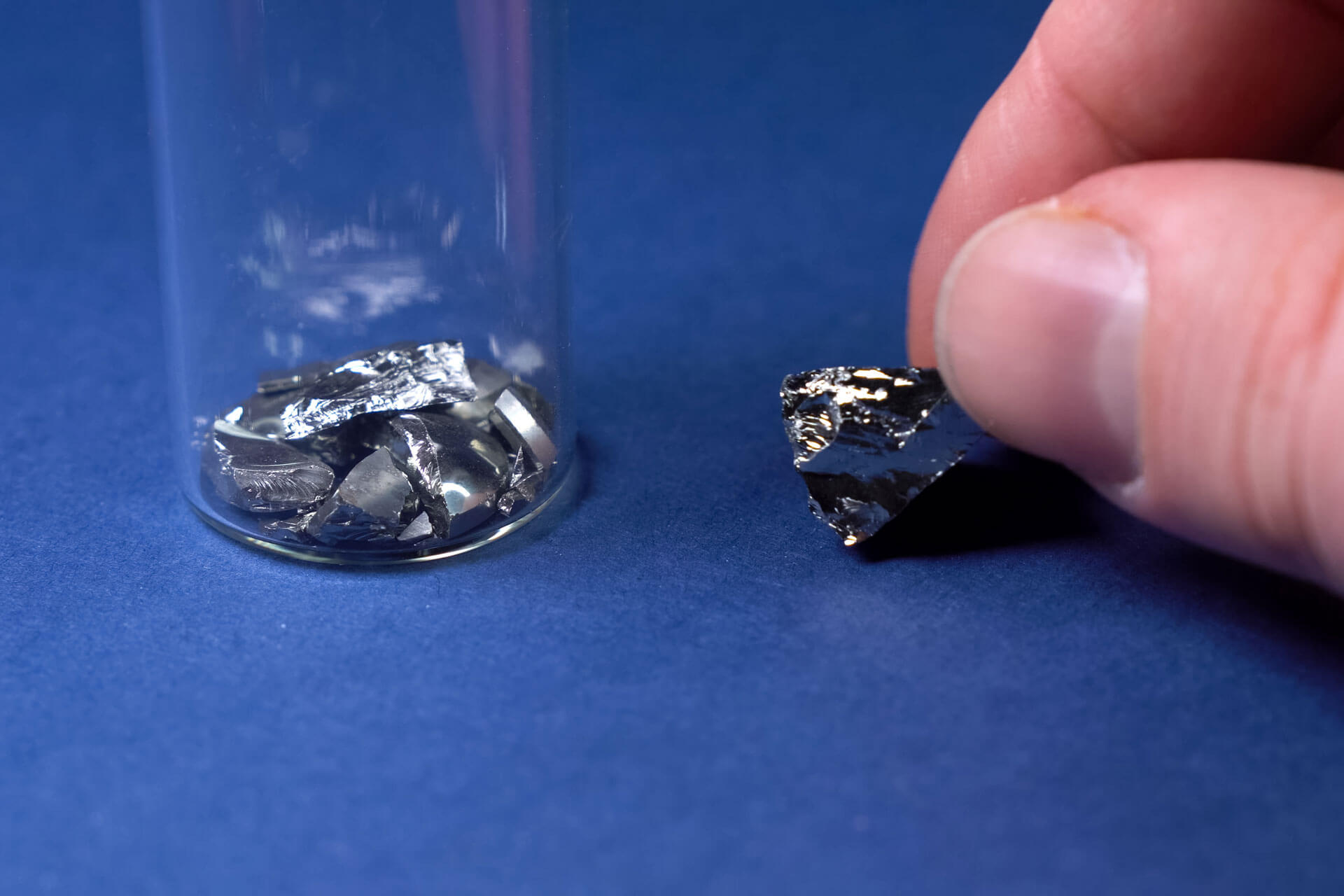
ЮАР готова стать ключевым игроком в глобальной цепочке поставок редкоземельных металлов к 2034 году【Анализ SMM】
29 Sep 2026 18:54 (GMT+8)
[Анализ SMM] Производство BESS в Индии ускоряется, но зависимость от аккумуляторных элементов остаётся ключевым узким местом
30 Sep 2026 08:50 (GMT+8)
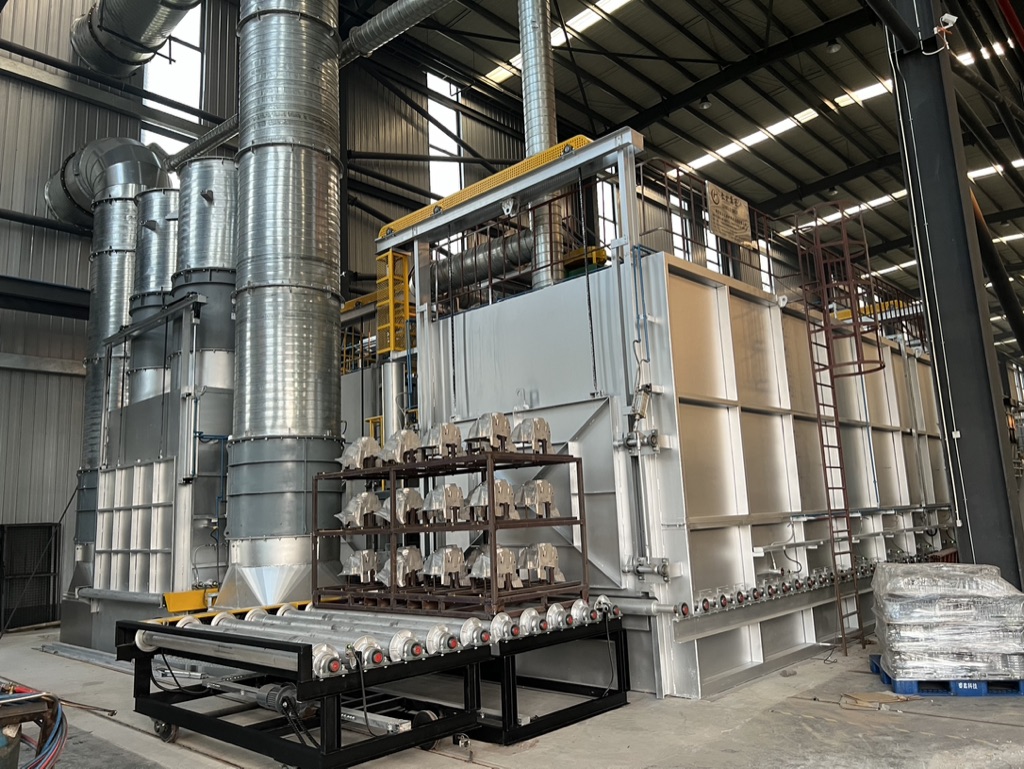
SMM запускает калькулятор CBAM для алюминия: что означают оценки затрат для предложений, ориентированных на ЕС【Анализ SMM】
29 Sep 2026 17:32 (GMT+8)
![[Анализ SMM] Низкоуглеродная первичная медь начинает торговаться отдельно — будет ли переоценена «зелёная» ценность вторичной меди?](https://imgqn.smm.cn/usercenter/MXbup20251217171745.jpg)
[Анализ SMM] Низкоуглеродная первичная медь начинает торговаться отдельно — будет ли переоценена «зелёная» ценность вторичной меди?
29 Sep 2026 16:03 (GMT+8)
Последние новости
Асанте получает больше времени на привлечение 100 млн долларов США для шахт в Гане
2 часов назад
Законопроект Ганы предлагает специальную государственную долю и сокращение сроков аренды месторождений
02 Oct 2026 15:49 (GMT+8)
Ariana сообщает о водоносном горизонте по мере продвижения работ по ТЭО Докве
01 Oct 2026 16:43 (GMT+8)
Буркина-Фасо открывает первый национальный золотоперерабатывающий завод
30 Sep 2026 17:20 (GMT+8)
Анализ цен на золото: опасения повышения ставки ФРС давят на золото — центробанки продолжают покупать
30 Sep 2026 15:47 (GMT+8)
GoldStone продлевает отмену процентов по золотому кредиту до конца года
30 Sep 2026 15:16 (GMT+8)
Золото, прогноз на IV квартал 2026 года: устойчивость на фоне ралли доллара и доходностей
29 Sep 2026 17:35 (GMT+8)
Отчет по драгоценным металлам: закупки золота Китаем резко растут, а серебро борется за отметку в 60 долларов
29 Sep 2026 17:30 (GMT+8)
Рост доходности облигаций может подтолкнуть цену золота к $4 000, но Доши из State Street по-прежнему ожидает $5 000 ко второму кварталу 2027 года
29 Sep 2026 17:15 (GMT+8)
Китай на пути к импорту 1700 тонн золота в 2026 году, цена серебра столкнётся с ключевым испытанием вблизи 60 долларов за унцию – Heraeus
29 Sep 2026 16:38 (GMT+8)
Уолл-стрит разошлась во мнениях о динамике цен на золото после падения ниже $4300, Мейн-стрит сохраняет бычий настрой
29 Sep 2026 16:24 (GMT+8)
Коррекция золота приближается к критическому тесту поддержки, в то время как долгосрочные цели роста остаются в силе
29 Sep 2026 16:22 (GMT+8)
Золото под давлением: почему рынок ставит опасения по поводу процентных ставок выше геополитики
29 Sep 2026 14:50 (GMT+8)
Несмотря на встречные ветры процентных ставок: BMO видит высокую устойчивость цен на золото
29 Sep 2026 14:47 (GMT+8)
Gold Fields предложила Northern Star сделку на 38,7 млрд австралийских долларов, но получила отказ
29 Sep 2026 14:32 (GMT+8)
Гвинея: образцы показали среднее извлечение золота 91–94% в первоначальных испытаниях
29 Sep 2026 14:25 (GMT+8)
Кот-д’Ивуарский рудник Коне произвел первую заливку золота
28 Sep 2026 15:51 (GMT+8)
Танзанийский Imwelo выбирает технологию переработки после повышения извлечения золота до 84,5%
25 Sep 2026 16:02 (GMT+8)
Aurum drilling приносит 155 г/т золота на месторождении Баундиали в Кот-д’Ивуаре
25 Sep 2026 15:58 (GMT+8)
Исследование показало, что платина сильнее связана с инфляцией и реальными ставками, чем золото
25 Sep 2026 15:52 (GMT+8)