

Новости
Эксклюзивные аналитические статьи с последними обновлениями рынка и своевременными новостными лентами.
Импорт сподумена в Китай в сентябре вырос на 7% по сравнению с предыдущим месяцем, при этом Австралия, Нигерия и Зимбабве стали тремя крупнейшими источниками
Согласно сводным данным китайской таможни, в сентябре 2026 года Китай импортировал 970,1 тыс. физических тонн сподумена, что примерно на 7,0% больше, чем 906,6 тыс. тонн в августе. Исходя из классификации и принятых в настоящем анализе допущений о содержании, влажности и коэффициентах пересчёта, сентябрьский импорт соответствовал примерно 81,3 тыс. тонн в эквиваленте карбоната лития (LCE). В разрезе стран происхождения значительно выросли поставки из Австралии, Нигерии и Зимбабве. Австралия осталась крупнейшим поставщиком: отгрузки в Китай достигли 446,2 тыс. тонн, увеличившись примерно на 36,7% к предыдущему месяцу и составив около 46,0% всего импорта. Нигерия вышла на второе место с объёмом 189,8 тыс. тонн, что примерно на 40,1% больше, а импорт из Зимбабве вырос примерно на 83,0% до 136,5 тыс. тонн. Импорт из ЮАР сократился примерно на 49,6% до 112,4 тыс. тонн, тогда как поставки из Бразилии увеличились примерно на 30,9% до 81,2 тыс. тонн. Меньшие объёмы поступили из Бурунди, Руанды и Мозамбика — примерно 1,8 тыс., 1,3 тыс. и 1,0 тыс. тонн соответственно, при ограниченных отгрузках из Замбии и Сомали. В сентябрьских данных импорт из Мали и Канады отсутствовал. В целом импорт сподумена в Китай в сентябре продолжил расти, при этом структура смещалась в сторону концентрата. Согласно использованной в настоящем анализе классификации, импорт концентрата достиг примерно 688,8 тыс. тонн, что составило 71,0% всего физического импорта по сравнению с 60,7% в августе. Импорт сырой руды составил примерно 281,3 тыс. тонн. Рост поставок концентрата из Австралии, Зимбабве и Нигерии компенсировал снижение импорта из Мали и Канады, что стало основной поддержкой увеличения импортного предложения литиевого сырья в Китае в этом месяце.
20 Oct 2026 19:03 (GMT+8)
[SMM анализ] Рекордные продажи горячекатаного проката Hoa Phat меняют самообеспеченность Вьетнама и экспортные потоки Китая
Хоа Фат продала 5,47 млн т горячекатаного рулона в январе–сентябре, рост на 59%, что составляет около трети потребления Вьетнама, при этом 24,6% продаж в третьем квартале пришлось на экспорт. Спрос на горячекатаный рулон во Вьетнаме в этом году составляет около 17,3 млн т, что по-прежнему превышает местное производство примерно в 10,8 млн т на 6,5 млн т, а новые мощности появятся в основном после 2027 года. Антидемпинговые пошлины вытеснили основной китайский рулон из Вьетнама; теперь китайские заводы конкурируют с вьетнамским рулоном в АСЕАН и на других рынках третьих стран.
20 Oct 2026 14:36 (GMT+8)
Китайский экспорт редкоземельных магнитов достиг рекорда в сентябре благодаря высвобождению отложенного спроса и смягчению регулирования【Анализ SMM】
Экспорт редкоземельных магнитов из Китая в сентябре достиг рекордных 6165 тонн (+23% м/м), что обусловлено расчисткой портовых заторов июля–августа, а не новым спросом. Переговоры США и Китая разблокировали поставки, а переговоры о «зелёном коридоре» с ЕС повысили прогноз на четвёртый квартал до ~5700 тонн в месяц. Крупные производители восстанавливались быстрее всех; малые предприятия по-прежнему ограничены.
20 Oct 2026 16:06 (GMT+8)
Последние новости
![Цены на магний упали почти на 14% за более чем полгода, достигнув годового минимума; низкие цены на поставки с трудом находят поддержку для отскока [Комментарий SMM]](https://imgqn.smm.cn/usercenter/UhBXJ20251217171724.jpeg)
Цены на магний упали почти на 14% за более чем полгода, достигнув годового минимума; низкие цены на поставки с трудом находят поддержку для отскока [Комментарий SMM]
23 часов назад
![[Анализ SMM] Опубликованы торговые данные по аккумуляторным материалам за сентябрь: импорт карбоната лития продолжил расти в годовом исчислении, а как обстоят дела в других сегментах?](https://imgqn.smm.cn/usercenter/BmqWy20251217171726.jpg)
[Анализ SMM] Опубликованы торговые данные по аккумуляторным материалам за сентябрь: импорт карбоната лития продолжил расти в годовом исчислении, а как обстоят дела в других сегментах?
23 Oct 2026 19:22 (GMT+8)
![Цены на кобальтовую продукцию остаются под давлением, некоторые предприятия на рынке солей кобальта терпят убытки. Когда падение цен прекратится? [Еженедельный обзор]](https://imgqn.smm.cn/usercenter/AmiJU20251217171730.jpg)
Цены на кобальтовую продукцию остаются под давлением, некоторые предприятия на рынке солей кобальта терпят убытки. Когда падение цен прекратится? [Еженедельный обзор]
23 Oct 2026 19:22 (GMT+8)
Отчеты 37 компаний по производству аккумуляторов и новой энергетики: максимальный рост составил 19 540,5%! 6 компаний вышли из убытков в прибыль! Снова ли цепочка поставок материалов оказалась в большом выигрыше?
Недавно публичные компании начали раскрывать результаты за третий квартал. Судя по отчетам и прогнозам прибыли, китайская производственная цепочка аккумуляторов и новой энергетики в первые три квартала показала высокие результаты в целом, что обусловлено главным образом спросом на накопители энергии и тяговые аккумуляторы, восстановлением цен на литий и повышением загрузки производственных мощностей.
В разрезе сегментов ведущий производитель аккумуляторов CATL за первые три квартала получил чистую прибыль в размере 64,53 млрд юаней, что на 31,60% больше по сравнению с аналогичным периодом прошлого года, а EVE ожидает, что ее чистая прибыль за первые три квартала вырастет на 80–90% в годовом исчислении.
23 Oct 2026 19:13 (GMT+8)
2 миллиарда! Лидер по производству LFP снова расширяет производство
Вечером 19 октября лидер по производству LFP компания Hunan Yuneng раскрыла инвестиционный план по строительству проекта LFP шестой фазы в посёлке Хэлин, район Юйху, Сянтань, с общим объёмом инвестиций не более 2 млрд юаней, полностью финансируемый за счёт собственных средств компании. В объявлении отмечалось, что Сянтань обладает прочной основой для кластеризации индустрии аккумуляторных материалов и полной промышленной инфраструктурой, что благоприятно для производства и эксплуатации проекта. Общая площадь застройки проекта составляет около 80 000 м², срок строительства — 12 месяцев. Проект в основном предусматривает строительство новых производственных цехов, вспомогательных объектов общего назначения, таких как дороги на территории завода, энергетические сооружения, противопожарная защита и безопасность, а также сооружения для очистки и защиты окружающей среды, и закупку комплектного оборудования для производственных линий LFP.
23 Oct 2026 16:40 (GMT+8)
[SMM Утреннее совещание по кобальту и литию] Рыночный спрос остаётся стабильно слабым, дисбаланс спроса и предложения усиливается, цены на сырьё снижаются под давлением
Цепочка производства на этой неделе в целом оставалась слабой: цены на сырьё продолжали снижаться, конечный спрос не оправдывал ожиданий, а дисбаланс между предложением и спросом на рынке становился всё более заметным. Средняя цена аккумуляторного карбоната лития опустилась ниже 100 тыс. юаней за тонну и составила 99 350 юаней за тонну, что на 2,7% меньше по сравнению с прошлой неделей; предложение продолжало расти, а закупки downstream-потребителей становились более осторожными. Цены на рафинированный кобальт консолидировались в районе 230 тыс. юаней за тонну: низкие данные по импорту и слухи о сокращении производства ненадолго поддержали настроения, однако фундаментальные показатели оставались слабыми. Цены на сульфат кобальта приблизились к отметке 40 тыс. юаней за тонну, а на сульфат никеля спрос и предложение были слабыми, что удерживало цены под давлением. В сегменте катодных материалов цены на тройные катодные материалы и литий-железо-фосфат снижались одновременно: заказы со стороны электромобилей и систем накопления энергии замедлялись, а давление складских запасов на предприятиях росло. Цены на анодные материалы и сепараторы оставались стабильными, при этом предложение сепараторов было ограниченным, и в дальнейшем сохранялся потенциал для повышения цен. Цены на электролиты, вероятно, будут постепенно ослабевать из-за снижения стоимости сырья. Спрос в цепочке производства натрий-ионных аккумуляторов был относительно устойчивым, а ведущие игроки сохраняли высокий уровень загрузки мощностей. В целом отраслевая цепочка вступила в фазу охлаждения спроса и корректировки запасов, и в краткосрочной перспективе цены, как ожидается, будут консолидироваться на пониженном уровне.
23 Oct 2026 15:34 (GMT+8)
[SMM Обзор утреннего совещания по кобальту] Цены по всей производственной цепочке остаются под давлением, слабый конечный спрос тянет рынок вниз
Цепочка кобальтовой промышленности на этой неделе оставалась в целом слабой: снижение цен на сырьё и вялый конечный спрос продолжали давить на рынок. Рафинированный кобальт временно стабилизировался благодаря низким данным по импорту и слухам о сокращении производства MHP, цены консолидировались около 230 000 юаней за тонну, хотя реальный спрос не улучшился. Торговля на рынке промежуточных продуктов кобальта застопорилась: импорт в сентябре вырос на 78% по сравнению с предыдущим месяцем, а доля бондовой логистики увеличилась до 65,5%, при этом фактическое оборотное предложение оставалось ограниченным. Ценовой центр сульфата кобальта сместился вниз, и уровень 40 000 юаней за тонну стал ключевым психологическим рубежом; хлорид кобальта и Co3O4 продолжили постепенно снижаться, убытки и давление запасов усиливались. Цены сделок на кобальтовый порошок упали примерно до 285 000 юаней за тонну, а стабилизация цен на карбид вольфрама может в дальнейшем стимулировать некоторое пополнение запасов. Цены на тройные прекурсоры катодных материалов, тройные катодные материалы и LCO ослабли синхронно: заказов недостаточно, а сокращение запасов идёт медленно, при этом ноябрьские производственные планы, как ожидается, снизятся. Что касается политики, GFEX отметил риски колебаний цен на карбонат лития, а национальный стандарт тестирования эксплуатируемых силовых батарей вступит в силу в марте 2027 года. В целом в краткосрочной перспективе рынок, вероятно, останется слабым, и восстановление спроса станет ключом к стабилизации цен.
23 Oct 2026 15:30 (GMT+8)
[СММ-флеш] Выпущен первый национальный стандарт координации вычислительных мощностей
Недавно был опубликован национальный стандарт *Системы накопления энергии для центров вычислительных мощностей. Часть 1. Руководство по выбору* (GB/Z 273.1—2026). Стандарт разработан под руководством компании State Grid Zhejiang Electric Power Co., Ltd. при совместном участии представителей промышленности, научных кругов, исследовательских и прикладных организаций, включая Zhejiang Lab, CAICT, Envision, CATL и Huawei. Это первый национальный стандарт в области координации вычислительных мощностей и электроэнергетики, имеющий большое значение для содействия глубокой интеграции инфраструктуры вычислительных мощностей и технологий накопления энергии, а также для поддержки проекта «Восточные данные — западные вычисления» и строительства энергосистемы нового типа.
В стандарте представлены архитектура, характеристики, типы, соображения по техническому выбору, вызовы и будущие тенденции развития систем накопления энергии для центров вычислительных мощностей; он применим к оценке выбора и эксплуатации систем накопления энергии в центрах вычислительных мощностей. В нём систематически рассмотрены семь типов накопления энергии, включая электрохимическое накопление, тепловое накопление, маховичное накопление, накопление энергии сжатым воздухом, гидроаккумулирующее накопление, накопление на суперконденсаторах и водородное накопление энергии, а также предложены соображения по выбору с учётом таких параметров, как производительность, надёжность, безопасность, стоимость, масштабируемость и модульность, интеграция возобновляемых источников энергии, воздействие на окружающую среду, технологическая зрелость и поддержка поставщиков, а также ограничения по площади и местоположению. Стандарт включает восемь типовых примеров применения, в том числе интеллектуальный вычислительный центр с водяным охлаждением Цзиньшуйтань, зелёный центр обработки данных в Цинхае и низкоуглеродную базу вычислительных мощностей Уланчаб, что служит практическим ориентиром для отрасли.
23 Oct 2026 13:21 (GMT+8)
【SMM Экспресс】Zhuhai CosMX раскрывает результаты сокращения доли крупного акционера
【Zhuhai CosMX раскрывает результаты сокращения доли акционера】Компания Zhuhai CosMX Battery раскрыла результаты сокращения доли акционера, владеющего более 5% её акций. Партнёрство Ningbo Huijincheng Venture Investment (Limited Partnership) сократило свою долю на 21 440 812 акций в совокупности в период с 17 августа по 21 октября 2026 года посредством централизованных торгов и блок-сделок, что составляет 1,88% от общего акционерного капитала, по ценам от 12,99 до 15,43 юаня за акцию, на общую сумму 297,78 млн юаней. После сокращения доля акционера уменьшилась с 78 354 828 акций (6,88% от общего акционерного капитала) до 56 914 016 акций (5,00%). План сокращения был впервые раскрыт 30 июня 2026 года, с первоначальным планом сократить не более 22 765 592 акций (до 2,00% от общего акционерного капитала); фактическое сокращение оказалось меньше запланированного максимума на 1 324 780 акций и не было завершено в полном объёме, а также не было прекращено досрочно. Контролирующий акционер и фактический контролёр компании остаются неизменными.
22 Oct 2026 20:58 (GMT+8)
[Анализ SMM] Инверсия затрат не останавливает падение: слабость солей кобальта распространяется вниз по цепочке
22 Oct 2026 20:43 (GMT+8)
![[Анализ SMM] Еженедельный обзор рынка кобальта: новостной импульс не компенсирует фундаментальное охлаждение](https://imgqn.smm.cn/usercenter/fblvS20251217171729.png)
[Анализ SMM] Еженедельный обзор рынка кобальта: новостной импульс не компенсирует фундаментальное охлаждение
22 Oct 2026 18:24 (GMT+8)
![[Анализ SMM] Еженедельный обзор рынка кобальта: позитивные новости не компенсируют слабые фундаментальные показатели, рынок кобальта расходится и снижается: металл стабилизируется, соли и порошки резко падают](https://imgqn.smm.cn/usercenter/JSjkr20251217171728.jpg)
[Анализ SMM] Еженедельный обзор рынка кобальта: позитивные новости не компенсируют слабые фундаментальные показатели, рынок кобальта расходится и снижается: металл стабилизируется, соли и порошки резко падают
22 Oct 2026 18:16 (GMT+8)
Твердотельные аккумуляторы в рамках консенсуса 2027 года: EVE Energy и Chery, два показательных игрока, представляют продукты
22 Oct 2026 17:37 (GMT+8)
Цены на карбонат лития упали ниже 100 000 юаней за тонну; рост предложения опережает снижающийся спрос
22 Oct 2026 17:34 (GMT+8)
[Анализ SMM] Графики производства тройных катодов могут продолжить снижаться в дальнейшем
22 Oct 2026 17:27 (GMT+8)
[SMM анализ] Производственный план по тройным катодам в мае может продолжить снижение
22 Oct 2026 17:26 (GMT+8)
[Литиевые батареи: Shanshan планирует частное размещение на 4 млрд юаней для базы анодов мощностью 150 тыс. тонн]
«Шаньшань» объявила о частном размещении акций своему косвенному контролирующему акционеру Conch Group, который полностью оплатит подписку денежными средствами, привлекая до 4 млрд юаней. Часть вырученных средств пойдёт на финансирование интегрированной базы по производству анодов для литиевых батарей мощностью 150 000 тонн в год в Баотоу, Внутренняя Монголия, с плановыми инвестициями 5,106 млрд юаней и сопутствующими мощностями графитизации на 50 000 тонн; 1,5 млрд юаней будут направлены на пополнение оборотного капитала.
22 Oct 2026 17:05 (GMT+8)
[Литиевая батарея: чистая прибыль Do-Fluoride за 1-3 кварталы выросла на 659% по сравнению с аналогичным периодом прошлого года до 592 млн юаней]
Компания Do-Fluoride опубликовала отчёт за третий квартал 2026 года: выручка за первые три квартала составила 10,927 млрд юаней, увеличившись на 62,39% в годовом исчислении, а чистая прибыль, приходящаяся на акционеров, достигла 592 млн юаней, увеличившись на 658,72% в годовом исчислении. Компания отметила, что рост в основном обусловлен увеличением выручки в сегментах новых энергетических материалов и аккумуляторов.
22 Oct 2026 17:05 (GMT+8)
GM планирует использовать призматические батареи LMR от совместного предприятия с LG Energy Solution для электромобильной платформы четвёртого поколения
GM представила свою платформу электромобилей четвёртого поколения на мероприятии GM Forward в Нью-Йорке 21 октября по местному времени. Платформа будет использовать призматические ячейки с высоким содержанием лития и марганца (LMR), которые будет производить Ultium Cells — совместное предприятие с LG Energy Solution — в Спринг-Хилле, штат Теннесси.
Целевой показатель GM — на 33% более высокая плотность энергии, чем у батарей LFP, при сопоставимой стоимости. Сочетая новые батареи, силовые установки и аэродинамику, компания также рассчитывает увеличить запас хода примерно на 20% на киловатт-час по сравнению с нынешними автомобилями.
Новые приводные блоки спроектированы с уменьшенным на 40% количеством внутренних компонентов, а электрическая архитектура сокращает длину проводки на 30%.
22 Oct 2026 16:55 (GMT+8)
На этой неделе цены на рынке приложений для повторного использования аккумуляторов снизились, ослабление затрат привело к более гибким котировкам [Еженедельный обзор SMM]
На этой неделе цены на рынке вторичного использования начали откатываться, а общий настрой торговли оставался сдержанным. Продолжающееся ослабление сырья со стороны издержек является основным драйвером этого раунда снижения цен. Сырьё со стороны издержек продолжило нисходящую динамику, при этом темпы движения по категориям различались. Карбонат лития в целом сохранял понижательный тренд на этой неделе; сульфат кобальта заметно подешевел в начале недели, после чего постепенно стабилизировался; сульфат никеля продолжил прежнее медленное снижение, дополнительно ослабляя поддержку издержек для вторичной продукции в целом. На стороне предложения значительных изменений не наблюдалось: темпы обращения по категориям оставались стабильными, состояние рыночного предложения было устойчивым, без экстремальных ситуаций вроде концентрированного выброса объёмов или ужесточения поставок. На стороне спроса явного улучшения не отмечалось, а в сочетании с падением цен на сырьё, тянущим рыночные ожидания вниз, ранее стабильные котировки начали ослабевать и смещаться вниз. В краткосрочной перспективе, если цены на сырьё продолжат откатываться, вероятность дальнейшего снижения цен на рынке вторичного использования относительно высока.
22 Oct 2026 16:18 (GMT+8)

Уже открыто раннее бронирование на 22-ю конференцию и отраслевую выставку по свинцу и цинку SMM LZE 2027 года, которая пройдёт в марте следующего года в Юньнани
——От конференции к выставке · Масштаб удвоен · Полное обновление—— [Что вы узнаете из этой статьи] ① Обзор выставки ② Как зарегистрироваться ③ Первая партия экспонентов ④ Повестка конференции I. Масштаб удвоен, полное обновление! В 2026 году рынок свинца и цинка столкнётся с резкой волатильностью: высокие цены на свинец, дефицит высокочистого свинца, рекордно высокие запасы низкосортного свинца на LME, перенос производства свинцово-кислотных аккумуляторов из Китая за рубеж, глубоко отрицательные TC по цинковым концентратам, дефицит качественной импортной цинковой руды, открывшееся экспортное окно для цинковых слитков и расширение мощностей зарубежных цинковых плавильных заводов. LZE охватывает рыночные перспективы, прогноз цен, технологии оборудования, переработку и применение в нижних переделах, стимулируя «зелёную» трансформацию и взаимовыгодный рост. Отличие LZE 2027 (22-й) от предыдущих мероприятий — в трансформационном обновлении: переход от чисто отраслевой конференции к бесшовному сочетанию конференции и отраслевой выставки, что обеспечит более масштабную встречу, расширенную отраслевую экспозицию и широкое вовлечение всей цепочки создания стоимости свинца и цинка. От анализа отраслевых трендов к углублённым обменам по цепочке отрасли, от стыковки спроса и предложения между верхними и нижними переделами к концентрированным презентациям компаний, от одной отраслевой конференции к дальнейшей интеграции «конференция + отраслевой экспо»——в 2027 году SMM LZE вступает в эпоху «экспо»! Конференция пройдёт в 22-й раз в более крупном масштабе, с более насыщенным составом участников отрасли и более широким участием компаний верхних и нижних переделов! Отсканируйте QR-код ниже, чтобы бесплатно зарегистрироваться как посетитель 1. Масштаб конференции Делегаты: 6 000+ (на 71,4% больше, чем в предыдущем выпуске) Компании: 2 000+ (на 100% больше, чем в предыдущем выпуске) Экспоненты: 120+ (на 50% больше, чем в предыдущем выпуске) Стыковка спроса и предложения: 300+ (на 50% больше, чем в предыдущем выпуске) Профильные форумы: 7 (на 1 больше, чем в предыдущем выпуске) 2. Группы участников 20% — горнодобывающие компании 23% — плавильные предприятия 22% — перерабатывающие предприятия 10% — трейдеры 5% — закупки конечных потребителей свинца и цинка 15% — сторонние поставщики оборудования, технологий, вспомогательных материалов, СМИ и т. д. 3% — государственные органы, ассоциации, научно-исследовательские институты университетов 2% — финансовые и фьючерсные компании 3. Разбивка по должностям 4. Основные моменты конференции Тенденции цен, прогноз потребления и интерпретация политики Глобальный диалог о свинцово-цинковой отрасли и стратегиях выхода на международные рынки Деловые встречи один на один Поиск прорывных путей в горно-металлургических технологиях и переработке ресурсов Демонстрация передового оборудования и расходных материалов II. Четыре статуса — одна выставка свинца и цинка Ищете ли вы аналитику рынка, закупки, презентацию продукции или продвижение бренда — вы найдёте подходящий формат участия. 1. Профессиональные посетители (Посетите выставку в поисках деловых возможностей и наладьте связи с участниками всей производственной цепочки) [Преимущества для посетителей] Билет в выставочную зону Подарки при регистрации на месте Эксклюзивная карта распределения свинцово-цинковой отрасли от SMM Группа обмена для посетителей свинцово-цинковой отрасли Групповые преимущества Билеты на некоторые форумы …… 2. Делегаты конференции (Узнайте о новых тенденциях и обсудите рынок свинца и цинка) [Преимущества для делегатов] Билет в выставочную зону Подарки при регистрации на месте Эксклюзивная карта распределения свинцово-цинковой отрасли от SMM Группа обмена для посетителей и участников конференции свинцово-цинковой отрасли Билет на все форумы конференции Приглашение на торжественный ужин Талоны на обед и ужин во время конференции Справочник предприятий Отчёты экспертов Подбор поставщиков и покупателей один на один Выездные мероприятия после конференции …… 3. Экспонент (Выйдите на отраслевую сцену и продемонстрируйте свои сильные стороны) [Индивидуальный стенд 18 м²] [Преимущества] Дизайн и изготовление всех материалов для стенда 18 м², столы, стулья, диван и стойка регистрации, телевизор, 5 пропусков на конференцию, X-баннер*1, цветная страница в сборнике конференции*1, размещение логотипа, многоплатформенное онлайн-продвижение, подбор поставщиков и покупателей один на один, долгосрочная поддержка сотрудничества от SMM и т. д. [Премиальный стенд 9 м²] [Преимущества] Дизайн и изготовление всех материалов для стенда 9 м², печатная задняя стена, стойка регистрации, столы и стулья, телевизор, 3 пропуска на конференцию, X-баннер*1 или цветная страница в сборнике конференции*1, размещение логотипа, многоплатформенное онлайн-продвижение, индивидуальные встречи поставщиков и покупателей, долгосрочная поддержка сотрудничества от SMM и др. [Стандартный стенд 6 м²] [Преимущества] Дизайн и изготовление всех материалов для стенда 6 м², один длинный стол и два стула, 2 X-баннера с разным содержанием, 2 пропуска на конференцию, многоплатформенное онлайн-продвижение, индивидуальные встречи поставщиков и покупателей, долгосрочная поддержка сотрудничества от SMM и др.
22 Oct 2026 09:59 (GMT+8)
Прогноз мирового баланса спроса и предложения алюминия на 2027 год: высокие маржи стимулируют расширение мощностей, рынок переходит от дефицита к избытку
21 Oct 2026 09:41 (GMT+8)
Китайские инвестиции в размере 6 миллиардов долларов в производство аккумуляторов в Марокко меняют спрос на литий в ЕС на фоне изменения тарифов
20 Oct 2026 17:02 (GMT+8)
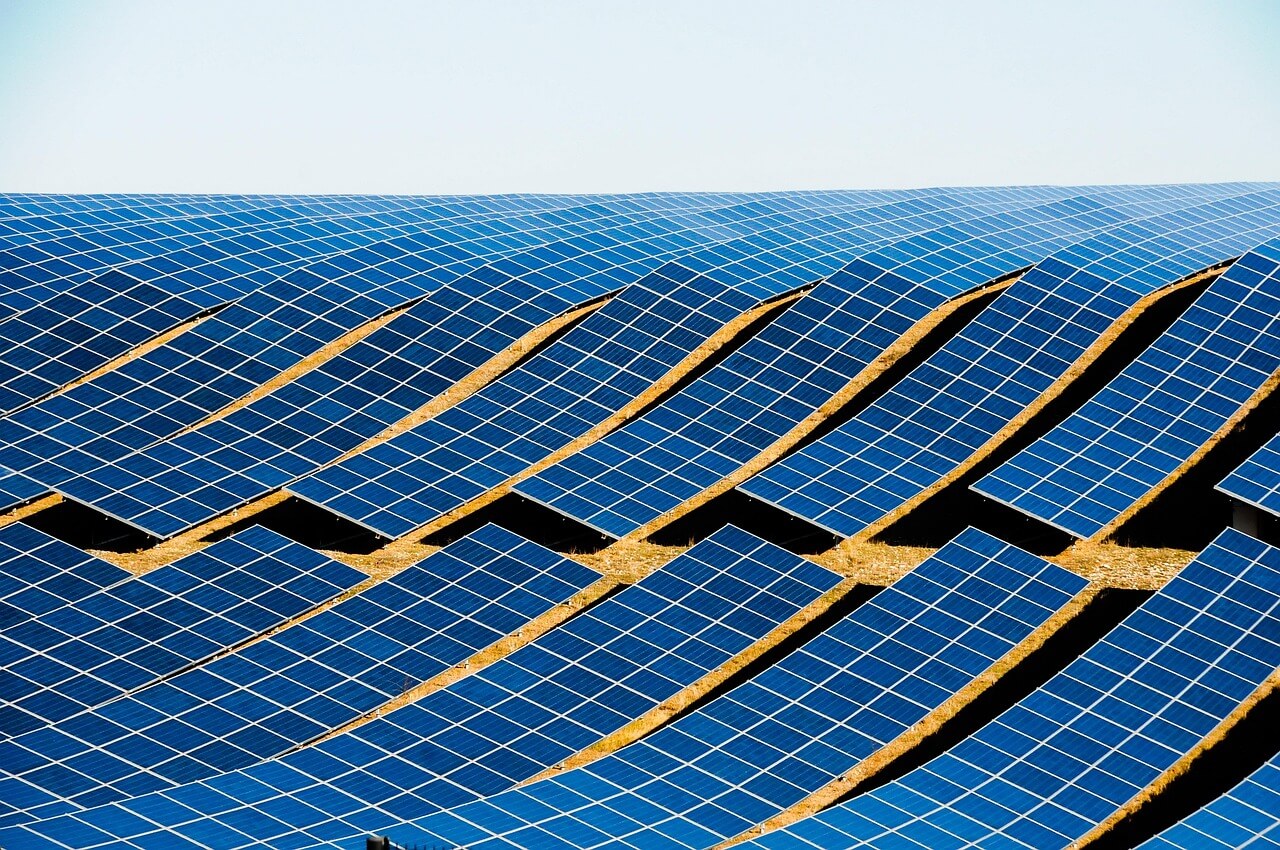
N-Type и P-Type солнечные фотоэлектрические модули: в чем их отличия и почему N-Type набирает популярность на мировом рынке?
21 Oct 2026 09:45 (GMT+8)
Импорт сподумена в Китай в сентябре вырос на 7% по сравнению с предыдущим месяцем, при этом Австралия, Нигерия и Зимбабве стали тремя крупнейшими источниками
20 Oct 2026 19:03 (GMT+8)
![[SMM анализ] Рекордные продажи горячекатаного проката Hoa Phat меняют самообеспеченность Вьетнама и экспортные потоки Китая](https://imgqn.smm.cn/usercenter/MhPNV20251217171716.jpg)
[SMM анализ] Рекордные продажи горячекатаного проката Hoa Phat меняют самообеспеченность Вьетнама и экспортные потоки Китая
20 Oct 2026 14:36 (GMT+8)
Китайский экспорт редкоземельных магнитов достиг рекорда в сентябре благодаря высвобождению отложенного спроса и смягчению регулирования【Анализ SMM】
20 Oct 2026 16:06 (GMT+8)
Последние новости
Цены на магний упали почти на 14% за более чем полгода, достигнув годового минимума; низкие цены на поставки с трудом находят поддержку для отскока [Комментарий SMM]
23 часов назад
[Анализ SMM] Опубликованы торговые данные по аккумуляторным материалам за сентябрь: импорт карбоната лития продолжил расти в годовом исчислении, а как обстоят дела в других сегментах?
23 Oct 2026 19:22 (GMT+8)
Цены на кобальтовую продукцию остаются под давлением, некоторые предприятия на рынке солей кобальта терпят убытки. Когда падение цен прекратится? [Еженедельный обзор]
23 Oct 2026 19:22 (GMT+8)
Отчеты 37 компаний по производству аккумуляторов и новой энергетики: максимальный рост составил 19 540,5%! 6 компаний вышли из убытков в прибыль! Снова ли цепочка поставок материалов оказалась в большом выигрыше?
23 Oct 2026 19:13 (GMT+8)
2 миллиарда! Лидер по производству LFP снова расширяет производство
23 Oct 2026 16:40 (GMT+8)
[SMM Утреннее совещание по кобальту и литию] Рыночный спрос остаётся стабильно слабым, дисбаланс спроса и предложения усиливается, цены на сырьё снижаются под давлением
23 Oct 2026 15:34 (GMT+8)
[SMM Обзор утреннего совещания по кобальту] Цены по всей производственной цепочке остаются под давлением, слабый конечный спрос тянет рынок вниз
23 Oct 2026 15:30 (GMT+8)
[СММ-флеш] Выпущен первый национальный стандарт координации вычислительных мощностей
23 Oct 2026 13:21 (GMT+8)
【SMM Экспресс】Zhuhai CosMX раскрывает результаты сокращения доли крупного акционера
22 Oct 2026 20:58 (GMT+8)
[Анализ SMM] Инверсия затрат не останавливает падение: слабость солей кобальта распространяется вниз по цепочке
22 Oct 2026 20:43 (GMT+8)
[Анализ SMM] Еженедельный обзор рынка кобальта: новостной импульс не компенсирует фундаментальное охлаждение
22 Oct 2026 18:24 (GMT+8)
[Анализ SMM] Еженедельный обзор рынка кобальта: позитивные новости не компенсируют слабые фундаментальные показатели, рынок кобальта расходится и снижается: металл стабилизируется, соли и порошки резко падают
22 Oct 2026 18:16 (GMT+8)
Твердотельные аккумуляторы в рамках консенсуса 2027 года: EVE Energy и Chery, два показательных игрока, представляют продукты
22 Oct 2026 17:37 (GMT+8)
Цены на карбонат лития упали ниже 100 000 юаней за тонну; рост предложения опережает снижающийся спрос
22 Oct 2026 17:34 (GMT+8)
[Анализ SMM] Графики производства тройных катодов могут продолжить снижаться в дальнейшем
22 Oct 2026 17:27 (GMT+8)
[SMM анализ] Производственный план по тройным катодам в мае может продолжить снижение
22 Oct 2026 17:26 (GMT+8)
[Литиевые батареи: Shanshan планирует частное размещение на 4 млрд юаней для базы анодов мощностью 150 тыс. тонн]
22 Oct 2026 17:05 (GMT+8)
[Литиевая батарея: чистая прибыль Do-Fluoride за 1-3 кварталы выросла на 659% по сравнению с аналогичным периодом прошлого года до 592 млн юаней]
22 Oct 2026 17:05 (GMT+8)
GM планирует использовать призматические батареи LMR от совместного предприятия с LG Energy Solution для электромобильной платформы четвёртого поколения
22 Oct 2026 16:55 (GMT+8)
На этой неделе цены на рынке приложений для повторного использования аккумуляторов снизились, ослабление затрат привело к более гибким котировкам [Еженедельный обзор SMM]
22 Oct 2026 16:18 (GMT+8)