

Новости
Эксклюзивные аналитические статьи с последними обновлениями рынка и своевременными новостными лентами.

Импорт сподумена в Китай в сентябре вырос на 7% по сравнению с предыдущим месяцем, при этом Австралия, Нигерия и Зимбабве стали тремя крупнейшими источниками
Согласно сводным данным китайской таможни, в сентябре 2026 года Китай импортировал 970,1 тыс. физических тонн сподумена, что примерно на 7,0% больше, чем 906,6 тыс. тонн в августе. Исходя из классификации и принятых в настоящем анализе допущений о содержании, влажности и коэффициентах пересчёта, сентябрьский импорт соответствовал примерно 81,3 тыс. тонн в эквиваленте карбоната лития (LCE). В разрезе стран происхождения значительно выросли поставки из Австралии, Нигерии и Зимбабве. Австралия осталась крупнейшим поставщиком: отгрузки в Китай достигли 446,2 тыс. тонн, увеличившись примерно на 36,7% к предыдущему месяцу и составив около 46,0% всего импорта. Нигерия вышла на второе место с объёмом 189,8 тыс. тонн, что примерно на 40,1% больше, а импорт из Зимбабве вырос примерно на 83,0% до 136,5 тыс. тонн. Импорт из ЮАР сократился примерно на 49,6% до 112,4 тыс. тонн, тогда как поставки из Бразилии увеличились примерно на 30,9% до 81,2 тыс. тонн. Меньшие объёмы поступили из Бурунди, Руанды и Мозамбика — примерно 1,8 тыс., 1,3 тыс. и 1,0 тыс. тонн соответственно, при ограниченных отгрузках из Замбии и Сомали. В сентябрьских данных импорт из Мали и Канады отсутствовал. В целом импорт сподумена в Китай в сентябре продолжил расти, при этом структура смещалась в сторону концентрата. Согласно использованной в настоящем анализе классификации, импорт концентрата достиг примерно 688,8 тыс. тонн, что составило 71,0% всего физического импорта по сравнению с 60,7% в августе. Импорт сырой руды составил примерно 281,3 тыс. тонн. Рост поставок концентрата из Австралии, Зимбабве и Нигерии компенсировал снижение импорта из Мали и Канады, что стало основной поддержкой увеличения импортного предложения литиевого сырья в Китае в этом месяце.
20 Oct 2026 19:03 (GMT+8)
[SMM анализ] Рекордные продажи горячекатаного проката Hoa Phat меняют самообеспеченность Вьетнама и экспортные потоки Китая
Хоа Фат продала 5,47 млн т горячекатаного рулона в январе–сентябре, рост на 59%, что составляет около трети потребления Вьетнама, при этом 24,6% продаж в третьем квартале пришлось на экспорт. Спрос на горячекатаный рулон во Вьетнаме в этом году составляет около 17,3 млн т, что по-прежнему превышает местное производство примерно в 10,8 млн т на 6,5 млн т, а новые мощности появятся в основном после 2027 года. Антидемпинговые пошлины вытеснили основной китайский рулон из Вьетнама; теперь китайские заводы конкурируют с вьетнамским рулоном в АСЕАН и на других рынках третьих стран.
20 Oct 2026 14:36 (GMT+8)
Китайский экспорт редкоземельных магнитов достиг рекорда в сентябре благодаря высвобождению отложенного спроса и смягчению регулирования【Анализ SMM】
Экспорт редкоземельных магнитов из Китая в сентябре достиг рекордных 6165 тонн (+23% м/м), что обусловлено расчисткой портовых заторов июля–августа, а не новым спросом. Переговоры США и Китая разблокировали поставки, а переговоры о «зелёном коридоре» с ЕС повысили прогноз на четвёртый квартал до ~5700 тонн в месяц. Крупные производители восстанавливались быстрее всех; малые предприятия по-прежнему ограничены.
20 Oct 2026 16:06 (GMT+8)
Последние новости
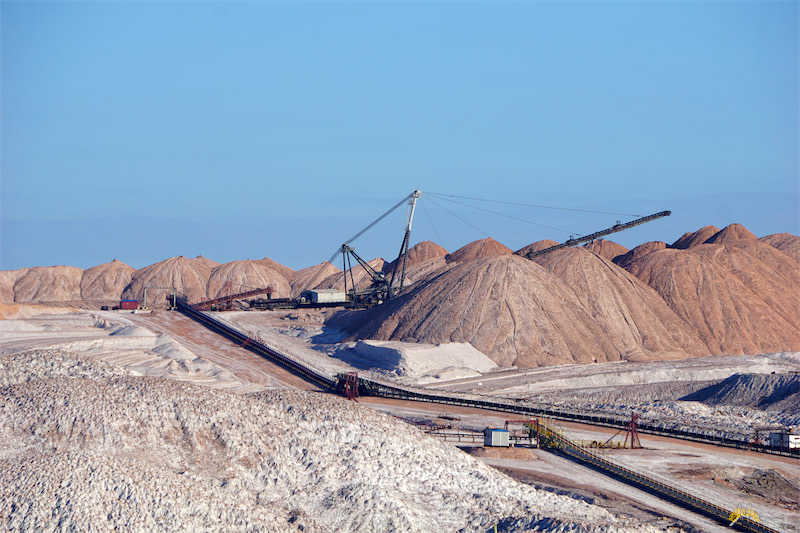
【SMM-анализ】Рынок хрома продолжает ослабевать на фоне снижения цен в тендерах металлургических предприятий в соответствии с ожиданиями
21 часов назад
![Цены на магний упали почти на 14% за более чем полгода, достигнув годового минимума; низкие цены на поставки с трудом находят поддержку для отскока [Комментарий SMM]](https://imgqn.smm.cn/usercenter/UhBXJ20251217171724.jpeg)
Цены на магний упали почти на 14% за более чем полгода, достигнув годового минимума; низкие цены на поставки с трудом находят поддержку для отскока [Комментарий SMM]
23 часов назад
【Flash | Micron поддерживает расширение добычи критически важных минералов в США компанией Indium Corporation】
23 Oct 2026 18:36 (GMT+8)
«Тяньци Литиум» совершила прорыв в извлечении тантала и ниобия из литиевого шлака и осуществила первую поставку
【SMM Тантал и ниобий Экспресс】Компания Tianqi Lithium недавно объявила, что, опираясь на ключевые научно-исследовательские платформы, включая «Сычуаньскую провинциальную ключевую лабораторию комплексного использования литиевых ресурсов и базовых литиевых материалов для новых аккумуляторов», компания точно сориентировалась на промышленные потребности своего стратегического партнёра Ningxia Orient Tantalum Industry, успешно осуществила прорыв в ключевой технологии «эффективного извлечения сверхнизкосортного тантала и ниобия из литиевого шлака» и беспрепятственно завершила промышленную поставку первой тонны тантал-ниобиевого концентрата. Проект был завершён и введён в эксплуатацию в июне 2026 года, в июле вышёл на стабильное производство, а 21 августа завершил поставку первой тонны продукции, сформировав замкнутый цикл от научно-исследовательских технологий до промышленного внедрения. Тантал и ниобий являются ключевыми редкими металлами в сферах высокотехнологичного производства и точной электроники. Данная поставка открывает перспективный путь для высокоценного использования ресурсов твёрдых отходов в отрасли и стала ещё одним достижением компании в области индустриализации после получения кремний-алюминиевого микропорошка из литиевого шлака.
23 Oct 2026 17:04 (GMT+8)
Цены на магний снизились, затем отскочили, стабилизируясь на слабом уровне на фоне ограниченного предложения и слабого спроса
【SMM Еженедельный обзор цен на магний】 На этой неделе цены на магний сначала снизились, затем отскочили, стабилизировавшись на слабом уровне. Со стороны сырья, основные доломитовые рудники в Утай по-прежнему закрыты, что приводит к дефициту местного высококачественного сырья; плавильные заводы расширили радиус закупок, и в целом предложение стабилизировалось после пополнения из внешних источников. Магниевые слитки в основных регионах производства продолжили нисходящий тренд в начале недели. По мере приближения цен к уровню себестоимости, плавильные заводы стали неохотно продавать, что в сочетании с пополнением запасов трейдерами привело к поэтапному отскоку. Однако этот отскок является спекулятивным восстановлением после перепроданности, и фундаментальный фон избыточного предложения и слабого спроса в среднесрочной и долгосрочной перспективе не изменился. Экспортные цены последовали за внутренним ростом, но фактически заключенных новых заказов немного, и принятие цен downstream-потребителями еще предстоит проверить. Магниевый порошок и магниевые сплавы колебались в узком диапазоне вслед за сырьем. Отрасль магниевых сплавов находится в процессе трансформации старых драйверов роста в новые: спрос со стороны традиционных downstream-секторов продолжает сокращаться, в то время как новые области применения еще не дали ощутимого импульса. По мере расширения сокращения производства сектор вступит в фазу глубокого снижения запасов, а восстановление платы за переработку потребует времени.
23 Oct 2026 16:57 (GMT+8)
SMM Weekly: Производство магния снизилось на 3,5% м/м, больше заводов приостановят выпуск
【Еженедельная сводка SMM по производству магния】С 16 по 22 октября недельный объём производства магния на образцовых заводах по всей стране снизился почти на 3,5% по сравнению с предыдущим месяцем. Согласно исследованиям и статистике SMM, четыре завода по выплавке первичного магния в настоящее время приостановили производство для технического обслуживания, ещё пять снизили коэффициент использования мощностей, что в общей сложности повлияло на ежедневный объём производства около 220 тонн (без учёта изменений у производителей до корректировки статистического калибра сентября). Сообщается, что вскоре ещё одно предприятие присоединится к числу приостановивших производство для технического обслуживания, и тенденция к снижению производства первичного магния в дальнейшем продолжится.
23 Oct 2026 16:53 (GMT+8)
Затраты на магниевые слитки в Шэньси снижаются, цены восстанавливаются, убытки производителей сокращаются
【SMM Еженедельный экспресс-обзор себестоимости магния】С 10 по 16 октября средняя себестоимость производства магниевых слитков в провинции Шэньси значительно снизилась. В сочетании с восстановлением цен на магний степень инверсии себестоимости несколько смягчилась, однако отрасль в целом по-прежнему остаётся убыточной. Со стороны затрат цены на уголь в угледобывающих регионах на этой неделе продолжили снижение: на угольных шахтах наблюдались серьёзные несостоявшиеся торги, трейдеры распродавали запасы. В сочетании с одновременным падением цен на ферросилиций общее снижение стоимости сырья привело к уменьшению затрат на выплавку; со стороны цен цены на магний на этой неделе достигли дна и отскочили вверх, средняя цена стабилизировалась на уровне около 15 200 юаней за тонну. Хотя производители первичного магния по-прежнему находятся на грани себестоимости, их убытки значительно сократились.
23 Oct 2026 16:52 (GMT+8)
Экспорт висмута из Китая резко вырос в сентябре 2026 года, показав значительный рост как в месячном, так и в годовом исчислении
В сентябре 2026 года общий экспорт висмутовой продукции из Китая достиг 814,68 тонны, что представляет собой значительный рост по сравнению с августом в месячном исчислении и ещё более существенный рост в годовом исчислении по сравнению с сентябрём 2025 года.
23 Oct 2026 16:27 (GMT+8)
Аукцион чернового селена на северо-западе Китая принес более 140 000 юаней за тонну на фоне уверенности рынка
Новости SMM, 23 октября: Согласно вчерашним данным участников рынка, около 25 тонн чернового селена (в пересчёте на содержание металла), выставленных на открытую продажу другим крупным производителем из Северо-Западного Китая, были успешно реализованы вчера. SMM известно, что личность конечного покупателя этой партии чернового селена не разглашается, при этом цена сделки, по сообщениям, превышает 140 000 юаней за тонну.
На недавних аукционах по продаже чернового селена в целом наблюдался высокий уровень цен. Это свидетельствует о том, что торговая активность на рынке селена продолжает расти с наступлением пикового сезона спроса «золотого сентября и серебряного октября», а уверенность участников рынка в будущей динамике цен на селен в целом укрепляется.
23 Oct 2026 16:23 (GMT+8)
На этой неделе ещё один крупный завод на северо-западе Китая успешно завершил сделки на несколько метрических тонн металла в пересчёте на содержание в черновом селене [SMM Selenium]
23 Oct 2026 16:21 (GMT+8)
![[SMM Обзор утреннего совещания по кобальту] Цены по всей производственной цепочке остаются под давлением, слабый конечный спрос тянет рынок вниз](https://imgqn.smm.cn/usercenter/EutUV20251217171724.jpeg)
[SMM Обзор утреннего совещания по кобальту] Цены по всей производственной цепочке остаются под давлением, слабый конечный спрос тянет рынок вниз
23 Oct 2026 15:30 (GMT+8)
Цены на магний сначала упали, затем выросли, слабость сохранилась; слабый спрос ведёт к расхождению запасов [Еженедельные данные SMM по магнию]
23 Oct 2026 14:44 (GMT+8)
![Дивергенция цен на титановую продукцию сохраняется, слабая рыночная конъюнктура становится очевидной [Еженедельный обзор рынка титана SMM]](https://imgqn.smm.cn/usercenter/hSSxt20251217171722.jpeg)
Дивергенция цен на титановую продукцию сохраняется, слабая рыночная конъюнктура становится очевидной [Еженедельный обзор рынка титана SMM]
23 Oct 2026 14:40 (GMT+8)
Серная кислота продолжает дорожать после праздников, региональные изменения усиливают расхождение [Еженедельный обзор рынка серной кислоты SMM]
Серная кислота продолжает дорожать после праздников, региональные изменения усиливают расхождение [Еженедельный обзор рынка серной кислоты SMM]
23 Oct 2026 13:31 (GMT+8)
Цены на алюминий ADC12 в течение дня резко консолидируются, возможности для движения спотового алюминия вверх или вниз ограничены [Ежедневный комментарий по ценам на ADC12]
[Ежедневный обзор цен на ADC12: вторичный алюминий резко колебался в течение дня, спотовые цены ограничены в росте и падении] Сегодня рынок ADC12 в целом сохранял стабильность с выжидательной позицией, котировки на рынке не претерпели значительных изменений. Котировка SMM на рынке ADC12 осталась на уровне предыдущего дня — 24 500 юаней за тонну. Фьючерсные движения сегодня демонстрировали повышенную волатильность, и предприятия в целом стали осторожнее в корректировке цен.
23 Oct 2026 13:24 (GMT+8)
ТИСКО объявляет тендер на 30 тонн ферромолибдена с поставкой до конца ноября 2026 года.
[Молибденовый флеш] SMM, 23 октября: тендерный план TISCO на 23 октября: 30 т ферромолибдена, дата поставки: 30.11.2026.
23 Oct 2026 09:27 (GMT+8)
Слабые цены и разнонаправленные покупательские настроения в сочетании с влиянием поставок и медвежьих настроений оказывают воздействие на рынок
【SMM Magnesium Flash】На этой неделе социальные запасы магниевых слитков увеличились на 1,79% по сравнению с прошлой неделей, продолжив восходящий тренд. Основная проблема заключается в продолжающемся снижении цен на магниевые слитки, что привлекло некоторых трейдеров к покупкам по низким ценам. Жёсткий спрос на поставки и пополнение запасов способствовал росту складских запасов. На этой неделе рынок магниевых слитков сначала снизился, а затем вырос. Несмотря на небольшой отскок, общий слабый тренд не был переломлен. У некоторых трейдеров были хорошие цены по ранним заказам, и при текущих низких ценах есть потенциал прибыли при пополнении запасов, поэтому они выбрали подходящий момент для закупок, что увеличило социальные запасы. Однако рыночные настроения крайне медвежьи, а в сочетании с уменьшением новых заказов и продолжающимся укреплением юаня трейдеры в целом действуют осторожно и не пополняют запасы вслепую. За исключением пополнения запасов для поставок в конце месяца, большинство сделок основано на встречных спотовых продажах, поэтому значительного накопления запасов не произошло.
23 Oct 2026 09:03 (GMT+8)
【Flash | MMG пересматривает прогноз на 2026 год, так как Las Bambas нацеливается на верхнюю границу】
MMG ожидает, что в 2026 году Las Bambas произведет около 400 000 тонн меди, что близко к верхней границе прогнозного диапазона 380 000–400 000 тонн. Kinsevere также, как ожидается, достигнет верхней границы своего диапазона по меди в 65 000–75 000 тонн. Однако прогноз по Khoemacau был снижен до 43 000–48 000 тонн с 48 000–53 000 тонн из-за задержек в разработке и ограниченной доступности оборудования. За первые девять месяцев Las Bambas произвела 2 745 тонн молибдена в концентрате, что на 33% больше по сравнению с аналогичным периодом прошлого года, а на четвертый квартал запланирован ввод флотационной колонны для молибдена. MMG не предоставила числового прогноза по молибдену на весь год.
22 Oct 2026 18:17 (GMT+8)
【Flash | Перу: рост извлечения молибдена не компенсирует спад Southern Copper в Мексике】
Southern Copper, дочерняя компания Grupo México, сообщила о добыче молибдена в объёме 7 702 тонн в третьем квартале 2026 года, что на 2,2% меньше по сравнению с аналогичным периодом прошлого года. Производство молибдена снизилось на 12,5% на La Caridad и на 8,3% на Buenavista в Мексике, что перевесило рост на 8,9% на Toquepala и на 6,1% на Cuajone в Перу. Производство молибдена компании за первые девять месяцев снизилось на 5,2% по сравнению с аналогичным периодом прошлого года до 22 264 тонн.
22 Oct 2026 18:16 (GMT+8)
【Молния | Начался обратный отсчет до забастовки на Highland Valley Copper компании Teck, что ставит под угрозу цель по молибдену】
Teck Resources получила уведомление о забастовке от United Steelworkers Local 7619 на своем предприятии Highland Valley Copper в Канаде. Забастовка может начаться уже в 8:00 утра по тихоокеанскому времени 24 октября, хотя производство продолжается, пока идут переговоры. Действующий прогноз Teck по производству молибдена на этом руднике на 2026 год составляет 1500–1800 тонн, тогда как в первом полугодии было произведено около 700 тонн. Длительный трудовой конфликт может оказать давление на оставшийся производственный график. Остановки рудника или потери производства молибдена из-за забастовки пока не подтверждены.
22 Oct 2026 18:14 (GMT+8)

Уже открыто раннее бронирование на 22-ю конференцию и отраслевую выставку по свинцу и цинку SMM LZE 2027 года, которая пройдёт в марте следующего года в Юньнани
——От конференции к выставке · Масштаб удвоен · Полное обновление—— [Что вы узнаете из этой статьи] ① Обзор выставки ② Как зарегистрироваться ③ Первая партия экспонентов ④ Повестка конференции I. Масштаб удвоен, полное обновление! В 2026 году рынок свинца и цинка столкнётся с резкой волатильностью: высокие цены на свинец, дефицит высокочистого свинца, рекордно высокие запасы низкосортного свинца на LME, перенос производства свинцово-кислотных аккумуляторов из Китая за рубеж, глубоко отрицательные TC по цинковым концентратам, дефицит качественной импортной цинковой руды, открывшееся экспортное окно для цинковых слитков и расширение мощностей зарубежных цинковых плавильных заводов. LZE охватывает рыночные перспективы, прогноз цен, технологии оборудования, переработку и применение в нижних переделах, стимулируя «зелёную» трансформацию и взаимовыгодный рост. Отличие LZE 2027 (22-й) от предыдущих мероприятий — в трансформационном обновлении: переход от чисто отраслевой конференции к бесшовному сочетанию конференции и отраслевой выставки, что обеспечит более масштабную встречу, расширенную отраслевую экспозицию и широкое вовлечение всей цепочки создания стоимости свинца и цинка. От анализа отраслевых трендов к углублённым обменам по цепочке отрасли, от стыковки спроса и предложения между верхними и нижними переделами к концентрированным презентациям компаний, от одной отраслевой конференции к дальнейшей интеграции «конференция + отраслевой экспо»——в 2027 году SMM LZE вступает в эпоху «экспо»! Конференция пройдёт в 22-й раз в более крупном масштабе, с более насыщенным составом участников отрасли и более широким участием компаний верхних и нижних переделов! Отсканируйте QR-код ниже, чтобы бесплатно зарегистрироваться как посетитель 1. Масштаб конференции Делегаты: 6 000+ (на 71,4% больше, чем в предыдущем выпуске) Компании: 2 000+ (на 100% больше, чем в предыдущем выпуске) Экспоненты: 120+ (на 50% больше, чем в предыдущем выпуске) Стыковка спроса и предложения: 300+ (на 50% больше, чем в предыдущем выпуске) Профильные форумы: 7 (на 1 больше, чем в предыдущем выпуске) 2. Группы участников 20% — горнодобывающие компании 23% — плавильные предприятия 22% — перерабатывающие предприятия 10% — трейдеры 5% — закупки конечных потребителей свинца и цинка 15% — сторонние поставщики оборудования, технологий, вспомогательных материалов, СМИ и т. д. 3% — государственные органы, ассоциации, научно-исследовательские институты университетов 2% — финансовые и фьючерсные компании 3. Разбивка по должностям 4. Основные моменты конференции Тенденции цен, прогноз потребления и интерпретация политики Глобальный диалог о свинцово-цинковой отрасли и стратегиях выхода на международные рынки Деловые встречи один на один Поиск прорывных путей в горно-металлургических технологиях и переработке ресурсов Демонстрация передового оборудования и расходных материалов II. Четыре статуса — одна выставка свинца и цинка Ищете ли вы аналитику рынка, закупки, презентацию продукции или продвижение бренда — вы найдёте подходящий формат участия. 1. Профессиональные посетители (Посетите выставку в поисках деловых возможностей и наладьте связи с участниками всей производственной цепочки) [Преимущества для посетителей] Билет в выставочную зону Подарки при регистрации на месте Эксклюзивная карта распределения свинцово-цинковой отрасли от SMM Группа обмена для посетителей свинцово-цинковой отрасли Групповые преимущества Билеты на некоторые форумы …… 2. Делегаты конференции (Узнайте о новых тенденциях и обсудите рынок свинца и цинка) [Преимущества для делегатов] Билет в выставочную зону Подарки при регистрации на месте Эксклюзивная карта распределения свинцово-цинковой отрасли от SMM Группа обмена для посетителей и участников конференции свинцово-цинковой отрасли Билет на все форумы конференции Приглашение на торжественный ужин Талоны на обед и ужин во время конференции Справочник предприятий Отчёты экспертов Подбор поставщиков и покупателей один на один Выездные мероприятия после конференции …… 3. Экспонент (Выйдите на отраслевую сцену и продемонстрируйте свои сильные стороны) [Индивидуальный стенд 18 м²] [Преимущества] Дизайн и изготовление всех материалов для стенда 18 м², столы, стулья, диван и стойка регистрации, телевизор, 5 пропусков на конференцию, X-баннер*1, цветная страница в сборнике конференции*1, размещение логотипа, многоплатформенное онлайн-продвижение, подбор поставщиков и покупателей один на один, долгосрочная поддержка сотрудничества от SMM и т. д. [Премиальный стенд 9 м²] [Преимущества] Дизайн и изготовление всех материалов для стенда 9 м², печатная задняя стена, стойка регистрации, столы и стулья, телевизор, 3 пропуска на конференцию, X-баннер*1 или цветная страница в сборнике конференции*1, размещение логотипа, многоплатформенное онлайн-продвижение, индивидуальные встречи поставщиков и покупателей, долгосрочная поддержка сотрудничества от SMM и др. [Стандартный стенд 6 м²] [Преимущества] Дизайн и изготовление всех материалов для стенда 6 м², один длинный стол и два стула, 2 X-баннера с разным содержанием, 2 пропуска на конференцию, многоплатформенное онлайн-продвижение, индивидуальные встречи поставщиков и покупателей, долгосрочная поддержка сотрудничества от SMM и др.
22 Oct 2026 09:59 (GMT+8)

Прогноз мирового баланса спроса и предложения алюминия на 2027 год: высокие маржи стимулируют расширение мощностей, рынок переходит от дефицита к избытку
21 Oct 2026 09:41 (GMT+8)

Китайские инвестиции в размере 6 миллиардов долларов в производство аккумуляторов в Марокко меняют спрос на литий в ЕС на фоне изменения тарифов
20 Oct 2026 17:02 (GMT+8)

N-Type и P-Type солнечные фотоэлектрические модули: в чем их отличия и почему N-Type набирает популярность на мировом рынке?
21 Oct 2026 09:45 (GMT+8)
Импорт сподумена в Китай в сентябре вырос на 7% по сравнению с предыдущим месяцем, при этом Австралия, Нигерия и Зимбабве стали тремя крупнейшими источниками
20 Oct 2026 19:03 (GMT+8)
![[SMM анализ] Рекордные продажи горячекатаного проката Hoa Phat меняют самообеспеченность Вьетнама и экспортные потоки Китая](https://imgqn.smm.cn/usercenter/MhPNV20251217171716.jpg)
[SMM анализ] Рекордные продажи горячекатаного проката Hoa Phat меняют самообеспеченность Вьетнама и экспортные потоки Китая
20 Oct 2026 14:36 (GMT+8)
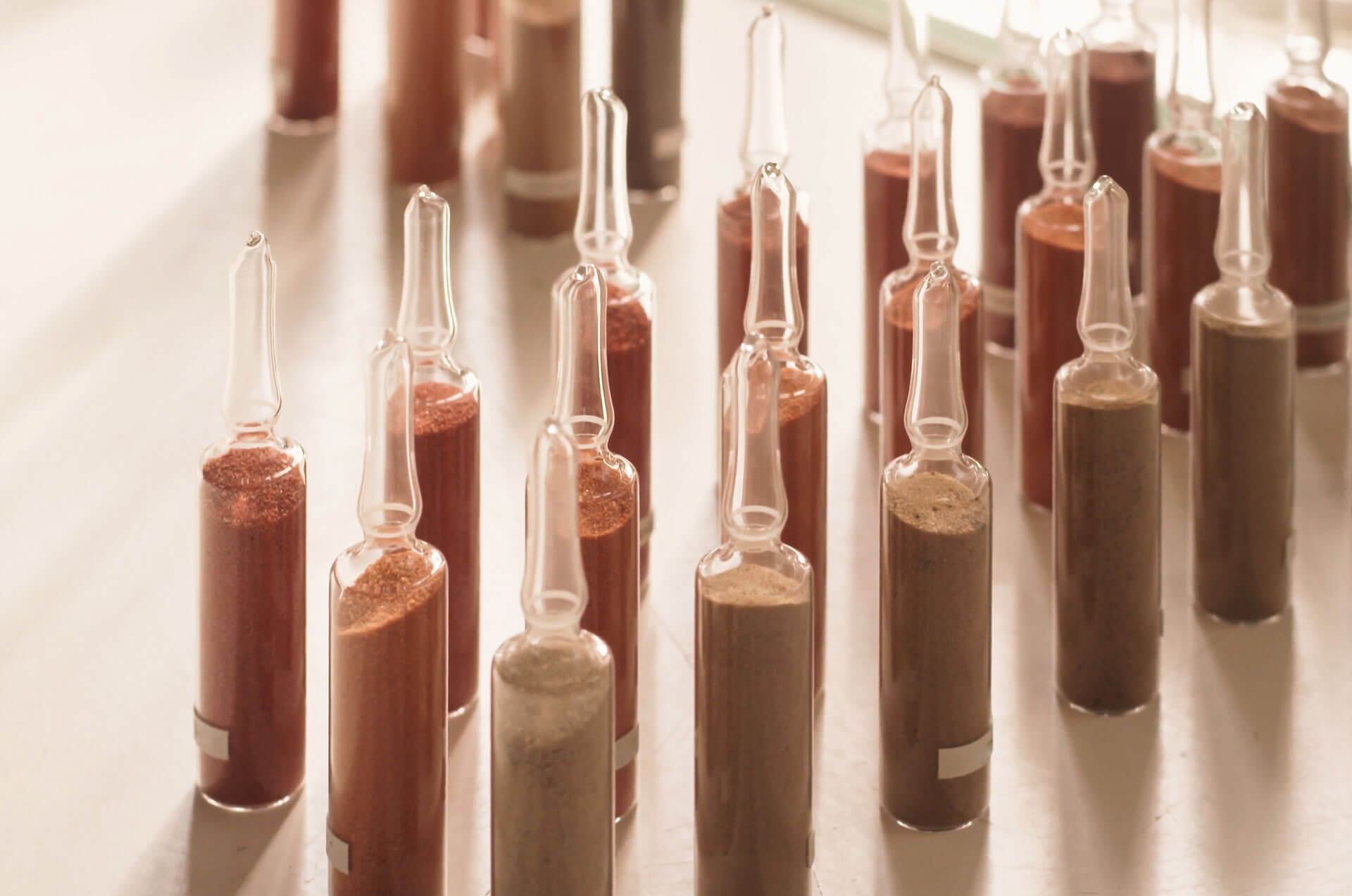
Китайский экспорт редкоземельных магнитов достиг рекорда в сентябре благодаря высвобождению отложенного спроса и смягчению регулирования【Анализ SMM】
20 Oct 2026 16:06 (GMT+8)
Последние новости
【SMM-анализ】Рынок хрома продолжает ослабевать на фоне снижения цен в тендерах металлургических предприятий в соответствии с ожиданиями
21 часов назад
Цены на магний упали почти на 14% за более чем полгода, достигнув годового минимума; низкие цены на поставки с трудом находят поддержку для отскока [Комментарий SMM]
23 часов назад
【Flash | Micron поддерживает расширение добычи критически важных минералов в США компанией Indium Corporation】
23 Oct 2026 18:36 (GMT+8)
«Тяньци Литиум» совершила прорыв в извлечении тантала и ниобия из литиевого шлака и осуществила первую поставку
23 Oct 2026 17:04 (GMT+8)
Цены на магний снизились, затем отскочили, стабилизируясь на слабом уровне на фоне ограниченного предложения и слабого спроса
23 Oct 2026 16:57 (GMT+8)
SMM Weekly: Производство магния снизилось на 3,5% м/м, больше заводов приостановят выпуск
23 Oct 2026 16:53 (GMT+8)
Затраты на магниевые слитки в Шэньси снижаются, цены восстанавливаются, убытки производителей сокращаются
23 Oct 2026 16:52 (GMT+8)
Экспорт висмута из Китая резко вырос в сентябре 2026 года, показав значительный рост как в месячном, так и в годовом исчислении
23 Oct 2026 16:27 (GMT+8)
Аукцион чернового селена на северо-западе Китая принес более 140 000 юаней за тонну на фоне уверенности рынка
23 Oct 2026 16:23 (GMT+8)
На этой неделе ещё один крупный завод на северо-западе Китая успешно завершил сделки на несколько метрических тонн металла в пересчёте на содержание в черновом селене [SMM Selenium]
23 Oct 2026 16:21 (GMT+8)
[SMM Обзор утреннего совещания по кобальту] Цены по всей производственной цепочке остаются под давлением, слабый конечный спрос тянет рынок вниз
23 Oct 2026 15:30 (GMT+8)
Цены на магний сначала упали, затем выросли, слабость сохранилась; слабый спрос ведёт к расхождению запасов [Еженедельные данные SMM по магнию]
23 Oct 2026 14:44 (GMT+8)
Дивергенция цен на титановую продукцию сохраняется, слабая рыночная конъюнктура становится очевидной [Еженедельный обзор рынка титана SMM]
23 Oct 2026 14:40 (GMT+8)
Серная кислота продолжает дорожать после праздников, региональные изменения усиливают расхождение [Еженедельный обзор рынка серной кислоты SMM]
23 Oct 2026 13:31 (GMT+8)
Цены на алюминий ADC12 в течение дня резко консолидируются, возможности для движения спотового алюминия вверх или вниз ограничены [Ежедневный комментарий по ценам на ADC12]
23 Oct 2026 13:24 (GMT+8)
ТИСКО объявляет тендер на 30 тонн ферромолибдена с поставкой до конца ноября 2026 года.
23 Oct 2026 09:27 (GMT+8)
Слабые цены и разнонаправленные покупательские настроения в сочетании с влиянием поставок и медвежьих настроений оказывают воздействие на рынок
23 Oct 2026 09:03 (GMT+8)
【Flash | MMG пересматривает прогноз на 2026 год, так как Las Bambas нацеливается на верхнюю границу】
22 Oct 2026 18:17 (GMT+8)
【Flash | Перу: рост извлечения молибдена не компенсирует спад Southern Copper в Мексике】
22 Oct 2026 18:16 (GMT+8)
【Молния | Начался обратный отсчет до забастовки на Highland Valley Copper компании Teck, что ставит под угрозу цель по молибдену】
22 Oct 2026 18:14 (GMT+8)