

Новости
Эксклюзивные аналитические статьи с последними обновлениями рынка и своевременными новостными лентами.
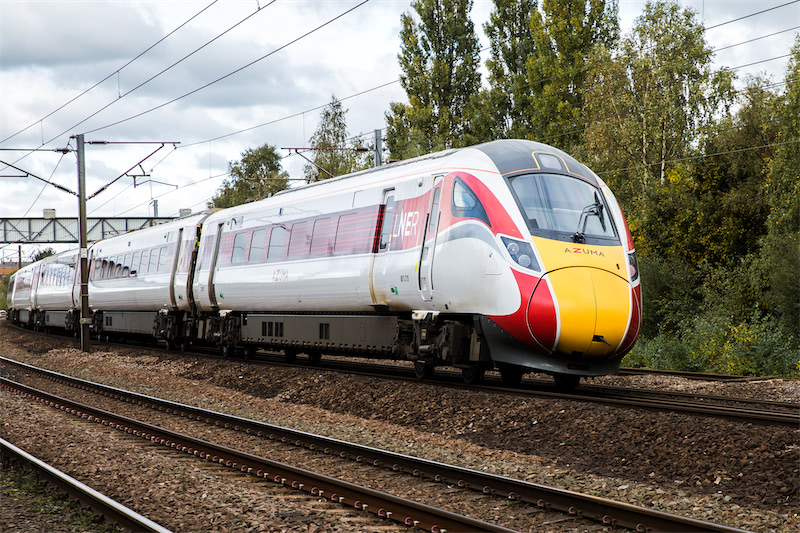
Импорт сподумена в Китай в сентябре вырос на 7% по сравнению с предыдущим месяцем, при этом Австралия, Нигерия и Зимбабве стали тремя крупнейшими источниками
Согласно сводным данным китайской таможни, в сентябре 2026 года Китай импортировал 970,1 тыс. физических тонн сподумена, что примерно на 7,0% больше, чем 906,6 тыс. тонн в августе. Исходя из классификации и принятых в настоящем анализе допущений о содержании, влажности и коэффициентах пересчёта, сентябрьский импорт соответствовал примерно 81,3 тыс. тонн в эквиваленте карбоната лития (LCE). В разрезе стран происхождения значительно выросли поставки из Австралии, Нигерии и Зимбабве. Австралия осталась крупнейшим поставщиком: отгрузки в Китай достигли 446,2 тыс. тонн, увеличившись примерно на 36,7% к предыдущему месяцу и составив около 46,0% всего импорта. Нигерия вышла на второе место с объёмом 189,8 тыс. тонн, что примерно на 40,1% больше, а импорт из Зимбабве вырос примерно на 83,0% до 136,5 тыс. тонн. Импорт из ЮАР сократился примерно на 49,6% до 112,4 тыс. тонн, тогда как поставки из Бразилии увеличились примерно на 30,9% до 81,2 тыс. тонн. Меньшие объёмы поступили из Бурунди, Руанды и Мозамбика — примерно 1,8 тыс., 1,3 тыс. и 1,0 тыс. тонн соответственно, при ограниченных отгрузках из Замбии и Сомали. В сентябрьских данных импорт из Мали и Канады отсутствовал. В целом импорт сподумена в Китай в сентябре продолжил расти, при этом структура смещалась в сторону концентрата. Согласно использованной в настоящем анализе классификации, импорт концентрата достиг примерно 688,8 тыс. тонн, что составило 71,0% всего физического импорта по сравнению с 60,7% в августе. Импорт сырой руды составил примерно 281,3 тыс. тонн. Рост поставок концентрата из Австралии, Зимбабве и Нигерии компенсировал снижение импорта из Мали и Канады, что стало основной поддержкой увеличения импортного предложения литиевого сырья в Китае в этом месяце.
20 Oct 2026 19:03 (GMT+8)
[SMM анализ] Рекордные продажи горячекатаного проката Hoa Phat меняют самообеспеченность Вьетнама и экспортные потоки Китая
Хоа Фат продала 5,47 млн т горячекатаного рулона в январе–сентябре, рост на 59%, что составляет около трети потребления Вьетнама, при этом 24,6% продаж в третьем квартале пришлось на экспорт. Спрос на горячекатаный рулон во Вьетнаме в этом году составляет около 17,3 млн т, что по-прежнему превышает местное производство примерно в 10,8 млн т на 6,5 млн т, а новые мощности появятся в основном после 2027 года. Антидемпинговые пошлины вытеснили основной китайский рулон из Вьетнама; теперь китайские заводы конкурируют с вьетнамским рулоном в АСЕАН и на других рынках третьих стран.
20 Oct 2026 14:36 (GMT+8)
Китайский экспорт редкоземельных магнитов достиг рекорда в сентябре благодаря высвобождению отложенного спроса и смягчению регулирования【Анализ SMM】
Экспорт редкоземельных магнитов из Китая в сентябре достиг рекордных 6165 тонн (+23% м/м), что обусловлено расчисткой портовых заторов июля–августа, а не новым спросом. Переговоры США и Китая разблокировали поставки, а переговоры о «зелёном коридоре» с ЕС повысили прогноз на четвёртый квартал до ~5700 тонн в месяц. Крупные производители восстанавливались быстрее всех; малые предприятия по-прежнему ограничены.
20 Oct 2026 16:06 (GMT+8)
Последние новости
«Лючжоу Айрон энд Стил» и Huawei внедряют ИИ-модель Xuantie для металлургии с целевым охватом 80%
2 часов назад
![[Fortescue подтверждает годовой прогноз; отгрузки за сентябрьский квартал составили 46,8 млн тонн]](https://imgqn.smm.cn/usercenter/QMaot20251217171719.jpg)
[Fortescue подтверждает годовой прогноз; отгрузки за сентябрьский квартал составили 46,8 млн тонн]
5 часов назад
![[JSW Steel достигла рекордного производства и продаж стали; чистая прибыль выросла на 225,5%]](https://imgqn.smm.cn/usercenter/VgxkU20251217171719.jpg)
[JSW Steel достигла рекордного производства и продаж стали; чистая прибыль выросла на 225,5%]
5 часов назад
[Мировое производство сырой стали в сентябре составило 142,4 млн тонн, снизившись на 0,2% г/г]
Мировое производство сырой стали в сентябре 2026 года составило 142,4 млн тонн, что на 0,2% меньше в годовом исчислении и на 1,2% меньше по сравнению с предыдущим месяцем, согласно рейтингу World Steel Association (worldsteel) по 70 странам и регионам-производителям стали. За январь-сентябрь мировое производство составило 1,37 млрд тонн, что на 0,7% меньше в годовом исчислении.
По регионам, производство сырой стали в странах СНГ плюс Украина составило 6,1 млн тонн в сентябре, что на 1,9% меньше в годовом исчислении и на 3,2% меньше по сравнению с предыдущим месяцем. Украина произвела лишь 131 тыс. тонн в сентябре, что на 52,7% меньше по сравнению с предыдущим месяцем и на 78,5% меньше в годовом исчислении. Производство в СНГ плюс Украина за январь-сентябрь составило 58,2 млн тонн, что на 5% меньше в годовом исчислении.
Десять крупнейших стран-производителей стали в сентябре: Китай — 73,6 млн тонн (+0,1% г/г), Индия — 13,9 млн тонн (+1,9%), США — 7,2 млн тонн (+4,3%), Япония — 6,3 млн тонн (-0,6%), Россия — 5,5 млн тонн (+6,2%), Южная Корея — 5,2 млн тонн (+3,6%), Турция — 3,2 млн тонн (+0,8%), Бразилия — 2,8 млн тонн (-0,8%), Вьетнам — 2,6 млн тонн (+29,1%) и Германия — 2,6 млн тонн (-13%).
Контекст: мировое производство сырой стали сократилось на 2% в годовом исчислении до 1,8 млрд тонн в 2025 году, тогда как производство в СНГ плюс Украина сократилось на 4,4% в годовом исчислении до 81,3 млн тонн, как сообщалось ранее. [SMM Iron Ore]
5 часов назад
[Мировое производство сырой стали в 70 странах снизилось на 0,2% г/г до 142,4 млн тонн в сентябре 2026 года]
Согласно данным Всемирной ассоциации стали (worldsteel), в сентябре 2026 года производство сырой стали в 70 странах, предоставляющих отчётность, составило 142,4 млн тонн, что на 0,2% меньше, чем в сентябре 2025 года. По регионам: Африка произвела 2,2 млн тонн, рост на 10,6% в годовом исчислении; Азия и Океания — 104,0 млн тонн, рост на 0,7%; ЕС (27) — 10,1 млн тонн, снижение на 5,0%; прочая Европа — 3,6 млн тонн, снижение на 1,4%; Ближний Восток — 3,6 млн тонн, снижение на 20,4%; Северная Америка — 9,3 млн тонн, рост на 3,4%; Россия и другие страны СНГ + Украина — 6,1 млн тонн, снижение на 1,9%; Южная Америка — 3,5 млн тонн, рост на 0,2%. За январь–сентябрь 2026 года 70 стран произвели 1 367,5 млн тонн, что на 0,7% меньше в годовом исчислении. В 2025 году на эти 70 стран приходилось около 98% мирового производства сырой стали.
Среди 10 крупнейших стран-производителей стали Китай в сентябре произвёл 73,6 млн тонн, рост на 0,1% в годовом исчислении; Индия — 13,9 млн тонн, рост на 1,9%; США, по оценкам, произвели 7,2 млн тонн, рост на 4,3%; Япония — 6,3 млн тонн, снижение на 0,6%; Россия, по оценкам, произвела 5,5 млн тонн, рост на 6,2%; Южная Корея — 5,2 млн тонн, рост на 3,6%; Турция — 3,2 млн тонн, рост на 0,8%; Германия — 2,6 млн тонн, снижение на 13,0%; Бразилия — 2,8 млн тонн, снижение на 0,8%; Вьетнам — 2,6 млн тонн, рост на 29,1%. [SMM Iron Ore]
5 часов назад
Нефть резко дорожает, цветные металлы в основном растут, цинк на LME лидирует в росте, медь на LME, алюминий на SHFE и олово на SHFE показывают максимальный рост, золото и серебро резко падают на недельном графике [Обзор ночных торгов]
10 часов назад
[SMM анализ] Спрос на плоский стальной прокат в Индии поддерживает рекордные продажи JSW, в то время как расходы на уголь сжимают маржу
Рекордные поставки увеличили прибыль JSW Steel во втором квартале 2027 финансового года, однако расходы и снижение цен реализации поглотили 71% прироста объёмов. Импорт вырос, несмотря на защитную пошлину Индии, а затраты на коксующийся уголь продолжат расти.
20 часов назад
【SMM-анализ】Рынок хрома продолжает ослабевать на фоне снижения цен в тендерах металлургических предприятий в соответствии с ожиданиями
21 часов назад
На прошлой неделе запасы бокситов в отечественных портах сократились на 30 тыс. тонн
【Портовые запасы импортного боксита SMM】По статистике SMM на 23 октября, общие запасы боксита в десяти портах страны снизились на 30 тыс. тонн по сравнению с предыдущей неделей.
22 часов назад
30 000 тонн глинозема продано по цене 361 долл./т FOB Индия с отгрузкой в ноябре
Сделка с глинозёмом: 23 октября 2026 года было продано 30 000 тонн глинозёма по цене 361 доллар за тонну на условиях FOB Индия с отгрузкой в ноябре.
22 часов назад
![Цены на магний упали почти на 14% за более чем полгода, достигнув годового минимума; низкие цены на поставки с трудом находят поддержку для отскока [Комментарий SMM]](https://imgqn.smm.cn/usercenter/UhBXJ20251217171724.jpeg)
Цены на магний упали почти на 14% за более чем полгода, достигнув годового минимума; низкие цены на поставки с трудом находят поддержку для отскока [Комментарий SMM]
23 часов назад
![Гуманоидные роботы на подъёме, China Northern Rare Earth и другие компании сообщают о положительных результатах за первые три квартала, сектор редкоземельных постоянных магнитов растёт [Новости SMM]](https://imgqn.smm.cn/usercenter/AJTtH20251217171744.jpg)
Гуманоидные роботы на подъёме, China Northern Rare Earth и другие компании сообщают о положительных результатах за первые три квартала, сектор редкоземельных постоянных магнитов растёт [Новости SMM]
23 часов назад
![[Анализ SMM] Опубликованы торговые данные по аккумуляторным материалам за сентябрь: импорт карбоната лития продолжил расти в годовом исчислении, а как обстоят дела в других сегментах?](https://imgqn.smm.cn/usercenter/BmqWy20251217171726.jpg)
[Анализ SMM] Опубликованы торговые данные по аккумуляторным материалам за сентябрь: импорт карбоната лития продолжил расти в годовом исчислении, а как обстоят дела в других сегментах?
23 Oct 2026 19:22 (GMT+8)
Цены на кобальтовую продукцию остаются под давлением, некоторые предприятия на рынке солей кобальта терпят убытки. Когда падение цен прекратится? [Еженедельный обзор]
23 Oct 2026 19:22 (GMT+8)
Отчеты 37 компаний по производству аккумуляторов и новой энергетики: максимальный рост составил 19 540,5%! 6 компаний вышли из убытков в прибыль! Снова ли цепочка поставок материалов оказалась в большом выигрыше?
Недавно публичные компании начали раскрывать результаты за третий квартал. Судя по отчетам и прогнозам прибыли, китайская производственная цепочка аккумуляторов и новой энергетики в первые три квартала показала высокие результаты в целом, что обусловлено главным образом спросом на накопители энергии и тяговые аккумуляторы, восстановлением цен на литий и повышением загрузки производственных мощностей.
В разрезе сегментов ведущий производитель аккумуляторов CATL за первые три квартала получил чистую прибыль в размере 64,53 млрд юаней, что на 31,60% больше по сравнению с аналогичным периодом прошлого года, а EVE ожидает, что ее чистая прибыль за первые три квартала вырастет на 80–90% в годовом исчислении.
23 Oct 2026 19:13 (GMT+8)
Внутренние ТС остаются низкими в ожидании ноябрьского ценообразования [Еженедельный обзор SMM по цинковым концентратам]
[Внутренние ТС остаются низкими, пока рынок ожидает ноябрьского ценообразования]: В недельном выражении средненедельный внутренний ТС SMM Zn50 остался без изменений по сравнению с прошлым месяцем на уровне -2350 юаней/т (в пересчёте на Zn), тогда как индекс импортного цинкового концентрата SMM снизился на 6,3 долл./т по сравнению с прошлым месяцем до -156,5 долл./т...
23 Oct 2026 18:54 (GMT+8)
Balfour Beatty получила контракт на строительство подстанции Birkhill Wood для подключения ветряных электростанций в Северном море
22 октября National Grid заключила с Balfour Beatty контракт на первый этап строительства подстанции 400 кВ Birkhill Wood в Восточном Йоркшире — точки подключения трёх морских ветропарков в Северном море и пакета, включающего медьёмкие КРУЭ 400 кВ, шинопроводы, обмотки трансформаторов и контрольные кабели. Контракт был заключён в рамках рамочного соглашения National Grid Electricity Transmission Partnership стоимостью 8 млрд фунтов стерлингов, по которому Balfour Beatty стала партнёром по реализации проектов в Северо-Восточной Англии в 2025 году. Первый этап охватывает раннее вовлечение подрядчика, детальное проектирование и подготовительные работы на площадке, а основное строительство должно начаться в 2027 году. Площадка расположена примерно в 700 метрах к северу от существующей подстанции Creyke Beck, и для сокращения занимаемой площади на ней будет использоваться элегазовое распределительное устройство. После завершения строительства она обеспечит подключение 4,22 ГВт от трёх последующих очередей Dogger Bank, чего достаточно для электроснабжения более четырёх миллионов домов. На пике строительства будет задействовано около 200 человек.
23 Oct 2026 18:42 (GMT+8)
【SMM — Новости алюминиевой отрасли】Спрос на алюминиевый прокат серии 5 в Северной и Южной Америке растет, потребление в Северной Америке достигнет 2,23 млн тонн
Ожидается, что спрос на плоский алюминиевый прокат (FRP) серии 5xxx в Северной и Южной Америке будет расти благодаря снижению веса автомобилей, судостроению и инвестициям в инфраструктуру. Потребление в Северной Америке, по прогнозам, увеличится с 1,79 млн тонн в 2025 году до 2,23 млн тонн к 2032 году, что соответствует росту примерно на 24,6%, при этом к 2030 году спрос достигнет около 2,10 млн тонн. Рост будет обусловлен применением в автомобильной и морской отраслях США, а также низкоуглеродной алюминиевой промышленностью Канады и расширяющейся производственной базой автомобилестроения Мексики.
Между тем, потребление в Южной Америке, по прогнозам, вырастет с 502 710 тонн в 2025 году до 602 020 тонн к 2032 году, то есть примерно на 19,8%, при этом Бразилия останется крупнейшим рынком региона. Ожидается, что автомобилестроение, транспорт и инвестиции в инфраструктуру будут поддерживать спрос, хотя торговая политика, стоимость сырья и мощности по дальнейшей переработке могут повлиять на темпы роста.
23 Oct 2026 18:39 (GMT+8)
Импорт и экспорт КНР в сфере CCL резко выросли в сентябре 2026 года, показав годовой рост
В сентябре 2026 года импорт медного ламината (CCL) в Китай (код ТН ВЭД: 74102110) составил 3 786,04 тонны, что на 2,81% меньше в годовом исчислении и на 9,79% больше по сравнению с предыдущим месяцем. С января по сентябрь 2026 года совокупный импорт CCL в Китай составил 31 842,04 тонны, увеличившись на 4,97% в годовом исчислении. В сентябре 2026 года экспорт CCL из Китая составил 9 930,57 тонны, что на 31,02% больше в годовом исчислении и на 7,89% больше по сравнению с предыдущим месяцем. С января по сентябрь 2026 года совокупный экспорт CCL из Китая составил 77 126 тонн, увеличившись на 14,31% в годовом исчислении.
23 Oct 2026 18:39 (GMT+8)
Торговля Китая медной фольгой: импорт из Тайваня и Индонезии; экспорт в Таиланд и Южную Корею в сентябре 2026 года
[Импорт и экспорт медной фольги по странам/регионам, 2026] В сентябре 2026 года основными источниками импорта медной фольги в Китай были Тайвань (Китай), Индонезия и Малайзия с объёмами импорта 4 440,57 т, 2 389,52 т и 948,11 т соответственно. В сентябре 2026 года основными направлениями экспорта медной фольги из Китая были Таиланд, Южная Корея и Малайзия с объёмами экспорта 1 777,59 т, 1 111,47 т и 856,1 т соответственно.
23 Oct 2026 18:38 (GMT+8)

Уже открыто раннее бронирование на 22-ю конференцию и отраслевую выставку по свинцу и цинку SMM LZE 2027 года, которая пройдёт в марте следующего года в Юньнани
——От конференции к выставке · Масштаб удвоен · Полное обновление—— [Что вы узнаете из этой статьи] ① Обзор выставки ② Как зарегистрироваться ③ Первая партия экспонентов ④ Повестка конференции I. Масштаб удвоен, полное обновление! В 2026 году рынок свинца и цинка столкнётся с резкой волатильностью: высокие цены на свинец, дефицит высокочистого свинца, рекордно высокие запасы низкосортного свинца на LME, перенос производства свинцово-кислотных аккумуляторов из Китая за рубеж, глубоко отрицательные TC по цинковым концентратам, дефицит качественной импортной цинковой руды, открывшееся экспортное окно для цинковых слитков и расширение мощностей зарубежных цинковых плавильных заводов. LZE охватывает рыночные перспективы, прогноз цен, технологии оборудования, переработку и применение в нижних переделах, стимулируя «зелёную» трансформацию и взаимовыгодный рост. Отличие LZE 2027 (22-й) от предыдущих мероприятий — в трансформационном обновлении: переход от чисто отраслевой конференции к бесшовному сочетанию конференции и отраслевой выставки, что обеспечит более масштабную встречу, расширенную отраслевую экспозицию и широкое вовлечение всей цепочки создания стоимости свинца и цинка. От анализа отраслевых трендов к углублённым обменам по цепочке отрасли, от стыковки спроса и предложения между верхними и нижними переделами к концентрированным презентациям компаний, от одной отраслевой конференции к дальнейшей интеграции «конференция + отраслевой экспо»——в 2027 году SMM LZE вступает в эпоху «экспо»! Конференция пройдёт в 22-й раз в более крупном масштабе, с более насыщенным составом участников отрасли и более широким участием компаний верхних и нижних переделов! Отсканируйте QR-код ниже, чтобы бесплатно зарегистрироваться как посетитель 1. Масштаб конференции Делегаты: 6 000+ (на 71,4% больше, чем в предыдущем выпуске) Компании: 2 000+ (на 100% больше, чем в предыдущем выпуске) Экспоненты: 120+ (на 50% больше, чем в предыдущем выпуске) Стыковка спроса и предложения: 300+ (на 50% больше, чем в предыдущем выпуске) Профильные форумы: 7 (на 1 больше, чем в предыдущем выпуске) 2. Группы участников 20% — горнодобывающие компании 23% — плавильные предприятия 22% — перерабатывающие предприятия 10% — трейдеры 5% — закупки конечных потребителей свинца и цинка 15% — сторонние поставщики оборудования, технологий, вспомогательных материалов, СМИ и т. д. 3% — государственные органы, ассоциации, научно-исследовательские институты университетов 2% — финансовые и фьючерсные компании 3. Разбивка по должностям 4. Основные моменты конференции Тенденции цен, прогноз потребления и интерпретация политики Глобальный диалог о свинцово-цинковой отрасли и стратегиях выхода на международные рынки Деловые встречи один на один Поиск прорывных путей в горно-металлургических технологиях и переработке ресурсов Демонстрация передового оборудования и расходных материалов II. Четыре статуса — одна выставка свинца и цинка Ищете ли вы аналитику рынка, закупки, презентацию продукции или продвижение бренда — вы найдёте подходящий формат участия. 1. Профессиональные посетители (Посетите выставку в поисках деловых возможностей и наладьте связи с участниками всей производственной цепочки) [Преимущества для посетителей] Билет в выставочную зону Подарки при регистрации на месте Эксклюзивная карта распределения свинцово-цинковой отрасли от SMM Группа обмена для посетителей свинцово-цинковой отрасли Групповые преимущества Билеты на некоторые форумы …… 2. Делегаты конференции (Узнайте о новых тенденциях и обсудите рынок свинца и цинка) [Преимущества для делегатов] Билет в выставочную зону Подарки при регистрации на месте Эксклюзивная карта распределения свинцово-цинковой отрасли от SMM Группа обмена для посетителей и участников конференции свинцово-цинковой отрасли Билет на все форумы конференции Приглашение на торжественный ужин Талоны на обед и ужин во время конференции Справочник предприятий Отчёты экспертов Подбор поставщиков и покупателей один на один Выездные мероприятия после конференции …… 3. Экспонент (Выйдите на отраслевую сцену и продемонстрируйте свои сильные стороны) [Индивидуальный стенд 18 м²] [Преимущества] Дизайн и изготовление всех материалов для стенда 18 м², столы, стулья, диван и стойка регистрации, телевизор, 5 пропусков на конференцию, X-баннер*1, цветная страница в сборнике конференции*1, размещение логотипа, многоплатформенное онлайн-продвижение, подбор поставщиков и покупателей один на один, долгосрочная поддержка сотрудничества от SMM и т. д. [Премиальный стенд 9 м²] [Преимущества] Дизайн и изготовление всех материалов для стенда 9 м², печатная задняя стена, стойка регистрации, столы и стулья, телевизор, 3 пропуска на конференцию, X-баннер*1 или цветная страница в сборнике конференции*1, размещение логотипа, многоплатформенное онлайн-продвижение, индивидуальные встречи поставщиков и покупателей, долгосрочная поддержка сотрудничества от SMM и др. [Стандартный стенд 6 м²] [Преимущества] Дизайн и изготовление всех материалов для стенда 6 м², один длинный стол и два стула, 2 X-баннера с разным содержанием, 2 пропуска на конференцию, многоплатформенное онлайн-продвижение, индивидуальные встречи поставщиков и покупателей, долгосрочная поддержка сотрудничества от SMM и др.
22 Oct 2026 09:59 (GMT+8)

Прогноз мирового баланса спроса и предложения алюминия на 2027 год: высокие маржи стимулируют расширение мощностей, рынок переходит от дефицита к избытку
21 Oct 2026 09:41 (GMT+8)

Китайские инвестиции в размере 6 миллиардов долларов в производство аккумуляторов в Марокко меняют спрос на литий в ЕС на фоне изменения тарифов
20 Oct 2026 17:02 (GMT+8)
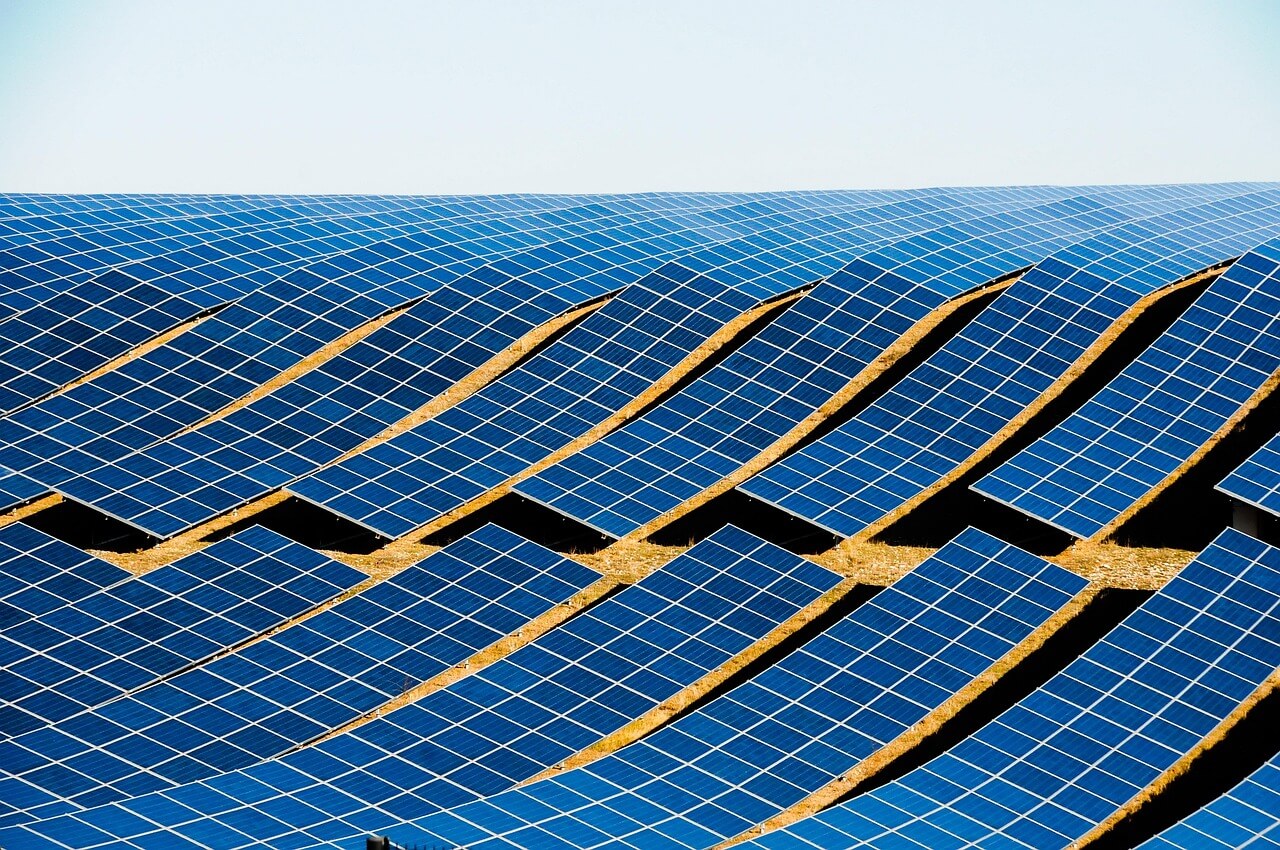
N-Type и P-Type солнечные фотоэлектрические модули: в чем их отличия и почему N-Type набирает популярность на мировом рынке?
21 Oct 2026 09:45 (GMT+8)
Импорт сподумена в Китай в сентябре вырос на 7% по сравнению с предыдущим месяцем, при этом Австралия, Нигерия и Зимбабве стали тремя крупнейшими источниками
20 Oct 2026 19:03 (GMT+8)
![[SMM анализ] Рекордные продажи горячекатаного проката Hoa Phat меняют самообеспеченность Вьетнама и экспортные потоки Китая](https://imgqn.smm.cn/usercenter/MhPNV20251217171716.jpg)
[SMM анализ] Рекордные продажи горячекатаного проката Hoa Phat меняют самообеспеченность Вьетнама и экспортные потоки Китая
20 Oct 2026 14:36 (GMT+8)
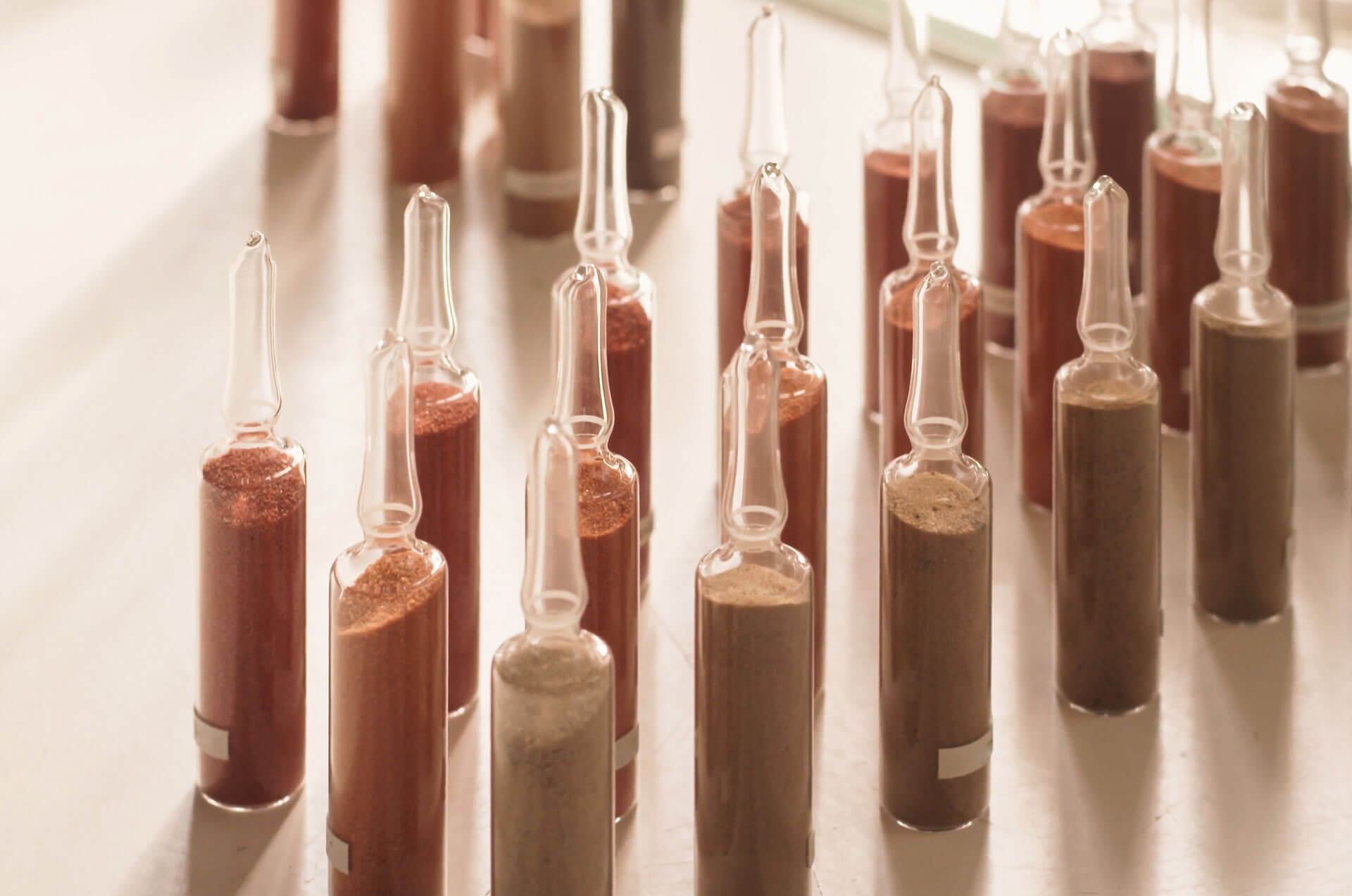
Китайский экспорт редкоземельных магнитов достиг рекорда в сентябре благодаря высвобождению отложенного спроса и смягчению регулирования【Анализ SMM】
20 Oct 2026 16:06 (GMT+8)
Последние новости
«Лючжоу Айрон энд Стил» и Huawei внедряют ИИ-модель Xuantie для металлургии с целевым охватом 80%
2 часов назад
[Fortescue подтверждает годовой прогноз; отгрузки за сентябрьский квартал составили 46,8 млн тонн]
5 часов назад
[JSW Steel достигла рекордного производства и продаж стали; чистая прибыль выросла на 225,5%]
5 часов назад
[Мировое производство сырой стали в сентябре составило 142,4 млн тонн, снизившись на 0,2% г/г]
5 часов назад
[Мировое производство сырой стали в 70 странах снизилось на 0,2% г/г до 142,4 млн тонн в сентябре 2026 года]
5 часов назад
Нефть резко дорожает, цветные металлы в основном растут, цинк на LME лидирует в росте, медь на LME, алюминий на SHFE и олово на SHFE показывают максимальный рост, золото и серебро резко падают на недельном графике [Обзор ночных торгов]
10 часов назад
[SMM анализ] Спрос на плоский стальной прокат в Индии поддерживает рекордные продажи JSW, в то время как расходы на уголь сжимают маржу
20 часов назад
【SMM-анализ】Рынок хрома продолжает ослабевать на фоне снижения цен в тендерах металлургических предприятий в соответствии с ожиданиями
21 часов назад
На прошлой неделе запасы бокситов в отечественных портах сократились на 30 тыс. тонн
22 часов назад
30 000 тонн глинозема продано по цене 361 долл./т FOB Индия с отгрузкой в ноябре
22 часов назад
Цены на магний упали почти на 14% за более чем полгода, достигнув годового минимума; низкие цены на поставки с трудом находят поддержку для отскока [Комментарий SMM]
23 часов назад
Гуманоидные роботы на подъёме, China Northern Rare Earth и другие компании сообщают о положительных результатах за первые три квартала, сектор редкоземельных постоянных магнитов растёт [Новости SMM]
23 часов назад
[Анализ SMM] Опубликованы торговые данные по аккумуляторным материалам за сентябрь: импорт карбоната лития продолжил расти в годовом исчислении, а как обстоят дела в других сегментах?
23 Oct 2026 19:22 (GMT+8)
Цены на кобальтовую продукцию остаются под давлением, некоторые предприятия на рынке солей кобальта терпят убытки. Когда падение цен прекратится? [Еженедельный обзор]
23 Oct 2026 19:22 (GMT+8)
Отчеты 37 компаний по производству аккумуляторов и новой энергетики: максимальный рост составил 19 540,5%! 6 компаний вышли из убытков в прибыль! Снова ли цепочка поставок материалов оказалась в большом выигрыше?
23 Oct 2026 19:13 (GMT+8)
Внутренние ТС остаются низкими в ожидании ноябрьского ценообразования [Еженедельный обзор SMM по цинковым концентратам]
23 Oct 2026 18:54 (GMT+8)
Balfour Beatty получила контракт на строительство подстанции Birkhill Wood для подключения ветряных электростанций в Северном море
23 Oct 2026 18:42 (GMT+8)
【SMM — Новости алюминиевой отрасли】Спрос на алюминиевый прокат серии 5 в Северной и Южной Америке растет, потребление в Северной Америке достигнет 2,23 млн тонн
23 Oct 2026 18:39 (GMT+8)
Импорт и экспорт КНР в сфере CCL резко выросли в сентябре 2026 года, показав годовой рост
23 Oct 2026 18:39 (GMT+8)
Торговля Китая медной фольгой: импорт из Тайваня и Индонезии; экспорт в Таиланд и Южную Корею в сентябре 2026 года
23 Oct 2026 18:38 (GMT+8)