

Новости
Эксклюзивные аналитические статьи с последними обновлениями рынка и своевременными новостными лентами.
![[Анализ SMM] Производство BESS в Индии ускоряется, но зависимость от аккумуляторных элементов остаётся ключевым узким местом](https://imgqn.smm.cn/production/admin/votes/imagesozVHm20260131125121.jpeg)
[Анализ SMM] Производство BESS в Индии ускоряется, но зависимость от аккумуляторных элементов остаётся ключевым узким местом
В первом квартале 2026 года мировые поставки систем накопления энергии достигли 100,0 ГВт·ч, что на 96,5% больше, чем 50,9 ГВт·ч за аналогичный период 2025 года, и вывело квартальные поставки на совершенно новый уровень.
30 Sep 2026 08:50 (GMT+8)
SMM запускает калькулятор CBAM для алюминия: что означают оценки затрат для предложений, ориентированных на ЕС【Анализ SMM】
По мере вступления Механизма пограничной углеродной корректировки ЕС (CBAM) в окончательную фазу при торговле алюминием с Европой необходимо оценивать углеродные затраты наряду с ценами на металл, стоимостью переработки и логистикой. SMM запустила Калькулятор CBAM для алюминия , объединяющий коды товаров, страну происхождения, данные о выбросах и цены сертификатов для поддержки экспортных котировок, европейских закупок и внутреннего бюджетирования. Модуль по алюминию предлагает 58 кодов CN и 68 категорий происхождения/значений по умолчанию, охватывая необработанный алюминий, профили, листы, полосы, фольгу и другую продукцию. Годовые параметры доступны на 2026–2030 годы. Пользователи вводят тоннаж и выбирают значения выбросов по умолчанию или вводят проверенные фактические выбросы. Затем на странице отображаются расчётное количество сертификатов на тонну, общее количество сертификатов, стоимость за тонну и общий бюджет, при этом маршруты первичного и вторичного алюминия сопоставляются с применимой базой данных. Практическое преимущество заключается в том, что допущения и результаты отображаются вместе. Экспортёры могут указать продукт, происхождение, период импорта и основу выбросов, лежащую в основе котировки, а покупатели могут сравнивать источники в единообразных условиях. Страница включает китайский и английский интерфейсы, таблицы параметров и возможность печати сметы расходов. Распределение связанных затрат между покупателями и продавцами остаётся предметом договорных отношений. Следует различать объём сертификатов и их денежную стоимость. По состоянию на 29 сентября 2026 года калькулятор учитывает официальные цены: €75,36 за сертификат за I квартал 2026 года и €75,28 за II квартал. Цена за III квартал ещё не опубликована. Если цена недоступна, на странице сохраняются оценки объёма сертификатов, а поля стоимости остаются пустыми, вместо подстановки предполагаемой цены. Текущая версия не учитывает вычеты за углеродные платежи, уплаченные за рубежом, и оценку годового порога импорта. Расчёт фактических выбросов для сложных алюминиевых изделий также не включает корректировку на бесплатное распределение, относящуюся к прекурсорам. Поэтому в приведённом ниже анализе используется проверенный расчёт по значениям по умолчанию. Результаты являются коммерческими оценками, а не окончательными обязательствами по сдаче сертификатов. Для сравнения на рынке один и тот же алюминиевый продукт может иметь существенно разные расчётные затраты в зависимости от значения по умолчанию для конкретной страны происхождения. Рассмотрим код CN 76012040 — необработанные алюминиевые сплавы в форме заготовок — с первичным маршрутом K, ценой сертификата за II квартал 2026 года и количеством 1000 тонн. Расчётные затраты по значениям по умолчанию для Китая, Индии и Канады составляют €143,98, €50,41 и €57,86 за тонну соответственно. Эти цифры включают годовую надбавку к значению по умолчанию и корректировку на бесплатное распределение на основе бенчмарка. Случаи со значениями по умолчанию для Китая и Индии различаются примерно на €93,57 за тонну. Сравнение только цены металла или стоимости переработки может упустить существенную разницу в бюджете покупателя. При прочих схожих коммерческих условиях расчётные затраты CBAM могут повлиять на привлекательность предложения. Однако это не является рейтингом фактической углеродоёмкости производителей. Фрахт, таможенные пошлины, качество и условия поставки также находятся за рамками данного сравнения, поэтому одни лишь цифры не могут определить предпочтительного поставщика. Это подчёркивает коммерческую ценность документации поставщика о выбросах. Для производителей, чьи фактические выбросы ниже применимого значения по умолчанию, подтверждённые надлежащей верификацией, фактические данные могут изменить оценку затрат покупателем. Покупатели могут использовать значения по умолчанию для первоначального бюджета при отсутствии документации, а затем провести переоценку на основе доказательств поставщика. Таким образом, у экспортёров появляется основание готовить информацию о выбросах вместе с коммерческими предложениями, а не вести переговоры исключительно вокруг различий в страновых значениях по умолчанию. Изменения годовых параметров также заслуживают внимания. При неизменных базовом значении по умолчанию для китайской продукции, маршруте и бенчмарке, а также при допущении, что год импорта и применимый отчётный год совпадают, расчётный объём сертификатов возрастает с 1,912575 на тонну в 2026 году до 2,248150 в 2027 году — увеличение примерно на 17,5%. Это отражает более высокую надбавку к значению по умолчанию и меньший вычет за бесплатное распределение; это не означает роста будущих цен на сертификаты. Для соглашений о поставках, охватывающих разные годы, компании могут сначала сравнить объём сертификатов, а затем обсудить механизмы обновления цен и распределение затрат. Даже при неизвестных будущих ценах на сертификаты определение объёма сертификатов и получение документации поставщика может повысить сопоставимость предложений и бюджетов закупок.
29 Sep 2026 17:32 (GMT+8)
[Анализ SMM] Низкоуглеродная первичная медь начинает торговаться отдельно — будет ли переоценена «зелёная» ценность вторичной меди?
[Анализ SMM: Низкоуглеродная первичная медь начинает торговаться отдельно — будет ли переоценена экологическая ценность вторичной меди?] Пилотный проект BHP и Amazon EAC отделяет подтверждённые сокращения выбросов от физической торговли медью, давая первичной меди с низким уровнем выбросов новый источник экологической ценности. Вторичная медь сохраняет значительное энергетическое преимущество, но будущая конкурентоспособность может в большей степени зависеть от прослеживаемости, содержания вторичного сырья и подтверждённых данных о выбросах углерода, что потенциально добавит экологическое измерение в ценообразование.
29 Sep 2026 16:03 (GMT+8)
Последние новости

【Flash | PhotonLink от Coherent готовит почву для коммерческого наращивания производства фосфида индия (InP)】
02 Oct 2026 14:34 (GMT+8)
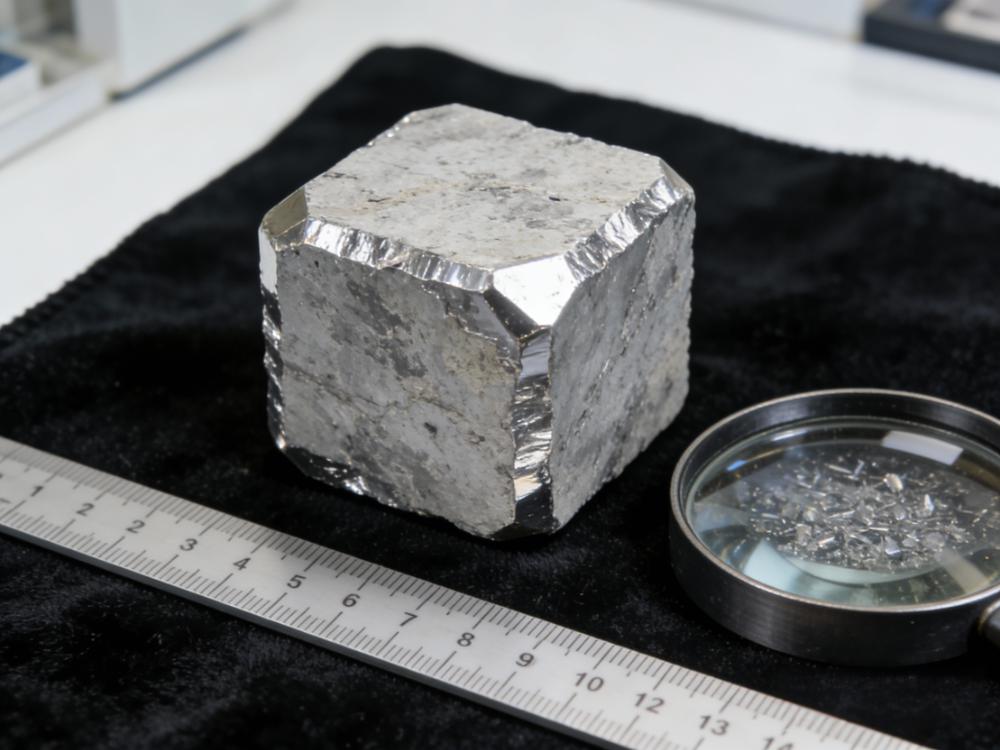
На месторождение Трибаг–Уэст-Уэдж прибыла вторая буровая установка Nine Mile для испытания семи электромагнитных целей
02 Oct 2026 10:38 (GMT+8)
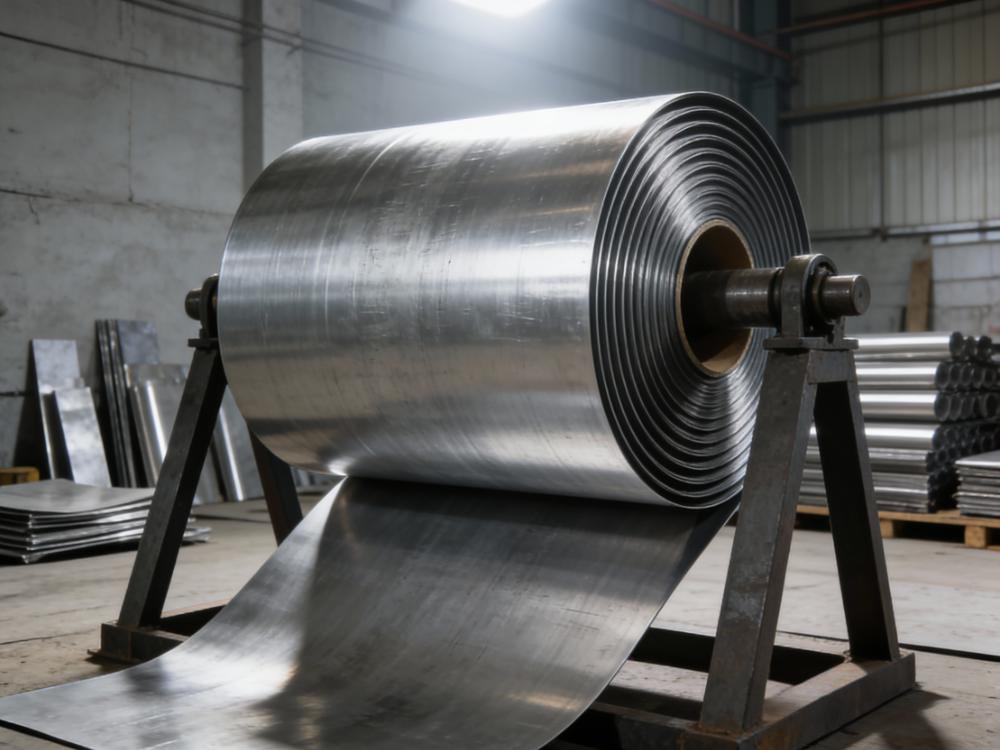
【SMM Экспресс-новости】Masivo пересекла 32,50 метра свинцово-цинковой полиметаллической минерализации на Серро-Колорадо.
01 Oct 2026 10:06 (GMT+8)
Региональные сбои сдерживают восстановление производства в сентябре; в октябре ожидается рост выпуска вторичного свинца
01 Oct 2026 09:24 (GMT+8)
[Анализ SMM] Влияние Национального праздника: обзор производства свинцовых заводов и предпродаж слитков
SMM, 30 сентября: По мере приближения праздника — Дня образования КНР — предприятия по всей цепочке свинцовой промышленности составляют графики работы на праздничные дни.
30 Sep 2026 21:35 (GMT+8)
Настроение рынка осторожное перед Национальным днём, цены на лом аккумуляторов колеблются в узком диапазоне [Еженедельный обзор SMM по лому аккумуляторов]
30 Sep 2026 17:37 (GMT+8)
[SMM прогноз рынка свинца на неделю: после праздников фундаментальные показатели смещаются, ожидается консолидация цен на свинец в более широком диапазоне]
30 Sep 2026 17:00 (GMT+8)
Нижестоящие предприятия прекращают накопление запасов, дилеры могут вновь запустить акции по стимулированию продаж [Еженедельный обзор рынка свинцово-кислотных аккумуляторов SMM]
30 Sep 2026 16:45 (GMT+8)
Норма загрузки предприятий по производству свинцово-кислотных аккумуляторов резко снизилась за неделю между двумя праздниками [Еженедельный комментарий SMM по норме загрузки предприятий по производству свинцово-кислотных аккумуляторов]
30 Sep 2026 16:36 (GMT+8)
Поставщики распродавали товары для очистки запасов в конце сентября, запасы первичного свинца на предприятиях продолжили снижаться [Еженедельный обзор запасов первичного свинца SMM]
30 Sep 2026 16:30 (GMT+8)
![Еженедельный коэффициент загрузки первичных свинцовых заводов SMM (25 сентября – 1 октября 2026 г.) [Еженедельный обзор загрузки первичных свинцовых мощностей SMM]](https://imgqn.smm.cn/usercenter/qnyHQ20251217171721.jpeg)
Еженедельный коэффициент загрузки первичных свинцовых заводов SMM (25 сентября – 1 октября 2026 г.) [Еженедельный обзор загрузки первичных свинцовых мощностей SMM]
30 Sep 2026 16:18 (GMT+8)
![Запасы в нижнем звене цепочки перестают накапливаться, спотовый рынок свинца переходит от торговли с премией к торговле с дисконтом [Еженедельный обзор спотового рынка рафинированного свинца SMM]](https://imgqn.smm.cn/usercenter/xVUpr20251217171722.jpg)
Запасы в нижнем звене цепочки перестают накапливаться, спотовый рынок свинца переходит от торговли с премией к торговле с дисконтом [Еженедельный обзор спотового рынка рафинированного свинца SMM]
30 Sep 2026 16:16 (GMT+8)
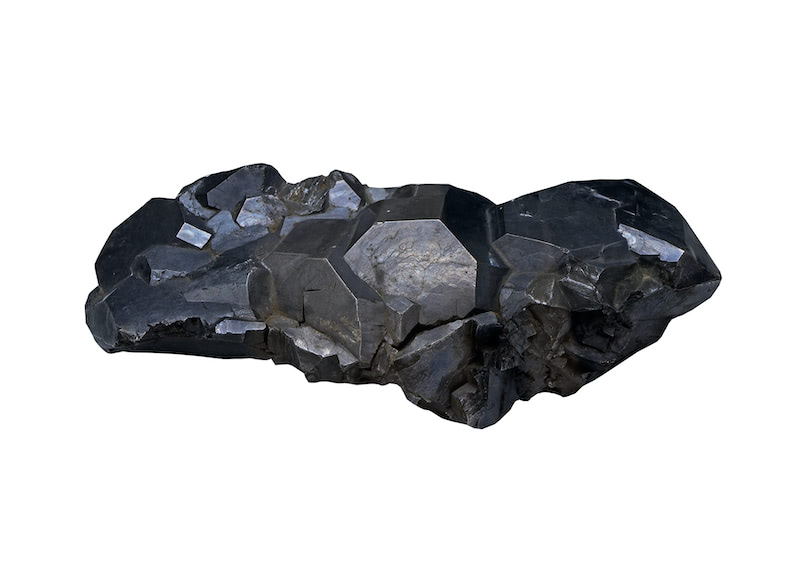
Праздники замедлили рынок вторичного свинца: меньше продавцов и низкая активность сделок
30 Sep 2026 16:10 (GMT+8)
Цена на рафинированный свинец SMM CIF со скидкой; количество новых импортных сделок снижается
[Динамика рынка вторичного свинца] По состоянию на эту пятницу цена CIF на черновой свинец SMM (содержащий 0,1–0,35% Sb, 0,1–0,25% Sn) была со скидкой 300–150 юаней за тонну относительно средней цены на свинец SMM #1. За неделю объём новых сделок по импорту чернового свинца сократился, было заключено лишь небольшое количество заказов с поставкой в конце августа — начале сентября. После праздников ранее заключённые заказы будут массово поступать в порты.
30 Sep 2026 16:09 (GMT+8)
Вторичные запасы свинца сократились на 330 тонн за месяц, торговля замедлилась на фоне слабого предпраздничного спроса
[Динамика рынка вторичного свинца] По состоянию на 30 сентября запасы готовой продукции из вторичного свинца составили 7 700 тонн, что на 330 тонн меньше по сравнению с прошлым месяцем. Предпраздничное накопление запасов в основном завершилось на этой неделе, настроения downstream-покупателей стали сдержанными, а объём сделок снизился по сравнению с прошлой неделей. В то же время поставщики вторичного свинца столкнулись с ограниченной доступностью спотовых заказов, некоторые трейдеры досрочно ушли на каникулы, приостановив котировки и продажи, что замедлило темпы сокращения запасов.
30 Sep 2026 16:08 (GMT+8)
Еженедельный уровень загрузки вторичных свинцовых заводов в четырёх провинциях остаётся стабильным на уровне 40,3%
[Динамика производства вторичного свинца] За период с 25 сентября по 1 октября 2026 года недельная загрузка мощностей заводов по выплавке вторичного свинца в четырёх провинциях, отслеживаемых SMM, составила 40,3%, без изменений по сравнению с предыдущей неделей. Производство на заводах по выплавке вторичного свинца на этой неделе оставалось стабильным, а уровень загрузки в основном соответствовал показателям предыдущей недели.
30 Sep 2026 16:07 (GMT+8)
Снижение поставок вторичного свинца перед праздником, расхождение премий, прибыль заводов в основном стабильна [Еженедельный обзор SMM по вторичному рафинированному свинцу]
30 Sep 2026 16:05 (GMT+8)
Данные: динамика рынка SHFE, DCE (30 сентября)
В следующей таблице показано движение черных и цветных металлов на SHFE и DCE 30 сентября 2026 года.
30 Sep 2026 16:03 (GMT+8)
Предпраздничные выжидательные настроения преобладают; контракт SHFE на свинец 2611 закрылся слабо [Краткий комментарий по фьючерсам на свинец]
30 Sep 2026 15:45 (GMT+8)
King Global сообщает о результатах опробования хвостов месторождения Голден-Терки: среднее содержание свинца 0,44% и цинка 0,42% по 76 приповерхностным пробам
King Global Critical Minerals сообщила результаты систематического опробования исторических хвостов Golden Turkey на своем проекте Black Canyon в Аризоне. Всего 76 проб хвостов, отобранных у поверхности по сетке примерно 30 футов, дали средние арифметические содержания около 3,85 г/т золота, 76,2 г/т серебра, 0,44% свинца и 0,42% цинка.
Компания прямо заявляет, что эти результаты характеризуют только опробованную приповерхностную часть и не должны интерпретироваться как среднее содержание всего хвостохранилища Golden Turkey или использоваться в сочетании с историческими оценками объема хвостов для расчета заключенного металла. King планирует дополнительное вертикальное опробование, репрезентативные измерения насыпной плотности и металлургические испытания, продолжая обсуждение с Лесной службой США и другими регулирующими органами вопросов возможного удаления, переработки за пределами площадки и рекультивации исторических хвостов.
30 Sep 2026 15:20 (GMT+8)
![[Объявление SMM] Публикация цен на металлы и новостей на китайском рынке приостановлена в период национальных праздников (1–7 октября)](https://imgqn.smm.cn/usercenter/HeIuV20251217171708.jpg)
[Объявление SMM] Публикация цен на металлы и новостей на китайском рынке приостановлена в период национальных праздников (1–7 октября)
Уважаемые пользователи SMM, Приближаются праздничные дни по случаю Национального дня. Обращаем ваше внимание, что публикация ценовых оценок на металлы на китайском рынке SMM и новостных обновлений будет временно приостановлена на время праздников (1–7 октября) и возобновится в обычном режиме после их окончания. При этом зарубежные ценовые оценки SMM будут обновляться в обычном режиме на протяжении всех праздничных дней. Приносим извинения за возможные неудобства и желаем вам приятных праздников. Shanghai Metals Market (SMM)
28 Sep 2026 17:06 (GMT+8)

Huawei развивает партнерства в сфере экологичной добычи полезных ископаемых в Африке и проводит деловые переговоры с ZESCO на SMM ACM 2026
23 Sep 2026 16:41 (GMT+8)
![[SMM анализ] Торговля медью с учётом тарифов США затухает — но ещё не завершена](https://imgqn.smm.cn/production/admin/votes/imagesMbCUq20260929144044.png)
[SMM анализ] Торговля медью с учётом тарифов США затухает — но ещё не завершена
29 Sep 2026 14:37 (GMT+8)
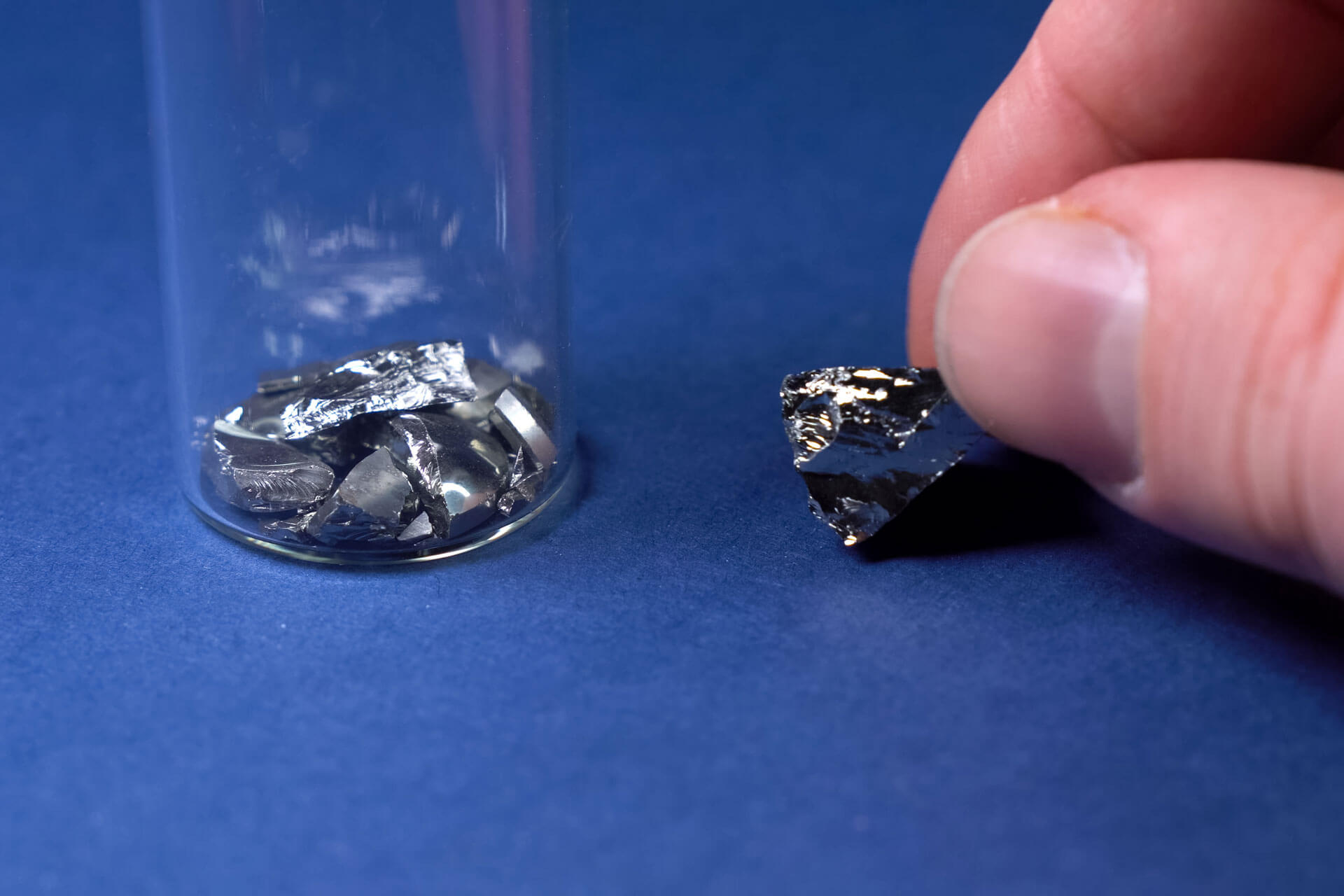
ЮАР готова стать ключевым игроком в глобальной цепочке поставок редкоземельных металлов к 2034 году【Анализ SMM】
29 Sep 2026 18:54 (GMT+8)
[Анализ SMM] Производство BESS в Индии ускоряется, но зависимость от аккумуляторных элементов остаётся ключевым узким местом
30 Sep 2026 08:50 (GMT+8)
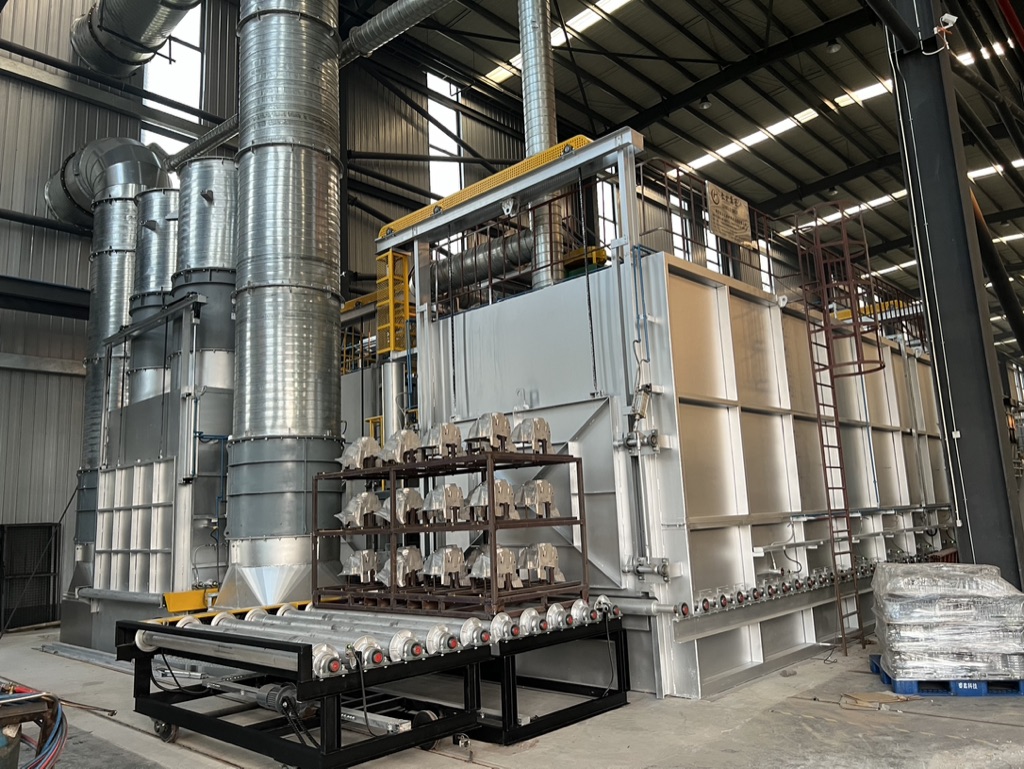
SMM запускает калькулятор CBAM для алюминия: что означают оценки затрат для предложений, ориентированных на ЕС【Анализ SMM】
29 Sep 2026 17:32 (GMT+8)
![[Анализ SMM] Низкоуглеродная первичная медь начинает торговаться отдельно — будет ли переоценена «зелёная» ценность вторичной меди?](https://imgqn.smm.cn/usercenter/MXbup20251217171745.jpg)
[Анализ SMM] Низкоуглеродная первичная медь начинает торговаться отдельно — будет ли переоценена «зелёная» ценность вторичной меди?
29 Sep 2026 16:03 (GMT+8)
Последние новости
【Flash | PhotonLink от Coherent готовит почву для коммерческого наращивания производства фосфида индия (InP)】
02 Oct 2026 14:34 (GMT+8)
На месторождение Трибаг–Уэст-Уэдж прибыла вторая буровая установка Nine Mile для испытания семи электромагнитных целей
02 Oct 2026 10:38 (GMT+8)
【SMM Экспресс-новости】Masivo пересекла 32,50 метра свинцово-цинковой полиметаллической минерализации на Серро-Колорадо.
01 Oct 2026 10:06 (GMT+8)
Региональные сбои сдерживают восстановление производства в сентябре; в октябре ожидается рост выпуска вторичного свинца
01 Oct 2026 09:24 (GMT+8)
[Анализ SMM] Влияние Национального праздника: обзор производства свинцовых заводов и предпродаж слитков
30 Sep 2026 21:35 (GMT+8)
Настроение рынка осторожное перед Национальным днём, цены на лом аккумуляторов колеблются в узком диапазоне [Еженедельный обзор SMM по лому аккумуляторов]
30 Sep 2026 17:37 (GMT+8)
[SMM прогноз рынка свинца на неделю: после праздников фундаментальные показатели смещаются, ожидается консолидация цен на свинец в более широком диапазоне]
30 Sep 2026 17:00 (GMT+8)
Нижестоящие предприятия прекращают накопление запасов, дилеры могут вновь запустить акции по стимулированию продаж [Еженедельный обзор рынка свинцово-кислотных аккумуляторов SMM]
30 Sep 2026 16:45 (GMT+8)
Норма загрузки предприятий по производству свинцово-кислотных аккумуляторов резко снизилась за неделю между двумя праздниками [Еженедельный комментарий SMM по норме загрузки предприятий по производству свинцово-кислотных аккумуляторов]
30 Sep 2026 16:36 (GMT+8)
Поставщики распродавали товары для очистки запасов в конце сентября, запасы первичного свинца на предприятиях продолжили снижаться [Еженедельный обзор запасов первичного свинца SMM]
30 Sep 2026 16:30 (GMT+8)
Еженедельный коэффициент загрузки первичных свинцовых заводов SMM (25 сентября – 1 октября 2026 г.) [Еженедельный обзор загрузки первичных свинцовых мощностей SMM]
30 Sep 2026 16:18 (GMT+8)
Запасы в нижнем звене цепочки перестают накапливаться, спотовый рынок свинца переходит от торговли с премией к торговле с дисконтом [Еженедельный обзор спотового рынка рафинированного свинца SMM]
30 Sep 2026 16:16 (GMT+8)
Праздники замедлили рынок вторичного свинца: меньше продавцов и низкая активность сделок
30 Sep 2026 16:10 (GMT+8)
Цена на рафинированный свинец SMM CIF со скидкой; количество новых импортных сделок снижается
30 Sep 2026 16:09 (GMT+8)
Вторичные запасы свинца сократились на 330 тонн за месяц, торговля замедлилась на фоне слабого предпраздничного спроса
30 Sep 2026 16:08 (GMT+8)
Еженедельный уровень загрузки вторичных свинцовых заводов в четырёх провинциях остаётся стабильным на уровне 40,3%
30 Sep 2026 16:07 (GMT+8)
Снижение поставок вторичного свинца перед праздником, расхождение премий, прибыль заводов в основном стабильна [Еженедельный обзор SMM по вторичному рафинированному свинцу]
30 Sep 2026 16:05 (GMT+8)
Данные: динамика рынка SHFE, DCE (30 сентября)
30 Sep 2026 16:03 (GMT+8)
Предпраздничные выжидательные настроения преобладают; контракт SHFE на свинец 2611 закрылся слабо [Краткий комментарий по фьючерсам на свинец]
30 Sep 2026 15:45 (GMT+8)
King Global сообщает о результатах опробования хвостов месторождения Голден-Терки: среднее содержание свинца 0,44% и цинка 0,42% по 76 приповерхностным пробам
30 Sep 2026 15:20 (GMT+8)