

Новости
Эксклюзивные аналитические статьи с последними обновлениями рынка и своевременными новостными лентами.
Импорт сподумена в Китай в сентябре вырос на 7% по сравнению с предыдущим месяцем, при этом Австралия, Нигерия и Зимбабве стали тремя крупнейшими источниками
Согласно сводным данным китайской таможни, в сентябре 2026 года Китай импортировал 970,1 тыс. физических тонн сподумена, что примерно на 7,0% больше, чем 906,6 тыс. тонн в августе. Исходя из классификации и принятых в настоящем анализе допущений о содержании, влажности и коэффициентах пересчёта, сентябрьский импорт соответствовал примерно 81,3 тыс. тонн в эквиваленте карбоната лития (LCE). В разрезе стран происхождения значительно выросли поставки из Австралии, Нигерии и Зимбабве. Австралия осталась крупнейшим поставщиком: отгрузки в Китай достигли 446,2 тыс. тонн, увеличившись примерно на 36,7% к предыдущему месяцу и составив около 46,0% всего импорта. Нигерия вышла на второе место с объёмом 189,8 тыс. тонн, что примерно на 40,1% больше, а импорт из Зимбабве вырос примерно на 83,0% до 136,5 тыс. тонн. Импорт из ЮАР сократился примерно на 49,6% до 112,4 тыс. тонн, тогда как поставки из Бразилии увеличились примерно на 30,9% до 81,2 тыс. тонн. Меньшие объёмы поступили из Бурунди, Руанды и Мозамбика — примерно 1,8 тыс., 1,3 тыс. и 1,0 тыс. тонн соответственно, при ограниченных отгрузках из Замбии и Сомали. В сентябрьских данных импорт из Мали и Канады отсутствовал. В целом импорт сподумена в Китай в сентябре продолжил расти, при этом структура смещалась в сторону концентрата. Согласно использованной в настоящем анализе классификации, импорт концентрата достиг примерно 688,8 тыс. тонн, что составило 71,0% всего физического импорта по сравнению с 60,7% в августе. Импорт сырой руды составил примерно 281,3 тыс. тонн. Рост поставок концентрата из Австралии, Зимбабве и Нигерии компенсировал снижение импорта из Мали и Канады, что стало основной поддержкой увеличения импортного предложения литиевого сырья в Китае в этом месяце.
20 Oct 2026 19:03 (GMT+8)
[SMM анализ] Рекордные продажи горячекатаного проката Hoa Phat меняют самообеспеченность Вьетнама и экспортные потоки Китая
Хоа Фат продала 5,47 млн т горячекатаного рулона в январе–сентябре, рост на 59%, что составляет около трети потребления Вьетнама, при этом 24,6% продаж в третьем квартале пришлось на экспорт. Спрос на горячекатаный рулон во Вьетнаме в этом году составляет около 17,3 млн т, что по-прежнему превышает местное производство примерно в 10,8 млн т на 6,5 млн т, а новые мощности появятся в основном после 2027 года. Антидемпинговые пошлины вытеснили основной китайский рулон из Вьетнама; теперь китайские заводы конкурируют с вьетнамским рулоном в АСЕАН и на других рынках третьих стран.
20 Oct 2026 14:36 (GMT+8)
Китайский экспорт редкоземельных магнитов достиг рекорда в сентябре благодаря высвобождению отложенного спроса и смягчению регулирования【Анализ SMM】
Экспорт редкоземельных магнитов из Китая в сентябре достиг рекордных 6165 тонн (+23% м/м), что обусловлено расчисткой портовых заторов июля–августа, а не новым спросом. Переговоры США и Китая разблокировали поставки, а переговоры о «зелёном коридоре» с ЕС повысили прогноз на четвёртый квартал до ~5700 тонн в месяц. Крупные производители восстанавливались быстрее всех; малые предприятия по-прежнему ограничены.
20 Oct 2026 16:06 (GMT+8)
Последние новости
На прошлой неделе запасы бокситов в отечественных портах сократились на 30 тыс. тонн
22 часов назад
30 000 тонн глинозема продано по цене 361 долл./т FOB Индия с отгрузкой в ноябре
22 часов назад
【SMM — Новости алюминиевой отрасли】Спрос на алюминиевый прокат серии 5 в Северной и Южной Америке растет, потребление в Северной Америке достигнет 2,23 млн тонн
23 Oct 2026 18:39 (GMT+8)
【SMM Алюминий: экспресс-новости】Немецкая компания Floyd выпустила первый полностью алюминиевый чемодан, расширяя применение в сегменте премиальных потребительских товаров
Мюнхенский туристический бренд Floyd представил CABIN ALUMINIUM — свой первый полностью алюминиевый чемодан кабинного размера, ознаменовав выход в премиальный сегмент алюминиевого багажа. Модель отличается корпусом, изготовленным из цельного листа 100% алюминия, в сочетании с 360-градусными колёсами скейтбордного типа и ручками из натуральной кожи.
Размеры чемодана составляют 55,5 × 39,0 × 23,0 см, объём — 41 литр, вес — около 5,2 кг, имеется встроенный трёхзначный замок TSA. Запуск подчёркивает расширение применения алюминия в премиальных дорожных товарах и потребительских продуктах благодаря его долговечности, характерной отделке поверхности и гибкости дизайна.
23 Oct 2026 18:38 (GMT+8)
【SMM Новости алюминия】Тарифы США на алюминий повышают стоимость пивных банок в Канаде, оказывая давление на малые пивоварни
США ввели 50-процентные пошлины на канадский алюминий, что продолжает сказываться на североамериканских цепочках поставок упаковки, при этом небольшие канадские крафтовые пивоварни сталкиваются с ростом затрат на закупку алюминиевых банок. В Онтарио в 2024 году около 75% пива было упаковано в алюминиевые банки по сравнению с 43% в 2014 году, что подчёркивает растущую зависимость отрасли от алюминиевой упаковки.
Канадские пивоварни, закупающие банки у американских поставщиков, сталкиваются с более высокими затратами на материалы, но имеют ограниченные возможности перекладывать рост на потребителей. В то же время ограниченное предложение альтернативных отечественных банок и неопределённость в отношении трансграничной торговой политики осложняют принятие новых инвестиционных решений. Повышенные затраты на алюминиевую упаковку могут продолжать сжимать маржу небольших канадских производителей напитков, побуждая их к большей диверсификации каналов закупок.
23 Oct 2026 18:37 (GMT+8)
【SMM Новости алюминиевой отрасли】Crown Holdings сообщает о росте поставок банок для напитков на 6% в третьем квартале и повышает прогноз по прибыли на весь год
Crown Holdings зафиксировала рост мировых поставок алюминиевых банок для напитков более чем на 6% в годовом исчислении в третьем квартале 2026 года, при этом двузначный рост наблюдался в Азии, а также увеличение на 6% в Северной Америке и на 4% в Европе. Квартальная чистая выручка выросла примерно на 15,9% в годовом исчислении до 3,711 млрд долларов благодаря увеличению объемов производства банок для напитков и переносу возросших затрат на материалы. Скорректированная разводненная прибыль на акцию увеличилась на 7% в годовом исчислении до 2,39 доллара.
Благодаря устойчивому спросу на банки для напитков Crown ожидает, что скорректированная прибыль на акцию за весь 2026 год составит 8,35–8,45 доллара, а скорректированный свободный денежный поток — не менее 950 млн долларов. Проекты по расширению мощностей в Бразилии, Греции и Испании идут по графику, а в Уттар-Прадеше, Индия, началось строительство нового завода по производству банок для напитков, коммерческая эксплуатация которого ожидается в первом квартале 2028 года. Дальнейшее расширение мощностей по выпуску упаковки для напитков может дополнительно поддержать спрос на алюминиевый прокат для банок.
23 Oct 2026 18:36 (GMT+8)
【SMM Новости алюминия】Bugatti восстановила единственный в своем роде полированный алюминиевый Veyron, подчеркнув обработку алюминия в автомобилестроении
Bugatti завершила реставрацию единственного в своем роде Veyron Grand Sport Vitesse с полностью полированным алюминиевым кузовом, вернув автомобилю его первоначальные характеристики в рамках заводской программы реставрации. Суперкар, выпущенный в 2014 году, был изготовлен с использованием крупных алюминиевых блоков массой до 20 тонн, которые были обработаны для создания характерной зеркальной внешней отделки.
Реставрация включала удаление неоригинальных доработок и повторную обработку алюминиевого кузова для восстановления его первоначального отражающего вида. Оснащенный 8,0-литровым двигателем с четырьмя турбинами мощностью около 1183 лошадиных сил, автомобиль демонстрирует применение прецизионной обработки алюминия, передовых методов финишной отделки поверхности и специализированных технологий изготовления кузова в производстве автомобилей высокого класса.
23 Oct 2026 18:35 (GMT+8)
【SMM Новости алюминия】Novelis выпустила первый рулон на американском заводе по переработке и прокатке, нацелена на коммерческие поставки
Novelis объявила, что ее алюминиевый завод по переработке и прокатке стоимостью 5 млрд долларов в Бей-Минетт, штат Алабама, успешно произвел первую холоднокатаную алюминиевую катушку, что стало важной вехой ввода в эксплуатацию. После выхода на полную мощность предприятие сможет выпускать 600 тыс. тонн алюминиевого проката в год, а его центр переработки будет способен перерабатывать более 15 млрд использованных банок для напитков ежегодно. Коммерческие поставки планируется начать во втором квартале 2027 года. По мере наращивания производства проект может существенно увеличить внутренний спрос на переработку использованных банок, хотя выпуск первой катушки не означает достижения полной коммерческой мощности.
23 Oct 2026 18:33 (GMT+8)
【SMM Новости алюминия】В 2026 году за пределами Китая ожидается ввод новых мощностей по вторичному алюминию, что усилит конкуренцию за лом
По данным отраслевого обзора S&P Global от 21 октября, в 2026 году за пределами Китая будет введено не менее 325 тыс. тонн новых мощностей по производству вторичного алюминия, включая проекты в Германии, Канаде и ОАЭ. Продолжающиеся инвестиции в перерабатывающие предприятия в Европе, Северной Америке и на Ближнем Востоке могут увеличить спрос на алюминиевый лом и усилить конкуренцию за сырьё. Однако фактическая загрузка мощностей будет зависеть от сбора лома, возможностей сортировки, трансграничных поставок и спроса в перерабатывающих отраслях.
23 Oct 2026 18:32 (GMT+8)
【SMM Новости алюминиевой отрасли】Экспорт алюминиевого лома из Европы в США вырос на 243%, что вызывает обеспокоенность по поводу поставок сырья
Исполнительный председатель греческой металлургической и энергетической группы Metlen заявил, что экспорт европейского алюминиевого лома в США вырос на 243%, что вызывает обеспокоенность по поводу доступа Европы к стратегическому вторичному сырью. Он отметил контраст между 50-процентными пошлинами США на первичный алюминий и нулевыми пошлинами на алюминиевый лом, что может стимулировать увеличение поставок лома в США. Компания не уточнила период сравнения для указанного роста. Продолжающееся расширение перерабатывающих мощностей в Европе и США может усилить конкуренцию за лом и повлиять на закупочные издержки и торговые потоки для европейских и азиатских покупателей.
23 Oct 2026 18:30 (GMT+8)
Запасы отечественных алюминиевых слитков упали до четырехлетнего минимума, темпы сокращения запасов ускоряются; региональные премии расходятся
23 Oct 2026 17:59 (GMT+8)
![Праздничное сокращение запасов значительно ускоряется; запасы алюминиевых слитков в Китае упали до четырехлетнего минимума за аналогичный период, региональные премии расходятся [Анализ SMM]](https://imgqn.smm.cn/usercenter/PerRJ20251217171650.jpg)
Праздничное сокращение запасов значительно ускоряется; запасы алюминиевых слитков в Китае упали до четырехлетнего минимума за аналогичный период, региональные премии расходятся [Анализ SMM]
23 Oct 2026 17:54 (GMT+8)
![Запасы алюминия снижаются после праздников; плата за переработку демонстрирует смешанное восстановление [Анализ SMM]](https://imgqn.smm.cn/usercenter/DCsGU20251217171652.jpg)
Запасы алюминия снижаются после праздников; плата за переработку демонстрирует смешанное восстановление [Анализ SMM]
23 Oct 2026 17:28 (GMT+8)
Запасы алюминиевых заготовок продолжают быстро сокращаться, плата за переработку стабилизируется и восстанавливается после снижения с высоких уровней [Анализ SMM]
[SMM анализ: Запасы алюминиевых биллетов продолжают быстро сокращаться; плата за обработку стабилизируется и восстанавливается после снижения с высоких уровней] В перспективе на следующую неделю, с точки зрения запасов, ожидается продолжение тенденции сокращения запасов после праздников, однако общий объем запасов остается на относительно высоком уровне по сравнению с аналогичным периодом за последние четыре года. Темпы последующего сокращения запасов будут зависеть от устойчивости пополнения запасов downstream и ритма поступления. Если импульс пополнения запасов сохранится, а поступления останутся ограниченными, ожидается дальнейшее сокращение запасов. Что касается платы за обработку...
23 Oct 2026 17:06 (GMT+8)
Индонезийская конференция и выставка по критически важным минералам 2027 возвращается в Джакарту в пятый раз
23 Oct 2026 17:00 (GMT+8)
Новая Зеландия решила не вводить защитные меры в отношении алюминиевых профилей после проведённого расследования
16 октября 2026 года Комитет ВТО по защитным мерам выпустил уведомление о защитных мерах, представленное делегацией Новой Зеландии. 13 октября 2026 года Министерство бизнеса, инноваций и занятости Новой Зеландии (MBIE) опубликовало уведомление, в котором говорится, что расследование установило, что импорт некоторых видов алюминиевых экструдированных изделий причинил ущерб отечественной промышленности, но не достиг стандарта серьёзного ущерба, требуемого Законом Новой Зеландии о торговле (защитные меры) 2014 года; в связи с этим было принято решение не вводить защитные меры в отношении алюминиевых экструдированных изделий и прекратить защитное расследование. Тарифные коды Новой Зеландии для соответствующих товаров: 7604.21.0000B и 7604.29.0900F. 28 мая 2026 года MBIE начало защитное расследование в отношении импортируемых алюминиевых экструдированных изделий.
23 Oct 2026 16:30 (GMT+8)
Циндао Gaona Tech запускает проект по алюминиевым сплавам для ядерной отрасли стоимостью 5 млн юаней в Наньцуне, завершение ожидается к декабрю 2026 года
Недавно проект по производству изделий из алюминиевых сплавов для центрифуг атомной промышленности компании Qingdao Gaona Technology Co., Ltd. разместился в поселке Наньцунь города Пинду (Циндао, провинция Шаньдун) с общим объемом инвестиций 5 млн юаней. Проект предусматривает расширение производства с использованием западного производственного цеха компании, срок строительства составляет всего один месяц, завершение и ввод в эксплуатацию запланированы на декабрь 2026 года. Планируется организовать одну линию по производству корпусов статоров, одну линию по производству фланцев и одну линию по производству молекулярных насосов. В производственной модели проекта в качестве сырья используются покупные готовые заготовки из алюминиевых сплавов, осуществляется только последующая обработка поверхности, без процессов плавки или литья заготовок; производственный процесс ориентирован на прецизионную обработку поверхности и относится к сегменту высокоточной механической обработки компонентов. После завершения и ввода в эксплуатацию проект обеспечит годовую мощность 200 000 тонн по каждому виду продукции: корпуса статоров, фланцы и молекулярные насосы.
23 Oct 2026 16:29 (GMT+8)
Автоматизированная линия нанесения покрытий Sichuan Zhongjian введена в эксплуатацию, что увеличивает выпуск алюминиевых профилей
Недавно полностью автоматизированная линия вертикального нанесения покрытий компании Sichuan Zhongjian New Materials Technology Co., Ltd. завершила монтаж, наладку и пробный выпуск продукции, после чего была официально введена в эксплуатацию. Сообщается, что компания Sichuan Zhongjian New Materials Technology Co., Ltd., основанная в августе 2024 года, является ведущим в провинции Сычуань крупным высокоавтоматизированным предприятием по производству алюминиевых профилей. Компания планирует запустить 12 современных линий по производству алюминиевых профилей, из которых девять уже построены, а годовой объём выпуска алюминиевых профилей достигает 30 000 тонн.
23 Oct 2026 16:29 (GMT+8)
«Чжунфу Индастриал» отчиталась о росте выручки в III квартале на 20,23%, чистая прибыль выросла на 121,57% год к году
20 октября компания Zhongfu Industrial сообщила, что выручка за третий квартал составила 7,285 млрд юаней, увеличившись на 20,23% в годовом исчислении, а чистая прибыль, приходящаяся на акционеров листинговой компании, составила 1,063 млрд юаней, увеличившись на 121,57% в годовом исчислении. За первые три квартала выручка составила 21,543 млрд юаней, увеличившись на 29,52% в годовом исчислении, а чистая прибыль, приходящаяся на акционеров листинговой компании, составила 2,944 млрд юаней, увеличившись на 147,95% в годовом исчислении. Изменение показателей в основном обусловлено ростом прибыли от электролиза алюминия за отчетный период.
23 Oct 2026 16:29 (GMT+8)
«Фошань Синтаомей Алюминий» расширяет производство с новой плавильно-литейной печью
Недавно новая плавильно-литейная печь компании Foshan Xingtaomei Aluminum была успешно запущена и введена в эксплуатацию. С вводом новой печи в эксплуатацию плавильно-литейные мощности компании были дополнительно увеличены; в сочетании с имеющимися семью экструзионными прессами, полной линией анодирования и оборудованием для последующей обработки это позволит лучше обеспечивать стабильные поставки промышленных алюминиевых профилей и декоративных алюминиевых профилей на заказ, охватывая разнообразные потребности в продукции, такие как освещение, мебель, декоративные кромочные накладки, а также трубы и прутки.
23 Oct 2026 16:29 (GMT+8)
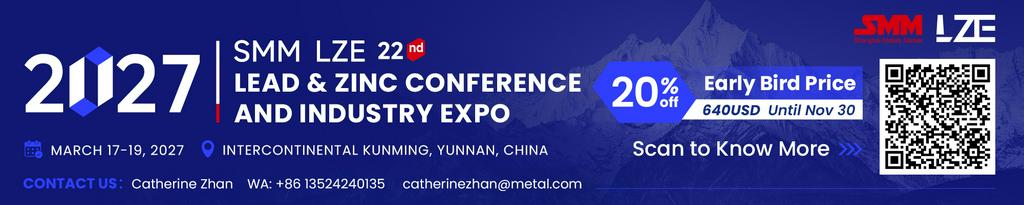
Уже открыто раннее бронирование на 22-ю конференцию и отраслевую выставку по свинцу и цинку SMM LZE 2027 года, которая пройдёт в марте следующего года в Юньнани
——От конференции к выставке · Масштаб удвоен · Полное обновление—— [Что вы узнаете из этой статьи] ① Обзор выставки ② Как зарегистрироваться ③ Первая партия экспонентов ④ Повестка конференции I. Масштаб удвоен, полное обновление! В 2026 году рынок свинца и цинка столкнётся с резкой волатильностью: высокие цены на свинец, дефицит высокочистого свинца, рекордно высокие запасы низкосортного свинца на LME, перенос производства свинцово-кислотных аккумуляторов из Китая за рубеж, глубоко отрицательные TC по цинковым концентратам, дефицит качественной импортной цинковой руды, открывшееся экспортное окно для цинковых слитков и расширение мощностей зарубежных цинковых плавильных заводов. LZE охватывает рыночные перспективы, прогноз цен, технологии оборудования, переработку и применение в нижних переделах, стимулируя «зелёную» трансформацию и взаимовыгодный рост. Отличие LZE 2027 (22-й) от предыдущих мероприятий — в трансформационном обновлении: переход от чисто отраслевой конференции к бесшовному сочетанию конференции и отраслевой выставки, что обеспечит более масштабную встречу, расширенную отраслевую экспозицию и широкое вовлечение всей цепочки создания стоимости свинца и цинка. От анализа отраслевых трендов к углублённым обменам по цепочке отрасли, от стыковки спроса и предложения между верхними и нижними переделами к концентрированным презентациям компаний, от одной отраслевой конференции к дальнейшей интеграции «конференция + отраслевой экспо»——в 2027 году SMM LZE вступает в эпоху «экспо»! Конференция пройдёт в 22-й раз в более крупном масштабе, с более насыщенным составом участников отрасли и более широким участием компаний верхних и нижних переделов! Отсканируйте QR-код ниже, чтобы бесплатно зарегистрироваться как посетитель 1. Масштаб конференции Делегаты: 6 000+ (на 71,4% больше, чем в предыдущем выпуске) Компании: 2 000+ (на 100% больше, чем в предыдущем выпуске) Экспоненты: 120+ (на 50% больше, чем в предыдущем выпуске) Стыковка спроса и предложения: 300+ (на 50% больше, чем в предыдущем выпуске) Профильные форумы: 7 (на 1 больше, чем в предыдущем выпуске) 2. Группы участников 20% — горнодобывающие компании 23% — плавильные предприятия 22% — перерабатывающие предприятия 10% — трейдеры 5% — закупки конечных потребителей свинца и цинка 15% — сторонние поставщики оборудования, технологий, вспомогательных материалов, СМИ и т. д. 3% — государственные органы, ассоциации, научно-исследовательские институты университетов 2% — финансовые и фьючерсные компании 3. Разбивка по должностям 4. Основные моменты конференции Тенденции цен, прогноз потребления и интерпретация политики Глобальный диалог о свинцово-цинковой отрасли и стратегиях выхода на международные рынки Деловые встречи один на один Поиск прорывных путей в горно-металлургических технологиях и переработке ресурсов Демонстрация передового оборудования и расходных материалов II. Четыре статуса — одна выставка свинца и цинка Ищете ли вы аналитику рынка, закупки, презентацию продукции или продвижение бренда — вы найдёте подходящий формат участия. 1. Профессиональные посетители (Посетите выставку в поисках деловых возможностей и наладьте связи с участниками всей производственной цепочки) [Преимущества для посетителей] Билет в выставочную зону Подарки при регистрации на месте Эксклюзивная карта распределения свинцово-цинковой отрасли от SMM Группа обмена для посетителей свинцово-цинковой отрасли Групповые преимущества Билеты на некоторые форумы …… 2. Делегаты конференции (Узнайте о новых тенденциях и обсудите рынок свинца и цинка) [Преимущества для делегатов] Билет в выставочную зону Подарки при регистрации на месте Эксклюзивная карта распределения свинцово-цинковой отрасли от SMM Группа обмена для посетителей и участников конференции свинцово-цинковой отрасли Билет на все форумы конференции Приглашение на торжественный ужин Талоны на обед и ужин во время конференции Справочник предприятий Отчёты экспертов Подбор поставщиков и покупателей один на один Выездные мероприятия после конференции …… 3. Экспонент (Выйдите на отраслевую сцену и продемонстрируйте свои сильные стороны) [Индивидуальный стенд 18 м²] [Преимущества] Дизайн и изготовление всех материалов для стенда 18 м², столы, стулья, диван и стойка регистрации, телевизор, 5 пропусков на конференцию, X-баннер*1, цветная страница в сборнике конференции*1, размещение логотипа, многоплатформенное онлайн-продвижение, подбор поставщиков и покупателей один на один, долгосрочная поддержка сотрудничества от SMM и т. д. [Премиальный стенд 9 м²] [Преимущества] Дизайн и изготовление всех материалов для стенда 9 м², печатная задняя стена, стойка регистрации, столы и стулья, телевизор, 3 пропуска на конференцию, X-баннер*1 или цветная страница в сборнике конференции*1, размещение логотипа, многоплатформенное онлайн-продвижение, индивидуальные встречи поставщиков и покупателей, долгосрочная поддержка сотрудничества от SMM и др. [Стандартный стенд 6 м²] [Преимущества] Дизайн и изготовление всех материалов для стенда 6 м², один длинный стол и два стула, 2 X-баннера с разным содержанием, 2 пропуска на конференцию, многоплатформенное онлайн-продвижение, индивидуальные встречи поставщиков и покупателей, долгосрочная поддержка сотрудничества от SMM и др.
22 Oct 2026 09:59 (GMT+8)

Прогноз мирового баланса спроса и предложения алюминия на 2027 год: высокие маржи стимулируют расширение мощностей, рынок переходит от дефицита к избытку
21 Oct 2026 09:41 (GMT+8)

Китайские инвестиции в размере 6 миллиардов долларов в производство аккумуляторов в Марокко меняют спрос на литий в ЕС на фоне изменения тарифов
20 Oct 2026 17:02 (GMT+8)
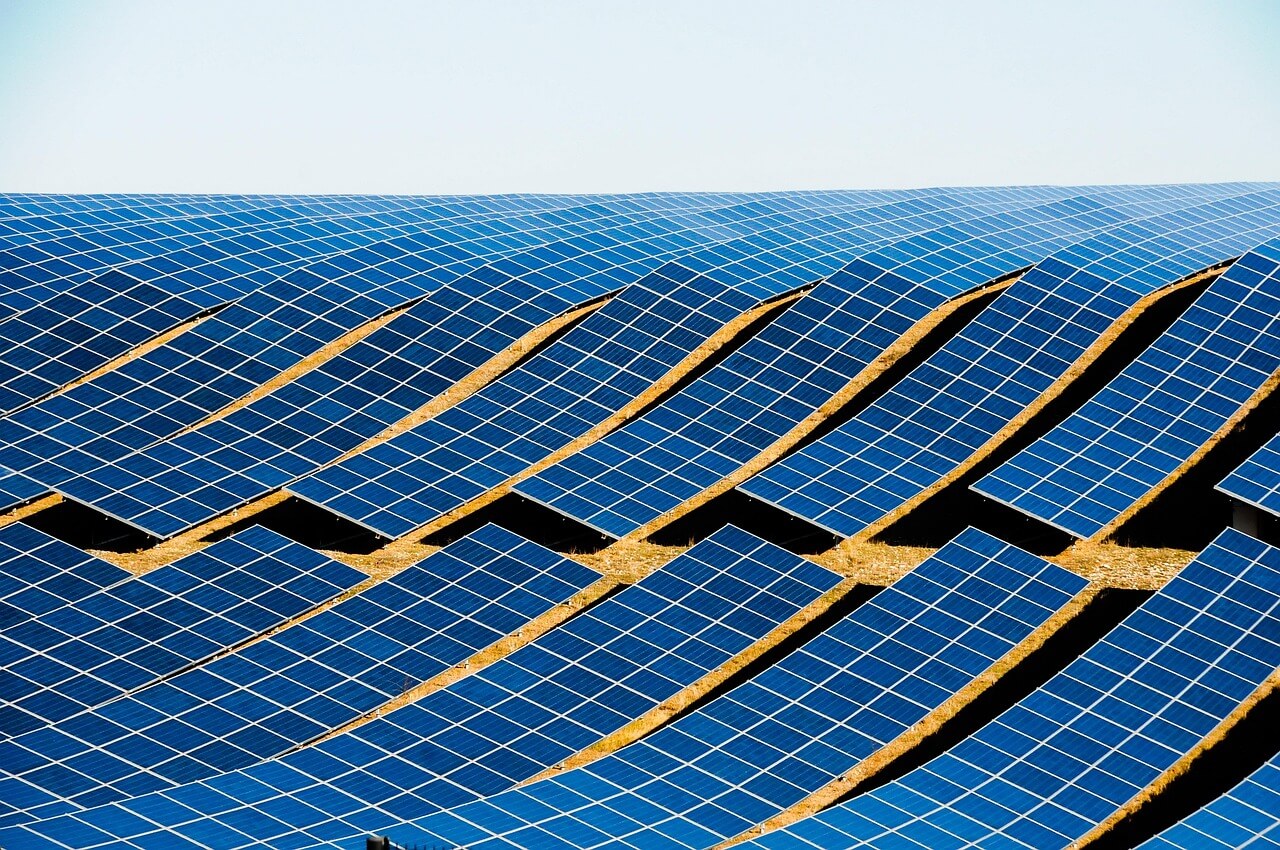
N-Type и P-Type солнечные фотоэлектрические модули: в чем их отличия и почему N-Type набирает популярность на мировом рынке?
21 Oct 2026 09:45 (GMT+8)
Импорт сподумена в Китай в сентябре вырос на 7% по сравнению с предыдущим месяцем, при этом Австралия, Нигерия и Зимбабве стали тремя крупнейшими источниками
20 Oct 2026 19:03 (GMT+8)
![[SMM анализ] Рекордные продажи горячекатаного проката Hoa Phat меняют самообеспеченность Вьетнама и экспортные потоки Китая](https://imgqn.smm.cn/usercenter/MhPNV20251217171716.jpg)
[SMM анализ] Рекордные продажи горячекатаного проката Hoa Phat меняют самообеспеченность Вьетнама и экспортные потоки Китая
20 Oct 2026 14:36 (GMT+8)
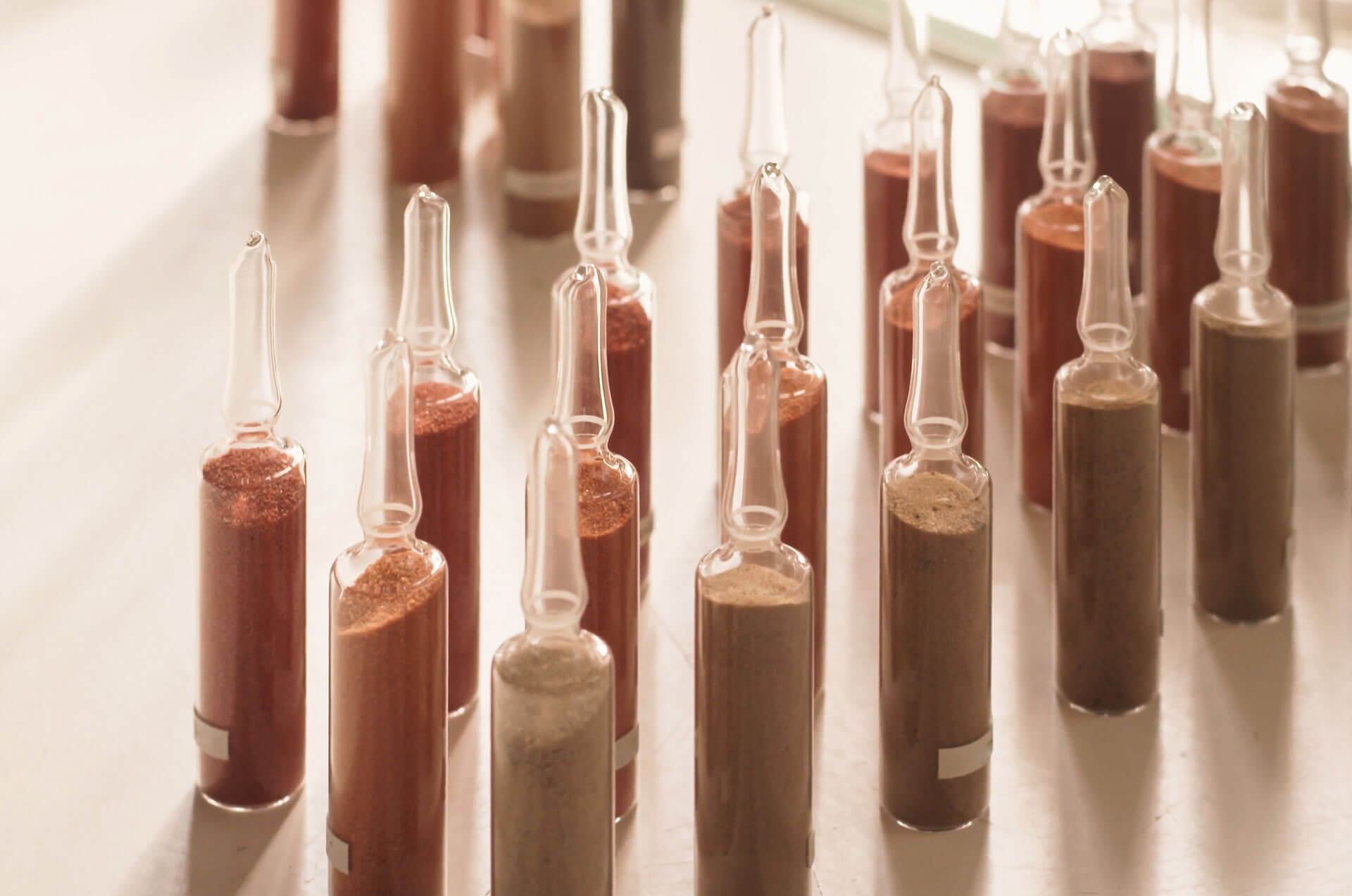
Китайский экспорт редкоземельных магнитов достиг рекорда в сентябре благодаря высвобождению отложенного спроса и смягчению регулирования【Анализ SMM】
20 Oct 2026 16:06 (GMT+8)
Последние новости
На прошлой неделе запасы бокситов в отечественных портах сократились на 30 тыс. тонн
22 часов назад
30 000 тонн глинозема продано по цене 361 долл./т FOB Индия с отгрузкой в ноябре
22 часов назад
【SMM — Новости алюминиевой отрасли】Спрос на алюминиевый прокат серии 5 в Северной и Южной Америке растет, потребление в Северной Америке достигнет 2,23 млн тонн
23 Oct 2026 18:39 (GMT+8)
【SMM Алюминий: экспресс-новости】Немецкая компания Floyd выпустила первый полностью алюминиевый чемодан, расширяя применение в сегменте премиальных потребительских товаров
23 Oct 2026 18:38 (GMT+8)
【SMM Новости алюминия】Тарифы США на алюминий повышают стоимость пивных банок в Канаде, оказывая давление на малые пивоварни
23 Oct 2026 18:37 (GMT+8)
【SMM Новости алюминиевой отрасли】Crown Holdings сообщает о росте поставок банок для напитков на 6% в третьем квартале и повышает прогноз по прибыли на весь год
23 Oct 2026 18:36 (GMT+8)
【SMM Новости алюминия】Bugatti восстановила единственный в своем роде полированный алюминиевый Veyron, подчеркнув обработку алюминия в автомобилестроении
23 Oct 2026 18:35 (GMT+8)
【SMM Новости алюминия】Novelis выпустила первый рулон на американском заводе по переработке и прокатке, нацелена на коммерческие поставки
23 Oct 2026 18:33 (GMT+8)
【SMM Новости алюминия】В 2026 году за пределами Китая ожидается ввод новых мощностей по вторичному алюминию, что усилит конкуренцию за лом
23 Oct 2026 18:32 (GMT+8)
【SMM Новости алюминиевой отрасли】Экспорт алюминиевого лома из Европы в США вырос на 243%, что вызывает обеспокоенность по поводу поставок сырья
23 Oct 2026 18:30 (GMT+8)
Запасы отечественных алюминиевых слитков упали до четырехлетнего минимума, темпы сокращения запасов ускоряются; региональные премии расходятся
23 Oct 2026 17:59 (GMT+8)
Праздничное сокращение запасов значительно ускоряется; запасы алюминиевых слитков в Китае упали до четырехлетнего минимума за аналогичный период, региональные премии расходятся [Анализ SMM]
23 Oct 2026 17:54 (GMT+8)
Запасы алюминия снижаются после праздников; плата за переработку демонстрирует смешанное восстановление [Анализ SMM]
23 Oct 2026 17:28 (GMT+8)
Запасы алюминиевых заготовок продолжают быстро сокращаться, плата за переработку стабилизируется и восстанавливается после снижения с высоких уровней [Анализ SMM]
23 Oct 2026 17:06 (GMT+8)
Индонезийская конференция и выставка по критически важным минералам 2027 возвращается в Джакарту в пятый раз
23 Oct 2026 17:00 (GMT+8)
Новая Зеландия решила не вводить защитные меры в отношении алюминиевых профилей после проведённого расследования
23 Oct 2026 16:30 (GMT+8)
Циндао Gaona Tech запускает проект по алюминиевым сплавам для ядерной отрасли стоимостью 5 млн юаней в Наньцуне, завершение ожидается к декабрю 2026 года
23 Oct 2026 16:29 (GMT+8)
Автоматизированная линия нанесения покрытий Sichuan Zhongjian введена в эксплуатацию, что увеличивает выпуск алюминиевых профилей
23 Oct 2026 16:29 (GMT+8)
«Чжунфу Индастриал» отчиталась о росте выручки в III квартале на 20,23%, чистая прибыль выросла на 121,57% год к году
23 Oct 2026 16:29 (GMT+8)
«Фошань Синтаомей Алюминий» расширяет производство с новой плавильно-литейной печью
23 Oct 2026 16:29 (GMT+8)