

Новости
Эксклюзивные аналитические статьи с последними обновлениями рынка и своевременными новостными лентами.
![[Анализ SMM] Производство BESS в Индии ускоряется, но зависимость от аккумуляторных элементов остаётся ключевым узким местом](https://imgqn.smm.cn/production/admin/votes/imagesozVHm20260131125121.jpeg)
[Анализ SMM] Производство BESS в Индии ускоряется, но зависимость от аккумуляторных элементов остаётся ключевым узким местом
В первом квартале 2026 года мировые поставки систем накопления энергии достигли 100,0 ГВт·ч, что на 96,5% больше, чем 50,9 ГВт·ч за аналогичный период 2025 года, и вывело квартальные поставки на совершенно новый уровень.
30 Sep 2026 08:50 (GMT+8)
SMM запускает калькулятор CBAM для алюминия: что означают оценки затрат для предложений, ориентированных на ЕС【Анализ SMM】
По мере вступления Механизма пограничной углеродной корректировки ЕС (CBAM) в окончательную фазу при торговле алюминием с Европой необходимо оценивать углеродные затраты наряду с ценами на металл, стоимостью переработки и логистикой. SMM запустила Калькулятор CBAM для алюминия , объединяющий коды товаров, страну происхождения, данные о выбросах и цены сертификатов для поддержки экспортных котировок, европейских закупок и внутреннего бюджетирования. Модуль по алюминию предлагает 58 кодов CN и 68 категорий происхождения/значений по умолчанию, охватывая необработанный алюминий, профили, листы, полосы, фольгу и другую продукцию. Годовые параметры доступны на 2026–2030 годы. Пользователи вводят тоннаж и выбирают значения выбросов по умолчанию или вводят проверенные фактические выбросы. Затем на странице отображаются расчётное количество сертификатов на тонну, общее количество сертификатов, стоимость за тонну и общий бюджет, при этом маршруты первичного и вторичного алюминия сопоставляются с применимой базой данных. Практическое преимущество заключается в том, что допущения и результаты отображаются вместе. Экспортёры могут указать продукт, происхождение, период импорта и основу выбросов, лежащую в основе котировки, а покупатели могут сравнивать источники в единообразных условиях. Страница включает китайский и английский интерфейсы, таблицы параметров и возможность печати сметы расходов. Распределение связанных затрат между покупателями и продавцами остаётся предметом договорных отношений. Следует различать объём сертификатов и их денежную стоимость. По состоянию на 29 сентября 2026 года калькулятор учитывает официальные цены: €75,36 за сертификат за I квартал 2026 года и €75,28 за II квартал. Цена за III квартал ещё не опубликована. Если цена недоступна, на странице сохраняются оценки объёма сертификатов, а поля стоимости остаются пустыми, вместо подстановки предполагаемой цены. Текущая версия не учитывает вычеты за углеродные платежи, уплаченные за рубежом, и оценку годового порога импорта. Расчёт фактических выбросов для сложных алюминиевых изделий также не включает корректировку на бесплатное распределение, относящуюся к прекурсорам. Поэтому в приведённом ниже анализе используется проверенный расчёт по значениям по умолчанию. Результаты являются коммерческими оценками, а не окончательными обязательствами по сдаче сертификатов. Для сравнения на рынке один и тот же алюминиевый продукт может иметь существенно разные расчётные затраты в зависимости от значения по умолчанию для конкретной страны происхождения. Рассмотрим код CN 76012040 — необработанные алюминиевые сплавы в форме заготовок — с первичным маршрутом K, ценой сертификата за II квартал 2026 года и количеством 1000 тонн. Расчётные затраты по значениям по умолчанию для Китая, Индии и Канады составляют €143,98, €50,41 и €57,86 за тонну соответственно. Эти цифры включают годовую надбавку к значению по умолчанию и корректировку на бесплатное распределение на основе бенчмарка. Случаи со значениями по умолчанию для Китая и Индии различаются примерно на €93,57 за тонну. Сравнение только цены металла или стоимости переработки может упустить существенную разницу в бюджете покупателя. При прочих схожих коммерческих условиях расчётные затраты CBAM могут повлиять на привлекательность предложения. Однако это не является рейтингом фактической углеродоёмкости производителей. Фрахт, таможенные пошлины, качество и условия поставки также находятся за рамками данного сравнения, поэтому одни лишь цифры не могут определить предпочтительного поставщика. Это подчёркивает коммерческую ценность документации поставщика о выбросах. Для производителей, чьи фактические выбросы ниже применимого значения по умолчанию, подтверждённые надлежащей верификацией, фактические данные могут изменить оценку затрат покупателем. Покупатели могут использовать значения по умолчанию для первоначального бюджета при отсутствии документации, а затем провести переоценку на основе доказательств поставщика. Таким образом, у экспортёров появляется основание готовить информацию о выбросах вместе с коммерческими предложениями, а не вести переговоры исключительно вокруг различий в страновых значениях по умолчанию. Изменения годовых параметров также заслуживают внимания. При неизменных базовом значении по умолчанию для китайской продукции, маршруте и бенчмарке, а также при допущении, что год импорта и применимый отчётный год совпадают, расчётный объём сертификатов возрастает с 1,912575 на тонну в 2026 году до 2,248150 в 2027 году — увеличение примерно на 17,5%. Это отражает более высокую надбавку к значению по умолчанию и меньший вычет за бесплатное распределение; это не означает роста будущих цен на сертификаты. Для соглашений о поставках, охватывающих разные годы, компании могут сначала сравнить объём сертификатов, а затем обсудить механизмы обновления цен и распределение затрат. Даже при неизвестных будущих ценах на сертификаты определение объёма сертификатов и получение документации поставщика может повысить сопоставимость предложений и бюджетов закупок.
29 Sep 2026 17:32 (GMT+8)
[Анализ SMM] Низкоуглеродная первичная медь начинает торговаться отдельно — будет ли переоценена «зелёная» ценность вторичной меди?
[Анализ SMM: Низкоуглеродная первичная медь начинает торговаться отдельно — будет ли переоценена экологическая ценность вторичной меди?] Пилотный проект BHP и Amazon EAC отделяет подтверждённые сокращения выбросов от физической торговли медью, давая первичной меди с низким уровнем выбросов новый источник экологической ценности. Вторичная медь сохраняет значительное энергетическое преимущество, но будущая конкурентоспособность может в большей степени зависеть от прослеживаемости, содержания вторичного сырья и подтверждённых данных о выбросах углерода, что потенциально добавит экологическое измерение в ценообразование.
29 Sep 2026 16:03 (GMT+8)
Последние новости
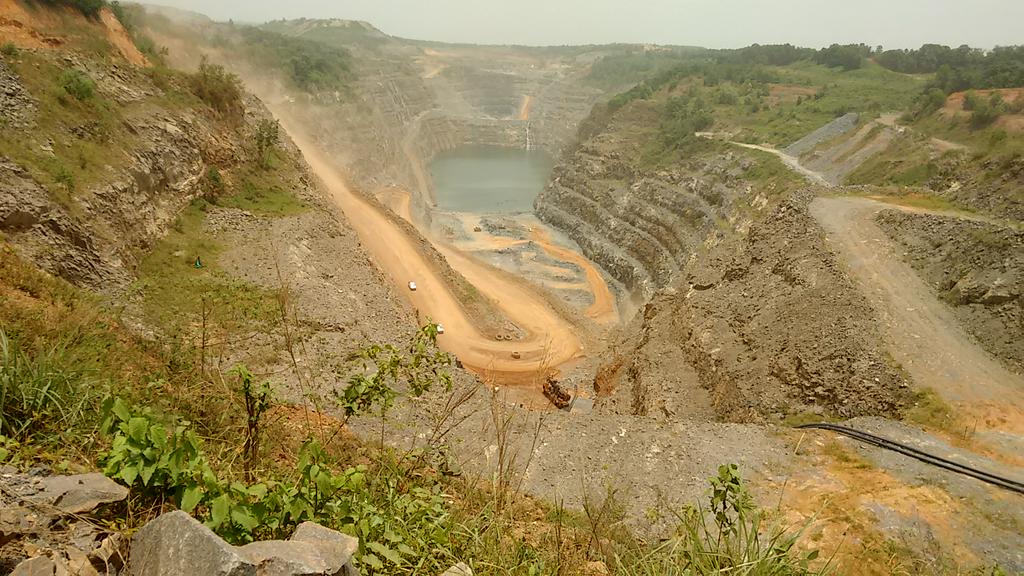
Законопроект Ганы предлагает специальную государственную долю и сокращение сроков аренды месторождений
02 Oct 2026 15:49 (GMT+8)
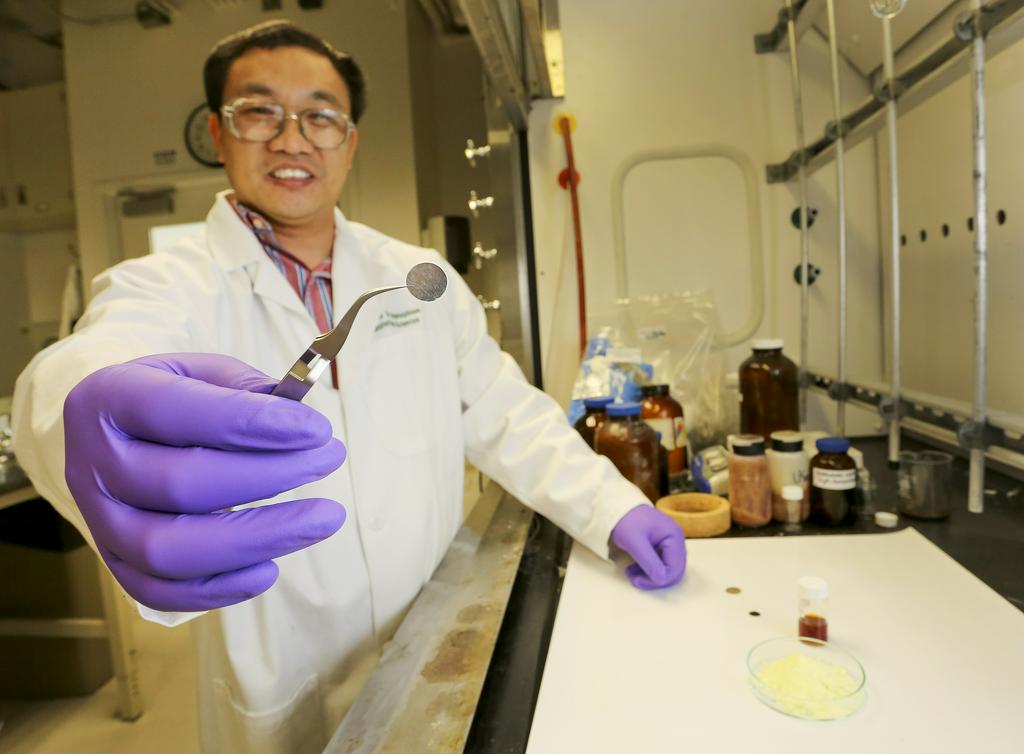
PGMs: независимые испытания продвигают технологию платиновых и палладиевых аккумуляторов
02 Oct 2026 15:48 (GMT+8)
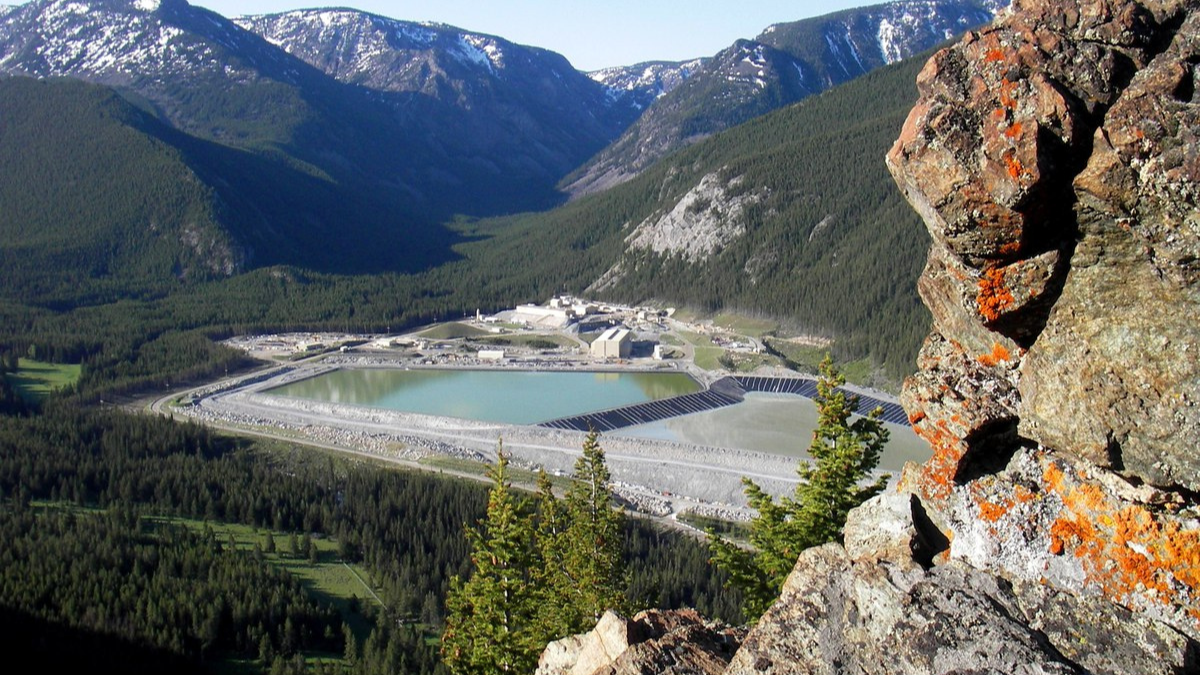
«Сибани» достигла соглашения о зарплате на руднике Ист-Боулдер; забастовка на других предприятиях в США продолжается
01 Oct 2026 16:45 (GMT+8)
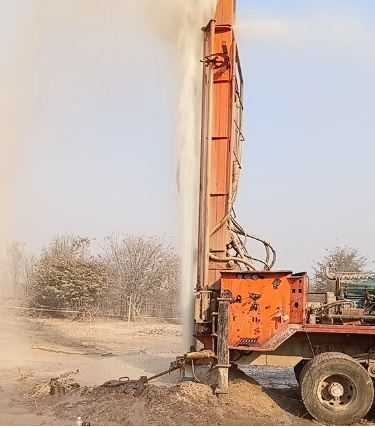
Ariana сообщает о водоносном горизонте по мере продвижения работ по ТЭО Докве
[SMM Gold Flash] 30 сентября Ariana Resources сообщила, что три из двенадцати запланированных водозаборных скважин были пробурены к северу от её золоторудного проекта Докве в Зимбабве. Третья скважина, расположенная примерно в 10 км от месторождения, вскрыла, по описанию компании, мощные притоки воды хорошего качества; устойчивый дебит при откачке компания не раскрыла. Ariana также сообщила о завершении шести геотехнических скважин общей протяжённостью 1251 метр на участке Докве-Сентрал. Лабораторные испытания и независимая оценка минеральных ресурсов продолжаются.
Надёжный источник воды и геотехнические данные необходимы для проектирования предполагаемой обогатительной фабрики и открытого карьера. Полученные результаты продвигают технико-экономическое обоснование, но не подтверждают мощность водоснабжения рудника и не устанавливают окончательные запасы. Ariana планирует дальнейшее разведочное бурение и изыскания; на момент данного объявления эти программы ещё не начались, и Докве не добывает золото.
01 Oct 2026 16:43 (GMT+8)
Золото, серебро, платина и палладий отскочили, сектор драгоценных металлов растёт, на спотовых рынках серебра и платины ощущается сильная праздничная атмосфера [SMM Flash]
30 Sep 2026 19:24 (GMT+8)
[Экспресс-обзор драгоценных металлов SMM]
Дочерняя компания норвежской водородной фирмы Nel Hydrogen в США получила заказ на поставку стеков протонообменных мембранных электролизеров от Collins Aerospace на сумму 12 миллионов долларов.
30 Sep 2026 19:22 (GMT+8)
[Экспресс-обзор драгоценных металлов SMM]
Зимбабве ускоряет развитие своей отрасли металлов платиновой группы, переходя от добычи и плавки к последующему аффинажу, стремясь сохранить больше внутренней стоимости до экспорта платины, палладия, родия и других металлов. В рамках Национальной стратегии развития Зимбабве 2 (NDS2) в период с 2026 по 2030 год правительство будет стимулировать производителей к отказу от текущего экспорта, в котором преобладают концентраты и штейн. Дорожная карта включает удаление недрагоценных металлов для получения остатков, богатых металлами платиновой группы, и в конечном итоге достижение разделения и аффинажа отдельных металлов платиновой группы.
30 Sep 2026 19:18 (GMT+8)
Платина и палладий на этой неделе закрылись снижением; по мере приближения праздника спотовый рынок всё больше погружается в праздничную атмосферу【Еженедельный обзор платины и палладия SMM】
Платина и палладий завершили неделю снижением, причём довольно значительным. Противостояние США и Ирана подтолкнуло цены на нефть вверх и вновь усилило ожидания повышения ставок, а доходность казначейских облигаций США превысила 5,25%, доллар укрепился, что привело к падению платины и палладия два дня подряд. В среду Уильямс заявил, что спешить с действиями не стоит, что охладило ожидания повышения ставок и вызвало отскок от перепроданности. В дальнейшем внимание будет обращено на сегодняшние данные по PCE, данные по числу занятых в несельскохозяйственном секторе и прогресс в переговорах между США и Ираном.
30 Sep 2026 18:13 (GMT+8)
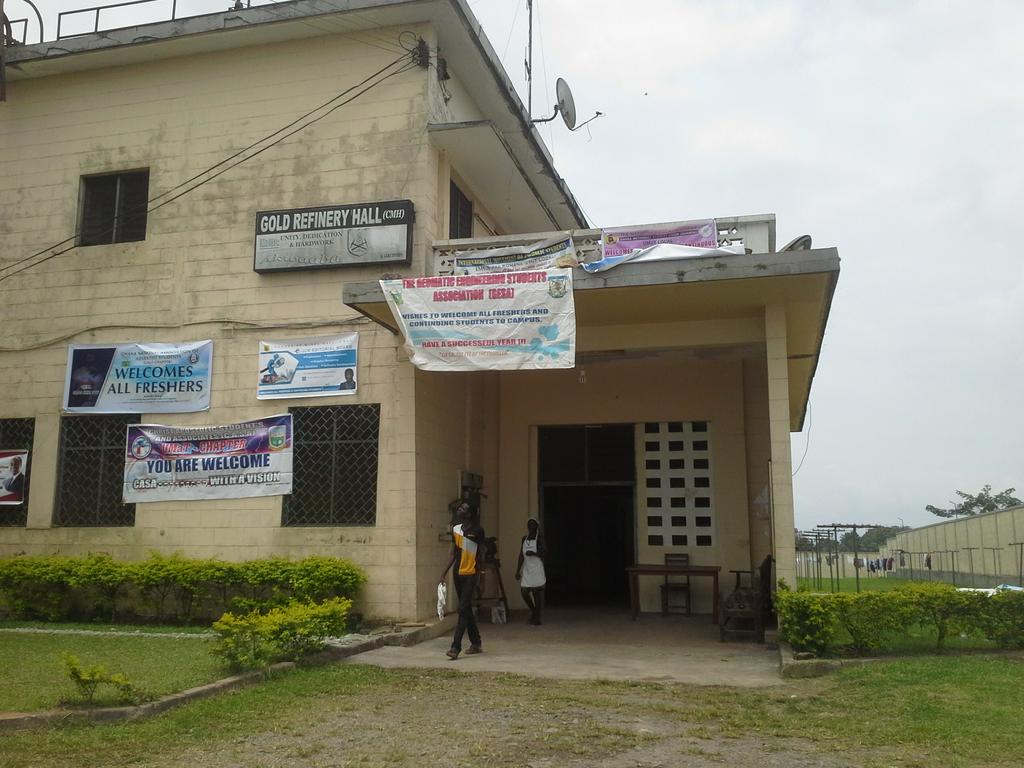
Буркина-Фасо открывает первый национальный золотоперерабатывающий завод
[SMM Gold Flash] Буркина-Фасо 28 сентября в Уагадугу открыла аффинажный завод RAFFINOR-BF, сообщили правительство и министерство горнодобывающей промышленности. Министерство сообщило, что официальные лица наблюдали за аффинажем первых золотых слитков во время осмотра предприятия. Теоретическая мощность первой очереди оценивается в 164 тонны в год; дополнительная очередь увеличит её до 515 тонн в год. Правительство заявляет, что стоимость объекта составила около 11 млрд франков КФА, а финансирование осуществлялось в основном через государственную компанию по драгоценным металлам SONASP и частных партнёров.
Открытие знаменует собой шаг в усилиях Буркина-Фасо по аффинажу промышленного и кустарного золота внутри страны и сохранению большей добавленной стоимости от переработки. Однако мощность — это проектный показатель: ни торжественное открытие, ни наблюдаемые первые слитки не подтверждают годовой объём производства, устойчивую работу или достаточное сырьевое обеспечение. Сбор сырья, загрузка аффинажного завода и предлагаемое расширение остаются ключевыми показателями, за которыми следует следить.
30 Sep 2026 17:20 (GMT+8)
Анализ цен на золото: опасения повышения ставки ФРС давят на золото — центробанки продолжают покупать
30 Sep 2026 15:47 (GMT+8)
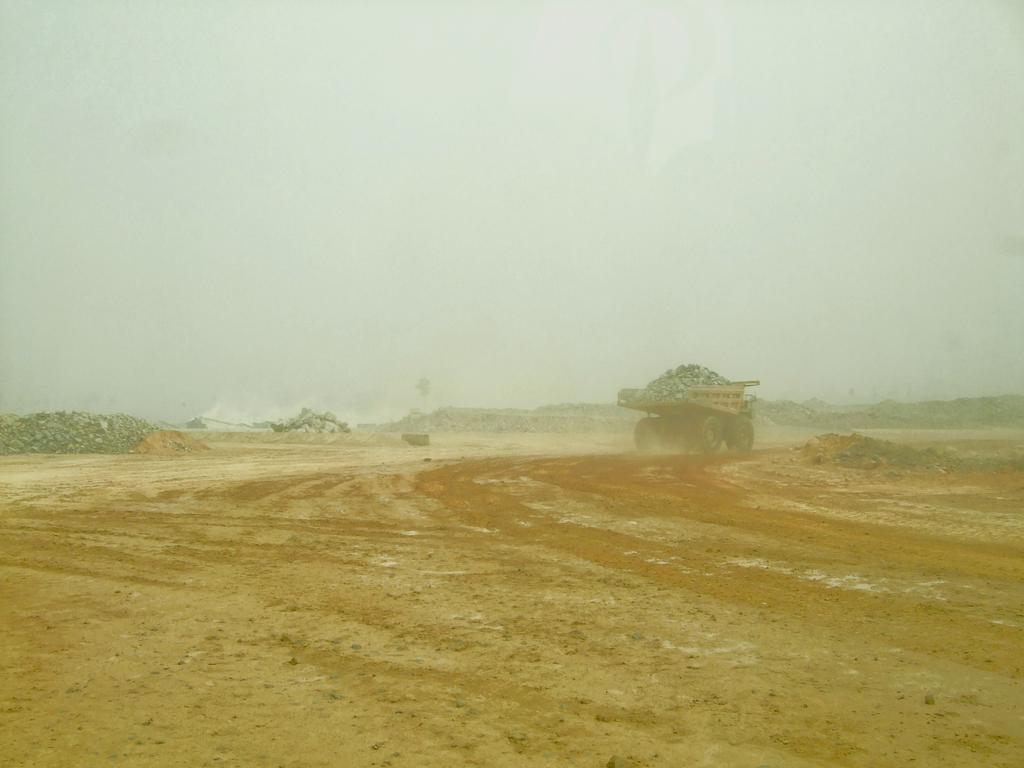
GoldStone продлевает отмену процентов по золотому кредиту до конца года
30 Sep 2026 15:16 (GMT+8)
![Цены на серебро упали почти на 5% за неделю на фоне опасений по поводу повышения ставок и геополитического тупика [Еженедельный обзор рынка серебра SMM]](https://imgqn.smm.cn/usercenter/LVqfJ20251217171736.jpg)
Цены на серебро упали почти на 5% за неделю на фоне опасений по поводу повышения ставок и геополитического тупика [Еженедельный обзор рынка серебра SMM]
30 Sep 2026 12:26 (GMT+8)
![Платина слегка дорожает на ранних торгах; активность рынка вялая в последний торговый день перед праздником [Ежедневный обзор SMM]](https://imgqn.smm.cn/usercenter/yhuhG20251217171735.jpg)
Платина слегка дорожает на ранних торгах; активность рынка вялая в последний торговый день перед праздником [Ежедневный обзор SMM]
30 Sep 2026 12:17 (GMT+8)
SMM: выпуск серебряных слитков в сентябре 2026 года вырос на 4,28% м/м, производство с начала года увеличилось на 4,2% г/г
[SMM Серебро Экспресс] Производство серебряных слитков SMM 1# в сентябре 2026 года выросло на 4,28% по сравнению с предыдущим месяцем. Совокупный объём производства за январь-сентябрь достиг 14 600 тонн, что на 4,2% больше, чем годом ранее.
30 Sep 2026 12:05 (GMT+8)
Вероятность повышения ставок снижается; на спотовом рынке серебра царит праздничная атмосфера [Ежедневный комментарий SMM]
30 Sep 2026 12:01 (GMT+8)
Золото, прогноз на IV квартал 2026 года: устойчивость на фоне ралли доллара и доходностей
29 Sep 2026 17:35 (GMT+8)
Отчет по драгоценным металлам: закупки золота Китаем резко растут, а серебро борется за отметку в 60 долларов
29 Sep 2026 17:30 (GMT+8)
Рост доходности облигаций может подтолкнуть цену золота к $4 000, но Доши из State Street по-прежнему ожидает $5 000 ко второму кварталу 2027 года
29 Sep 2026 17:15 (GMT+8)
Китай на пути к импорту 1700 тонн золота в 2026 году, цена серебра столкнётся с ключевым испытанием вблизи 60 долларов за унцию – Heraeus
29 Sep 2026 16:38 (GMT+8)
Уолл-стрит разошлась во мнениях о динамике цен на золото после падения ниже $4300, Мейн-стрит сохраняет бычий настрой
29 Sep 2026 16:24 (GMT+8)
![[Объявление SMM] Публикация цен на металлы и новостей на китайском рынке приостановлена в период национальных праздников (1–7 октября)](https://imgqn.smm.cn/usercenter/HeIuV20251217171708.jpg)
[Объявление SMM] Публикация цен на металлы и новостей на китайском рынке приостановлена в период национальных праздников (1–7 октября)
Уважаемые пользователи SMM, Приближаются праздничные дни по случаю Национального дня. Обращаем ваше внимание, что публикация ценовых оценок на металлы на китайском рынке SMM и новостных обновлений будет временно приостановлена на время праздников (1–7 октября) и возобновится в обычном режиме после их окончания. При этом зарубежные ценовые оценки SMM будут обновляться в обычном режиме на протяжении всех праздничных дней. Приносим извинения за возможные неудобства и желаем вам приятных праздников. Shanghai Metals Market (SMM)
28 Sep 2026 17:06 (GMT+8)

Huawei развивает партнерства в сфере экологичной добычи полезных ископаемых в Африке и проводит деловые переговоры с ZESCO на SMM ACM 2026
23 Sep 2026 16:41 (GMT+8)
![[SMM анализ] Торговля медью с учётом тарифов США затухает — но ещё не завершена](https://imgqn.smm.cn/production/admin/votes/imagesMbCUq20260929144044.png)
[SMM анализ] Торговля медью с учётом тарифов США затухает — но ещё не завершена
29 Sep 2026 14:37 (GMT+8)
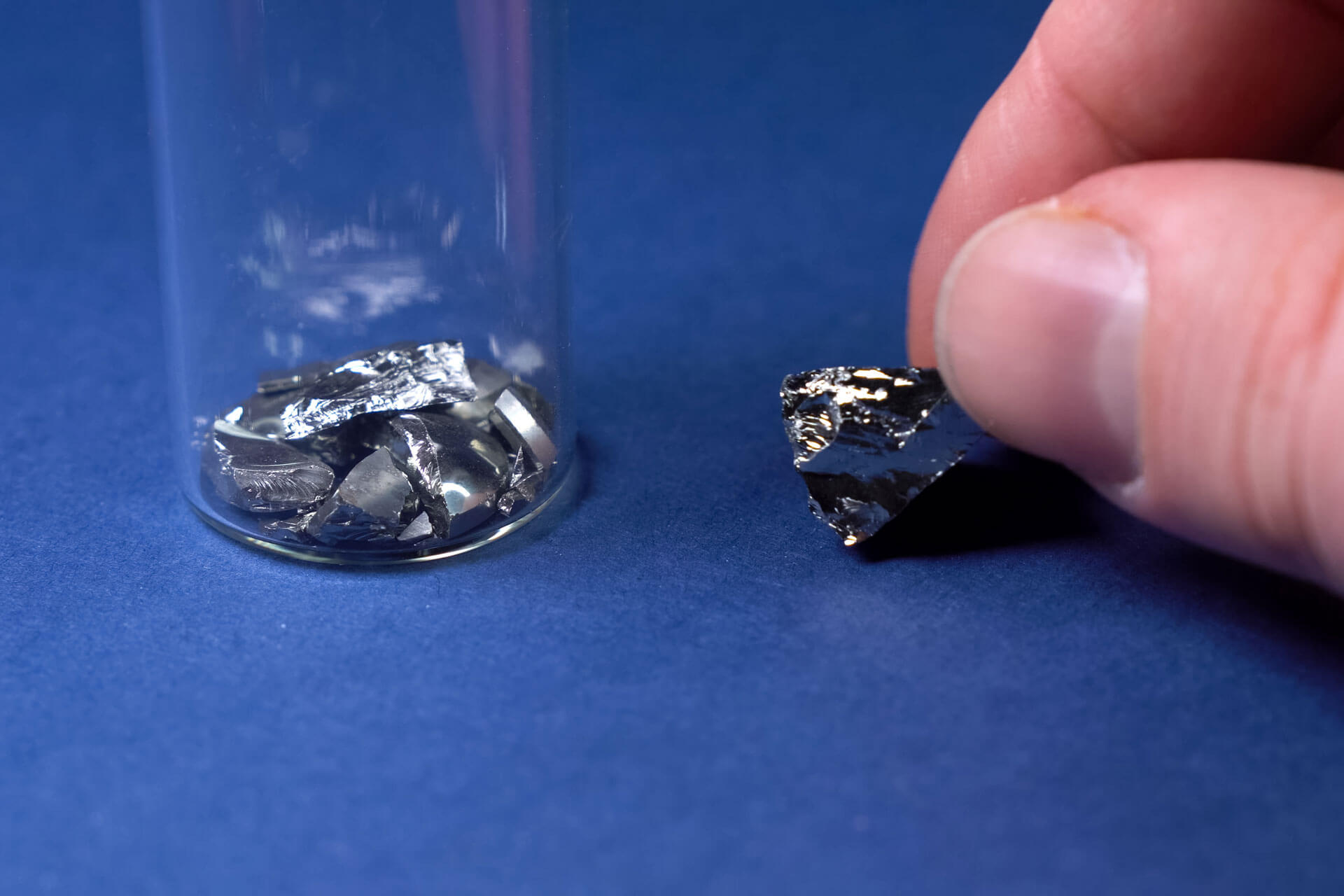
ЮАР готова стать ключевым игроком в глобальной цепочке поставок редкоземельных металлов к 2034 году【Анализ SMM】
29 Sep 2026 18:54 (GMT+8)
[Анализ SMM] Производство BESS в Индии ускоряется, но зависимость от аккумуляторных элементов остаётся ключевым узким местом
30 Sep 2026 08:50 (GMT+8)
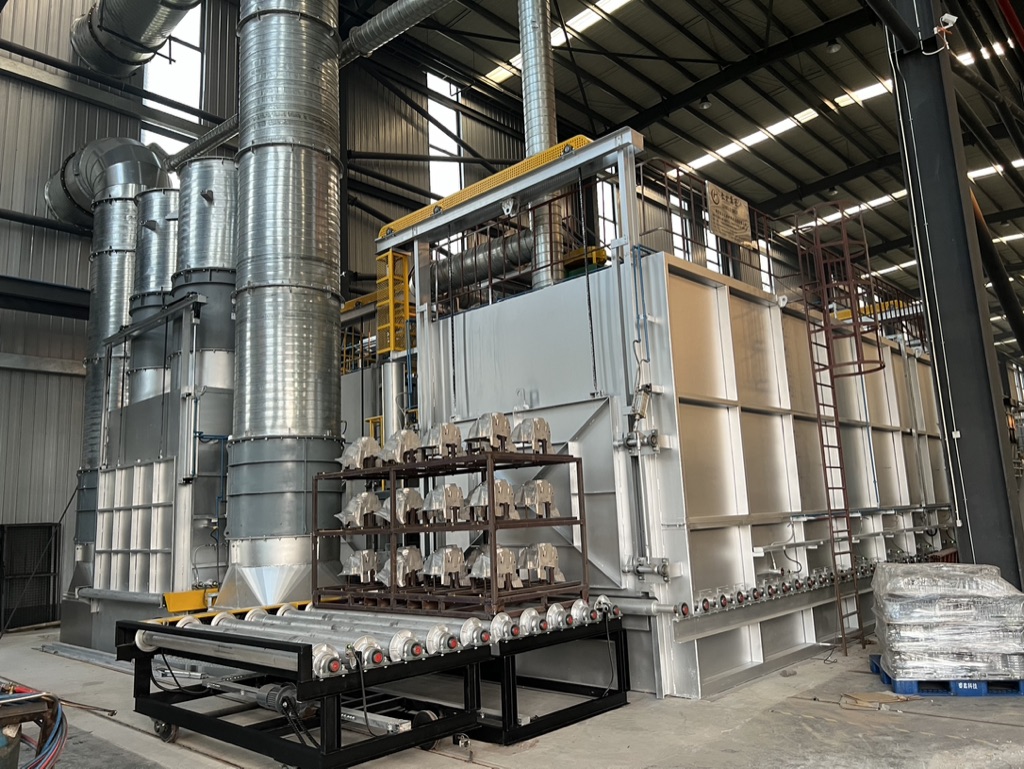
SMM запускает калькулятор CBAM для алюминия: что означают оценки затрат для предложений, ориентированных на ЕС【Анализ SMM】
29 Sep 2026 17:32 (GMT+8)
![[Анализ SMM] Низкоуглеродная первичная медь начинает торговаться отдельно — будет ли переоценена «зелёная» ценность вторичной меди?](https://imgqn.smm.cn/usercenter/MXbup20251217171745.jpg)
[Анализ SMM] Низкоуглеродная первичная медь начинает торговаться отдельно — будет ли переоценена «зелёная» ценность вторичной меди?
29 Sep 2026 16:03 (GMT+8)
Последние новости
Законопроект Ганы предлагает специальную государственную долю и сокращение сроков аренды месторождений
02 Oct 2026 15:49 (GMT+8)
PGMs: независимые испытания продвигают технологию платиновых и палладиевых аккумуляторов
02 Oct 2026 15:48 (GMT+8)
«Сибани» достигла соглашения о зарплате на руднике Ист-Боулдер; забастовка на других предприятиях в США продолжается
01 Oct 2026 16:45 (GMT+8)
Ariana сообщает о водоносном горизонте по мере продвижения работ по ТЭО Докве
01 Oct 2026 16:43 (GMT+8)
Золото, серебро, платина и палладий отскочили, сектор драгоценных металлов растёт, на спотовых рынках серебра и платины ощущается сильная праздничная атмосфера [SMM Flash]
30 Sep 2026 19:24 (GMT+8)
[Экспресс-обзор драгоценных металлов SMM]
30 Sep 2026 19:22 (GMT+8)
[Экспресс-обзор драгоценных металлов SMM]
30 Sep 2026 19:18 (GMT+8)
Платина и палладий на этой неделе закрылись снижением; по мере приближения праздника спотовый рынок всё больше погружается в праздничную атмосферу【Еженедельный обзор платины и палладия SMM】
30 Sep 2026 18:13 (GMT+8)
Буркина-Фасо открывает первый национальный золотоперерабатывающий завод
30 Sep 2026 17:20 (GMT+8)
Анализ цен на золото: опасения повышения ставки ФРС давят на золото — центробанки продолжают покупать
30 Sep 2026 15:47 (GMT+8)
GoldStone продлевает отмену процентов по золотому кредиту до конца года
30 Sep 2026 15:16 (GMT+8)
Цены на серебро упали почти на 5% за неделю на фоне опасений по поводу повышения ставок и геополитического тупика [Еженедельный обзор рынка серебра SMM]
30 Sep 2026 12:26 (GMT+8)
Платина слегка дорожает на ранних торгах; активность рынка вялая в последний торговый день перед праздником [Ежедневный обзор SMM]
30 Sep 2026 12:17 (GMT+8)
SMM: выпуск серебряных слитков в сентябре 2026 года вырос на 4,28% м/м, производство с начала года увеличилось на 4,2% г/г
30 Sep 2026 12:05 (GMT+8)
Вероятность повышения ставок снижается; на спотовом рынке серебра царит праздничная атмосфера [Ежедневный комментарий SMM]
30 Sep 2026 12:01 (GMT+8)
Золото, прогноз на IV квартал 2026 года: устойчивость на фоне ралли доллара и доходностей
29 Sep 2026 17:35 (GMT+8)
Отчет по драгоценным металлам: закупки золота Китаем резко растут, а серебро борется за отметку в 60 долларов
29 Sep 2026 17:30 (GMT+8)
Рост доходности облигаций может подтолкнуть цену золота к $4 000, но Доши из State Street по-прежнему ожидает $5 000 ко второму кварталу 2027 года
29 Sep 2026 17:15 (GMT+8)
Китай на пути к импорту 1700 тонн золота в 2026 году, цена серебра столкнётся с ключевым испытанием вблизи 60 долларов за унцию – Heraeus
29 Sep 2026 16:38 (GMT+8)
Уолл-стрит разошлась во мнениях о динамике цен на золото после падения ниже $4300, Мейн-стрит сохраняет бычий настрой
29 Sep 2026 16:24 (GMT+8)