

Новости
Эксклюзивные аналитические статьи с последними обновлениями рынка и своевременными новостными лентами.

Импорт сподумена в Китай в сентябре вырос на 7% по сравнению с предыдущим месяцем, при этом Австралия, Нигерия и Зимбабве стали тремя крупнейшими источниками
Согласно сводным данным китайской таможни, в сентябре 2026 года Китай импортировал 970,1 тыс. физических тонн сподумена, что примерно на 7,0% больше, чем 906,6 тыс. тонн в августе. Исходя из классификации и принятых в настоящем анализе допущений о содержании, влажности и коэффициентах пересчёта, сентябрьский импорт соответствовал примерно 81,3 тыс. тонн в эквиваленте карбоната лития (LCE). В разрезе стран происхождения значительно выросли поставки из Австралии, Нигерии и Зимбабве. Австралия осталась крупнейшим поставщиком: отгрузки в Китай достигли 446,2 тыс. тонн, увеличившись примерно на 36,7% к предыдущему месяцу и составив около 46,0% всего импорта. Нигерия вышла на второе место с объёмом 189,8 тыс. тонн, что примерно на 40,1% больше, а импорт из Зимбабве вырос примерно на 83,0% до 136,5 тыс. тонн. Импорт из ЮАР сократился примерно на 49,6% до 112,4 тыс. тонн, тогда как поставки из Бразилии увеличились примерно на 30,9% до 81,2 тыс. тонн. Меньшие объёмы поступили из Бурунди, Руанды и Мозамбика — примерно 1,8 тыс., 1,3 тыс. и 1,0 тыс. тонн соответственно, при ограниченных отгрузках из Замбии и Сомали. В сентябрьских данных импорт из Мали и Канады отсутствовал. В целом импорт сподумена в Китай в сентябре продолжил расти, при этом структура смещалась в сторону концентрата. Согласно использованной в настоящем анализе классификации, импорт концентрата достиг примерно 688,8 тыс. тонн, что составило 71,0% всего физического импорта по сравнению с 60,7% в августе. Импорт сырой руды составил примерно 281,3 тыс. тонн. Рост поставок концентрата из Австралии, Зимбабве и Нигерии компенсировал снижение импорта из Мали и Канады, что стало основной поддержкой увеличения импортного предложения литиевого сырья в Китае в этом месяце.
20 Oct 2026 19:03 (GMT+8)
[SMM анализ] Рекордные продажи горячекатаного проката Hoa Phat меняют самообеспеченность Вьетнама и экспортные потоки Китая
Хоа Фат продала 5,47 млн т горячекатаного рулона в январе–сентябре, рост на 59%, что составляет около трети потребления Вьетнама, при этом 24,6% продаж в третьем квартале пришлось на экспорт. Спрос на горячекатаный рулон во Вьетнаме в этом году составляет около 17,3 млн т, что по-прежнему превышает местное производство примерно в 10,8 млн т на 6,5 млн т, а новые мощности появятся в основном после 2027 года. Антидемпинговые пошлины вытеснили основной китайский рулон из Вьетнама; теперь китайские заводы конкурируют с вьетнамским рулоном в АСЕАН и на других рынках третьих стран.
20 Oct 2026 14:36 (GMT+8)
Китайский экспорт редкоземельных магнитов достиг рекорда в сентябре благодаря высвобождению отложенного спроса и смягчению регулирования【Анализ SMM】
Экспорт редкоземельных магнитов из Китая в сентябре достиг рекордных 6165 тонн (+23% м/м), что обусловлено расчисткой портовых заторов июля–августа, а не новым спросом. Переговоры США и Китая разблокировали поставки, а переговоры о «зелёном коридоре» с ЕС повысили прогноз на четвёртый квартал до ~5700 тонн в месяц. Крупные производители восстанавливались быстрее всех; малые предприятия по-прежнему ограничены.
20 Oct 2026 16:06 (GMT+8)
Последние новости
![Нефть резко дорожает, цветные металлы в основном растут, цинк на LME лидирует в росте, медь на LME, алюминий на SHFE и олово на SHFE показывают максимальный рост, золото и серебро резко падают на недельном графике [Обзор ночных торгов]](https://imgqn.smm.cn/usercenter/tSwaX20251217171735.jpg)
Нефть резко дорожает, цветные металлы в основном растут, цинк на LME лидирует в росте, медь на LME, алюминий на SHFE и олово на SHFE показывают максимальный рост, золото и серебро резко падают на недельном графике [Обзор ночных торгов]
10 часов назад
![Праздничное сокращение запасов значительно ускоряется; запасы алюминиевых слитков в Китае упали до четырехлетнего минимума за аналогичный период, региональные премии расходятся [Анализ SMM]](https://imgqn.smm.cn/usercenter/PerRJ20251217171650.jpg)
Праздничное сокращение запасов значительно ускоряется; запасы алюминиевых слитков в Китае упали до четырехлетнего минимума за аналогичный период, региональные премии расходятся [Анализ SMM]
23 Oct 2026 17:54 (GMT+8)
![Запасы алюминиевых заготовок продолжают быстро сокращаться, плата за переработку стабилизируется и восстанавливается после снижения с высоких уровней [Анализ SMM]](https://imgqn.smm.cn/usercenter/kxYyQ20251217171651.jpg)
Запасы алюминиевых заготовок продолжают быстро сокращаться, плата за переработку стабилизируется и восстанавливается после снижения с высоких уровней [Анализ SMM]
23 Oct 2026 17:06 (GMT+8)
Пиковый спрос в октябре не оправдал ожиданий, в краткосрочной перспективе цены на готовую сталь могут продолжить консолидироваться на низких уровнях [SMM Еженедельник сталелитейной отрасли]
На этой неделе черные металлы в целом консолидировались на сдержанной ноте, при этом динамика спотовых цен различалась в зависимости от вида продукции...
23 Oct 2026 15:31 (GMT+8)
Цены на алюминий сегодня немного снизились, но на спотовом рынке алюминия наконец появился проблеск надежды [SMM ежедневный обзор спотового рынка алюминия в Южном Китае]
23 Oct 2026 14:54 (GMT+8)
Снижение цен на медь активизировало покупательский интерес, спотовые премии растут несколько дней подряд [SMM Шанхайская спотовая медь]
[SMM Шанхайский рынок спотовой меди] В перспективе на следующую неделю доступное предложение на шанхайском спотовом рынке остаётся ограниченным, что оказывает сильную поддержку спотовым премиям. Что касается импорта, в последнее время импортное окно периодически открывалось, и ожидается постепенное поступление части импортной меди. Однако из-за тайфуна существует риск задержек в прибытии и разгрузке некоторых судов. Ожидается, что краткосрочное импортное предложение останется относительно ограниченным, и существенно ослабить дефицит спотового предложения будет сложно. Что касается спроса, поскольку центр медных цен заметно снизился, готовность к закупкам у некоторых перерабатывающих предприятий улучшилась, высвободился спрос на пополнение запасов по более низким ценам и на неотложные нужды, а торговая активность на рынке возросла по сравнению с предыдущим периодом. При ограниченном импортном пополнении, дефиците доступного предложения и умеренном улучшении потребления в перерабатывающем секторе шанхайские спотовые премии, как ожидается, останутся высокими на следующей неделе, с возможностью дальнейшего роста.
23 Oct 2026 13:52 (GMT+8)
Коэффициент цен SHFE/LME укрепляется, спрос высвобождается, импортные надбавки на медь продолжают резко расти [SMM спотовая медь Яншань]
23 Oct 2026 13:52 (GMT+8)
Гуандун Цинк: ценовой центр по цинку смещается вниз, downstream-покупки на спаде [SMM полуденный комментарий]
[Гуандун: центр цен на цинк смещается вниз, downstream покупатели покупают на спаде] Гуандунский цинк 0# в основном торговался по 25 280–25 420 юаней/т, основные бренды котировались с премией 15–55 юаней/т к контракту 2612, премия 5 юаней/т к спотовым поставкам в Шанхае, спред цен Шанхай–Гуандун оставался...
23 Oct 2026 13:17 (GMT+8)
Компания Xuzhou Yongsheng Metallurgical Materials Co., Ltd. приглашает вас на 11-ю выставку проводниковой и кабельной промышленности SMM 2026
23 Oct 2026 13:01 (GMT+8)
[SMM Обзор рынка олова на полдень] Охлаждение торговли ИИ и рост неприятия риска, ценовой центр по олову смещается вниз — олово на SHFE падает до 369 000 юаней, олово на LME теряет отметку $50 000
[SMM Полуденный обзор рынка олова: ИИ-торговля остывает, неприятие риска растёт, ценовой центр по олову смещается вниз — олово на SHFE падает до 369 000 юаней, олово на LME теряет отметку $50 000]
23 Oct 2026 12:00 (GMT+8)
![Спрос в Северном Китае незначительно улучшается, спотовые премии резко растут [SMM спотовая медь Северного Китая]](https://imgqn.smm.cn/usercenter/mpocQ20251217171712.jpg)
Спрос в Северном Китае незначительно улучшается, спотовые премии резко растут [SMM спотовая медь Северного Китая]
23 Oct 2026 11:53 (GMT+8)
Синьчэн Вайр Род приглашает вас на 11-ю выставку SMM проводниковой и кабельной промышленности 2026 года
23 Oct 2026 11:40 (GMT+8)
Xincheng Electric приглашает вас на выставку SMM (10-ю) «Проводники и кабельная промышленность» 2025 года и ежегодную конференцию по отрасли электротехнических материалов
23 Oct 2026 11:35 (GMT+8)
Цены на медь снижаются, закупки в перерабатывающих отраслях растут, спотовые премии заметно повышаются [SMM спотовая медь в Южном Китае]
23 Oct 2026 11:33 (GMT+8)
[SMM Flash] Выпущен iFlytek Spark X2.6: 293B-A30B, миллион токенов
iFLYTEK выпустила Spark X2.6 на фестивале разработчиков 1024 22 октября, заявив, что модель полностью обучена на отечественных вычислительных мощностях. Модель представляет собой MoE 293B-A30B с поддержкой контекстного окна в один миллион токенов, одновременно была открыта модель X2.6-4B для устройств. Кластер Feixing-2 с 10 000 карт потратил 4,5 месяца на обучение модели масштаба 2 000B, сократив время до 1,2 месяца; эффективность инференса выросла в 4,5 раза, а частота попаданий KVCache увеличилась с 63% до 95,7%.
23 Oct 2026 10:10 (GMT+8)
Слабые макроэкономические показатели против сильных фундаментальных факторов: цены на свинец продолжают консолидироваться [Обзор утреннего совещания SMM по свинцу]
[SMM Утреннее совещание по свинцу: слабая макросреда против сильных фундаментальных факторов, цены на свинец продолжат консолидироваться] США и Израиль планируют новый раунд ударов, верховный лидер Ирана совершает редкое публичное появление, а военные предупреждают о развертывании «Отца всех бомб». В последнее время влияние технического обслуживания на заводах по первичной выплавке свинца в Китае усилилось, что привело к дефициту предложения в отдельных регионах...
23 Oct 2026 09:00 (GMT+8)
Самый торгуемый контракт на олово на SHFE снизился на 1,01% до 379 700 юаней за тонну, а трёхмесячный контракт на олово на LME упал до 50 110 долларов за тонну, при этом низкие запасы и высокая премия оказывают поддержку [SMM: утренний обзор рынка олова]
[SMM Утреннее совещание по олову: Самый торгуемый контракт на олово на SHFE снизился на 1,01% до 379 700 юаней за тонну, 3-месячный контракт на олово на LME упал до 50 110 долларов за тонну, низкие запасы и высокая премия оказывают поддержку]
23 Oct 2026 08:48 (GMT+8)
Нефть закрылась ростом, металлы почти все упали, серебро на NY резко обвалилось, цинк, олово, никель на LME/SHFE, медь, алюминий на LME, золото, серебро на SHFE лидируют в снижении [Обзор ночных торгов]
23 Oct 2026 08:28 (GMT+8)
Еженедельный отчет SMM по рынку алюминия, 22 октября 2026 г.
На этой неделе (15–22 октября 2026 г.) ключевые темы на рынке алюминия подробно изложены ниже...
22 Oct 2026 21:11 (GMT+8)
ООО «Хэбэй Иншан Алюминиум» приглашает вас на 11-ю выставку проводниковой и кабельной промышленности SMM 2026
22 Oct 2026 15:49 (GMT+8)
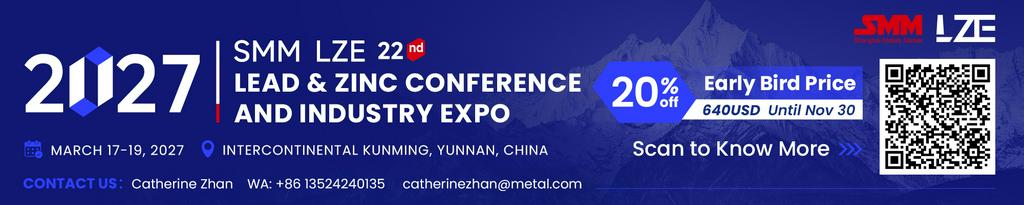
Уже открыто раннее бронирование на 22-ю конференцию и отраслевую выставку по свинцу и цинку SMM LZE 2027 года, которая пройдёт в марте следующего года в Юньнани
——От конференции к выставке · Масштаб удвоен · Полное обновление—— [Что вы узнаете из этой статьи] ① Обзор выставки ② Как зарегистрироваться ③ Первая партия экспонентов ④ Повестка конференции I. Масштаб удвоен, полное обновление! В 2026 году рынок свинца и цинка столкнётся с резкой волатильностью: высокие цены на свинец, дефицит высокочистого свинца, рекордно высокие запасы низкосортного свинца на LME, перенос производства свинцово-кислотных аккумуляторов из Китая за рубеж, глубоко отрицательные TC по цинковым концентратам, дефицит качественной импортной цинковой руды, открывшееся экспортное окно для цинковых слитков и расширение мощностей зарубежных цинковых плавильных заводов. LZE охватывает рыночные перспективы, прогноз цен, технологии оборудования, переработку и применение в нижних переделах, стимулируя «зелёную» трансформацию и взаимовыгодный рост. Отличие LZE 2027 (22-й) от предыдущих мероприятий — в трансформационном обновлении: переход от чисто отраслевой конференции к бесшовному сочетанию конференции и отраслевой выставки, что обеспечит более масштабную встречу, расширенную отраслевую экспозицию и широкое вовлечение всей цепочки создания стоимости свинца и цинка. От анализа отраслевых трендов к углублённым обменам по цепочке отрасли, от стыковки спроса и предложения между верхними и нижними переделами к концентрированным презентациям компаний, от одной отраслевой конференции к дальнейшей интеграции «конференция + отраслевой экспо»——в 2027 году SMM LZE вступает в эпоху «экспо»! Конференция пройдёт в 22-й раз в более крупном масштабе, с более насыщенным составом участников отрасли и более широким участием компаний верхних и нижних переделов! Отсканируйте QR-код ниже, чтобы бесплатно зарегистрироваться как посетитель 1. Масштаб конференции Делегаты: 6 000+ (на 71,4% больше, чем в предыдущем выпуске) Компании: 2 000+ (на 100% больше, чем в предыдущем выпуске) Экспоненты: 120+ (на 50% больше, чем в предыдущем выпуске) Стыковка спроса и предложения: 300+ (на 50% больше, чем в предыдущем выпуске) Профильные форумы: 7 (на 1 больше, чем в предыдущем выпуске) 2. Группы участников 20% — горнодобывающие компании 23% — плавильные предприятия 22% — перерабатывающие предприятия 10% — трейдеры 5% — закупки конечных потребителей свинца и цинка 15% — сторонние поставщики оборудования, технологий, вспомогательных материалов, СМИ и т. д. 3% — государственные органы, ассоциации, научно-исследовательские институты университетов 2% — финансовые и фьючерсные компании 3. Разбивка по должностям 4. Основные моменты конференции Тенденции цен, прогноз потребления и интерпретация политики Глобальный диалог о свинцово-цинковой отрасли и стратегиях выхода на международные рынки Деловые встречи один на один Поиск прорывных путей в горно-металлургических технологиях и переработке ресурсов Демонстрация передового оборудования и расходных материалов II. Четыре статуса — одна выставка свинца и цинка Ищете ли вы аналитику рынка, закупки, презентацию продукции или продвижение бренда — вы найдёте подходящий формат участия. 1. Профессиональные посетители (Посетите выставку в поисках деловых возможностей и наладьте связи с участниками всей производственной цепочки) [Преимущества для посетителей] Билет в выставочную зону Подарки при регистрации на месте Эксклюзивная карта распределения свинцово-цинковой отрасли от SMM Группа обмена для посетителей свинцово-цинковой отрасли Групповые преимущества Билеты на некоторые форумы …… 2. Делегаты конференции (Узнайте о новых тенденциях и обсудите рынок свинца и цинка) [Преимущества для делегатов] Билет в выставочную зону Подарки при регистрации на месте Эксклюзивная карта распределения свинцово-цинковой отрасли от SMM Группа обмена для посетителей и участников конференции свинцово-цинковой отрасли Билет на все форумы конференции Приглашение на торжественный ужин Талоны на обед и ужин во время конференции Справочник предприятий Отчёты экспертов Подбор поставщиков и покупателей один на один Выездные мероприятия после конференции …… 3. Экспонент (Выйдите на отраслевую сцену и продемонстрируйте свои сильные стороны) [Индивидуальный стенд 18 м²] [Преимущества] Дизайн и изготовление всех материалов для стенда 18 м², столы, стулья, диван и стойка регистрации, телевизор, 5 пропусков на конференцию, X-баннер*1, цветная страница в сборнике конференции*1, размещение логотипа, многоплатформенное онлайн-продвижение, подбор поставщиков и покупателей один на один, долгосрочная поддержка сотрудничества от SMM и т. д. [Премиальный стенд 9 м²] [Преимущества] Дизайн и изготовление всех материалов для стенда 9 м², печатная задняя стена, стойка регистрации, столы и стулья, телевизор, 3 пропуска на конференцию, X-баннер*1 или цветная страница в сборнике конференции*1, размещение логотипа, многоплатформенное онлайн-продвижение, индивидуальные встречи поставщиков и покупателей, долгосрочная поддержка сотрудничества от SMM и др. [Стандартный стенд 6 м²] [Преимущества] Дизайн и изготовление всех материалов для стенда 6 м², один длинный стол и два стула, 2 X-баннера с разным содержанием, 2 пропуска на конференцию, многоплатформенное онлайн-продвижение, индивидуальные встречи поставщиков и покупателей, долгосрочная поддержка сотрудничества от SMM и др.
22 Oct 2026 09:59 (GMT+8)

Прогноз мирового баланса спроса и предложения алюминия на 2027 год: высокие маржи стимулируют расширение мощностей, рынок переходит от дефицита к избытку
21 Oct 2026 09:41 (GMT+8)

Китайские инвестиции в размере 6 миллиардов долларов в производство аккумуляторов в Марокко меняют спрос на литий в ЕС на фоне изменения тарифов
20 Oct 2026 17:02 (GMT+8)

N-Type и P-Type солнечные фотоэлектрические модули: в чем их отличия и почему N-Type набирает популярность на мировом рынке?
21 Oct 2026 09:45 (GMT+8)
Импорт сподумена в Китай в сентябре вырос на 7% по сравнению с предыдущим месяцем, при этом Австралия, Нигерия и Зимбабве стали тремя крупнейшими источниками
20 Oct 2026 19:03 (GMT+8)
![[SMM анализ] Рекордные продажи горячекатаного проката Hoa Phat меняют самообеспеченность Вьетнама и экспортные потоки Китая](https://imgqn.smm.cn/usercenter/MhPNV20251217171716.jpg)
[SMM анализ] Рекордные продажи горячекатаного проката Hoa Phat меняют самообеспеченность Вьетнама и экспортные потоки Китая
20 Oct 2026 14:36 (GMT+8)
Китайский экспорт редкоземельных магнитов достиг рекорда в сентябре благодаря высвобождению отложенного спроса и смягчению регулирования【Анализ SMM】
20 Oct 2026 16:06 (GMT+8)
Последние новости
Нефть резко дорожает, цветные металлы в основном растут, цинк на LME лидирует в росте, медь на LME, алюминий на SHFE и олово на SHFE показывают максимальный рост, золото и серебро резко падают на недельном графике [Обзор ночных торгов]
10 часов назад
Праздничное сокращение запасов значительно ускоряется; запасы алюминиевых слитков в Китае упали до четырехлетнего минимума за аналогичный период, региональные премии расходятся [Анализ SMM]
23 Oct 2026 17:54 (GMT+8)
Запасы алюминиевых заготовок продолжают быстро сокращаться, плата за переработку стабилизируется и восстанавливается после снижения с высоких уровней [Анализ SMM]
23 Oct 2026 17:06 (GMT+8)
Пиковый спрос в октябре не оправдал ожиданий, в краткосрочной перспективе цены на готовую сталь могут продолжить консолидироваться на низких уровнях [SMM Еженедельник сталелитейной отрасли]
23 Oct 2026 15:31 (GMT+8)
Цены на алюминий сегодня немного снизились, но на спотовом рынке алюминия наконец появился проблеск надежды [SMM ежедневный обзор спотового рынка алюминия в Южном Китае]
23 Oct 2026 14:54 (GMT+8)
Снижение цен на медь активизировало покупательский интерес, спотовые премии растут несколько дней подряд [SMM Шанхайская спотовая медь]
23 Oct 2026 13:52 (GMT+8)
Коэффициент цен SHFE/LME укрепляется, спрос высвобождается, импортные надбавки на медь продолжают резко расти [SMM спотовая медь Яншань]
23 Oct 2026 13:52 (GMT+8)
Гуандун Цинк: ценовой центр по цинку смещается вниз, downstream-покупки на спаде [SMM полуденный комментарий]
23 Oct 2026 13:17 (GMT+8)
Компания Xuzhou Yongsheng Metallurgical Materials Co., Ltd. приглашает вас на 11-ю выставку проводниковой и кабельной промышленности SMM 2026
23 Oct 2026 13:01 (GMT+8)
[SMM Обзор рынка олова на полдень] Охлаждение торговли ИИ и рост неприятия риска, ценовой центр по олову смещается вниз — олово на SHFE падает до 369 000 юаней, олово на LME теряет отметку $50 000
23 Oct 2026 12:00 (GMT+8)
Спрос в Северном Китае незначительно улучшается, спотовые премии резко растут [SMM спотовая медь Северного Китая]
23 Oct 2026 11:53 (GMT+8)
Синьчэн Вайр Род приглашает вас на 11-ю выставку SMM проводниковой и кабельной промышленности 2026 года
23 Oct 2026 11:40 (GMT+8)
Xincheng Electric приглашает вас на выставку SMM (10-ю) «Проводники и кабельная промышленность» 2025 года и ежегодную конференцию по отрасли электротехнических материалов
23 Oct 2026 11:35 (GMT+8)
Цены на медь снижаются, закупки в перерабатывающих отраслях растут, спотовые премии заметно повышаются [SMM спотовая медь в Южном Китае]
23 Oct 2026 11:33 (GMT+8)
[SMM Flash] Выпущен iFlytek Spark X2.6: 293B-A30B, миллион токенов
23 Oct 2026 10:10 (GMT+8)
Слабые макроэкономические показатели против сильных фундаментальных факторов: цены на свинец продолжают консолидироваться [Обзор утреннего совещания SMM по свинцу]
23 Oct 2026 09:00 (GMT+8)
Самый торгуемый контракт на олово на SHFE снизился на 1,01% до 379 700 юаней за тонну, а трёхмесячный контракт на олово на LME упал до 50 110 долларов за тонну, при этом низкие запасы и высокая премия оказывают поддержку [SMM: утренний обзор рынка олова]
23 Oct 2026 08:48 (GMT+8)
Нефть закрылась ростом, металлы почти все упали, серебро на NY резко обвалилось, цинк, олово, никель на LME/SHFE, медь, алюминий на LME, золото, серебро на SHFE лидируют в снижении [Обзор ночных торгов]
23 Oct 2026 08:28 (GMT+8)
Еженедельный отчет SMM по рынку алюминия, 22 октября 2026 г.
22 Oct 2026 21:11 (GMT+8)
ООО «Хэбэй Иншан Алюминиум» приглашает вас на 11-ю выставку проводниковой и кабельной промышленности SMM 2026
22 Oct 2026 15:49 (GMT+8)