

Новости
Эксклюзивные аналитические статьи с последними обновлениями рынка и своевременными новостными лентами.
![[Анализ SMM] Производство BESS в Индии ускоряется, но зависимость от аккумуляторных элементов остаётся ключевым узким местом](https://imgqn.smm.cn/production/admin/votes/imagesozVHm20260131125121.jpeg)
[Анализ SMM] Производство BESS в Индии ускоряется, но зависимость от аккумуляторных элементов остаётся ключевым узким местом
В первом квартале 2026 года мировые поставки систем накопления энергии достигли 100,0 ГВт·ч, что на 96,5% больше, чем 50,9 ГВт·ч за аналогичный период 2025 года, и вывело квартальные поставки на совершенно новый уровень.
30 Sep 2026 08:50 (GMT+8)
SMM запускает калькулятор CBAM для алюминия: что означают оценки затрат для предложений, ориентированных на ЕС【Анализ SMM】
По мере вступления Механизма пограничной углеродной корректировки ЕС (CBAM) в окончательную фазу при торговле алюминием с Европой необходимо оценивать углеродные затраты наряду с ценами на металл, стоимостью переработки и логистикой. SMM запустила Калькулятор CBAM для алюминия , объединяющий коды товаров, страну происхождения, данные о выбросах и цены сертификатов для поддержки экспортных котировок, европейских закупок и внутреннего бюджетирования. Модуль по алюминию предлагает 58 кодов CN и 68 категорий происхождения/значений по умолчанию, охватывая необработанный алюминий, профили, листы, полосы, фольгу и другую продукцию. Годовые параметры доступны на 2026–2030 годы. Пользователи вводят тоннаж и выбирают значения выбросов по умолчанию или вводят проверенные фактические выбросы. Затем на странице отображаются расчётное количество сертификатов на тонну, общее количество сертификатов, стоимость за тонну и общий бюджет, при этом маршруты первичного и вторичного алюминия сопоставляются с применимой базой данных. Практическое преимущество заключается в том, что допущения и результаты отображаются вместе. Экспортёры могут указать продукт, происхождение, период импорта и основу выбросов, лежащую в основе котировки, а покупатели могут сравнивать источники в единообразных условиях. Страница включает китайский и английский интерфейсы, таблицы параметров и возможность печати сметы расходов. Распределение связанных затрат между покупателями и продавцами остаётся предметом договорных отношений. Следует различать объём сертификатов и их денежную стоимость. По состоянию на 29 сентября 2026 года калькулятор учитывает официальные цены: €75,36 за сертификат за I квартал 2026 года и €75,28 за II квартал. Цена за III квартал ещё не опубликована. Если цена недоступна, на странице сохраняются оценки объёма сертификатов, а поля стоимости остаются пустыми, вместо подстановки предполагаемой цены. Текущая версия не учитывает вычеты за углеродные платежи, уплаченные за рубежом, и оценку годового порога импорта. Расчёт фактических выбросов для сложных алюминиевых изделий также не включает корректировку на бесплатное распределение, относящуюся к прекурсорам. Поэтому в приведённом ниже анализе используется проверенный расчёт по значениям по умолчанию. Результаты являются коммерческими оценками, а не окончательными обязательствами по сдаче сертификатов. Для сравнения на рынке один и тот же алюминиевый продукт может иметь существенно разные расчётные затраты в зависимости от значения по умолчанию для конкретной страны происхождения. Рассмотрим код CN 76012040 — необработанные алюминиевые сплавы в форме заготовок — с первичным маршрутом K, ценой сертификата за II квартал 2026 года и количеством 1000 тонн. Расчётные затраты по значениям по умолчанию для Китая, Индии и Канады составляют €143,98, €50,41 и €57,86 за тонну соответственно. Эти цифры включают годовую надбавку к значению по умолчанию и корректировку на бесплатное распределение на основе бенчмарка. Случаи со значениями по умолчанию для Китая и Индии различаются примерно на €93,57 за тонну. Сравнение только цены металла или стоимости переработки может упустить существенную разницу в бюджете покупателя. При прочих схожих коммерческих условиях расчётные затраты CBAM могут повлиять на привлекательность предложения. Однако это не является рейтингом фактической углеродоёмкости производителей. Фрахт, таможенные пошлины, качество и условия поставки также находятся за рамками данного сравнения, поэтому одни лишь цифры не могут определить предпочтительного поставщика. Это подчёркивает коммерческую ценность документации поставщика о выбросах. Для производителей, чьи фактические выбросы ниже применимого значения по умолчанию, подтверждённые надлежащей верификацией, фактические данные могут изменить оценку затрат покупателем. Покупатели могут использовать значения по умолчанию для первоначального бюджета при отсутствии документации, а затем провести переоценку на основе доказательств поставщика. Таким образом, у экспортёров появляется основание готовить информацию о выбросах вместе с коммерческими предложениями, а не вести переговоры исключительно вокруг различий в страновых значениях по умолчанию. Изменения годовых параметров также заслуживают внимания. При неизменных базовом значении по умолчанию для китайской продукции, маршруте и бенчмарке, а также при допущении, что год импорта и применимый отчётный год совпадают, расчётный объём сертификатов возрастает с 1,912575 на тонну в 2026 году до 2,248150 в 2027 году — увеличение примерно на 17,5%. Это отражает более высокую надбавку к значению по умолчанию и меньший вычет за бесплатное распределение; это не означает роста будущих цен на сертификаты. Для соглашений о поставках, охватывающих разные годы, компании могут сначала сравнить объём сертификатов, а затем обсудить механизмы обновления цен и распределение затрат. Даже при неизвестных будущих ценах на сертификаты определение объёма сертификатов и получение документации поставщика может повысить сопоставимость предложений и бюджетов закупок.
29 Sep 2026 17:32 (GMT+8)
[Анализ SMM] Низкоуглеродная первичная медь начинает торговаться отдельно — будет ли переоценена «зелёная» ценность вторичной меди?
[Анализ SMM: Низкоуглеродная первичная медь начинает торговаться отдельно — будет ли переоценена экологическая ценность вторичной меди?] Пилотный проект BHP и Amazon EAC отделяет подтверждённые сокращения выбросов от физической торговли медью, давая первичной меди с низким уровнем выбросов новый источник экологической ценности. Вторичная медь сохраняет значительное энергетическое преимущество, но будущая конкурентоспособность может в большей степени зависеть от прослеживаемости, содержания вторичного сырья и подтверждённых данных о выбросах углерода, что потенциально добавит экологическое измерение в ценообразование.
29 Sep 2026 16:03 (GMT+8)
Последние новости
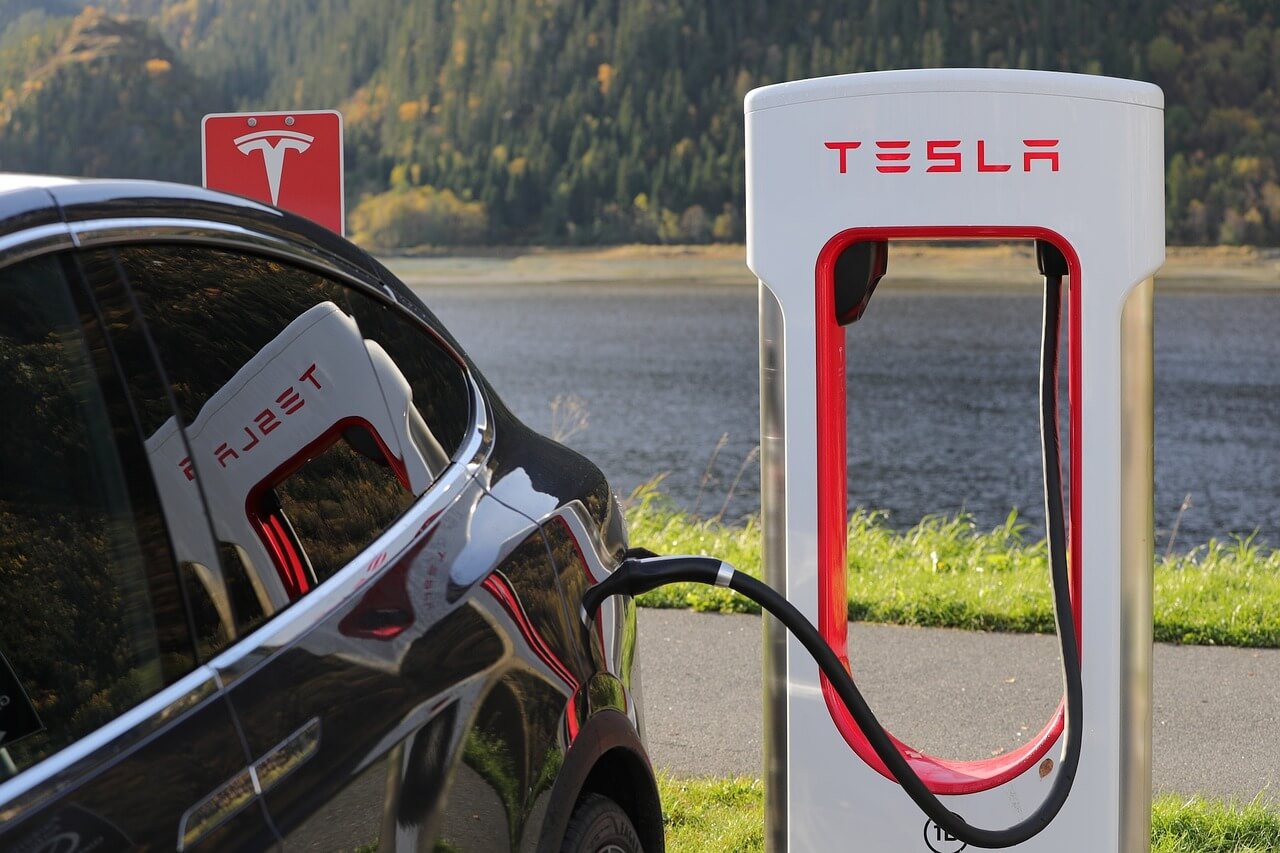
【SMM экспресс】Glencore объявила дату начала торгов в рамках вторичного листинга на ASX и повысила годовой прогноз по маркетинговому бизнесу
7 часов назад
![Серия о твердотельных аккумуляторах на следующее десятилетие, часть 7 из 9: Глобальный конкурентный ландшафт — «патентная теневая война» и гонка индустриализации между Китаем, Японией и Южной Кореей [Анализ SMM]](https://imgqn.smm.cn/usercenter/MyEcZ20251217171727.jpg)
Серия о твердотельных аккумуляторах на следующее десятилетие, часть 7 из 9: Глобальный конкурентный ландшафт — «патентная теневая война» и гонка индустриализации между Китаем, Японией и Южной Кореей [Анализ SMM]
8 часов назад
Очки Ray-Ban Meta третьего поколения выходят на рынок Индии, анонсирована аудиоверсия без камеры
02 Oct 2026 14:04 (GMT+8)
ДРК запустит ежегодные проверки соблюдения требований по субподряду и локализации контента на крупных горнодобывающих предприятиях
【ДРК запустит ежегодные аудиты соблюдения требований по субподряду и местному содержанию на крупных горнодобывающих предприятиях】Регулирующий орган ДРК Sous-traitance Privée заявил, что ежегодные аудиты практики субподряда и соблюдения требований по местному содержанию на крупных горнодобывающих предприятиях начнутся с 2027 года. Новый закон страны о местном содержании вступает в силу 1 января 2027 года, при этом в настоящее время разрабатываются отраслевые правила для горнодобывающего сектора, которые будут включать обязательную трехлетнюю программу соблюдения требований и положения о штрафных санкциях. В 2025 году 167 крупных предприятий задекларировали контракты на субподряд на общую сумму 3,7 млрд долларов США, при этом 83% средств поступило компаниям под местным контролем, из которых только на горнодобывающий сектор пришлось 2,9 млрд долларов США. Регулирующий орган уже потребовал от некоторых производителей меди и кобальта, работающих в ДРК, расторгнуть несоответствующие требованиям соглашения о субподряде, представить планы корректирующих мер и расширить закупки у местных поставщиков, при этом под пристальным вниманием оказались несколько китайских и международных крупных горнодобывающих компаний.
02 Oct 2026 13:42 (GMT+8)
【Американский переработчик аккумуляторов получил экспортную лицензию Министерства торговли на продажу переработанной черной массы】
【Американский переработчик аккумуляторов получил экспортную лицензию Министерства торговли на продажу переработанной черной массы】American Battery Technology Company объявила о получении лицензии в рамках Системы оборонных приоритетов и распределения ресурсов (DPAS) от Бюро промышленности и безопасности Министерства торговли США, разрешающей продажу переработанной черной массы, содержащей литий, никель, кобальт, марганец и графит, на сумму до 100 миллионов долларов США.
02 Oct 2026 13:24 (GMT+8)
Huawei Mate 90 серия запускается и поступает в продажу 1 октября по цене от 5 999 юаней
【Серия Huawei Mate 90 официально представлена с полной линейкой Kirin и в тот же день поступила в продажу】1 октября Huawei официально представила серию Mate 90 и в тот же день начала продажи — впервые флагманская линейка была запущена и поступила в продажу одновременно. Серия включает пять моделей, официальные стартовые цены: Mate 90 — 5 999 юаней, Mate 90 Pro — 6 999 юаней, Mate 90 Pro Max — 9 499 юаней, Mate 90 Pro Max Collector's Edition — 10 999 юаней, Mate 90 RS Ultimate — 12 999 юаней. Все модели работают на чипах Kirin и HarmonyOS 7; Mate 90 оснащён Kirin 9030, Mate 90 Pro дебютирует с Kirin 9035, а Mate 90 Pro Max несёт Kirin 9050 Pro, обеспечивая прирост общей производительности на 31% по сравнению с предыдущим поколением, с аккумулятором ёмкостью 6 800 мА·ч, а также впервые поддерживает четыре SIM-карты с тремя активными одновременно и совместное использование сети до четырёх устройств одновременно.
02 Oct 2026 11:54 (GMT+8)
Серия о твердотельных аккумуляторах на следующее десятилетие, часть 6 из 9: тройной маршрут может снова стать великим [Анализ SMM]
[Анализ SMM: Серия о твердотельных аккумуляторах следующего десятилетия, часть 6 из 9: Тройной маршрут может снова стать великим] Тройные материалы были структурно вытеснены LFP на этапе жидкостных литиевых аккумуляторов, из-за чего их доля с трудом возвращается в мейнстрим. Твердотельные аккумуляторы катализируют их «второе позиционирование»: высоконикелевые тройные материалы и литий-богатые марганцевые материалы естественно совместимы с твердотельными системами, а твердожидкостные аккумуляторы обеспечивают переходный рост. Такие сценарии, как eVTOL, человекоподобные роботы и электромобили высокого класса, которые имеют жёсткий спрос на плотность энергии и нечувствительны к цене, станут прочной основой для высококлассного специализированного пути тройных материалов.
02 Oct 2026 09:34 (GMT+8)
Акциз на жидкости для электронных сигарет в Великобритании вступает в силу 1 октября и составит 2,20 фунта стерлингов за 10 мл, налог на табак также повышен
【В Великобритании вступил в силу акциз на жидкости для электронных сигарет, одновременно повышен табачный налог】Налоговая и таможенная служба Великобритании (HMRC) объявила, что акциз на жидкости для электронных сигарет вступил в силу 1 октября 2026 года по ставке 2,20 фунта стерлингов за 10 мл, применяясь ко всем жидкостям, произведённым или импортированным в Великобританию, независимо от содержания никотина, за исключением товаров, находящихся под режимом отсрочки уплаты акциза. Производители, импортёры и операторы таможенных складов обязаны получить одобрение HMRC; несанкционированное производство является незаконным и влечёт гражданско-правовые штрафы, конфискацию товаров и оборудования или уголовное преследование. Сопутствующий режим фискальной маркировки также становится обязательным с той же даты, при этом переходные марки без цифровых элементов допускаются до 31 декабря 2026 года; новая продукция должна использовать цифровые фискальные марки с 1 января 2027 года, а имеющиеся немаркированные запасы в оптовой и розничной торговле могут продаваться до 31 марта 2027 года. Сигареты и другие табачные изделия в ту же дату получили разовую дополнительную пошлину в размере 2,20 фунта стерлингов за 100 сигарет или за 50 г в дополнение к обычному ежегодному повышению. Ожидается, что эта мера будет приносить более 550 миллионов фунтов стерлингов ежегодно к 2030–31 финансовому году.
01 Oct 2026 13:41 (GMT+8)
Южная Корея ускорит согласование проекта Hyundai по переоборудованию завода в Ульсане под выпуск электромобилей стоимостью 4 трлн вон
1 октября правительство Южной Кореи объявило о мерах по ускорению согласования проекта Hyundai Motor стоимостью около 4 трлн вон по переоборудованию существующих мощностей в Ульсане в заводы, ориентированные на выпуск электромобилей.
Проект охватывает завод №1 в Ульсане и вторую линию завода №4. Оценка воздействия на окружающую среду, транспортную ситуацию и риски стихийных бедствий будет проводиться параллельно с выдачей разрешений при поддержке выделенного руководителя проекта. Правительство намерено сократить срок административных процедур с более чем трех лет до одного года. Данная мера поддерживает уже существующие корпоративные инвестиции, а не предоставляет новые государственные субсидии.
01 Oct 2026 13:26 (GMT+8)
LG Energy Solution подписывает меморандум о взаимопонимании с indiGOTech о поставках аккумуляторов серии 46 в 2027–2030 годах
LG Energy Solution объявила 1 октября о подписании стратегического меморандума о взаимопонимании с американским стартапом по производству коммерческих электромобилей indiGOTech.
Компании обсудят приоритетное использование цилиндрических аккумуляторных элементов 46-й серии от LG Energy Solution для коммерческих электромобилей indiGOTech следующего поколения, включая Flow Ride и Flow Cargo, в период с 2027 по 2030 год. Они также будут развивать техническое сотрудничество для увеличения запаса хода и сокращения времени зарядки.
01 Oct 2026 13:25 (GMT+8)
Samsung представила серию Galaxy Tab S12, Ultra получила батарею на 11 600 мА·ч, продажи с 7 октября
01 Oct 2026 09:27 (GMT+8)
«Хуаю Кобальт» выкупила более 15,08 млн акций к концу сентября, выплатив 551 млн юаней
01 Oct 2026 09:15 (GMT+8)
Liontown приняла окончательное инвестиционное решение о расширении литиевого рудника Кэтлин-Вэлли
01 Oct 2026 09:10 (GMT+8)
[МОФКОМ: Заявки на экспортные лицензии на автомобили и мотоциклы в 2027 году]
30 сентября Главное управление Министерства коммерции опубликовало уведомление о порядке подачи заявок на получение лицензий на экспорт автомобилей и мотоциклов на 2027 год. В заявочном году 2027 соответствующая работа будет проводиться в режиме онлайн. Производственные предприятия могут войти в корпоративный портал единой бизнес-платформы Министерства коммерции, заполнить форму заявки в модуле «Подача заявки на лицензию на экспорт автомобилей и мотоциклов», загрузить подтверждающие документы и направить их на рассмотрение в местный компетентный орган по коммерции. Система онлайн-подачи заявок на 2027 год откроется 30 сентября 2026 года.
30 Sep 2026 21:17 (GMT+8)
[CAAM: Поддержит ответные меры правительства на односторонние торговые инструменты ЕС]
Недавно в СМИ появились сообщения о том, что Германия и Франция готовят совместный документ с призывом к Европейской комиссии разработать односторонний торговый инструмент, аналогичный американскому «расследованию по статье 301». В случае введения такой инструмент окажет значительное влияние на автомобильную, аккумуляторную и другие отрасли Китая. Китайская ассоциация автопроизводителей (CAAM) выражает серьёзную обеспокоенность в связи с этим и торжественно заявляет о своей позиции следующим образом: упомянутый в сообщениях инструмент рассматривается китайской стороной как типичная протекционистская и односторонняя мера. Подобные меры не помогут решить проблемы трансформации, стоящие перед самой европейской автомобильной промышленностью, но при этом негативно скажутся на торгово-экономических отношениях между Китаем и ЕС и нарушат стабильность глобальных производственно-сбытовых цепочек в автомобильной отрасли. Если ЕС будет настаивать на продвижении соответствующих мер, CAAM решительно поддержит китайское правительство в принятии необходимых ответных мер, защите законных прав и интересов автомобильной промышленности Китая и отстаивании справедливой, равноправной и недискриминационной международной торгово-экономической среды.
30 Sep 2026 21:13 (GMT+8)
[Bethel: поставки EMB в третьем квартале выросли; серийное производство подвески начнется во втором полугодии]
30 сентября Юань Юнбинь, председатель совета директоров и генеральный директор Bethel, на брифинге по итогам отчётности, состоявшемся сегодня днём, сообщил, что продукция компании в области подвески уже получила несколько номинационных проектов от трёх автопроизводителей и, как ожидается, выйдет на серийное производство во второй половине текущего года. После запуска серийного производства проекта EMB (электромеханического тормоза) для Li Auto компания получила ещё четыре номинационных проекта серийного производства, а поставки EMB в третьем квартале заметно выросли. Исходя из текущих заказов клиентов, компания ожидает устойчивый рост показателей во второй половине текущего года.
30 Sep 2026 21:09 (GMT+8)
[Анализ SMM] «Продажи автомобилей в Китае: розничные продажи NEV в сентябре выросли на 2% м/м, падение на 42% г/г на последней неделе»
30 Sep 2026 18:11 (GMT+8)
[Анализ SMM] LFP в одиночку несёт знамя роста; доля тройных материалов в элементах силовых батарей ускоряет откат в сентябре
30 Sep 2026 17:52 (GMT+8)
【SMM-анализ】Ожидания от политики против вакуума спроса: рынок кобальта ждёт ответов, пока предпраздничное снижение продолжается
30 Sep 2026 17:51 (GMT+8)
[SMM Еженедельный обзор рынка аккумуляторных элементов для хранения энергии 9.3] Цены на аккумуляторные элементы для хранения энергии немного снизились, а рост производственного графика значительно восстановится в четвёртом квартале.
[SMM Analysis] Цены на аккумуляторные элементы для систем накопления энергии на этой неделе немного снизились вслед за колебаниями цен на сырьё, однако из-за сохраняющейся напряжённости баланса спроса и предложения возможности для резкого падения цен ограничены. Производство аккумуляторов для систем накопления энергии в Китае в сентябре выросло на 4,92% по сравнению с предыдущим месяцем, что медленнее, чем в августе, в основном из-за хода наращивания мощностей линий по выпуску элементов большой ёмкости и перебоев в поставках некоторых видов исходного сырья. С наступлением четвёртого квартала, по мере дальнейшего наращивания мощностей линий по выпуску крупноформатных элементов, повышения эффективности производства и постепенного ослабления перебоев в поставках сырья, ожидается восстановление темпов роста производственных планов в отрасли. Текущие производственные планы предприятий уже отражают тенденцию постепенного ускорения роста в октябре-ноябре, а общая производственная активность в сегменте аккумуляторных элементов для систем накопления энергии остаётся на относительно высоком уровне.
30 Sep 2026 17:45 (GMT+8)
![[Объявление SMM] Публикация цен на металлы и новостей на китайском рынке приостановлена в период национальных праздников (1–7 октября)](https://imgqn.smm.cn/usercenter/HeIuV20251217171708.jpg)
[Объявление SMM] Публикация цен на металлы и новостей на китайском рынке приостановлена в период национальных праздников (1–7 октября)
Уважаемые пользователи SMM, Приближаются праздничные дни по случаю Национального дня. Обращаем ваше внимание, что публикация ценовых оценок на металлы на китайском рынке SMM и новостных обновлений будет временно приостановлена на время праздников (1–7 октября) и возобновится в обычном режиме после их окончания. При этом зарубежные ценовые оценки SMM будут обновляться в обычном режиме на протяжении всех праздничных дней. Приносим извинения за возможные неудобства и желаем вам приятных праздников. Shanghai Metals Market (SMM)
28 Sep 2026 17:06 (GMT+8)
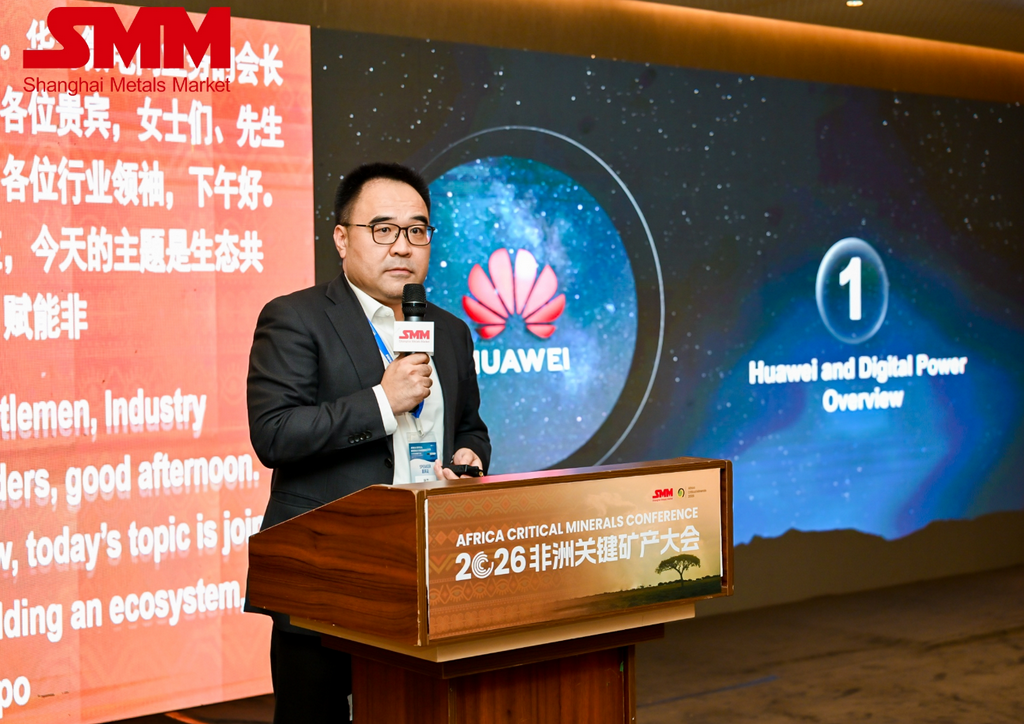
Huawei развивает партнерства в сфере экологичной добычи полезных ископаемых в Африке и проводит деловые переговоры с ZESCO на SMM ACM 2026
23 Sep 2026 16:41 (GMT+8)
![[SMM анализ] Торговля медью с учётом тарифов США затухает — но ещё не завершена](https://imgqn.smm.cn/production/admin/votes/imagesMbCUq20260929144044.png)
[SMM анализ] Торговля медью с учётом тарифов США затухает — но ещё не завершена
29 Sep 2026 14:37 (GMT+8)
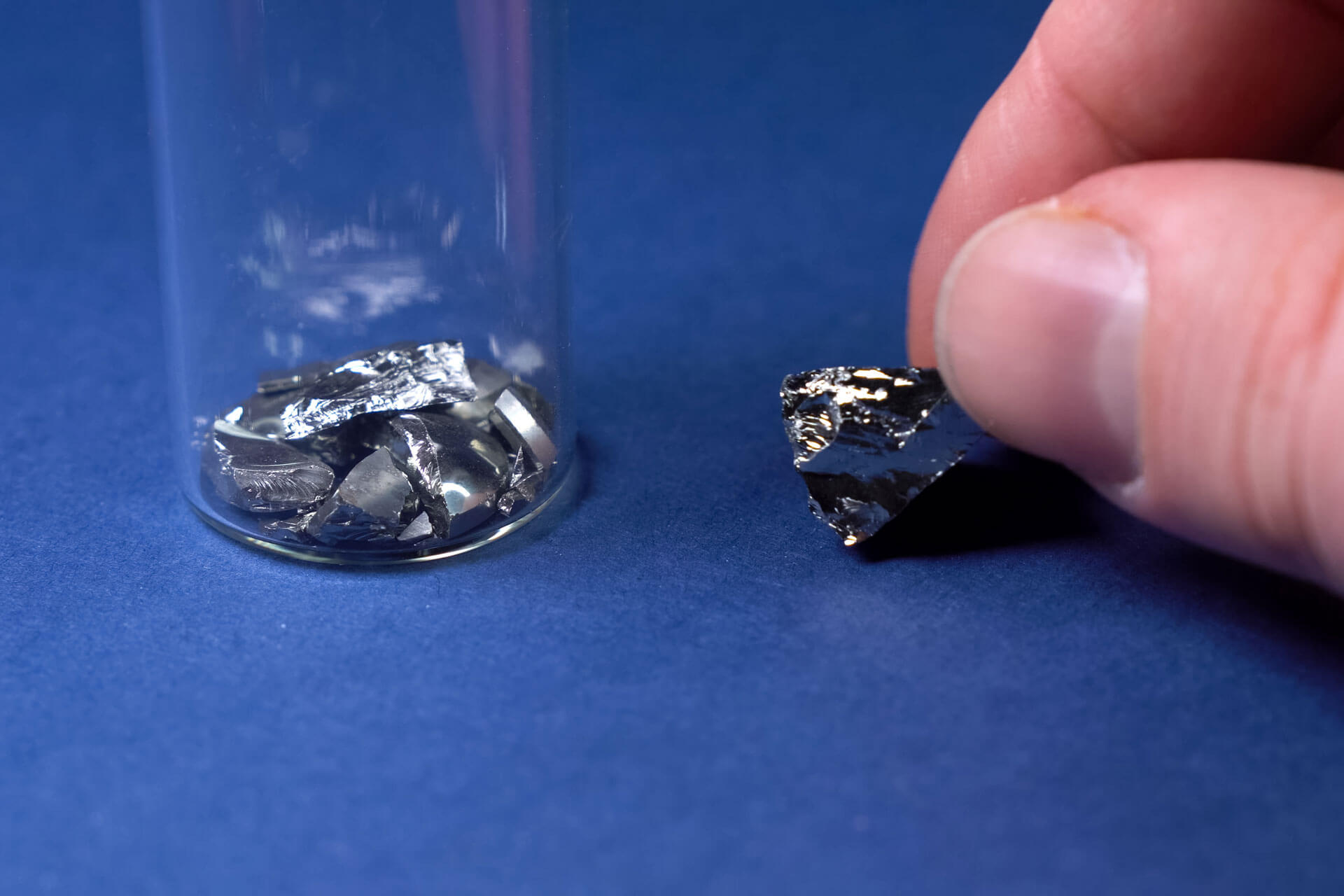
ЮАР готова стать ключевым игроком в глобальной цепочке поставок редкоземельных металлов к 2034 году【Анализ SMM】
29 Sep 2026 18:54 (GMT+8)
[Анализ SMM] Производство BESS в Индии ускоряется, но зависимость от аккумуляторных элементов остаётся ключевым узким местом
30 Sep 2026 08:50 (GMT+8)
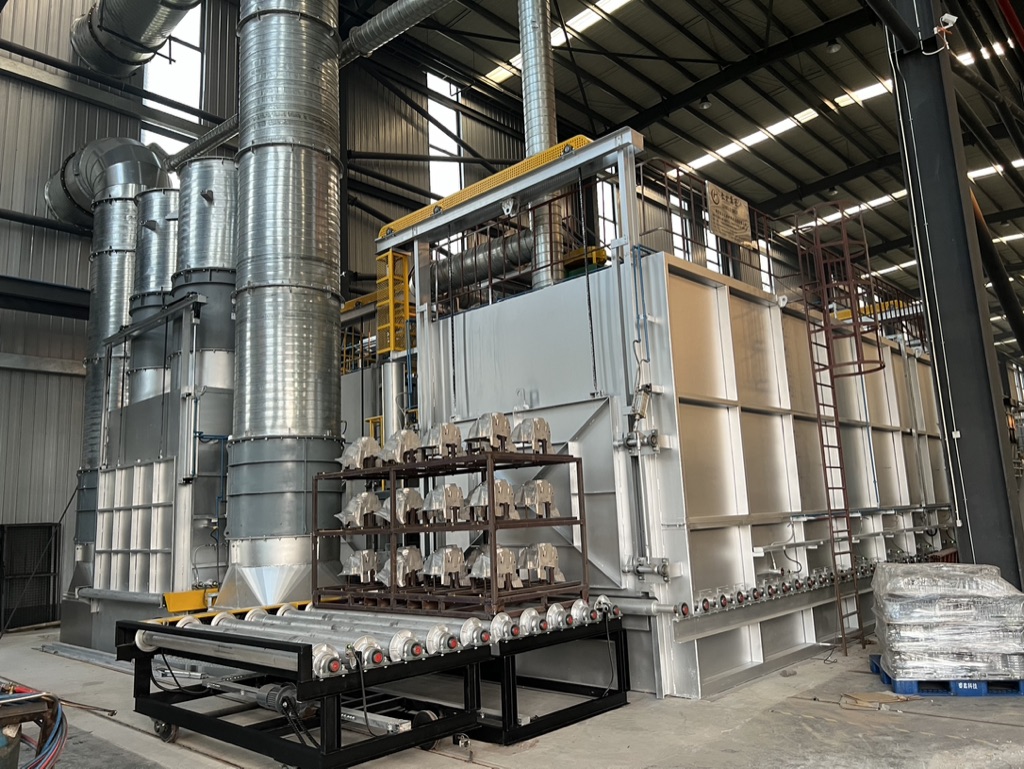
SMM запускает калькулятор CBAM для алюминия: что означают оценки затрат для предложений, ориентированных на ЕС【Анализ SMM】
29 Sep 2026 17:32 (GMT+8)
![[Анализ SMM] Низкоуглеродная первичная медь начинает торговаться отдельно — будет ли переоценена «зелёная» ценность вторичной меди?](https://imgqn.smm.cn/usercenter/MXbup20251217171745.jpg)
[Анализ SMM] Низкоуглеродная первичная медь начинает торговаться отдельно — будет ли переоценена «зелёная» ценность вторичной меди?
29 Sep 2026 16:03 (GMT+8)
Последние новости
【SMM экспресс】Glencore объявила дату начала торгов в рамках вторичного листинга на ASX и повысила годовой прогноз по маркетинговому бизнесу
7 часов назад
Серия о твердотельных аккумуляторах на следующее десятилетие, часть 7 из 9: Глобальный конкурентный ландшафт — «патентная теневая война» и гонка индустриализации между Китаем, Японией и Южной Кореей [Анализ SMM]
8 часов назад
Очки Ray-Ban Meta третьего поколения выходят на рынок Индии, анонсирована аудиоверсия без камеры
02 Oct 2026 14:04 (GMT+8)
ДРК запустит ежегодные проверки соблюдения требований по субподряду и локализации контента на крупных горнодобывающих предприятиях
02 Oct 2026 13:42 (GMT+8)
【Американский переработчик аккумуляторов получил экспортную лицензию Министерства торговли на продажу переработанной черной массы】
02 Oct 2026 13:24 (GMT+8)
Huawei Mate 90 серия запускается и поступает в продажу 1 октября по цене от 5 999 юаней
02 Oct 2026 11:54 (GMT+8)
Серия о твердотельных аккумуляторах на следующее десятилетие, часть 6 из 9: тройной маршрут может снова стать великим [Анализ SMM]
02 Oct 2026 09:34 (GMT+8)
Акциз на жидкости для электронных сигарет в Великобритании вступает в силу 1 октября и составит 2,20 фунта стерлингов за 10 мл, налог на табак также повышен
01 Oct 2026 13:41 (GMT+8)
Южная Корея ускорит согласование проекта Hyundai по переоборудованию завода в Ульсане под выпуск электромобилей стоимостью 4 трлн вон
01 Oct 2026 13:26 (GMT+8)
LG Energy Solution подписывает меморандум о взаимопонимании с indiGOTech о поставках аккумуляторов серии 46 в 2027–2030 годах
01 Oct 2026 13:25 (GMT+8)
Samsung представила серию Galaxy Tab S12, Ultra получила батарею на 11 600 мА·ч, продажи с 7 октября
01 Oct 2026 09:27 (GMT+8)
«Хуаю Кобальт» выкупила более 15,08 млн акций к концу сентября, выплатив 551 млн юаней
01 Oct 2026 09:15 (GMT+8)
Liontown приняла окончательное инвестиционное решение о расширении литиевого рудника Кэтлин-Вэлли
01 Oct 2026 09:10 (GMT+8)
[МОФКОМ: Заявки на экспортные лицензии на автомобили и мотоциклы в 2027 году]
30 Sep 2026 21:17 (GMT+8)
[CAAM: Поддержит ответные меры правительства на односторонние торговые инструменты ЕС]
30 Sep 2026 21:13 (GMT+8)
[Bethel: поставки EMB в третьем квартале выросли; серийное производство подвески начнется во втором полугодии]
30 Sep 2026 21:09 (GMT+8)
[Анализ SMM] «Продажи автомобилей в Китае: розничные продажи NEV в сентябре выросли на 2% м/м, падение на 42% г/г на последней неделе»
30 Sep 2026 18:11 (GMT+8)
[Анализ SMM] LFP в одиночку несёт знамя роста; доля тройных материалов в элементах силовых батарей ускоряет откат в сентябре
30 Sep 2026 17:52 (GMT+8)
【SMM-анализ】Ожидания от политики против вакуума спроса: рынок кобальта ждёт ответов, пока предпраздничное снижение продолжается
30 Sep 2026 17:51 (GMT+8)
[SMM Еженедельный обзор рынка аккумуляторных элементов для хранения энергии 9.3] Цены на аккумуляторные элементы для хранения энергии немного снизились, а рост производственного графика значительно восстановится в четвёртом квартале.
30 Sep 2026 17:45 (GMT+8)