

Новости
Эксклюзивные аналитические статьи с последними обновлениями рынка и своевременными новостными лентами.
![[Анализ SMM] Производство BESS в Индии ускоряется, но зависимость от аккумуляторных элементов остаётся ключевым узким местом](https://imgqn.smm.cn/production/admin/votes/imagesozVHm20260131125121.jpeg)
[Анализ SMM] Производство BESS в Индии ускоряется, но зависимость от аккумуляторных элементов остаётся ключевым узким местом
В первом квартале 2026 года мировые поставки систем накопления энергии достигли 100,0 ГВт·ч, что на 96,5% больше, чем 50,9 ГВт·ч за аналогичный период 2025 года, и вывело квартальные поставки на совершенно новый уровень.
30 Sep 2026 08:50 (GMT+8)
SMM запускает калькулятор CBAM для алюминия: что означают оценки затрат для предложений, ориентированных на ЕС【Анализ SMM】
По мере вступления Механизма пограничной углеродной корректировки ЕС (CBAM) в окончательную фазу при торговле алюминием с Европой необходимо оценивать углеродные затраты наряду с ценами на металл, стоимостью переработки и логистикой. SMM запустила Калькулятор CBAM для алюминия , объединяющий коды товаров, страну происхождения, данные о выбросах и цены сертификатов для поддержки экспортных котировок, европейских закупок и внутреннего бюджетирования. Модуль по алюминию предлагает 58 кодов CN и 68 категорий происхождения/значений по умолчанию, охватывая необработанный алюминий, профили, листы, полосы, фольгу и другую продукцию. Годовые параметры доступны на 2026–2030 годы. Пользователи вводят тоннаж и выбирают значения выбросов по умолчанию или вводят проверенные фактические выбросы. Затем на странице отображаются расчётное количество сертификатов на тонну, общее количество сертификатов, стоимость за тонну и общий бюджет, при этом маршруты первичного и вторичного алюминия сопоставляются с применимой базой данных. Практическое преимущество заключается в том, что допущения и результаты отображаются вместе. Экспортёры могут указать продукт, происхождение, период импорта и основу выбросов, лежащую в основе котировки, а покупатели могут сравнивать источники в единообразных условиях. Страница включает китайский и английский интерфейсы, таблицы параметров и возможность печати сметы расходов. Распределение связанных затрат между покупателями и продавцами остаётся предметом договорных отношений. Следует различать объём сертификатов и их денежную стоимость. По состоянию на 29 сентября 2026 года калькулятор учитывает официальные цены: €75,36 за сертификат за I квартал 2026 года и €75,28 за II квартал. Цена за III квартал ещё не опубликована. Если цена недоступна, на странице сохраняются оценки объёма сертификатов, а поля стоимости остаются пустыми, вместо подстановки предполагаемой цены. Текущая версия не учитывает вычеты за углеродные платежи, уплаченные за рубежом, и оценку годового порога импорта. Расчёт фактических выбросов для сложных алюминиевых изделий также не включает корректировку на бесплатное распределение, относящуюся к прекурсорам. Поэтому в приведённом ниже анализе используется проверенный расчёт по значениям по умолчанию. Результаты являются коммерческими оценками, а не окончательными обязательствами по сдаче сертификатов. Для сравнения на рынке один и тот же алюминиевый продукт может иметь существенно разные расчётные затраты в зависимости от значения по умолчанию для конкретной страны происхождения. Рассмотрим код CN 76012040 — необработанные алюминиевые сплавы в форме заготовок — с первичным маршрутом K, ценой сертификата за II квартал 2026 года и количеством 1000 тонн. Расчётные затраты по значениям по умолчанию для Китая, Индии и Канады составляют €143,98, €50,41 и €57,86 за тонну соответственно. Эти цифры включают годовую надбавку к значению по умолчанию и корректировку на бесплатное распределение на основе бенчмарка. Случаи со значениями по умолчанию для Китая и Индии различаются примерно на €93,57 за тонну. Сравнение только цены металла или стоимости переработки может упустить существенную разницу в бюджете покупателя. При прочих схожих коммерческих условиях расчётные затраты CBAM могут повлиять на привлекательность предложения. Однако это не является рейтингом фактической углеродоёмкости производителей. Фрахт, таможенные пошлины, качество и условия поставки также находятся за рамками данного сравнения, поэтому одни лишь цифры не могут определить предпочтительного поставщика. Это подчёркивает коммерческую ценность документации поставщика о выбросах. Для производителей, чьи фактические выбросы ниже применимого значения по умолчанию, подтверждённые надлежащей верификацией, фактические данные могут изменить оценку затрат покупателем. Покупатели могут использовать значения по умолчанию для первоначального бюджета при отсутствии документации, а затем провести переоценку на основе доказательств поставщика. Таким образом, у экспортёров появляется основание готовить информацию о выбросах вместе с коммерческими предложениями, а не вести переговоры исключительно вокруг различий в страновых значениях по умолчанию. Изменения годовых параметров также заслуживают внимания. При неизменных базовом значении по умолчанию для китайской продукции, маршруте и бенчмарке, а также при допущении, что год импорта и применимый отчётный год совпадают, расчётный объём сертификатов возрастает с 1,912575 на тонну в 2026 году до 2,248150 в 2027 году — увеличение примерно на 17,5%. Это отражает более высокую надбавку к значению по умолчанию и меньший вычет за бесплатное распределение; это не означает роста будущих цен на сертификаты. Для соглашений о поставках, охватывающих разные годы, компании могут сначала сравнить объём сертификатов, а затем обсудить механизмы обновления цен и распределение затрат. Даже при неизвестных будущих ценах на сертификаты определение объёма сертификатов и получение документации поставщика может повысить сопоставимость предложений и бюджетов закупок.
29 Sep 2026 17:32 (GMT+8)
[Анализ SMM] Низкоуглеродная первичная медь начинает торговаться отдельно — будет ли переоценена «зелёная» ценность вторичной меди?
[Анализ SMM: Низкоуглеродная первичная медь начинает торговаться отдельно — будет ли переоценена экологическая ценность вторичной меди?] Пилотный проект BHP и Amazon EAC отделяет подтверждённые сокращения выбросов от физической торговли медью, давая первичной меди с низким уровнем выбросов новый источник экологической ценности. Вторичная медь сохраняет значительное энергетическое преимущество, но будущая конкурентоспособность может в большей степени зависеть от прослеживаемости, содержания вторичного сырья и подтверждённых данных о выбросах углерода, что потенциально добавит экологическое измерение в ценообразование.
29 Sep 2026 16:03 (GMT+8)
Последние новости
![[SMM Еженедельный обзор рынка аккумуляторных элементов для хранения энергии 9.3] Цены на аккумуляторные элементы для хранения энергии немного снизились, а рост производственного графика значительно восстановится в четвёртом квартале.](https://imgqn.smm.cn/usercenter/PBUeR20251217171730.jpg)
[SMM Еженедельный обзор рынка аккумуляторных элементов для хранения энергии 9.3] Цены на аккумуляторные элементы для хранения энергии немного снизились, а рост производственного графика значительно восстановится в четвёртом квартале.
30 Sep 2026 17:45 (GMT+8)
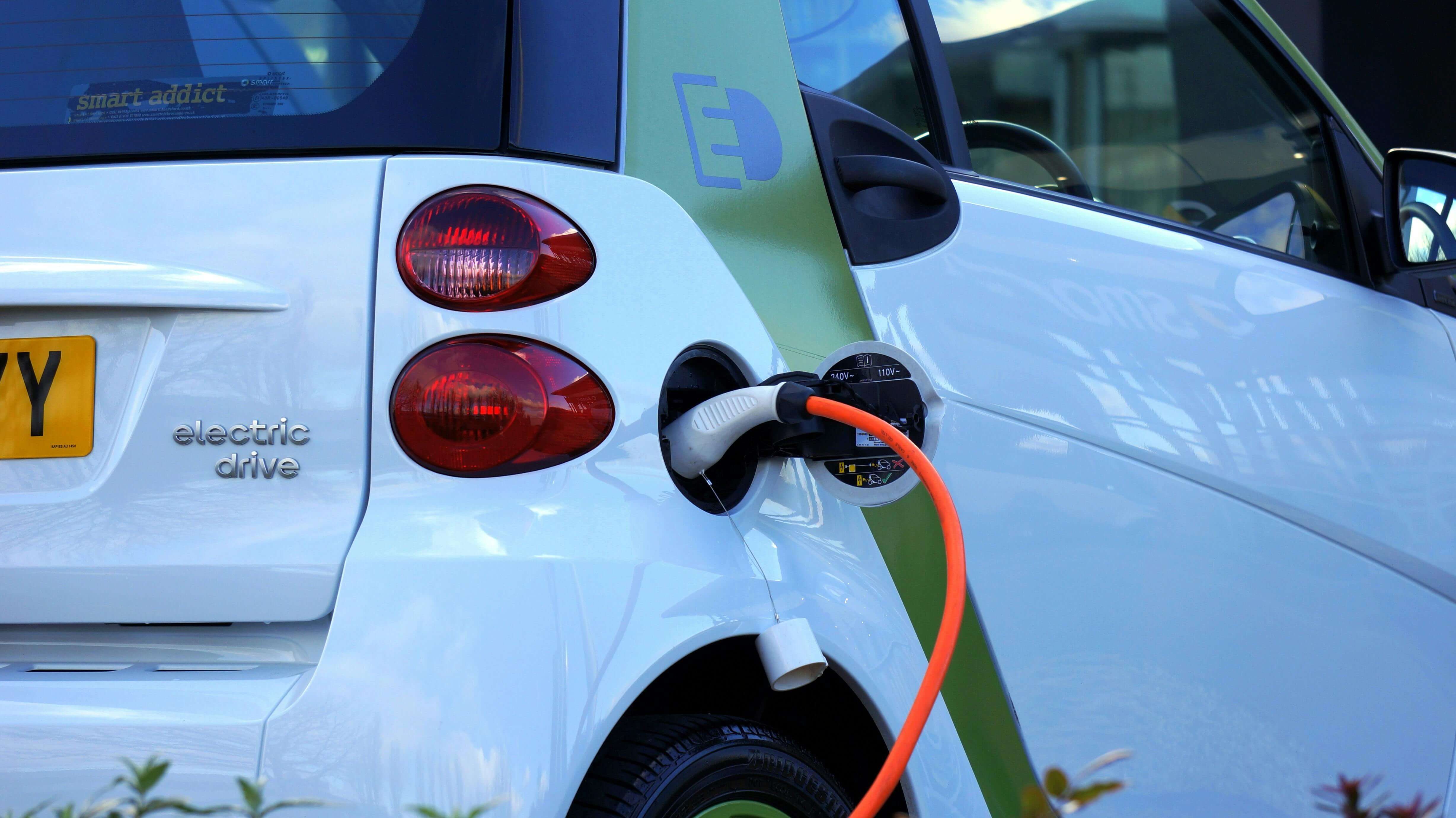
LG Energy Solution поставит произведённые в Северной Америке системы накопления энергии канадской компании Eneon
30 Sep 2026 16:10 (GMT+8)
![[Анализ SMM] Производство BESS в Индии ускоряется, но зависимость от аккумуляторных элементов остаётся ключевым узким местом](https://imgqn.smm.cn/usercenter/JmyWy20251217171729.png)
[Анализ SMM] Производство BESS в Индии ускоряется, но зависимость от аккумуляторных элементов остаётся ключевым узким местом
30 Sep 2026 08:50 (GMT+8)
Индийская TCPL учреждает дочернюю компанию в полной собственности для развития бизнеса по производству сепараторов для литий-ионных аккумуляторов
24 сентября индийская компания TCPL Packaging завершила регистрацию своей дочерней компании TCPL Energy Materials Limited. Сфера деятельности новой компании включает производство сепараторных плёнок для литий-ионных аккумуляторов. Ранее TCPL одобрила выход в бизнес по производству сепараторов и запланировала инвестиции в размере около 1,25 млрд индийских рупий. Таким образом, новым событием в этот период стало не первоначальное объявление об инвестициях, а официальное создание операционной компании 24 сентября.
30 Sep 2026 08:21 (GMT+8)
Компания Asahi Kasei получила патент США на сепаратор для устройств накопления энергии
22 сентября компания Asahi Kasei Battery Separator Corporation получила патент США на сепаратор для устройств накопления энергии и сами устройства, включающие этот сепаратор. Номер патента — US 12 744 284. В технологии используется полиолефиновая микропористая мембрана в качестве подложки, на которую наносится покрытие, содержащее неорганические наполнители и частицы термопластичного полимера, с целью улучшения адгезии между сепаратором и электродами при одновременном повышении термической стабильности. Исходная патентная заявка была подана ранее; новым событием 22 сентября стало официальное предоставление патента в США.
30 Sep 2026 08:21 (GMT+8)
Австралийская супербатарея Waratah мощностью 850 МВт/1,68 ГВт·ч выходит на полную коммерческую эксплуатацию
28 сентября компания Akaysha Energy объявила, что супербатарея Waratah в Новом Южном Уэльсе введена в промышленную эксплуатацию. Проект расположен на месте бывшей угольной электростанции Мунмора, его номинальная мощность составляет 850 МВт, а ёмкость накопителя энергии — 1,68 ГВт·ч. Проект был инициирован правительством Нового Южного Уэльса, а строительство, владение и эксплуатацию осуществляет Akaysha Energy. Он работает в координации со схемой защиты целостности системы Transgrid и предназначен в первую очередь для быстрого реагирования сети и поддержки безопасности передающей системы.
30 Sep 2026 08:20 (GMT+8)
Greenvolt начинает строительство проекта по хранению энергии на батареях мощностью 600 МВт/2,4 ГВт·ч в Польше
24 сентября Greenvolt Power начала строительство проекта по хранению энергии на аккумуляторных батареях мощностью 600 МВт/2,4 ГВт·ч в Седльце, Польша. В проекте будут использоваться 210 аккумуляторных контейнеров и 105 трансформаторных контейнеров, оснащённых системами преобразования энергии, а аккумуляторное оборудование поставит BYD Energy Storage. Начало коммерческой эксплуатации запланировано на конец 2027 года. После завершения проект в Седльце вместе с двумя другими проектами хранения энергии Greenvolt в Польше сформирует портфель общей мощностью 1 ГВт/4 ГВт·ч.
30 Sep 2026 08:20 (GMT+8)
Taaleri и KJK инвестируют в проект системы хранения энергии мощностью 192 МВт/420 МВт·ч в Эстонии
23 сентября фонд SolarWind III компании Taaleri Energia и KJK Capital инвестировали в проект системы накопления энергии Raudsepa мощностью 192 МВт/420 МВт·ч в Эстонии. По проекту принято окончательное инвестиционное решение, и он перешёл в стадию строительства. Ранее проект разрабатывался компаниями Evecon и Corsica Sole, в нём будет использоваться аккумуляторное оборудование LG Energy Solution, а полный ввод в эксплуатацию запланирован на ноябрь 2027 года.
30 Sep 2026 08:19 (GMT+8)
Нью-Йорк распределил 950 МВт в рамках первого крупномасштабного тендера на системы накопления энергии
23 сентября Управление энергетических исследований и разработок штата Нью-Йорк (NYSERDA) объявило результаты первого оптового тендера на закупку систем накопления энергии, заключив контракты с восемью проектами общей мощностью 950 МВт. В тендере приняли участие 46 проектов суммарной мощностью около 6 ГВт. Отобранные проекты имеют длительность хранения энергии от четырёх до восьми часов и расположены в Нью-Йорке, Лонг-Айленде, долине Гудзона и западной части штата Нью-Йорк.
30 Sep 2026 08:19 (GMT+8)
Energy Vault приобретает более 2,3 ГВт проектов аккумуляторных систем хранения энергии в США
22 сентября Energy Vault завершила приобретение портфеля проектов аккумуляторных систем хранения энергии в США у Goshe Energy Storage, включающего 15 проектов общей мощностью более 2,3 ГВт. Два проекта суммарной мощностью 350 МВт уже достигли статуса готовности к строительству и, как ожидается, будут введены в коммерческую эксплуатацию в первом квартале 2028 года. Energy Vault также получила кредитную поддержку в размере до 40 млн долларов США от S2G Investments для продвижения разработки, строительства и эксплуатации приобретённых активов.
30 Sep 2026 08:18 (GMT+8)
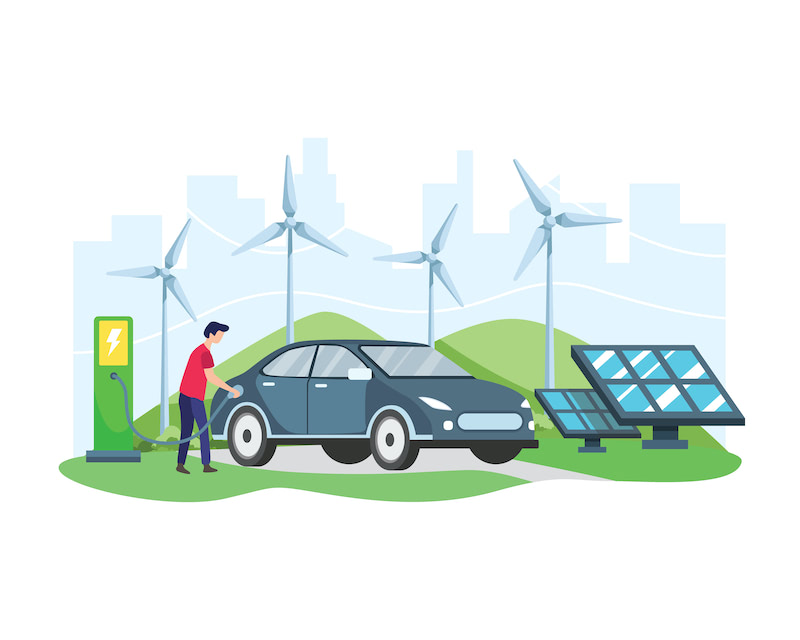
RWE приняла окончательное инвестиционное решение по проекту аккумуляторной системы хранения энергии мощностью 400 МВт/1,1 ГВт·ч в Нидерландах
30 Sep 2026 08:17 (GMT+8)
Австралийская система накопления энергии Baranduda мощностью 400 МВт/1,86 ГВт·ч достигла финансового закрытия
30 Sep 2026 08:17 (GMT+8)
Канада вводит в эксплуатацию накопители энергии мощностью 150 МВт/600 МВт·ч в Новой Шотландии
30 Sep 2026 08:16 (GMT+8)
Zelestra и Salzgitter подписали долгосрочное соглашение о поставках для гибридного проекта солнечной генерации и хранения энергии мощностью 79 МВт/237 МВт·ч в Германии
15 сентября Zelestra и немецкий производитель стали Salzgitter Flachstahl подписали долгосрочное гибридное соглашение о поставке возобновляемой энергии, включающее два солнечных проекта общей мощностью 147 МВт и систему хранения энергии на аккумуляторах мощностью 79 МВт/237 МВт·ч. Zelestra будет разрабатывать, владеть и эксплуатировать проекты, а Salzgitter Flachstahl будет закупать солнечную электроэнергию и управлять работой системы хранения. Два проекта расположены в Бранденбурге и Тюрингии, Германия.
30 Sep 2026 08:15 (GMT+8)
Заявка Hithium на патент на сепаратор с точечным покрытием опубликована в США
24 сентября была официально опубликована патентная заявка США, поданная компанией Xiamen Hithium Energy Storage Technology Co., Ltd., на сепаратор, аккумулятор и устройство хранения энергии под номером публикации US 2026/0291006 A1. Конструкция включает базовый сепаратор в сочетании с точечным клеевым покрытием, в том числе кольцевыми клеевыми точками, для улучшения баланса между адгезией и воздухопроницаемостью. Технология также призвана уменьшить образование складок на границе с отрицательным электродом и повысить энергоэффективность литий-ионных аккумуляторов. Заявка была подана в марте 2026 года, а 24 сентября состоялась её официальная публикация.
30 Sep 2026 08:14 (GMT+8)
Хойчжоу Нью Материалс продвигает проект по производству сепараторов мокрым способом мощностью 2,8 млрд м² в Суйнине
По состоянию на 15 сентября работы по выравниванию площадки для проекта компании Huizhou New Materials по производству сепараторов мокрым способом мощностью 2,8 млрд м² в год в Суйнине, провинция Сычуань, были выполнены примерно на 60%. Ведётся интенсивное строительство, ожидается, что выравнивание площадки будет завершено и объект будет передан компании в начале октября. Общий объём инвестиций в проект составляет около 2 млрд юаней, планируется построить восемь производственных линий по выпуску сепараторов мокрым способом и 30 линий нанесения покрытий. Начало опытного производства запланировано на август 2027 года. Предприятие станет второй крупной производственной базой Huizhou New Materials по выпуску сепараторов мокрым способом после проекта в Сянъяне.
30 Sep 2026 08:13 (GMT+8)
Началось строительство главного здания ГАЭС «Цайцзыба» мощностью 1,2 ГВт в Чунцине
23 сентября на гидроаккумулирующей электростанции «Цайцзыба» в уезде Фэнцзе города Чунцин начались земляные работы по сооружению подземного машинного зала, что ознаменовало переход проекта к основному этапу гражданского строительства. Это первый проект корпорации «Три ущелья» в области гидроаккумулирования в Чунцине, его суммарная установленная мощность составляет 1,2 ГВт. На станции будут установлены четыре гидроагрегата по 300 МВт, первый из которых планируется ввести в эксплуатацию в июне 2030 года. После ввода в строй проект будет обеспечивать энергосистему Чунцина услугами по сглаживанию пиков нагрузки, заполнению провалов, накоплению энергии, регулированию частоты и аварийному резервированию.
30 Sep 2026 08:12 (GMT+8)
Началось строительство независимого энергонакопительного проекта мощностью 200 МВт/800 МВт·ч с функцией формирования сети в Шаньшане, Синьцзян
21 сентября в уезде Шаньшань (Турфан, Синьцзян) официально началось строительство электрохимической независимой энергоаккумулирующей электростанции компании Yuanpai Energy мощностью 200 МВт/800 МВт·ч. Планируемый объём инвестиций в проект составляет 750 млн юаней. В рамках проекта будут построены энергоаккумулирующая станция с функцией формирования сети и повышающая подстанция 220 кВ. Предусмотрено подключение к подстанции 750 кВ «Лоулань» по двум линиям электропередачи 220 кВ; завершение строительства и подключение к сети ожидается в июне 2027 года. После ввода в эксплуатацию проект будет способствовать интеграции возобновляемой энергии, сглаживанию пиковых нагрузок, регулированию частоты и повышению устойчивости энергосистемы.
30 Sep 2026 08:12 (GMT+8)
Проект гибридного накопителя энергии на газовой электростанции «Чжуцзян» в Гуанчжоу завершил 72-часовой пробный пуск
21 сентября проект по регулированию частоты и запуску из полностью обесточенного состояния на газовой электростанции «Чжуцзян» в Гуанчжоу завершил 72-часовую пробную эксплуатацию. Проект, инвестированный и разработанный Guangzhou Energy Storage Group, оснащён полупроводниковой литий-железо-фосфатной аккумуляторной системой мощностью 24 МВт/48 МВт·ч и системой суперконденсаторов мощностью 1 МВт/10 минут. Гибридная система накопления энергии использует каскадную высоковольтную технологию и будет предоставлять услуги по регулированию частоты и запуску из полностью обесточенного состояния для газотурбинных энергоблоков. Проект был подключён к сети на полную мощность в марте, а ввод в коммерческую эксплуатацию запланирован на октябрь.
30 Sep 2026 08:11 (GMT+8)
SPIC подключает к сети гибридный накопитель энергии мощностью 45 МВт/90 МВт·ч в уезде Инсянь, провинция Шаньси
17 сентября первая очередь проекта по хранению энергии мощностью 100 МВт/200 МВт·ч компании SPIC Shanxi в уезде Инсянь, мощностью 45 МВт/90 МВт·ч, была официально подключена к сети. Это первый проект компании по хранению энергии, введённый в эксплуатацию. Проект расположен в уезде Инсянь, город Шочжоу, провинция Шаньси, и использует гибридную конфигурацию, сочетающую ванадиевые проточные батареи и литий-ионные батареи. После полного завершения он будет участвовать в сглаживании пиков нагрузки, регулировании частоты и других вспомогательных услугах, работая в координации с местными фотоэлектрическими активами.
30 Sep 2026 08:10 (GMT+8)
![[Объявление SMM] Публикация цен на металлы и новостей на китайском рынке приостановлена в период национальных праздников (1–7 октября)](https://imgqn.smm.cn/usercenter/HeIuV20251217171708.jpg)
[Объявление SMM] Публикация цен на металлы и новостей на китайском рынке приостановлена в период национальных праздников (1–7 октября)
Уважаемые пользователи SMM, Приближаются праздничные дни по случаю Национального дня. Обращаем ваше внимание, что публикация ценовых оценок на металлы на китайском рынке SMM и новостных обновлений будет временно приостановлена на время праздников (1–7 октября) и возобновится в обычном режиме после их окончания. При этом зарубежные ценовые оценки SMM будут обновляться в обычном режиме на протяжении всех праздничных дней. Приносим извинения за возможные неудобства и желаем вам приятных праздников. Shanghai Metals Market (SMM)
28 Sep 2026 17:06 (GMT+8)
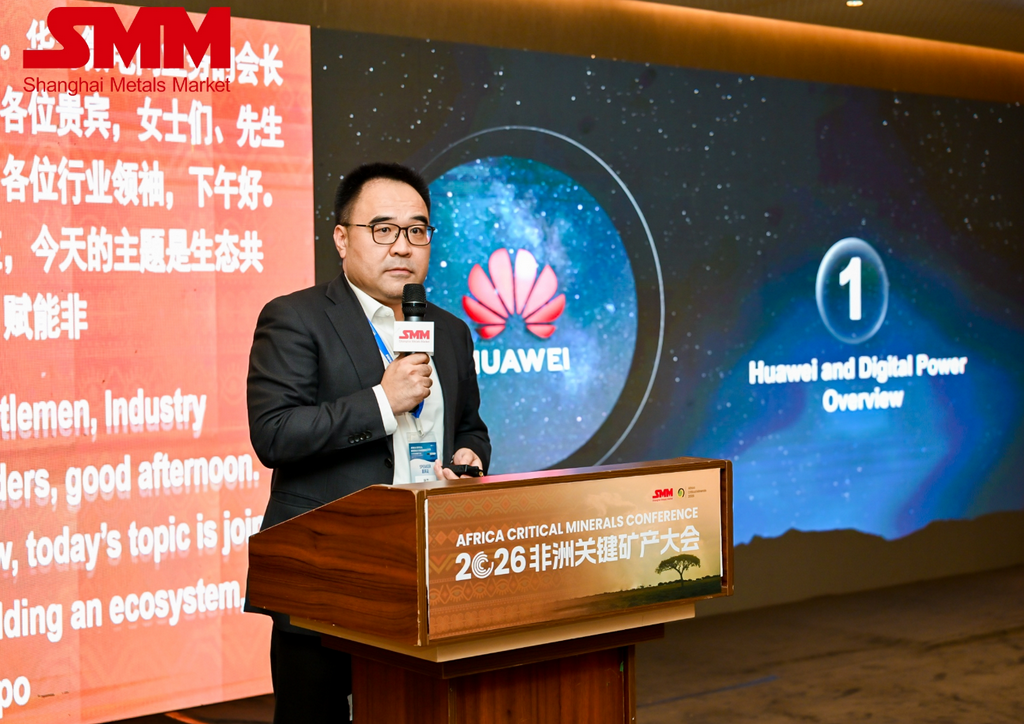
Huawei развивает партнерства в сфере экологичной добычи полезных ископаемых в Африке и проводит деловые переговоры с ZESCO на SMM ACM 2026
23 Sep 2026 16:41 (GMT+8)
![[SMM анализ] Торговля медью с учётом тарифов США затухает — но ещё не завершена](https://imgqn.smm.cn/production/admin/votes/imagesMbCUq20260929144044.png)
[SMM анализ] Торговля медью с учётом тарифов США затухает — но ещё не завершена
29 Sep 2026 14:37 (GMT+8)
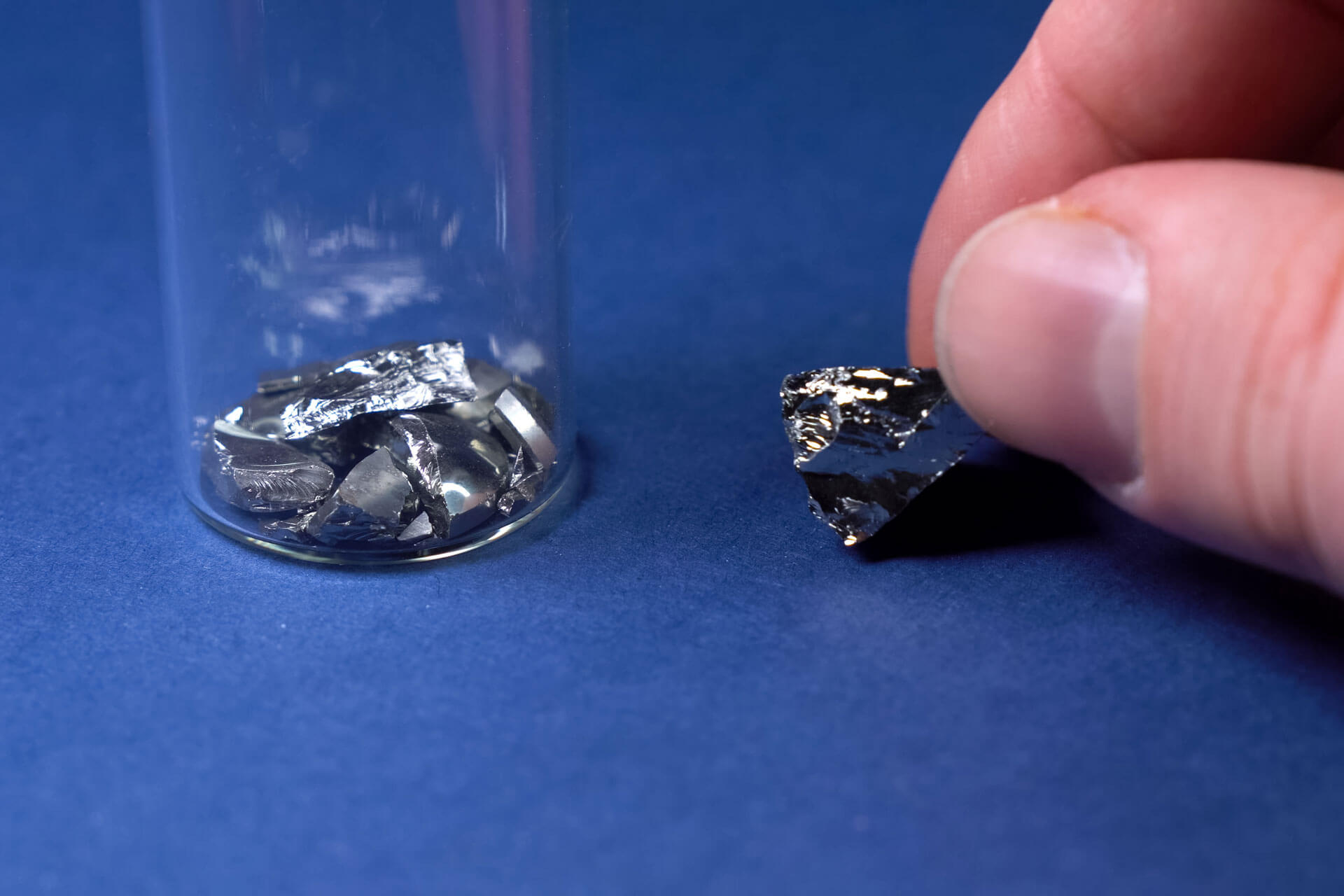
ЮАР готова стать ключевым игроком в глобальной цепочке поставок редкоземельных металлов к 2034 году【Анализ SMM】
29 Sep 2026 18:54 (GMT+8)
[Анализ SMM] Производство BESS в Индии ускоряется, но зависимость от аккумуляторных элементов остаётся ключевым узким местом
30 Sep 2026 08:50 (GMT+8)
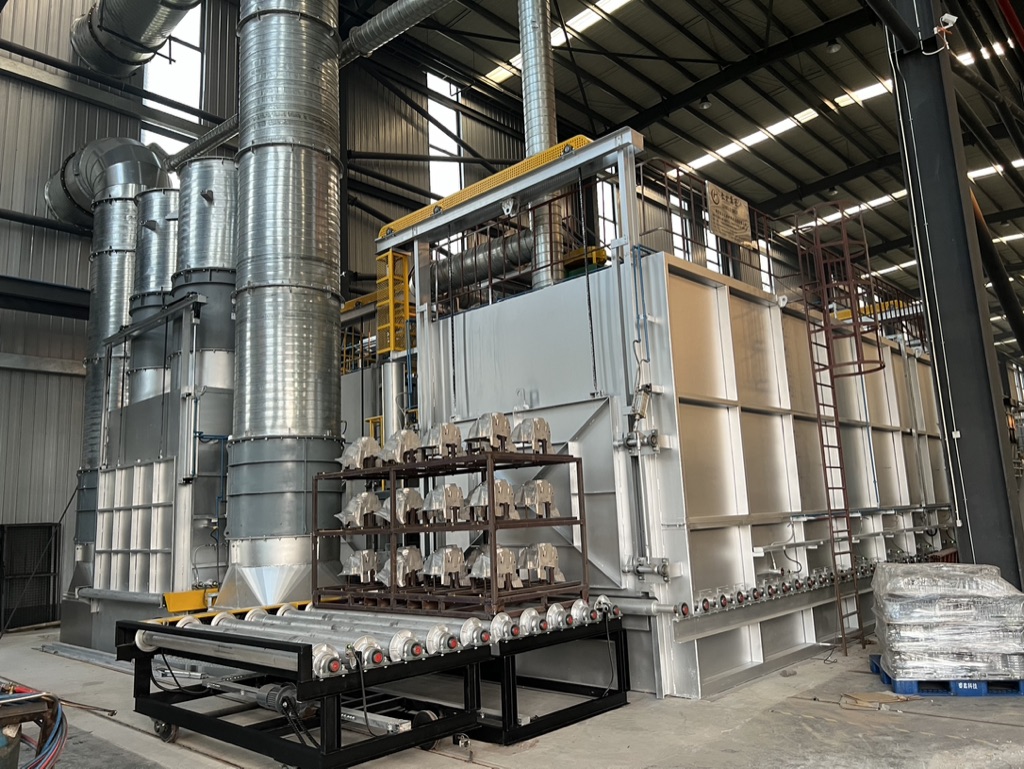
SMM запускает калькулятор CBAM для алюминия: что означают оценки затрат для предложений, ориентированных на ЕС【Анализ SMM】
29 Sep 2026 17:32 (GMT+8)
![[Анализ SMM] Низкоуглеродная первичная медь начинает торговаться отдельно — будет ли переоценена «зелёная» ценность вторичной меди?](https://imgqn.smm.cn/usercenter/MXbup20251217171745.jpg)
[Анализ SMM] Низкоуглеродная первичная медь начинает торговаться отдельно — будет ли переоценена «зелёная» ценность вторичной меди?
29 Sep 2026 16:03 (GMT+8)
Последние новости
[SMM Еженедельный обзор рынка аккумуляторных элементов для хранения энергии 9.3] Цены на аккумуляторные элементы для хранения энергии немного снизились, а рост производственного графика значительно восстановится в четвёртом квартале.
30 Sep 2026 17:45 (GMT+8)
LG Energy Solution поставит произведённые в Северной Америке системы накопления энергии канадской компании Eneon
30 Sep 2026 16:10 (GMT+8)
[Анализ SMM] Производство BESS в Индии ускоряется, но зависимость от аккумуляторных элементов остаётся ключевым узким местом
30 Sep 2026 08:50 (GMT+8)
Индийская TCPL учреждает дочернюю компанию в полной собственности для развития бизнеса по производству сепараторов для литий-ионных аккумуляторов
30 Sep 2026 08:21 (GMT+8)
Компания Asahi Kasei получила патент США на сепаратор для устройств накопления энергии
30 Sep 2026 08:21 (GMT+8)
Австралийская супербатарея Waratah мощностью 850 МВт/1,68 ГВт·ч выходит на полную коммерческую эксплуатацию
30 Sep 2026 08:20 (GMT+8)
Greenvolt начинает строительство проекта по хранению энергии на батареях мощностью 600 МВт/2,4 ГВт·ч в Польше
30 Sep 2026 08:20 (GMT+8)
Taaleri и KJK инвестируют в проект системы хранения энергии мощностью 192 МВт/420 МВт·ч в Эстонии
30 Sep 2026 08:19 (GMT+8)
Нью-Йорк распределил 950 МВт в рамках первого крупномасштабного тендера на системы накопления энергии
30 Sep 2026 08:19 (GMT+8)
Energy Vault приобретает более 2,3 ГВт проектов аккумуляторных систем хранения энергии в США
30 Sep 2026 08:18 (GMT+8)
RWE приняла окончательное инвестиционное решение по проекту аккумуляторной системы хранения энергии мощностью 400 МВт/1,1 ГВт·ч в Нидерландах
30 Sep 2026 08:17 (GMT+8)
Австралийская система накопления энергии Baranduda мощностью 400 МВт/1,86 ГВт·ч достигла финансового закрытия
30 Sep 2026 08:17 (GMT+8)
Канада вводит в эксплуатацию накопители энергии мощностью 150 МВт/600 МВт·ч в Новой Шотландии
30 Sep 2026 08:16 (GMT+8)
Zelestra и Salzgitter подписали долгосрочное соглашение о поставках для гибридного проекта солнечной генерации и хранения энергии мощностью 79 МВт/237 МВт·ч в Германии
30 Sep 2026 08:15 (GMT+8)
Заявка Hithium на патент на сепаратор с точечным покрытием опубликована в США
30 Sep 2026 08:14 (GMT+8)
Хойчжоу Нью Материалс продвигает проект по производству сепараторов мокрым способом мощностью 2,8 млрд м² в Суйнине
30 Sep 2026 08:13 (GMT+8)
Началось строительство главного здания ГАЭС «Цайцзыба» мощностью 1,2 ГВт в Чунцине
30 Sep 2026 08:12 (GMT+8)
Началось строительство независимого энергонакопительного проекта мощностью 200 МВт/800 МВт·ч с функцией формирования сети в Шаньшане, Синьцзян
30 Sep 2026 08:12 (GMT+8)
Проект гибридного накопителя энергии на газовой электростанции «Чжуцзян» в Гуанчжоу завершил 72-часовой пробный пуск
30 Sep 2026 08:11 (GMT+8)
SPIC подключает к сети гибридный накопитель энергии мощностью 45 МВт/90 МВт·ч в уезде Инсянь, провинция Шаньси
30 Sep 2026 08:10 (GMT+8)