

Новости
Эксклюзивные аналитические статьи с последними обновлениями рынка и своевременными новостными лентами.
![[Анализ SMM] Производство BESS в Индии ускоряется, но зависимость от аккумуляторных элементов остаётся ключевым узким местом](https://imgqn.smm.cn/production/admin/votes/imagesozVHm20260131125121.jpeg)
[Анализ SMM] Производство BESS в Индии ускоряется, но зависимость от аккумуляторных элементов остаётся ключевым узким местом
В первом квартале 2026 года мировые поставки систем накопления энергии достигли 100,0 ГВт·ч, что на 96,5% больше, чем 50,9 ГВт·ч за аналогичный период 2025 года, и вывело квартальные поставки на совершенно новый уровень.
30 Sep 2026 08:50 (GMT+8)
SMM запускает калькулятор CBAM для алюминия: что означают оценки затрат для предложений, ориентированных на ЕС【Анализ SMM】
По мере вступления Механизма пограничной углеродной корректировки ЕС (CBAM) в окончательную фазу при торговле алюминием с Европой необходимо оценивать углеродные затраты наряду с ценами на металл, стоимостью переработки и логистикой. SMM запустила Калькулятор CBAM для алюминия , объединяющий коды товаров, страну происхождения, данные о выбросах и цены сертификатов для поддержки экспортных котировок, европейских закупок и внутреннего бюджетирования. Модуль по алюминию предлагает 58 кодов CN и 68 категорий происхождения/значений по умолчанию, охватывая необработанный алюминий, профили, листы, полосы, фольгу и другую продукцию. Годовые параметры доступны на 2026–2030 годы. Пользователи вводят тоннаж и выбирают значения выбросов по умолчанию или вводят проверенные фактические выбросы. Затем на странице отображаются расчётное количество сертификатов на тонну, общее количество сертификатов, стоимость за тонну и общий бюджет, при этом маршруты первичного и вторичного алюминия сопоставляются с применимой базой данных. Практическое преимущество заключается в том, что допущения и результаты отображаются вместе. Экспортёры могут указать продукт, происхождение, период импорта и основу выбросов, лежащую в основе котировки, а покупатели могут сравнивать источники в единообразных условиях. Страница включает китайский и английский интерфейсы, таблицы параметров и возможность печати сметы расходов. Распределение связанных затрат между покупателями и продавцами остаётся предметом договорных отношений. Следует различать объём сертификатов и их денежную стоимость. По состоянию на 29 сентября 2026 года калькулятор учитывает официальные цены: €75,36 за сертификат за I квартал 2026 года и €75,28 за II квартал. Цена за III квартал ещё не опубликована. Если цена недоступна, на странице сохраняются оценки объёма сертификатов, а поля стоимости остаются пустыми, вместо подстановки предполагаемой цены. Текущая версия не учитывает вычеты за углеродные платежи, уплаченные за рубежом, и оценку годового порога импорта. Расчёт фактических выбросов для сложных алюминиевых изделий также не включает корректировку на бесплатное распределение, относящуюся к прекурсорам. Поэтому в приведённом ниже анализе используется проверенный расчёт по значениям по умолчанию. Результаты являются коммерческими оценками, а не окончательными обязательствами по сдаче сертификатов. Для сравнения на рынке один и тот же алюминиевый продукт может иметь существенно разные расчётные затраты в зависимости от значения по умолчанию для конкретной страны происхождения. Рассмотрим код CN 76012040 — необработанные алюминиевые сплавы в форме заготовок — с первичным маршрутом K, ценой сертификата за II квартал 2026 года и количеством 1000 тонн. Расчётные затраты по значениям по умолчанию для Китая, Индии и Канады составляют €143,98, €50,41 и €57,86 за тонну соответственно. Эти цифры включают годовую надбавку к значению по умолчанию и корректировку на бесплатное распределение на основе бенчмарка. Случаи со значениями по умолчанию для Китая и Индии различаются примерно на €93,57 за тонну. Сравнение только цены металла или стоимости переработки может упустить существенную разницу в бюджете покупателя. При прочих схожих коммерческих условиях расчётные затраты CBAM могут повлиять на привлекательность предложения. Однако это не является рейтингом фактической углеродоёмкости производителей. Фрахт, таможенные пошлины, качество и условия поставки также находятся за рамками данного сравнения, поэтому одни лишь цифры не могут определить предпочтительного поставщика. Это подчёркивает коммерческую ценность документации поставщика о выбросах. Для производителей, чьи фактические выбросы ниже применимого значения по умолчанию, подтверждённые надлежащей верификацией, фактические данные могут изменить оценку затрат покупателем. Покупатели могут использовать значения по умолчанию для первоначального бюджета при отсутствии документации, а затем провести переоценку на основе доказательств поставщика. Таким образом, у экспортёров появляется основание готовить информацию о выбросах вместе с коммерческими предложениями, а не вести переговоры исключительно вокруг различий в страновых значениях по умолчанию. Изменения годовых параметров также заслуживают внимания. При неизменных базовом значении по умолчанию для китайской продукции, маршруте и бенчмарке, а также при допущении, что год импорта и применимый отчётный год совпадают, расчётный объём сертификатов возрастает с 1,912575 на тонну в 2026 году до 2,248150 в 2027 году — увеличение примерно на 17,5%. Это отражает более высокую надбавку к значению по умолчанию и меньший вычет за бесплатное распределение; это не означает роста будущих цен на сертификаты. Для соглашений о поставках, охватывающих разные годы, компании могут сначала сравнить объём сертификатов, а затем обсудить механизмы обновления цен и распределение затрат. Даже при неизвестных будущих ценах на сертификаты определение объёма сертификатов и получение документации поставщика может повысить сопоставимость предложений и бюджетов закупок.
29 Sep 2026 17:32 (GMT+8)
[Анализ SMM] Низкоуглеродная первичная медь начинает торговаться отдельно — будет ли переоценена «зелёная» ценность вторичной меди?
[Анализ SMM: Низкоуглеродная первичная медь начинает торговаться отдельно — будет ли переоценена экологическая ценность вторичной меди?] Пилотный проект BHP и Amazon EAC отделяет подтверждённые сокращения выбросов от физической торговли медью, давая первичной меди с низким уровнем выбросов новый источник экологической ценности. Вторичная медь сохраняет значительное энергетическое преимущество, но будущая конкурентоспособность может в большей степени зависеть от прослеживаемости, содержания вторичного сырья и подтверждённых данных о выбросах углерода, что потенциально добавит экологическое измерение в ценообразование.
29 Sep 2026 16:03 (GMT+8)
Последние новости
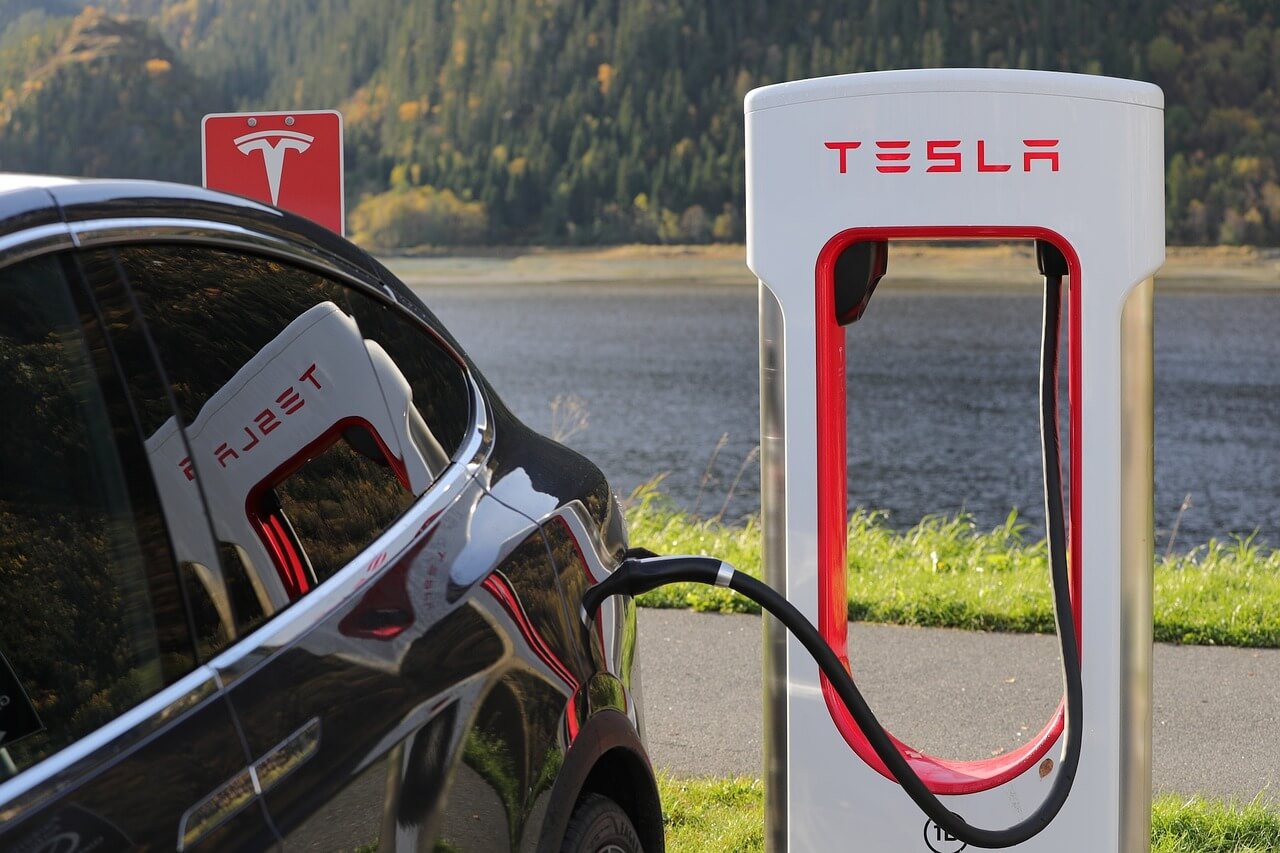
SMM-анализ: данные по поставкам щелочных электролизеров на внутреннем рынке в III квартале
30 Sep 2026 18:09 (GMT+8)
![[Обзор SMM] Еженедельный обзор отрасли водородной энергетики, 20260925-0930](https://imgqn.smm.cn/usercenter/Bwmed20251217171726.jpg)
[Обзор SMM] Еженедельный обзор отрасли водородной энергетики, 20260925-0930
30 Sep 2026 17:30 (GMT+8)
Хэнаньская водородная динамика укрепляет присутствие в секторе водородной логистики: несколько клиентов продлевают контракты третий год подряд
30 Sep 2026 10:54 (GMT+8)
[SMM Обновление водородной политики] Цзясин публикует «15-ю пятилетку» по научно-техническим инновациям, уделяя особое внимание прорывам в системах водородных топливных элементов и оборудовании для хранения и транспортировки водорода
30 Sep 2026 10:49 (GMT+8)
Трекер проектов зеленого водорода — China Energy Engineering Corporation Сунъюань 5 000 т зеленого аммиака отправлено в порт Нанкина, первая в мире морская бункеровка зеленым аммиаком с судна на судно скоро состоится
30 Sep 2026 10:41 (GMT+8)
Шанхайский технологический университет запускает 10 водородных двухколёсных транспортных средств, оснащённых топливной системой мощностью 400 Вт от компании JHydrogen Technology
29 Sep 2026 10:45 (GMT+8)
Композитный сепаратор Zhongke Hydrogen Easy дважды за три месяца поставлен европейскому клиенту, проект по производству экологически чистого водорода мегаваттного уровня получил повторный заказ
29 Sep 2026 10:31 (GMT+8)
Водородный двигатель FAW Jiefang мощностью 240 кВт прошёл 2000-часовую проверку на долговечность в рамках «Водородного марафона» с деградацией менее 6%
29 Sep 2026 10:26 (GMT+8)
Трекер проектов зеленого водорода — подписан проект производства водорода с прямым подключением фотоэлектрической установки площадью тысяча квадратных метров в Ланьшане, Жичжао; развернута система производства водорода атмосферного давления производительн
29 Sep 2026 10:23 (GMT+8)
[SMM Экспресс о водородной политике] 25 сентября в провинции Шэньси официально начал работу спотовый рынок электроэнергии, и уже 11 рынков провинциального уровня по всей стране перешли на официальный режим работы
29 Sep 2026 10:20 (GMT+8)
«Голдвинд Сайенс энд Текнолоджи» завершила подключение к сети на полную мощность проекта прямого подключения экологически чистой электроэнергии мощностью 77 МВт в лиге Хинган, замкнув производственную цепочку зелёного метанола.
28 Sep 2026 15:16 (GMT+8)
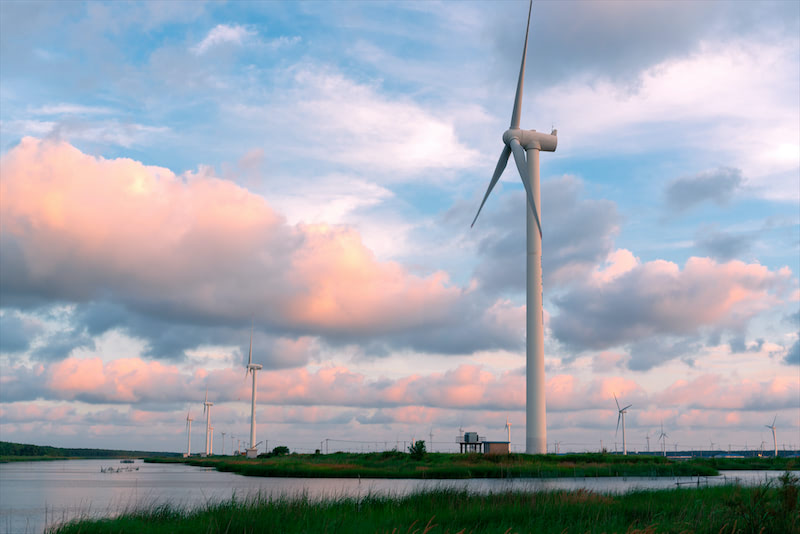
Трекер проектов по зелёному водороду — Тендер на создание центра тестирования и оценки электролизного производства водорода в рамках проекта по производству водорода на основе ветровой и солнечной энергии в Ушэньци компании Zhongtian Hechuang, объём инвес
28 Sep 2026 15:14 (GMT+8)
Внутренняя Монголия опубликовала перечень сценариев промышленного применения на 2026 год: 27 комплексных сценариев «ветер-солнце-водород-хранение» для стимулирования преобразования зелёной электроэнергии в зелёный водород и зелёный аммиак
28 Sep 2026 15:09 (GMT+8)
[SMM Экспресс по водородной политике] Национальное энергетическое управление опубликовало план разработки и пересмотра отраслевых стандартов на 2026 год, включающий 39 стандартов в области водородной энергетики, охватывающих всю цепочку производства, хран
28 Sep 2026 15:05 (GMT+8)
[Обзор SMM] Еженедельный обзор отрасли водородной энергетики, 21–24 сентября 2026 г.
24 Sep 2026 17:08 (GMT+8)
Институт исследований природной энергии провинции Ганьсу подписал соглашение с Иорданской ассоциацией возобновляемой энергетики о совместной разработке технологий получения «зелёного» водорода и «зелёного» аммиака в пустынных условиях
23 Sep 2026 16:15 (GMT+8)
CCS выпускает руководство для судов, использующих водородное топливо, издание 2026 года, вступает в силу 1 октября
23 Sep 2026 16:13 (GMT+8)
Трекер проектов зеленого водорода — Проект технологической трансформации электролиза с заменой на зеленый водород компании Hongyuan Energy в Баотоу зарегистрирован, инвестиции 2 млн юаней, мощность подачи газа 2000 нм³/ч
23 Sep 2026 15:20 (GMT+8)
[SMM Экспресс о водородной политике] Министерство экологии и окружающей среды опубликовало отчёт о развитии национального углеродного рынка: зелёный водород включён в методологию добровольного сокращения выбросов
23 Sep 2026 15:18 (GMT+8)
Трекер проектов зеленого водорода — Shanghai Qingrui Technology выиграла тендер на проект закупки электролизной ячейки PEM мощностью 10 Нм³ для Северокитайского филиала Datang Research Institute
22 Sep 2026 10:15 (GMT+8)
![[Объявление SMM] Публикация цен на металлы и новостей на китайском рынке приостановлена в период национальных праздников (1–7 октября)](https://imgqn.smm.cn/usercenter/HeIuV20251217171708.jpg)
[Объявление SMM] Публикация цен на металлы и новостей на китайском рынке приостановлена в период национальных праздников (1–7 октября)
Уважаемые пользователи SMM, Приближаются праздничные дни по случаю Национального дня. Обращаем ваше внимание, что публикация ценовых оценок на металлы на китайском рынке SMM и новостных обновлений будет временно приостановлена на время праздников (1–7 октября) и возобновится в обычном режиме после их окончания. При этом зарубежные ценовые оценки SMM будут обновляться в обычном режиме на протяжении всех праздничных дней. Приносим извинения за возможные неудобства и желаем вам приятных праздников. Shanghai Metals Market (SMM)
28 Sep 2026 17:06 (GMT+8)
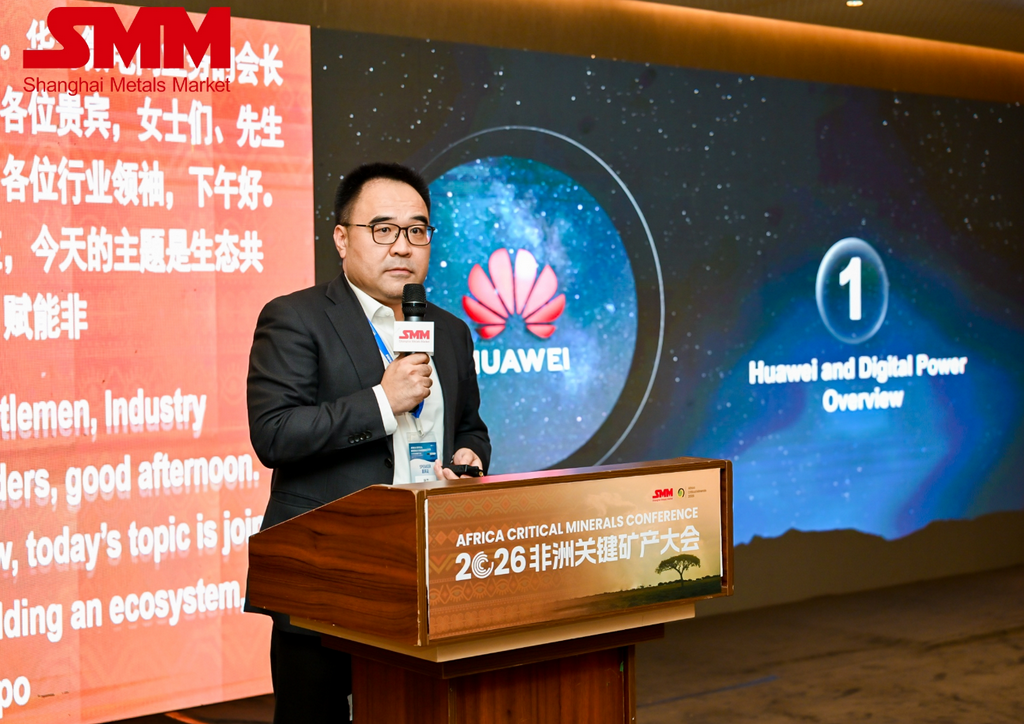
Huawei развивает партнерства в сфере экологичной добычи полезных ископаемых в Африке и проводит деловые переговоры с ZESCO на SMM ACM 2026
23 Sep 2026 16:41 (GMT+8)
![[SMM анализ] Торговля медью с учётом тарифов США затухает — но ещё не завершена](https://imgqn.smm.cn/production/admin/votes/imagesMbCUq20260929144044.png)
[SMM анализ] Торговля медью с учётом тарифов США затухает — но ещё не завершена
29 Sep 2026 14:37 (GMT+8)
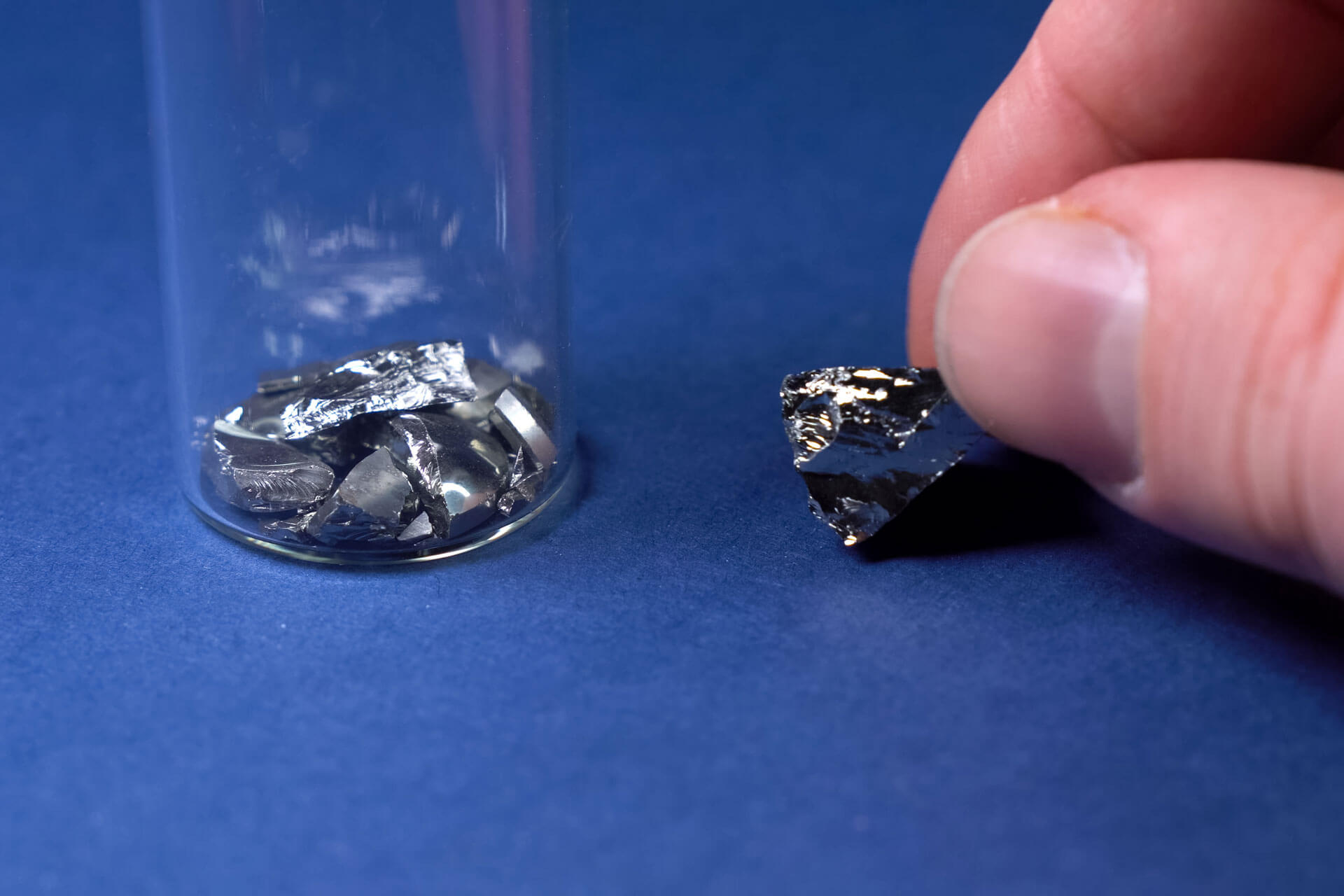
ЮАР готова стать ключевым игроком в глобальной цепочке поставок редкоземельных металлов к 2034 году【Анализ SMM】
29 Sep 2026 18:54 (GMT+8)
[Анализ SMM] Производство BESS в Индии ускоряется, но зависимость от аккумуляторных элементов остаётся ключевым узким местом
30 Sep 2026 08:50 (GMT+8)
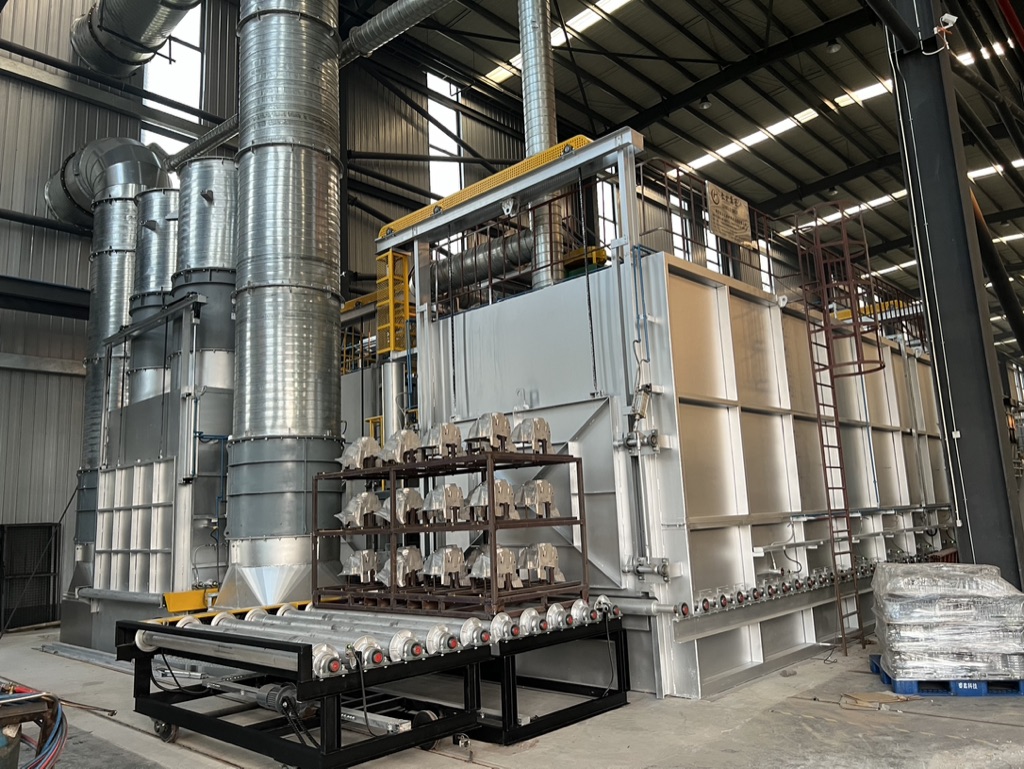
SMM запускает калькулятор CBAM для алюминия: что означают оценки затрат для предложений, ориентированных на ЕС【Анализ SMM】
29 Sep 2026 17:32 (GMT+8)
![[Анализ SMM] Низкоуглеродная первичная медь начинает торговаться отдельно — будет ли переоценена «зелёная» ценность вторичной меди?](https://imgqn.smm.cn/usercenter/MXbup20251217171745.jpg)
[Анализ SMM] Низкоуглеродная первичная медь начинает торговаться отдельно — будет ли переоценена «зелёная» ценность вторичной меди?
29 Sep 2026 16:03 (GMT+8)
Последние новости
SMM-анализ: данные по поставкам щелочных электролизеров на внутреннем рынке в III квартале
30 Sep 2026 18:09 (GMT+8)
[Обзор SMM] Еженедельный обзор отрасли водородной энергетики, 20260925-0930
30 Sep 2026 17:30 (GMT+8)
Хэнаньская водородная динамика укрепляет присутствие в секторе водородной логистики: несколько клиентов продлевают контракты третий год подряд
30 Sep 2026 10:54 (GMT+8)
[SMM Обновление водородной политики] Цзясин публикует «15-ю пятилетку» по научно-техническим инновациям, уделяя особое внимание прорывам в системах водородных топливных элементов и оборудовании для хранения и транспортировки водорода
30 Sep 2026 10:49 (GMT+8)
Трекер проектов зеленого водорода — China Energy Engineering Corporation Сунъюань 5 000 т зеленого аммиака отправлено в порт Нанкина, первая в мире морская бункеровка зеленым аммиаком с судна на судно скоро состоится
30 Sep 2026 10:41 (GMT+8)
Шанхайский технологический университет запускает 10 водородных двухколёсных транспортных средств, оснащённых топливной системой мощностью 400 Вт от компании JHydrogen Technology
29 Sep 2026 10:45 (GMT+8)
Композитный сепаратор Zhongke Hydrogen Easy дважды за три месяца поставлен европейскому клиенту, проект по производству экологически чистого водорода мегаваттного уровня получил повторный заказ
29 Sep 2026 10:31 (GMT+8)
Водородный двигатель FAW Jiefang мощностью 240 кВт прошёл 2000-часовую проверку на долговечность в рамках «Водородного марафона» с деградацией менее 6%
29 Sep 2026 10:26 (GMT+8)
Трекер проектов зеленого водорода — подписан проект производства водорода с прямым подключением фотоэлектрической установки площадью тысяча квадратных метров в Ланьшане, Жичжао; развернута система производства водорода атмосферного давления производительн
29 Sep 2026 10:23 (GMT+8)
[SMM Экспресс о водородной политике] 25 сентября в провинции Шэньси официально начал работу спотовый рынок электроэнергии, и уже 11 рынков провинциального уровня по всей стране перешли на официальный режим работы
29 Sep 2026 10:20 (GMT+8)
«Голдвинд Сайенс энд Текнолоджи» завершила подключение к сети на полную мощность проекта прямого подключения экологически чистой электроэнергии мощностью 77 МВт в лиге Хинган, замкнув производственную цепочку зелёного метанола.
28 Sep 2026 15:16 (GMT+8)
Трекер проектов по зелёному водороду — Тендер на создание центра тестирования и оценки электролизного производства водорода в рамках проекта по производству водорода на основе ветровой и солнечной энергии в Ушэньци компании Zhongtian Hechuang, объём инвес
28 Sep 2026 15:14 (GMT+8)
Внутренняя Монголия опубликовала перечень сценариев промышленного применения на 2026 год: 27 комплексных сценариев «ветер-солнце-водород-хранение» для стимулирования преобразования зелёной электроэнергии в зелёный водород и зелёный аммиак
28 Sep 2026 15:09 (GMT+8)
[SMM Экспресс по водородной политике] Национальное энергетическое управление опубликовало план разработки и пересмотра отраслевых стандартов на 2026 год, включающий 39 стандартов в области водородной энергетики, охватывающих всю цепочку производства, хран
28 Sep 2026 15:05 (GMT+8)
[Обзор SMM] Еженедельный обзор отрасли водородной энергетики, 21–24 сентября 2026 г.
24 Sep 2026 17:08 (GMT+8)
Институт исследований природной энергии провинции Ганьсу подписал соглашение с Иорданской ассоциацией возобновляемой энергетики о совместной разработке технологий получения «зелёного» водорода и «зелёного» аммиака в пустынных условиях
23 Sep 2026 16:15 (GMT+8)
CCS выпускает руководство для судов, использующих водородное топливо, издание 2026 года, вступает в силу 1 октября
23 Sep 2026 16:13 (GMT+8)
Трекер проектов зеленого водорода — Проект технологической трансформации электролиза с заменой на зеленый водород компании Hongyuan Energy в Баотоу зарегистрирован, инвестиции 2 млн юаней, мощность подачи газа 2000 нм³/ч
23 Sep 2026 15:20 (GMT+8)
[SMM Экспресс о водородной политике] Министерство экологии и окружающей среды опубликовало отчёт о развитии национального углеродного рынка: зелёный водород включён в методологию добровольного сокращения выбросов
23 Sep 2026 15:18 (GMT+8)
Трекер проектов зеленого водорода — Shanghai Qingrui Technology выиграла тендер на проект закупки электролизной ячейки PEM мощностью 10 Нм³ для Северокитайского филиала Datang Research Institute
22 Sep 2026 10:15 (GMT+8)