

ข่าว
บทความวิเคราะห์พิเศษพร้อมข้อมูลตลาดล่าสุด และฟีดข่าวแบบเรียลไทม์
![[บทวิเคราะห์ SMM] การผลักดันการผลิต BESS ของอินเดียเร่งตัวขึ้น แต่การพึ่งพาเซลล์ยังคงเป็นคอขวดสำคัญ](https://imgqn.smm.cn/production/admin/votes/imagesozVHm20260131125121.jpeg)
[บทวิเคราะห์ SMM] การผลักดันการผลิต BESS ของอินเดียเร่งตัวขึ้น แต่การพึ่งพาเซลล์ยังคงเป็นคอขวดสำคัญ
ในไตรมาสแรกของปี 2026 การจัดส่งระบบกักเก็บพลังงานทั่วโลกสูงถึง 100.0 กิกะวัตต์ชั่วโมง เพิ่มขึ้น 96.5% จาก 50.9 กิกะวัตต์ชั่วโมงในช่วงเดียวกันของปี 2025 ส่งผลให้ยอดจัดส่งรายไตรมาสก้าวสู่ระดับใหม่โดยสิ้นเชิง
30 Sep 2026 08:50 (GMT+8)
SMM เปิดตัวเครื่องคำนวณ CBAM อะลูมิเนียม: ความหมายของการประมาณต้นทุนสำหรับข้อเสนอที่ส่งไปยังสหภาพยุโรป【บทวิเคราะห์ SMM】
เมื่อกลไกปรับคาร์บอนก่อนข้ามพรมแดน (CBAM) ของสหภาพยุโรปเข้าสู่ระยะบังคับใช้เต็มรูปแบบ การค้าอะลูมิเนียมกับยุโรปจำเป็นต้องประเมินต้นทุนคาร์บอนควบคู่กับราคาโลหะ ค่าดำเนินการแปรรูป และค่าขนส่ง SMM ได้เปิดตัว เครื่องคำนวณ CBAM สำหรับอะลูมิเนียม ซึ่งรวบรวมรหัสสินค้า แหล่งกำเนิด ข้อมูลการปล่อยก๊าซ และราคาใบรับรอง เพื่อสนับสนุนการเสนอราคาส่งออก การจัดซื้อในยุโรป และการจัดทำงบประมาณภายใน โมดูลอะลูมิเนียมครอบคลุมรหัส CN 58 รายการ และหมวดหมู่แหล่งกำเนิด/ค่าอ้างอิง 68 รายการ ครอบคลุมอะลูมิเนียมยังไม่ขึ้นรูป โปรไฟล์ แผ่น แถบ ฟอยล์ และผลิตภัณฑ์อื่น ๆ มีพารามิเตอร์รายปีสำหรับปี 2026–2030 ผู้ใช้กรอกปริมาณเป็นตัน และเลือกค่าการปล่อยอ้างอิงหรือป้อนค่าการปล่อยจริงที่ผ่านการรับรอง หน้านี้จะแสดงจำนวนใบรับรองโดยประมาณต่อตัน จำนวนใบรับรองรวม ต้นทุนต่อตัน และงบประมาณรวม โดยแยกเส้นทางการผลิตอะลูมิเนียมปฐมภูมิและทุติยภูมิให้สอดคล้องกับฐานข้อมูลที่เกี่ยวข้อง ประโยชน์ในทางปฏิบัติคือสมมติฐานและผลลัพธ์แสดงอยู่ด้วยกัน ผู้ส่งออกสามารถระบุผลิตภัณฑ์ แหล่งกำเนิด ช่วงเวลานำเข้า และฐานการปล่อยก๊าซที่อยู่เบื้องหลังการเสนอราคา ขณะที่ผู้ซื้อสามารถเปรียบเทียบแหล่งที่มาภายใต้เงื่อนไขที่สอดคล้องกัน หน้านี้มีอินเทอร์เฟซภาษาจีนและภาษาอังกฤษ ตารางพารามิเตอร์ และตัวเลือกพิมพ์เอกสารต้นทุน การแบ่งปันต้นทุนที่เกี่ยวข้องระหว่างผู้ซื้อและผู้ขายยังคงเป็นเรื่องตามสัญญา ควรแยกภาระใบรับรองออกจากมูลค่าทางการเงิน ณ วันที่ 29 กันยายน 2026 เครื่องคำนวณใช้ราคาทางการที่ 75.36 ยูโรต่อใบรับรองสำหรับไตรมาส 1 ปี 2026 และ 75.28 ยูโรสำหรับไตรมาส 2 ส่วนราคาไตรมาส 3 ยังไม่ประกาศ ในกรณีที่ไม่มีราคา หน้านี้จะคงการประมาณปริมาณใบรับรองไว้และเว้นช่องต้นทุนว่างไว้ แทนที่จะใช้ราคาสมมติ เวอร์ชันปัจจุบันไม่รวมการหักลดหย่อนภาษีคาร์บอนที่ชำระในต่างประเทศ และการประเมินเกณฑ์การนำเข้าต่อปี การคำนวณการปล่อยจริงสำหรับสินค้าอะลูมิเนียมที่มีความซับซ้อนยังขาดการปรับลดการจัดสรรฟรีที่เกี่ยวข้องกับสารตั้งต้น การวิเคราะห์ด้านล่างจึงใช้การคำนวณค่าอ้างอิงที่ตรวจสอบแล้ว ผลลัพธ์เป็นเพียงประมาณการเชิงพาณิชย์ ไม่ใช่ภาระผูกพันในการส่งมอบใบรับรองตามกฎหมายขั้นสุดท้าย สำหรับการเปรียบเทียบตลาด ผลิตภัณฑ์อะลูมิเนียมชนิดเดียวกันอาจมีต้นทุนโดยประมาณแตกต่างกันอย่างมีนัยสำคัญ ขึ้นอยู่กับค่าอ้างอิงเฉพาะแหล่งกำเนิด พิจารณารหัส CN 76012040—อะลูมิเนียมเจือยังไม่ขึ้นรูปในรูปแบบแท่ง—ด้วยเส้นทางปฐมภูมิ K ราคาใบรับรองไตรมาส 2 ปี 2026 และปริมาณ 1,000 ตัน ต้นทุนโดยประมาณภายใต้กรณีค่าอ้างอิงของจีน อินเดีย และแคนาดา อยู่ที่ 143.98, 50.41 และ 57.86 ยูโรต่อตัน ตามลำดับ ตัวเลขเหล่านี้รวมการปรับเพิ่มค่าอ้างอิงรายปีและการปรับลดการจัดสรรฟรีตามเกณฑ์มาตรฐาน กรณีค่าอ้างอิงของจีนและอินเดียแตกต่างกันประมาณ 93.57 ยูโรต่อตัน การเปรียบเทียบเฉพาะราคาโลหะหรือค่าดำเนินการแปรรูปจึงอาจพลาดความแตกต่างที่มีนัยสำคัญในงบประมาณของผู้ซื้อ หากเงื่อนไขเชิงพาณิชย์อื่น ๆ ใกล้เคียงกัน ต้นทุน CBAM โดยประมาณอาจส่งผลต่อความน่าสนใจของข้อเสนอ อย่างไรก็ตาม นี่ไม่ใช่การจัดอันดับความเข้มข้นของคาร์บอนที่แท้จริงของผู้ผลิต ค่าขนส่ง ภาษีศุลกากร คุณภาพ และเงื่อนไขการส่งมอบก็อยู่นอกเหนือการเปรียบเทียบนี้ ดังนั้นตัวเลขเพียงอย่างเดียวไม่สามารถกำหนดผู้จัดจำหน่ายที่เหมาะสมที่สุดได้ สิ่งนี้ชี้ให้เห็นมูลค่าเชิงพาณิชย์ของเอกสารการปล่อยก๊าซจากผู้จัดจำหน่าย สำหรับผู้ผลิตที่มีการปล่อยจริงต่ำกว่าค่าอ้างอิงที่ใช้บังคับ และมีเอกสารรับรองที่สอดคล้อง ข้อมูลจริงอาจเปลี่ยนแปลงการประเมินต้นทุนของผู้ซื้อ ผู้ซื้อสามารถใช้ค่าอ้างอิงสำหรับงบประมาณเบื้องต้นเมื่อไม่มีเอกสาร จากนั้นประเมินใหม่โดยใช้หลักฐานจากผู้จัดจำหน่าย ผู้ส่งออกจึงมีเหตุผลที่จะเตรียมข้อมูลการปล่อยก๊าซควบคู่กับข้อเสนอผลิตภัณฑ์ แทนที่จะเจรจาเฉพาะความแตกต่างของค่าอ้างอิงรายประเทศ การเปลี่ยนแปลงพารามิเตอร์รายปีก็สมควรได้รับความสนใจ หากคงค่าอ้างอิงพื้นฐาน เส้นทาง และเกณฑ์มาตรฐานของผลิตภัณฑ์จีนไว้เท่าเดิม และสมมติว่าปีนำเข้าและปีรายงานที่เกี่ยวข้องตรงกัน ภาระใบรับรองโดยประมาณจะเพิ่มขึ้นจาก 1.912575 ต่อตันในปี 2026 เป็น 2.248150 ในปี 2027—เพิ่มขึ้นประมาณ 17.5% ซึ่งสะท้อนการปรับเพิ่มค่าอ้างอิงที่สูงขึ้นและการหักลดการจัดสรรฟรีที่น้อยลง ไม่ได้หมายความว่าราคาใบรับรองในอนาคตจะสูงขึ้น สำหรับข้อตกลงการจัดหาที่ครอบคลุมหลายปี บริษัทสามารถเปรียบเทียบภาระใบรับรองก่อน จากนั้นจึงหารือกลไกการปรับราคาและการแบ่งปันต้นทุน แม้ราคาใบรับรองในอนาคตยังไม่ทราบ การระบุภาระใบรับรองและการได้รับเอกสารจากผู้จัดจำหน่ายสามารถปรับปรุงความสามารถในการเปรียบเทียบข้อเสนอและงบประมาณการจัดซื้อได้
29 Sep 2026 17:32 (GMT+8)
[SMM Analysis] ทองแดงปฐมภูมิคาร์บอนต่ำเริ่มซื้อขายแยกต่างหาก—มูลค่าสีเขียวของทองแดงรีไซเคิลจะถูกประเมินใหม่หรือไม่?
[SMM วิเคราะห์: ทองแดงปฐมภูมิคาร์บอนต่ำเริ่มซื้อขายแยกส่วน—มูลค่าสีเขียวของทองแดงรีไซเคิลจะถูกประเมินใหม่หรือไม่?] โครงการนำร่อง EAC ของ BHP และ Amazon แยกการลดการปล่อยก๊าซที่ผ่านการรับรองออกจากการค้าทองแดงทางกายภาพ ทำให้ทองแดงปฐมภูมิที่ปล่อยมลพิษต่ำมีแหล่งมูลค่าทางสิ่งแวดล้อมใหม่ ทองแดงรีไซเคิลยังคงมีความได้เปรียบด้านพลังงานอย่างมาก แต่ความสามารถในการแข่งขันในอนาคตอาจขึ้นอยู่กับการตรวจสอบย้อนกลับ ปริมาณวัสดุรีไซเคิล และข้อมูลคาร์บอนที่ผ่านการรับรองมากขึ้น ซึ่งอาจเพิ่มมิติด้านสิ่งแวดล้อมให้กับการกำหนดราคา
29 Sep 2026 16:03 (GMT+8)
ข่าวล่าสุด
![[บทวิเคราะห์ SMM] แบตเตอรี่โซเดียมไอออนมุ่งเป้า "การพัฒนาอย่างประสานกัน" ขณะการผลิตเชิงอุตสาหกรรมก้าวหน้า](https://imgqn.smm.cn/usercenter/lzgUR20251217171731.jpg)
[บทวิเคราะห์ SMM] แบตเตอรี่โซเดียมไอออนมุ่งเป้า "การพัฒนาอย่างประสานกัน" ขณะการผลิตเชิงอุตสาหกรรมก้าวหน้า
30 Sep 2026 09:55 (GMT+8)
![[SMM สรุปการประชุมเช้าโคบอลต์] ความต้องการซื้อก่อนวันหยุดยังคงซบเซา ต้นทุนวัตถุดิบที่ลดลงกดดันราคาตลอดห่วงโซ่อุตสาหกรรม](https://imgqn.smm.cn/usercenter/HGHao20251217171725.jpg)
[SMM สรุปการประชุมเช้าโคบอลต์] ความต้องการซื้อก่อนวันหยุดยังคงซบเซา ต้นทุนวัตถุดิบที่ลดลงกดดันราคาตลอดห่วงโซ่อุตสาหกรรม
29 Sep 2026 10:08 (GMT+8)
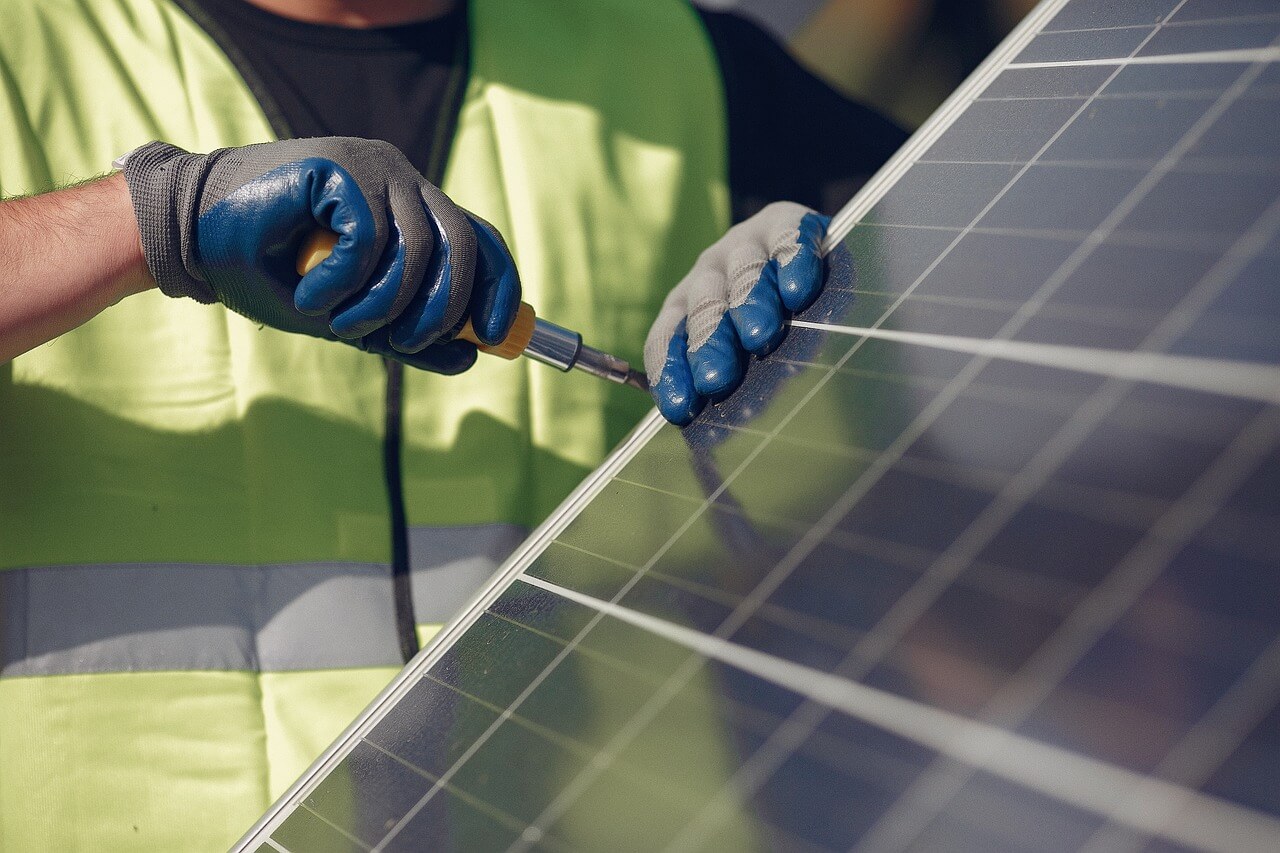
ประมาณ 3 พันล้านหยวน! โครงการแบตเตอรี่โซเดียมไอออน 12 กิกะวัตต์ชั่วโมงของ China BAK New Energy ลงนามในหนานจิง มณฑลเจียงซู
28 Sep 2026 13:29 (GMT+8)
การกักเก็บพลังงานแบบ “ไฮบริดลิเทียม-โซเดียม” ของเหอเป่ยเริ่มติดตั้งใช้งานเป็นชุด: ระบบกักเก็บพลังงานแบตเตอรี่โซเดียมไอออนเข้าสู่ช่วงการตรวจสอบระดับมณฑล [บทวิเคราะห์ SMM]
[SMM วิเคราะห์: “ระบบกักเก็บพลังงานลิเธียม-โซเดียมแบบผสม” ของเหอเป่ยเริ่มติดตั้งเป็นชุด แบตเตอรี่โซเดียมไอออนเข้าสู่ช่วงการตรวจสอบระดับมณฑล] SMM 23 กันยายน: ช่วงนี้โครงการกักเก็บพลังงานแบตเตอรี่โซเดียมไอออนในเหอเป่ยปรากฏอย่างหนาแน่นทั้งในขั้นตอนการยื่นจดทะเบียน การประมูล ผลการชนะประมูล และการเริ่มก่อสร้าง ทำให้เป็นหนึ่งในมณฑลที่เดินหน้าเร็วที่สุดในจีนด้านการติดตั้งแบตเตอรี่โซเดียมไอออนในฝั่งระบบกักเก็บพลังงานไฟฟ้า หลังจากตรวจสอบรายชื่อสาธารณะของคณะกรรมการพัฒนาและปฏิรูปมณฑลเหอเป่ย รวมถึงผลการชนะประมูล EPC และอุปกรณ์ SMM เห็นว่า: เหอเป่ยไม่ใช่ผู้เล่นที่ “ประกาศเชิงนโยบาย” อีกต่อไป แต่ได้นำแบตเตอรี่โซเดียมไอออนเข้าสู่คลังโครงการระบบกักเก็บพลังงานแบบสแตนด์อโลน กำหนดการเชื่อมต่อโครงข่าย และส่วนการประมูลแล้ว—แบตเตอรี่โซเดียมไอออนกำลังก้าวออกจากรั้วสาธิตเข้าสู่ตลาดไฟฟ้าระดับมณฑล เข้าสู่ช่วงการตรวจสอบด้วยเงินจริง
23 Sep 2026 16:20 (GMT+8)
NFPP ปะทะ NFS: ใครจะครองตลาดแบตเตอรี่โซเดียมไอออนชนิดพอลิแอนไอออน?
การเปลี่ยนแปลงเชิงลึกในเส้นทางเทคนิคกำลังเกิดขึ้นในภาคแบตเตอรี่โซเดียมไอออน
ในช่วงแรกของการพัฒนาอุตสาหกรรม เทคโนโลยีแบตเตอรี่โซเดียมไอออนแบบเลเยอร์ออกไซด์ ซึ่งใช้ประโยชน์จากข้อได้เปรียบทางทฤษฎีด้านความหนาแน่นพลังงานสูงและมุ่งหมายที่จะ "แทนที่แบตเตอรี่ลิเธียม" ได้กลายเป็นทิศทางหลักที่ได้รับการยอมรับอย่างกว้างขวางทั่วทั้งห่วงโซ่อุตสาหกรรมแบตเตอรี่โซเดียมไอออน
22 Sep 2026 10:12 (GMT+8)
[SMM สรุปการประชุมเช้าโคบอลต์] อุปสงค์ที่อ่อนแอกดดันราคาอุตสาหกรรม ตลาดยังคงปรับฐานในทิศทางอ่อนตัวก่อนวันหยุด
ต้นสัปดาห์นี้ ห่วงโซ่อุตสาหกรรมโดยรวมยังคงซบเซา ราคาโคบอลต์บริสุทธิ์ทรงตัวชั่วคราว โดยผู้ถลุงรายใหญ่คงราคาหน้าโรงงานไว้ที่ 285,000 หยวน/ตัน แต่การจัดซื้อปลายน้ำส่วนใหญ่ยังเป็นแบบซื้อเท่าที่จำเป็น และการเติมสต็อกอย่างต่อเนื่องยังไม่เกิดขึ้น ราคาเสนอและธุรกรรมของผลิตภัณฑ์ขั้นกลางมีน้อย และแรงกดดันด้านการขายของผู้ทำเหมืองค่อย ๆ เพิ่มขึ้น ความต้องการโคบอลต์ซัลเฟตอ่อนแอ โดยผู้ประกอบการรีไซเคิลบางรายปรับลดราคาเสนอลงมาอยู่ที่ 57,000–58,000 หยวน/ตัน ราคาวัตถุดิบและต้นทุนการผลิตปรับตัวลงพร้อมกัน และวงจรป้อนกลับเชิงลบในตลาดยังคงดำเนินต่อไป ธุรกรรมโคบอลต์คลอไรด์และโคบอลต์ออกไซด์ซบเซา และความสนใจกักตุนของปลายน้ำก่อนวันหยุดไม่เพียงพอ การฟื้นตัวของอุปสงค์อาจต้องรอถึงเดือนพฤศจิกายน ในตลาดผงโคบอลต์ การจัดซื้อปลายน้ำยังคงถูกเลื่อนออกไปเนื่องจากสต็อกที่มีต้นทุนสูงและผลขาดทุน ราคาสารตั้งต้นแคโทดแบบสามองค์ประกอบอ่อนตัวลง และอัตราการเดินเครื่องของผู้ประกอบการบางรายลดลง การปรับตัวลงของราคาวัสดุแคโทดแบบสามองค์ประกอบชะลอลง แต่ความต้องการของตลาดรถยนต์ไฟฟ้ายังไม่ฟื้นตัว ฤดูกาลท่องเที่ยวตามปกติของลิเทียมโคบอลต์ออกไซด์ต่ำกว่าคาด โดยแรงหนุนจากต้นทุนอ่อนแอลงและการกักตุนของผู้ใช้ปลายทางซบเซา ทำให้ราคาระยะสั้นยังมีความเสี่ยงขาลงเพิ่มเติม ในระยะต่อไป ตลาดจะจับตาการฟื้นตัวของการจัดซื้อหลังวันหยุด การระบายสต็อก และคำสั่งซื้อจริงในไตรมาสที่สี่
22 Sep 2026 09:45 (GMT+8)
[สรุปการประชุมเช้าโคบอลต์-ลิเธียม SMM] ### ราคาวัตถุดิบทรงตัว ห่วงโซ่อุตสาหกรรมแตกตัว ความรู้สึกรอดูสถานการณ์ก่อนวันหยุดทวีความเข้มข้นขึ้น
ราคาแร่ลิเทียมยังคงทรงตัวเมื่อเทียบกับลิเทียมคาร์บอเนตในสัปดาห์นี้ โดยมีแรงกดดันด้านการขายจากฝั่งเหมืองจำกัด แต่ส่วนต่างกำไรของโรงงานเกลือยังคงถูกบีบอัด และการยอมรับวัตถุดิบราคาสูงลดลง การส่งออกจากต่างประเทศและอุปทานในประเทศฟื้นตัวเล็กน้อย แม้ว่าการปล่อยปริมาณส่วนเพิ่มจริงยังต้องใช้เวลา ฟิวเจอร์สลิเทียมคาร์บอเนตดีดตัวขึ้น ราคาสปอตขยับขึ้นเล็กน้อย และลิเทียมไฮดรอกไซด์ฟื้นตัวตาม แต่ผู้ซื้อปลายน้ำเริ่มระมัดระวังหลังการซื้อเมื่อราคาอ่อนตัว ทำให้ธุรกรรมชะลอลง การซื้อขายโคบอลต์บริสุทธิ์และผลิตภัณฑ์ขั้นกลางซบเซา ความต้องการโคบอลต์ซัลเฟต โคบอลต์คลอไรด์ และ Co3O4 อ่อนแอ และแรงกดดันด้านการระบายสต็อกยังคงอยู่ นิกเกิลซัลเฟตยังคงถูกกดดัน และคำสั่งซื้อสารตั้งต้นแคโทดแบบสามองค์ประกอบและวัสดุแคโทดแบบสามองค์ประกอบอ่อนตัวลง การผลิต LFP เพิ่มขึ้นและสต็อกถูกระบายออก ขณะที่ราคาคำสั่งซื้อใหม่ของไอเอิร์นฟอสเฟตขยับขึ้นเล็กน้อย ราคาแอโนดโดยรวมทรงตัว ราคาเซพาเรเตอร์ขยับขึ้นเล็กน้อย และตลาดอิเล็กโทรไลต์ยังคงทรงตัวในขณะนี้ คำสั่งซื้อแบตเตอรี่โซเดียมไอออนกระจุกตัวไปยังผู้เล่นรายใหญ่ และราคาวัตถุดิบรีไซเคิลยังคงปรับตัวลงต่อเนื่อง เมื่อใกล้ถึงช่วงวันหยุดคู่ การซื้อคำสั่งซื้อสปอตทั่วทั้งห่วงโซ่อุตสาหกรรมลดลง และคาดว่าตลาดจะยังคงแตกต่างกันในระยะสั้น ในภาคส่วน ESS โครงการต่างประเทศเปลี่ยนไปสู่การเจรจาราคาสำหรับปีหน้า และข้อได้เปรียบด้านต้นทุนของเซลล์แบตเตอรี่ขนาดใหญ่ยังกดดันให้ราคาเสนอขายบางส่วนลดลงด้วย
22 Sep 2026 09:40 (GMT+8)
เกาหลีใต้เผยแผนงานเทคโนโลยีแบตเตอรี่ หนุนการลงทุนภาคเอกชน 8 ล้านล้านวอน
กระทรวงการค้า อุตสาหกรรม และพลังงานของเกาหลีใต้และอุตสาหกรรมแบตเตอรี่ในประเทศประกาศแผนงานเทคโนโลยีร่วมเมื่อวันที่ 22 กันยายน เพื่อขยายขอบเขตจากแบตเตอรี่ NCM นิกเกิลสูงไปสู่เทคโนโลยีโซเดียมไอออน โซลิดสเตตทั้งหมด และ LFP
รัฐบาลจะมุ่งเน้นการสนับสนุนด้านการวิจัยและพัฒนาไปที่การนำโซเดียมไอออนเข้าสู่เชิงพาณิชย์และแบตเตอรี่โซลิดสเตตทั้งหมดสำหรับหุ่นยนต์ โดรน และการสัญจรทางอากาศในเมือง พร้อมทั้งจัดตั้งการวิจัยร่วมระหว่างผู้ผลิตเซลล์รายใหญ่สามรายและความร่วมมือระหว่างบริษัทวัสดุและบริษัทเซลล์
บริษัทเอกชนตกลงที่จะลงทุนประมาณ 8 ล้านล้านวอนในการวิจัยและพัฒนาและโรงงานผลิตภายในปี 2030 ขณะที่รัฐบาลมีแผนที่จะนำเครดิตภาษีการผลิตมาใช้และพัฒนามาตรฐานสำหรับแบตเตอรี่รุ่นต่อไป
22 Sep 2026 08:28 (GMT+8)
การนำเข้าและส่งออกแร่ฟอสเฟตพุ่งสูงในเดือนสิงหาคม: ฤดูความต้องการสูงสุดกำลังมาถึงหรือไม่?
ในเดือนสิงหาคม การนำเข้าแร่ฟอสเฟตของจีนพุ่งขึ้นเมื่อเทียบรายเดือน และจุดศูนย์กลางราคาปรับตัวสูงขึ้น ปริมาณนำเข้ารวมของเดือนอยู่ที่ 116,000 ตัน เพิ่มขึ้น 563.2% เมื่อเทียบรายเดือน ฟื้นตัวอย่างมากจากฐานที่ต่ำมากในเดือนกรกฎาคมซึ่งเกิดจากการห้ามส่งออก ราคานำเข้าเฉลี่ยดีดกลับมาที่ 94.6 ดอลลาร์สหรัฐฯ/ตัน เพิ่มขึ้น 12.0% เมื่อเทียบรายเดือน อียิปต์และจอร์แดนรวมกันคิดเป็น 98.3% ยิ่งทำให้การกระจุกตัวของแหล่งที่มาทวีความเข้มข้นขึ้น ขณะเดียวกัน หลังไม่มีธุรกรรมติดต่อกันหลายเดือน การส่งออกกลับพุ่งขึ้นเป็น 61,000 ตันในเดือนสิงหาคม
21 Sep 2026 14:16 (GMT+8)
[Na-ion: Shenhuo Group เริ่มโครงการฟอยล์แบตเตอรี่โซเดียม 50,000 ตัน/ปี]
กลุ่มเซินหัวเริ่มก่อสร้างโครงการฟอยล์อะลูมิเนียมสมรรถนะสูงสำหรับแบตเตอรี่โซเดียมไอออน กำลังผลิต 50,000 ตันต่อปี ที่เมืองชางชิว มณฑลเหอหนาน เมื่อวันที่ 16 ก.ย. โครงการประกอบด้วยโรงงานและคลังสินค้าอัจฉริยะประมาณ 40,000 ตร.ม. พร้อมเครื่องรีดฟอยล์ขนาด 1850 มม. และ 2150 มม. ผลิตฟอยล์หนา 8-20 ไมครอนสำหรับขั้วแคโทดและแอโนดของแบตเตอรี่โซเดียมไอออน ใช้เวลาก่อสร้าง 24 เดือน ผลผลิตจะรองรับแบตเตอรี่กำลังและแบตเตอรี่กักเก็บพลังงาน เสริมกับกำลังการผลิตฟอยล์แบตเตอรี่ลิเธียมที่มีอยู่เดิม ตามกลยุทธ์คู่ขนานลิเธียม-โซเดียม
20 Sep 2026 18:06 (GMT+8)
!["แบตเตอรี่โซเดียมไอออน" ถูกรวมอยู่ในรายการ "เสริมความแข็งแกร่ง" ในช่วงแผนพัฒนา 5 ปี ฉบับที่ 15: หนึ่งนโยบาย สามบัญชี [บทวิเคราะห์ SMM]](https://imgqn.smm.cn/usercenter/QxQbN20251217171727.jpg)
"แบตเตอรี่โซเดียมไอออน" ถูกรวมอยู่ในรายการ "เสริมความแข็งแกร่ง" ในช่วงแผนพัฒนา 5 ปี ฉบับที่ 15: หนึ่งนโยบาย สามบัญชี [บทวิเคราะห์ SMM]
18 Sep 2026 09:57 (GMT+8)
![[SMM สรุปการประชุมโคบอลต์ช่วงเช้า] อุปสงค์อ่อนแอและต้นทุนที่ลดลงร่วมกันกดดันราคาในห่วงโซ่อุตสาหกรรมให้ซบเซา](https://imgqn.smm.cn/usercenter/tjmLW20251217171722.jpeg)
[SMM สรุปการประชุมโคบอลต์ช่วงเช้า] อุปสงค์อ่อนแอและต้นทุนที่ลดลงร่วมกันกดดันราคาในห่วงโซ่อุตสาหกรรมให้ซบเซา
18 Sep 2026 09:36 (GMT+8)
![NaPF6: "ส่วนผสมสำคัญ" ในอิเล็กโทรไลต์แบตเตอรี่โซเดียมไอออน — แท้จริงแล้วคืออะไร? [บทวิเคราะห์ SMM]](https://imgqn.smm.cn/usercenter/ajAmi20251217171726.jpg)
NaPF6: "ส่วนผสมสำคัญ" ในอิเล็กโทรไลต์แบตเตอรี่โซเดียมไอออน — แท้จริงแล้วคืออะไร? [บทวิเคราะห์ SMM]
17 Sep 2026 16:24 (GMT+8)
5.34 พันล้านหยวน! ความคืบหน้าใหม่ของโครงการวัสดุแบตเตอรี่โซเดียมไอออน 30,000 ตันต่อปี ในฉางจื้อ มณฑลซานซี
เมื่อเร็วๆ นี้ บริษัท Shanxi Xiang'an Energy Technology Co., Ltd. ได้เผยแพร่ร่างรายงานการประเมินผลกระทบสิ่งแวดล้อมเพื่อรับฟังความคิดเห็นสาธารณะ สำหรับโครงการผลิตวัสดุแบตเตอรี่โซเดียมไอออน 30,000 เมตริกตันต่อปี
โครงการตั้งอยู่ในนิคมอุตสาหกรรมฟู่หยาง เขตพัฒนาเศรษฐกิจและเทคโนโลยีเซียงหยวน เมืองฉางจื้อ มณฑลซานซี ส่วนหลักของโครงการและสาธารณูปโภคที่เกี่ยวข้องประกอบด้วยการก่อสร้างสายการผลิตวัสดุแคโทดแบตเตอรี่โซเดียมไอออน 2 สายการผลิต และสายการผลิตวัสดุแอโนด 1 สายการผลิต พร้อมด้วยระบบผลิตน้ำบริสุทธิ์ ระบบอัดอากาศ ระบบผลิตไนโตรเจน ระบบลดความชื้น และระบบหมุนเวียนน้ำหล่อเย็น กระบวนการผลิตที่ใช้ประกอบด้วย การเตรียมวัตถุดิบเบื้องต้น (การผสม + การบดด้วยเครื่องบดทราย + การกำจัดเหล็ก + การอบแห้งแบบพ่นฝอย) การบรรจุถ้วยเซรามิก การปรับระดับด้วยการสั่นสะเทือน การใส่ตะแกรง + การเผาผนึก และการปรับปรุงขั้นสุดท้าย (การบดด้วยเครื่องเจ็ทมิลล์ + การผสมเป็นชุด + การร่อน + การบรรจุ) เมื่อเปิดดำเนินการแล้ว โครงการจะผลิตวัสดุแคโทดแบตเตอรี่โซเดียมไอออน 25,000 เมตริกตัน และวัสดุแอโนด 5,000 เมตริกตันต่อปี เงินลงทุนรวมของโครงการอยู่ที่ 534 ล้านหยวน โดยมีเงินลงทุนด้านการปกป้องสิ่งแวดล้อม 3.64 ล้านหยวน คิดเป็นร้อยละ 0.68
16 Sep 2026 17:23 (GMT+8)
[โซเดียม-ไอออน: หน่วยกักเก็บพลังงานโซเดียม-ไอออนระดับกริดแห่งแรกของ CSG เริ่มเดินเครื่องในหมู่บ้านกลางเมืองเซินเจิ้น]
หน่วยกักเก็บพลังงานแบตเตอรี่โซเดียมไอออนแห่งแรกของ China Southern Grid เริ่มเดินเครื่องแล้วที่เขตหม้อแปลงในหมู่บ้านใหม่ตุนเป่ย เมืองเซินเจิ้น นับเป็นการใช้ระบบกักเก็บโซเดียมไอออนครั้งแรกในการจัดการปลายทางของโครงข่ายจำหน่ายไฟฟ้าในเมืองนี้ และเป็นแนวทางใหม่ในการขยายกำลังการผลิตแบบยืดหยุ่นด้วยระบบกักเก็บสำหรับหมู่บ้านในเมือง หน่วยนี้ใช้แบตเตอรี่โซเดียมไอออนโพลีแอนไอออนรุ่นใหม่ พร้อมการจ่ายไฟต่อเนื่องระดับมิลลิวินาทีและการควบคุมเอาต์พุตอัจฉริยะ การตรวจติดตามพบว่าสามารถลดอัตราโหลดของหม้อแปลงจาก 93.6% ลงมาอยู่ที่ระดับปลอดภัย 79.5% ครอบคลุมช่วงพีคตอนเย็นได้เต็มที่โดยไม่มีโหลดเกินเป็นเวลาหลายวัน โดยไม่ต้องมีงานโยธาขนาดใหญ่ ใช้เวลาติดตั้งเพียง 15 วัน และมีต้นทุนต่ำกว่าการอัปเกรดกำลังการผลิตแบบเดิมมาก
16 Sep 2026 13:52 (GMT+8)
[SMM สรุปการประชุมเช้าโคบอลต์] ต้นทุนวัตถุดิบอ่อนตัวลง อุปสงค์ซบเซา และศูนย์กลางราคายังคงปรับตัวลดลง
ห่วงโซ่อุตสาหกรรมโดยรวมยังคงซบเซาในสัปดาห์นี้ โดยผลิตภัณฑ์บางรายการทรงตัวชั่วคราว แต่การฟื้นตัวด้านอุปสงค์ยังมีจำกัด ราคาผลิตภัณฑ์อิเล็กโทรไลซิสหยุดปรับตัวลงและดีดกลับ โดยได้แรงหนุนหลักจากการซื้อที่เพิ่มขึ้นเป็นช่วง ๆ แต่ความยั่งยืนยังต้องจับตาดู ตลาดผลิตภัณฑ์ขั้นกลางยังคงอยู่ในภาวะชะงักงัน โดยการพยุงราคาของต้นน้ำและการซื้อขายในราคาต่ำยิ่งทำให้การเผชิญหน้ารุนแรงขึ้น หากอุปทานราคาต่ำยังคงมีอยู่ ศูนย์กลางราคายังมีความเสี่ยงด้านขาลง ต้นทุนสนับสนุนของผลิตภัณฑ์เกลือยังคงอ่อนตัวลง เนื่องจากวัสดุรีไซเคิลต้นทุนต่ำและการขายในราคาต่ำของผู้ประกอบการบางรายยิ่งเพิ่มการแข่งขันในตลาด ขณะที่ความต้องการซื้อของปลายน้ำยังคงระมัดระวัง ทำให้ราคาอยู่ภายใต้แรงกดดันอย่างชัดเจน โคบอลต์ออกไซด์และโคบอลต์คลอไรด์ทรงตัวในวงกว้าง แต่ด้วยอุปสงค์และอุปทานที่อ่อนแอและการระบายสต็อกที่ล่าช้า ทำให้มีแรงหนุนขาขึ้นน้อยในระยะสั้น ราคาเสนอผงโคบอลต์ยังคงปรับตัวลงเล็กน้อย โดยถูกกดดันจากอุปสงค์ที่อ่อนแอของภาคคาร์ไบด์ซีเมนต์ สารตั้งต้นแคโทดแบบเทอร์นารีและวัสดุแคโทดแบบเทอร์นารียังคงอ่อนตัวลงจากผลกระทบของราคาวัตถุดิบนิกเกิลและลิเธียมที่ปรับตัวลงและคำสั่งซื้อจากผู้ใช้ปลายทางที่ลดลง โดยแผนการผลิตก็มีแนวโน้มปรับตัวลงเช่นกัน ผลงานช่วงฤดูกาลขายดีตามปกติของลิเธียมโคบอลต์ออกไซด์ต่ำกว่าคาด โดยการสต็อกของผู้ใช้ปลายทางอ่อนแอ ต้นทุนที่ลดลงและอุปสงค์ที่ไม่เพียงพอก่อให้เกิดแรงกดดันสองทาง และคาดว่าตลาดจะปรับฐานในกรอบอ่อนตัวในระยะสั้น
15 Sep 2026 09:55 (GMT+8)
[สรุปการประชุมเช้าโคบอลต์-ลิเธียม SMM] ความแตกต่างของวัตถุดิบทวีความรุนแรงขึ้น อุปสงค์ช่วงพีคไม่สม่ำเสมอ ราคาทรงตัว
สัปดาห์นี้ ห่วงโซ่อุตสาหกรรมยังคงปรับตัวแตกต่างกัน ด้านลิเทียม ราคาลิเทียมคาร์บอเนตอ่อนตัวลง แต่ความต้องการสต็อกสินค้าของปลายน้ำที่ระดับใกล้ 140,000 หยวน/ตันยังคงแข็งแกร่ง ช่วยพยุงราคาไว้ได้ แร่ลิเทียมปรับตัวลงตาม แต่ปัญหาอุปทานจากต่างประเทศและการยืนราคาของเหมืองทำให้ราคาแร่ยังค่อนข้างแข็งแกร่ง ลิเทียมไฮดรอกไซด์ได้รับผลกระทบจากคำสั่งซื้อ ternary ที่ลดลง ธุรกรรมยังคงซบเซา กลุ่มวัสดุโดยรวมเผชิญแรงกดดัน โดยสารตั้งต้นแคโทด ternary วัสดุแคโทด ternary และ LCO ยังคงอ่อนตัวลงจากราคาวัตถุดิบที่ปรับลงและความต้องการปลายทางที่ไม่เพียงพอ ตารางการผลิตในจีนปรับลดลงบ้าง ขณะที่คำสั่งซื้อนิกเกิลสูงจากต่างประเทศยังค่อนข้างดี ความต้องการ LFP ยังคงแข็งแกร่ง การผลิตและยอดขายอยู่ในระดับสูง คำสั่งซื้อไอเอิร์นฟอสเฟตเพิ่มขึ้น และราคาปรับขึ้นเล็กน้อย ราคาแอโนดโดยรวมทรงตัว โดยแกรไฟต์สังเคราะห์ยังมีโอกาสปรับขึ้นจากตารางการผลิตช่วงพีคและการหนุนต้นทุน แผ่นกั้นชนิดไฮเอนด์มีอุปทานตึงตัวเมื่อเทียบกับอุปสงค์ และคาดว่าราคาจะปรับขึ้นในอนาคต ต้นทุนอิเล็กโทรไลต์มีแรงหนุนมากขึ้น โดยระยะสั้นยังทรงตัว แบตเตอรี่โซเดียมไอออนยังถูกจำกัดด้วยกำลังการผลิตแอโนดและแคโทดที่มีประสิทธิภาพไม่เพียงพอ ขณะที่ตลาดรีไซเคิลยังคงอยู่ภายใต้แรงกดดันท่ามกลางความผันผวนของราคาวัตถุดิบ
11 Sep 2026 09:59 (GMT+8)
[SMM สรุปการประชุมโคบอลต์ช่วงเช้า] อุปสงค์อ่อนแอประกอบกับต้นทุนที่ลดลง ศูนย์กลางราคาในห่วงโซ่อุตสาหกรรมยังคงปรับตัวลดลง
ห่วงโซ่อุตสาหกรรมโดยรวมยังคงอ่อนตัวในสัปดาห์นี้ โดยศูนย์กลางราคาส่วนใหญ่ปรับตัวลดลง ต้นน้ำมีรายงานการทำธุรกรรมวัตถุดิบราคาต่ำเพิ่มขึ้น และภาวะชะงักงันของตลาดเริ่มมีสัญญาณผ่อนคลาย กลางน้ำต้นทุนสนับสนุนเกลือยังคงอ่อนตัวลงอย่างต่อเนื่อง และบางองค์กรที่ได้รับผลกระทบจากแรงกดดันด้านเงินทุนและสินค้าคงคลังได้ปรับลดราคาเชิงรุกเพื่อระบายสินค้า ซึ่งยิ่งกดดันบรรยากาศตลาดให้ย่ำแย่ลง ปลายน้ำการฟื้นตัวของอุปสงค์ต่ำกว่าที่คาดการณ์ไว้อย่างมาก โดยคำสั่งซื้อสารตั้งต้นแคโทดแบบสามธาตุ วัสดุแคโทดแบบสามธาตุ และลิเทียมโคบอลต์ออกไซด์ ต่างถูกปรับลดลงในระดับที่แตกต่างกัน องค์กรต่าง ๆ ยังคงใช้กลยุทธ์การซื้ออย่างระมัดระวังและลดสต็อกอย่างต่อเนื่อง และแผนการผลิตเดือนกันยายนโดยรวมอยู่ภายใต้แรงกดดัน ขณะเดียวกันคำสั่งซื้อวัสดุนิกเกิลสูงจากต่างประเทศยังคงอยู่ในระดับค่อนข้างสูง ซึ่งเป็นหนึ่งในปัจจัยหนุนไม่กี่ประการ ด้านผู้ใช้ปลายทาง การผลิตและยอดขายรถยนต์พลังงานใหม่ในเดือนสิงหาคมยังคงเติบโตเมื่อเทียบรายปี แต่การสต็อกสินค้าในช่วงฤดูท่องเที่ยวยังไม่ส่งผ่านไปยังกลุ่มวัสดุอย่างชัดเจน ในระยะสั้น ภายใต้ผลกระทบร่วมกันของต้นทุนที่ลดลง สินค้าคงคลังที่สูง และอุปสงค์ที่อ่อนแอ ผลิตภัณฑ์ส่วนใหญ่ยังขาดแรงขับเคลื่อนที่ชัดเจนในการทรงตัว และคาดว่าราคาจะยังคงซบเซาต่อไป ในระยะข้างหน้า ควรจับตาการปรับตัวดีขึ้นของคำสั่งซื้อในไตรมาสที่สี่ จังหวะการสต็อกสินค้าของผู้ใช้ปลายทาง และการปล่อยอุปทานราคาต่ำ
11 Sep 2026 09:55 (GMT+8)
อุตสาหกรรมเคมีฟอสเฟตของโมร็อกโก: ทรัพยากรธรรมชาติ ภาพรวมการส่งออก และการขยายกำลังการผลิต
โมร็อกโกมีปริมาณสำรองหินฟอสเฟตประมาณ 68% ของโลก โดยมีเกรดสูงถึง 33% (P₂O₅) และส่วนใหญ่ทำเหมืองแบบเปิด จึงมีความได้เปรียบด้านต้นทุนอย่างมาก การส่งออกดำเนินการผ่านท่าเรือหลักสี่แห่ง ได้แก่ คาซาบลังกา ซาฟี จอร์ฟ ลาสฟาร์ และลาอายูน โดยท่าเรือซาฟีกำลังกลายเป็นศูนย์กลางเชิงยุทธศาสตร์
10 Sep 2026 17:50 (GMT+8)
[Na-ion: HiNa Battery ลงนามสัญญาจัดหา 10GWh ระยะ 5 ปีกับ VOLTA ของเกาหลี]
HiNa Battery ลงนามข้อตกลงความร่วมมือเชิงกลยุทธ์กับ VOLTA ของเกาหลีใต้เมื่อวันที่ 2 กันยายน โดยยกระดับจากโครงการกักเก็บพลังงาน 15 เมกะวัตต์ชั่วโมงก่อนหน้านี้ สู่ข้อตกลงการจัดหาระยะยาว 5 ปี ปริมาณ 10 กิกะวัตต์ชั่วโมง HiNa จะรับผิดชอบเทคโนโลยีเซลล์และการผลิต VOLTA จะดูแลการบูรณาการระบบและการทำตลาดในเกาหลีใต้ และมหาวิทยาลัย Kwangwoon จะให้การสนับสนุนด้านการวิจัย พัฒนา และการทดสอบ ครอบคลุมการใช้งานกักเก็บพลังงานระดับสาธารณูปโภค เชิงพาณิชย์-อุตสาหกรรม และที่อยู่อาศัย ตั้งแต่วันที่ 1 กันยายนเป็นต้นไป แบตเตอรี่โซเดียมไอออนมีรหัสศุลกากรเฉพาะของตนเอง พร้อมได้รับการยกเว้นภาษีสรรพสามิตจนถึงสิ้นปี 2571 ทำให้ข้อตกลงนี้เป็นก้าวสำคัญของอุตสาหกรรมโซเดียมไอออนของจีนในการเข้าสู่ตลาดกระแสหลักระดับโลก
10 Sep 2026 12:35 (GMT+8)
![[ประกาศ SMM] ราคาโลหะและข่าวสารตลาดจีนหยุดอัปเดตช่วงวันหยุดวันชาติ (1-7 ต.ค.)](https://imgqn.smm.cn/usercenter/HeIuV20251217171708.jpg)
[ประกาศ SMM] ราคาโลหะและข่าวสารตลาดจีนหยุดอัปเดตช่วงวันหยุดวันชาติ (1-7 ต.ค.)
เรียนผู้ใช้ SMM ที่มีคุณค่า วันหยุดวันชาติใกล้มาถึงแล้ว โปรดทราบว่าการประเมินราคาโลหะในตลาดจีนและข่าวสารของ SMM จะหยุดชั่วคราวในช่วงวันหยุด (1-7 ตุลาคม) และจะกลับมาอัปเดตตามปกติหลังวันหยุด อย่างไรก็ตาม การประเมินราคาต่างประเทศของ SMM จะยังคงอัปเดตตามปกติตลอดช่วงวันหยุด เราขออภัยในความไม่สะดวกที่เกิดขึ้น และขอให้คุณมีความสุขในวันหยุด เซี่ยงไฮ้ เมทัลส์ มาร์เก็ต (SMM)
28 Sep 2026 17:06 (GMT+8)
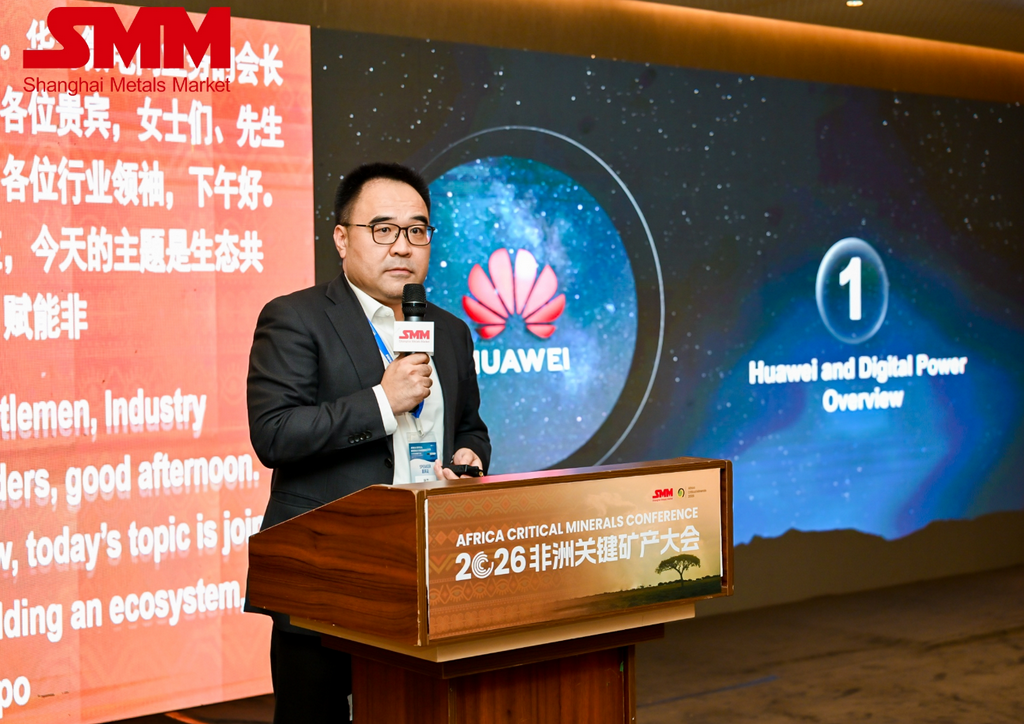
หัวเว่ยเดินหน้าจับมือพันธมิตรเหมืองสีเขียวในแอฟริกา และเจรจาธุรกิจกับ ZESCO ในงาน SMM ACM 2026
23 Sep 2026 16:41 (GMT+8)
![[SMM Analysis] กระแสการค้าทองแดงจากมาตรการภาษีของสหรัฐฯ กำลังแผ่วลง — แต่ยังไม่จบ](https://imgqn.smm.cn/production/admin/votes/imagesMbCUq20260929144044.png)
[SMM Analysis] กระแสการค้าทองแดงจากมาตรการภาษีของสหรัฐฯ กำลังแผ่วลง — แต่ยังไม่จบ
29 Sep 2026 14:37 (GMT+8)
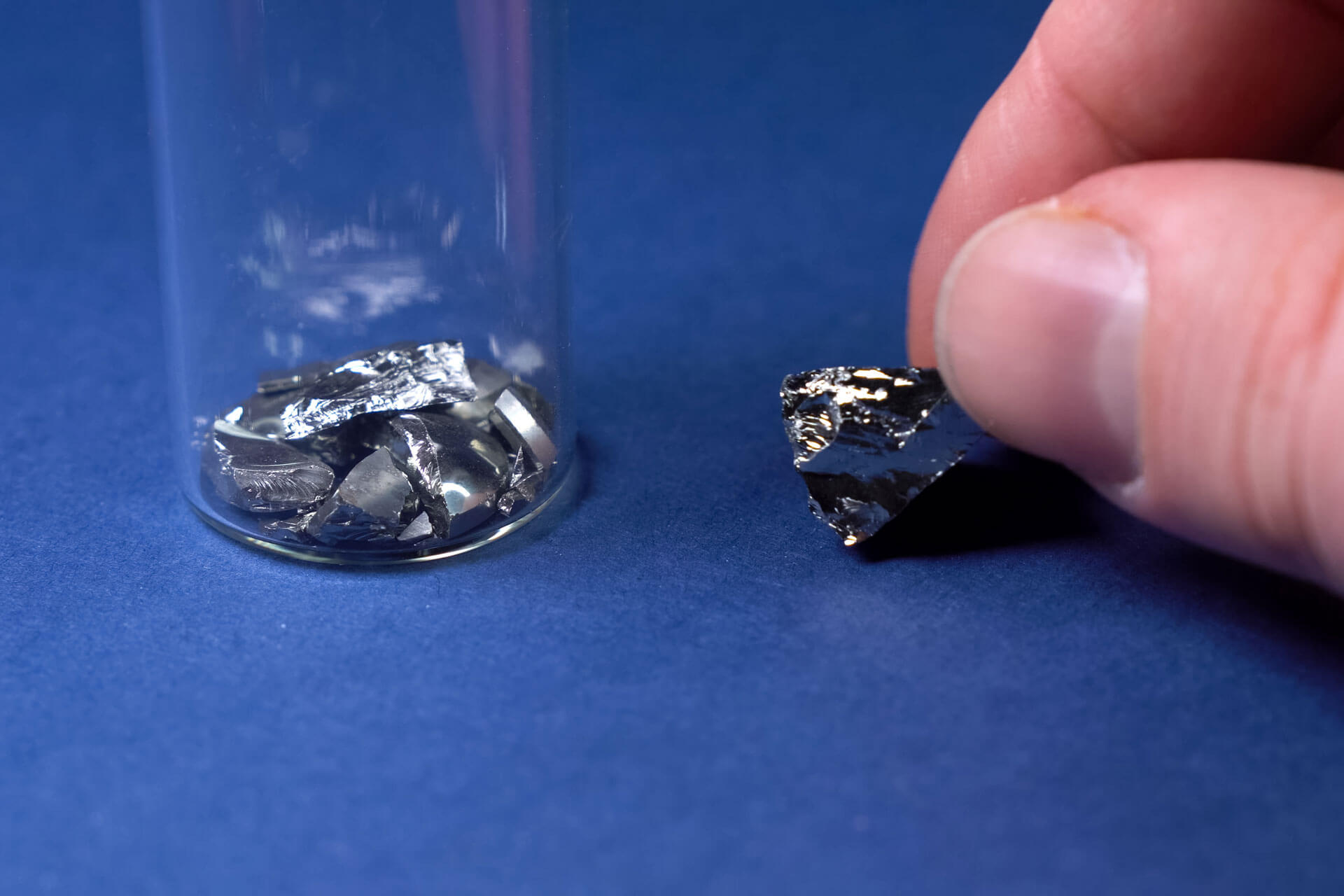
แอฟริกาใต้พร้อมก้าวขึ้นเป็นผู้เล่นสำคัญในห่วงโซ่อุปทานแร่หายากระดับโลกภายในปี 2034【บทวิเคราะห์ SMM】
29 Sep 2026 18:54 (GMT+8)
[บทวิเคราะห์ SMM] การผลักดันการผลิต BESS ของอินเดียเร่งตัวขึ้น แต่การพึ่งพาเซลล์ยังคงเป็นคอขวดสำคัญ
30 Sep 2026 08:50 (GMT+8)
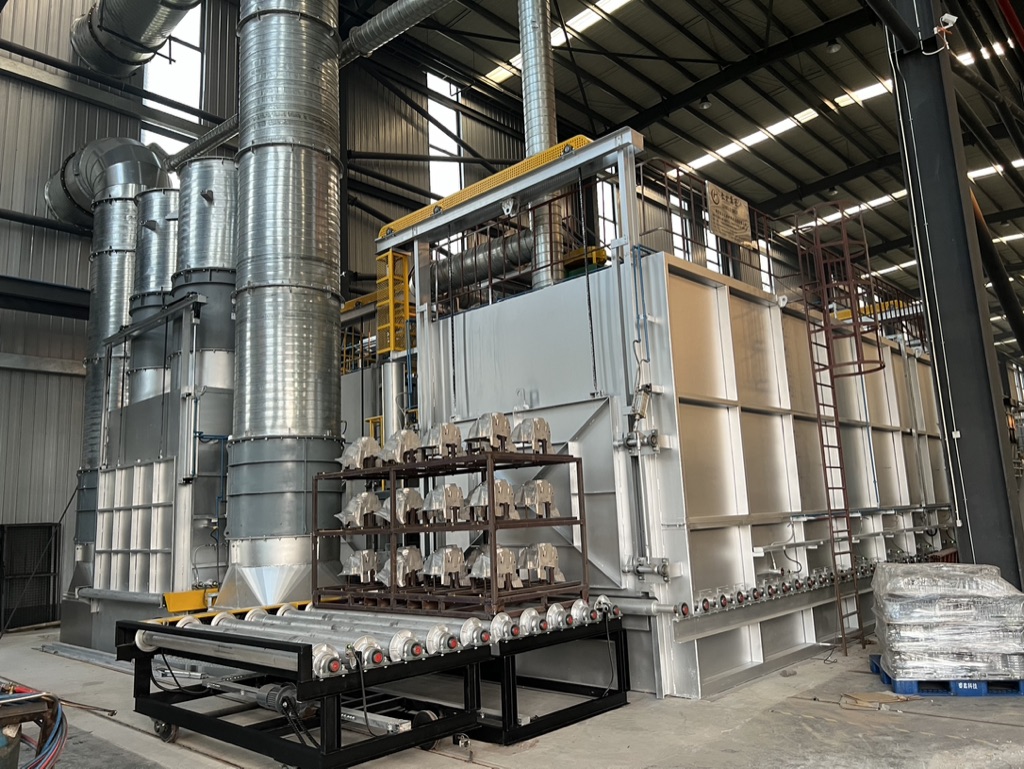
SMM เปิดตัวเครื่องคำนวณ CBAM อะลูมิเนียม: ความหมายของการประมาณต้นทุนสำหรับข้อเสนอที่ส่งไปยังสหภาพยุโรป【บทวิเคราะห์ SMM】
29 Sep 2026 17:32 (GMT+8)
![[SMM Analysis] ทองแดงปฐมภูมิคาร์บอนต่ำเริ่มซื้อขายแยกต่างหาก—มูลค่าสีเขียวของทองแดงรีไซเคิลจะถูกประเมินใหม่หรือไม่?](https://imgqn.smm.cn/usercenter/MXbup20251217171745.jpg)
[SMM Analysis] ทองแดงปฐมภูมิคาร์บอนต่ำเริ่มซื้อขายแยกต่างหาก—มูลค่าสีเขียวของทองแดงรีไซเคิลจะถูกประเมินใหม่หรือไม่?
29 Sep 2026 16:03 (GMT+8)
ข่าวล่าสุด
[บทวิเคราะห์ SMM] แบตเตอรี่โซเดียมไอออนมุ่งเป้า "การพัฒนาอย่างประสานกัน" ขณะการผลิตเชิงอุตสาหกรรมก้าวหน้า
30 Sep 2026 09:55 (GMT+8)
[SMM สรุปการประชุมเช้าโคบอลต์] ความต้องการซื้อก่อนวันหยุดยังคงซบเซา ต้นทุนวัตถุดิบที่ลดลงกดดันราคาตลอดห่วงโซ่อุตสาหกรรม
29 Sep 2026 10:08 (GMT+8)
ประมาณ 3 พันล้านหยวน! โครงการแบตเตอรี่โซเดียมไอออน 12 กิกะวัตต์ชั่วโมงของ China BAK New Energy ลงนามในหนานจิง มณฑลเจียงซู
28 Sep 2026 13:29 (GMT+8)
การกักเก็บพลังงานแบบ “ไฮบริดลิเทียม-โซเดียม” ของเหอเป่ยเริ่มติดตั้งใช้งานเป็นชุด: ระบบกักเก็บพลังงานแบตเตอรี่โซเดียมไอออนเข้าสู่ช่วงการตรวจสอบระดับมณฑล [บทวิเคราะห์ SMM]
23 Sep 2026 16:20 (GMT+8)
NFPP ปะทะ NFS: ใครจะครองตลาดแบตเตอรี่โซเดียมไอออนชนิดพอลิแอนไอออน?
22 Sep 2026 10:12 (GMT+8)
[SMM สรุปการประชุมเช้าโคบอลต์] อุปสงค์ที่อ่อนแอกดดันราคาอุตสาหกรรม ตลาดยังคงปรับฐานในทิศทางอ่อนตัวก่อนวันหยุด
22 Sep 2026 09:45 (GMT+8)
[สรุปการประชุมเช้าโคบอลต์-ลิเธียม SMM] ### ราคาวัตถุดิบทรงตัว ห่วงโซ่อุตสาหกรรมแตกตัว ความรู้สึกรอดูสถานการณ์ก่อนวันหยุดทวีความเข้มข้นขึ้น
22 Sep 2026 09:40 (GMT+8)
เกาหลีใต้เผยแผนงานเทคโนโลยีแบตเตอรี่ หนุนการลงทุนภาคเอกชน 8 ล้านล้านวอน
22 Sep 2026 08:28 (GMT+8)
การนำเข้าและส่งออกแร่ฟอสเฟตพุ่งสูงในเดือนสิงหาคม: ฤดูความต้องการสูงสุดกำลังมาถึงหรือไม่?
21 Sep 2026 14:16 (GMT+8)
[Na-ion: Shenhuo Group เริ่มโครงการฟอยล์แบตเตอรี่โซเดียม 50,000 ตัน/ปี]
20 Sep 2026 18:06 (GMT+8)
"แบตเตอรี่โซเดียมไอออน" ถูกรวมอยู่ในรายการ "เสริมความแข็งแกร่ง" ในช่วงแผนพัฒนา 5 ปี ฉบับที่ 15: หนึ่งนโยบาย สามบัญชี [บทวิเคราะห์ SMM]
18 Sep 2026 09:57 (GMT+8)
[SMM สรุปการประชุมโคบอลต์ช่วงเช้า] อุปสงค์อ่อนแอและต้นทุนที่ลดลงร่วมกันกดดันราคาในห่วงโซ่อุตสาหกรรมให้ซบเซา
18 Sep 2026 09:36 (GMT+8)
NaPF6: "ส่วนผสมสำคัญ" ในอิเล็กโทรไลต์แบตเตอรี่โซเดียมไอออน — แท้จริงแล้วคืออะไร? [บทวิเคราะห์ SMM]
17 Sep 2026 16:24 (GMT+8)
5.34 พันล้านหยวน! ความคืบหน้าใหม่ของโครงการวัสดุแบตเตอรี่โซเดียมไอออน 30,000 ตันต่อปี ในฉางจื้อ มณฑลซานซี
16 Sep 2026 17:23 (GMT+8)
[โซเดียม-ไอออน: หน่วยกักเก็บพลังงานโซเดียม-ไอออนระดับกริดแห่งแรกของ CSG เริ่มเดินเครื่องในหมู่บ้านกลางเมืองเซินเจิ้น]
16 Sep 2026 13:52 (GMT+8)
[SMM สรุปการประชุมเช้าโคบอลต์] ต้นทุนวัตถุดิบอ่อนตัวลง อุปสงค์ซบเซา และศูนย์กลางราคายังคงปรับตัวลดลง
15 Sep 2026 09:55 (GMT+8)
[สรุปการประชุมเช้าโคบอลต์-ลิเธียม SMM] ความแตกต่างของวัตถุดิบทวีความรุนแรงขึ้น อุปสงค์ช่วงพีคไม่สม่ำเสมอ ราคาทรงตัว
11 Sep 2026 09:59 (GMT+8)
[SMM สรุปการประชุมโคบอลต์ช่วงเช้า] อุปสงค์อ่อนแอประกอบกับต้นทุนที่ลดลง ศูนย์กลางราคาในห่วงโซ่อุตสาหกรรมยังคงปรับตัวลดลง
11 Sep 2026 09:55 (GMT+8)
อุตสาหกรรมเคมีฟอสเฟตของโมร็อกโก: ทรัพยากรธรรมชาติ ภาพรวมการส่งออก และการขยายกำลังการผลิต
10 Sep 2026 17:50 (GMT+8)
[Na-ion: HiNa Battery ลงนามสัญญาจัดหา 10GWh ระยะ 5 ปีกับ VOLTA ของเกาหลี]
10 Sep 2026 12:35 (GMT+8)