

ข่าว
บทความวิเคราะห์พิเศษพร้อมข้อมูลตลาดล่าสุด และฟีดข่าวแบบเรียลไทม์
![[บทวิเคราะห์ SMM] การผลักดันการผลิต BESS ของอินเดียเร่งตัวขึ้น แต่การพึ่งพาเซลล์ยังคงเป็นคอขวดสำคัญ](https://imgqn.smm.cn/production/admin/votes/imagesozVHm20260131125121.jpeg)
[บทวิเคราะห์ SMM] การผลักดันการผลิต BESS ของอินเดียเร่งตัวขึ้น แต่การพึ่งพาเซลล์ยังคงเป็นคอขวดสำคัญ
ในไตรมาสแรกของปี 2026 การจัดส่งระบบกักเก็บพลังงานทั่วโลกสูงถึง 100.0 กิกะวัตต์ชั่วโมง เพิ่มขึ้น 96.5% จาก 50.9 กิกะวัตต์ชั่วโมงในช่วงเดียวกันของปี 2025 ส่งผลให้ยอดจัดส่งรายไตรมาสก้าวสู่ระดับใหม่โดยสิ้นเชิง
30 Sep 2026 08:50 (GMT+8)
SMM เปิดตัวเครื่องคำนวณ CBAM อะลูมิเนียม: ความหมายของการประมาณต้นทุนสำหรับข้อเสนอที่ส่งไปยังสหภาพยุโรป【บทวิเคราะห์ SMM】
เมื่อกลไกปรับคาร์บอนก่อนข้ามพรมแดน (CBAM) ของสหภาพยุโรปเข้าสู่ระยะบังคับใช้เต็มรูปแบบ การค้าอะลูมิเนียมกับยุโรปจำเป็นต้องประเมินต้นทุนคาร์บอนควบคู่กับราคาโลหะ ค่าดำเนินการแปรรูป และค่าขนส่ง SMM ได้เปิดตัว เครื่องคำนวณ CBAM สำหรับอะลูมิเนียม ซึ่งรวบรวมรหัสสินค้า แหล่งกำเนิด ข้อมูลการปล่อยก๊าซ และราคาใบรับรอง เพื่อสนับสนุนการเสนอราคาส่งออก การจัดซื้อในยุโรป และการจัดทำงบประมาณภายใน โมดูลอะลูมิเนียมครอบคลุมรหัส CN 58 รายการ และหมวดหมู่แหล่งกำเนิด/ค่าอ้างอิง 68 รายการ ครอบคลุมอะลูมิเนียมยังไม่ขึ้นรูป โปรไฟล์ แผ่น แถบ ฟอยล์ และผลิตภัณฑ์อื่น ๆ มีพารามิเตอร์รายปีสำหรับปี 2026–2030 ผู้ใช้กรอกปริมาณเป็นตัน และเลือกค่าการปล่อยอ้างอิงหรือป้อนค่าการปล่อยจริงที่ผ่านการรับรอง หน้านี้จะแสดงจำนวนใบรับรองโดยประมาณต่อตัน จำนวนใบรับรองรวม ต้นทุนต่อตัน และงบประมาณรวม โดยแยกเส้นทางการผลิตอะลูมิเนียมปฐมภูมิและทุติยภูมิให้สอดคล้องกับฐานข้อมูลที่เกี่ยวข้อง ประโยชน์ในทางปฏิบัติคือสมมติฐานและผลลัพธ์แสดงอยู่ด้วยกัน ผู้ส่งออกสามารถระบุผลิตภัณฑ์ แหล่งกำเนิด ช่วงเวลานำเข้า และฐานการปล่อยก๊าซที่อยู่เบื้องหลังการเสนอราคา ขณะที่ผู้ซื้อสามารถเปรียบเทียบแหล่งที่มาภายใต้เงื่อนไขที่สอดคล้องกัน หน้านี้มีอินเทอร์เฟซภาษาจีนและภาษาอังกฤษ ตารางพารามิเตอร์ และตัวเลือกพิมพ์เอกสารต้นทุน การแบ่งปันต้นทุนที่เกี่ยวข้องระหว่างผู้ซื้อและผู้ขายยังคงเป็นเรื่องตามสัญญา ควรแยกภาระใบรับรองออกจากมูลค่าทางการเงิน ณ วันที่ 29 กันยายน 2026 เครื่องคำนวณใช้ราคาทางการที่ 75.36 ยูโรต่อใบรับรองสำหรับไตรมาส 1 ปี 2026 และ 75.28 ยูโรสำหรับไตรมาส 2 ส่วนราคาไตรมาส 3 ยังไม่ประกาศ ในกรณีที่ไม่มีราคา หน้านี้จะคงการประมาณปริมาณใบรับรองไว้และเว้นช่องต้นทุนว่างไว้ แทนที่จะใช้ราคาสมมติ เวอร์ชันปัจจุบันไม่รวมการหักลดหย่อนภาษีคาร์บอนที่ชำระในต่างประเทศ และการประเมินเกณฑ์การนำเข้าต่อปี การคำนวณการปล่อยจริงสำหรับสินค้าอะลูมิเนียมที่มีความซับซ้อนยังขาดการปรับลดการจัดสรรฟรีที่เกี่ยวข้องกับสารตั้งต้น การวิเคราะห์ด้านล่างจึงใช้การคำนวณค่าอ้างอิงที่ตรวจสอบแล้ว ผลลัพธ์เป็นเพียงประมาณการเชิงพาณิชย์ ไม่ใช่ภาระผูกพันในการส่งมอบใบรับรองตามกฎหมายขั้นสุดท้าย สำหรับการเปรียบเทียบตลาด ผลิตภัณฑ์อะลูมิเนียมชนิดเดียวกันอาจมีต้นทุนโดยประมาณแตกต่างกันอย่างมีนัยสำคัญ ขึ้นอยู่กับค่าอ้างอิงเฉพาะแหล่งกำเนิด พิจารณารหัส CN 76012040—อะลูมิเนียมเจือยังไม่ขึ้นรูปในรูปแบบแท่ง—ด้วยเส้นทางปฐมภูมิ K ราคาใบรับรองไตรมาส 2 ปี 2026 และปริมาณ 1,000 ตัน ต้นทุนโดยประมาณภายใต้กรณีค่าอ้างอิงของจีน อินเดีย และแคนาดา อยู่ที่ 143.98, 50.41 และ 57.86 ยูโรต่อตัน ตามลำดับ ตัวเลขเหล่านี้รวมการปรับเพิ่มค่าอ้างอิงรายปีและการปรับลดการจัดสรรฟรีตามเกณฑ์มาตรฐาน กรณีค่าอ้างอิงของจีนและอินเดียแตกต่างกันประมาณ 93.57 ยูโรต่อตัน การเปรียบเทียบเฉพาะราคาโลหะหรือค่าดำเนินการแปรรูปจึงอาจพลาดความแตกต่างที่มีนัยสำคัญในงบประมาณของผู้ซื้อ หากเงื่อนไขเชิงพาณิชย์อื่น ๆ ใกล้เคียงกัน ต้นทุน CBAM โดยประมาณอาจส่งผลต่อความน่าสนใจของข้อเสนอ อย่างไรก็ตาม นี่ไม่ใช่การจัดอันดับความเข้มข้นของคาร์บอนที่แท้จริงของผู้ผลิต ค่าขนส่ง ภาษีศุลกากร คุณภาพ และเงื่อนไขการส่งมอบก็อยู่นอกเหนือการเปรียบเทียบนี้ ดังนั้นตัวเลขเพียงอย่างเดียวไม่สามารถกำหนดผู้จัดจำหน่ายที่เหมาะสมที่สุดได้ สิ่งนี้ชี้ให้เห็นมูลค่าเชิงพาณิชย์ของเอกสารการปล่อยก๊าซจากผู้จัดจำหน่าย สำหรับผู้ผลิตที่มีการปล่อยจริงต่ำกว่าค่าอ้างอิงที่ใช้บังคับ และมีเอกสารรับรองที่สอดคล้อง ข้อมูลจริงอาจเปลี่ยนแปลงการประเมินต้นทุนของผู้ซื้อ ผู้ซื้อสามารถใช้ค่าอ้างอิงสำหรับงบประมาณเบื้องต้นเมื่อไม่มีเอกสาร จากนั้นประเมินใหม่โดยใช้หลักฐานจากผู้จัดจำหน่าย ผู้ส่งออกจึงมีเหตุผลที่จะเตรียมข้อมูลการปล่อยก๊าซควบคู่กับข้อเสนอผลิตภัณฑ์ แทนที่จะเจรจาเฉพาะความแตกต่างของค่าอ้างอิงรายประเทศ การเปลี่ยนแปลงพารามิเตอร์รายปีก็สมควรได้รับความสนใจ หากคงค่าอ้างอิงพื้นฐาน เส้นทาง และเกณฑ์มาตรฐานของผลิตภัณฑ์จีนไว้เท่าเดิม และสมมติว่าปีนำเข้าและปีรายงานที่เกี่ยวข้องตรงกัน ภาระใบรับรองโดยประมาณจะเพิ่มขึ้นจาก 1.912575 ต่อตันในปี 2026 เป็น 2.248150 ในปี 2027—เพิ่มขึ้นประมาณ 17.5% ซึ่งสะท้อนการปรับเพิ่มค่าอ้างอิงที่สูงขึ้นและการหักลดการจัดสรรฟรีที่น้อยลง ไม่ได้หมายความว่าราคาใบรับรองในอนาคตจะสูงขึ้น สำหรับข้อตกลงการจัดหาที่ครอบคลุมหลายปี บริษัทสามารถเปรียบเทียบภาระใบรับรองก่อน จากนั้นจึงหารือกลไกการปรับราคาและการแบ่งปันต้นทุน แม้ราคาใบรับรองในอนาคตยังไม่ทราบ การระบุภาระใบรับรองและการได้รับเอกสารจากผู้จัดจำหน่ายสามารถปรับปรุงความสามารถในการเปรียบเทียบข้อเสนอและงบประมาณการจัดซื้อได้
29 Sep 2026 17:32 (GMT+8)
[SMM Analysis] ทองแดงปฐมภูมิคาร์บอนต่ำเริ่มซื้อขายแยกต่างหาก—มูลค่าสีเขียวของทองแดงรีไซเคิลจะถูกประเมินใหม่หรือไม่?
[SMM วิเคราะห์: ทองแดงปฐมภูมิคาร์บอนต่ำเริ่มซื้อขายแยกส่วน—มูลค่าสีเขียวของทองแดงรีไซเคิลจะถูกประเมินใหม่หรือไม่?] โครงการนำร่อง EAC ของ BHP และ Amazon แยกการลดการปล่อยก๊าซที่ผ่านการรับรองออกจากการค้าทองแดงทางกายภาพ ทำให้ทองแดงปฐมภูมิที่ปล่อยมลพิษต่ำมีแหล่งมูลค่าทางสิ่งแวดล้อมใหม่ ทองแดงรีไซเคิลยังคงมีความได้เปรียบด้านพลังงานอย่างมาก แต่ความสามารถในการแข่งขันในอนาคตอาจขึ้นอยู่กับการตรวจสอบย้อนกลับ ปริมาณวัสดุรีไซเคิล และข้อมูลคาร์บอนที่ผ่านการรับรองมากขึ้น ซึ่งอาจเพิ่มมิติด้านสิ่งแวดล้อมให้กับการกำหนดราคา
29 Sep 2026 16:03 (GMT+8)
ข่าวล่าสุด
Vedanta Faces $582M Demand from OMC After Court Rejects Bauxite Pricing Plea
6 นาทีที่แล้ว
อินโดนีเซียและชิลีเสนอความร่วมมือแร่สีเขียวเพื่อส่งเสริมความร่วมมือด้านแร่สำคัญและแบตเตอรี่
1 ชั่วโมงที่แล้ว
![[SMM ข่าวด่วน] South32 ปรับข้อเสนอพรีเมียม CIF MJP ไตรมาส 4 ปี 26 เป็น 265 ดอลลาร์สหรัฐ/ตัน](https://imgqn.smm.cn/usercenter/tkWbz20251217171654.jpg)
[SMM ข่าวด่วน] South32 ปรับข้อเสนอพรีเมียม CIF MJP ไตรมาส 4 ปี 26 เป็น 265 ดอลลาร์สหรัฐ/ตัน
02 Oct 2026 10:52 (GMT+8)
อินเดีย ADC 12 ทรงตัวขณะอะลูมิเนียม LME ปรับตัวลง อุปทานเศษโลหะตึงตัวจำกัดขาลง
ราคา ADC 12 ของอินเดียยังคงค่อนข้างทรงตัว แม้ราคาอะลูมิเนียม LME สัญญา 3 เดือนจะปรับตัวลดลง 1.2% ระหว่างวันที่ 24 ถึง 30 กันยายน
01 Oct 2026 17:48 (GMT+8)
ริโอ ทินโต รักษาการดำเนินงานโรงถลุงเบลล์เบย์ถึงสิ้นปี 2574
ริโอ ทินโตประกาศเมื่อวันที่ 1 ตุลาคมว่า บริษัทได้บรรลุข้อตกลงกับรัฐบาลแทสเมเนีย รัฐบาลกลางออสเตรเลีย และไฮโดรแทสเมเนีย เพื่อขยายการจ่ายไฟฟ้าให้แก่โรงถลุงอะลูมิเนียมเบลล์เบย์ไปจนถึงสิ้นปี 2574 รัฐบาลทั้งสองยังจะให้แพ็กเกจสนับสนุนรวม 200 ล้านดอลลาร์ออสเตรเลียเป็นเวลาห้าปี โดยแต่ละฝ่ายสนับสนุนฝ่ายละ 100 ล้านดอลลาร์ออสเตรเลีย เงื่อนไขเชิงพาณิชย์ของข้อตกลงด้านไฟฟ้าไม่ได้รับการเปิดเผย
เบลล์เบย์ผลิตอะลูมิเนียมปฐมภูมิประมาณ 190,000 ตันต่อปี ขณะที่สัญญาไฟฟ้าฉบับปัจจุบันจะหมดอายุลงในช่วงปลายปี 2569 ข้อตกลงนี้ช่วยขจัดความไม่แน่นอนในการดำเนินงานเฉพาะหน้าของโรงถลุง เบลล์เบย์เป็นโรงถลุงอะลูมิเนียมรายใหญ่แห่งที่สามของออสเตรเลียที่ได้รับการสนับสนุนจากรัฐบาลในปี 2569 ต่อจากบอยน์และโทมาโก ซึ่งสะท้อนถึงแรงกดดันต่อเนื่องจากต้นทุนไฟฟ้าที่สูงและการแข่งขันระหว่างประเทศ
01 Oct 2026 17:09 (GMT+8)
คาดว่าการสะสมสต็อกแท่งอะลูมิเนียมในประเทศหลังวันหยุดวันชาติจะอยู่ในระดับปานกลางและควบคุมได้
ช่วงต้นวันหยุดวันชาติ สต็อกแท่งอะลูมิเนียมในประเทศยังคงทำจุดต่ำสุดใหม่ของปีอย่างต่อเนื่อง ตามสถิติของ SMM ณ วันที่ 30 กันยายน สต็อกแท่งอะลูมิเนียมอิเล็กโทรไลต์ในพื้นที่บริโภคหลักของจีนอยู่ที่ 638,000 ตัน ลดลง 36,000 ตันจากวันจันทร์ และลดลง 40,000 ตันจากวันพฤหัสบดีที่แล้ว จังหวะการลดสต็อกก่อนวันหยุดโดยรวมค่อนข้างรวดเร็ว ทำให้มีพื้นที่เพียงพอสำหรับการสะสมสต็อกในช่วงวันหยุด...
30 Sep 2026 22:03 (GMT+8)
การนำเข้าโค้กปิโตรเลียมของจีนพุ่งสูงในเดือนสิงหาคม 2569 สหรัฐฯ ครองตลาด
เมื่อมองไปข้างหน้า แรงหนุนต่อการนำเข้าจากการสต็อกสินค้าล่วงหน้าสำหรับช่วงพีคเดือนกันยายน-ตุลาคมได้เกิดขึ้นแล้ว และด้วยต้นทุนค่าระวางที่สูงขึ้นและอุปทานในประเทศที่ฟื้นตัว การนำเข้าจึงคาดว่าจะชะลอลงในเดือนกันยายน-ตุลาคม
30 Sep 2026 22:03 (GMT+8)
คาดการณ์ว่าส่วนต่างราคาอะลูมิเนียมแท่ง A00 ในจีนตอนใต้จะปรับลดลงจากระดับสูงหลังวันหยุดวันชาติ
ในช่วงสามวันทำการสุดท้ายก่อนวันหยุดวันชาติ ตลาดสปอตภาคใต้ยังคงอ่อนตัว ราคาอะลูมิเนียมปรับลดลงต่อเนื่อง โครงสร้างแบ็กเวอร์เดชันของอะลูมิเนียมในตลาด SHFE แข็งแกร่งขึ้น และพรีเมียมเหนือสัญญาเดือนถัดไปและสัญญาเดือนไกลปรับตัวสูงขึ้นจริง ก่อนวันหยุด แรงจูงใจในการขายทำกำไรที่เบสิสสูงมีมาก และท่ามกลางการลดสต็อกอย่างต่อเนื่อง สินค้าราคาส่วนลดยังคงครองการหมุนเวียนในตลาดสปอต...
30 Sep 2026 21:56 (GMT+8)
อัตราการเดินเครื่องของผู้แปรรูปอะลูมิเนียมลดลงในช่วงวันหยุดวันชาติ เนื่องจากการซ่อมบำรุงและการหยุดผลิต
ได้รับผลกระทบจากการซ่อมบำรุงแบบรวมศูนย์ การหยุดผลิต และการลดกำลังการผลิตในช่วงวันหยุดวันชาติ อัตราการดำเนินงานของผู้แปรรูปอะลูมิเนียมขั้นปลายชั้นนำในจีนลดลง 1.6 จุดเปอร์เซ็นต์เมื่อเทียบรายสัปดาห์ มาอยู่ที่ 60.5% ในสัปดาห์นี้
30 Sep 2026 20:30 (GMT+8)
ท่าเรือหยานไถสร้างสถิติใหม่การขนถ่ายบอกไซต์ด้วยสินค้า 320,000 ตันจากกินี
เร็วๆ นี้ เรือ "เว่ยลี่ อัมบิชัน" บรรทุกแร่บอกไซต์จากกินี 320,000 ตัน ได้เทียบท่าที่เขตท่าเรือตะวันตกของท่าเรือเยียนไถในมณฑลซานตงเพื่อดำเนินการขนถ่ายสินค้า สร้างสถิติใหม่ในการขนถ่ายแร่บอกไซต์ต่อลำของท่าเรือเยียนไถ ระหว่างการปฏิบัติการที่ท่าเรือ ท่าเรือเยียนไถได้จัดทำแผนปฏิบัติการเฉพาะสำหรับเรือลำนี้และเชื่อมโยงกระบวนการธุรกิจทั้งหมดอย่างไร้รอยต่อเพื่อลดเวลาสูญเปล่าที่ไม่เกิดประสิทธิผล ในช่วงไม่กี่ปีที่ผ่านมา ท่าเรือเยียนไถได้สร้างระเบียงโลจิสติกส์สองทางจีน–แอฟริกา โดยเรือสินค้าจะขนถ่ายแร่บอกไซต์จากแอฟริกาที่ท่าเรือ จากนั้นใช้พื้นที่ว่างในการเดินทางขากลับเพื่อขนส่งเครื่องจักร ยานพาหนะ และสิ่งของจำเป็นสำหรับการผลิตและการดำรงชีวิตไปยังแอฟริกา
30 Sep 2026 18:34 (GMT+8)
ยูนนานออกมาตรการสนับสนุนกองทุนห่วงโซ่อุตสาหกรรมหลักและการพัฒนาอุตสาหกรรมรูปแบบใหม่
30 Sep 2026 18:34 (GMT+8)

กินีวางแผนสร้างโรงกลั่นอะลูมินา 5-6 แห่งภายในปี 2030 มุ่งแปรรูปบอกไซต์ในประเทศ
30 Sep 2026 18:34 (GMT+8)

หูเป่ยซินเยว่ อะลูมิเนียม ขยายกำลังการผลิต ตั้งเป้า 300,000 ตันต่อปี ภายในกลางเดือนตุลาคม
30 Sep 2026 18:33 (GMT+8)
หน่วยงานแอลจีเรียออกสัมปทานที่ดินสำหรับศูนย์อะลูมิเนียม ตั้งเป้าสร้างงาน 1,000 ตำแหน่ง
ตามรายงาน สำนักงานส่งเสริมการลงทุนแอลจีเรีย (AAPI) ได้ออกเอกสารสัมปทานที่ดินอย่างเป็นทางการสำหรับศูนย์แปรรูปอะลูมิเนียมครบวงจร ตั้งอยู่ในเขตกิจกรรมอุตสาหกรรมเอลอัช จังหวัดบอร์จบูอาร์เรริดจ์ บนพื้นที่ประมาณ 8 เฮกตาร์ โดยรายงานคาดว่าโครงการนี้จะสร้างงานราว 1,000 ตำแหน่ง
30 Sep 2026 18:33 (GMT+8)
หนานหนิงอวี่เฉียงเดินเครื่องเฟส 2 โครงการฟอยล์เคลือบคาร์บอน 30,000 ตัน หนุนมูลค่าผลผลิตต่อปี
เมื่อวันที่ 28 กันยายน พิธีเปิดเดินเครื่องโครงการระยะที่ 2 ของโครงการฟอยล์ทองแดง-อะลูมิเนียมเคลือบคาร์บอนกำลังการผลิต 30,000 ตันต่อปี ของบริษัท หนานหนิง ยู่เฉียง นิวแมทีเรียลส์ จำกัด ได้จัดขึ้นที่นิคมอุตสาหกรรมนวัตกรรมการลงทุนเขตหยงหนิง โครงการโดยรวมวางแผนก่อสร้างฐานผลิตฟอยล์ทองแดง-อะลูมิเนียมเคลือบคาร์บอนและสารละลายสนับสนุนกำลังการผลิต 30,000 ตันต่อปี คาดว่าจะมีมูลค่าผลผลิตต่อปีมากกว่า 1.2 พันล้านหยวนเมื่อเปิดดำเนินการเต็มรูปแบบ ระยะที่ 2 ที่เปิดเดินเครื่องในครั้งนี้เพิ่มสายการผลิตฟอยล์ทองแดง-อะลูมิเนียมเคลือบคาร์บอนใหม่ 10 สายการผลิต กำลังการผลิตเพิ่ม 13,000 ตัน คาดว่าจะสร้างมูลค่าผลผลิตต่อปีเพิ่มอีก 500 ล้านหยวน
30 Sep 2026 18:33 (GMT+8)
แคว้นอาบายของคาซัคสถานลงนามข้อตกลงโรงงานอะลูมิเนียมและฟาร์มกังหันลมกับกลุ่มบริษัทจีน
เมื่อวันที่ 25 กันยายน ณ ฟอรัมการลงทุนคาซัคสถาน–จีนครั้งแรก รัฐบาลแคว้นอาบายได้ลงนามข้อตกลงความร่วมมือกับกลุ่มบริษัทที่ก่อตั้งโดยบริษัท ซินเจียง ซานเป่า อินดัสเตรียล กรุ๊ป จำกัด และบริษัท อินเนอร์มองโกเลีย ว่านเจียง อินเวสต์เมนต์ จำกัด เพื่อวางแผนและก่อสร้างโรงงานถลุงอะลูมิเนียมด้วยไฟฟ้าและฟาร์มกังหันลมสนับสนุน
30 Sep 2026 18:33 (GMT+8)
โครงการอะลูมิเนียมสมรรถนะสูง 50,000 ตันของกวางสีฉวนกุ้ย เตรียมเปิดดำเนินการในไป่เซ่อภายในเดือนกุมภาพันธ์ 2570
โครงการอะลูมิเนียมโปรไฟล์สมรรถนะสูงกำลังการผลิต 50,000 ตันต่อปี ของบริษัท กว่างซีฉวนกุ้ยอะลูมิเนียม จำกัด ได้เข้าตั้งถิ่นฐานในนิคมซินซาน เขตไฮเทคไป่เซ่อ เมื่อเดือนพฤษภาคม 2569 โดยมีแผนลงทุนก่อสร้างสายการผลิตอะลูมิเนียมโปรไฟล์แรร์เอิร์ธสมรรถนะสูงกำลังการผลิต 50,000 ตันต่อปี เนื้อหาการก่อสร้างหลักประกอบด้วยโรงงานผลิต โรงงานบรรจุภัณฑ์ คลังสินค้าสำเร็จรูป และสิ่งอำนวยความสะดวกสนับสนุน เช่น อาคารนวัตกรรมวิทยาศาสตร์และอาคารอเนกประสงค์ มีพื้นที่ก่อสร้างรวมประมาณ 63,988 ตารางเมตร เงินลงทุนตามแผน 300 ล้านหยวน ปัจจุบันโครงการได้ดำเนินงานเบื้องต้นเสร็จสิ้นแล้ว ทั้งการวางแผนโดยรวม การประเมินพลังงาน และการประเมินผลกระทบสิ่งแวดล้อม ขณะนี้กำลังเร่งก่อสร้างโรงงาน คาดว่าโครงการจะแล้วเสร็จและเริ่มเดินเครื่องผลิตในเดือนกุมภาพันธ์ 2570
30 Sep 2026 18:33 (GMT+8)
ราคาอะลูมิเนียมปรับตัวลง ขณะที่ฝั่งขาขึ้นลดสถานะก่อนช่วงวันหยุด อะลูมิเนียมเผชิญแรงกดดันท่ามกลางความเสี่ยงการสะสมสต็อกหลังวันหยุดและอุปสงค์ที่อ่อนแอ [SMM บทวิเคราะห์อะลูมิเนียมรายสัปดาห์]
[SMM รีวิวราคาอะลูมิเนียมรายสัปดาห์: ฝั่งขาขึ้นลดสถานะก่อนวันหยุด ราคาอะลูมิเนียมปรับตัวลง หลังวันหยุดราคาอะลูมิเนียมเผชิญแรงกดดันท่ามกลางความเสี่ยงสต็อกเพิ่มขึ้นและอุปสงค์อ่อนตัว]
30 Sep 2026 18:30 (GMT+8)
ผลผลิตอะลูมินาเชิงโลหะในต่างประเทศฟื้นตัวขึ้น 2.3% เมื่อเทียบรายเดือนในเดือนกันยายน การลดกำลังการผลิตของออสเตรเลียยังคงดำเนินต่อไปในเดือนตุลาคม
30 Sep 2026 18:26 (GMT+8)
การผลิตอะลูมินาเกรดโลหะในต่างประเทศเดือนกันยายนฟื้นตัวขึ้น 2.3% เมื่อเทียบรายเดือน การลดกำลังการผลิตในออสเตรเลียเดือนตุลาคมยังคงเป็นปัจจัยกระทบ [บทวิเคราะห์ SMM]
30 Sep 2026 18:20 (GMT+8)
![[ประกาศ SMM] ราคาโลหะและข่าวสารตลาดจีนหยุดอัปเดตช่วงวันหยุดวันชาติ (1-7 ต.ค.)](https://imgqn.smm.cn/usercenter/HeIuV20251217171708.jpg)
[ประกาศ SMM] ราคาโลหะและข่าวสารตลาดจีนหยุดอัปเดตช่วงวันหยุดวันชาติ (1-7 ต.ค.)
เรียนผู้ใช้ SMM ที่มีคุณค่า วันหยุดวันชาติใกล้มาถึงแล้ว โปรดทราบว่าการประเมินราคาโลหะในตลาดจีนและข่าวสารของ SMM จะหยุดชั่วคราวในช่วงวันหยุด (1-7 ตุลาคม) และจะกลับมาอัปเดตตามปกติหลังวันหยุด อย่างไรก็ตาม การประเมินราคาต่างประเทศของ SMM จะยังคงอัปเดตตามปกติตลอดช่วงวันหยุด เราขออภัยในความไม่สะดวกที่เกิดขึ้น และขอให้คุณมีความสุขในวันหยุด เซี่ยงไฮ้ เมทัลส์ มาร์เก็ต (SMM)
28 Sep 2026 17:06 (GMT+8)
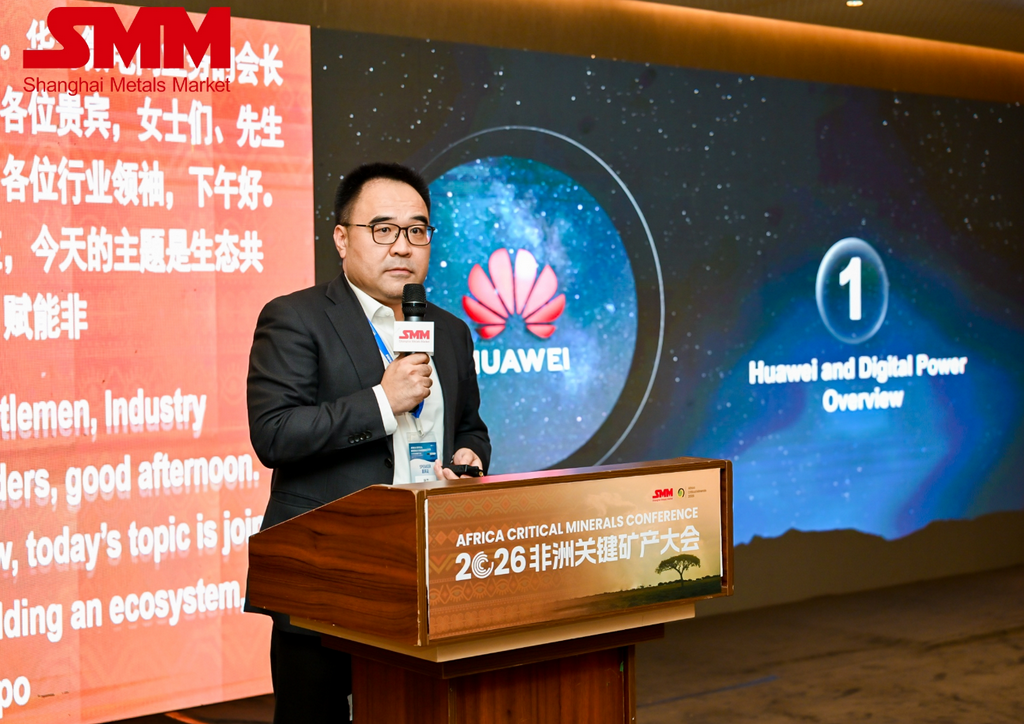
หัวเว่ยเดินหน้าจับมือพันธมิตรเหมืองสีเขียวในแอฟริกา และเจรจาธุรกิจกับ ZESCO ในงาน SMM ACM 2026
23 Sep 2026 16:41 (GMT+8)
![[SMM Analysis] กระแสการค้าทองแดงจากมาตรการภาษีของสหรัฐฯ กำลังแผ่วลง — แต่ยังไม่จบ](https://imgqn.smm.cn/production/admin/votes/imagesMbCUq20260929144044.png)
[SMM Analysis] กระแสการค้าทองแดงจากมาตรการภาษีของสหรัฐฯ กำลังแผ่วลง — แต่ยังไม่จบ
29 Sep 2026 14:37 (GMT+8)
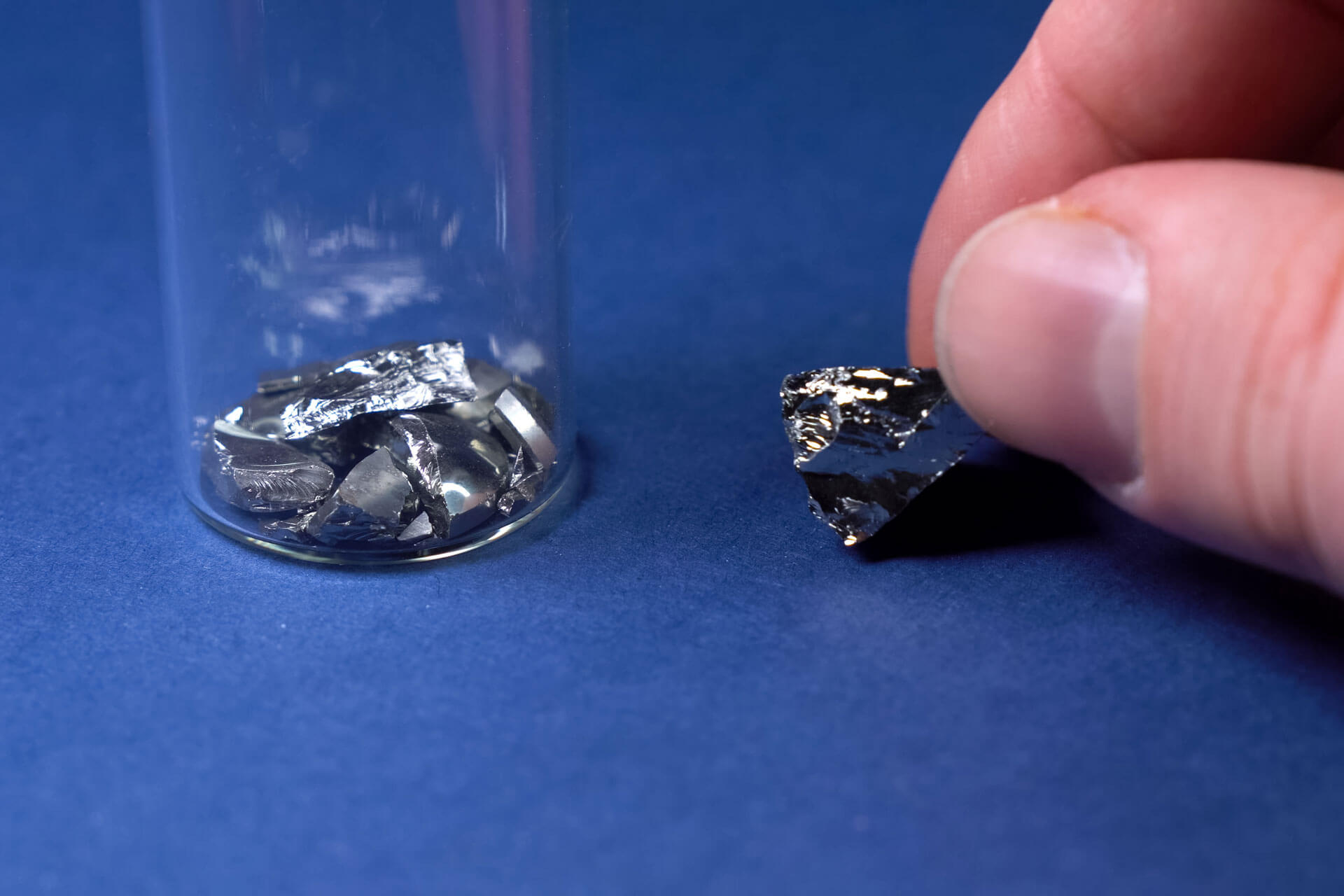
แอฟริกาใต้พร้อมก้าวขึ้นเป็นผู้เล่นสำคัญในห่วงโซ่อุปทานแร่หายากระดับโลกภายในปี 2034【บทวิเคราะห์ SMM】
29 Sep 2026 18:54 (GMT+8)
[บทวิเคราะห์ SMM] การผลักดันการผลิต BESS ของอินเดียเร่งตัวขึ้น แต่การพึ่งพาเซลล์ยังคงเป็นคอขวดสำคัญ
30 Sep 2026 08:50 (GMT+8)
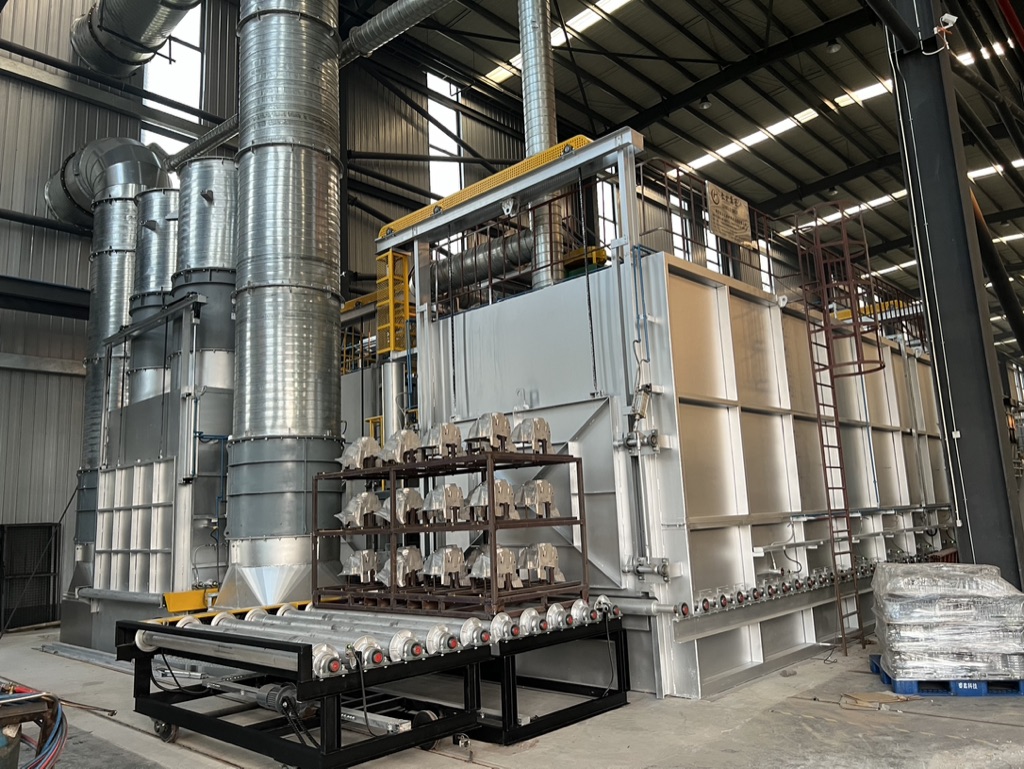
SMM เปิดตัวเครื่องคำนวณ CBAM อะลูมิเนียม: ความหมายของการประมาณต้นทุนสำหรับข้อเสนอที่ส่งไปยังสหภาพยุโรป【บทวิเคราะห์ SMM】
29 Sep 2026 17:32 (GMT+8)
![[SMM Analysis] ทองแดงปฐมภูมิคาร์บอนต่ำเริ่มซื้อขายแยกต่างหาก—มูลค่าสีเขียวของทองแดงรีไซเคิลจะถูกประเมินใหม่หรือไม่?](https://imgqn.smm.cn/usercenter/MXbup20251217171745.jpg)
[SMM Analysis] ทองแดงปฐมภูมิคาร์บอนต่ำเริ่มซื้อขายแยกต่างหาก—มูลค่าสีเขียวของทองแดงรีไซเคิลจะถูกประเมินใหม่หรือไม่?
29 Sep 2026 16:03 (GMT+8)
ข่าวล่าสุด
Vedanta Faces $582M Demand from OMC After Court Rejects Bauxite Pricing Plea
6 นาทีที่แล้ว
อินโดนีเซียและชิลีเสนอความร่วมมือแร่สีเขียวเพื่อส่งเสริมความร่วมมือด้านแร่สำคัญและแบตเตอรี่
1 ชั่วโมงที่แล้ว
[SMM ข่าวด่วน] South32 ปรับข้อเสนอพรีเมียม CIF MJP ไตรมาส 4 ปี 26 เป็น 265 ดอลลาร์สหรัฐ/ตัน
02 Oct 2026 10:52 (GMT+8)
อินเดีย ADC 12 ทรงตัวขณะอะลูมิเนียม LME ปรับตัวลง อุปทานเศษโลหะตึงตัวจำกัดขาลง
01 Oct 2026 17:48 (GMT+8)
ริโอ ทินโต รักษาการดำเนินงานโรงถลุงเบลล์เบย์ถึงสิ้นปี 2574
01 Oct 2026 17:09 (GMT+8)
คาดว่าการสะสมสต็อกแท่งอะลูมิเนียมในประเทศหลังวันหยุดวันชาติจะอยู่ในระดับปานกลางและควบคุมได้
30 Sep 2026 22:03 (GMT+8)
การนำเข้าโค้กปิโตรเลียมของจีนพุ่งสูงในเดือนสิงหาคม 2569 สหรัฐฯ ครองตลาด
30 Sep 2026 22:03 (GMT+8)
คาดการณ์ว่าส่วนต่างราคาอะลูมิเนียมแท่ง A00 ในจีนตอนใต้จะปรับลดลงจากระดับสูงหลังวันหยุดวันชาติ
30 Sep 2026 21:56 (GMT+8)
อัตราการเดินเครื่องของผู้แปรรูปอะลูมิเนียมลดลงในช่วงวันหยุดวันชาติ เนื่องจากการซ่อมบำรุงและการหยุดผลิต
30 Sep 2026 20:30 (GMT+8)
ท่าเรือหยานไถสร้างสถิติใหม่การขนถ่ายบอกไซต์ด้วยสินค้า 320,000 ตันจากกินี
30 Sep 2026 18:34 (GMT+8)
ยูนนานออกมาตรการสนับสนุนกองทุนห่วงโซ่อุตสาหกรรมหลักและการพัฒนาอุตสาหกรรมรูปแบบใหม่
30 Sep 2026 18:34 (GMT+8)
กินีวางแผนสร้างโรงกลั่นอะลูมินา 5-6 แห่งภายในปี 2030 มุ่งแปรรูปบอกไซต์ในประเทศ
30 Sep 2026 18:34 (GMT+8)
หูเป่ยซินเยว่ อะลูมิเนียม ขยายกำลังการผลิต ตั้งเป้า 300,000 ตันต่อปี ภายในกลางเดือนตุลาคม
30 Sep 2026 18:33 (GMT+8)
หน่วยงานแอลจีเรียออกสัมปทานที่ดินสำหรับศูนย์อะลูมิเนียม ตั้งเป้าสร้างงาน 1,000 ตำแหน่ง
30 Sep 2026 18:33 (GMT+8)
หนานหนิงอวี่เฉียงเดินเครื่องเฟส 2 โครงการฟอยล์เคลือบคาร์บอน 30,000 ตัน หนุนมูลค่าผลผลิตต่อปี
30 Sep 2026 18:33 (GMT+8)
แคว้นอาบายของคาซัคสถานลงนามข้อตกลงโรงงานอะลูมิเนียมและฟาร์มกังหันลมกับกลุ่มบริษัทจีน
30 Sep 2026 18:33 (GMT+8)
โครงการอะลูมิเนียมสมรรถนะสูง 50,000 ตันของกวางสีฉวนกุ้ย เตรียมเปิดดำเนินการในไป่เซ่อภายในเดือนกุมภาพันธ์ 2570
30 Sep 2026 18:33 (GMT+8)
ราคาอะลูมิเนียมปรับตัวลง ขณะที่ฝั่งขาขึ้นลดสถานะก่อนช่วงวันหยุด อะลูมิเนียมเผชิญแรงกดดันท่ามกลางความเสี่ยงการสะสมสต็อกหลังวันหยุดและอุปสงค์ที่อ่อนแอ [SMM บทวิเคราะห์อะลูมิเนียมรายสัปดาห์]
30 Sep 2026 18:30 (GMT+8)
ผลผลิตอะลูมินาเชิงโลหะในต่างประเทศฟื้นตัวขึ้น 2.3% เมื่อเทียบรายเดือนในเดือนกันยายน การลดกำลังการผลิตของออสเตรเลียยังคงดำเนินต่อไปในเดือนตุลาคม
30 Sep 2026 18:26 (GMT+8)
การผลิตอะลูมินาเกรดโลหะในต่างประเทศเดือนกันยายนฟื้นตัวขึ้น 2.3% เมื่อเทียบรายเดือน การลดกำลังการผลิตในออสเตรเลียเดือนตุลาคมยังคงเป็นปัจจัยกระทบ [บทวิเคราะห์ SMM]
30 Sep 2026 18:20 (GMT+8)