News

Exclusive analysis article with latest market updates, and in-time news feeds.

2026 SMM Hong Kong Metals Forum | New Metals Cycle: Prices, Power & Global Wrestling
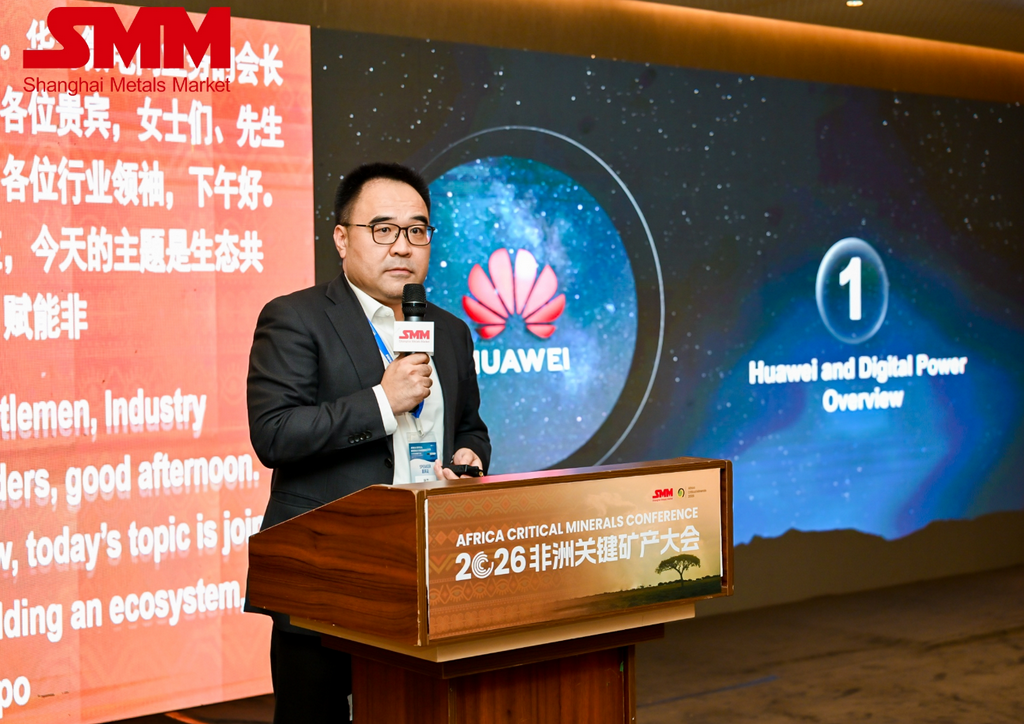
The 2026 SMM Hong Kong Metals Forum , organized by Shanghai Metals Market (SMM) and sponsored by China Securities International as platinum sponsor, wrapped up successfully at Novotel Hong Kong Century on May 6. With over 300 registrations and 200 on-site attendees, the forum focused on the theme "New Metals Cycle: Prices, Power & Global Wrestling". The event featured keynote speeches by industry experts and SMM analysts, covering base metals, new energy materials, and strategic revaluation of minor and precious metals. Two high-level panel sessions were held, exploring hot topics such as geopolitics, supply-demand fluctuations, CBAM impacts, and market opportunities. It also served as an efficient platform for networking and cooperation across entire industry chains. SMM Opening Address SMM Chairman Adam Fan SMM Chairman Adam Fan stated in the opening address that it was a great honor to gather with elites from all sectors of the industry at this forum. The world is currently at a critical development period, and the exchange of industry ideas is not only an industry necessity but also an inevitable requirement for global development. Adam reviewed the century-long legacy of the London Metal Exchange, which has weathered nearly 150 years of global changes and industry evolution, fully demonstrating that although market structures may change, the fundamental need for risk management and reliable price discovery remains constant. At the same time, Adam candidly acknowledged that global markets are currently mired in a pattern of deep fluctuations. Geopolitical conflicts, supply chain fragmentation, and the compounding crises of energy and food, overlaid with de-globalization and rising trade protectionism, have intensified market uncertainty and inflationary pressures, posing severe challenges to global economic growth and industrial cooperation. Against this backdrop, SMM has steadfastly upheld its mission, refusing to be a bystander to the trend of industry fragmentation, and is committed to serving as a bridge for global industrial connectivity amid a landscape of division. SMM is dedicated to promoting dialogue and exchange, breaking down industry and regional barriers, and bringing together regulators, traders, and producers from around the world to discuss industry development. SMM upholds the principle of information transparency, continuously providing accurate, real-time market data to help the industry see through market fog and clarify market distortions. SMM deepens pragmatic cooperation by building a neutral and professional platform for exchange and matchmaking, driving all parties to pursue collaborative development based on shared interests and transcending political differences. Adam emphasized that information sharing and open collaboration would be leveraged to mitigate market risks and strengthen overall industry resilience, and called on the industry to seize the opportunity of this forum to jointly explore solutions, transforming current challenges into momentum for driving integrated and robust development of the global metals industry. Speech by Platinum Sponsor Wang Guangxue, Member of the Executive Committee of China Securities Co., Ltd. and Chairman of China Securities Futures Co., Ltd. Wang stated that as a vital bridge connecting the capital market and the real economy, China Securities has always been committed to serving the high-quality development of the metals industry. Leveraging the comprehensive financial strengths of CITIC Group, the company has built a full-chain integrated service system covering securities, futures, investment, and research. The company has been deeply engaged in the commodities sector, continuously providing forward-looking research to anticipate market trends, utilizing futures instruments to build robust risk barriers, and empowering industrial upgrading through capital services. It will fully leverage CITIC Group's full-license resource advantages and the strategic value of Hong Kong as an international financial center to continuously strengthen its cross-border comprehensive financial services capabilities. The company aims to tailor integrated risk management and asset allocation solutions at home and abroad for enterprises across the metals industry chain, precisely helping enterprises hedge against price fluctuation risks, and enabling them to operate steadily and advance with high quality in complex market environments. Structural Shifts: Rethinking Commodity Benchmarks in an Era of Persistent Inflation and Rivalry Speaker: Tian Yaxiong, Co-Head of R&D Department, China Securities Futures Tian shared professional research findings and cutting-edge market insights on hot topics including the market outlook for global metals and the deep impact of geopolitics on commodity trends. SMM Industry Analysis: Market Outlook and Pre-seminar Sharing for Base Metals and New Energy Materials (Copper, Aluminum, Nickel, Cobalt, Lithium, and Tin) & How SMM Empowers Your Commodity Trading & Analysis Speakers: Dr. Yanchen Wang, Managing Director of SMM Global UK Ltd.; Thomas Feng, Head of Industry Analysis at SMM Dr. Wang first analyzed the macroeconomic landscape. At the beginning of this year, the manufacturing PMIs of major economies performed quite well, actually exceeding 50%. Without the conflict, demand this year would have been quite strong. However, at the end of February, the US-Iran conflict broke out, and the International Monetary Fund subsequently revised down its global economic growth expectations. He pointed out that China's exports remain one of the three pillars that are still functioning well to date. Regarding automobile consumption, he noted that for the EV market, the positive factor for the auto industry also lies in exports. In Q1 this year, export performance was indeed very strong. If you look at EV exports alone, they actually grew nearly 160% YoY. Driven mainly by growth in global markets, he remains optimistic about the auto industry this year. In Europe, gasoline and diesel prices have risen significantly due to the US-Iran conflict, and EV demand is expected to benefit from this factor. He believes the power sector continues to maintain strong growth. Based on power grid and power generation investment data from the first two months, combined with State Grid Corporation of China's earlier announcement that fixed asset investment during the "15th Five-Year Plan" period is expected to reach 4 trillion yuan, this indicates that electricity demand will drive strong growth. State Grid Corporation of China will build more ultra-high voltage transmission projects, which will undoubtedly support aluminum demand and also copper demand. Aluminum: Wang noted that base metal prices experienced wild swings since the beginning of this year. He also discussed that China's aluminum smelters continued to raise operating rates due to favorable profitability; aluminum demand pulled back in Q1, and high prices drove inventory higher; approximately 950,000 mt of new aluminum smelting capacity in Indonesia may come online in 2026, with some investors watching Angola; and aluminum semis and wheel hub exports maintained growth in Q1. Copper: After copper prices experienced a pullback and adjustment in March, downstream procurement demand in China was rapidly released, providing strong support for copper prices to rebound. Copper prices rose sharply, with the market downplaying geopolitical risks. China's copper cathode demand was robust, and inventory continued to decline. China's copper scrap market was not truly facing a spot shortage issue. The outlook for copper cathode demand is positive. China remains dependent on copper concentrate imports. Spot copper concentrate TCs showed no signs of bottoming out. By-product revenue sustained smelter profits. He also analyzed the DRC sulphuric acid market conditions, the expected slowdown in global refined production growth, and how a refined market supply deficit should support higher copper prices. He also mentioned that the AI industry maintained strong development momentum, bringing new growth momentum to copper demand. Tin: He elaborated from the following perspectives: Myanmar tin production — slow recovery, upward trajectory, 2025-2027E; Indonesia tin ore RKAB quotas — expected to ease slightly in 2026; DRC — major mine production remained stable, but the M23 movement added uncertainty; global tin prices — supply determines the floor, macro factors drive fluctuations; the global tin market is expected to maintain a tight balance, with new mining capacity expected to be concentrated for release in 2028. Thomas Feng shared insights on nickel, cobalt, and lithium: emerging from the trough and entering a new cycle. ►New energy demand landscape: from EV popularization to energy storage deployment. First, he reviewed and provided an outlook on the global NEV market: NEV demand no longer maintains a one-sided high-growth trajectory, but instead exhibits characteristics of regional differentiation, structural divergence, and intensifying cyclical volatility; development paces in China, Europe, and the US have shown notable differences; performance trends of BEVs, PHEVs, and commercial vehicles have diverged; and the impact of inventory and price cycles on industry operations is increasing significantly. Second, in his review and outlook of the global energy storage market, he noted that the global energy storage market will remain concentrated in three key regions: China, the US, and Europe. Driven by 2030 climate goals, emerging markets such as the Middle East, Australia, and Southeast Asia are showing strong growth in demand for large-scale energy storage. Benefiting from cost advantages and improved safety performance, LFP battery market share is expected to continue climbing. ►Lithium: Reshaping the Supply-Demand Pattern in a New Cycle Global lithium carbonate market: shifting from overall surplus to structural tightness, with prices in a post-trough reassessment and recovery phase. Lithium hydroxide supply and demand maintained a tight balance: production on the supply side was driven by demand, the market share of ternary power batteries was squeezed, and room for growth was limited. The concentration of lithium resource supply declined, with marginal growth rates slowing down simultaneously. Significant demand growth drove the continued expansion of resource projects. ►Nickel: Navigating Policy Changes and Narrowing Oversupply Indonesia's nickel ore HPM adjustment: aimed at enhancing the economic value of non-nickel resources. The discussion covered scenario analysis of nickel ore prices following the implementation of the new policy, and the impact analysis of nickel ore benchmark price adjustments on MHP full costs. Indonesia's nickel ore RKAB quota: a tight balance is expected to set the tone for 2026. Global primary nickel is expected to remain in persistent oversupply. Regarding the logic behind refined nickel price trends, it was noted that policy and macro factors jointly amplified price fluctuations, while cost support elevated the long-term price floor. ►Cobalt: Shifting from Surplus to Shortage after the DRC Export Ban——Long-Term Uncertainty Remains Following the DRC policy announcement, cobalt product prices in China rose rapidly. However, high prices suppressed downstream demand, putting prices under pressure. Starting from H2 2025, the Chinese market continued destocking. Amid raw material shortages, enterprises began using MHP and recycled materials as production substitutes. MHP and recycling are expected to continue growing rapidly, effectively bridging the cobalt hydroxide gap. Cost pressure transmitted in both directions: LCO doping/ternary substitution restarted, and consumer cobalt demand is expected to decline by 10%. As persistently high cobalt prices suppress demand, if China secures 90% of the DRC quota, supplemented by MHP and recycling supply, inventory buildup could occur as early as 2026. Panel Discussion: Global Metals Market Outlook——Geopolitics Disruption, Macro Cycles and the Return of Commodity Volatility •Copper and Aluminum Price Rise, 2024-2026 •Precious Metals Storm: Silver Swung Wildly, Gold Hit Record Highs — Interest Rate Cycles, Safe-Haven Demand, and Industrial Logic •Precious Metals and Industrial Metals: Are Commodities Entering a New Cycle •Focus on Critical Minerals: Emerging Region Supply Rise and Policy Shifts, Green Transition Co-Shaping a New Narrative •Chinese Market: The 15th Five-Year Plan Moderator: Yanchen Wang, Managing Director, SMM Global UK Ltd. Panelists: Yahong Tian, Co-Head of R&D, CITIC Futures Henry Van, Head of Industrial Metals Analysis, Trafigura Sharon Ding, Head of China Basic Materials, UBS Justin William Hughes, Commodity Derivatives Distribution, Optiver Xie Shaobo, Head of China, Appian Mining Fund & independent non-executive Director, Zijin Gold International Panelists noted aluminum has great upside—its 10% price rise lags its 4%-5% supply contraction (vs. oil’s 60% price surge on 10% supply drop), with valuation recovery incomplete. They were more optimistic about copper demand, driven by real downstream demand rather than speculation; aluminum semis’ upside is underappreciated due to high oil prices. Long-term, copper and gold are key for mining investment, with scarce high-quality copper mines and solid gold fundamentals. They also discussed US tariffs, China’s metal demand resilience and overseas mining investment. Overseas mining success hinges on resource-to-reserve certainty; West Africa, Latin America, DRC and Zambia are new hotspots, while Australian/Canadian listed miners are undervalued. Enterprises must plan prudently based on risk tolerance. Geopolitical conflicts (e.g., Iran) may trigger energy crises, but current inflation control and China’s high metal consumption share weaken demand impact. Long-term, energy crises will boost electrification, expanding copper/aluminum demand. Investment depends on risk appetite and fundamental grasp. SMM Industry Analysis: Strategic Re-valuation of Minor Precious and Minor Metals in 2026 — The Case of Silver and Tungsten Silver: Market Supply-Demand Balance and Macroeconomic Volatility: Evolution and Shift in Industrial Demand, Particularly Driven by the PV Sector Tungsten: Strategic Status Upgrade - Supply Constraints and High-End Demand Driving the 2026 Price Rally Speaker: Juno Zhu, Senior Analyst of Minor and Precious Metals, SMM Juno shared insights on the strategic revaluation of tungsten and silver. Tungsten: Tungsten prices have surged over 500% since 2025; China holds over 50% of global tungsten reserves, contributes nearly 80% of global production, and possesses a complete industrial value chain; China's tungsten supply constraints in 2025: H1 mining quotas declined 6.45% YoY; global new project stagnation: limited capacity expansion in 2026, with ex-China mine development cycles of 3–5 years; domestic tungsten downstream applications: significant growth in cutting tools and PV tungsten wire in 2025; European market: persistent raw material shortages, with Rotterdam tungsten prices surging since February 2025; China's tungsten product exports: transitioning from primary products to deep-processed products; SMM analysis: the tungsten market supply-demand gap is expected to persist but narrow in 2026; prices are expected to consolidate at highs after overheating cools. Silver: Silver price fluctuations in 2026: an unexpected surge from Q4 2025 to Q1 2026, where frenzied investment demand and capital liquidity completely overshadowed the impact of the industrial off-season. Shift in trade dynamics in Q1 2026: SGE-LBMA premiums reversal and a surge in imports. Demand spike in Q1 2026: the PV industry started with a recovery, and an investment boom generated a phased demand peak. PV market outlook: policy shifts in 2026 are expected to curb demand growth, with overall silver consumption remaining stable. Silver demand outlook for 2026: industrial fundamentals provide support, while investment surges serve as a tactical highlight. Silver supply outlook for 2026: mild annual growth and an expanding secondary supply share are expected to drive a tight balance in the market. Market outlook: short-term trends are expected to revert to industrial fundamentals, while the medium and long-term trajectory is expected to fluctuate at highs driven by safe-haven demand. Panel Discussion: Metals in a Fragmented World: Trading Opportunities in the Age of Instability (Physical Trading and Hedging) •Shifting Liquidity Landscape across LME, CME, and SHFE •Shipping Risks and Sanctioned Metals: Implications for LME Inventory Structure •How European CBAM is Reshaping Global Metals Trade Flows •Is the Metals Market Entering an "Era of Geopolitical Risk Premiums" •Internationalization of SHFE & GFEX: Opportunities and Challenges for Global Investors Moderator: Jean Tang, Commercial Director, SMM Panelist: Anant Jatia, Founder and Chief Investment Officer, Greenland Investment Management Bella Yu, General Manager of Marketing Department, Liyang Unilink E-commerce Co., Ltd. David Wilson, Director of Commodity Strategy, BNP Paribas Duncan Hobbs, Research Director, Concord Resources Nicholas Snowdon, Head of Metals and Mining Research, Mercuria Energy Trading SA Sabrina Qian, Director of Geared broking desk, IFCHOR GALBRAITHS Anant Jatia stated: CBAM represents a major policy shift in Europe's metals sector. It is not merely about raising trade costs, but will profoundly reshape global metal trade flows and pricing logic. CBAM officially took effect in January this year, initially covering categories such as steel and aluminum semis, with its core mechanism incorporating carbon emission intensity costs into Europe's metal pricing system. High-carbon-emission producers will need to bear additional carbon allowance costs, significantly weakening their export competitiveness to Europe, while green capacity powered by clean energy will gain a clear advantage in the European market and capture greater market share. Following the policy's implementation, the landed cost of metals in the European market will rise, sustaining a long-term regional premium similar to the aluminum premium structure in the US market. Compared with the market differentiation among LME-registered brands following CBAM's implementation, what deserves more attention are the entirely new market opportunities it creates. By sourcing low-carbon, high-quality materials, market participants can potentially capture green premiums, while the mechanism will also transform metal trading models and the global trade flow landscape. The panelists also discussed the changing liquidity landscape across LME, CME, and SHFE. They noted that liquidity in the commodity market is becoming increasingly fragmented, with copper and other products now tradable across multiple global futures exchanges. Price discovery is no longer concentrated in a single market, and the traditional pattern of one market leading gains and others following has reversed, with multi-exchange rotation driving price movements becoming the norm. Factors such as geopolitical policies and tariff adjustments have given rise to regional pricing divergence, with price movements in some markets increasingly driven by capital flows and sentiment. Policy and geopolitical events have also significantly affected the spread between futures and spot prices of metals, creating opportunities for cross-market arbitrage. Meanwhile, policies related to critical minerals supply security, regional supply shocks, and geopolitical disruptions have widened the dislocation between regional fundamentals and price signals. The metals market has entered a window of structural arbitrage opportunities, and this trend is expected to persist. Cross-market arbitrage continues to provide liquidity support to exchanges, a phenomenon broadly observed across both industrial and precious metals. In addition, the panelists engaged in in-depth discussions on the differences between exchange liquidity and industrial liquidity, as well as factors influencing metal price trends, including fundamentals, geopolitical developments, energy costs, and commodity transportation costs. Opening Remarks for Coffee Break Xu Tao, CEO of CSCI In his address, Xu Tao stated that Hong Kong serves as a vital hub in the global metals pricing and trading system, playing a key role in the aggregation of LME delivery resources and the internationalization of RMB-denominated commodities. Going forward, China Securities International will continue to leverage its role as a bridge for cross-border business, deepen collaboration with CSC Futures, and provide clients at home and abroad with efficient and professional comprehensive financial services in commodities, contributing to a higher level of opening-up of China's financial markets. Networking (Coffee Break) Acknowledgments The 2026 SMM Hong Kong Metals Forum was successfully held with special thanks to the Platinum Sponsor, China Securities International, for its strong support, as well as sincere gratitude to Liyang Unilink E-commerce Co., Ltd. for its significant contribution to the forum. Going forward, China Securities and China Securities International will continue to leverage the unique geographical and resource advantages of Hong Kong as an international financial center, deepen strategic cooperation with authoritative industry platforms such as SMM, and continuously improve the "onshore + offshore" integrated bulk commodity comprehensive service system, precisely empowering enterprises to seize market opportunities and hedge operational risks, contributing professional expertise to advancing the internationalization of China's bulk commodity market and enhancing the industry's global competitiveness. Liyang Unilink E-commerce Co., Ltd. (formerly Wuxi Stainless Steel Electronic Trading Center) has been engaged in new energy materials and critical metals supply chain services for over 20 years. Through its digital platform and offline service network, the company provides upstream and downstream clients with full-process online services including price negotiation, contract signing, contract execution, payment settlement, cargo delivery, processing, quality inspection, and after-sales services. With transparent pricing, 100% fulfillment guarantee, and strict quality control, it has established stable cooperation with over 30,000 industrial clients. In the field of critical strategic metal resources, Unilink has built a supply chain service system covering 14 critical metal varieties including indium, bismuth, nickel, cobalt, and lithium. Spot delivery volumes of indium and bismuth each account for over 90% of China's consumption. For new energy materials, spot delivery volumes of nickel, cobalt, and lithium on Zhonglian Jin's platform account for 30%, 90%, and 20% of China's consumption respectively, while daily sulfur trading volume exceeds 80,000 mt. Unilink implements a service model of "payment upon delivery, cargo pick-up upon payment," effectively shortening delivery cycles, reducing enterprise operating costs, and helping upstream and downstream clients achieve stable and efficient material scheduling. Zhonglian Jin strictly adheres to national industrial policies and resource management requirements, consistently focusing on serving the real economy, fully ensuring the security and smooth operation of bulk commodity supply chains, and promoting efficient resource allocation. It has ranked among China's Top 500 Service Enterprises and China's Top 20 Growing Internet Enterprises for two consecutive years. With that, the 2026 SMM Hong Kong Metals Forum came to a successful conclusion! Thank you for your help and support for this forum~
May 14, 2026 13:22
2026 SMM Hong Kong Metals Forum | New Metals Cycle: Prices, Power & Global Wrestling
What Is Driving the Recent Copper Price Rally, and Which Trading Indicators Should the Market Watch Next?
The recent sharp rise in copper prices has been accompanied by several headline trading themes: the widening LME-COMEX spread, record-low copper concentrate TC, the energy crisis in Peru, repeated uncertainty around the restart pace at Grasberg, and the substitution effect between refined copper and copper scrap in China. At a deeper level, however, these events can all be understood through one central theme: the global emphasis on copper resource security is continuing to rise, and the market is repricing the entire copper value chain. Since 2025, the US has continued to strengthen the strategic importance of copper. In its Section 232 investigation into copper imports, the US explicitly included copper, copper concentrates, refined copper, copper scrap and related derivative products within the scope of national security review, and required an assessment of how US dependence on copper imports may affect national security and industrial resilience. Subsequent policy discussions also proposed that part of the high-quality copper scrap generated in the US should be prioritized for domestic sales. Against this backdrop, the COMEX premium over LME is no longer merely a simple screen-traded spread. It has become a price signal through which the US market attracts globally deliverable refined copper resources. If the LME-COMEX spread continues to widen and becomes sufficient to cover transportation, financing, warehousing, delivery and policy risks, it may attract some freely tradable material to the US market. Although this round of trading is different from 2025, the market is already pricing in a wider spread. While market rumors continue to circulate, the COMEX premium has already reflected the US market’s ability to attract resources. Whether this will truly translate into changes in physical trade flows still depends on LME inventories in the US, COMEX inventories and the ratio of cancelled warrants. If US LME inventories decline, the cancelled warrant ratio rises, and COMEX inventories increase at the same time, it would suggest that material may be moving from the LME system into the COMEX system. In that case, the decline in deliverable LME resources could create room for the LME nearby backwardation structure to strengthen. Once LME shifts from contango into backwardation, the impact will further transmit into the LME-SHFE structure. A stronger LME nearby structure would compress China’s import arbitrage ratio and could even reverse the LME-SHFE spread, passively opening China’s export window. On the one hand, a stronger LME structure would raise smelters’ raw material costs and offshore procurement costs. On the other hand, if China’s domestic import ratio remains weak, exports may be forced to recover in order to repair regional price spreads. Under extreme market conditions, it will be necessary to closely monitor LME time spreads, especially the TOM-NEXT spread. If TOM-NEXT strengthens rapidly, it usually indicates that pressure on nearby deliverable resources is rising, and the market may shift from normal spread trading to pricing the risk of a squeeze. For China, the core logic is to secure raw material supply. Copper concentrate TC has fallen to around -$107 to -$103/mt , indicating that miners still hold strong bargaining power and that smelters’ raw material procurement pressure continues to rise. In the short term, high sulphuric acid prices can still partly offset smelters’ margin losses. However, against the backdrop of China restricting or banning some sulphuric acid exports after May, further upside room for domestic acid prices may be limited. If sulphuric acid prices fall while TC remains deeply negative, smelters’ profit structure will become even more distorted. If this is further combined with a weakening LME-SHFE structure and a deterioration in the import arbitrage ratio, smelters will simultaneously face rising raw material costs, processing fee losses and declining by-product revenue. Another key domestic signal is copper scrap. At present, although China’s refined copper social inventory continues to decline under the weakening substitution effect between refined copper and scrap, the sharp increase in copper scrap inventories is also a reality. Affected by reverse invoicing and the fair competition review regulations, tax costs for copper scrap processors have increased. Scrap with invoices has become scarce and is flowing more toward smelters, reducing the actual amount of scrap available to processors and thereby supporting refined copper consumption. However, this support is not without limits. If copper prices continue to rise, the refined copper-scrap spread widens again, and scrap inventory pressure continues to build, the incentive for scrap to substitute refined copper will strengthen. At that point, refined copper demand may decline sharply under the combined effect of high copper prices suppressing consumption and the recovery of scrap substitution, while China’s destocking pace may slow or even reverse into inventory accumulation. The recent market discussions around Peru’s energy crisis and the delayed recovery pace at Grasberg are more emotional triggers under the broader resource security theme, rather than decisive variables that have already changed the current refined copper balance — in other words, they are more of an excuse for the market. The energy issue in Peru has raised market attention to the stability of energy supply for South American mines. As for Grasberg, Freeport Indonesia previously mentioned that full recovery could be delayed until 2028, but Freeport-McMoRan later stated that it still maintained its plan to restore full production by the end of 2027, showing that there is still a gap between market expectations and the actual impact. These events have not caused severe damage to the global physical refined copper balance in the short term. However, against the backdrop of deeply negative TC, China-US resource competition and widening cross-market spreads, any uncertainty at the mine end will be amplified by the market into a supply security premium. Looking ahead, four groups of indicators deserve close attention. First, the LME-COMEX spread, US LME inventories, COMEX inventories and the cancelled warrant ratio. If the spread widens together with a visible transfer of material from LME to COMEX, there is still upside room for LME nearby backwardation. If US inventories remain high, the spread is more likely to stay at the level of policy and financial pricing. Second, LME time spreads, especially Cash/3M and TOM-NEXT. If TOM-NEXT strengthens abnormally, the market should watch for nearby structure risk. Third, China’s refined copper-scrap spread and copper scrap inventories. If the refined copper-scrap spread widens and scrap flows recover, the support to refined copper consumption will weaken. Fourth, TC, sulphuric acid prices and the LME-SHFE ratio. If TC continues to deteriorate, acid prices fall and the ratio weakens, smelters’ operating pressure will rise significantly. Overall, amid the repricing of copper under resource security competition, a price transmission relationship has emerged across COMEX, LME and SHFE, which is the direct driver behind the recent copper price rally. Under the influence of these indicators, capital flows and physical trade flows may be reshaped again. In this environment, securing supply chain stability and cost safety remains a long and difficult process.
May 13, 2026 19:01
SMM at Cobalt Congress 2026: Presentation Key Takeaways & Co-Locate ESG Forum Updates
On May 12, 2026, Shirley Wang, SMM's Vice President, attended Cobalt Institute's Annual Conference held in Madrid, Spain. At this annual conference, SMM and the Cobalt Institute jointly hosted a sub-forum titled "China's ESG Landscape — Practical Insights for the Cobalt Value Chain ." Shirley delivered a keynote speech in the opening session on the current status and outlook of China's cobalt market, sharing insights on China's cobalt market supply-demand pattern and price trends, with a systematic analysis from three perspectives: supply structure changes, production outlook, and end-use demand. As a member of the Cobalt Institute, SMM has always been committed to working with international cobalt industry organizations, enterprises, and standard setters to build a more efficient and comprehensive cobalt industry value chain and market information system. s one of China's largest non-ferrous metals information service providers, SMM has fully leveraged its global advantages to establish a full-ecosystem value information system centered on China, covering upstream mining (DRC + Indonesia), midstream processing, downstream battery materials and trading, battery cell and battery manufacturing, and end-user new energy and consumer electronics applications. SMM has participated in the Cobalt Institute conference and delivered keynote speeches for three consecutive years. I. Market Supply Analysis 1.1 China's Total Supply and Raw Material Structure Changes Since Q2 last year, the effective supply of crude cobalt hydroxide has declined significantly . In the short term, MHP, black mass, and other raw materials are squeezing the market share of cobalt hydroxide, a trend that warrants continued attention. In terms of the raw material structure of cobalt products, in Q1 this year, cobalt hydroxide accounted for only about 10% of the raw material mix, MHP imports rose to over 15% , and recycled raw materials climbed to over 30% . Specifically, in the raw material composition of cobalt sulphate, the proportion of recycled raw materials increased significantly , with cobalt intermediate products falling to below 40% , and high-cobalt black mass reaching 30% . This structural shift reflects a profound adjustment underway in China's cobalt raw material supply. 1.2 Production Outlook China's recycled cobalt products production was approximately 24,000 mt in 2025, and is expected to approach 30,000 mt in 2026, maintaining a trend of edging up over the medium and long-term. In terms of supply of MHP, production this month was constrained by sulfur shortages , but in the long term, cobalt supply from MHP sources is expected to continue increasing. II. End-Use Demand Analysis 2.1 NEV Market Ternary market share continued to be squeezed by LFP, with overall growth limited. Meanwhile, affected by high cobalt prices and tight supply , cobalt consumption per mt of precursor declined. In Q1 this year, the weighted cobalt consumption per mt of precursor fell below 0.06 mt in metal content . Nevertheless, total cobalt demand from the NEV market continued to grow, but the growth rate was lower than previous expectations . 2.2 3C Products Market The 3C products market also faced significant pressure. Since the end of last year, sharp increases in chip prices drove up 3C product prices. In addition, to cope with cost pressure, some enterprises reduced cobalt usage in cathode materials by blending NCM , and 3C cobalt demand is expected to decline this year . However, in the medium and long-term, cobalt demand from 3C products still has room for growth. III. Price Trends and Outlook Regarding cobalt price trends, theoretical calculations suggest that in Q2 to Q3 2026, concentrated arrivals of previously backlogged cobalt intermediate products at ports will cause the cobalt raw material supply-demand balance to temporarily reverse into an inventory buildup state, putting downward pressure on cobalt prices. However, constrained by inventory levels and market sales pace , available cobalt intermediate products in the market are limited, providing strong support for cobalt prices. Prices are expected to edge up in the coming months, but there is a clear upside ceiling . She also pointed out that raw material inventory levels, other raw material supply (such as MHP, refined cobalt, etc.), and the shipments pace of cobalt intermediate products were the biggest uncertainties affecting price trends.
May 13, 2026 09:50
Vulnerability of DRC copper supply chain under conflict in Middle East
Given the high reliance of the Copperbelt’s mineral processing and logistics on critical consumables supplied via the Middle East, SMM conducted a 17-day field investigation across the Copperbelt to assess the short-term stability of the copper supply chain and the impact of regional infrastructure bottlenecks, engaging with 25 stakeholders in Zambia and DRC and covering the entire value chain, ranging from mining, smelting, refining to downstream logistics and infrastructure investment.
May 13, 2026 17:32
Morgan Stanley sees gold prices climbing to $5,200 despite geopolitical volatility
Published: May 07, 2026 - 2:28 AM Updated: May 07, 2026 - 2:41 AM (Kitco News) - The gold market is seeing some renewed momentum, with prices testing new resistance at $4,700 an ounce. While it still has some way to go to regain key price levels, one investment bank expects prices to eventually move higher. In her latest precious metals note, Amy Gower, Morgan Stanley Research’s Metals & Mining Commodity Strategist at Morgan Stanley, reiterated her call for gold prices to end the year around $5,200 an ounce, up roughly 10% from current prices. Gower added that she is not surprised gold has struggled in recent months despite heightened geopolitical uncertainty from the ongoing war in Iran. “With the conflict triggering an energy supply shock that has reduced hopes for lower U.S. interest rates, it is not surprising that gold has struggled to work as a safe haven this time,” said Amy Gower, Morgan Stanley Research’s Metals & Mining Commodity Strategist. “ Gold ’s sensitivity to monetary policy has taken over as the key price driver. This has overshadowed its safe-haven status and reduced its effectiveness as a hedge against both geopolitical and inflation risks. Gold prices reflect not just the impact of a particular event but, more importantly, the policy response that follows.” High oil prices, driving inflation pressures, are forcing the Federal Reserve to reevaluate its easing policy stance and, as a result, markets have started to price out rate cuts this year. However, Morgan Stanley is still betting on at least one rate cut this year, which will support higher gold prices. “ Gold is likely to remain sensitive to real yields, but we see room for further upside,” Gower said. Morgan Stanley sees one rate cut in January followed by another rate cut in March 2027. “This should benefit gold, with ETF purchasing decisions particularly sensitive to policy signals and gold now realigning with real rates,” Gower said. As indicated by the current market volatility, gold ’s future depends heavily on what happens with the conflict in the Middle East. Overnight, President Donald Trump said that great progress is being made toward a lasting peace agreement. Analysts have said that if the crisis ends soon, the global economy should be able to recover from the current energy supply crisis. However, Gower added that the longer the conflict continues, the greater the risks are for gold. “ Gold prices may suffer if markets begin to anticipate prolonged rate holds or even hikes,” Gower warned. “At the same time, upside in a resolution scenario could be limited, as already elevated prices may constrain demand from ETFs, central banks and consumers.” Source: https://www.kitco.com/news/article/2026-05-06/morgan-stanley-sees-gold-prices-climbing-5200-despite-geopolitical
May 11, 2026 10:38

Latest News

MMi Daily Iron Ore Report (May 15)
Today, the DCE Iron ore futures showed a weak trend today. The most-traded contract I2609 closed at 809.5 yuan/mt, down 0.67% from the previous trading session. Port spot prices fell 2-5 yuan from the previous day. Traders showed moderate enthusiasm in offering quotes; steel mills purchased as needed; overall spot transaction activity was relatively tepid.
3 hours ago
[SMM Daily HRC Trading] Spot Trading Continued Its Weak Trend
[SMM Daily HRC Trading] On May 15, the total daily HRC trading volume of sample enterprises across SMM's four cities (Shanghai, Lecong, Tianjin, and Ningbo) was 13,680 mt, down 830 mt DoD (-5.7%), up 16.13% YoY (solar calendar), and down 15.14% YoY (lunar calendar).
3 hours ago
[SMM Analysis] Sulphuric Acid Determines the Cost Structure of the Manganese Market! Logic Breakdown of Acid Consumption Across All Product Categories and Processes, Intensifying Industry Differentiation
In the manganese-based hydrometallurgy industry chain, sulphuric acid is not merely an ordinary auxiliary material, but rather a core lifeline raw material that runs through the production of all product categories, controls production costs, and influences process selection. Mainstream products such as EMM, various grades of manganese sulphate, and EMD differ vastly in production processes and have entirely distinct acid consumption structures, which also leads to completely stratified sensitivities of various manganese products to sulphuric acid price fluctuations. Every round of change in acid prices transmits from top to bottom, directly reshaping the cost structure and market dynamics of the manganese industry chain.
4 hours ago
[SMM Sheets & Plates Daily Review] Supply-Demand Imbalance Eases, Hot-Rolled Coil Prices Are Still Expected to Strengthen Next Week
4 hours ago
[China Iron Ore Brief] Domestic Iron Ore Concentrates Prices May Show Volatile Movement Next Week
[Domestic Iron Ore Brief] The domestic ore market in western Liaoning recently saw a slight increase driven by the persistently strong external market. The current ex-factory prices of iron ore concentrates with 66% grade on a wet basis and tax-exclusive rose by 5 yuan to 740-745 yuan/mt. Mines and beneficiation plants were affected by environmental protection and safety inspections, and overall iron ore concentrates resources remained tight. Asking prices were relatively firm. Steel mills and traders
4 hours ago
【SMM Steel】Morocco to extend safeguard measure on hot rolled coil imports for three years
【SMM Steel】Morocco's Ministry of Industry and Trade has extended its safeguard measure on HRC imports for three additional years from June 19, 2026, following a sunset review. The additional duty will start at 19% and decrease by one percentage point annually until the measure expires on June 19, 2029. Turkey was not included on the exemption list for developing countries, while South Africa, Argentina, Indonesia, Malaysia, Pakistan, Tunisia, Uruguay, and Venezuela are exempt. Product codes covered include 72.08, 72.11.13, 72.11.14, 72.11.19, 72.25.30, 72.25.40, 72.26.20 series, 72.26.91, and 72.26.99.80.00.
4 hours ago
Slight Pullback in Iron Ore Port Pick-Up Volume Drove Iron Ore Price Correction [SMM Imported Ore Daily Brief]
4 hours ago
【SMM Steel】India-Oman free trade agreement to come into effect on June 1, 2026
【SMM Steel】India's Commerce and Industry Minister Piyush Goyal announced that the India-Oman Comprehensive Economic Partnership Agreement will officially take effect on June 1, 2026. Under the agreement, Oman will grant duty-free access to nearly 98% of Indian exports, covering 99.38% of India's export value to Oman. Goyal also stated that India and Chile are in talks to upgrade their existing trade pact to a Comprehensive Economic Partnership Agreement to further strengthen bilateral economic cooperation and trade ties.
4 hours ago
【SMM Steel】US finally finds no dumping on corrosion-resistant steel products from South Korea
【SMM Steel】The US Department of Commerce announced in its final AD administrative review ruling that certain corrosion-resistant steel products from South Korea were not sold at prices below normal value in the US market during the July 1, 2023 to June 30, 2024 review period. The products are flat-rolled steels coated with zinc, aluminum, or their alloys, in coils or straight lengths. By concluding no dumping occurred, the USDOC confirms these South Korean steel exports complied with fair trade standards. Products covered under numerous HTSUS numbers.
4 hours ago
【SMM Steel】European Energy Exchange updates 2026 EUA auction calendar
【SMM Steel】The European Energy Exchange has published a revised 2026 auction schedule for EU Emission Allowances to align with the amended European Climate Law. Starting June 1, 2026, the calendar incorporates 50 million additional allowances for the Social Climate Fund, of which 10 million units were deducted from volumes previously intended for Member States. Auction totals face potential changes later this year, as Market Stability Reserve operations may affect volumes from September through December, and Recovery and Resilience Facility auctions will end once revenue targets are met. EEX also set the Northern Ireland auction on October 7 at 757,500 EUAs. These adjustments ensure the carbon market reflects current legislative mandates and funding requirements for the upcoming year.
4 hours ago
[SMM Coking Coal and Coke Daily Brief] 20260515
[SMM Coking Coal and Coke Daily Brief] Supply side, coking enterprises maintained relatively active operations, and coke supply edged up. Coking enterprises saw smooth shipments, with their own coke inventory remaining at relatively low levels. Demand side, current steel mill profits were moderate, and steel mills maintained high production enthusiasm. Some steel mills with lower coke inventory urged deliveries, but most steel mills' coke inventory had returned to reasonable levels, with purchasing as needed being the dominant approach. In summary, the coke supply-demand structure maintained a tight balance, and the coke market may hold up well with a generally stable with slight rise trend next week.
5 hours ago
【SMM Steel】Glencore enters EU-Turkey deep-sea ferrous scrap trade, structurally reshaping EAF raw material supply chains
【SMM Steel】Mining and trading giant Glencore is offering a deep-sea ferrous scrap cargo from the EU for June shipment to Turkey via a Baltic-based exporter. The Baltic exporter entered the Turkish market in 2023 but had previously focused on smaller Mediterranean cargoes of 8,000-10,000 tonnes, as Turkish shipments of ~20,000 tonnes require stronger financing and freight management. Glencore has also signed an agreement with Polish transshipment specialist Lebal at Gdansk Port to strengthen export logistics. Turkey imports 18-20 million tonnes of scrap annually as the world's largest ferrous scrap importer. With CBAM implementation and global decarbonisation accelerating, scrap is being repositioned from a secondary by-product into a strategic core metallics input.
5 hours ago
【SMM Steel】Steel demand in Sweden shifts toward steady recovery
【SMM Steel】Demand for finished steel in Sweden is shifting toward steady recovery after years of stagnation, driven by government-backed green transformation, energy/infrastructure investment, and improving macro conditions. Sweden uses a public-private partnership model covering 10-15% of green modernization costs. Industrial power prices in northern Sweden are €30-45/MWh vs EU industrial average ~€95/MWh. Total steel consumption is expected to rise 3% in 2026 to 3.4m tonnes. Flat products are expected to rise 2% supported by auto, defense, and wind power; long products are expected to rise 4.5% driven by construction and infrastructure. Imports account for 75-85% of domestic consumption, with strict low-carbon certification requirements.
5 hours ago
【SMM Steel】Vallourec forecasts temporary slowdown in steel pipe market
【SMM Steel】French steel tube manufacturer Vallourec’s first-quarter 2026 financial results show that, due to logistics disruptions caused by geopolitical conflicts in the Middle East and the postponement of some orders, the company expects a short-term decline in sales and profit margins in the second quarter. Although the group’s revenue fell by 7% year-on-year to 975 million USD, EBITDA actually rose by 2% year-on-year to 220 million USD, with the profit margin increasing to 22.6%, thanks to optimised product mix and pricing strategies. The company identified the North American market as its strongest region in 2026, as US customers plan to increase drilling activities and import volumes continue to contract, both volume and prices are expected to rebound in the third quarter.
5 hours ago
2026 SMM Hong Kong Metals Forum | New Metals Cycle: Prices, Power & Global Wrestling
The 2026 SMM Hong Kong Metals Forum , organized by Shanghai Metals Market (SMM) and sponsored by China Securities International as platinum sponsor, wrapped up successfully at Novotel Hong Kong Century on May 6. With over 300 registrations and 200 on-site attendees, the forum focused on the theme "New Metals Cycle: Prices, Power & Global Wrestling". The event featured keynote speeches by industry experts and SMM analysts, covering base metals, new energy materials, and strategic revaluation of minor and precious metals. Two high-level panel sessions were held, exploring hot topics such as geopolitics, supply-demand fluctuations, CBAM impacts, and market opportunities. It also served as an efficient platform for networking and cooperation across entire industry chains. SMM Opening Address SMM Chairman Adam Fan SMM Chairman Adam Fan stated in the opening address that it was a great honor to gather with elites from all sectors of the industry at this forum. The world is currently at a critical development period, and the exchange of industry ideas is not only an industry necessity but also an inevitable requirement for global development. Adam reviewed the century-long legacy of the London Metal Exchange, which has weathered nearly 150 years of global changes and industry evolution, fully demonstrating that although market structures may change, the fundamental need for risk management and reliable price discovery remains constant. At the same time, Adam candidly acknowledged that global markets are currently mired in a pattern of deep fluctuations. Geopolitical conflicts, supply chain fragmentation, and the compounding crises of energy and food, overlaid with de-globalization and rising trade protectionism, have intensified market uncertainty and inflationary pressures, posing severe challenges to global economic growth and industrial cooperation. Against this backdrop, SMM has steadfastly upheld its mission, refusing to be a bystander to the trend of industry fragmentation, and is committed to serving as a bridge for global industrial connectivity amid a landscape of division. SMM is dedicated to promoting dialogue and exchange, breaking down industry and regional barriers, and bringing together regulators, traders, and producers from around the world to discuss industry development. SMM upholds the principle of information transparency, continuously providing accurate, real-time market data to help the industry see through market fog and clarify market distortions. SMM deepens pragmatic cooperation by building a neutral and professional platform for exchange and matchmaking, driving all parties to pursue collaborative development based on shared interests and transcending political differences. Adam emphasized that information sharing and open collaboration would be leveraged to mitigate market risks and strengthen overall industry resilience, and called on the industry to seize the opportunity of this forum to jointly explore solutions, transforming current challenges into momentum for driving integrated and robust development of the global metals industry. Speech by Platinum Sponsor Wang Guangxue, Member of the Executive Committee of China Securities Co., Ltd. and Chairman of China Securities Futures Co., Ltd. Wang stated that as a vital bridge connecting the capital market and the real economy, China Securities has always been committed to serving the high-quality development of the metals industry. Leveraging the comprehensive financial strengths of CITIC Group, the company has built a full-chain integrated service system covering securities, futures, investment, and research. The company has been deeply engaged in the commodities sector, continuously providing forward-looking research to anticipate market trends, utilizing futures instruments to build robust risk barriers, and empowering industrial upgrading through capital services. It will fully leverage CITIC Group's full-license resource advantages and the strategic value of Hong Kong as an international financial center to continuously strengthen its cross-border comprehensive financial services capabilities. The company aims to tailor integrated risk management and asset allocation solutions at home and abroad for enterprises across the metals industry chain, precisely helping enterprises hedge against price fluctuation risks, and enabling them to operate steadily and advance with high quality in complex market environments. Structural Shifts: Rethinking Commodity Benchmarks in an Era of Persistent Inflation and Rivalry Speaker: Tian Yaxiong, Co-Head of R&D Department, China Securities Futures Tian shared professional research findings and cutting-edge market insights on hot topics including the market outlook for global metals and the deep impact of geopolitics on commodity trends. SMM Industry Analysis: Market Outlook and Pre-seminar Sharing for Base Metals and New Energy Materials (Copper, Aluminum, Nickel, Cobalt, Lithium, and Tin) & How SMM Empowers Your Commodity Trading & Analysis Speakers: Dr. Yanchen Wang, Managing Director of SMM Global UK Ltd.; Thomas Feng, Head of Industry Analysis at SMM Dr. Wang first analyzed the macroeconomic landscape. At the beginning of this year, the manufacturing PMIs of major economies performed quite well, actually exceeding 50%. Without the conflict, demand this year would have been quite strong. However, at the end of February, the US-Iran conflict broke out, and the International Monetary Fund subsequently revised down its global economic growth expectations. He pointed out that China's exports remain one of the three pillars that are still functioning well to date. Regarding automobile consumption, he noted that for the EV market, the positive factor for the auto industry also lies in exports. In Q1 this year, export performance was indeed very strong. If you look at EV exports alone, they actually grew nearly 160% YoY. Driven mainly by growth in global markets, he remains optimistic about the auto industry this year. In Europe, gasoline and diesel prices have risen significantly due to the US-Iran conflict, and EV demand is expected to benefit from this factor. He believes the power sector continues to maintain strong growth. Based on power grid and power generation investment data from the first two months, combined with State Grid Corporation of China's earlier announcement that fixed asset investment during the "15th Five-Year Plan" period is expected to reach 4 trillion yuan, this indicates that electricity demand will drive strong growth. State Grid Corporation of China will build more ultra-high voltage transmission projects, which will undoubtedly support aluminum demand and also copper demand. Aluminum: Wang noted that base metal prices experienced wild swings since the beginning of this year. He also discussed that China's aluminum smelters continued to raise operating rates due to favorable profitability; aluminum demand pulled back in Q1, and high prices drove inventory higher; approximately 950,000 mt of new aluminum smelting capacity in Indonesia may come online in 2026, with some investors watching Angola; and aluminum semis and wheel hub exports maintained growth in Q1. Copper: After copper prices experienced a pullback and adjustment in March, downstream procurement demand in China was rapidly released, providing strong support for copper prices to rebound. Copper prices rose sharply, with the market downplaying geopolitical risks. China's copper cathode demand was robust, and inventory continued to decline. China's copper scrap market was not truly facing a spot shortage issue. The outlook for copper cathode demand is positive. China remains dependent on copper concentrate imports. Spot copper concentrate TCs showed no signs of bottoming out. By-product revenue sustained smelter profits. He also analyzed the DRC sulphuric acid market conditions, the expected slowdown in global refined production growth, and how a refined market supply deficit should support higher copper prices. He also mentioned that the AI industry maintained strong development momentum, bringing new growth momentum to copper demand. Tin: He elaborated from the following perspectives: Myanmar tin production — slow recovery, upward trajectory, 2025-2027E; Indonesia tin ore RKAB quotas — expected to ease slightly in 2026; DRC — major mine production remained stable, but the M23 movement added uncertainty; global tin prices — supply determines the floor, macro factors drive fluctuations; the global tin market is expected to maintain a tight balance, with new mining capacity expected to be concentrated for release in 2028. Thomas Feng shared insights on nickel, cobalt, and lithium: emerging from the trough and entering a new cycle. ►New energy demand landscape: from EV popularization to energy storage deployment. First, he reviewed and provided an outlook on the global NEV market: NEV demand no longer maintains a one-sided high-growth trajectory, but instead exhibits characteristics of regional differentiation, structural divergence, and intensifying cyclical volatility; development paces in China, Europe, and the US have shown notable differences; performance trends of BEVs, PHEVs, and commercial vehicles have diverged; and the impact of inventory and price cycles on industry operations is increasing significantly. Second, in his review and outlook of the global energy storage market, he noted that the global energy storage market will remain concentrated in three key regions: China, the US, and Europe. Driven by 2030 climate goals, emerging markets such as the Middle East, Australia, and Southeast Asia are showing strong growth in demand for large-scale energy storage. Benefiting from cost advantages and improved safety performance, LFP battery market share is expected to continue climbing. ►Lithium: Reshaping the Supply-Demand Pattern in a New Cycle Global lithium carbonate market: shifting from overall surplus to structural tightness, with prices in a post-trough reassessment and recovery phase. Lithium hydroxide supply and demand maintained a tight balance: production on the supply side was driven by demand, the market share of ternary power batteries was squeezed, and room for growth was limited. The concentration of lithium resource supply declined, with marginal growth rates slowing down simultaneously. Significant demand growth drove the continued expansion of resource projects. ►Nickel: Navigating Policy Changes and Narrowing Oversupply Indonesia's nickel ore HPM adjustment: aimed at enhancing the economic value of non-nickel resources. The discussion covered scenario analysis of nickel ore prices following the implementation of the new policy, and the impact analysis of nickel ore benchmark price adjustments on MHP full costs. Indonesia's nickel ore RKAB quota: a tight balance is expected to set the tone for 2026. Global primary nickel is expected to remain in persistent oversupply. Regarding the logic behind refined nickel price trends, it was noted that policy and macro factors jointly amplified price fluctuations, while cost support elevated the long-term price floor. ►Cobalt: Shifting from Surplus to Shortage after the DRC Export Ban——Long-Term Uncertainty Remains Following the DRC policy announcement, cobalt product prices in China rose rapidly. However, high prices suppressed downstream demand, putting prices under pressure. Starting from H2 2025, the Chinese market continued destocking. Amid raw material shortages, enterprises began using MHP and recycled materials as production substitutes. MHP and recycling are expected to continue growing rapidly, effectively bridging the cobalt hydroxide gap. Cost pressure transmitted in both directions: LCO doping/ternary substitution restarted, and consumer cobalt demand is expected to decline by 10%. As persistently high cobalt prices suppress demand, if China secures 90% of the DRC quota, supplemented by MHP and recycling supply, inventory buildup could occur as early as 2026. Panel Discussion: Global Metals Market Outlook——Geopolitics Disruption, Macro Cycles and the Return of Commodity Volatility •Copper and Aluminum Price Rise, 2024-2026 •Precious Metals Storm: Silver Swung Wildly, Gold Hit Record Highs — Interest Rate Cycles, Safe-Haven Demand, and Industrial Logic •Precious Metals and Industrial Metals: Are Commodities Entering a New Cycle •Focus on Critical Minerals: Emerging Region Supply Rise and Policy Shifts, Green Transition Co-Shaping a New Narrative •Chinese Market: The 15th Five-Year Plan Moderator: Yanchen Wang, Managing Director, SMM Global UK Ltd. Panelists: Yahong Tian, Co-Head of R&D, CITIC Futures Henry Van, Head of Industrial Metals Analysis, Trafigura Sharon Ding, Head of China Basic Materials, UBS Justin William Hughes, Commodity Derivatives Distribution, Optiver Xie Shaobo, Head of China, Appian Mining Fund & independent non-executive Director, Zijin Gold International Panelists noted aluminum has great upside—its 10% price rise lags its 4%-5% supply contraction (vs. oil’s 60% price surge on 10% supply drop), with valuation recovery incomplete. They were more optimistic about copper demand, driven by real downstream demand rather than speculation; aluminum semis’ upside is underappreciated due to high oil prices. Long-term, copper and gold are key for mining investment, with scarce high-quality copper mines and solid gold fundamentals. They also discussed US tariffs, China’s metal demand resilience and overseas mining investment. Overseas mining success hinges on resource-to-reserve certainty; West Africa, Latin America, DRC and Zambia are new hotspots, while Australian/Canadian listed miners are undervalued. Enterprises must plan prudently based on risk tolerance. Geopolitical conflicts (e.g., Iran) may trigger energy crises, but current inflation control and China’s high metal consumption share weaken demand impact. Long-term, energy crises will boost electrification, expanding copper/aluminum demand. Investment depends on risk appetite and fundamental grasp. SMM Industry Analysis: Strategic Re-valuation of Minor Precious and Minor Metals in 2026 — The Case of Silver and Tungsten Silver: Market Supply-Demand Balance and Macroeconomic Volatility: Evolution and Shift in Industrial Demand, Particularly Driven by the PV Sector Tungsten: Strategic Status Upgrade - Supply Constraints and High-End Demand Driving the 2026 Price Rally Speaker: Juno Zhu, Senior Analyst of Minor and Precious Metals, SMM Juno shared insights on the strategic revaluation of tungsten and silver. Tungsten: Tungsten prices have surged over 500% since 2025; China holds over 50% of global tungsten reserves, contributes nearly 80% of global production, and possesses a complete industrial value chain; China's tungsten supply constraints in 2025: H1 mining quotas declined 6.45% YoY; global new project stagnation: limited capacity expansion in 2026, with ex-China mine development cycles of 3–5 years; domestic tungsten downstream applications: significant growth in cutting tools and PV tungsten wire in 2025; European market: persistent raw material shortages, with Rotterdam tungsten prices surging since February 2025; China's tungsten product exports: transitioning from primary products to deep-processed products; SMM analysis: the tungsten market supply-demand gap is expected to persist but narrow in 2026; prices are expected to consolidate at highs after overheating cools. Silver: Silver price fluctuations in 2026: an unexpected surge from Q4 2025 to Q1 2026, where frenzied investment demand and capital liquidity completely overshadowed the impact of the industrial off-season. Shift in trade dynamics in Q1 2026: SGE-LBMA premiums reversal and a surge in imports. Demand spike in Q1 2026: the PV industry started with a recovery, and an investment boom generated a phased demand peak. PV market outlook: policy shifts in 2026 are expected to curb demand growth, with overall silver consumption remaining stable. Silver demand outlook for 2026: industrial fundamentals provide support, while investment surges serve as a tactical highlight. Silver supply outlook for 2026: mild annual growth and an expanding secondary supply share are expected to drive a tight balance in the market. Market outlook: short-term trends are expected to revert to industrial fundamentals, while the medium and long-term trajectory is expected to fluctuate at highs driven by safe-haven demand. Panel Discussion: Metals in a Fragmented World: Trading Opportunities in the Age of Instability (Physical Trading and Hedging) •Shifting Liquidity Landscape across LME, CME, and SHFE •Shipping Risks and Sanctioned Metals: Implications for LME Inventory Structure •How European CBAM is Reshaping Global Metals Trade Flows •Is the Metals Market Entering an "Era of Geopolitical Risk Premiums" •Internationalization of SHFE & GFEX: Opportunities and Challenges for Global Investors Moderator: Jean Tang, Commercial Director, SMM Panelist: Anant Jatia, Founder and Chief Investment Officer, Greenland Investment Management Bella Yu, General Manager of Marketing Department, Liyang Unilink E-commerce Co., Ltd. David Wilson, Director of Commodity Strategy, BNP Paribas Duncan Hobbs, Research Director, Concord Resources Nicholas Snowdon, Head of Metals and Mining Research, Mercuria Energy Trading SA Sabrina Qian, Director of Geared broking desk, IFCHOR GALBRAITHS Anant Jatia stated: CBAM represents a major policy shift in Europe's metals sector. It is not merely about raising trade costs, but will profoundly reshape global metal trade flows and pricing logic. CBAM officially took effect in January this year, initially covering categories such as steel and aluminum semis, with its core mechanism incorporating carbon emission intensity costs into Europe's metal pricing system. High-carbon-emission producers will need to bear additional carbon allowance costs, significantly weakening their export competitiveness to Europe, while green capacity powered by clean energy will gain a clear advantage in the European market and capture greater market share. Following the policy's implementation, the landed cost of metals in the European market will rise, sustaining a long-term regional premium similar to the aluminum premium structure in the US market. Compared with the market differentiation among LME-registered brands following CBAM's implementation, what deserves more attention are the entirely new market opportunities it creates. By sourcing low-carbon, high-quality materials, market participants can potentially capture green premiums, while the mechanism will also transform metal trading models and the global trade flow landscape. The panelists also discussed the changing liquidity landscape across LME, CME, and SHFE. They noted that liquidity in the commodity market is becoming increasingly fragmented, with copper and other products now tradable across multiple global futures exchanges. Price discovery is no longer concentrated in a single market, and the traditional pattern of one market leading gains and others following has reversed, with multi-exchange rotation driving price movements becoming the norm. Factors such as geopolitical policies and tariff adjustments have given rise to regional pricing divergence, with price movements in some markets increasingly driven by capital flows and sentiment. Policy and geopolitical events have also significantly affected the spread between futures and spot prices of metals, creating opportunities for cross-market arbitrage. Meanwhile, policies related to critical minerals supply security, regional supply shocks, and geopolitical disruptions have widened the dislocation between regional fundamentals and price signals. The metals market has entered a window of structural arbitrage opportunities, and this trend is expected to persist. Cross-market arbitrage continues to provide liquidity support to exchanges, a phenomenon broadly observed across both industrial and precious metals. In addition, the panelists engaged in in-depth discussions on the differences between exchange liquidity and industrial liquidity, as well as factors influencing metal price trends, including fundamentals, geopolitical developments, energy costs, and commodity transportation costs. Opening Remarks for Coffee Break Xu Tao, CEO of CSCI In his address, Xu Tao stated that Hong Kong serves as a vital hub in the global metals pricing and trading system, playing a key role in the aggregation of LME delivery resources and the internationalization of RMB-denominated commodities. Going forward, China Securities International will continue to leverage its role as a bridge for cross-border business, deepen collaboration with CSC Futures, and provide clients at home and abroad with efficient and professional comprehensive financial services in commodities, contributing to a higher level of opening-up of China's financial markets. Networking (Coffee Break) Acknowledgments The 2026 SMM Hong Kong Metals Forum was successfully held with special thanks to the Platinum Sponsor, China Securities International, for its strong support, as well as sincere gratitude to Liyang Unilink E-commerce Co., Ltd. for its significant contribution to the forum. Going forward, China Securities and China Securities International will continue to leverage the unique geographical and resource advantages of Hong Kong as an international financial center, deepen strategic cooperation with authoritative industry platforms such as SMM, and continuously improve the "onshore + offshore" integrated bulk commodity comprehensive service system, precisely empowering enterprises to seize market opportunities and hedge operational risks, contributing professional expertise to advancing the internationalization of China's bulk commodity market and enhancing the industry's global competitiveness. Liyang Unilink E-commerce Co., Ltd. (formerly Wuxi Stainless Steel Electronic Trading Center) has been engaged in new energy materials and critical metals supply chain services for over 20 years. Through its digital platform and offline service network, the company provides upstream and downstream clients with full-process online services including price negotiation, contract signing, contract execution, payment settlement, cargo delivery, processing, quality inspection, and after-sales services. With transparent pricing, 100% fulfillment guarantee, and strict quality control, it has established stable cooperation with over 30,000 industrial clients. In the field of critical strategic metal resources, Unilink has built a supply chain service system covering 14 critical metal varieties including indium, bismuth, nickel, cobalt, and lithium. Spot delivery volumes of indium and bismuth each account for over 90% of China's consumption. For new energy materials, spot delivery volumes of nickel, cobalt, and lithium on Zhonglian Jin's platform account for 30%, 90%, and 20% of China's consumption respectively, while daily sulfur trading volume exceeds 80,000 mt. Unilink implements a service model of "payment upon delivery, cargo pick-up upon payment," effectively shortening delivery cycles, reducing enterprise operating costs, and helping upstream and downstream clients achieve stable and efficient material scheduling. Zhonglian Jin strictly adheres to national industrial policies and resource management requirements, consistently focusing on serving the real economy, fully ensuring the security and smooth operation of bulk commodity supply chains, and promoting efficient resource allocation. It has ranked among China's Top 500 Service Enterprises and China's Top 20 Growing Internet Enterprises for two consecutive years. With that, the 2026 SMM Hong Kong Metals Forum came to a successful conclusion! Thank you for your help and support for this forum~
May 14, 2026 13:22
What Is Driving the Recent Copper Price Rally, and Which Trading Indicators Should the Market Watch Next?
May 13, 2026 19:01
[SMM Analysis] Reassessing the Logic Behind Sulfur's "Surge" Driving Nickel Prices Higher
[SMM Analysis] Reassessing the Logic Behind Sulfur's "Surge" Driving Nickel Prices Higher
May 11, 2026 16:12
[SMM Analysis] After Sulfur Breaks Through $1,200: How Far Is the Ceiling?
[SMM Analysis] After Sulfur Breaks Through $1,200: How Far Is the Ceiling?
May 13, 2026 13:59
SMM at Cobalt Congress 2026: Presentation Key Takeaways & Co-Locate ESG Forum Updates
May 13, 2026 09:50
Vulnerability of DRC copper supply chain under conflict in Middle East
May 13, 2026 17:32
Morgan Stanley sees gold prices climbing to $5,200 despite geopolitical volatility
May 11, 2026 10:38
Latest News
[SMM Hot Topic] Rebar Base Price "Exists in Name Only," Pricing System Has Completely Changed
3 hours ago
5.15 SMM Global Steel Daily Report
3 hours ago
Ferrous Metals Maintain Fluctuating Trend in the Short Term [SMM Steel Industry Chain Weekly Report]
3 hours ago
MMi Daily Iron Ore Report (May 15)
3 hours ago
[SMM Daily HRC Trading] Spot Trading Continued Its Weak Trend
3 hours ago
[SMM Analysis] Sulphuric Acid Determines the Cost Structure of the Manganese Market! Logic Breakdown of Acid Consumption Across All Product Categories and Processes, Intensifying Industry Differentiation
4 hours ago
[SMM Sheets & Plates Daily Review] Supply-Demand Imbalance Eases, Hot-Rolled Coil Prices Are Still Expected to Strengthen Next Week
4 hours ago
[China Iron Ore Brief] Domestic Iron Ore Concentrates Prices May Show Volatile Movement Next Week
4 hours ago
【SMM Steel】Morocco to extend safeguard measure on hot rolled coil imports for three years
4 hours ago
Slight Pullback in Iron Ore Port Pick-Up Volume Drove Iron Ore Price Correction [SMM Imported Ore Daily Brief]
4 hours ago
Steel Mills' Hot-Rolled Export Schedule Rebounded Significantly in May!
4 hours ago
【SMM Steel】US confirms POSCO receives countervailable subsidies for CTL plate sales
4 hours ago
【SMM Steel】Australian Steel Institute urges protection for local fabricated structural steel industry
4 hours ago
【SMM Steel】India-Oman free trade agreement to come into effect on June 1, 2026
4 hours ago
【SMM Steel】US finally finds no dumping on corrosion-resistant steel products from South Korea
4 hours ago
【SMM Steel】European Energy Exchange updates 2026 EUA auction calendar
4 hours ago
[SMM Coking Coal and Coke Daily Brief] 20260515
5 hours ago
【SMM Steel】Glencore enters EU-Turkey deep-sea ferrous scrap trade, structurally reshaping EAF raw material supply chains
5 hours ago
【SMM Steel】Steel demand in Sweden shifts toward steady recovery
5 hours ago
【SMM Steel】Vallourec forecasts temporary slowdown in steel pipe market
5 hours ago