

ข่าว
บทความวิเคราะห์พิเศษพร้อมข้อมูลตลาดล่าสุด และฟีดข่าวแบบเรียลไทม์
![[บทวิเคราะห์ SMM] การผลักดันการผลิต BESS ของอินเดียเร่งตัวขึ้น แต่การพึ่งพาเซลล์ยังคงเป็นคอขวดสำคัญ](https://imgqn.smm.cn/production/admin/votes/imagesozVHm20260131125121.jpeg)
[บทวิเคราะห์ SMM] การผลักดันการผลิต BESS ของอินเดียเร่งตัวขึ้น แต่การพึ่งพาเซลล์ยังคงเป็นคอขวดสำคัญ
ในไตรมาสแรกของปี 2026 การจัดส่งระบบกักเก็บพลังงานทั่วโลกสูงถึง 100.0 กิกะวัตต์ชั่วโมง เพิ่มขึ้น 96.5% จาก 50.9 กิกะวัตต์ชั่วโมงในช่วงเดียวกันของปี 2025 ส่งผลให้ยอดจัดส่งรายไตรมาสก้าวสู่ระดับใหม่โดยสิ้นเชิง
30 Sep 2026 08:50 (GMT+8)
SMM เปิดตัวเครื่องคำนวณ CBAM อะลูมิเนียม: ความหมายของการประมาณต้นทุนสำหรับข้อเสนอที่ส่งไปยังสหภาพยุโรป【บทวิเคราะห์ SMM】
เมื่อกลไกปรับคาร์บอนก่อนข้ามพรมแดน (CBAM) ของสหภาพยุโรปเข้าสู่ระยะบังคับใช้เต็มรูปแบบ การค้าอะลูมิเนียมกับยุโรปจำเป็นต้องประเมินต้นทุนคาร์บอนควบคู่กับราคาโลหะ ค่าดำเนินการแปรรูป และค่าขนส่ง SMM ได้เปิดตัว เครื่องคำนวณ CBAM สำหรับอะลูมิเนียม ซึ่งรวบรวมรหัสสินค้า แหล่งกำเนิด ข้อมูลการปล่อยก๊าซ และราคาใบรับรอง เพื่อสนับสนุนการเสนอราคาส่งออก การจัดซื้อในยุโรป และการจัดทำงบประมาณภายใน โมดูลอะลูมิเนียมครอบคลุมรหัส CN 58 รายการ และหมวดหมู่แหล่งกำเนิด/ค่าอ้างอิง 68 รายการ ครอบคลุมอะลูมิเนียมยังไม่ขึ้นรูป โปรไฟล์ แผ่น แถบ ฟอยล์ และผลิตภัณฑ์อื่น ๆ มีพารามิเตอร์รายปีสำหรับปี 2026–2030 ผู้ใช้กรอกปริมาณเป็นตัน และเลือกค่าการปล่อยอ้างอิงหรือป้อนค่าการปล่อยจริงที่ผ่านการรับรอง หน้านี้จะแสดงจำนวนใบรับรองโดยประมาณต่อตัน จำนวนใบรับรองรวม ต้นทุนต่อตัน และงบประมาณรวม โดยแยกเส้นทางการผลิตอะลูมิเนียมปฐมภูมิและทุติยภูมิให้สอดคล้องกับฐานข้อมูลที่เกี่ยวข้อง ประโยชน์ในทางปฏิบัติคือสมมติฐานและผลลัพธ์แสดงอยู่ด้วยกัน ผู้ส่งออกสามารถระบุผลิตภัณฑ์ แหล่งกำเนิด ช่วงเวลานำเข้า และฐานการปล่อยก๊าซที่อยู่เบื้องหลังการเสนอราคา ขณะที่ผู้ซื้อสามารถเปรียบเทียบแหล่งที่มาภายใต้เงื่อนไขที่สอดคล้องกัน หน้านี้มีอินเทอร์เฟซภาษาจีนและภาษาอังกฤษ ตารางพารามิเตอร์ และตัวเลือกพิมพ์เอกสารต้นทุน การแบ่งปันต้นทุนที่เกี่ยวข้องระหว่างผู้ซื้อและผู้ขายยังคงเป็นเรื่องตามสัญญา ควรแยกภาระใบรับรองออกจากมูลค่าทางการเงิน ณ วันที่ 29 กันยายน 2026 เครื่องคำนวณใช้ราคาทางการที่ 75.36 ยูโรต่อใบรับรองสำหรับไตรมาส 1 ปี 2026 และ 75.28 ยูโรสำหรับไตรมาส 2 ส่วนราคาไตรมาส 3 ยังไม่ประกาศ ในกรณีที่ไม่มีราคา หน้านี้จะคงการประมาณปริมาณใบรับรองไว้และเว้นช่องต้นทุนว่างไว้ แทนที่จะใช้ราคาสมมติ เวอร์ชันปัจจุบันไม่รวมการหักลดหย่อนภาษีคาร์บอนที่ชำระในต่างประเทศ และการประเมินเกณฑ์การนำเข้าต่อปี การคำนวณการปล่อยจริงสำหรับสินค้าอะลูมิเนียมที่มีความซับซ้อนยังขาดการปรับลดการจัดสรรฟรีที่เกี่ยวข้องกับสารตั้งต้น การวิเคราะห์ด้านล่างจึงใช้การคำนวณค่าอ้างอิงที่ตรวจสอบแล้ว ผลลัพธ์เป็นเพียงประมาณการเชิงพาณิชย์ ไม่ใช่ภาระผูกพันในการส่งมอบใบรับรองตามกฎหมายขั้นสุดท้าย สำหรับการเปรียบเทียบตลาด ผลิตภัณฑ์อะลูมิเนียมชนิดเดียวกันอาจมีต้นทุนโดยประมาณแตกต่างกันอย่างมีนัยสำคัญ ขึ้นอยู่กับค่าอ้างอิงเฉพาะแหล่งกำเนิด พิจารณารหัส CN 76012040—อะลูมิเนียมเจือยังไม่ขึ้นรูปในรูปแบบแท่ง—ด้วยเส้นทางปฐมภูมิ K ราคาใบรับรองไตรมาส 2 ปี 2026 และปริมาณ 1,000 ตัน ต้นทุนโดยประมาณภายใต้กรณีค่าอ้างอิงของจีน อินเดีย และแคนาดา อยู่ที่ 143.98, 50.41 และ 57.86 ยูโรต่อตัน ตามลำดับ ตัวเลขเหล่านี้รวมการปรับเพิ่มค่าอ้างอิงรายปีและการปรับลดการจัดสรรฟรีตามเกณฑ์มาตรฐาน กรณีค่าอ้างอิงของจีนและอินเดียแตกต่างกันประมาณ 93.57 ยูโรต่อตัน การเปรียบเทียบเฉพาะราคาโลหะหรือค่าดำเนินการแปรรูปจึงอาจพลาดความแตกต่างที่มีนัยสำคัญในงบประมาณของผู้ซื้อ หากเงื่อนไขเชิงพาณิชย์อื่น ๆ ใกล้เคียงกัน ต้นทุน CBAM โดยประมาณอาจส่งผลต่อความน่าสนใจของข้อเสนอ อย่างไรก็ตาม นี่ไม่ใช่การจัดอันดับความเข้มข้นของคาร์บอนที่แท้จริงของผู้ผลิต ค่าขนส่ง ภาษีศุลกากร คุณภาพ และเงื่อนไขการส่งมอบก็อยู่นอกเหนือการเปรียบเทียบนี้ ดังนั้นตัวเลขเพียงอย่างเดียวไม่สามารถกำหนดผู้จัดจำหน่ายที่เหมาะสมที่สุดได้ สิ่งนี้ชี้ให้เห็นมูลค่าเชิงพาณิชย์ของเอกสารการปล่อยก๊าซจากผู้จัดจำหน่าย สำหรับผู้ผลิตที่มีการปล่อยจริงต่ำกว่าค่าอ้างอิงที่ใช้บังคับ และมีเอกสารรับรองที่สอดคล้อง ข้อมูลจริงอาจเปลี่ยนแปลงการประเมินต้นทุนของผู้ซื้อ ผู้ซื้อสามารถใช้ค่าอ้างอิงสำหรับงบประมาณเบื้องต้นเมื่อไม่มีเอกสาร จากนั้นประเมินใหม่โดยใช้หลักฐานจากผู้จัดจำหน่าย ผู้ส่งออกจึงมีเหตุผลที่จะเตรียมข้อมูลการปล่อยก๊าซควบคู่กับข้อเสนอผลิตภัณฑ์ แทนที่จะเจรจาเฉพาะความแตกต่างของค่าอ้างอิงรายประเทศ การเปลี่ยนแปลงพารามิเตอร์รายปีก็สมควรได้รับความสนใจ หากคงค่าอ้างอิงพื้นฐาน เส้นทาง และเกณฑ์มาตรฐานของผลิตภัณฑ์จีนไว้เท่าเดิม และสมมติว่าปีนำเข้าและปีรายงานที่เกี่ยวข้องตรงกัน ภาระใบรับรองโดยประมาณจะเพิ่มขึ้นจาก 1.912575 ต่อตันในปี 2026 เป็น 2.248150 ในปี 2027—เพิ่มขึ้นประมาณ 17.5% ซึ่งสะท้อนการปรับเพิ่มค่าอ้างอิงที่สูงขึ้นและการหักลดการจัดสรรฟรีที่น้อยลง ไม่ได้หมายความว่าราคาใบรับรองในอนาคตจะสูงขึ้น สำหรับข้อตกลงการจัดหาที่ครอบคลุมหลายปี บริษัทสามารถเปรียบเทียบภาระใบรับรองก่อน จากนั้นจึงหารือกลไกการปรับราคาและการแบ่งปันต้นทุน แม้ราคาใบรับรองในอนาคตยังไม่ทราบ การระบุภาระใบรับรองและการได้รับเอกสารจากผู้จัดจำหน่ายสามารถปรับปรุงความสามารถในการเปรียบเทียบข้อเสนอและงบประมาณการจัดซื้อได้
29 Sep 2026 17:32 (GMT+8)
[SMM Analysis] ทองแดงปฐมภูมิคาร์บอนต่ำเริ่มซื้อขายแยกต่างหาก—มูลค่าสีเขียวของทองแดงรีไซเคิลจะถูกประเมินใหม่หรือไม่?
[SMM วิเคราะห์: ทองแดงปฐมภูมิคาร์บอนต่ำเริ่มซื้อขายแยกส่วน—มูลค่าสีเขียวของทองแดงรีไซเคิลจะถูกประเมินใหม่หรือไม่?] โครงการนำร่อง EAC ของ BHP และ Amazon แยกการลดการปล่อยก๊าซที่ผ่านการรับรองออกจากการค้าทองแดงทางกายภาพ ทำให้ทองแดงปฐมภูมิที่ปล่อยมลพิษต่ำมีแหล่งมูลค่าทางสิ่งแวดล้อมใหม่ ทองแดงรีไซเคิลยังคงมีความได้เปรียบด้านพลังงานอย่างมาก แต่ความสามารถในการแข่งขันในอนาคตอาจขึ้นอยู่กับการตรวจสอบย้อนกลับ ปริมาณวัสดุรีไซเคิล และข้อมูลคาร์บอนที่ผ่านการรับรองมากขึ้น ซึ่งอาจเพิ่มมิติด้านสิ่งแวดล้อมให้กับการกำหนดราคา
29 Sep 2026 16:03 (GMT+8)
ข่าวล่าสุด
![[SMM PV Flash] ROX เปิดตัวแพลตฟอร์มกักเก็บพลังงาน Gulf สำหรับสหรัฐอาหรับเอมิเรตส์และโอมาน](https://imgqn.smm.cn/usercenter/HKFoG20251217171742.jpg)
[SMM PV Flash] ROX เปิดตัวแพลตฟอร์มกักเก็บพลังงาน Gulf สำหรับสหรัฐอาหรับเอมิเรตส์และโอมาน
7 ชั่วโมงที่แล้ว
![[SMM PV Flash] ออสเตรเลียเพิ่มโซลาร์รูฟท็อป 1.89 กิกะวัตต์ และแบตเตอรี่บ้าน 276,000 เครื่อง ในครึ่งแรกของปี 2026](https://imgqn.smm.cn/usercenter/qQwIB20251217171741.jpg)
[SMM PV Flash] ออสเตรเลียเพิ่มโซลาร์รูฟท็อป 1.89 กิกะวัตต์ และแบตเตอรี่บ้าน 276,000 เครื่อง ในครึ่งแรกของปี 2026
7 ชั่วโมงที่แล้ว
![[SMM PV Flash] แผงโซลาร์สำหรับที่อยู่อาศัยที่ผลิตในสหรัฐฯ ของ Heliene ได้รับข้อตกลงซื้อจาก Sunrun](https://imgqn.smm.cn/usercenter/rnXTf20251217171741.jpg)
[SMM PV Flash] แผงโซลาร์สำหรับที่อยู่อาศัยที่ผลิตในสหรัฐฯ ของ Heliene ได้รับข้อตกลงซื้อจาก Sunrun
7 ชั่วโมงที่แล้ว
[SMM PV Flash] Forsa เข้าซื้อโครงการโซลาร์พร้อมก่อสร้างในสหราชอาณาจักรขนาด 59.3 เมกะวัตต์พีค
ฟอร์ซา เอเนอร์จี ผู้ผลิตไฟฟ้าอิสระจากสหราชอาณาจักร ได้เข้าซื้อโครงการโซลาร์ฟาร์มวอร์มัลด์ กรีน ขนาด 59.3 เมกะวัตต์พีค ในนอร์ทยอร์กเชียร์ ในขั้นพร้อมก่อสร้าง โครงการนี้พัฒนาโดยฮาร์โมนี เอเนอร์จี คาดว่าจะปิดดีลทางการเงินและเริ่มก่อสร้างในไตรมาสที่ 4 ปี 2026 โดยมีเป้าหมายเปิดดำเนินการเชิงพาณิชย์ในไตรมาสที่ 4 ปี 2027 สินทรัพย์นี้จะกลายเป็นโครงการโซลาร์พร้อมก่อสร้างโครงการแรกในแผนการก่อสร้างระยะใกล้ของฟอร์ซา และช่วยเสริมพอร์ตโฟลิโอการผลิตไฟฟ้าที่มีอยู่ รวมถึงแผนพัฒนาแบตเตอรี่ประมาณ 260 เมกะวัตต์ ขณะที่รายละเอียดเงื่อนไขธุรกรรมไม่มีการเปิดเผย
7 ชั่วโมงที่แล้ว
[SMM PV Flash] พอร์ตโฟลิโอ BESS ขนาด 300 เมกะวัตต์/1.2 กิกะวัตต์ชั่วโมงของโปแลนด์ ได้รับเงินสนับสนุน 500 ล้านซลอตี
Northland Power ได้ปิดการจัดหาเงินทุนโครงการประมาณ 500 ล้านซลอตีสำหรับโครงการแบตเตอรี่ Mieczysławów และ Kamionka ในโปแลนด์ ซึ่งมีขนาด 200 เมกะวัตต์/800 เมกะวัตต์ชั่วโมง และ 100 เมกะวัตต์/400 เมกะวัตต์ชั่วโมง ตามลำดับ ทั้งสองโครงการยังได้รับเงินช่วยเหลือประมาณ 280 ล้านซลอตี มีต้นทุนเงินทุนรวมโดยประมาณประมาณ 1 พันล้านซลอตี และจะได้รับรายได้ส่วนหนึ่งผ่านสัญญาประมูลกำลังผลิตที่ผูกกับดัชนีเงินเฟ้อระยะเวลา 17 ปี Kamionka และ Mieczysławów ยังอยู่ระหว่างการก่อสร้าง และคาดว่าจะเริ่มดำเนินการเชิงพาณิชย์ในช่วงต้นปี 2028 และกลางปี 2028 ตามลำดับ ซึ่งหมายความว่าการจัดหาเงินทุนนี้ทำให้โครงสร้างเงินทุนของโครงการสมบูรณ์ แทนที่จะเป็นการเริ่มดำเนินการเชิงพาณิชย์
7 ชั่วโมงที่แล้ว
[SMM PV Flash] SolSource ระดมทุน 300 ล้านดอลลาร์สหรัฐ เพื่อขยายการจัดหาเงินทุนสำหรับโซลาร์และระบบกักเก็บพลังงานที่อยู่อาศัยในสหรัฐฯ
แพลตฟอร์มการเงินโซลาร์และระบบกักเก็บพลังงานสำหรับที่อยู่อาศัยในสหรัฐฯ SolSource ปิดวงเงินสินเชื่อภาษีและสินเชื่อคลังสินค้าใหม่ 300 ล้านดอลลาร์สหรัฐ เพื่อขยายข้อเสนอ Propel เงินทุนนี้สนับสนุนการเข้าสู่ตลาดคอนเนตทิคัต อิลลินอยส์ แมสซาชูเซตส์ โอไฮโอ ออริกอน โรดไอแลนด์ และวอชิงตัน ทำให้แพลตฟอร์มครอบคลุม 13 รัฐ พร้อมแผนขยายตลาดเพิ่มเติมในไตรมาสที่สี่ Propel ช่วยให้เจ้าของบ้านชำระล่วงหน้าสัญญาพลังงานระยะยาวด้วยเงินสดหรือสินเชื่อผ่อนชำระคงที่ หมายความว่าธุรกรรมนี้ขยายขีดความสามารถทางการเงินระดับแพลตฟอร์ม แทนที่จะระดมทุนให้สินทรัพย์ผลิตไฟฟ้าเพียงแห่งเดียว
7 ชั่วโมงที่แล้ว
[SMM PV Flash] เอเนลเสร็จสิ้นการเข้าซื้อพอร์ตโซลาร์ที่เปิดดำเนินการในสหรัฐฯ ขนาด 270 เมกะวัตต์ มูลค่า 140 ล้านดอลลาร์สหรัฐ
เอนเนลได้เสร็จสิ้นการเข้าซื้อโรงไฟฟ้าพลังงานแสงอาทิตย์ที่เปิดดำเนินการแล้วในสหรัฐฯ จำนวน 7 แห่ง กำลังการผลิตรวมประมาณ 270 เมกะวัตต์ดีซี มูลค่าประมาณ 140 ล้านดอลลาร์สหรัฐ ผ่านบริษัทย่อยด้านพลังงานหมุนเวียนในอเมริกาเหนือ พอร์ตโฟลิโอดังกล่าวผลิตไฟฟ้าประมาณ 0.4 เทระวัตต์ชั่วโมงต่อปี และคาดว่าจะสร้าง EBITDA ปกติประมาณ 20 ล้านดอลลาร์สหรัฐต่อปี ขณะที่ผลกระทบต่อหนี้สินทางการเงินสุทธิของกลุ่มอยู่ที่ประมาณ 180 ล้านดอลลาร์สหรัฐ รวมถึงหนี้สินที่เกี่ยวข้องกับสัญญาเช่า การปิดดีลครั้งนี้ทำให้ข้อตกลงที่ลงนามเมื่อเดือนพฤษภาคม 2026 เสร็จสมบูรณ์ และเป็นการเพิ่มสินทรัพย์ที่เปิดดำเนินการแล้วประเภทบราวน์ฟิลด์ แทนที่จะเป็นโครงการระยะพัฒนาที่มีความเสี่ยงด้านใบอนุญาต การก่อสร้าง และการเชื่อมต่อระบบโครงข่ายไฟฟ้า
7 ชั่วโมงที่แล้ว
[SMM PV Flash] แคลิฟอร์เนียลงนามกฎหมาย VPP และโซลาร์แบบเสียบปลั๊ก แต่คัดค้านการปฏิรูปโซลาร์ชุมชน
ผู้ว่าการรัฐแคลิฟอร์เนียลงนามในกฎหมาย SB 913, SB 905 และ SB 868 เมื่อวันที่ 30 กันยายน เปิดช่องทางใหม่ให้โซลาร์แบบรวมกลุ่มของลูกค้า แบตเตอรี่ และยานยนต์ไฟฟ้าเข้าร่วมในความเพียงพอของทรัพยากรและการวางแผนโครงข่ายไฟฟ้า พร้อมทั้งปรับปรุงข้อมูลระบบจำหน่ายและการประเมินสมรรถนะ กฎหมาย SB 868 ให้การยกเว้นการเชื่อมต่อระบบสำหรับระบบโซลาร์แบบพกพาเสียบปลั๊กที่ผ่านการรับรองขนาดไม่เกิน 1,200 วัตต์กระแสสลับ โดยคาดว่าจะเริ่มบังคับใช้ตั้งแต่วันที่ 1 มกราคม 2027 และกรอบการยกเว้นปัจจุบันมีกำหนดสิ้นสุดวันที่ 1 มกราคม 2030 ผู้ว่าการรัฐยังได้วีโต้ร่างกฎหมาย AB 1813 แยกต่างหาก ทำให้ข้อเสนอกรอบการสมัครสมาชิกพลังงานหมุนเวียนชุมชนระดับรัฐไม่ได้รับการอนุมัติ แม้ว่าโรงไฟฟ้าเสมือนและโซลาร์แบบเสียบปลั๊กจะได้รับการสนับสนุนเชิงนโยบายที่ชัดเจนขึ้นก็ตาม
7 ชั่วโมงที่แล้ว
[SMM PV Flash] ผู้ผลิตชิ้นส่วนโซลาร์เซลล์อินเดีย Vishakha Renewables ยื่น IPO ระดมทุน 12.5 พันล้านรูปี
Vishakha Renewables ผู้ผลิตชิ้นส่วนโซลาร์เซลล์แสงอาทิตย์ของอินเดีย ได้ยื่นเอกสารร่างต่อคณะกรรมการกำกับหลักทรัพย์และตลาดหลักทรัพย์แห่งอินเดีย (SEBI) เพื่อเสนอขายหุ้นแก่ประชาชนทั่วไปเป็นครั้งแรก (IPO) โดยมีเป้าหมายระดมทุน 12.5 พันล้านรูปีอินเดีย (ประมาณ 149 ล้านดอลลาร์สหรัฐ) ผ่านการออกหุ้นใหม่ เงินสุทธิที่ได้จะนำไปใช้ชำระหนี้และขยายสายการผลิตชิ้นส่วนโซลาร์เซลล์เป็นหลัก รวมถึงกระจกโซลาร์และวัสดุห่อหุ้ม การเคลื่อนไหวนี้สะท้อนให้เห็นว่าห่วงโซ่อุปทานโซลาร์เซลล์ในประเทศของอินเดียกำลังเร่งเข้าถึงตลาดทุนเพื่อขยายขนาด ควบคู่ไปกับกำลังการผลิตโมดูลในประเทศที่เติบโตขึ้น
02 Oct 2026 11:35 (GMT+8)
[SMM PV Flash] ร่างกฎหมายปฏิรูปการอนุญาตด้านพลังงานของสหรัฐฯ จุดกระแสตอบรับที่หลากหลายจากภาคพลังงานสะอาด
ร่างกฎหมายสองพรรคที่มุ่งเร่งกระบวนการอนุญาตสำหรับโครงการพลังงานได้รับการเสนอเข้าสู่วุฒิสภาสหรัฐฯ เมื่อไม่นานนี้ ร่างกฎหมายเสนอให้เร่งการอนุมัติและการทบทวนด้านสิ่งแวดล้อมสำหรับโครงการพลังงานและสายส่งไฟฟ้า แม้ว่ามาตรการนี้คาดว่าจะช่วยลดปัญหาคิวรอเชื่อมต่อระบบได้อย่างมาก แต่บทบัญญัติประนีประนอมบางส่วนได้สร้างความกังวลในภาคพลังงานสะอาด การบังคับใช้การปฏิรูปนี้ในขั้นสุดท้ายจะส่งผลโดยตรงต่อความเร็วในการติดตั้งระบบโซลาร์เซลล์และระบบกักเก็บพลังงานในระยะกลางถึงระยะยาวทั่วสหรัฐฯ
02 Oct 2026 11:35 (GMT+8)
[SMM PV Flash] เกาหลีใต้เตรียมปรับปรุงโครงข่ายไฟฟ้าแห่งชาติครั้งใหญ่ ตั้งเป้าบูรณาการพลังงานหมุนเวียนกว่า 100 กิกะวัตต์
02 Oct 2026 11:35 (GMT+8)
![[SMM PV Flash] สมาชิกวุฒิสภาสหรัฐฯ เสนอกฎหมายปฏิรูปการอนุญาตสองพรรคสำหรับโครงการโครงข่ายไฟฟ้าและพลังงาน](https://imgqn.smm.cn/usercenter/jests20251217171741.jpg)
[SMM PV Flash] สมาชิกวุฒิสภาสหรัฐฯ เสนอกฎหมายปฏิรูปการอนุญาตสองพรรคสำหรับโครงการโครงข่ายไฟฟ้าและพลังงาน
02 Oct 2026 11:34 (GMT+8)
![[SMM PV Flash] รัฐมหาราษฏระเสนอข้อบังคับติดตั้งระบบกักเก็บพลังงานสำหรับการเชื่อมต่อโครงข่ายพลังงานหมุนเวียนใหม่](https://imgqn.smm.cn/usercenter/GHTIQ20251217171741.jpg)
[SMM PV Flash] รัฐมหาราษฏระเสนอข้อบังคับติดตั้งระบบกักเก็บพลังงานสำหรับการเชื่อมต่อโครงข่ายพลังงานหมุนเวียนใหม่
02 Oct 2026 11:34 (GMT+8)
[SMM PV Flash] อินเดียเปิดประมูลระบบกักเก็บพลังงานแบตเตอรี่แบบสแตนด์อโลน 800 เมกะวัตต์/3.2 กิกะวัตต์ชั่วโมง
บริษัทพลังงานแสงอาทิตย์แห่งอินเดียออกประกวดราคา SECI-ESS-IV เมื่อวันที่ 1 ตุลาคม สำหรับระบบกักเก็บพลังงานแบบแบตเตอรี่ชนิดสแตนด์อโลนขนาด 800 เมกะวัตต์/3,200 เมกะวัตต์ชั่วโมง เทียบเท่าการจ่ายไฟต่อเนื่อง 4 ชั่วโมง โดยผู้ชนะจะพิจารณาผ่านการประมูลย้อนกลับทางอิเล็กทรอนิกส์ การจัดซื้อครั้งนี้มีวัตถุประสงค์เพื่อจ่ายไฟฟ้าสำรองตามความต้องการ และนับเป็นอีกก้าวหนึ่งของอินเดียในการทำสัญญาจัดหาแบตเตอรี่ขนาดใหญ่ที่จ่ายไฟได้ยาวนานขึ้น กำหนดประชุมชี้แจงก่อนยื่นข้อเสนอในวันที่ 7 ตุลาคม ปิดรับข้อเสนอออนไลน์วันที่ 30 ตุลาคม และเปิดซองข้อเสนอด้านเทคนิคในวันที่ 4 พฤศจิกายน
02 Oct 2026 11:33 (GMT+8)
[SMM PV Flash] Maxwell Power ระดมทุน 800 ล้านดอลลาร์สหรัฐ สำหรับโซลาร์และระบบกักเก็บพลังงานแบบกระจายศูนย์
บริษัทพลังงานแบบกระจายศูนย์สัญชาติสหรัฐฯ Maxwell Power ได้รับคำมั่นลงทุนเพิ่มอีก 800 ล้านดอลลาร์สหรัฐจาก Fairtide Partners เพื่อเข้าซื้อสินทรัพย์ระบบกักเก็บพลังงานด้วยแบตเตอรี่และพลังงานแสงอาทิตย์สำหรับที่อยู่อาศัยและธุรกิจขนาดเล็ก พร้อมขยายรูปแบบบริการพลังงานระยะยาวสู่ตลาดใหม่ เมื่อรวมกับคำมั่น 250 ล้านดอลลาร์สหรัฐในปี 2024 และ 750 ล้านดอลลาร์สหรัฐในเดือนมิถุนายน 2026 แล้ว ยอดคำมั่นรวมของ Fairtide ที่มีต่อแพลตฟอร์มนี้อยู่ที่ 1.8 พันล้านดอลลาร์สหรัฐ ธุรกรรมนี้เป็นเงินทุนสำหรับแพลตฟอร์มและการซื้อสินทรัพย์ มิใช่การจัดหาเงินทุนสำหรับโครงการเดียว ซึ่งตอกย้ำความสนใจต่อเนื่องของนักลงทุนสถาบันที่มีต่อพอร์ตโฟลิโอพลังงานแสงอาทิตย์ควบคู่ระบบกักเก็บแบบกระจายศูนย์
02 Oct 2026 11:33 (GMT+8)
[SMM PV Flash] CleanChoice ระดมทุน 166 ล้านดอลลาร์สหรัฐสำหรับโครงการโซลาร์ 2 แห่งในสหรัฐฯ
CleanChoice Energy ปิดการจัดหาเงินทุนสำหรับการก่อสร้างและส่วนทุนทางภาษีประมาณ 166 ล้านดอลลาร์สหรัฐ สำหรับโครงการ Dolan ในนิวยอร์กและโครงการ Kylertown ในเพนซิลเวเนีย ประกอบด้วยวงเงินก่อสร้าง 105 ล้านดอลลาร์สหรัฐ และส่วนทุนทางภาษีประมาณ 61 ล้านดอลลาร์สหรัฐ ทั้งสองโครงการมีกำลังการผลิตรวมประมาณ 55 เมกะวัตต์ดีซี แบ่งเป็นประมาณ 27 เมกะวัตต์ดีซีและ 28 เมกะวัตต์ดีซี คาดว่าจะเปิดดำเนินการเชิงพาณิชย์ในปี 2027 และจ่ายไฟฟ้าเทียบเท่าบ้านเรือนประมาณ 10,000 หลังคาเรือน การปิดดีลครั้งนี้ช่วยยืนยันโครงสร้างเงินทุนหลักของโครงการ แม้ทั้งสองสินทรัพย์ยังต้องก่อสร้างและเชื่อมต่อระบบโครงข่ายไฟฟ้าให้แล้วเสร็จก่อนเริ่มดำเนินการ
02 Oct 2026 11:33 (GMT+8)
[SMM PV Flash] Alight เข้าซื้อพอร์ตโฟลิโอโครงการพลังงานแสงอาทิตย์ในสวีเดนขนาด 2 กิกะวัตต์
Alight ได้เข้าซื้อโครงการพัฒนาพลังงานแสงอาทิตย์ระดับสาธารณูปโภคจำนวน 40 โครงการทางตอนใต้ของสวีเดนจาก Soltech Energy Solutions คิดเป็นกำลังการผลิตตามแผนประมาณ 2 กิกะวัตต์ โดยพื้นที่ส่วนใหญ่ได้รับการพิจารณาว่าเหมาะสมสำหรับการติดตั้งระบบกักเก็บพลังงานด้วยแบตเตอรี่ร่วมด้วย โครงการเหล่านี้กระจุกตัวอยู่ในโซนราคา SE3 และ SE4 ของสวีเดน และธุรกรรมเสร็จสมบูรณ์หลังได้รับการอนุมัติจากหน่วยงานกำกับดูแล ส่งผลให้พอร์ตโฟลิโอโครงการพลังงานแสงอาทิตย์และระบบกักเก็บพลังงานในกลุ่มนอร์ดิกของ Alight เพิ่มขึ้นเกิน 5 กิกะวัตต์ สินทรัพย์ส่วนใหญ่ยังคงอยู่ในขั้นตอนการพัฒนา โดยไม่มีการเปิดเผยเงื่อนไขของธุรกรรม และการสร้างมูลค่าในอนาคตจะขึ้นอยู่กับการขอใบอนุญาต การเข้าถึงโครงข่ายไฟฟ้า การจัดหาเงินทุน และการก่อสร้าง
02 Oct 2026 11:33 (GMT+8)
[SMM PV Flash] โครงการพลังงานแสงอาทิตย์ชิกิมูลียา 75.2 เมกะวัตต์สูงสุดในกัวเตมาลา ได้รับเงินทุน 36 ล้านดอลลาร์สหรัฐ
ค็อกซ์ได้รับเงินกู้ร่วมอาวุโส 36 ล้านดอลลาร์สหรัฐสำหรับโครงการพลังงานแสงอาทิตย์ชิกีมูลิยา ขนาด 75.2 เมกะวัตต์สูงสุด ในจังหวัดซานตาโรซา ประเทศกัวเตมาลา ซึ่งมีแผนพัฒนาเป็นสองเฟส โครงการนี้มีสัญญาซื้อขายไฟฟ้าระยะ 15 ปีกับ EEGSA และ DEOCSA ผ่านกรอบการจัดซื้อไฟฟ้าของประเทศ และคาดว่าจะผลิตไฟฟ้าได้ประมาณ 167.6 กิกะวัตต์ชั่วโมงต่อปี เทียบเท่ากับการใช้ไฟฟ้าของครัวเรือนประมาณ 200,000 ครัวเรือน เงินกู้ดังกล่าวเป็นทุนก่อสร้างและสะท้อนว่าสินทรัพย์พลังงานแสงอาทิตย์ที่มีสัญญาผูกพันในอเมริกากลางยังคงดึงดูดผู้ให้กู้ทั้งระดับพหุภาคีและระดับภูมิภาค
02 Oct 2026 11:33 (GMT+8)
[SMM PV Flash] โครงการโซลาร์คาฟูเอ 56 เมกะวัตต์สูงสุดของแซมเบียบรรลุข้อตกลงทางการเงิน
Globeleq บรรลุข้อตกลงทางการเงินสำหรับโครงการพลังงานแสงอาทิตย์คาฟูเอ ใกล้เมืองคาฟูเอ ในจังหวัดลูซากา ประเทศแซมเบีย กำลังการผลิต 40 เมกะวัตต์กระแสสลับ และ 56 เมกะวัตต์สูงสุด FMO และ British International Investment ร่วมลงทุน 52.1 ล้านดอลลาร์สหรัฐ ขณะที่โครงการมีสัญญาซื้อขายไฟฟ้าระยะ 25 ปีกับ ZESCO และคาดว่าจะเริ่มก่อสร้างในเร็ว ๆ นี้ โดยตั้งเป้าจ่ายไฟฟ้าเข้าระบบครั้งแรกในเดือนตุลาคม 2570 โรงไฟฟ้าคาดว่าจะผลิตไฟฟ้าได้ประมาณ 123 กิกะวัตต์ชั่วโมงต่อปี รองรับความต้องการไฟฟ้าเทียบเท่าประชากรราว 200,000 คน และสร้างงานมากกว่า 200 ตำแหน่งระหว่างการก่อสร้าง
02 Oct 2026 11:32 (GMT+8)
[SMM PV Flash] ORIX เริ่มก่อสร้างระบบกักเก็บพลังงานกริดในญี่ปุ่นขนาด 589 เมกะวัตต์ชั่วโมง โดยใช้เงินทุนภายนอก
โออาร์ไอเอ็กซ์ได้เริ่มก่อสร้างโครงการแบตเตอรี่ระดับกริดยูฟุและโยเนซาวะในญี่ปุ่น ขนาด 70 เมกะวัตต์/280 เมกะวัตต์ชั่วโมง และ 75 เมกะวัตต์/309 เมกะวัตต์ชั่วโมง ตามลำดับ รวมกำลังผลิต 145 เมกะวัตต์/589 เมกะวัตต์ชั่วโมง โรงไฟฟ้าทั้งสองมีกำหนดเดินเครื่องเชิงพาณิชย์ในปี 2571 และ 2573 และนับเป็นโครงการกักเก็บพลังงานขนาดใหญ่โครงการแรกของโออาร์ไอเอ็กซ์ที่ระดมทุนจากนักลงทุนภายนอก โดยโออาร์ไอเอ็กซ์ถือหุ้น 23.7% และนักลงทุนภายนอกสามรายถือหุ้นรวมกัน 76.3% โครงสร้างดังกล่าวชี้ให้เห็นว่าตลาดกักเก็บพลังงานระดับสาธารณูปโภคของญี่ปุ่นกำลังขยายตัวจากการลงทุนในงบดุลไปสู่การบริหารสินทรัพย์อย่างมืออาชีพและการถือครองโดยสถาบันที่หลากหลาย
02 Oct 2026 11:32 (GMT+8)
![[ประกาศ SMM] ราคาโลหะและข่าวสารตลาดจีนหยุดอัปเดตช่วงวันหยุดวันชาติ (1-7 ต.ค.)](https://imgqn.smm.cn/usercenter/HeIuV20251217171708.jpg)
[ประกาศ SMM] ราคาโลหะและข่าวสารตลาดจีนหยุดอัปเดตช่วงวันหยุดวันชาติ (1-7 ต.ค.)
เรียนผู้ใช้ SMM ที่มีคุณค่า วันหยุดวันชาติใกล้มาถึงแล้ว โปรดทราบว่าการประเมินราคาโลหะในตลาดจีนและข่าวสารของ SMM จะหยุดชั่วคราวในช่วงวันหยุด (1-7 ตุลาคม) และจะกลับมาอัปเดตตามปกติหลังวันหยุด อย่างไรก็ตาม การประเมินราคาต่างประเทศของ SMM จะยังคงอัปเดตตามปกติตลอดช่วงวันหยุด เราขออภัยในความไม่สะดวกที่เกิดขึ้น และขอให้คุณมีความสุขในวันหยุด เซี่ยงไฮ้ เมทัลส์ มาร์เก็ต (SMM)
28 Sep 2026 17:06 (GMT+8)
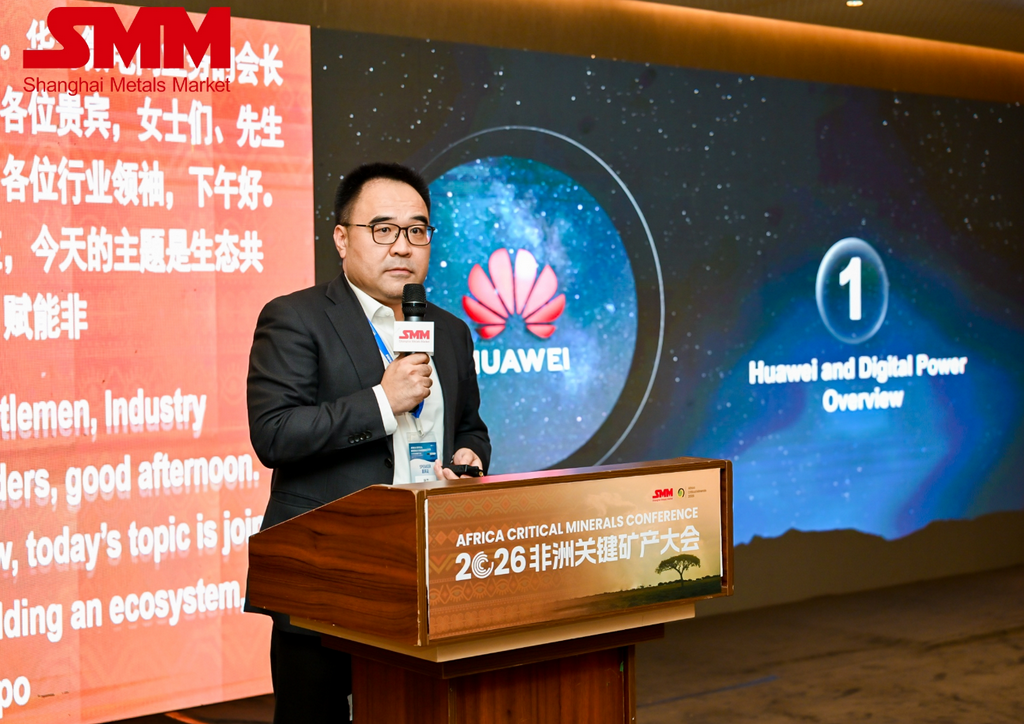
หัวเว่ยเดินหน้าจับมือพันธมิตรเหมืองสีเขียวในแอฟริกา และเจรจาธุรกิจกับ ZESCO ในงาน SMM ACM 2026
23 Sep 2026 16:41 (GMT+8)
![[SMM Analysis] กระแสการค้าทองแดงจากมาตรการภาษีของสหรัฐฯ กำลังแผ่วลง — แต่ยังไม่จบ](https://imgqn.smm.cn/production/admin/votes/imagesMbCUq20260929144044.png)
[SMM Analysis] กระแสการค้าทองแดงจากมาตรการภาษีของสหรัฐฯ กำลังแผ่วลง — แต่ยังไม่จบ
29 Sep 2026 14:37 (GMT+8)
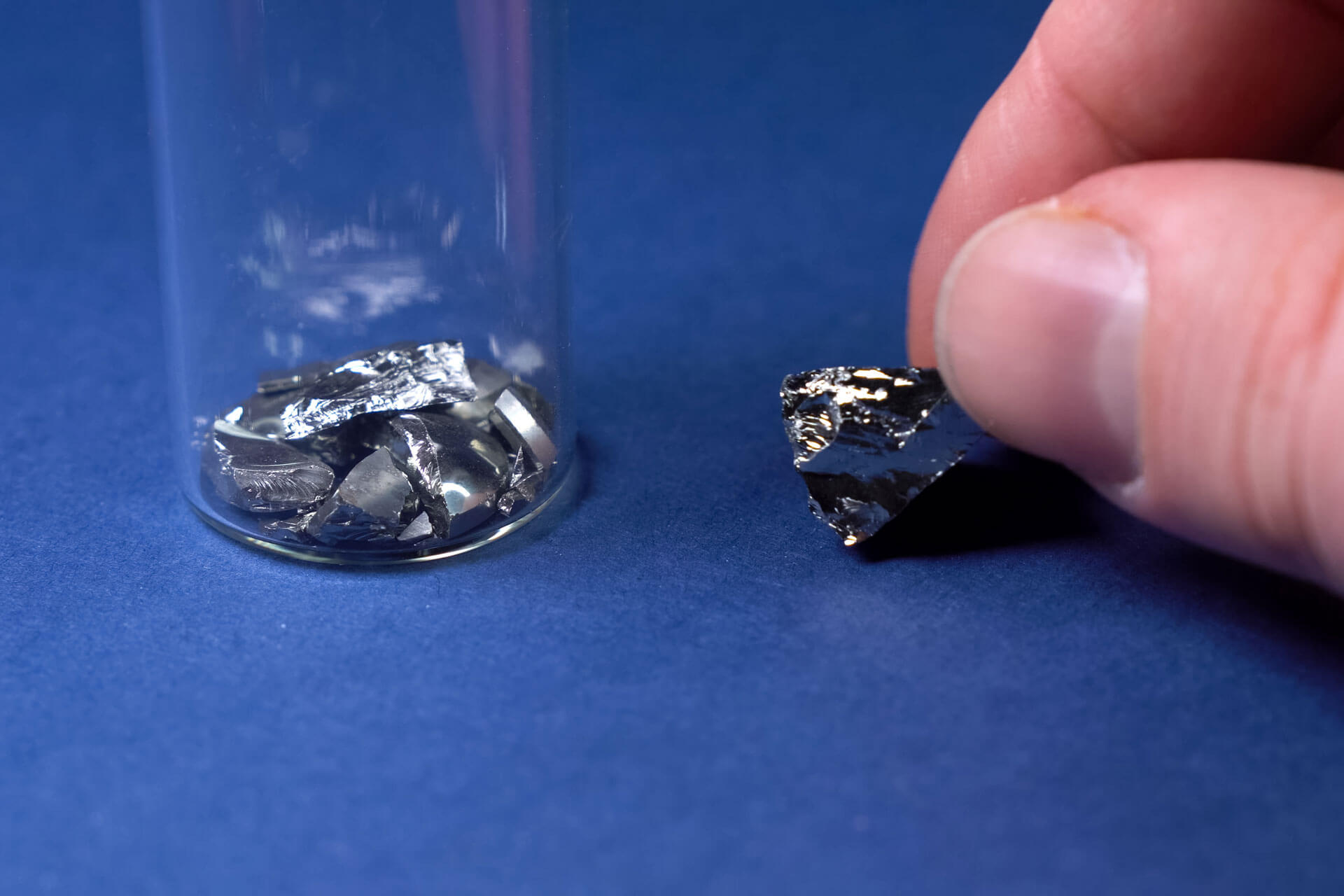
แอฟริกาใต้พร้อมก้าวขึ้นเป็นผู้เล่นสำคัญในห่วงโซ่อุปทานแร่หายากระดับโลกภายในปี 2034【บทวิเคราะห์ SMM】
29 Sep 2026 18:54 (GMT+8)
[บทวิเคราะห์ SMM] การผลักดันการผลิต BESS ของอินเดียเร่งตัวขึ้น แต่การพึ่งพาเซลล์ยังคงเป็นคอขวดสำคัญ
30 Sep 2026 08:50 (GMT+8)
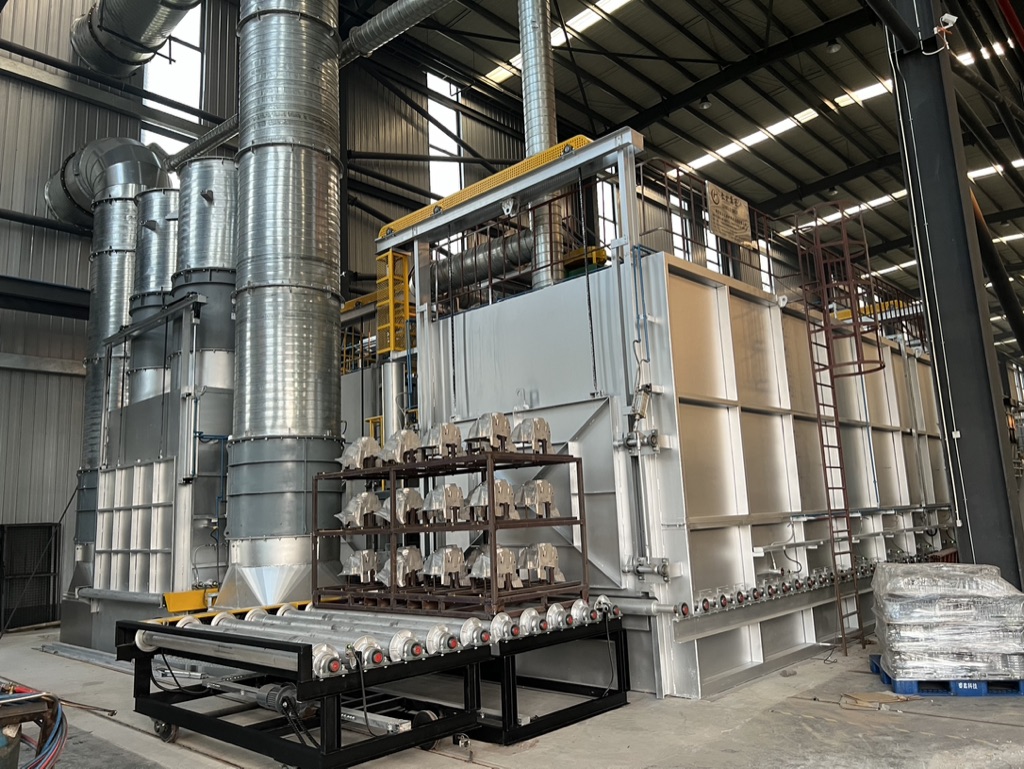
SMM เปิดตัวเครื่องคำนวณ CBAM อะลูมิเนียม: ความหมายของการประมาณต้นทุนสำหรับข้อเสนอที่ส่งไปยังสหภาพยุโรป【บทวิเคราะห์ SMM】
29 Sep 2026 17:32 (GMT+8)
![[SMM Analysis] ทองแดงปฐมภูมิคาร์บอนต่ำเริ่มซื้อขายแยกต่างหาก—มูลค่าสีเขียวของทองแดงรีไซเคิลจะถูกประเมินใหม่หรือไม่?](https://imgqn.smm.cn/usercenter/MXbup20251217171745.jpg)
[SMM Analysis] ทองแดงปฐมภูมิคาร์บอนต่ำเริ่มซื้อขายแยกต่างหาก—มูลค่าสีเขียวของทองแดงรีไซเคิลจะถูกประเมินใหม่หรือไม่?
29 Sep 2026 16:03 (GMT+8)
ข่าวล่าสุด
[SMM PV Flash] ROX เปิดตัวแพลตฟอร์มกักเก็บพลังงาน Gulf สำหรับสหรัฐอาหรับเอมิเรตส์และโอมาน
7 ชั่วโมงที่แล้ว
[SMM PV Flash] ออสเตรเลียเพิ่มโซลาร์รูฟท็อป 1.89 กิกะวัตต์ และแบตเตอรี่บ้าน 276,000 เครื่อง ในครึ่งแรกของปี 2026
7 ชั่วโมงที่แล้ว
[SMM PV Flash] แผงโซลาร์สำหรับที่อยู่อาศัยที่ผลิตในสหรัฐฯ ของ Heliene ได้รับข้อตกลงซื้อจาก Sunrun
7 ชั่วโมงที่แล้ว
[SMM PV Flash] Forsa เข้าซื้อโครงการโซลาร์พร้อมก่อสร้างในสหราชอาณาจักรขนาด 59.3 เมกะวัตต์พีค
7 ชั่วโมงที่แล้ว
[SMM PV Flash] พอร์ตโฟลิโอ BESS ขนาด 300 เมกะวัตต์/1.2 กิกะวัตต์ชั่วโมงของโปแลนด์ ได้รับเงินสนับสนุน 500 ล้านซลอตี
7 ชั่วโมงที่แล้ว
[SMM PV Flash] SolSource ระดมทุน 300 ล้านดอลลาร์สหรัฐ เพื่อขยายการจัดหาเงินทุนสำหรับโซลาร์และระบบกักเก็บพลังงานที่อยู่อาศัยในสหรัฐฯ
7 ชั่วโมงที่แล้ว
[SMM PV Flash] เอเนลเสร็จสิ้นการเข้าซื้อพอร์ตโซลาร์ที่เปิดดำเนินการในสหรัฐฯ ขนาด 270 เมกะวัตต์ มูลค่า 140 ล้านดอลลาร์สหรัฐ
7 ชั่วโมงที่แล้ว
[SMM PV Flash] แคลิฟอร์เนียลงนามกฎหมาย VPP และโซลาร์แบบเสียบปลั๊ก แต่คัดค้านการปฏิรูปโซลาร์ชุมชน
7 ชั่วโมงที่แล้ว
[SMM PV Flash] ผู้ผลิตชิ้นส่วนโซลาร์เซลล์อินเดีย Vishakha Renewables ยื่น IPO ระดมทุน 12.5 พันล้านรูปี
02 Oct 2026 11:35 (GMT+8)
[SMM PV Flash] ร่างกฎหมายปฏิรูปการอนุญาตด้านพลังงานของสหรัฐฯ จุดกระแสตอบรับที่หลากหลายจากภาคพลังงานสะอาด
02 Oct 2026 11:35 (GMT+8)
[SMM PV Flash] เกาหลีใต้เตรียมปรับปรุงโครงข่ายไฟฟ้าแห่งชาติครั้งใหญ่ ตั้งเป้าบูรณาการพลังงานหมุนเวียนกว่า 100 กิกะวัตต์
02 Oct 2026 11:35 (GMT+8)
[SMM PV Flash] สมาชิกวุฒิสภาสหรัฐฯ เสนอกฎหมายปฏิรูปการอนุญาตสองพรรคสำหรับโครงการโครงข่ายไฟฟ้าและพลังงาน
02 Oct 2026 11:34 (GMT+8)
[SMM PV Flash] รัฐมหาราษฏระเสนอข้อบังคับติดตั้งระบบกักเก็บพลังงานสำหรับการเชื่อมต่อโครงข่ายพลังงานหมุนเวียนใหม่
02 Oct 2026 11:34 (GMT+8)
[SMM PV Flash] อินเดียเปิดประมูลระบบกักเก็บพลังงานแบตเตอรี่แบบสแตนด์อโลน 800 เมกะวัตต์/3.2 กิกะวัตต์ชั่วโมง
02 Oct 2026 11:33 (GMT+8)
[SMM PV Flash] Maxwell Power ระดมทุน 800 ล้านดอลลาร์สหรัฐ สำหรับโซลาร์และระบบกักเก็บพลังงานแบบกระจายศูนย์
02 Oct 2026 11:33 (GMT+8)
[SMM PV Flash] CleanChoice ระดมทุน 166 ล้านดอลลาร์สหรัฐสำหรับโครงการโซลาร์ 2 แห่งในสหรัฐฯ
02 Oct 2026 11:33 (GMT+8)
[SMM PV Flash] Alight เข้าซื้อพอร์ตโฟลิโอโครงการพลังงานแสงอาทิตย์ในสวีเดนขนาด 2 กิกะวัตต์
02 Oct 2026 11:33 (GMT+8)
[SMM PV Flash] โครงการพลังงานแสงอาทิตย์ชิกิมูลียา 75.2 เมกะวัตต์สูงสุดในกัวเตมาลา ได้รับเงินทุน 36 ล้านดอลลาร์สหรัฐ
02 Oct 2026 11:33 (GMT+8)
[SMM PV Flash] โครงการโซลาร์คาฟูเอ 56 เมกะวัตต์สูงสุดของแซมเบียบรรลุข้อตกลงทางการเงิน
02 Oct 2026 11:32 (GMT+8)
[SMM PV Flash] ORIX เริ่มก่อสร้างระบบกักเก็บพลังงานกริดในญี่ปุ่นขนาด 589 เมกะวัตต์ชั่วโมง โดยใช้เงินทุนภายนอก
02 Oct 2026 11:32 (GMT+8)