

Noticias
Artículo de análisis exclusivo con las últimas actualizaciones del mercado y noticias en tiempo real.
![[Análisis de SMM] Revisión del acero inoxidable fuera de China en el tercer trimestre: el recargo de Europa cayó 158 EUR/t, pero los precios CIF subieron un 2,8%](https://imgqn.smm.cn/usercenter/VstiG20251217171732.jpeg)
[Análisis de SMM] Revisión del acero inoxidable fuera de China en el tercer trimestre: el recargo de Europa cayó 158 EUR/t, pero los precios CIF subieron un 2,8%
Revisión del tercer trimestre de 2026: los costes y precios del acero inoxidable fuera de China tomaron caminos separados. El NPI indonesio cayó un 8,2 %, pero SMM estima que los costes del HRC 304 solo bajaron un 1,7 %, con márgenes oscilando entre el 4,7 % y el 9,0 % según los movimientos de precios propios de las acerías. El recargo del 304 en Europa cayó 158 EUR/t mientras que los precios CIF subieron un 2,8 %. La chatarra malasia subió un 10,4 %, el CRC local un 0,3 %. Los precios de lista de Taiwán (PoC) subieron dos veces mientras el spot se deslizaba a la baja. Solo en India los costes y precios se movieron juntos, mientras Asia abría tres nuevos casos antidumping.
08 Oct 2026 15:36 (GMT+8)
Oro: Morgan Stanley afirma que el potencial alcista supera con creces al bajista: 4.000 dólares como soporte
2 de octubre de 2026 El se está consolidando actualmente, pero para los inversores en materias primas con visión de futuro, este entorno presenta una oportunidad estratégica. Si bien los altos rendimientos de los bonos y un dólar estadounidense fuerte están enfriando el mercado a corto plazo, Morgan Stanley ya está mirando el panorama general: la base de demanda fundamental sigue intacta. Por ello, los analistas del banco de inversión estadounidense mantienen un objetivo claro: para la segunda mitad de 2027, el precio del oro volverá a superar la marca mágica de 5.000 dólares por onza. Análisis de Morgan Stanley: por qué el objetivo de 5.000 dólares está cobrando relevancia Amy Gower, directora de Estrategia de Metales y Minería de Morgan Stanley, considera que el mercado está excepcionalmente bien protegido a la baja a pesar de los actuales vientos en contra macroeconómicos, como los altos precios del petróleo y los nuevos máximos de 20 años en los rendimientos de los bonos a largo plazo. Un nivel por encima de los 4.000 dólares proporciona una línea de soporte masiva. La razón por la que el metal precioso no está reaccionando con más fuerza al aumento de las tasas de interés, explica, radica en una base de compradores inusualmente sólida que está estabilizando el nivel de precios actual. Esta fortaleza estructural del mercado se apoya en tres pilares clave: Apetito asiático por el oro: la demanda física de China es extremadamente alta. Las importaciones de oro de la República Popular están en camino de alcanzar su nivel más alto desde 2017, si no un récord a largo plazo. Tras la breve pausa durante la "Semana Dorada", es probable que este poder de compra regrese rápidamente al mercado. Los bancos centrales como corredores de fondo: además de China, otros bancos centrales, como el de Polonia, también actúan como grandes compradores para protegerse contra los riesgos cambiarios y las preocupaciones sobre la sostenibilidad a largo plazo de las montañas de deuda globales. Entradas estables en ETF: contrariamente al patrón clásico observado durante períodos de política monetaria restrictiva, los fondos de oro cotizados en bolsa continúan ampliando sus tenencias, una señal notable de fortaleza institucional, según Morgan Stanley. Los picos de venta a corto plazo, como los observados recientemente, se atribuyen actualmente sobre todo al reequilibrio de carteras por parte de fondos de trading algorítmico. La plata sigue la tendencia fundamental del oro Esta fuerte tendencia subyacente también se está extendiendo al mercado de la plata. Según los expertos de Morgan Stanley, la plata actualmente se correlaciona mucho más fuertemente con su "hermano mayor", el oro, que con metales industriales como el cobre. Aunque la demanda industrial—en particular de la industria solar tras los picos extremos de precios del año pasado—se ha enfriado ligeramente debido a las medidas de reducción de costes de materiales, el potencial macroeconómico general de los metales preciosos sigue siendo alto. En última instancia, la sostenibilidad fiscal de las principales economías y la protección a largo plazo contra la inflación siguen siendo catalizadores duraderos para los activos tangibles. Si en el futuro se produjeran intervenciones en el mercado de bonos a largo plazo que hicieran caer de nuevo los rendimientos, o si el precio del petróleo bajara, la presión actual sobre el oro y la plata desaparecería de inmediato. Para Morgan Stanley, el camino a seguir es, por tanto, claro: en un horizonte de 12 meses, el potencial alcista es enorme, con un objetivo intermedio declarado de 5.000 dólares el próximo año. Fuente:
09 Oct 2026 13:46 (GMT+8)
[Análisis de SMM] ¿Puede el crecimiento de la demanda de acero de la India compensar la desaceleración de China?
India casi puede igualar la pérdida de demanda prevista de China en 2026. Que eso sostenga los precios internacionales del acero depende de qué compre India, de la rapidez con que se expandan sus acerías y de que la contracción de China se mantenga contenida. La aparición de India como gran fuente de crecimiento de la demanda de acero plantea una cuestión con consecuencias que van mucho más allá de los dos países: ¿puede su mercado en expansión compensar el apetito menguante de China? La respuesta depende de qué signifique “compensar”. Reponer el consumo perdido en el total mundial es una prueba. Crear un mercado equivalente para el acero comercializado internacionalmente es otra. Reproducir la escala y la influencia del ciclo de desarrollo intensivo en acero de China es una propuesta mucho mayor. El crecimiento de la demanda de acero de India casi compensa la caída de China En la prueba más estricta, las cifras son sorprendentemente cercanas. Las perspectivas de abril de Worldsteel sitúan la demanda de acero acabado de India en 171,6 millones de toneladas en 2026, frente a los 159,8 millones de toneladas de 2025. China pasa de 796,0 millones de toneladas a 784,1 millones de toneladas. India añade, por tanto, 11,8 millones de toneladas frente a la caída de 11,9 millones de toneladas de China: un cambio combinado de aproximadamente -0,1 millones de toneladas, calculado a partir de los niveles redondeados publicados. Figura 1. Un fuerte crecimiento porcentual en un mercado más pequeño puede compensar una caída modesta en uno mucho mayor. Esta comparación se refiere a la demanda de acero acabado, no a la producción de acero bruto. Es una contribución significativa a la estabilidad del mercado. También es un equilibrio frágil. China sigue siendo unas 4,6 veces el tamaño de India en la previsión de 2026. Un pequeño cambio en la trayectoria china puede absorber, por tanto, una parte sustancial del aumento indio. La interpretación sensata es que India proporciona un contrapeso significativo a una desaceleración china contenida. Aún no hace que el mercado mundial sea insensible a China. La distinción importa a la hora de presentar la historia. Comparar el crecimiento previsto del 7,4% de India con la caída del 1,5% de China hace que la compensación parezca abrumadora. Comparar las toneladas muestra que casi toda la ganancia india es necesaria simplemente para neutralizar la pérdida china. Un punto porcentual de crecimiento tiene un significado físico muy distinto en los dos mercados. El siguiente cuadro mantiene la comparación anual sobre una base estadística coherente. También separa la contribución del resto del mundo, calculada como residuo, del par China-India. Figura 2. Demanda de acero acabado por año natural; 2026 y 2027 son previsiones de abril de 2026. Las variaciones utilizan niveles publicados redondeados. El resto del mundo se calcula en lugar de ser una serie regional citada por separado. El sector inmobiliario chino sigue bajo presión, lo que siembra dudas sobre la estabilización de la demanda Para 2027, la misma previsión se vuelve más constructiva porque China deja de caer mientras India sigue creciendo. Pero se trata de una hipótesis que debe contrastarse con los datos entrantes, más que de un resultado ya asegurado. Las perspectivas se publicaron el 14 de abril y reflejaban la información disponible hasta mediados de marzo. Worldsteel vinculó explícitamente su visión de estabilización china a que la corrección inmobiliaria esté en gran medida llegando a su fin; también destacó la incertidumbre sobre la gravedad declarada de la caída de la demanda china en 2025. Los indicadores inmobiliarios posteriores justifican la cautela. La Oficina Nacional de Estadística de China informó de que las nuevas construcciones iniciadas cayeron un 24,8% interanual en enero-agosto de 2026, mientras que la inversión en promoción inmobiliaria cayó un 19,9%. Se trata de medidas inmobiliarias, no de estimaciones del consumo total de acero, y no pueden sustituirse directamente en una previsión de demanda de acero. Sin embargo, muestran que una importante actividad consumidora de acero siguió bajo presión mucho después de que se prepararan las perspectivas de abril. Oficina Nacional de Estadística de China, datos inmobiliarios de enero-agosto La transmisión pertinente se produce a través de la cartera de proyectos de construcción. Los nuevos proyectos generan necesidades de materiales estructurales; los proyectos ya en curso pueden seguir consumiendo acero incluso cuando se debilitan los inicios. Los cambios en los plazos de los proyectos, el diseño de los edificios y la intensidad de los materiales impiden una conversión fija de la superficie construida a toneladas de acero. La industria manufacturera y las infraestructuras también influyen en el agregado. En consecuencia, unos inicios débiles son un motivo para examinar la base de referencia de la demanda, más que una prueba de que el consumo de acero deba caer al mismo ritmo. Las infraestructuras y la industria manufacturera impulsan el crecimiento de la demanda de acero en India El crecimiento de India cuenta con un conjunto más amplio de motores declarados. Worldsteel identifica como apoyos la construcción impulsada por infraestructuras, la actividad automovilística, los bienes de equipo, el desarrollo ferroviario y los bienes de consumo duraderos. Evaluación de Worldsteel sobre la India. Para los participantes del mercado, la siguiente pregunta es cómo estos usos finales se traducen en pedidos de productos específicos. El acero de refuerzo para un proyecto de construcción, la chapa de automoción cualificada y el acero eléctrico para equipos son mercados comerciales diferentes, aunque todos contribuyan al mismo total de demanda nacional. Hay indicios alentadores en las cifras de consumo más recientes de la India. El comunicado del Ministerio del Acero del 6 de octubre muestra que el consumo de acero acabado aumentó de 79,0 millones de toneladas a 84,9 millones de toneladas en abril-septiembre de 2026, un incremento declarado del 7,5%. Estas observaciones provisionales del semestre fiscal abarcan un período distinto del pronóstico de año natural de Worldsteel. Respaldan el panorama de crecimiento continuo sin establecer el resultado final de 2026. Ministerio del Acero / PIB, actualización del primer semestre El aumento del consumo no garantiza mayores importaciones, ya que el comercio de acero de la India diverge Sin embargo, para las acerías extranjeras, el crecimiento del consumo es solo el comienzo de la evaluación. La demanda india adicional puede satisfacerse mediante producción nacional, reducción de exportaciones, importaciones o cambios en las existencias. No tiene por qué convertirse en un aumento equivalente de las compras al exterior. Un mercado interno sólido puede mejorar las oportunidades de venta para los productores indios y tener un efecto mucho menor en el saldo internacional neto del acero. Figura 3. Ambos flujos comerciales se expandieron en abril-septiembre de 2026. Su diferencia varió mucho menos que el consumo. Se trata de una comparación de indicadores, no de una conciliación completa de oferta y uso. La aritmética comercial ilustra la distinción. Las importaciones de abril a septiembre aumentaron de 3,3448 millones de toneladas a 4,1418 millones de toneladas, mientras que las exportaciones subieron de 2,8102 millones de toneladas a 3,5478 millones de toneladas. En consecuencia, las importaciones netas se ampliaron de 0,5346 millones de toneladas a 0,5940 millones de toneladas, un aumento de solo 59.400 toneladas. Esto no significa que los proveedores extranjeros no encontraran oportunidades: las importaciones brutas claramente aumentaron. Significa que la India vendía simultáneamente más acero en el exterior. Un exportador que evalúe posibles ventas a la India debería examinar las importaciones brutas por producto y cliente. Un analista que evalúe si la India está absorbiendo un excedente mundial también debería examinar las exportaciones. Esas dos preguntas no pueden responderse únicamente con la tasa de crecimiento del consumo. Tampoco deberían forzarse las estadísticas principales en un cálculo de existencias. La producción, el comercio y el consumo requieren definiciones y ajustes coincidentes antes de formar un balance material completo. Las cifras aquí presentadas no establecen cuánto acero se extrajo de las existencias ni cuánto se añadió a ellas. Atribuir su residuo enteramente a los inventarios crearía una precisión que la evidencia disponible no respalda. El detalle por productos aclara el panorama comercial. Una publicación anterior del Ministerio ofrece cifras comparables de importación y exportación para categorías seleccionadas en abril–julio de 2026. Las bobinas y flejes laminados en caliente registraron importaciones netas de 173.700 toneladas, mientras que las barras y varillas registraron exportaciones netas de 95.100 toneladas. El cuadro siguiente utiliza explícitamente ese período más corto; no es un desglose de los totales de abril a septiembre. Figura 4. Categorías seleccionadas con ambos flujos declarados. El cuadro no cubre todos los productos, y las categorías amplias ocultan diferencias de calidades, dimensiones y homologaciones de clientes. Estos flujos simultáneos son comercialmente plausibles. Un país puede exportar una especificación e importar otra dentro de la misma categoría. La economía del flete, los plazos de entrega, la disponibilidad de las plantas y los requisitos de cualificación también pueden separar a los compradores en mercados distintos. La posición neta nacional es, por tanto, un contexto útil, pero es una guía incompleta de las perspectivas de una planta en particular. La oportunidad relevante es la calidad que un comprador necesita a un precio entregado alcanzable y en una fecha de entrega viable. La expansión de la capacidad nacional podría reconfigurar las necesidades de importación de acero de la India La oferta nacional también está respondiendo a la oportunidad. En su informe anual del ejercicio 2025-26, JSW describe una base consolidada de capacidad de acero bruto de 33,4 millones de toneladas anuales y un objetivo de 50,3 millones de toneladas para el ejercicio 2029-30, con la capacidad de las empresas conjuntas analizada por separado. La empresa también describe inversiones en tecnología y fabricación de acero eléctrico. Se trata de capacidades y planes declarados por la empresa, no de una producción adicional garantizada de acero acabado. La implicación es que el crecimiento de la demanda india y el crecimiento de la oferta india deben evaluarse conjuntamente. La nueva capacidad puede atender a clientes nacionales, desplazar importaciones o, con el tiempo, respaldar exportaciones. El resultado depende de la puesta en marcha, la rampa de producción, la capacidad del producto y el coste. La capacidad anunciada de acero bruto no debe restarse directamente de una previsión de demanda de acero acabado: las medidas difieren y la capacidad nominal no equivale a la producción vendible. La demanda de China sigue siendo la variable clave: ¿puede India sostener los precios mundiales del acero? Esto deja la trayectoria china como variable crítica. Una simple prueba de sensibilidad mantiene el incremento previsto para India en 11,8 millones de toneladas y cambia únicamente la caída supuesta de la demanda china respecto a su base de 2025. Es un escenario mecánico, no un sustituto de la previsión de worldsteel. Figura 5. Cambio combinado = 11,8 − (796,0 × caída china supuesta). El porcentaje se expresa como fracción en el cálculo. Se excluyen otros mercados. La caída china de equilibrio es aproximadamente del 1,48 %. Con una caída del 3 %, China perdería unos 23,9 millones de toneladas, dejando al conjunto unos 12,1 millones de toneladas por debajo pese al aumento de India. Por el contrario, un mercado chino estable permitiría que la ganancia india contribuyera plenamente al crecimiento combinado. Esta asimetría es la razón principal por la que los indicadores inmobiliarios y manufactureros de China siguen siendo importantes incluso cuando el papel de India se amplía. Para productores y comerciantes se derivan tres pruebas prácticas. Primera, vigilar si el crecimiento indio persiste en las entregas físicas a los usuarios finales, en lugar de apoyarse solo en narrativas económicas generales. Segunda, seguir las incorporaciones de oferta por su puesta en marcha real y su preparación de producto. Tercera, comparar los flujos de importación y exportación del grado de acero correspondiente, junto con el flete, las condiciones de entrega y los requisitos de acceso al mercado aplicables. Una tendencia favorable de la demanda nacional no puede sustituir ese trabajo comercial. La evidencia respalda una respuesta matizada a la pregunta original. India puede compensar casi por completo la pérdida de demanda china incorporada en la previsión de abril de 2026, y las observaciones posteriores sobre India confirman un crecimiento continuado del consumo. Pero la compensación es sensible a una contracción china más profunda y no se traduce automáticamente en una salida igualmente grande para el acero extranjero. El mercado en expansión de India merece un peso creciente en el análisis mundial. Su capacidad para sostener los precios internacionales estará determinada conjuntamente por la demanda, la oferta interna y los productos que realmente crucen sus fronteras.
09 Oct 2026 10:38 (GMT+8)
Últimas noticias

El inventario nacional de magnesio cae un 3,52 % intermensual y los precios tocan mínimos anuales, lo que provoca cierres de fundiciones
16 Oct 2026 19:04 (GMT+8)
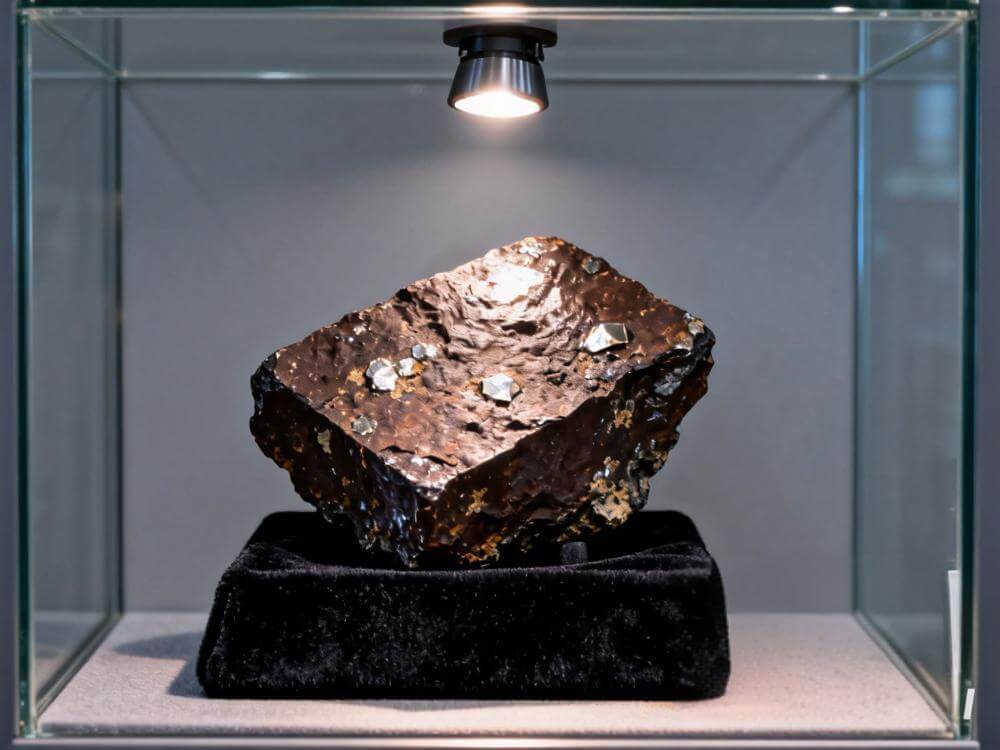
Los costos de los lingotes de magnesio de Shaanxi suben un 1,73 % y las pérdidas del sector se amplían por los altos precios de las materias primas
16 Oct 2026 19:03 (GMT+8)
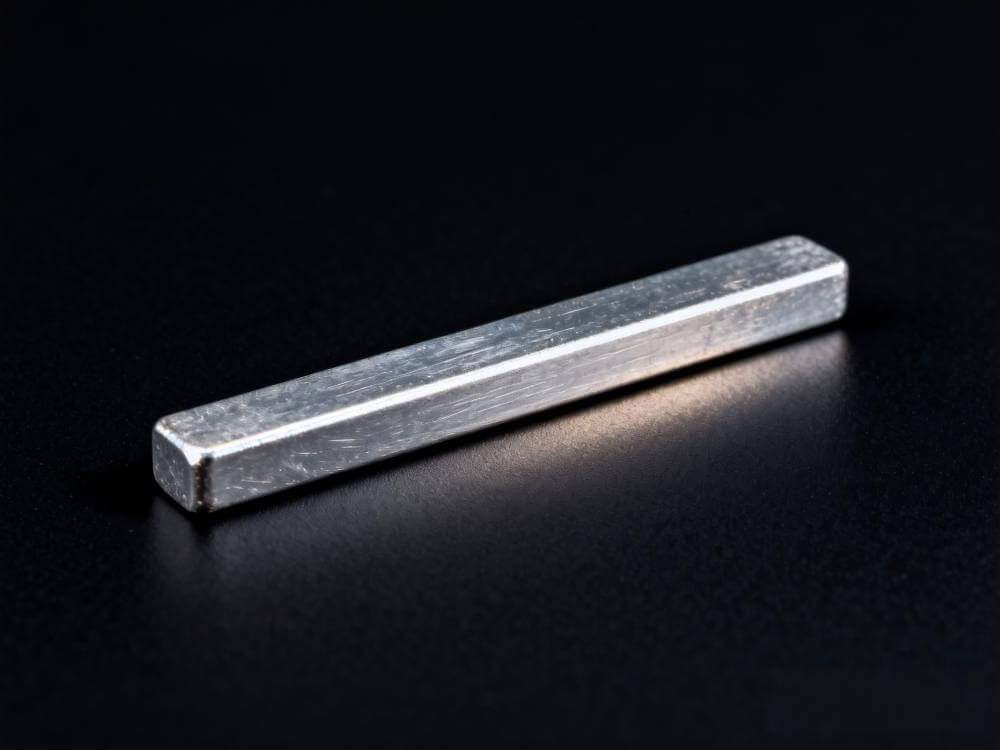
Latrobe Magnesium avanza en su planta de demostración, apunta a magnesio con 98 % de pureza para 2026 y se expande a EE. UU.
16 Oct 2026 15:45 (GMT+8)
La UE anuncia 46 proyectos estratégicos de materias primas, incluida la iniciativa Verde Magnesium de Rumanía
【SMM Flash de Magnesio】El 10 de octubre, la Comisión Europea anunció una nueva ronda de proyectos estratégicos de materias primas críticas, con un total de 46 proyectos que cubren 15 de las 17 materias primas estratégicas, incluido el magnesio. El proyecto de magnesio seleccionado es el proyecto de procesamiento desarrollado por Verde Magnesium en Budureasa, Rumanía. La empresa ya ha obtenido la calificación para proyectos de minería de magnesio y aspira a convertirse en el primer productor primario de magnesio de Europa en 25 años. Adopta el proceso de reducción por termita y planea reiniciar la mina a finales de 2026 y construir una planta de fundición de magnesio con una producción anual de 30.000 toneladas para 2030. Se espera que esta ronda de 46 proyectos recaude aproximadamente 21.100 millones de euros. Actualmente, China suministra el 97% del magnesio a la UE. Esta medida tiene como objetivo promover la diversificación de la cadena de suministro y reducir la dependencia de una única fuente.
16 Oct 2026 15:44 (GMT+8)
EE. UU. inicia la cuarta revisión por extinción de derechos antidumping sobre las importaciones chinas de magnesio, lo que afectará las futuras exportaciones
【SMM Flash de Magnesio】 El 1 de octubre, el Departamento de Comercio de EE. UU. emitió un anuncio iniciando la cuarta revisión por extinción de los derechos antidumping sobre el magnesio metálico importado de China. La Comisión de Comercio Internacional de EE. UU. inició simultáneamente una investigación por daño a la industria. Las partes interesadas deben registrarse para responder dentro de los 10 días siguientes al anuncio y presentar sus comentarios antes del 2 de noviembre. Los derechos antidumping se remontan a la apertura del caso en 2004 y a su imposición oficial en 2005, y desde entonces se han prorrogado tres veces, en 2011, 2016 y 2021. Esta revisión constituye la cuarta evaluación sobre el mantenimiento o la supresión de esta medida tras más de dos décadas de aplicación. Si ambos organismos emiten resoluciones afirmativas, la orden arancelaria seguirá en vigor. Las tres revisiones anteriores concluyeron con resoluciones finales afirmativas, y el resultado de esta revisión afectará directamente las perspectivas de exportación del magnesio metálico chino a Estados Unidos.
16 Oct 2026 15:42 (GMT+8)
Los precios del magnesio siguen tocando fondo en medio de la debilidad; es poco probable que el patrón de oferta y demanda cambie a corto plazo [Datos semanales de magnesio de SMM]
[Los precios del magnesio siguen tocando fondo en medio de la debilidad; es poco probable que el patrón de oferta y demanda cambie a corto plazo] Esta semana, la cadena industrial del magnesio permaneció en general en la depresión. En el lado de las materias primas, la mina de dolomita de Wutai detuvo la producción y, después de que las empresas compraran externamente para complementar el suministro, la escasez se alivió y los precios del mineral se mantuvieron estables. Los precios del lingote de magnesio en China continuaron cayendo, con la caída desacelerándose cerca de la línea de costos mientras los precios se consolidaban en mínimos. Mientras tanto, los precios FOB de exportación siguieron la caída interna, y las consultas del extranjero solo levantaron el ánimo, sin que se concretaran operaciones reales todavía. El polvo de magnesio y la aleación de magnesio sufrieron presión simultáneamente, ya que la demanda aguas abajo de automóviles, vehículos eléctricos y desulfuración de acero siguió débil. Las empresas de procesamiento profundo recortaron la producción y redujeron existencias, y las tarifas de procesamiento mostraron pocas señales de mejora. A corto plazo, es probable que los precios permanezcan en la depresión.
16 Oct 2026 14:47 (GMT+8)
El inventario nacional de magnesio cae un 3,52 % intermensual y los precios tocan mínimos anuales, lo que provoca cierres de fundiciones
【SMM Informe semanal de inventarios de magnesio】Esta semana, el inventario nacional de magnesio primario de las fundiciones disminuyó un 3,52 % intermensual. Las fundiciones de magnesio primario operaron con normalidad durante el feriado del Día Nacional. Aunque los fabricantes preventaron parte de la producción a futuro antes del feriado, una porción de los lingotes de magnesio no logró llegar al mercado terminal, lo que agravó el exceso de oferta en el mercado de lingotes de magnesio. Las plantas de magnesio impulsaron activamente las transacciones a precios bajos, y algunos fabricantes lograron resultados notables en la reducción de existencias, lo que provocó una tendencia a la baja en el inventario nacional de magnesio primario. Dado que los precios del magnesio han caído al punto más bajo del año, las fundiciones de magnesio primario muestran una creciente inclinación a suspender la producción, y se espera que el inventario continúe su tendencia descendente en el futuro.
16 Oct 2026 11:56 (GMT+8)
De los reposabrazos de los asientos a las carcasas de los accionamientos eléctricos: el ritmo de penetración del aligeramiento automotriz con aleaciones de magnesio se está acelerando [Encuesta de SMM]
[Encuesta de SMM: De reposabrazos de asientos a carcasas de propulsores eléctricos: se acelera el ritmo de penetración de las aleaciones de magnesio en el aligeramiento automotriz] Los recientes avances industriales en aleaciones de magnesio para el aligeramiento automotriz se han intensificado notablemente. Desde las densas expansiones de capacidad por parte de las empresas de componentes y los sucesivos avances en los procesos de fundición a presión semisólida hasta las expectativas de uso a largo plazo reveladas por los grandes fabricantes de automóviles extranjeros, las señales en todos los segmentos de la cadena industrial indican que las aleaciones de magnesio se encuentran en una etapa crítica de transición de la "instalación piloto" a la "aplicación a gran escala". Aunque el crecimiento real de las compras a corto plazo sigue siendo limitado y las tarifas actuales de procesamiento de aleaciones de magnesio se mantienen moderadas, la superación continua de los cuellos de botella técnicos y el despliegue prospectivo de los principales fabricantes de automóviles están acumulando un impulso suficiente para la liberación de la demanda a mediano y largo plazo.
15 Oct 2026 18:26 (GMT+8)
La cadena industrial del magnesio diverge a la baja durante la semana, la caída se desacelera pero la recuperación carece de impulso [Reseña semanal del magnesio de SMM]
[SMM Resumen semanal del magnesio: La cadena industrial del magnesio diverge a la baja durante la semana, la caída se desacelera pero la recuperación carece de impulso] Esta semana, la cadena industrial del magnesio permaneció en general en la depresión. Por el lado de las materias primas, la mina de dolomita de Wutai detuvo la producción, y las empresas aliviaron la oferta comprando externamente, manteniendo estables los precios del mineral. Los precios del lingote de magnesio en China continuaron deslizándose, con la caída desacelerándose cerca de la línea de costos y los precios consolidándose en mínimos. Mientras tanto, los precios FOB de exportación siguieron la caída interna, y las consultas del extranjero solo impulsaron el sentimiento, sin pedidos reales realizados aún. El polvo de magnesio y la aleación de magnesio permanecieron bajo presión simultáneamente, ya que la demanda aguas abajo de automóviles, vehículos eléctricos y desulfuración de acero se mantuvo débil. Las empresas de procesamiento profundo recortaron la producción y redujeron existencias, con tarifas de procesamiento mostrando poca mejora. A corto plazo, es probable que los precios permanezcan en la depresión.
15 Oct 2026 18:15 (GMT+8)
Avances de financiación en medio de obstáculos de aprobación: el proyecto europeo de magnesio enfrenta resistencia comunitaria [Encuesta de SMM]
[Encuesta de magnesio de SMM: Avances en financiación junto a obstáculos de aprobación, los proyectos europeos de magnesio enfrentan resistencia comunitaria] Latrobe Magnesium amplió su emisión de derechos hasta el 26 de octubre, con fondos destinados a la puesta en marcha de la planta de demostración y al estudio de viabilidad de un proyecto en EE. UU. Verde Magnesium obtuvo el estatus estratégico en virtud de la CRMA de la UE para su segmento de procesamiento, convirtiéndose en el único proyecto de magnesio totalmente integrado de Europa. Se ha fijado la fecha del referéndum para el proyecto de mineral de magnesio MPI en Rumanía, mientras que las aprobaciones locales enfrentan una resistencia considerable.
15 Oct 2026 18:05 (GMT+8)
La continua caída de los precios ha frenado las compras del mercado y la acumulación de inventarios
15 Oct 2026 17:54 (GMT+8)
![Magnesium Market Downtrend Continues, Cautious Sentiment Prevails with Widespread Wait-and-See [SMM Magnesium Ingot Spot Report]](https://imgqn.smm.cn/usercenter/znXdm20251217171724.jpeg)
Magnesium Market Downtrend Continues, Cautious Sentiment Prevails with Widespread Wait-and-See [SMM Magnesium Ingot Spot Report]
14 Oct 2026 18:10 (GMT+8)
![El mercado del magnesio continúa rompiendo por debajo del mínimo del año, la presión persiste y es posible una mayor caída [Informe spot del lingote de magnesio de SMM]](https://imgqn.smm.cn/usercenter/uSadJ20251217171723.jpeg)
El mercado del magnesio continúa rompiendo por debajo del mínimo del año, la presión persiste y es posible una mayor caída [Informe spot del lingote de magnesio de SMM]
13 Oct 2026 17:48 (GMT+8)
Patrón de oferta y demanda sin cambios, los precios del magnesio siguen bajando [Informe spot de lingotes de magnesio de SMM]
[El patrón de oferta y demanda no cambia, los precios del magnesio continúan bajando] Las cotizaciones principales del lingote de magnesio de Fugu son de 15.300-15.400 yuanes/tm, con ofertas FOB de 2.170-2.270 dólares/tm. La oferta es abundante pero la demanda es débil, y el sentimiento bajista está suprimiendo la disposición de compra. Las transacciones del mercado son lentas, y el mercado del magnesio sigue débil y bajo presión.
12 Oct 2026 17:12 (GMT+8)
El mercado del magnesio sigue débil; las transacciones mejoran pero la tendencia no cambia [Informe spot del lingote de magnesio de SMM]
[El mercado del magnesio sigue en horas bajas; las transacciones mejoran pero la tendencia de precios no cambia] Los precios de referencia del lingote de magnesio de Fugu se sitúan en 15.400-15.500 yuanes/tm, con cotizaciones FOB de 2.190-2.290 dólares/tm. La débil demanda en China y en el extranjero, junto con el aumento de las existencias, ha llevado a los productores a vender con concesiones. El sentimiento del mercado es pesimista y cauto, y se espera que los precios sigan en horas bajas a corto plazo.
09 Oct 2026 17:29 (GMT+8)
La oferta sigue liberándose, pero la demanda es débil; el lingote de magnesio opera débil bajo presión [Análisis spot del lingote de magnesio de SMM]
[La oferta sigue liberándose pero la demanda sigue débil, el lingote de magnesio bajo presión] Las cotizaciones del lingote de magnesio en las principales zonas productoras de China continuaron bajando hoy. Los productores mostraron una fuerte disposición a vender y recuperar fondos, con una oferta que seguía liberándose. Sin embargo, la demanda de uso final en China y en el extranjero se mantuvo lenta, con solo transacciones de demanda rígida concluidas. El sentimiento del mercado fue en gran medida de espera y observación, y la presión de inventario aumentó. En general, el mercado estuvo débil y bajo presión antes del feriado.
08 Oct 2026 17:20 (GMT+8)
La planta Fase 1B de Latrobe Magnesium está instalada al 90 % y apunta a la producción de magnesio en 2026
【SMM Flash de Magnesio】El 1 de octubre, Latrobe Magnesium publicó una actualización del estado del proyecto, indicando que el avance de la instalación de su planta de demostración de Fase 1B en Victoria ha alcanzado el 90%, lo que supone un aumento significativo respecto al 70% registrado a finales de agosto. La puesta en marcha general está completada en un 25%, con pruebas en seco exitosas del molino de bolas y de la máquina briquetadora. Las actividades clave de instalación en el área del horno de reducción han concluido, y actualmente se están realizando pruebas de vacío en 30 conjuntos de tanques de destilación y componentes de condensadores. La empresa mantiene su objetivo de producir el primer lote de magnesio metálico (pureza >98%) para finales de 2026, y los gastos del proyecto se están controlando dentro del presupuesto original de 6,1 millones de dólares australianos. A medida que la línea de demostración comience gradualmente la producción, se espera que su proceso de baja emisión de carbono para extraer magnesio de cenizas de lignito sea sometido a verificación industrial.
08 Oct 2026 15:54 (GMT+8)
Los precios del magnesio caen durante el feriado del Día Nacional; el mercado muestra escaso interés de compra y una tendencia lateral
Los precios de los lingotes de magnesio se suavizaron durante el feriado del Día Nacional, con el foco de negociación desplazándose a 15.500 RMB/t, algunos lotes de menor calidad negociándose tan bajo como 15.450 RMB/t, y los precios FOB de exportación cayendo a 2.200 USD/t. Tras el feriado, la demanda de los compradores intermedios se mantuvo débil y el sentimiento fue cauto. Parecen difíciles caídas pronunciadas a corto plazo, pero el alza también es limitada, y se espera que los precios fluctúen dentro de un rango inferior.
08 Oct 2026 15:34 (GMT+8)
Los precios de los lingotes de magnesio retroceden bajo presión durante el feriado del Día Nacional y la pugna del mercado se intensifica tras el feriado [Análisis de SMM]
[SMM Análisis del mercado de magnesio: Precios de lingotes de magnesio bajo presión durante el feriado del Día Nacional, la pugna del mercado se intensifica tras el feriado] Durante el feriado del Día Nacional, los precios de los lingotes de magnesio se debilitaron bajo presión, con el centro de transacciones retrocediendo a 15.500 yuanes/tm, algunas cargas tan bajas como 15.450 yuanes/tm, y los precios FOB de comercio exterior retrocediendo a 2.200 dólares/tm. Tras el feriado, las compras downstream fueron mediocres con un fuerte sentimiento de espera. Es poco probable una caída profunda en el corto plazo, mientras que el margen alcista es limitado, y se espera que los precios se consoliden cerca del fondo.
08 Oct 2026 15:21 (GMT+8)
【Análisis de SMM】La temporada dorada no cumple, el mercado de manganeso se mantiene a la espera; en noviembre podría surgir una reducción de inventarios
La temporada dorada no cumple las expectativas y el mercado del manganeso se mantiene en pausa; en noviembre podría producirse una reducción de existencias. Durante el festivo del Día Nacional, los mercados de sulfato de manganeso, manganeso electrolítico y manganato de litio permanecieron apagados, con un ánimo de negociación moderado y una demanda de los usuarios finales más débil de lo previsto.
07 Oct 2026 18:12 (GMT+8)
![[Análisis de SMM] El panorama del litio en Zimbabue: exportaciones en rápido crecimiento y aceleración de la política de procesamiento local downstream](https://imgqn.smm.cn/usercenter/wzbHd20251217171731.jpg)
[Análisis de SMM] El panorama del litio en Zimbabue: exportaciones en rápido crecimiento y aceleración de la política de procesamiento local downstream
Los productos de litio de Zimbabue se han convertido en una fuente líder de ingresos por exportación para el país, y la Corporación de Comercialización de Minerales de Zimbabue (MMCZ) informa de un crecimiento significativo de las ventas. Al mismo tiempo, a medida que se acerca la prohibición de exportar concentrado de litio en enero de 2027, se abre una brecha entre los plazos de construcción de los proyectos locales de procesamiento posterior y los requisitos de la política gubernamental, lo que suscita preocupación por la continuidad y la estructura del suministro de materia prima de litio. Los concentrados siguen siendo dominantes, con un aumento de las ventas del 368 % Según los datos divulgados por MMCZ el 8 de octubre, las ventas totales de exportación de productos minerales en Zimbabue alcanzaron los 4.735 millones de dólares estadounidenses entre enero y septiembre de 2026, un 101,8 % más interanual. Las ventas de productos de litio representaron aproximadamente 2.159 millones de dólares, es decir, el 45,6 % de las ventas de exportación de minerales dentro del alcance del informe, superando a los metales del grupo del platino para convertirse en una de las mayores fuentes de ingresos por exportación de minerales del país. Por producto, las ventas de concentrado de espodumeno alcanzaron aproximadamente 1.812 millones de dólares, un 368,2 % más interanual, lo que representa alrededor del 83,9 % de las ventas totales de productos de litio. En el mismo período, las ventas de petalita se situaron en aproximadamente 155 millones de dólares, un 583,3 % más, mientras que las ventas de sulfato de litio alcanzaron unos 191 millones de dólares con un volumen de ventas de 33.807 toneladas, una categoría que no registró ventas en el período correspondiente de 2025. En cuanto a los precios, Zimbabue obtuvo un precio medio de venta de aproximadamente 1.483 dólares por tonelada de concentrado de espodumeno en los tres primeros trimestres, frente a los 387 dólares por tonelada del año anterior, lo que supone un aumento de aproximadamente el 283 %. Esto indica que el marcado crecimiento de los ingresos por exportación de litio se debió no solo a los cambios en el volumen de exportación, sino también a un fuerte aumento de los precios del concentrado. En cuanto a la composición de las exportaciones, aunque las exportaciones comerciales de sulfato de litio han avanzado, el concentrado de espodumeno sigue siendo la principal fuente de ingresos. Por valor, el concentrado de espodumeno y la petalita representaron juntos alrededor del 91,1 % de las ventas de productos de litio, lo que refleja que la industria del litio de Zimbabue sigue en una etapa de transición, pasando de las exportaciones de concentrado al procesamiento posterior nacional. El proyecto de sulfato de litio de Bikita se retrasa; las empresas buscan una prórroga del período de transición de la política Con el rápido crecimiento de los ingresos por exportación de litio, la política de procesamiento local de Zimbabue ha entrado en una fase crítica de aplicación. Según informes de los medios locales del 9 de octubre, Bikita Minerals, filial de Sinomine Resource Group, ha entablado conversaciones con el gobierno sobre las restricciones a la exportación de concentrado de litio previstas para principios de 2027, buscando tiempo adicional para la transición. Bikita está construyendo una planta de sulfato de litio con una capacidad anual de 100.000 toneladas, con una inversión de aproximadamente 400 millones de dólares. El proyecto estaba inicialmente previsto para completarse en marzo de 2027, pero los retrasos en el transporte de equipos y los factores de la cadena de suministro han retrasado el inicio previsto de las operaciones hasta julio de 2027, más tarde que la fecha prevista de aplicación de las restricciones a la exportación de concentrado. La empresa también ha pedido al gobierno que reconsidere la disposición de los impuestos y regalías relacionados con la exportación para aliviar la presión operativa creada por el gasto de capital y la volatilidad de los precios del litio. Además, Bikita señaló que, una vez que se introduzca el sistema de cuotas de exportación, ciertos productos minerales se están acumulando en el yacimiento, creando presión sobre la capacidad de almacenamiento existente. Esto significa que, incluso cuando las minas tienen capacidad para mantener la producción, los volúmenes reales de exportación pueden seguir estando limitados por las cuotas de exportación y las condiciones de almacenamiento y logística. El gobierno reafirma el calendario de prohibición de 2027; la transición de la capacidad de procesamiento local sigue siendo un reto En respuesta a las solicitudes de retraso de las empresas, el gobierno de Zimbabue ha mantenido su posición de impulsar el procesamiento nacional. El 9 de octubre, el ministro de Información de Zimbabue, Nick Mangwana, declaró que las empresas mineras de litio pertinentes ya habían dispuesto de tiempo suficiente para preparar instalaciones de procesamiento local, y que no había razón para retrasar la prohibición de exportar concentrado de litio prevista para enero de 2027. En febrero de 2026, Zimbabue suspendió las exportaciones de concentrado de litio, antes de restablecerlas parcialmente en abril mediante un sistema de cuotas por empresa. Sin embargo, la orientación política de restringir totalmente las exportaciones de concentrado en 2027 no ha cambiado formalmente. En la actualidad, el proyecto Arcadia de Huayou Cobalt ha logrado la producción comercial y la exportación de sulfato de litio, mientras que minas como Bikita, Kamativi y Sabi Star permanecen en fase de construcción o planificación de proyectos de procesamiento local. Dados los diferentes plazos de puesta en marcha de estos proyectos, queda por ver si la capacidad local de procesamiento de sulfato de litio podrá absorber la producción actual de concentrado a principios de 2027. Crecimiento de las exportaciones junto con restricciones políticas: ajuste estructural por delante para el suministro de materia prima de litio de China Zimbabue es uno de los países de origen clave del concentrado de litio importado por China, y los cambios en su política de exportación afectarán directamente a los acuerdos de adquisición de materia prima en el extranjero de los productores chinos de sales de litio. Los datos de los tres primeros trimestres de 2026 muestran que las exportaciones de concentrado de litio de Zimbabue mantuvieron una escala comercial considerable. Aunque las exportaciones de sulfato de litio han comenzado a aportar un volumen incremental, la combinación de productos sigue estando dominada por el concentrado. A corto plazo, las exportaciones de concentrado de litio de Zimbabue en el cuarto trimestre de 2026 seguirán viéndose afectadas por el sistema de cuotas existente y las condiciones logísticas reales. Para las empresas chinas de sales de litio, el ritmo de llegadas dependerá no solo de la producción minera, sino también de los permisos de exportación, los envíos portuarios y los ciclos de transporte. De cara a 2027, si Zimbabue aplica estrictamente la prohibición de exportar concentrado según el calendario original mientras algunos proyectos de sulfato de litio aún no han alcanzado una producción estable, las exportaciones de materia prima de litio del país podrían enfrentarse a una presión temporal de continuidad del suministro durante la transición del concentrado al sulfato de litio. Para el mercado chino, los cambios en los volúmenes de llegada de concentrado pueden afectar a la estructura de adquisición de materia prima de algunos productores de sales de litio y causar perturbaciones a corto plazo en los precios del concentrado de espodumeno. Sin embargo, el impacto real en los precios dependerá de la firmeza de la aplicación de la política, el crecimiento de la oferta de otros países de origen, los inventarios de materia prima en los puertos y fundiciones chinos, y los cambios en la demanda de sales de litio aguas abajo. En general, la industria del litio de Zimbabue se encuentra en la intersección entre el rápido crecimiento de los ingresos por exportación y la aceleración de la política de procesamiento posterior local. En los próximos meses, la posible introducción de acuerdos de exportación transitorios por parte del gobierno, el avance real de la construcción de proyectos como Bikita y los cambios en la combinación de exportaciones entre concentrado y sulfato de litio serán indicadores clave para evaluar el suministro de materia prima de litio de China en 2027.
12 Oct 2026 22:18 (GMT+8)
![[Análisis de tungsteno de SMM] ¿Un mercado, dos precios: cómo romper el estancamiento estructural del mercado del tungsteno?](https://imgqn.smm.cn/usercenter/FHiZE20251217171722.jpeg)
[Análisis de tungsteno de SMM] ¿Un mercado, dos precios: cómo romper el estancamiento estructural del mercado del tungsteno?
09 Oct 2026 13:21 (GMT+8)
![[Análisis de SMM] Las débiles expectativas de demanda dominan y el carbonato de litio al contado cae por debajo de los 110.000 yuanes](https://imgqn.smm.cn/usercenter/fblvS20251217171729.png)
[Análisis de SMM] Las débiles expectativas de demanda dominan y el carbonato de litio al contado cae por debajo de los 110.000 yuanes
12 Oct 2026 14:16 (GMT+8)
![[Análisis de SMM] Datos de importación y exportación de azufre y ácido sulfúrico de Indonesia en agosto](https://imgqn.smm.cn/usercenter/qcyEh20251217171709.jpg)
[Análisis de SMM] Datos de importación y exportación de azufre y ácido sulfúrico de Indonesia en agosto
08 Oct 2026 11:02 (GMT+8)
[Análisis de SMM] Revisión del acero inoxidable fuera de China en el tercer trimestre: el recargo de Europa cayó 158 EUR/t, pero los precios CIF subieron un 2,8%
08 Oct 2026 15:36 (GMT+8)

Oro: Morgan Stanley afirma que el potencial alcista supera con creces al bajista: 4.000 dólares como soporte
09 Oct 2026 13:46 (GMT+8)
![[Análisis de SMM] ¿Puede el crecimiento de la demanda de acero de la India compensar la desaceleración de China?](https://imgqn.smm.cn/usercenter/niwZw20251217171715.jpg)
[Análisis de SMM] ¿Puede el crecimiento de la demanda de acero de la India compensar la desaceleración de China?
09 Oct 2026 10:38 (GMT+8)
Últimas noticias
El inventario nacional de magnesio cae un 3,52 % intermensual y los precios tocan mínimos anuales, lo que provoca cierres de fundiciones
16 Oct 2026 19:04 (GMT+8)
Los costos de los lingotes de magnesio de Shaanxi suben un 1,73 % y las pérdidas del sector se amplían por los altos precios de las materias primas
16 Oct 2026 19:03 (GMT+8)
Latrobe Magnesium avanza en su planta de demostración, apunta a magnesio con 98 % de pureza para 2026 y se expande a EE. UU.
16 Oct 2026 15:45 (GMT+8)
La UE anuncia 46 proyectos estratégicos de materias primas, incluida la iniciativa Verde Magnesium de Rumanía
16 Oct 2026 15:44 (GMT+8)
EE. UU. inicia la cuarta revisión por extinción de derechos antidumping sobre las importaciones chinas de magnesio, lo que afectará las futuras exportaciones
16 Oct 2026 15:42 (GMT+8)
Los precios del magnesio siguen tocando fondo en medio de la debilidad; es poco probable que el patrón de oferta y demanda cambie a corto plazo [Datos semanales de magnesio de SMM]
16 Oct 2026 14:47 (GMT+8)
El inventario nacional de magnesio cae un 3,52 % intermensual y los precios tocan mínimos anuales, lo que provoca cierres de fundiciones
16 Oct 2026 11:56 (GMT+8)
De los reposabrazos de los asientos a las carcasas de los accionamientos eléctricos: el ritmo de penetración del aligeramiento automotriz con aleaciones de magnesio se está acelerando [Encuesta de SMM]
15 Oct 2026 18:26 (GMT+8)
La cadena industrial del magnesio diverge a la baja durante la semana, la caída se desacelera pero la recuperación carece de impulso [Reseña semanal del magnesio de SMM]
15 Oct 2026 18:15 (GMT+8)
Avances de financiación en medio de obstáculos de aprobación: el proyecto europeo de magnesio enfrenta resistencia comunitaria [Encuesta de SMM]
15 Oct 2026 18:05 (GMT+8)
La continua caída de los precios ha frenado las compras del mercado y la acumulación de inventarios
15 Oct 2026 17:54 (GMT+8)
Magnesium Market Downtrend Continues, Cautious Sentiment Prevails with Widespread Wait-and-See [SMM Magnesium Ingot Spot Report]
14 Oct 2026 18:10 (GMT+8)
El mercado del magnesio continúa rompiendo por debajo del mínimo del año, la presión persiste y es posible una mayor caída [Informe spot del lingote de magnesio de SMM]
13 Oct 2026 17:48 (GMT+8)
Patrón de oferta y demanda sin cambios, los precios del magnesio siguen bajando [Informe spot de lingotes de magnesio de SMM]
12 Oct 2026 17:12 (GMT+8)
El mercado del magnesio sigue débil; las transacciones mejoran pero la tendencia no cambia [Informe spot del lingote de magnesio de SMM]
09 Oct 2026 17:29 (GMT+8)
La oferta sigue liberándose, pero la demanda es débil; el lingote de magnesio opera débil bajo presión [Análisis spot del lingote de magnesio de SMM]
08 Oct 2026 17:20 (GMT+8)
La planta Fase 1B de Latrobe Magnesium está instalada al 90 % y apunta a la producción de magnesio en 2026
08 Oct 2026 15:54 (GMT+8)
Los precios del magnesio caen durante el feriado del Día Nacional; el mercado muestra escaso interés de compra y una tendencia lateral
08 Oct 2026 15:34 (GMT+8)
Los precios de los lingotes de magnesio retroceden bajo presión durante el feriado del Día Nacional y la pugna del mercado se intensifica tras el feriado [Análisis de SMM]
08 Oct 2026 15:21 (GMT+8)
【Análisis de SMM】La temporada dorada no cumple, el mercado de manganeso se mantiene a la espera; en noviembre podría surgir una reducción de inventarios
07 Oct 2026 18:12 (GMT+8)