

Noticias
Artículo de análisis exclusivo con las últimas actualizaciones del mercado y noticias en tiempo real.
Las importaciones chinas de espodumeno aumentan un 7 % intermensual en septiembre, con Australia, Nigeria y Zimbabue como las tres principales fuentes
Según datos recopilados de las aduanas chinas, China importó 970.100 toneladas físicas de espodumeno en septiembre de 2026, un aumento de aproximadamente el 7,0% frente a las 906.600 toneladas de agosto. Sobre la base de la clasificación y los supuestos de ley, contenido de humedad y factores de conversión utilizados en este análisis, las importaciones de septiembre representaron aproximadamente 81.300 toneladas de carbonato de litio equivalente (LCE). Por origen, las importaciones procedentes de Australia, Nigeria y Zimbabue aumentaron significativamente. Australia siguió siendo el mayor proveedor, con envíos a China que alcanzaron las 446.200 toneladas, un aumento intermensual de aproximadamente el 36,7% y que representaron alrededor del 46,0% del total de las importaciones. Nigeria se convirtió en el segundo mayor proveedor, con 189.800 toneladas, un aumento de aproximadamente el 40,1%, mientras que las importaciones procedentes de Zimbabue aumentaron aproximadamente un 83,0%, hasta 136.500 toneladas. Las importaciones procedentes de Sudáfrica cayeron aproximadamente un 49,6%, hasta 112.400 toneladas, mientras que las importaciones procedentes de Brasil aumentaron aproximadamente un 30,9%, hasta 81.200 toneladas. Llegaron volúmenes menores de Burundi, Ruanda y Mozambique, con aproximadamente 1.800 toneladas, 1.300 toneladas y 1.000 toneladas, respectivamente, y envíos limitados de Zambia y Somalia. En el conjunto de datos de septiembre no aparecieron importaciones de Malí ni de Canadá. En general, las importaciones chinas de espodumeno siguieron creciendo en septiembre, con una composición que se desplazó hacia el concentrado. Según la clasificación utilizada en este análisis, las importaciones de concentrado alcanzaron aproximadamente 688.800 toneladas, lo que representa el 71,0% del total de las importaciones físicas, frente al 60,7% de agosto. Las importaciones de mineral en bruto se situaron en aproximadamente 281.300 toneladas. El aumento de las importaciones de concentrado procedentes de Australia, Zimbabue y Nigeria compensó la caída de las importaciones de Malí y Canadá, lo que constituyó el principal soporte del crecimiento de la oferta china de recursos de litio importados durante el mes.
20 Oct 2026 19:03 (GMT+8)
[Análisis de SMM] Las ventas récord de HRC de Hoa Phat reconfiguran la autosuficiencia de Vietnam y los flujos de exportación de China
Hoa Phat vendió 5,47 Mt de bobinas laminadas en caliente de enero a septiembre, un 59% más y alrededor de un tercio del consumo de Vietnam, con un 24,6% de las ventas del tercer trimestre exportadas. La demanda de BLC de Vietnam, de unas 17,3 Mt este año, sigue superando la producción local de unas 10,8 Mt en 6,5 Mt, y la nueva capacidad llega principalmente después de 2027. Los derechos antidumping han expulsado del mercado vietnamita a las bobinas chinas convencionales; las acerías chinas se enfrentan ahora a las bobinas vietnamitas en la ASEAN y otros mercados terceros.
20 Oct 2026 14:36 (GMT+8)
Las exportaciones de imanes de tierras raras de China alcanzaron un récord en septiembre, impulsadas por la liberación de pedidos acumulados y la flexibilización regulatoria【Análisis de SMM】
Las exportaciones chinas de imanes de tierras raras alcanzaron en septiembre un récord de 6.165 toneladas (+23 % intermensual), impulsadas por la eliminación de los atrasos portuarios de julio y agosto, no por nueva demanda. Las conversaciones entre EE. UU. y China desbloquearon los envíos, mientras que las negociaciones del “canal verde” con la UE elevaron la previsión del cuarto trimestre a unas 5.700 toneladas mensuales. Los grandes productores se recuperaron más rápido; los pequeños siguen limitados.
20 Oct 2026 16:06 (GMT+8)
Últimas noticias
![[Europa pone fin a los derechos antidumping y compensatorios definitivos impuestos al vidrio solar originario de China]](https://imgqn.smm.cn/usercenter/wBAsG20251217171742.jpg)
[Europa pone fin a los derechos antidumping y compensatorios definitivos impuestos al vidrio solar originario de China]
23 Oct 2026 16:27 (GMT+8)
![[SMM PV Newsletter] LONGi y TÜV Rheinland publican conjuntamente el Libro Blanco de Seguridad contra Incendios Fotovoltaicos](https://imgqn.smm.cn/usercenter/PkttC20251217171742.jpg)
[SMM PV Newsletter] LONGi y TÜV Rheinland publican conjuntamente el Libro Blanco de Seguridad contra Incendios Fotovoltaicos
23 Oct 2026 11:45 (GMT+8)
![[SMM PV Flash] ¡Dos seleccionados! Productos de la serie EVO de Maxtian Energy incluidos en la lista provincial de Zhejiang](https://imgqn.smm.cn/usercenter/Lttjf20251217171742.jpg)
[SMM PV Flash] ¡Dos seleccionados! Productos de la serie EVO de Maxtian Energy incluidos en la lista provincial de Zhejiang
23 Oct 2026 11:44 (GMT+8)
[SMM Noticias FV] Apuntando a Europa Central y del Este, Kehua Digital Energy ayuda a poner en marcha el proyecto de almacenamiento de energía de Rumanía.
Recientemente, entró oficialmente en operación el proyecto de almacenamiento de energía en baterías de 60 MW/120 MWh en Rumanía, para el cual Kehua Digital Energy proporcionó la solución de almacenamiento energético. Se trata de otro proyecto de referencia entregado por Kehua Digital Energy en el mercado de almacenamiento de energía de Europa Central y Oriental, lo que valida aún más las capacidades integrales de la empresa para profundizar su presencia en el mercado europeo de energías renovables y construir un sistema de servicios localizado.
23 Oct 2026 11:44 (GMT+8)
[SMM Noticias FV] Qinghai implementa norma local para la trazabilidad de electricidad verde
Según la Agencia de Noticias Xinhua, un periodista supo por la Compañía Eléctrica Estatal de Qinghai que, tras un período de verificación de tres meses, la provincia de Qinghai implementó oficialmente el 22 de octubre la norma local especial «Método de trazabilidad de electricidad verde para empresas consumidoras de energía», lo que marca un nuevo avance en la gestión y el control cuantitativos del consumo de electricidad verde y en la construcción de un sistema de trazabilidad de proceso completo en Qinghai.
Como importante base de la industria de energía limpia de China, Qinghai se sitúa entre los primeros puestos del país en cuanto a la proporción de capacidad instalada de energía limpia y la cuota de generación de electricidad verde. Con el rápido auge de las industrias de computación verde y fabricación verde, las empresas consumidoras de energía tienen una demanda cada vez mayor de contabilidad del consumo de electricidad verde y certificación de trazabilidad. Para resolver los retos de la trazabilidad de la electricidad verde y mejorar la credibilidad del consumo de electricidad verde, la Compañía Eléctrica Estatal de Qinghai inició en 2024 una investigación preliminar sobre la norma y, en colaboración con la Universidad de Qinghai y otras instituciones de investigación, formó un equipo de redacción de la norma para impulsar su estudio y elaboración.
Sobre la base de las condiciones reales de la industria de energía limpia de Qinghai, el equipo de redacción llevó a cabo la recopilación de datos sobre el funcionamiento de redes eléctricas regionales típicas y encuestas sobre las características de la carga eléctrica, reunió parámetros clave como las curvas de producción, los volúmenes de electricidad conectados a la red y las rutas de transmisión y distribución de proyectos de electricidad verde, incluidos los fotovoltaicos y eólicos, revisó la experiencia práctica y las bases de datos en el comercio de electricidad verde, el funcionamiento de plataformas de trazabilidad y la evaluación de computación verde en Qinghai, estableció un modelo de datos de flujo de electricidad verde y construyó gradualmente un sistema técnico de trazabilidad de electricidad verde de cadena completa y cobertura total.
Hasta la fecha, aprovechando los resultados de la trazabilidad de la electricidad verde, Qinghai ha establecido «cuentas de carbono» para 992 empresas de toda la provincia, lo que respalda eficazmente la emisión de préstamos de «cuenta de carbono» y promueve servicios financieros verdes precisos para empresas con bajas emisiones de carbono.
23 Oct 2026 11:43 (GMT+8)
[SMM PV Flash] Lodestone cotiza en NZX y recauda 75 millones de dólares neozelandeses para ampliar su cartera solar
Lodestone Energy anunció su debut en el tablero principal de NZX el 22 de octubre de 2026, bajo el símbolo LOD, tras una OPI que recaudó 75 millones de dólares neozelandeses. Los fondos se destinarán a nuevos parques solares y a la expansión de su base de clientes de electricidad. La empresa opera cinco parques solares, con otro en construcción en Hawke's Bay, combinando el desarrollo y la operación de proyectos con la venta directa de electricidad. Los accionistas existentes conservaron sus participaciones durante la OPI, y esas acciones están sujetas a acuerdos de depósito en garantía posteriores a la cotización.
23 Oct 2026 09:15 (GMT+8)
[SMM PV Flash] Encavis firma un PPA híbrido solar y eólico en España para suministrar 60 GWh anuales
Encavis anunció el 21 de octubre de 2026 la firma de su primer contrato híbrido de compraventa de energía solar y eólica en España con Visalia. El contrato, de tres años y medio, prevé la entrega anual de 60 GWh procedentes de dos parques solares y tres parques eólicos de su cartera de 199 MW en Aragón, cerca de Zaragoza. Según Encavis, los perfiles de generación complementarios permitirán un suministro más equilibrado a lo largo del día y de las estaciones, lo que respaldará la compra de electricidad renovable y la diversificación del suministro de Visalia.
23 Oct 2026 09:14 (GMT+8)
[SMM PV Flash] European Energy firma acuerdos de 30 años con los propietarios tradicionales para proyectos solares y de almacenamiento en Australia
European Energy anunció el 21 de octubre de 2026 que había firmado acuerdos de gestión del patrimonio cultural y reparto de beneficios por 30 años con el grupo de Primeras Naciones FNBGGGTB de Queensland. Los acuerdos abarcan los proyectos solares y de baterías de Bullyard, Upper Calliope y Tyrone, y se basan en un acuerdo de exclusividad firmado en 2024. Establecen procedimientos para identificar y proteger lugares y artefactos de importancia cultural durante el desarrollo, junto con financiación a largo plazo para iniciativas sociales, culturales y medioambientales seleccionadas por los Propietarios Tradicionales.
23 Oct 2026 09:14 (GMT+8)
Fabricantes de marcos fotovoltaicos mantienen operaciones estables; los precios del aluminio se consolidarán en medio de señales macroeconómicas mixtas [Análisis de SMM]
22 Oct 2026 18:32 (GMT+8)
Los factores bajistas macroeconómicos recuperan el dominio; el mercado se centra en la reunión de tipos de la Fed de fin de mes [Análisis macroeconómico de metales preciosos de SMM]
Los metales preciosos rebotaron ligeramente antes de retroceder esta semana: los comentarios moderados de Warsh impulsaron una vez el precio del oro cerca de los 4.200 dólares, pero la escalada en Oriente Medio llevó al crudo Brent por encima de los 111 dólares, desplazando la narrativa principal del mercado hacia "inflación energética → subida de tipos en diciembre". Sumado a que los resultados de Meta superaron las expectativas y avivaron el apetito por el riesgo, el precio del oro se desplomó el jueves, con la plata cayendo más del 3%. Las compras aceleradas de oro por parte de los bancos centrales proporcionaron un soporte en la base. La atención se centra ahora en la reunión de política monetaria del 27-28 de octubre y en la situación en Oriente Medio.
22 Oct 2026 16:24 (GMT+8)
![Estancamiento en el segmento upstream fotovoltaico se mantiene estable, los precios de los módulos continúan cayendo [Revisión semanal de SMM]](https://imgqn.smm.cn/usercenter/vbcyk20251217171723.jpeg)
Estancamiento en el segmento upstream fotovoltaico se mantiene estable, los precios de los módulos continúan cayendo [Revisión semanal de SMM]
22 Oct 2026 15:31 (GMT+8)
![Los precios del vidrio se estabilizan en octubre; se espera que en noviembre las empresas apliquen subidas significativas de precios [Análisis de SMM]](https://imgqn.smm.cn/usercenter/WUJtg20251217171743.jpg)
Los precios del vidrio se estabilizan en octubre; se espera que en noviembre las empresas apliquen subidas significativas de precios [Análisis de SMM]
22 Oct 2026 14:56 (GMT+8)
![[SMM Noticias FV] ¡Se anuncia un proyecto fotovoltaico de 300 MW en Jiangsu!](https://imgqn.smm.cn/usercenter/Jzkij20251217171737.jpg)
[SMM Noticias FV] ¡Se anuncia un proyecto fotovoltaico de 300 MW en Jiangsu!
22 Oct 2026 13:27 (GMT+8)
[SMM PV Flash] Trinasolar invitada a asistir a la Conferencia de Líderes Globales Sostenibles 2026
El 20 de octubre se celebró con éxito en Shanghái la Conferencia de Líderes Globales Sostenibles 2026. Bajo el lema «Construyendo juntos un futuro resiliente», la conferencia reunió a más de 300 invitados de los ámbitos político, empresarial y académico de todo el mundo para mantener intercambios en profundidad sobre temas de vanguardia como la gobernanza global, la innovación tecnológica y la modernización industrial. Trinasolar fue invitada a participar en el evento. Wu Xiao, vicepresidente de la compañía y responsable de Gestión ESG del Grupo y Gestión de Control de Riesgos, participó en el panel de debate titulado «Impulsar un desarrollo de alta calidad con la fortaleza oriental», donde compartió las exploraciones de vanguardia y la experiencia práctica de Trinasolar en temas como la transformación del sistema energético en la era de la IA, la innovación colaborativa en la integración de potencia de cálculo y electricidad, y la gobernanza de riesgos industriales.
22 Oct 2026 13:25 (GMT+8)
[SMM PV Flash] LONGi seleccionada para la lista "Top 50 de empresas manufactureras destacadas en su expansión global"
El 17 de octubre de 2026 se celebró en Pekín la Conferencia de Intercambio Empresarial Go Global 2026 y la Conferencia de Promoción Global, organizadas por el Centro para China y la Globalización (CCG) y coorganizadas por la Asociación China de Comercio Internacional, la Sociedad China de Estudios sobre la Organización Mundial del Comercio y la Conferencia de las Naciones Unidas sobre Comercio y Desarrollo (UNCTAD).
22 Oct 2026 13:25 (GMT+8)
[SMM PV Flash] Sineng Electric y SANY Hydrogen completan con éxito las pruebas empíricas de la fuente de alimentación para producción de hidrógeno
Recientemente, Sineng Electric Co., Ltd. (en adelante, "Sineng Electric") y Sany Hydrogen Energy Co., Ltd. (en adelante, "Sany Hydrogen") realizaron conjuntamente una prueba empírica de la fuente de alimentación para producción de hidrógeno y lograron un éxito total.
Como centro energético del sistema, el rendimiento de la fuente de alimentación para producción de hidrógeno determina directamente la eficiencia operativa y la estabilidad de todo el sistema. En esta prueba conjunta, ambas partes colaboraron estrechamente en los extremos ascendente y descendente de la cadena industrial: Sany Hydrogen proporcionó la plataforma de prueba y Sineng Electric suministró el producto de fuente de alimentación para producción de hidrógeno, completando la prueba empírica en condiciones de carga real con un electrolizador.
Los datos de la prueba muestran que la fuente de alimentación para producción de hidrógeno de 5,7 MW de Sineng Electric demuestra excelentes capacidades de colaboración en respuesta dinámica, ajuste preciso de potencia y adaptabilidad a la red eléctrica, y su viabilidad y estabilidad han sido plenamente verificadas en condiciones operativas reales a largo plazo. Sobre la base de este reconocimiento, el producto también será designado oficialmente como la fuente de alimentación certificada de la plataforma para su funcionamiento in situ a largo plazo.
22 Oct 2026 13:24 (GMT+8)
La plata se consolida en mínimos a la espera de la reunión de tipos de la Fed; las operaciones al contado muestran una débil recuperación [Reseña semanal de la plata de SMM]
[SMM Resumen semanal de la plata: La plata se consolida en mínimos antes de la reunión de la Fed, las operaciones al contado muestran una recuperación débil] Esta semana, los precios de la plata se movieron lateralmente en un rango estrecho de 13.700-14.000 yuanes/kg. Los factores macroeconómicos fueron mixtos, sin una dirección clara, y el mercado se consolidó antes de la reunión de la Fed de la próxima semana. En el mercado al contado, a medida que los precios de la plata bajaron, se liberó la demanda rígida de los usuarios finales y la demanda de facturas. Los proveedores retuvieron las ventas y mantuvieron los precios firmes, y el sentimiento de negociación mejoró respecto al período anterior, mostrando una recuperación débil. En cuanto a los inventarios, el inventario social se redujo en 75 toneladas, impulsado por las compras en la caída y la demanda estacional de joyería. A corto plazo, es probable que los precios de la plata continúen consolidándose dentro del rango, a la espera del resultado de la reunión de la Fed.
22 Oct 2026 13:15 (GMT+8)
[SMM PV Flash] Italia otorga financiación para 505 MW de proyectos solares en tejados agrícolas
La agencia italiana de servicios energéticos (GSE) anunció recientemente la última ronda de asignación de fondos en el marco de su programa Agrisolare, otorgando aproximadamente 770 millones de euros en subvenciones a 7.409 proyectos solares sobre tejado en los sectores agrícola, ganadero y agroindustrial, con una capacidad total prevista de unos 505 MW. La iniciativa busca impulsar el despliegue de energía solar en edificios agrícolas, apoyar la transición energética del sector y ampliar las aplicaciones fotovoltaicas distribuidas. A medida que avancen los proyectos subvencionados, se espera que estimulen la demanda de instalaciones solares sobre tejado en el ámbito agrícola, generando nuevas oportunidades para los proveedores de módulos solares y equipos relacionados.
22 Oct 2026 09:17 (GMT+8)
[SMM PV Flash] La capacidad solar instalada de Zambia supera 1 GW en medio de la expansión de energías renovables
Según datos recientes publicados por el Ministerio de Energía de Zambia, la capacidad solar fotovoltaica instalada acumulada del país superó 1 GW, alcanzando 1.027 MW en octubre de 2026. La puesta en marcha de varios proyectos solares a gran escala, junto con las reformas en curso del mercado eléctrico, ha acelerado el despliegue de la energía solar, mientras Zambia busca reducir su dependencia de la hidroelectricidad y reforzar la seguridad energética. El gobierno continúa promoviendo el desarrollo de infraestructuras eléctricas y atrayendo inversión privada en proyectos de energía renovable. A medida que avanzan nuevos proyectos solares, el mercado fotovoltaico de Zambia podría expandirse aún más, respaldando la demanda local de módulos solares y equipos relacionados.
22 Oct 2026 09:09 (GMT+8)
[Análisis de SMM] Exportaciones de módulos fotovoltaicos de China, septiembre de 2026: suben un 44 % intermensual ante el auge de Oriente Medio y la mejora de la demanda del sudeste asiático
China exportó aproximadamente 23,92 GW de módulos fotovoltaicos (FV) en septiembre de 2026, según datos de SMM. Los envíos aumentaron un 44,18 %, es decir, 7,33 GW, respecto a agosto, pero cayeron un 6,67 %, es decir, 1,71 GW, interanualmente. Las exportaciones de enero a septiembre totalizaron aproximadamente 184,66 GW, lo que supone un descenso de 19,60 GW, o un 9,6 %, frente a los 204,26 GW del año anterior.
21 Oct 2026 16:01 (GMT+8)
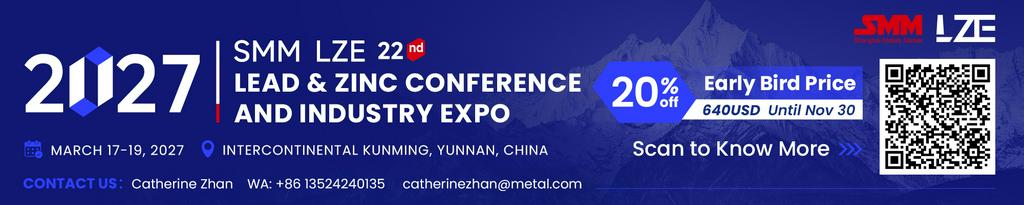
Ya están abiertas las reservas anticipadas para la 22.ª Conferencia y Exposición Industrial de Plomo y Zinc SMM LZE 2027, que se celebrará en Yunnan el próximo marzo.
——De la conferencia a la expo · Escala duplicada · Actualización integral—— [Lo que este artículo le ofrece] ① Introducción a la exposición ② Cómo registrarse ③ Primera tanda de expositores ④ Agenda de la conferencia I. ¡Escala duplicada, actualización integral! En 2026, el plomo y el zinc enfrentan una marcada volatilidad: precios elevados del plomo, escasez de plomo de alta pureza, existencias récord de plomo de baja ley en la LME, traslado de la producción de baterías de plomo-ácido de China al extranjero, cargos de tratamiento de concentrados de zinc profundamente negativos, escasez de mineral de zinc importado de alta calidad, apertura de la ventana de exportación de lingotes de zinc y expansión de fundiciones de zinc en el extranjero. La LZE abarca perspectivas del mercado, pronósticos de precios, tecnología de equipos, reciclaje y aplicaciones posteriores, impulsando la transformación ecológica y el crecimiento mutuamente beneficioso. Lo que distingue a la LZE 2027 (22.ª edición) de los eventos anteriores es su mejora transformadora: pasa de ser una conferencia puramente industrial a una combinación perfecta de conferencia y exposición industrial, ofreciendo una reunión de mayor escala, una vitrina industrial ampliada y una participación de gran alcance en toda la cadena de valor del plomo y el zinc. Del análisis de tendencias de la industria a los intercambios profundos en la cadena industrial, del emparejamiento de oferta y demanda entre los segmentos anteriores y posteriores a las vitrinas empresariales concentradas, de una conferencia industrial única a una mayor integración de "conferencia + exposición industrial": ¡en 2027, la LZE de SMM entra en la era de la "expo"! La conferencia celebrará su 22.ª edición con una escala mayor, una alineación industrial más rica y una participación más amplia de los segmentos anteriores y posteriores. Escanee el código QR a continuación para registrarse como visitante de forma gratuita 1. Escala de la conferencia Delegados: más de 6.000 (un 71,4 % más que en la edición anterior) Empresas: más de 2.000 (un 100 % más que en la edición anterior) Expositores: más de 120 (un 50 % más que en la edición anterior) Emparejamientos de oferta y demanda: más de 300 (un 50 % más que en la edición anterior) Foros especializados: 7 (1 más que en la edición anterior) 2. Grupos de participantes 20 % - Mineros 23 % - Fundidores 22 % - Empresas de procesamiento 10 % - Comerciantes 5 % - Compras de usuarios finales de plomo y zinc 15 % - Equipos de terceros, tecnología, materiales auxiliares, medios, etc. 3 % - Gobierno, asociaciones e instituciones universitarias de investigación 2 % - Empresas financieras y de futuros 3. Desglose de puestos de trabajo 4. Aspectos destacados de la conferencia Tendencias de precios, perspectivas de consumo e interpretación de políticas Diálogo global sobre la industria del plomo-zinc y estrategias de internacionalización Reuniones de negocios uno a uno Exploración de caminos innovadores en tecnología minera y metalúrgica y reciclaje de recursos Exhibición de equipos y consumibles de vanguardia II. Cuatro identidades, una exposición de plomo-zinc Ya sea que busque información del mercado, adquisiciones, exhibición o exposición de marca, encontrará una opción de participación adecuada para usted. 1. Visitantes profesionales (Explore la exposición en busca de oportunidades de negocio y conéctese con los eslabones anteriores y posteriores de la industria) [Beneficios para visitantes] Entrada al área de exposición Regalos por registro en el lugar Mapa exclusivo de distribución de la industria del plomo-zinc de SMM Grupo de intercambio para visitantes de la industria del plomo-zinc Beneficios para grupos Entradas para algunos foros …… 2. Delegados de la conferencia (Conozca las nuevas tendencias y debata sobre el mercado del plomo-zinc) [Beneficios para delegados] Entrada al área de exposición Regalos por registro en el lugar Mapa exclusivo de distribución de la industria del plomo-zinc de SMM Grupo de intercambio para visitantes y conferencia de la industria del plomo-zinc Entrada para todos los foros de la conferencia Vale para cena ejecutiva Vales de almuerzo y cena durante la conferencia Directorio de empresas Informes de expertos Emparejamiento de oferta y demanda uno a uno Actividades de visita de campo posteriores a la conferencia …… 3. Expositor (Sube al escenario de la industria y muestra tus fortalezas) [Stand personalizado de 18 m²] [Beneficios] Diseño y construcción de todos los materiales para el stand de 18 m², mesas, sillas, sofá y recepción, TV, 5 pases para la conferencia, soporte para banner en X*1, página a color en el folleto de la conferencia*1, exhibición de LOGO, exposición y promoción en línea multiplataforma, emparejamiento de oferta y demanda uno a uno, apoyo de cooperación a largo plazo de SMM, etc. [Stand prémium de 9 m²] [Beneficios] Diseño y construcción de todos los materiales para el stand de 9 m², pared de fondo impresa, mostrador de recepción, mesas y sillas, TV, 3 pases para la conferencia, soporte para banner en X*1 o página a color en el folleto de la conferencia*1, exhibición del LOGO, exposición y promoción en línea multiplataforma, emparejamiento 1 a 1 entre oferta y demanda, apoyo de cooperación a largo plazo de SMM, etc. [Stand estándar de 6 m²] [Beneficios] Diseño y construcción de todos los materiales para el stand de 6 m², una mesa larga y dos sillas, 2 soportes para banner en X con contenido diferente, 2 pases para la conferencia, exposición y promoción en línea multiplataforma, emparejamiento 1 a 1 entre oferta y demanda, apoyo de cooperación a largo plazo de SMM, etc.
22 Oct 2026 09:59 (GMT+8)

Perspectivas de oferta y demanda mundial de aluminio para 2027: los altos márgenes impulsan la expansión, transformando el mercado de ajustado a holgado
21 Oct 2026 09:41 (GMT+8)
La inversión china de 6.000 millones de dólares en baterías en Marruecos redefine la demanda de litio de la UE en medio de cambios arancelarios
20 Oct 2026 17:02 (GMT+8)
N-Type frente a P-Type en módulos solares fotovoltaicos: ¿qué los diferencia y por qué el N-Type está ganando terreno en el mercado global?
21 Oct 2026 09:45 (GMT+8)
Las importaciones chinas de espodumeno aumentan un 7 % intermensual en septiembre, con Australia, Nigeria y Zimbabue como las tres principales fuentes
20 Oct 2026 19:03 (GMT+8)
![[Análisis de SMM] Las ventas récord de HRC de Hoa Phat reconfiguran la autosuficiencia de Vietnam y los flujos de exportación de China](https://imgqn.smm.cn/usercenter/MhPNV20251217171716.jpg)
[Análisis de SMM] Las ventas récord de HRC de Hoa Phat reconfiguran la autosuficiencia de Vietnam y los flujos de exportación de China
20 Oct 2026 14:36 (GMT+8)
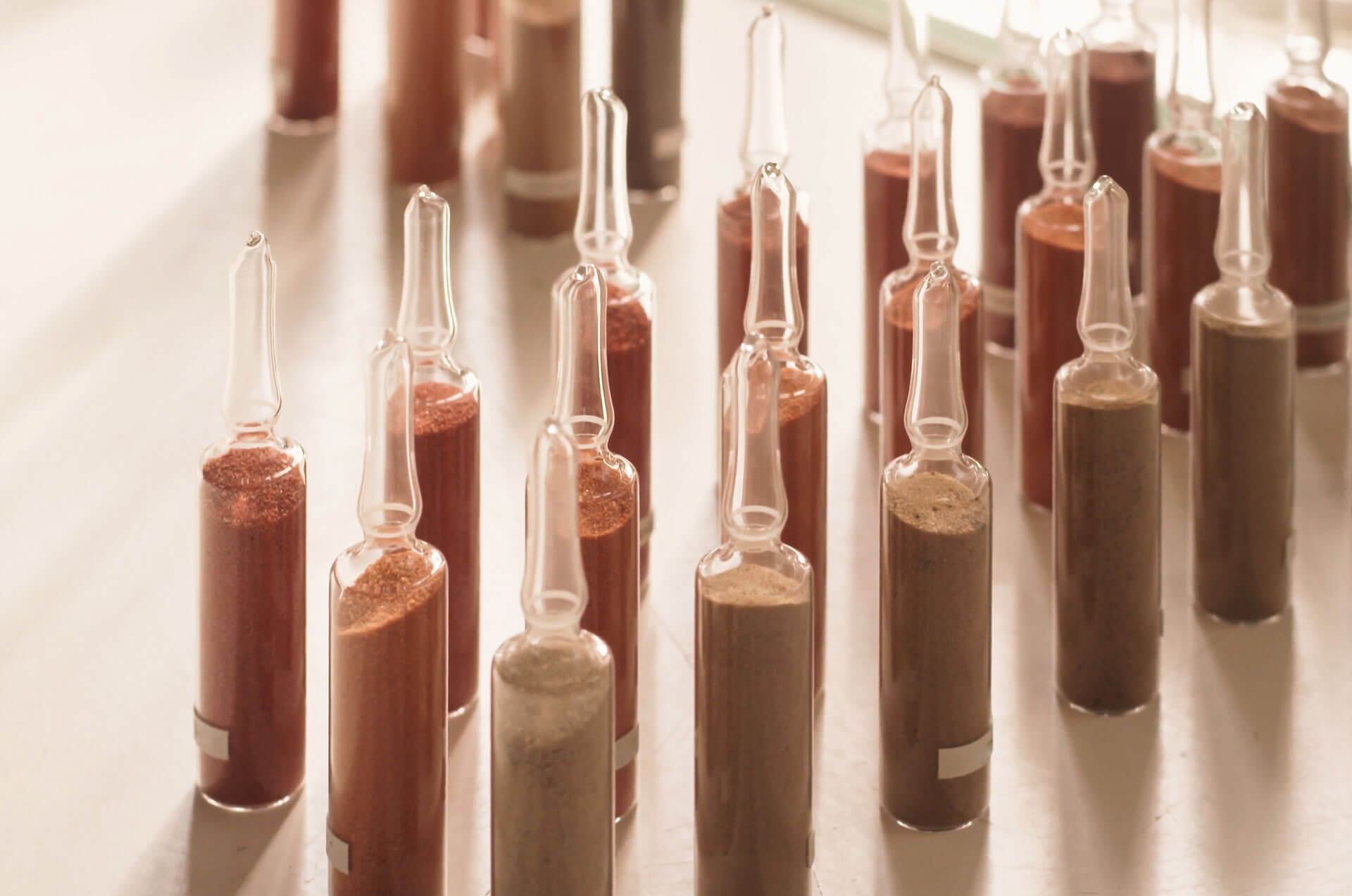
Las exportaciones de imanes de tierras raras de China alcanzaron un récord en septiembre, impulsadas por la liberación de pedidos acumulados y la flexibilización regulatoria【Análisis de SMM】
20 Oct 2026 16:06 (GMT+8)
Últimas noticias
[Europa pone fin a los derechos antidumping y compensatorios definitivos impuestos al vidrio solar originario de China]
23 Oct 2026 16:27 (GMT+8)
[SMM PV Newsletter] LONGi y TÜV Rheinland publican conjuntamente el Libro Blanco de Seguridad contra Incendios Fotovoltaicos
23 Oct 2026 11:45 (GMT+8)
[SMM PV Flash] ¡Dos seleccionados! Productos de la serie EVO de Maxtian Energy incluidos en la lista provincial de Zhejiang
23 Oct 2026 11:44 (GMT+8)
[SMM Noticias FV] Apuntando a Europa Central y del Este, Kehua Digital Energy ayuda a poner en marcha el proyecto de almacenamiento de energía de Rumanía.
23 Oct 2026 11:44 (GMT+8)
[SMM Noticias FV] Qinghai implementa norma local para la trazabilidad de electricidad verde
23 Oct 2026 11:43 (GMT+8)
[SMM PV Flash] Lodestone cotiza en NZX y recauda 75 millones de dólares neozelandeses para ampliar su cartera solar
23 Oct 2026 09:15 (GMT+8)
[SMM PV Flash] Encavis firma un PPA híbrido solar y eólico en España para suministrar 60 GWh anuales
23 Oct 2026 09:14 (GMT+8)
[SMM PV Flash] European Energy firma acuerdos de 30 años con los propietarios tradicionales para proyectos solares y de almacenamiento en Australia
23 Oct 2026 09:14 (GMT+8)
Fabricantes de marcos fotovoltaicos mantienen operaciones estables; los precios del aluminio se consolidarán en medio de señales macroeconómicas mixtas [Análisis de SMM]
22 Oct 2026 18:32 (GMT+8)
Los factores bajistas macroeconómicos recuperan el dominio; el mercado se centra en la reunión de tipos de la Fed de fin de mes [Análisis macroeconómico de metales preciosos de SMM]
22 Oct 2026 16:24 (GMT+8)
Estancamiento en el segmento upstream fotovoltaico se mantiene estable, los precios de los módulos continúan cayendo [Revisión semanal de SMM]
22 Oct 2026 15:31 (GMT+8)
Los precios del vidrio se estabilizan en octubre; se espera que en noviembre las empresas apliquen subidas significativas de precios [Análisis de SMM]
22 Oct 2026 14:56 (GMT+8)
[SMM Noticias FV] ¡Se anuncia un proyecto fotovoltaico de 300 MW en Jiangsu!
22 Oct 2026 13:27 (GMT+8)
[SMM PV Flash] Trinasolar invitada a asistir a la Conferencia de Líderes Globales Sostenibles 2026
22 Oct 2026 13:25 (GMT+8)
[SMM PV Flash] LONGi seleccionada para la lista "Top 50 de empresas manufactureras destacadas en su expansión global"
22 Oct 2026 13:25 (GMT+8)
[SMM PV Flash] Sineng Electric y SANY Hydrogen completan con éxito las pruebas empíricas de la fuente de alimentación para producción de hidrógeno
22 Oct 2026 13:24 (GMT+8)
La plata se consolida en mínimos a la espera de la reunión de tipos de la Fed; las operaciones al contado muestran una débil recuperación [Reseña semanal de la plata de SMM]
22 Oct 2026 13:15 (GMT+8)
[SMM PV Flash] Italia otorga financiación para 505 MW de proyectos solares en tejados agrícolas
22 Oct 2026 09:17 (GMT+8)
[SMM PV Flash] La capacidad solar instalada de Zambia supera 1 GW en medio de la expansión de energías renovables
22 Oct 2026 09:09 (GMT+8)
[Análisis de SMM] Exportaciones de módulos fotovoltaicos de China, septiembre de 2026: suben un 44 % intermensual ante el auge de Oriente Medio y la mejora de la demanda del sudeste asiático
21 Oct 2026 16:01 (GMT+8)