

Tin tức
Bài phân tích độc quyền với các cập nhật thị trường mới nhất và bản tin cập nhật theo thời gian thực.
![[SMM Analysis] Đánh giá thép không gỉ ngoài Trung Quốc quý 3: Phụ phí châu Âu giảm 158 EUR/tấn, nhưng giá CIF tăng 2,8%](https://imgqn.smm.cn/usercenter/VstiG20251217171732.jpeg)
[SMM Analysis] Đánh giá thép không gỉ ngoài Trung Quốc quý 3: Phụ phí châu Âu giảm 158 EUR/tấn, nhưng giá CIF tăng 2,8%
Đánh giá quý 3 năm 2026: Chi phí và giá thép không gỉ ngoài Trung Quốc diễn biến trái chiều. NPI Indonesia giảm 8,2%, nhưng SMM ước tính chi phí HRC 304 chỉ giảm 1,7%, với biên lợi nhuận dao động từ 4,7% đến 9,0% theo biến động giá của chính các nhà máy. Phụ phí thép 304 châu Âu giảm 158 EUR/tấn trong khi giá CIF tăng 2,8%. Phế liệu Malaysia tăng 10,4%, CRC nội địa tăng 0,3%. Giá niêm yết Đài Loan (PoC) tăng hai lần trong khi giá giao ngay trượt dốc. Chỉ có Ấn Độ chứng kiến chi phí và giá biến động cùng chiều, khi châu Á mở ba vụ điều tra chống bán phá giá mới.
08 Oct 2026 15:36 (GMT+8)
Vàng: Morgan Stanley cho rằng tiềm năng tăng giá vượt xa rủi ro giảm – 4.000 USD là ngưỡng hỗ trợ
Ngày 2 tháng 10 năm 2026 hiện đang trong giai đoạn tích lũy—nhưng đối với các nhà đầu tư hàng hóa có tầm nhìn xa, chính môi trường này lại mở ra cơ hội chiến lược. Trong khi lợi suất trái phiếu cao và đồng đô la Mỹ mạnh đang phần nào hạ nhiệt thị trường trong ngắn hạn, Morgan Stanley đã nhìn vào bức tranh toàn cảnh: Nền tảng nhu cầu cơ bản vẫn còn nguyên vẹn. Do đó, các nhà phân tích tại ngân hàng đầu tư Mỹ này duy trì mục tiêu rõ ràng: Đến nửa cuối năm 2027, giá vàng sẽ một lần nữa phá vỡ ngưỡng kỳ diệu 5.000 đô la mỗi ounce. Phân tích của Morgan Stanley: Vì sao mục tiêu 5.000 đô la đang trở nên rõ ràng Amy Gower, Trưởng bộ phận Chiến lược Kim loại và Khai khoáng tại Morgan Stanley, nhận định thị trường được bảo vệ đặc biệt tốt ở phía giảm giá bất chấp những cơn gió ngược vĩ mô hiện tại—như giá dầu cao và lợi suất trái phiếu dài hạn chạm mức cao nhất 20 năm. Ngưỡng trên 4.000 đô la tạo nên một đường hỗ trợ vững chắc. Bà giải thích, lý do kim loại quý không phản ứng mạnh hơn với lãi suất tăng nằm ở một nền tảng người mua vững chắc bất thường đang ổn định mức giá hiện tại. Sức mạnh cấu trúc này của thị trường dựa trên ba trụ cột chính: Nhu cầu vàng từ châu Á: Nhu cầu vật chất từ Trung Quốc đang ở mức cực kỳ cao. Lượng vàng nhập khẩu của nước này đang trên đà đạt mức cao nhất kể từ năm 2017—nếu không phải là kỷ lục dài hạn. Sau khoảng lắng ngắn trong “Tuần lễ Vàng,” sức mua này có khả năng sẽ nhanh chóng quay trở lại thị trường. Các ngân hàng trung ương như những vận động viên chạy đường dài: Ngoài Trung Quốc, các ngân hàng trung ương khác—chẳng hạn như Ba Lan—cũng đang đóng vai trò là những người mua lớn nhằm phòng ngừa rủi ro tiền tệ và những lo ngại về tính bền vững dài hạn của núi nợ toàn cầu. Dòng vốn ETF ổn định: Trái ngược với mô hình kinh điển thường thấy trong các giai đoạn chính sách tiền tệ thắt chặt, các quỹ vàng giao dịch trên sàn tiếp tục mở rộng lượng nắm giữ—một dấu hiệu đáng chú ý về sức mạnh của các tổ chức, theo Morgan Stanley. Các đợt bán tháo ngắn hạn, như những gì quan sát được gần đây, hiện chủ yếu được cho là do việc tái cân bằng danh mục của các quỹ giao dịch thuật toán. Bạc đi theo xu hướng cơ bản của vàng Xu hướng nền tảng mạnh mẽ này cũng đang lan sang thị trường bạc. Theo các chuyên gia tại Morgan Stanley, bạc hiện có mối tương quan mạnh hơn nhiều với “người anh lớn” vàng so với các kim loại công nghiệp như đồng. Mặc dù nhu cầu công nghiệp—đặc biệt từ ngành năng lượng mặt trời sau đợt tăng giá cực đoan năm ngoái—đã hạ nhiệt đôi chút do các biện pháp cắt giảm chi phí nguyên vật liệu, tiềm năng kinh tế vĩ mô tổng thể của kim loại quý vẫn ở mức cao. Cuối cùng, tính bền vững tài khóa của các nền kinh tế lớn và khả năng bảo vệ dài hạn trước lạm phát vẫn là những chất xúc tác lâu dài cho tài sản hữu hình. Nếu trong tương lai có các biện pháp can thiệp vào thị trường trái phiếu dài hạn khiến lợi suất giảm trở lại, hoặc giá dầu giảm, áp lực hiện tại lên vàng và bạc sẽ ngay lập tức biến mất. Do đó, đối với Morgan Stanley, con đường phía trước rất rõ ràng: Trong khoảng thời gian 12 tháng, tiềm năng tăng giá là rất lớn, với mục tiêu tạm thời được công bố là 5.000 USD vào năm tới. Nguồn:
09 Oct 2026 13:46 (GMT+8)
[SMM Phân tích] Tăng trưởng nhu cầu thép của Ấn Độ có thể bù đắp sự chậm lại của Trung Quốc?
Ấn Độ gần như có thể bù đắp mức sụt giảm nhu cầu dự báo của Trung Quốc vào năm 2026. Liệu điều đó có hỗ trợ giá thép quốc tế hay không phụ thuộc vào việc Ấn Độ mua gì, các nhà máy của nước này mở rộng nhanh đến đâu và liệu sự thu hẹp của Trung Quốc có được kiểm soát hay không. Sự trỗi dậy của Ấn Độ như một nguồn tăng trưởng nhu cầu thép lớn đặt ra một câu hỏi có hệ lụy vượt xa hai quốc gia: liệu thị trường đang mở rộng của nước này có thể bù đắp cho nhu cầu đang thu hẹp của Trung Quốc hay không? Câu trả lời phụ thuộc vào ý nghĩa của từ “bù đắp”. Thay thế lượng tiêu thụ đã mất trong tổng cầu toàn cầu là một phép thử. Tạo ra một thị trường tương đương cho thép giao dịch quốc tế là một phép thử khác. Tái tạo quy mô và tầm ảnh hưởng của chu kỳ phát triển thâm dụng thép của Trung Quốc là một bài toán lớn hơn nhiều. Tăng trưởng nhu cầu thép của Ấn Độ gần như bù đắp sự sụt giảm của Trung Quốc Ở phép thử hẹp nhất, các con số gần như trùng khớp một cách đáng kinh ngạc. Triển vọng tháng 4 của Worldsteel đưa ra nhu cầu thép thành phẩm của Ấn Độ ở mức 171,6 triệu tấn vào năm 2026, tăng từ 159,8 triệu tấn năm 2025. Trung Quốc giảm từ 796,0 triệu tấn xuống 784,1 triệu tấn. Do đó, Ấn Độ tăng thêm 11,8 triệu tấn so với mức giảm 11,9 triệu tấn của Trung Quốc: mức thay đổi tổng hợp khoảng âm 0,1 triệu tấn, tính từ các mức công bố đã làm tròn. Hình 1. Tăng trưởng phần trăm mạnh ở một thị trường nhỏ hơn có thể bù đắp mức suy giảm khiêm tốn ở một thị trường lớn hơn nhiều. So sánh này liên quan đến nhu cầu thép thành phẩm, không phải sản lượng thép thô. Đó là một đóng góp có ý nghĩa cho sự ổn định của thị trường. Nhưng đó cũng là một sự cân bằng mong manh. Trung Quốc vẫn lớn gấp khoảng 4,6 lần Ấn Độ trong dự báo năm 2026. Do đó, một thay đổi nhỏ trong quỹ đạo của Trung Quốc có thể hấp thụ một phần đáng kể mức tăng của Ấn Độ. Cách diễn giải hợp lý là Ấn Độ tạo ra một đối trọng đáng kể trước sự suy giảm có kiểm soát của Trung Quốc. Điều đó chưa khiến thị trường toàn cầu trở nên không nhạy cảm với Trung Quốc. Sự khác biệt này quan trọng đối với cách câu chuyện được trình bày. So sánh mức tăng trưởng dự báo 7,4% của Ấn Độ với mức giảm 1,5% của Trung Quốc khiến sự bù đắp trông có vẻ áp đảo. So sánh theo tấn cho thấy gần như toàn bộ mức tăng của Ấn Độ là cần thiết chỉ để trung hòa mức tổn thất của Trung Quốc. Một điểm phần trăm tăng trưởng có ý nghĩa vật lý rất khác nhau ở hai thị trường. Bảng dưới đây duy trì so sánh hằng năm trên cùng một cơ sở thống kê nhất quán. Bảng cũng tách riêng đóng góp của phần còn lại của thế giới, được tính như phần dư, khỏi cặp Trung Quốc–Ấn Độ. Hình 2. Nhu cầu thép thành phẩm theo năm dương lịch; 2026 và 2027 là dự báo tháng 4 năm 2026. Các thay đổi sử dụng mức công bố đã làm tròn. Phần còn lại của thế giới được tính toán thay vì là chuỗi khu vực được trích dẫn riêng. Ngành Bất động sản Trung Quốc vẫn chịu áp lực, gây nghi ngờ về khả năng ổn định nhu cầu Đối với năm 2027, dự báo tương tự trở nên lạc quan hơn vì Trung Quốc ngừng suy giảm trong khi Ấn Độ tiếp tục tăng trưởng. Nhưng đó là một giả định cần kiểm chứng bằng bằng chứng thực tế, chứ không phải là kết quả đã được đảm bảo. Triển vọng được công bố ngày 14 tháng 4 và phản ánh thông tin có đến giữa tháng 3. Worldsteel đã gắn kết rõ ràng quan điểm ổn định của Trung Quốc với việc điều chỉnh bất động sản phần lớn đã đi đến hồi kết; tổ chức này cũng nhấn mạnh sự không chắc chắn về mức độ nghiêm trọng được báo cáo của sự suy giảm nhu cầu năm 2025 của Trung Quốc. Các chỉ số bất động sản sau đó cho thấy cần thận trọng. Cục Thống kê Quốc gia Trung Quốc báo cáo rằng số công trình khởi công mới giảm 24,8% so với cùng kỳ năm trước trong tháng 1–8 năm 2026, trong khi đầu tư phát triển bất động sản giảm 19,9%. Đây là các thước đo bất động sản, không phải ước tính tổng tiêu thụ thép, và không thể thay thế trực tiếp vào dự báo nhu cầu thép. Tuy nhiên, chúng cho thấy một hoạt động tiêu thụ thép quan trọng vẫn chịu áp lực sau khi triển vọng tháng 4 được chuẩn bị. Dữ liệu bất động sản tháng 1–8 của Cục Thống kê Quốc gia Trung Quốc Cơ chế truyền dẫn liên quan nằm ở chuỗi công trình xây dựng. Các dự án mới tạo ra nhu cầu về vật liệu kết cấu; các dự án đang triển khai có thể tiếp tục tiêu thụ thép ngay cả khi số công trình khởi công suy yếu. Những thay đổi về tiến độ dự án, thiết kế công trình và cường độ sử dụng vật liệu khiến không thể chuyển đổi cố định từ diện tích sàn sang khối lượng thép. Sản xuất và cơ sở hạ tầng cũng ảnh hưởng đến tổng nhu cầu. Do đó, số công trình khởi công yếu là lý do để rà soát lại mức cơ sở của nhu cầu, chứ không phải là bằng chứng cho thấy tiêu thụ thép chắc chắn giảm với cùng tốc độ. Cơ sở hạ tầng và sản xuất thúc đẩy tăng trưởng nhu cầu thép của Ấn Độ Tăng trưởng của Ấn Độ có nhiều động lực được báo cáo hơn. Worldsteel xác định xây dựng dẫn dắt bởi cơ sở hạ tầng, hoạt động ô tô, hàng hóa tư liệu sản xuất, phát triển đường sắt và hàng tiêu dùng lâu bền là các yếu tố hỗ trợ. Đánh giá của Worldsteel về Ấn Độ. Đối với các bên tham gia thị trường, câu hỏi tiếp theo là các mục đích sử dụng cuối cùng này chuyển thành đơn đặt hàng cho các sản phẩm cụ thể như thế nào. Thép cốt bê tông cho một dự án xây dựng, thép tấm ô tô đạt chuẩn và thép điện cho thiết bị là những thị trường thương mại khác nhau, ngay cả khi tất cả đều đóng góp vào cùng một tổng nhu cầu quốc gia. Có bằng chứng đáng khích lệ trong số liệu tiêu thụ gần đây hơn của Ấn Độ. Bản công bố ngày 6 tháng 10 của Bộ Thép cho thấy tiêu thụ thép thành phẩm tăng từ 79,0 triệu tấn lên 84,9 triệu tấn trong giai đoạn tháng 4–tháng 9 năm 2026, mức tăng được báo cáo là 7,5%. Các quan sát tạm thời cho nửa năm tài chính này bao phủ một giai đoạn khác với dự báo theo năm dương lịch của Worldsteel. Chúng ủng hộ bức tranh tăng trưởng tiếp diễn mà chưa xác lập kết quả cuối cùng của năm 2026. Bộ Thép / PIB, cập nhật nửa đầu năm Tiêu thụ tăng không đảm bảo nhập khẩu cao hơn khi thương mại thép của Ấn Độ phân kỳ Tuy nhiên, đối với các nhà máy nước ngoài, tăng trưởng tiêu thụ chỉ là khởi đầu của đánh giá. Nhu cầu bổ sung của Ấn Độ có thể được đáp ứng bằng sản xuất trong nước, giảm xuất khẩu, nhập khẩu hoặc thay đổi tồn kho. Điều đó không nhất thiết trở thành mức tăng tương ứng trong lượng mua từ nước ngoài. Một thị trường nội địa mạnh có thể cải thiện cơ hội bán hàng cho các nhà sản xuất Ấn Độ trong khi có tác động nhỏ hơn nhiều đến cán cân thép quốc tế ròng. Hình 3. Cả hai dòng thương mại đều mở rộng trong giai đoạn tháng 4–tháng 9 năm 2026. Chênh lệch giữa chúng thay đổi ít hơn nhiều so với tiêu thụ. Đây là so sánh các chỉ số, không phải là đối chiếu cung–sử dụng đầy đủ. Phép tính thương mại minh họa sự khác biệt này. Nhập khẩu tháng 4–tháng 9 tăng từ 3,3448 triệu tấn lên 4,1418 triệu tấn, trong khi xuất khẩu tăng từ 2,8102 triệu tấn lên 3,5478 triệu tấn. Do đó, nhập khẩu ròng nới rộng từ 0,5346 triệu tấn lên 0,5940 triệu tấn—mức tăng chỉ 59.400 tấn. Điều này không có nghĩa là các nhà cung cấp nước ngoài không tìm thấy cơ hội: nhập khẩu gộp rõ ràng đã tăng. Điều đó có nghĩa là Ấn Độ đồng thời bán nhiều thép hơn ra nước ngoài. Một nhà xuất khẩu đánh giá khả năng bán hàng vào Ấn Độ nên xem xét nhập khẩu gộp theo sản phẩm và khách hàng. Một nhà phân tích đánh giá liệu Ấn Độ có đang hấp thụ thặng dư toàn cầu hay không cũng nên xem xét xuất khẩu. Hai câu hỏi đó không thể trả lời chỉ bằng tốc độ tăng trưởng tiêu thụ. Cũng không nên ép các số liệu thống kê tổng hợp vào một phép tính tồn kho. Sản xuất, thương mại và tiêu thụ cần có định nghĩa và điều chỉnh tương thích trước khi tạo thành một cân đối vật chất hoàn chỉnh. Các số liệu trình bày ở đây không xác định được lượng thép đã rút khỏi hay bổ sung vào kho dự trữ. Quy toàn bộ phần chênh lệch cho tồn kho sẽ tạo ra độ chính xác mà bằng chứng hiện có không hỗ trợ. Chi tiết sản phẩm làm cho bức tranh thương mại rõ ràng hơn. Một thông cáo trước đó của Bộ cung cấp số liệu xuất nhập khẩu có thể so sánh cho một số chủng loại trong giai đoạn tháng 4–tháng 7 năm 2026. Thép cuộn cán nóng và thép dải ghi nhận nhập khẩu ròng 173.700 tấn, trong khi thép thanh và thép cuộn tròn ghi nhận xuất khẩu ròng 95.100 tấn. Bảng dưới đây sử dụng giai đoạn ngắn hơn đó một cách rõ ràng; đây không phải là phân tách của tổng số tháng 4–tháng 9. Hình 4. Một số chủng loại có báo cáo cả hai luồng. Bảng không bao gồm tất cả sản phẩm, và các chủng loại rộng che giấu sự khác biệt về mác thép, kích thước và sự chấp thuận của khách hàng. Các luồng đồng thời này hợp lý về mặt thương mại. Một quốc gia có thể xuất khẩu một quy cách và nhập khẩu một quy cách khác trong cùng một chủng loại. Kinh tế vận tải, thời hạn giao hàng, năng lực nhà máy và yêu cầu chứng nhận cũng có thể tách người mua thành các thị trường riêng biệt. Do đó, vị thế ròng quốc gia là bối cảnh hữu ích, nhưng là chỉ dẫn không đầy đủ cho triển vọng của một nhà máy cụ thể. Cơ hội liên quan là mác thép mà người mua cần ở mức giá giao hàng và ngày giao hàng khả thi. Mở rộng năng lực trong nước có thể định hình lại nhu cầu nhập khẩu thép của Ấn Độ Nguồn cung trong nước cũng đang phản ứng với cơ hội này. Trong báo cáo thường niên năm tài chính 2025–26, JSW mô tả cơ sở năng lực thép thô hợp nhất là 33,4 triệu tấn mỗi năm và mục tiêu 50,3 triệu tấn vào năm tài chính 2029–30, với năng lực liên doanh được thảo luận riêng. Công ty cũng mô tả đầu tư vào công nghệ và sản xuất thép điện. Đây là năng lực và kế hoạch do công ty báo cáo, không phải sản lượng thép thành phẩm bổ sung được đảm bảo. Hàm ý là tăng trưởng nhu cầu của Ấn Độ và tăng trưởng nguồn cung của Ấn Độ phải được đánh giá cùng nhau. Năng lực mới có thể phục vụ khách hàng trong nước, thay thế nhập khẩu hoặc cuối cùng hỗ trợ xuất khẩu. Kết quả phụ thuộc vào việc vận hành thử, tăng tốc sản xuất, năng lực sản phẩm và chi phí. Công suất thép thô đã công bố không nên được trừ trực tiếp vào dự báo nhu cầu thép thành phẩm: các thước đo khác nhau, và công suất danh nghĩa không giống với sản lượng có thể bán được. Nhu cầu của Trung Quốc vẫn là biến số then chốt: Liệu Ấn Độ có thể hỗ trợ giá thép toàn cầu? Điều này khiến quỹ đạo của Trung Quốc trở thành biến số quan trọng. Một phép thử độ nhạy đơn giản giữ mức tăng dự báo của Ấn Độ ở mức 11,8 triệu tấn và chỉ thay đổi mức suy giảm giả định của nhu cầu Trung Quốc so với mức cơ sở năm 2025. Đây là một kịch bản cơ học, không thay thế cho dự báo của worldsteel. Hình 5. Thay đổi kết hợp = 11,8 − (796,0 × mức suy giảm giả định của Trung Quốc). Đầu vào phần trăm được biểu thị dưới dạng phân số trong phép tính. Các thị trường khác bị loại trừ. Mức suy giảm hòa vốn của Trung Quốc xấp xỉ 1,48%. Ở mức suy giảm 3%, Trung Quốc sẽ mất khoảng 23,9 triệu tấn, khiến tổng cộng của hai nước thấp hơn khoảng 12,1 triệu tấn bất chấp mức tăng của Ấn Độ. Ngược lại, một thị trường Trung Quốc ổn định sẽ cho phép mức tăng của Ấn Độ đóng góp đầy đủ vào tăng trưởng kết hợp. Sự bất đối xứng này là lý do chính khiến các chỉ số bất động sản và sản xuất tại Trung Quốc vẫn quan trọng ngay cả khi vai trò của Ấn Độ mở rộng. Đối với các nhà sản xuất và thương nhân, ba phép thử thực tế sau đây được áp dụng. Thứ nhất, theo dõi xem tăng trưởng của Ấn Độ có duy trì trong lượng giao hàng thực tế đến người dùng cuối hay không thay vì chỉ dựa vào các câu chuyện kinh tế vĩ mô rộng lớn. Thứ hai, theo dõi các bổ sung nguồn cung theo tiến độ vận hành thực tế và mức độ sẵn sàng của sản phẩm. Thứ ba, so sánh dòng chảy nhập khẩu và xuất khẩu đối với loại thép liên quan, cùng với cước vận tải, điều khoản giao hàng và các yêu cầu tiếp cận thị trường hiện hành. Một xu hướng nhu cầu quốc gia thuận lợi không thể thay thế cho công việc thương mại đó. Bằng chứng ủng hộ một câu trả lời có điều kiện cho câu hỏi ban đầu. Ấn Độ gần như có thể bù đắp phần mất mát nhu cầu của Trung Quốc được đưa vào dự báo tháng 4 năm 2026, và các quan sát sau đó về Ấn Độ xác nhận tăng trưởng tiêu thụ tiếp tục. Nhưng sự bù đắp này nhạy cảm với một đợt suy giảm sâu hơn của Trung Quốc, và nó không tự động chuyển thành một đầu ra lớn tương đương cho thép nước ngoài. Thị trường đang mở rộng của Ấn Độ xứng đáng có trọng số ngày càng tăng trong phân tích toàn cầu. Khả năng hỗ trợ giá quốc tế của nước này sẽ được quyết định đồng thời bởi nhu cầu, nguồn cung nội địa và các sản phẩm thực sự qua biên giới của nước này.
09 Oct 2026 10:38 (GMT+8)
Tin mới nhất
![[SMM Tin nhanh Crom] Dự báo nhu cầu thép toàn cầu đi ngang vào năm 2026 khi Trung Quốc suy yếu, dự kiến phục hồi vào năm 2027](https://imgqn.smm.cn/production/admin/votes/imagesJNLQz20261016222919.jpeg)
[SMM Tin nhanh Crom] Dự báo nhu cầu thép toàn cầu đi ngang vào năm 2026 khi Trung Quốc suy yếu, dự kiến phục hồi vào năm 2027
16 Oct 2026 22:28 (GMT+8)
![[SMM Tin nhanh Crom] Xuất khẩu quặng crom tháng 8 của Nam Phi giảm 11% trong khi xuất khẩu ferocrom phục hồi 20%](https://imgqn.smm.cn/production/admin/votes/imagesDfSoE20261016221425.jpeg)
[SMM Tin nhanh Crom] Xuất khẩu quặng crom tháng 8 của Nam Phi giảm 11% trong khi xuất khẩu ferocrom phục hồi 20%
16 Oct 2026 22:13 (GMT+8)
![[SMM Điểm tin Crom Tuần] Lưu lượng xuất khẩu phục hồi khi tồn kho cảng Trung Quốc tăng và giá châu Phi phân hóa](https://imgqn.smm.cn/production/admin/votes/imagesnmUGC20261016214428.png)
[SMM Điểm tin Crom Tuần] Lưu lượng xuất khẩu phục hồi khi tồn kho cảng Trung Quốc tăng và giá châu Phi phân hóa
16 Oct 2026 21:43 (GMT+8)
Tồn kho magiê quốc gia giảm 3,52% so với tháng trước, giá chạm đáy năm khiến các nhà máy luyện kim đóng cửa
【SMM Báo cáo nhanh sản lượng magie hàng tuần】Từ ngày 9/10 đến ngày 15/10, sản lượng hàng tuần của các nhà máy magie trong mẫu khảo sát toàn quốc đạt 22.176 tấn, với tỷ lệ vận hành hàng tuần là 72,76%, giảm 0,88% so với tháng trước. Theo khảo sát, trong kỳ nghỉ Quốc khánh, tổng cộng có hai doanh nghiệp luyện magie thô đã ngừng sản xuất để bảo trì và một doanh nghiệp luyện magie thô đã cắt giảm sản lượng. Tuy nhiên, mức giảm do các nhà máy magie hiện tại mang lại đã được bù đắp bởi mức tăng từ các nhà máy magie khác tăng sản lượng. Mức giảm sản lượng tổng thể của các nhà máy magie là không đáng kể, không đủ để làm giảm bớt tình trạng dư cung hiện nay. Theo SMM, một số doanh nghiệp luyện magie thô tại các khu vực sản xuất chính hiện lại có kế hoạch bảo trì do chi phí và giá cả đảo ngược, và sản lượng magie thô sau đó dự kiến sẽ giảm.
16 Oct 2026 19:04 (GMT+8)
Giá thành thỏi magiê Thiểm Tây tăng 1,73%, ngành chứng kiến thua lỗ mở rộng giữa bối cảnh giá nguyên liệu thô cao
【SMM Bản tin chi phí Magie hàng tuần】Từ ngày 10/10 đến 16/10, chi phí sản xuất bình quân của thỏi magie tại tỉnh Thiểm Tây đạt 15.679 nhân dân tệ/tấn, tăng khoảng 1,73% so với tuần trước. Về lợi nhuận, ngành ghi nhận mức lỗ bình quân 379 nhân dân tệ/tấn trong tuần này, với biên độ âm giữa giá magie và chi phí sản xuất ngày càng nới rộng. Nguyên nhân cơ bản như sau: Thứ nhất, giá magie giảm một chiều và lao dốc mạnh sau kỳ nghỉ lễ đã trực tiếp xóa sạch biên lợi nhuận còn lại, đẩy các nhà sản xuất vào tình trạng lỗ sâu hơn. Thứ hai, phía chi phí cũng đồng thời gây áp lực: giá giao dịch bình quân than cục Hongliulin tuần này đạt 1.048,77 nhân dân tệ/tấn, tăng 22,34 nhân dân tệ/tấn so với kỳ trước, trong khi giá bán cốc tương đối ổn định. Việc tăng giá than cục không được chuyển tiếp một cách hiệu quả, làm trầm trọng thêm thua lỗ cho các nhà sản xuất bán cốc và tiếp tục đẩy chi phí sản xuất thỏi magie lên cao. Trong ngắn hạn, dưới sức ép kép từ giá magie yếu kéo dài và chi phí nguyên liệu cao, các nhà máy magie vẫn thiếu động lực để khôi phục lợi nhuận, và tình trạng giá thấp hơn chi phí hiện nay có khả năng sẽ còn tiếp diễn.
16 Oct 2026 19:03 (GMT+8)
Thị trường Titan ảm đạm hàng tuần, phân hóa chuỗi ngành tiếp diễn [SMM Điểm tin Titan hàng tuần]
[SMM Điểm tin Titan hàng tuần: Thị trường titan củng cố ở mức yếu trong tuần này, phân hóa chuỗi ngành vẫn tiếp diễn] Thị trường titan nhìn chung củng cố ở mức yếu trong tuần này. Tinh quặng titan nguồn cung dồi dào, với tăng trưởng trong nước cộng với lượng tồn kho nhập khẩu cao, hàng giá thấp gây áp lực lên thị trường, và người mua hạ nguồn ép giá, khiến giá quặng chịu áp lực. Titan dioxit giữ ổn định, với đơn hàng cải thiện trong tháng 9 thúc đẩy khôi phục sản xuất, nhưng "mùa cao điểm tháng 10" không thành hiện thực, do đơn hàng mới ít và giao dịch yếu, với sự hỗ trợ hạn chế từ nguyên liệu thô. Xỉ titan củng cố ở mức yếu, với thua lỗ vẫn tiếp diễn, tỷ lệ vận hành ở mức thấp, hạ nguồn mua theo nhu cầu tức thời, và thu hẹp nguồn cung tìm được mức sàn nhưng không thể tăng. Titan xốp vẫn ảm đạm, với việc giải phóng công suất mới cộng với khôi phục sản xuất sau bảo trì tạo áp lực nguồn cung đáng kể, trong khi người mua hạ nguồn ép giá và giao dịch mỏng. Sản phẩm titan cho thấy sự phân hóa nóng-lạnh, với phân khúc dân dụng trì trệ giữa cạnh tranh giá khốc liệt, trong khi đơn hàng hàng không vũ trụ và quân sự đầy nhưng mức thúc đẩy hạn chế. Nhìn chung, nhu cầu sử dụng cuối chưa phục hồi hoàn toàn, với phân hóa ngắn hạn và củng cố yếu dự kiến, và chú ý đến việc bổ sung hàng sau kỳ nghỉ và hợp lý hóa công suất phân khúc thấp.
16 Oct 2026 17:38 (GMT+8)
Nigeria ký thỏa thuận 362 triệu USD xây nhà máy titan tích hợp đầu tiên ở Tây Phi
【SMM Titan Flash】Ngày 12/10, chính quyền bang Ondo, Nigeria đã ký thỏa thuận trị giá 362 triệu USD với PyVee Limited để xây dựng nhà máy chế biến titan tại khu vực chính quyền địa phương Ilaje, triển khai theo mô hình hợp tác công tư. Được định vị là nhà máy chế biến chuỗi giá trị titan tích hợp hoàn chỉnh đầu tiên tại Tây Phi, dự án sẽ được triển khai theo hai giai đoạn: giai đoạn một đầu tư khoảng 12 triệu USD để xây dựng nhà máy thí điểm thương mại, dự kiến đi vào hoạt động khoảng 21 tháng sau khi ký kết; giai đoạn hai là xây dựng tổ hợp chế biến titan quy mô đầy đủ. Chính quyền bang tham gia bằng hình thức đổi đất lấy cổ phần, dự kiến dự án sẽ tạo ra giá trị kinh tế hàng năm hơn 300 tỷ naira cho bang Ondo. Với việc triển khai dự án, sự tham gia của Nigeria vào ngành chế biến titan toàn cầu dự kiến sẽ tăng lên.
16 Oct 2026 15:56 (GMT+8)
EU trao vị thế chiến lược cho dự án Verde Magnesium, đặt mục tiêu sản lượng 90.000 tấn mỗi năm vào năm 2036
【SMM Titanium Flash】Ngày 13 tháng 10, Ủy ban châu Âu đã cấp quy chế dự án chiến lược theo Đạo luật Nguyên liệu thô quan trọng cho khâu chế biến của dự án Verde Magnesium Industries tại Romania. Cùng với khâu khai thác đã được phê duyệt trước đó, dự án này đã trở thành dự án duy nhất tại châu Âu đạt quy chế chiến lược CRMA trên toàn bộ chuỗi giá trị magie nguyên sinh. Lộ trình sản xuất theo giai đoạn cho thấy mục tiêu sản lượng năm 2028 là 360 tấn, tăng lên 30.000 tấn vào năm 2031 và mở rộng lên 90.000 tấn vào năm 2036. Với việc thiết lập quy chế chiến lược trên toàn chuỗi, quá trình xây dựng năng lực cung ứng magie nguyên sinh nội địa tại châu Âu dự kiến sẽ được đẩy nhanh.
16 Oct 2026 15:54 (GMT+8)
Latrobe Magnesium thúc đẩy nhà máy trình diễn, đặt mục tiêu đạt magiê tinh khiết 98% vào năm 2026, mở rộng sang Mỹ
【SMM Magie Nhanh】Ngày 16 tháng 10, Latrobe Magnesium công bố tiến độ mới nhất, cho biết tiến độ lắp đặt Giai đoạn 1B của nhà máy trình diễn tại Victoria đã đạt 95%, trong đó 35% công tác chạy thử đã hoàn thành. Công ty vẫn kiên định với mục tiêu sản xuất lô kim loại magie đầu tiên có độ tinh khiết trên 98% vào cuối năm 2026. Đồng thời, công ty đang thúc đẩy kế hoạch xây dựng nhà máy magie công suất 50.000 tấn tại Nam Carolina, Mỹ và đã nhận được tổng cộng 32.000 tấn/năm ý định mua hàng không ràng buộc. Tính đến cuối tháng 9, công ty nắm giữ 3,4 triệu đô la Úc tiền mặt và hiện đang tiến hành đợt phát hành cổ phiếu được bảo lãnh toàn bộ trị giá 3,4 triệu đô la Úc, với thời hạn phát hành cổ phiếu được gia hạn từ ngày 19 tháng 10 đến ngày 26 tháng 10. Khi quá trình chạy thử dây chuyền trình diễn tiến triển, quy trình xác minh công nghiệp hóa công nghệ chiết xuất magie carbon thấp của công ty dự kiến sẽ tiếp tục được đẩy nhanh.
16 Oct 2026 15:45 (GMT+8)
EU công bố 46 dự án nguyên liệu thô chiến lược, bao gồm Sáng kiến Verde Magnesium của Romania
【SMM Magie Điểm tin】Ngày 10/10, Ủy ban châu Âu công bố vòng dự án chiến lược mới về nguyên liệu thô quan trọng, tổng cộng 46 dự án, bao phủ 15 trong số 17 nguyên liệu thô chiến lược, trong đó có magie. Dự án magie được chọn là dự án chế biến do Verde Magnesium phát triển tại Budureasa, Romania. Công ty trước đó đã đạt được tư cách khai thác mỏ magie, đặt mục tiêu trở thành nhà sản xuất magie sơ cấp đầu tiên của châu Âu trong 25 năm qua. Dự án áp dụng quy trình khử nhiệt nhôm, dự kiến khởi động lại mỏ vào cuối năm 2026 và xây dựng nhà máy luyện magie công suất 30.000 tấn/năm vào năm 2030. Vòng 46 dự án này dự kiến huy động khoảng 21,1 tỷ euro. Hiện Trung Quốc cung cấp 97% lượng magie cho EU. Động thái này nhằm thúc đẩy đa dạng hóa chuỗi cung ứng và giảm phụ thuộc vào một nguồn duy nhất.
16 Oct 2026 15:44 (GMT+8)
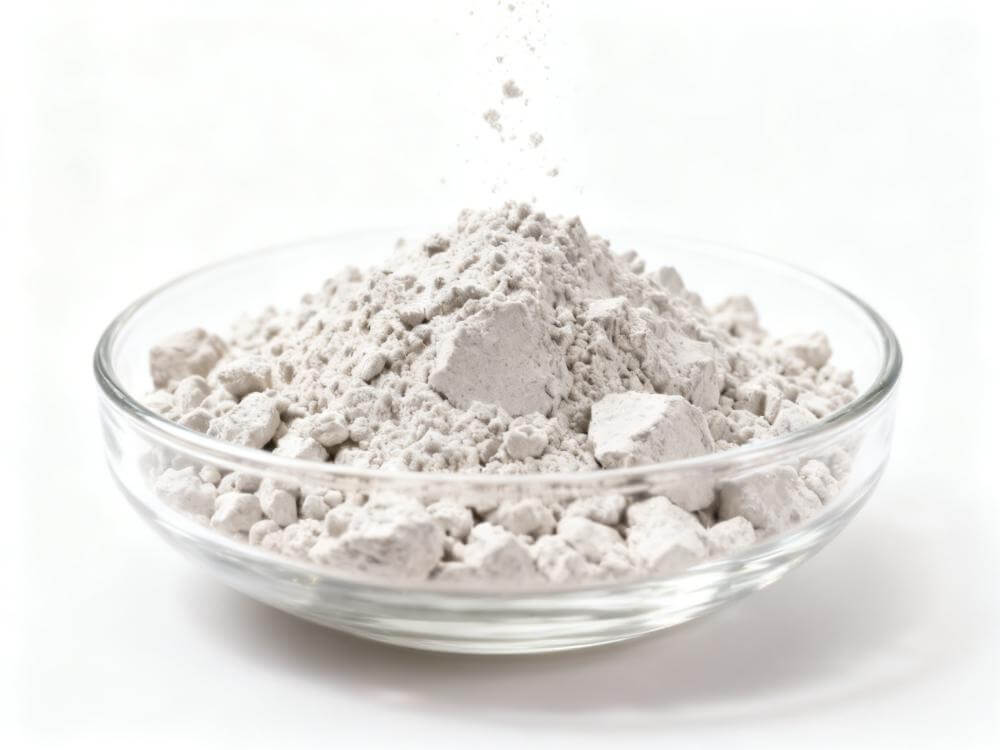
Mỹ khởi xướng rà soát hoàng hôn chống bán phá giá lần thứ 4 đối với nhập khẩu magiê Trung Quốc, ảnh hưởng đến xuất khẩu trong tương lai
16 Oct 2026 15:42 (GMT+8)
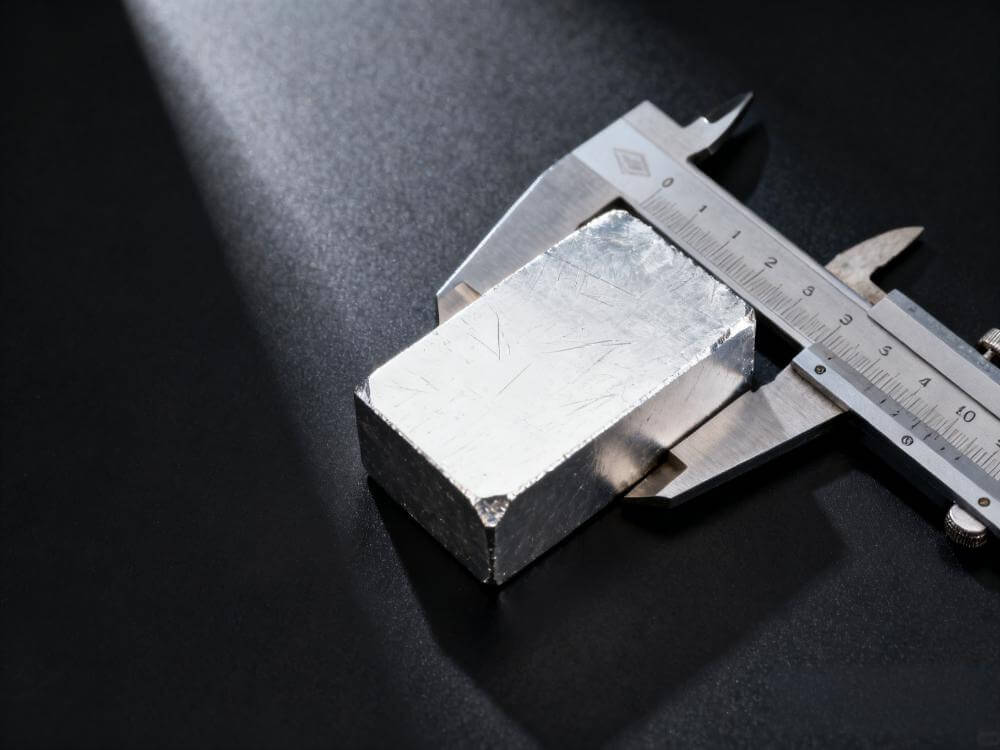
【Phân tích SMM】Nhu cầu hỗ trợ không đủ kéo giá thị trường crom đi xuống
16 Oct 2026 15:39 (GMT+8)
Đề xuất tháng 9 của người bán ở Bắc Kivu chào giá 4,70 đô la Mỹ mỗi kg cho mỗi 1% Tantalum
16 Oct 2026 15:09 (GMT+8)
Thị trường antimon giảm, thỏi 1# xuống dưới 100.000 NDT/tấn trong tuần giao dịch sau kỳ nghỉ
Tuần giao dịch đầy đủ đầu tiên sau kỳ nghỉ lễ chứng kiến thị trường antimon phá vỡ trạng thái tích lũy ngang ở mức cao kéo dài hơn một tháng, với báo giá của tất cả các sản phẩm đều giảm trên diện rộng.
Ngày 12 tháng 10 (thứ Hai), giá các loại đồng loạt giảm 3.000–4.000 NDT/tấn. Xu hướng giảm tăng tốc vào ngày 13, khi antimon thỏi 1# giảm xuống dưới ngưỡng 100.000 NDT/tấn, còn 98.000 NDT/tấn. Từ ngày 14 đến 15 tháng 10, antimon thỏi 1# tạm thời ổn định quanh mức 95.000 NDT/tấn. Giá tiếp tục giảm vào ngày 16, với antimon thỏi 1# chốt ở mức 92.000 NDT/tấn và antimon thỏi 0# ở mức 94.000 NDT/tấn.
16 Oct 2026 15:05 (GMT+8)
Giá Tellurium giữ ổn định ở mức 798,5 NDT/kg trong 16 ngày niêm yết liên tiếp sau kỳ nghỉ lễ
Tuần giao dịch trọn vẹn đầu tiên sau kỳ nghỉ lễ Quốc khánh chứng kiến báo giá telua trong nước giữ ổn định trên toàn diện. Giá trung bình của telua (99,99%) đứng ở mức 798,5 NDT/kg, với mức cao 807 NDT/kg và mức thấp 790 NDT/kg, tương ứng biên độ giá 17 NDT. Không có điều chỉnh giá nào được thực hiện trong suốt năm ngày giao dịch của tuần.
Theo đó, giá telua trung bình trong nước đã duy trì ở mức 798,5 NDT/kg trong 16 ngày báo giá liên tiếp kể từ ngày 17 tháng 9, với mức biến động giá thuộc nhóm thấp nhất trong số các kim loại hiếm chủ chốt.
16 Oct 2026 14:55 (GMT+8)
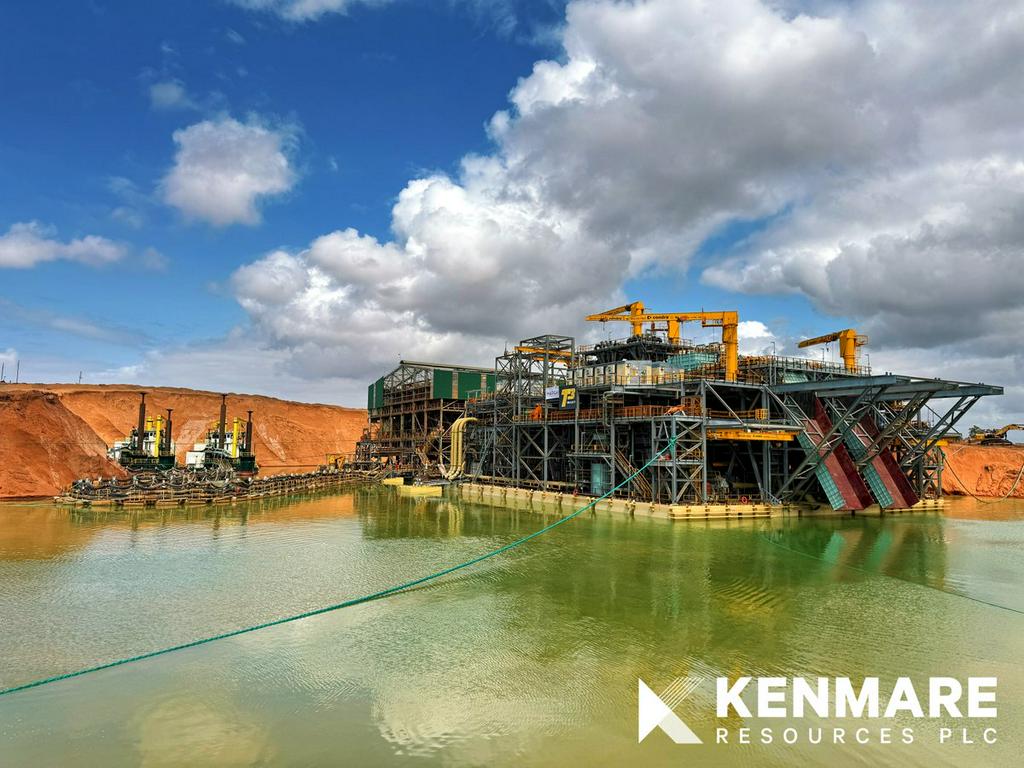
Sản lượng ilmenit quý 3 của Moma phục hồi, nhưng Kenmare cắt giảm dự báo cả năm
[SMM Titanium Flash] Kenmare Resources báo cáo ngày 15 tháng 10 rằng mỏ Moma tại Mozambique của họ đã sản xuất 233.600 tấn ilmenit trong quý 3, tăng 12% so với cùng kỳ năm ngoái và tăng 59% so với quý 2. Tổng lượng xuất xưởng thành phẩm đạt 242.900 tấn. Dù phục hồi, Kenmare đã hạ dự báo sản lượng ilmenit năm 2026 xuống còn 710.000–750.000 tấn từ mức khoảng 800.000 tấn, với lý do tiếp tục gặp khó khăn trong vận hành thử tại Nhà máy Tuyển ướt A.
Kenmare cũng dự kiến tổng lượng xuất xưởng cả năm khoảng 1,05 triệu tấn, thấp hơn mức hướng dẫn trước đó là hơn 1,1 triệu tấn. Tồn kho thành phẩm tăng lên 284.200 tấn vào cuối tháng 9 do sản lượng vượt lượng xuất xưởng. Công ty cho biết giá nguyên liệu titan vẫn chịu áp lực do nguồn cung dư thừa, đặc biệt tại Trung Quốc, và dự kiến giá ilmenit bình quân nhận được sẽ giảm trong quý 4. Các con số xuất xưởng và giá này là dự báo, chưa phải kết quả hoàn tất.
16 Oct 2026 14:49 (GMT+8)
Giá Magie Tiếp Tục Chạm Đáy Trong Bối Cảnh Suy Yếu, Mô Hình Cung-Cầu Khó Thay Đổi Trong Ngắn Hạn [Dữ Liệu Magie Hàng Tuần SMM]
[Giá Magie Tiếp Tục Chạm Đáy Trong Bối Cảnh Ảm Đạm; Cân Bằng Cung Cầu Khó Thay Đổi Trong Ngắn Hạn] Tuần này, chuỗi ngành magie nhìn chung vẫn trong tình trạng ảm đạm. Về phía nguyên liệu thô, mỏ dolomite Vũ Đài đã ngừng sản xuất, sau khi các doanh nghiệp mua bổ sung từ bên ngoài, tình trạng thiếu hụt đã dịu bớt, giá quặng giữ ổn định. Giá magie thỏi trong nước tiếp tục giảm, mức giảm chậm lại gần đường chi phí khi giá củng cố ở mức thấp. Trong khi đó, giá FOB xuất khẩu giảm theo đà giảm trong nước, các yêu cầu báo giá từ nước ngoài chỉ cải thiện tâm lý thị trường, chưa có giao dịch thực tế nào được ký kết. Bột magie và hợp kim magie đồng thời chịu áp lực, do nhu cầu hạ nguồn từ ô tô, xe điện và khử lưu huỳnh thép vẫn yếu. Các doanh nghiệp gia công sâu cắt giảm sản lượng và giảm tồn kho, phí gia công ít có dấu hiệu cải thiện. Trong ngắn hạn, giá có khả năng vẫn duy trì ở mức ảm đạm.
16 Oct 2026 14:47 (GMT+8)
Giá Indium trong nước giảm theo bậc thang sau tuần giao dịch nghỉ lễ
Tuần giao dịch đầy đủ đầu tiên sau kỳ nghỉ lễ chứng kiến giá indi trong nước thoát khỏi trạng thái tích lũy hẹp trước đó và giảm theo hình bậc thang.
Từ ngày 12 đến 14 tháng 10, giá các cấp vẫn giữ nguyên so với mức trước kỳ nghỉ: indi tinh luyện ở mức 5.250 NDT/kg, indi thô ở mức 5.050 NDT/kg và indi độ tinh khiết cao 6N ở mức 5.750 NDT/kg.
Vào ngày 15, tất cả các cấp đều bị cắt giảm 100 NDT/kg so với mức chuẩn trước kỳ nghỉ, tiếp theo là mức giảm thêm 50 NDT/kg vào ngày 16.
Trong hai ngày đó:
Indi tinh luyện giảm 150 NDT xuống còn 5.100 NDT/kg (-2,9%)
Indi thô giảm 150 NDT xuống còn 4.900 NDT/kg (-3,0%)
Indi độ tinh khiết cao 6N giảm 150 NDT xuống còn 5.600 NDT/kg (-2,6%)
16 Oct 2026 14:45 (GMT+8)
Đánh giá hàng tuần thị trường giao ngay Indi của SMM: Nhu cầu thị trường Indi yếu, giá giảm dần từng bước
16 Oct 2026 14:40 (GMT+8)
Giá Antimon Giảm Trên Diện Rộng [Đánh Giá Hàng Tuần Thị Trường Antimon Giao Ngay SMM]
16 Oct 2026 14:28 (GMT+8)
![[SMM Analysis] Bối cảnh lithium của Zimbabwe: xuất khẩu tăng trưởng nhanh chóng & chính sách đẩy nhanh chế biến hạ nguồn nội địa](https://imgqn.smm.cn/usercenter/wzbHd20251217171731.jpg)
[SMM Analysis] Bối cảnh lithium của Zimbabwe: xuất khẩu tăng trưởng nhanh chóng & chính sách đẩy nhanh chế biến hạ nguồn nội địa
Các sản phẩm lithium của Zimbabwe đã nổi lên như một nguồn thu xuất khẩu hàng đầu của nước này, với Tổng công ty Tiếp thị Khoáng sản Zimbabwe (MMCZ) báo cáo mức tăng trưởng doanh số đáng kể. Đồng thời, khi lệnh cấm xuất khẩu tinh quặng lithium vào tháng 1 năm 2027 đang đến gần, khoảng cách đang xuất hiện giữa tiến độ xây dựng các dự án chế biến hạ nguồn trong nước và các yêu cầu của chính sách chính phủ, làm dấy lên lo ngại về tính liên tục và cơ cấu nguồn cung nguyên liệu lithium. Tinh quặng vẫn chiếm ưu thế, doanh số tăng 368% Theo dữ liệu MMCZ công bố ngày 8 tháng 10, tổng doanh thu xuất khẩu sản phẩm khoáng sản của Zimbabwe đạt 4,735 tỷ USD trong giai đoạn từ tháng 1 đến tháng 9 năm 2026, tăng 101,8% so với cùng kỳ năm trước. Doanh số sản phẩm lithium chiếm khoảng 2,159 tỷ USD, tương đương 45,6% doanh thu xuất khẩu khoáng sản trong phạm vi báo cáo, vượt qua nhóm kim loại bạch kim để trở thành một trong những nguồn thu xuất khẩu khoáng sản lớn nhất của nước này. Theo sản phẩm, doanh số tinh quặng spodumene đạt khoảng 1,812 tỷ USD, tăng 368,2% so với cùng kỳ năm trước, chiếm khoảng 83,9% tổng doanh số sản phẩm lithium. Trong cùng kỳ, doanh số petalite đạt khoảng 155 triệu USD, tăng 583,3%, trong khi doanh số lithium sulphate đạt khoảng 191 triệu USD với khối lượng bán 33.807 tấn — một mặt hàng không ghi nhận doanh số nào trong cùng kỳ năm 2025. Về giá cả, Zimbabwe đạt giá bán trung bình khoảng 1.483 USD/tấn đối với tinh quặng spodumene trong ba quý đầu năm, tăng từ 387 USD/tấn một năm trước đó, tương đương mức tăng khoảng 283%. Điều này cho thấy mức tăng trưởng rõ rệt của doanh thu xuất khẩu lithium không chỉ do thay đổi về khối lượng xuất khẩu mà còn do giá tinh quặng tăng mạnh. Về cơ cấu xuất khẩu, mặc dù xuất khẩu thương mại lithium sulphate đã có tiến triển, tinh quặng spodumene vẫn là nguồn doanh thu chính. Theo giá trị, tinh quặng spodumene và petalite cùng chiếm khoảng 91,1% doanh số sản phẩm lithium, phản ánh ngành công nghiệp lithium của Zimbabwe vẫn đang trong giai đoạn chuyển đổi từ xuất khẩu tinh quặng sang chế biến hạ nguồn trong nước. Dự án lithium sulphate Bikita bị trì hoãn; các công ty tìm kiếm gia hạn thời gian chuyển đổi chính sách Khi doanh thu xuất khẩu lithium tăng trưởng nhanh chóng, chính sách chế biến nội địa của Zimbabwe đã bước vào giai đoạn triển khai quan trọng. Theo truyền thông địa phương đưa tin ngày 9 tháng 10, Bikita Minerals, một công ty con của Tập đoàn Tài nguyên Sinomine, đã làm việc với chính phủ về các hạn chế xuất khẩu tinh quặng lithium dự kiến vào đầu năm 2027, nhằm tìm kiếm thêm thời gian chuyển đổi. Bikita đang xây dựng một nhà máy lithium sulphate với công suất hàng năm 100.000 tấn, với tổng vốn đầu tư khoảng 400 triệu USD. Dự án ban đầu dự kiến hoàn thành vào tháng 3 năm 2027, nhưng sự chậm trễ trong vận chuyển thiết bị và các yếu tố chuỗi cung ứng đã đẩy thời gian dự kiến bắt đầu vận hành sang tháng 7 năm 2027 — muộn hơn so với thời điểm dự kiến thực hiện các hạn chế xuất khẩu tinh quặng. Công ty cũng đã yêu cầu chính phủ xem xét lại cách bố trí các loại thuế và phí bản quyền liên quan đến xuất khẩu nhằm giảm bớt áp lực vận hành do chi phí vốn và biến động giá lithium tạo ra. Ngoài ra, Bikita cho biết một khi hệ thống hạn ngạch xuất khẩu được áp dụng, một số sản phẩm khoáng sản đang bị tồn đọng tại mỏ, tạo áp lực lên công suất lưu trữ hiện có. Điều này có nghĩa là ngay cả khi các mỏ có khả năng duy trì sản xuất, khối lượng xuất khẩu thực tế vẫn có thể bị hạn chế bởi hạn ngạch xuất khẩu cũng như điều kiện lưu trữ và hậu cần. Chính phủ tái khẳng định mốc thời gian cấm năm 2027; quá trình chuyển đổi năng lực chế biến nội địa vẫn còn nhiều thách thức Trước yêu cầu trì hoãn của các công ty, chính phủ Zimbabwe vẫn giữ vững lập trường thúc đẩy chế biến trong nước. Ngày 9 tháng 10, Bộ trưởng Thông tin Zimbabwe Nick Mangwana cho biết các công ty khai thác lithium liên quan đã được trao đủ thời gian để chuẩn bị các cơ sở chế biến nội địa và không có lý do gì để trì hoãn lệnh cấm xuất khẩu tinh quặng lithium dự kiến vào tháng 1 năm 2027. Vào tháng 2 năm 2026, Zimbabwe đã đình chỉ xuất khẩu tinh quặng lithium, trước khi khôi phục một phần vào tháng 4 thông qua hệ thống quản lý hạn ngạch theo công ty. Tuy nhiên, định hướng chính sách hạn chế hoàn toàn xuất khẩu tinh quặng vào năm 2027 vẫn chưa chính thức thay đổi. Hiện tại, dự án Arcadia của Huayou Cobalt đã đạt được sản xuất thương mại và xuất khẩu lithium sulphate, trong khi các mỏ bao gồm Bikita, Kamativi và Sabi Star vẫn đang ở giai đoạn xây dựng hoặc lập kế hoạch cho các dự án chế biến nội địa. Với tiến độ vận hành khác nhau giữa các dự án, liệu năng lực chế biến lithium sulphate trong nước có thể hấp thụ sản lượng tinh quặng hiện có vào đầu năm 2027 hay không vẫn còn phải chờ xem. Tăng trưởng xuất khẩu song hành với hạn chế chính sách: điều chỉnh cơ cấu phía trước đối với nguồn cung nguyên liệu lithium của Trung Quốc Zimbabwe là một trong những quốc gia nguồn cung chính cho tinh quặng lithium nhập khẩu của Trung Quốc, và những thay đổi trong chính sách xuất khẩu của nước này sẽ ảnh hưởng trực tiếp đến các thỏa thuận thu mua nguyên liệu ở nước ngoài của các nhà sản xuất muối lithium Trung Quốc. Dữ liệu ba quý đầu năm 2026 cho thấy xuất khẩu tinh quặng lithium của Zimbabwe vẫn duy trì quy mô thương mại đáng kể. Mặc dù xuất khẩu lithium sulphate đã bắt đầu đóng góp thêm sản lượng, cơ cấu sản phẩm vẫn chủ yếu là tinh quặng. Trong ngắn hạn, xuất khẩu tinh quặng lithium của Zimbabwe trong quý 4 năm 2026 sẽ tiếp tục chịu ảnh hưởng của hệ thống hạn ngạch hiện hành và điều kiện hậu cần thực tế. Đối với các công ty muối lithium Trung Quốc, tốc độ hàng về sẽ phụ thuộc không chỉ vào sản lượng mỏ mà còn vào giấy phép xuất khẩu, lịch trình vận chuyển tại cảng và chu kỳ vận tải. Bước sang năm 2027, nếu Zimbabwe thực thi nghiêm ngặt lệnh cấm xuất khẩu tinh quặng theo lịch trình ban đầu trong khi một số dự án lithium sulphate chưa đạt được sản xuất ổn định, xuất khẩu nguyên liệu lithium của nước này có thể đối mặt với áp lực tạm thời về tính liên tục của nguồn cung trong quá trình chuyển đổi từ tinh quặng sang lithium sulphate. Đối với thị trường Trung Quốc, những thay đổi về lượng tinh quặng về cảng có thể ảnh hưởng đến cơ cấu thu mua nguyên liệu của một số nhà sản xuất muối lithium và gây ra những xáo trộn ngắn hạn đối với giá tinh quặng spodumene. Tuy nhiên, tác động giá thực tế sẽ phụ thuộc vào mức độ thực thi chính sách, tăng trưởng nguồn cung từ các quốc gia khác, tồn kho nguyên liệu tại các cảng và nhà máy luyện kim của Trung Quốc, cũng như những thay đổi về nhu cầu muối lithium ở hạ nguồn. Nhìn chung, ngành công nghiệp lithium của Zimbabwe đang ở giao điểm giữa tăng trưởng doanh thu xuất khẩu nhanh chóng và chính sách đẩy nhanh chế biến hạ nguồn trong nước. Trong những tháng tới, việc chính phủ có đưa ra các thỏa thuận xuất khẩu chuyển tiếp hay không, tiến độ xây dựng thực tế của các dự án như Bikita, và những thay đổi trong cơ cấu xuất khẩu giữa tinh quặng và lithium sulphate sẽ là những chỉ số then chốt để đánh giá nguồn cung nguyên liệu lithium của Trung Quốc vào năm 2027.
12 Oct 2026 22:18 (GMT+8)
![[SMM Phân tích Vonfram] Một thị trường, hai mức giá: Làm thế nào để phá vỡ thế bế tắc cơ cấu trên thị trường vonfram?](https://imgqn.smm.cn/usercenter/FHiZE20251217171722.jpeg)
[SMM Phân tích Vonfram] Một thị trường, hai mức giá: Làm thế nào để phá vỡ thế bế tắc cơ cấu trên thị trường vonfram?
09 Oct 2026 13:21 (GMT+8)
![[Phân tích SMM] Kỳ vọng nhu cầu yếu chi phối, giá lithium cacbonat giao ngay giảm xuống dưới mốc 110.000 Nhân dân tệ](https://imgqn.smm.cn/usercenter/fblvS20251217171729.png)
[Phân tích SMM] Kỳ vọng nhu cầu yếu chi phối, giá lithium cacbonat giao ngay giảm xuống dưới mốc 110.000 Nhân dân tệ
12 Oct 2026 14:16 (GMT+8)
![[SMM Analysis] Dữ liệu xuất nhập khẩu lưu huỳnh và axit sunfuric của Indonesia tháng 8](https://imgqn.smm.cn/usercenter/qcyEh20251217171709.jpg)
[SMM Analysis] Dữ liệu xuất nhập khẩu lưu huỳnh và axit sunfuric của Indonesia tháng 8
08 Oct 2026 11:02 (GMT+8)
[SMM Analysis] Đánh giá thép không gỉ ngoài Trung Quốc quý 3: Phụ phí châu Âu giảm 158 EUR/tấn, nhưng giá CIF tăng 2,8%
08 Oct 2026 15:36 (GMT+8)

Vàng: Morgan Stanley cho rằng tiềm năng tăng giá vượt xa rủi ro giảm – 4.000 USD là ngưỡng hỗ trợ
09 Oct 2026 13:46 (GMT+8)
![[SMM Phân tích] Tăng trưởng nhu cầu thép của Ấn Độ có thể bù đắp sự chậm lại của Trung Quốc?](https://imgqn.smm.cn/usercenter/niwZw20251217171715.jpg)
[SMM Phân tích] Tăng trưởng nhu cầu thép của Ấn Độ có thể bù đắp sự chậm lại của Trung Quốc?
09 Oct 2026 10:38 (GMT+8)
Tin mới nhất
[SMM Tin nhanh Crom] Dự báo nhu cầu thép toàn cầu đi ngang vào năm 2026 khi Trung Quốc suy yếu, dự kiến phục hồi vào năm 2027
16 Oct 2026 22:28 (GMT+8)
[SMM Tin nhanh Crom] Xuất khẩu quặng crom tháng 8 của Nam Phi giảm 11% trong khi xuất khẩu ferocrom phục hồi 20%
16 Oct 2026 22:13 (GMT+8)
[SMM Điểm tin Crom Tuần] Lưu lượng xuất khẩu phục hồi khi tồn kho cảng Trung Quốc tăng và giá châu Phi phân hóa
16 Oct 2026 21:43 (GMT+8)
Tồn kho magiê quốc gia giảm 3,52% so với tháng trước, giá chạm đáy năm khiến các nhà máy luyện kim đóng cửa
16 Oct 2026 19:04 (GMT+8)
Giá thành thỏi magiê Thiểm Tây tăng 1,73%, ngành chứng kiến thua lỗ mở rộng giữa bối cảnh giá nguyên liệu thô cao
16 Oct 2026 19:03 (GMT+8)
Thị trường Titan ảm đạm hàng tuần, phân hóa chuỗi ngành tiếp diễn [SMM Điểm tin Titan hàng tuần]
16 Oct 2026 17:38 (GMT+8)
Nigeria ký thỏa thuận 362 triệu USD xây nhà máy titan tích hợp đầu tiên ở Tây Phi
16 Oct 2026 15:56 (GMT+8)
EU trao vị thế chiến lược cho dự án Verde Magnesium, đặt mục tiêu sản lượng 90.000 tấn mỗi năm vào năm 2036
16 Oct 2026 15:54 (GMT+8)
Latrobe Magnesium thúc đẩy nhà máy trình diễn, đặt mục tiêu đạt magiê tinh khiết 98% vào năm 2026, mở rộng sang Mỹ
16 Oct 2026 15:45 (GMT+8)
EU công bố 46 dự án nguyên liệu thô chiến lược, bao gồm Sáng kiến Verde Magnesium của Romania
16 Oct 2026 15:44 (GMT+8)
Mỹ khởi xướng rà soát hoàng hôn chống bán phá giá lần thứ 4 đối với nhập khẩu magiê Trung Quốc, ảnh hưởng đến xuất khẩu trong tương lai
16 Oct 2026 15:42 (GMT+8)
【Phân tích SMM】Nhu cầu hỗ trợ không đủ kéo giá thị trường crom đi xuống
16 Oct 2026 15:39 (GMT+8)
Đề xuất tháng 9 của người bán ở Bắc Kivu chào giá 4,70 đô la Mỹ mỗi kg cho mỗi 1% Tantalum
16 Oct 2026 15:09 (GMT+8)
Thị trường antimon giảm, thỏi 1# xuống dưới 100.000 NDT/tấn trong tuần giao dịch sau kỳ nghỉ
16 Oct 2026 15:05 (GMT+8)
Giá Tellurium giữ ổn định ở mức 798,5 NDT/kg trong 16 ngày niêm yết liên tiếp sau kỳ nghỉ lễ
16 Oct 2026 14:55 (GMT+8)
Sản lượng ilmenit quý 3 của Moma phục hồi, nhưng Kenmare cắt giảm dự báo cả năm
16 Oct 2026 14:49 (GMT+8)
Giá Magie Tiếp Tục Chạm Đáy Trong Bối Cảnh Suy Yếu, Mô Hình Cung-Cầu Khó Thay Đổi Trong Ngắn Hạn [Dữ Liệu Magie Hàng Tuần SMM]
16 Oct 2026 14:47 (GMT+8)
Giá Indium trong nước giảm theo bậc thang sau tuần giao dịch nghỉ lễ
16 Oct 2026 14:45 (GMT+8)
Đánh giá hàng tuần thị trường giao ngay Indi của SMM: Nhu cầu thị trường Indi yếu, giá giảm dần từng bước
16 Oct 2026 14:40 (GMT+8)
Giá Antimon Giảm Trên Diện Rộng [Đánh Giá Hàng Tuần Thị Trường Antimon Giao Ngay SMM]
16 Oct 2026 14:28 (GMT+8)