

ข่าว
บทความวิเคราะห์พิเศษพร้อมข้อมูลตลาดล่าสุด และฟีดข่าวแบบเรียลไทม์
![[บทวิเคราะห์ SMM] การผลักดันการผลิต BESS ของอินเดียเร่งตัวขึ้น แต่การพึ่งพาเซลล์ยังคงเป็นคอขวดสำคัญ](https://imgqn.smm.cn/production/admin/votes/imagesozVHm20260131125121.jpeg)
[บทวิเคราะห์ SMM] การผลักดันการผลิต BESS ของอินเดียเร่งตัวขึ้น แต่การพึ่งพาเซลล์ยังคงเป็นคอขวดสำคัญ
ในไตรมาสแรกของปี 2026 การจัดส่งระบบกักเก็บพลังงานทั่วโลกสูงถึง 100.0 กิกะวัตต์ชั่วโมง เพิ่มขึ้น 96.5% จาก 50.9 กิกะวัตต์ชั่วโมงในช่วงเดียวกันของปี 2025 ส่งผลให้ยอดจัดส่งรายไตรมาสก้าวสู่ระดับใหม่โดยสิ้นเชิง
30 Sep 2026 08:50 (GMT+8)
SMM เปิดตัวเครื่องคำนวณ CBAM อะลูมิเนียม: ความหมายของการประมาณต้นทุนสำหรับข้อเสนอที่ส่งไปยังสหภาพยุโรป【บทวิเคราะห์ SMM】
เมื่อกลไกปรับคาร์บอนก่อนข้ามพรมแดน (CBAM) ของสหภาพยุโรปเข้าสู่ระยะบังคับใช้เต็มรูปแบบ การค้าอะลูมิเนียมกับยุโรปจำเป็นต้องประเมินต้นทุนคาร์บอนควบคู่กับราคาโลหะ ค่าดำเนินการแปรรูป และค่าขนส่ง SMM ได้เปิดตัว เครื่องคำนวณ CBAM สำหรับอะลูมิเนียม ซึ่งรวบรวมรหัสสินค้า แหล่งกำเนิด ข้อมูลการปล่อยก๊าซ และราคาใบรับรอง เพื่อสนับสนุนการเสนอราคาส่งออก การจัดซื้อในยุโรป และการจัดทำงบประมาณภายใน โมดูลอะลูมิเนียมครอบคลุมรหัส CN 58 รายการ และหมวดหมู่แหล่งกำเนิด/ค่าอ้างอิง 68 รายการ ครอบคลุมอะลูมิเนียมยังไม่ขึ้นรูป โปรไฟล์ แผ่น แถบ ฟอยล์ และผลิตภัณฑ์อื่น ๆ มีพารามิเตอร์รายปีสำหรับปี 2026–2030 ผู้ใช้กรอกปริมาณเป็นตัน และเลือกค่าการปล่อยอ้างอิงหรือป้อนค่าการปล่อยจริงที่ผ่านการรับรอง หน้านี้จะแสดงจำนวนใบรับรองโดยประมาณต่อตัน จำนวนใบรับรองรวม ต้นทุนต่อตัน และงบประมาณรวม โดยแยกเส้นทางการผลิตอะลูมิเนียมปฐมภูมิและทุติยภูมิให้สอดคล้องกับฐานข้อมูลที่เกี่ยวข้อง ประโยชน์ในทางปฏิบัติคือสมมติฐานและผลลัพธ์แสดงอยู่ด้วยกัน ผู้ส่งออกสามารถระบุผลิตภัณฑ์ แหล่งกำเนิด ช่วงเวลานำเข้า และฐานการปล่อยก๊าซที่อยู่เบื้องหลังการเสนอราคา ขณะที่ผู้ซื้อสามารถเปรียบเทียบแหล่งที่มาภายใต้เงื่อนไขที่สอดคล้องกัน หน้านี้มีอินเทอร์เฟซภาษาจีนและภาษาอังกฤษ ตารางพารามิเตอร์ และตัวเลือกพิมพ์เอกสารต้นทุน การแบ่งปันต้นทุนที่เกี่ยวข้องระหว่างผู้ซื้อและผู้ขายยังคงเป็นเรื่องตามสัญญา ควรแยกภาระใบรับรองออกจากมูลค่าทางการเงิน ณ วันที่ 29 กันยายน 2026 เครื่องคำนวณใช้ราคาทางการที่ 75.36 ยูโรต่อใบรับรองสำหรับไตรมาส 1 ปี 2026 และ 75.28 ยูโรสำหรับไตรมาส 2 ส่วนราคาไตรมาส 3 ยังไม่ประกาศ ในกรณีที่ไม่มีราคา หน้านี้จะคงการประมาณปริมาณใบรับรองไว้และเว้นช่องต้นทุนว่างไว้ แทนที่จะใช้ราคาสมมติ เวอร์ชันปัจจุบันไม่รวมการหักลดหย่อนภาษีคาร์บอนที่ชำระในต่างประเทศ และการประเมินเกณฑ์การนำเข้าต่อปี การคำนวณการปล่อยจริงสำหรับสินค้าอะลูมิเนียมที่มีความซับซ้อนยังขาดการปรับลดการจัดสรรฟรีที่เกี่ยวข้องกับสารตั้งต้น การวิเคราะห์ด้านล่างจึงใช้การคำนวณค่าอ้างอิงที่ตรวจสอบแล้ว ผลลัพธ์เป็นเพียงประมาณการเชิงพาณิชย์ ไม่ใช่ภาระผูกพันในการส่งมอบใบรับรองตามกฎหมายขั้นสุดท้าย สำหรับการเปรียบเทียบตลาด ผลิตภัณฑ์อะลูมิเนียมชนิดเดียวกันอาจมีต้นทุนโดยประมาณแตกต่างกันอย่างมีนัยสำคัญ ขึ้นอยู่กับค่าอ้างอิงเฉพาะแหล่งกำเนิด พิจารณารหัส CN 76012040—อะลูมิเนียมเจือยังไม่ขึ้นรูปในรูปแบบแท่ง—ด้วยเส้นทางปฐมภูมิ K ราคาใบรับรองไตรมาส 2 ปี 2026 และปริมาณ 1,000 ตัน ต้นทุนโดยประมาณภายใต้กรณีค่าอ้างอิงของจีน อินเดีย และแคนาดา อยู่ที่ 143.98, 50.41 และ 57.86 ยูโรต่อตัน ตามลำดับ ตัวเลขเหล่านี้รวมการปรับเพิ่มค่าอ้างอิงรายปีและการปรับลดการจัดสรรฟรีตามเกณฑ์มาตรฐาน กรณีค่าอ้างอิงของจีนและอินเดียแตกต่างกันประมาณ 93.57 ยูโรต่อตัน การเปรียบเทียบเฉพาะราคาโลหะหรือค่าดำเนินการแปรรูปจึงอาจพลาดความแตกต่างที่มีนัยสำคัญในงบประมาณของผู้ซื้อ หากเงื่อนไขเชิงพาณิชย์อื่น ๆ ใกล้เคียงกัน ต้นทุน CBAM โดยประมาณอาจส่งผลต่อความน่าสนใจของข้อเสนอ อย่างไรก็ตาม นี่ไม่ใช่การจัดอันดับความเข้มข้นของคาร์บอนที่แท้จริงของผู้ผลิต ค่าขนส่ง ภาษีศุลกากร คุณภาพ และเงื่อนไขการส่งมอบก็อยู่นอกเหนือการเปรียบเทียบนี้ ดังนั้นตัวเลขเพียงอย่างเดียวไม่สามารถกำหนดผู้จัดจำหน่ายที่เหมาะสมที่สุดได้ สิ่งนี้ชี้ให้เห็นมูลค่าเชิงพาณิชย์ของเอกสารการปล่อยก๊าซจากผู้จัดจำหน่าย สำหรับผู้ผลิตที่มีการปล่อยจริงต่ำกว่าค่าอ้างอิงที่ใช้บังคับ และมีเอกสารรับรองที่สอดคล้อง ข้อมูลจริงอาจเปลี่ยนแปลงการประเมินต้นทุนของผู้ซื้อ ผู้ซื้อสามารถใช้ค่าอ้างอิงสำหรับงบประมาณเบื้องต้นเมื่อไม่มีเอกสาร จากนั้นประเมินใหม่โดยใช้หลักฐานจากผู้จัดจำหน่าย ผู้ส่งออกจึงมีเหตุผลที่จะเตรียมข้อมูลการปล่อยก๊าซควบคู่กับข้อเสนอผลิตภัณฑ์ แทนที่จะเจรจาเฉพาะความแตกต่างของค่าอ้างอิงรายประเทศ การเปลี่ยนแปลงพารามิเตอร์รายปีก็สมควรได้รับความสนใจ หากคงค่าอ้างอิงพื้นฐาน เส้นทาง และเกณฑ์มาตรฐานของผลิตภัณฑ์จีนไว้เท่าเดิม และสมมติว่าปีนำเข้าและปีรายงานที่เกี่ยวข้องตรงกัน ภาระใบรับรองโดยประมาณจะเพิ่มขึ้นจาก 1.912575 ต่อตันในปี 2026 เป็น 2.248150 ในปี 2027—เพิ่มขึ้นประมาณ 17.5% ซึ่งสะท้อนการปรับเพิ่มค่าอ้างอิงที่สูงขึ้นและการหักลดการจัดสรรฟรีที่น้อยลง ไม่ได้หมายความว่าราคาใบรับรองในอนาคตจะสูงขึ้น สำหรับข้อตกลงการจัดหาที่ครอบคลุมหลายปี บริษัทสามารถเปรียบเทียบภาระใบรับรองก่อน จากนั้นจึงหารือกลไกการปรับราคาและการแบ่งปันต้นทุน แม้ราคาใบรับรองในอนาคตยังไม่ทราบ การระบุภาระใบรับรองและการได้รับเอกสารจากผู้จัดจำหน่ายสามารถปรับปรุงความสามารถในการเปรียบเทียบข้อเสนอและงบประมาณการจัดซื้อได้
29 Sep 2026 17:32 (GMT+8)
[SMM Analysis] ทองแดงปฐมภูมิคาร์บอนต่ำเริ่มซื้อขายแยกต่างหาก—มูลค่าสีเขียวของทองแดงรีไซเคิลจะถูกประเมินใหม่หรือไม่?
[SMM วิเคราะห์: ทองแดงปฐมภูมิคาร์บอนต่ำเริ่มซื้อขายแยกส่วน—มูลค่าสีเขียวของทองแดงรีไซเคิลจะถูกประเมินใหม่หรือไม่?] โครงการนำร่อง EAC ของ BHP และ Amazon แยกการลดการปล่อยก๊าซที่ผ่านการรับรองออกจากการค้าทองแดงทางกายภาพ ทำให้ทองแดงปฐมภูมิที่ปล่อยมลพิษต่ำมีแหล่งมูลค่าทางสิ่งแวดล้อมใหม่ ทองแดงรีไซเคิลยังคงมีความได้เปรียบด้านพลังงานอย่างมาก แต่ความสามารถในการแข่งขันในอนาคตอาจขึ้นอยู่กับการตรวจสอบย้อนกลับ ปริมาณวัสดุรีไซเคิล และข้อมูลคาร์บอนที่ผ่านการรับรองมากขึ้น ซึ่งอาจเพิ่มมิติด้านสิ่งแวดล้อมให้กับการกำหนดราคา
29 Sep 2026 16:03 (GMT+8)
ข่าวล่าสุด
![ตลาดแมกนีเซียมเดือนกันยายน: จากพุ่งแรงสู่ทรุดตัว ผู้ผลิตเผชิญความท้าทายด้านต้นทุนและอุปสงค์ [บทวิเคราะห์ SMM]](https://imgqn.smm.cn/usercenter/ZsMtd20251217171723.jpeg)
ตลาดแมกนีเซียมเดือนกันยายน: จากพุ่งแรงสู่ทรุดตัว ผู้ผลิตเผชิญความท้าทายด้านต้นทุนและอุปสงค์ [บทวิเคราะห์ SMM]
30 Sep 2026 18:41 (GMT+8)
![พุ่งขึ้นก่อนแล้วร่วงลง ทะลุจุดต่ำสุดของปี: ตรรกะที่แท้จริงเบื้องหลังการดำเนินงานแบบ "หยุด-เริ่ม" ของโรงงานแมกนีเซียม [บทวิเคราะห์ SMM]](https://imgqn.smm.cn/usercenter/OGmeJ20251217171722.jpeg)
พุ่งขึ้นก่อนแล้วร่วงลง ทะลุจุดต่ำสุดของปี: ตรรกะที่แท้จริงเบื้องหลังการดำเนินงานแบบ "หยุด-เริ่ม" ของโรงงานแมกนีเซียม [บทวิเคราะห์ SMM]
30 Sep 2026 17:28 (GMT+8)
![ราคาแมกนีเซียมทรงตัวใกล้จุดต่ำสุด: ผู้ผลิตขายในราคาต่ำเพื่อกระตุ้นการจัดส่ง ผู้ซื้อปลายน้ำซื้ออย่างระมัดระวังตามความต้องการที่จำเป็น [บทวิเคราะห์รายสัปดาห์แมกนีเซียม SMM]](https://imgqn.smm.cn/usercenter/gKDYO20251217171723.jpeg)
ราคาแมกนีเซียมทรงตัวใกล้จุดต่ำสุด: ผู้ผลิตขายในราคาต่ำเพื่อกระตุ้นการจัดส่ง ผู้ซื้อปลายน้ำซื้ออย่างระมัดระวังตามความต้องการที่จำเป็น [บทวิเคราะห์รายสัปดาห์แมกนีเซียม SMM]
30 Sep 2026 15:56 (GMT+8)
การสำรวจทรัพยากรและการขยายกำลังการผลิตเดินหน้าควบคู่กัน แต่โครงการเหมืองในยุโรปยังเผชิญอุปสรรคในการดำเนินงาน [ผลสำรวจ SMM]
[การสำรวจแมกนีเซียม SMM: การสำรวจทรัพยากรและกำลังการผลิตรีไซเคิลเดินหน้าควบคู่กัน โครงการเหมืองในยุโรปเผชิญอุปสรรคการดำเนินการ] Magnora Resources ของแคนาดาเปิดเผยผลการวิเคราะห์ตัวอย่างเจาะจากโครงการแมกนีไซต์ในควิเบก โดยช่วงชั้นแร่มีเกรด MgO เฉลี่ย 42.7% โครงการนี้มุ่งเป้าเป็นแหล่งวัตถุดิบในอนาคตสำหรับการถลุงแมกนีเซียมปฐมภูมิในอเมริกาเหนือ กิจการรีไซเคิลโลหะผสมแมกนีเซียมในรัฐมิชิแกน สหรัฐอเมริกา เสร็จสิ้นการปรับปรุงและยกระดับเทคโนโลยีสายการผลิต ขยายกำลังการผลิตแมกนีเซียมแท่งทุติยภูมิ และบรรเทาช่องว่างอุปทานวัตถุดิบภายในประเทศ
30 Sep 2026 14:30 (GMT+8)
ความต้องการแท่งแมกนีเซียมยังคงอ่อนตัว ศูนย์กลางการซื้อขายปรับตัวลดลงเล็กน้อย [รายงานพิเศษราคาแท่งแมกนีเซียม SMM]
[อุปสงค์ที่อ่อนแออย่างต่อเนื่องของแมกนีเซียมแท่งกดดันศูนย์กลางการซื้อขายให้ปรับตัวลดลงเล็กน้อย] ตลาดแมกนีเซียมแท่งในจีนอ่อนแรงลงอย่างชัดเจน โดยศูนย์กลางการซื้อขายปรับตัวลงมาอยู่ที่ 15,700 หยวน/ตัน ความตั้งใจของโรงถลุงในการพยุงราคาลดลง และอุปทานราคาต่ำเพิ่มขึ้น ประกอบกับอุปสงค์ที่ซบเซาและแรงกดดันจากสต็อกที่เพิ่มขึ้น สภาพตลาดไม่น่าจะดีขึ้นในระยะสั้น
29 Sep 2026 17:58 (GMT+8)
อุปสงค์หนุนไม่เพียงพอ แมกนีเซียมแท่งยังซบเซาในระยะสั้น [รายงานพิเศษราคาสปอตแมกนีเซียมแท่ง SMM]
[อุปสงค์หนุนไม่เพียงพอ แมกนีเซียมแท่งยังซบเซาในระยะสั้น] ตลาดแมกนีเซียมแท่งซบเซา อุปทานคงที่ แต่อุปสงค์ในและต่างประเทศอ่อนแอ ผลงานช่วงสองเทศกาลต่ำกว่าคาด และไม่น่าจะผันผวนอย่างมีนัยสำคัญอีก จุดเปลี่ยนของตลาดคาดว่าจะเกิดขึ้นหลังวันหยุดวันชาติ
28 Sep 2026 17:30 (GMT+8)
ผลผลิตแมกนีเซียมรายสัปดาห์เพิ่มขึ้น 4.11% หลังโรงงานกลับมาดำเนินการผลิต แต่ความไม่แน่นอนในอนาคตยังคงอยู่
【รายงานสรุปผลผลิตแมกนีเซียมรายสัปดาห์ SMM】ระหว่างวันที่ 18-24 กันยายน ผลผลิตรายสัปดาห์ของโรงงานตัวอย่างแมกนีเซียมทั่วประเทศอยู่ที่ 23,177 ตัน อัตราการเดินเครื่องรายสัปดาห์อยู่ที่ 76.04% เพิ่มขึ้น 4.11% เมื่อเทียบเดือนต่อเดือน จากการสำรวจพบว่า โรงถลุงแมกนีเซียมปฐมภูมิส่วนใหญ่ที่หยุดซ่อมบำรุงในช่วงต้นเดือนมีระยะเวลาซ่อมบำรุง 5-10 วัน และได้จุดเตาหรือกลับมาผลิตแมกนีเซียมแท่งต่อเนื่องตั้งแต่สัปดาห์ที่แล้ว ส่งผลให้อุปทานแมกนีเซียมแท่งในตลาดฟื้นตัวเล็กน้อย ส่วนโรงถลุงอีกแห่งในมณฑลซานซีมีแผนจุดเตากลับมาผลิตในสัปดาห์หน้า อย่างไรก็ตาม ปริมาณอุปทานที่เพิ่มขึ้นอาจยากที่จะยั่งยืน เนื่องจากบางบริษัทระบุว่าจะหยุดผลิตเพื่อซ่อมบำรุงอีกครั้งหลังวันชาติจีน สาเหตุหลักมาจากต้นทุนการผลิตที่สูงเกินไป ท่ามกลางการกลับมาผลิตและการหยุดซ่อมบำรุงที่เกิดขึ้นพร้อมกัน แนวโน้มผลผลิตแมกนีเซียมปฐมภูมิในระยะต่อไปยังคงไม่แน่นอน
28 Sep 2026 09:19 (GMT+8)
สต๊อกแมกนีเซียมในประเทศและราคาปรับตัวลดลง ช่วงหน้าต่างการเติมสต๊อกครั้งสุดท้ายก่อนเทศกาลมีการซื้อขายคึกคัก
【SMM อัปเดตสต็อกแมกนีเซียมรายสัปดาห์】สัปดาห์นี้ สต็อกในประเทศของโรงงานถลุงแมกนีเซียมปฐมภูมิลดลง 0.91% เมื่อเทียบเดือนต่อเดือน และสต็อก ณ โรงงานมีแนวโน้มลดลงในสัปดาห์นี้ ราคาแมกนีเซียมยังคงปรับตัวลดลงต่อเนื่องจากสัปดาห์ที่แล้ว สัปดาห์นี้เป็นช่วงหน้าต่างการเติมสต็อกครั้งสุดท้ายก่อนเทศกาลสองงาน โดยธุรกรรมกระจุกตัวในช่วงครึ่งแรกของสัปดาห์ ซึ่งภาพรวมดีกว่าครึ่งแรกของเดือน ผู้ผลิตบางรายใช้โอกาสนี้เปิดการขายล่วงหน้าแบบฟิวเจอร์ส ส่งผลให้สต็อกในตลาดปรับตัวลดลงเล็กน้อยตามไปด้วย
28 Sep 2026 09:17 (GMT+8)
สต็อกแมกนีเซียมในสังคมยังคงสะสมตัวขึ้น โดยมีแรงกดดันจากหลายปัจจัยที่สอดคล้องกัน
【SMM แมกนีเซียม แฟลช】สัปดาห์นี้ สต็อกสังคมของแท่งแมกนีเซียมเพิ่มขึ้น 1.55% เมื่อเทียบเดือนต่อเดือน ต่อเนื่องแนวโน้มการสะสมสต็อก การเพิ่มขึ้นของสต็อกส่วนใหญ่มาจากสองด้าน ประการแรก ผู้ค้าบางรายคาดการณ์โอกาสที่ราคาแมกนีเซียมจะปรับตัวขึ้นหลังวันหยุด จึงเตรียมสต็อกไว้ล่วงหน้า ประการที่สอง ผู้ค้าบางรายมองว่าตลาดผันผวนและพื้นที่ขาลงมีจำกัด จึงกักตุนสินค้าเล็กน้อย อย่างไรก็ตาม ความต้องการปลายน้ำที่แท้จริงยังไม่ดีขึ้นอย่างมีนัยสำคัญเมื่อเทียบกับสัปดาห์ที่แล้ว แม้มีผู้ค้าจำนวนน้อยระบายสต็อกในราคาต่ำ แต่พฤติกรรมนี้มีความยั่งยืนต่ำและปริมาณการระบายมีจำกัด ไม่สามารถพลิกกลับแนวโน้มการสะสมสต็อกได้ สำหรับแนวโน้มสต็อกในอนาคต จุดสำคัญคือการติดตามสถานะการจัดซื้อและการส่งมอบก่อนและหลังช่วงวันหยุดสองเทศกาล
28 Sep 2026 09:01 (GMT+8)
กักตุนสต็อกก่อนวันหยุดต่ำกว่าคาด ห่วงโซ่อุตสาหกรรมแมกนีเซียมแยกทิศทางและซบเซา [SMM Magnesium Weekly Review]
[SMM รีวิวแมกนีเซียมรายสัปดาห์: การสต็อกก่อนวันหยุดต่ำกว่าคาด ห่วงโซ่อุตสาหกรรมแมกนีเซียมปรับตัวแยกทิศทางและซบเซา] สัปดาห์นี้ ห่วงโซ่อุตสาหกรรมแมกนีเซียมมีแนวโน้มแยกทิศทางและทรงตัวอ่อนแอ ด้านอุปทาน เหมืองโดโลไมต์ขนาดใหญ่ในอู่ไถ มณฑลซานซี ยังคงปิดดำเนินการ ทำให้อุปทานแร่เกรดสูงในภูมิภาคตึงตัว ผู้ประกอบการขยายช่องทางจัดซื้อจากภายนอก และหลังจากอุปทานภายนอกมาถึง แรงกดดันด้านอุปทานโดยรวมของโดโลไมต์ผ่อนคลายลง โดยราคาเสนอคงที่ ผู้ผลิตแมกนีเซียมปฐมภูมิคงปริมาณการผลิตเป็นปกติ ขณะที่สต็อกยังคงสะสมเพิ่มขึ้น เมื่อใกล้เทศกาลสองช่วง ผู้ผลิตบางรายลดราคาเพื่อเรียกคืนเงินทุน และราคาแมกนีเซียมแตะจุดต่ำสุดก่อนทรงตัวโดยมีต้นทุนหนุน ผงแมกนีเซียมและโลหะผสมแมกนีเซียมเคลื่อนไหวตามราคาวัตถุดิบและซบเซา ขณะที่ผู้ประกอบการแปรรูปขั้นปลายมีสต็อกสินค้าสำเร็จรูปเพิ่มขึ้นและลดอัตราการเดินเครื่องเพื่อบรรเทาแรงกดดันด้านการจัดส่ง
24 Sep 2026 15:36 (GMT+8)
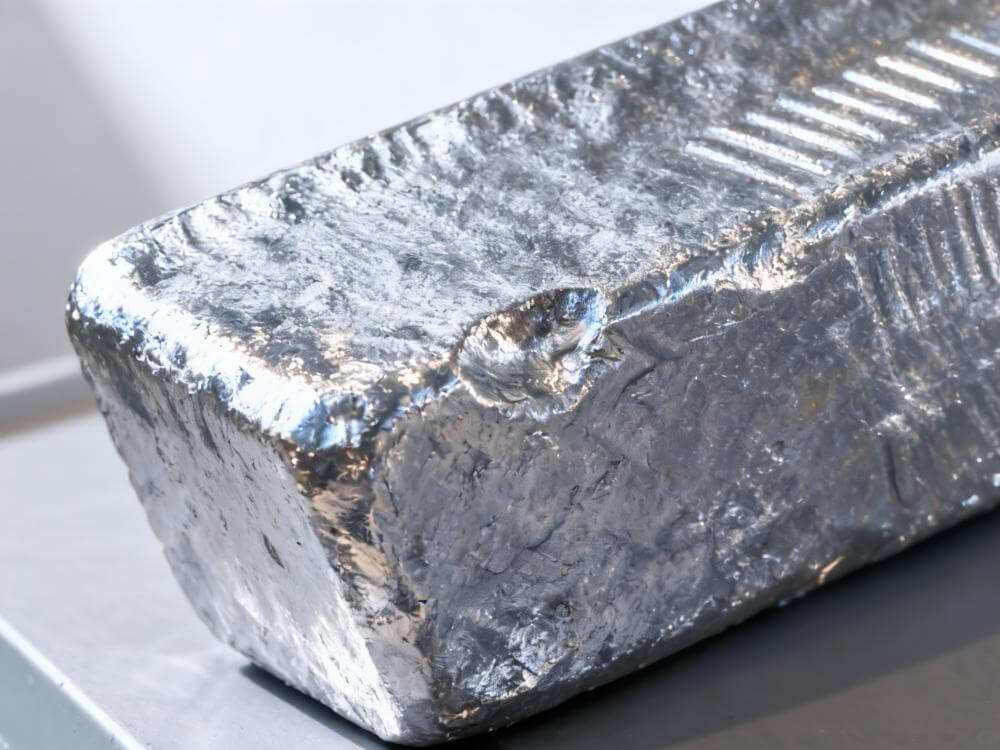
ความผันผวนตามฤดูกาลระยะสั้นไม่กระทบศักยภาพการเติบโตระยะยาว ผลิตภัณฑ์แมกนีเซียมระดับไฮเอนด์ขับเคลื่อนการขยายตัวของการค้าต่างประเทศ
24 Sep 2026 14:11 (GMT+8)
![การหยุดชะงักนอกฤดูกาลระยะสั้นจะไม่บั่นทอนศักยภาพการเติบโตระยะยาว ผลิตภัณฑ์แมกนีเซียมระดับไฮเอนด์ขับเคลื่อนการเติบโตของการค้าต่างประเทศ [บทวิเคราะห์ระหว่างประเทศของ SMM]](https://imgqn.smm.cn/usercenter/ZVhtl20251217171724.jpeg)
การหยุดชะงักนอกฤดูกาลระยะสั้นจะไม่บั่นทอนศักยภาพการเติบโตระยะยาว ผลิตภัณฑ์แมกนีเซียมระดับไฮเอนด์ขับเคลื่อนการเติบโตของการค้าต่างประเทศ [บทวิเคราะห์ระหว่างประเทศของ SMM]
24 Sep 2026 13:51 (GMT+8)
![ราคาแมกนีเซียมแท่งทรงตัวและปรับฐาน การเติมสต็อกก่อนเทศกาลชะลอตัว การซื้อขายเบาบาง [รายงานราคาสปอตแมกนีเซียมแท่ง SMM]](https://imgqn.smm.cn/usercenter/LYGyd20251217171725.jpg)
ราคาแมกนีเซียมแท่งทรงตัวและปรับฐาน การเติมสต็อกก่อนเทศกาลชะลอตัว การซื้อขายเบาบาง [รายงานราคาสปอตแมกนีเซียมแท่ง SMM]
23 Sep 2026 18:11 (GMT+8)
การกักตุนก่อนวันหยุดไม่สามารถชดเชยอุปทานที่แข็งแกร่งและอุปสงค์ที่อ่อนแอได้ ราคาแมกนีเซียมทรงตัวในทิศทางซบเซาในระยะสั้น [รายงานราคาสปอตแมกนีเซียมแท่ง SMM]
[สงครามยืดเยื้อระหว่างอุปสงค์และอุปทานยังคงดำเนินต่อไป ตลาดแมกนีเซียมแท่งอยู่ภายใต้แรงกดดัน เนื่องจากช่วงฤดูท่องเที่ยวไม่เป็นไปตามคาด] ผู้ผลิตบางรายในจีนได้ปล่อยอุปทานราคาต่ำออกมาเป็นระยะ ๆ ในปริมาณเล็กน้อย ขณะที่การกักตุนสินค้าในช่วงสองเทศกาลช่วยกระตุ้นการซื้อขายให้ฟื้นตัวเพียงเล็กน้อยเท่านั้น เนื่องจากขาดการเติบโตของอุปสงค์ทั้งในจีนและต่างประเทศ ราคาแมกนีเซียมจึงยังคงปรับฐานในทิศทางซบเซา โดยมีแรงหนุนจากราคาที่มั่นคงและต้นทุนขั้นต่ำ
22 Sep 2026 17:21 (GMT+8)
ยงเมาไถวางแผนระดมทุน 998 ล้านดอลลาร์สำหรับโครงการแมกนีเซียมอัลลอยด์และขยายการผลิตชิ้นส่วนหุ่นยนต์
【SMM แมกนีเซียม วันที่ 22 กันยายน Yongmaotai ประกาศแผนระดมทุนไม่เกิน 998 ล้านหยวนผ่านการออกหุ้นแบบเฉพาะเจาะจง โดย 520 ล้านหยวนจะลงทุนในโครงการผลิตชิ้นส่วนโลหะผสมแมกนีเซียมความแม่นยำสูงอัจฉริยะ เมื่อโครงการเต็มกำลังการผลิตจะสามารถผลิตชิ้นส่วนยานยนต์โลหะผสมแมกนีเซียมได้ 4.5 ล้านชิ้น และชุดชิ้นส่วนน้ำหนักเบาสำหรับหุ่นยนต์อัจฉริยะ 350,000 ชุดต่อปี ปัจจุบันบริษัทมีสายการผลิตหล่อฉีดโลหะผสมแมกนีเซียมมากกว่า 20 สาย ครอบคลุมเครื่องจักรขนาด 650 ถึง 7000 ตัน และสั่งซื้ออุปกรณ์กึ่งแข็ง 10 หน่วย พร้อมสร้างความร่วมมือกับผู้ผลิตรถยนต์รายใหญ่ เช่น XPeng และ BYD การดำเนินโครงการระดมทุนครั้งนี้คาดว่าจะเร่งกำลังการผลิตชิ้นส่วนโลหะผสมแมกนีเซียมความแม่นยำสูง และชิ้นส่วนน้ำหนักเบาสำหรับหุ่นยนต์อาจกลายเป็นจุดเติบโตใหม่
22 Sep 2026 15:34 (GMT+8)
เจียงซู อีเหม่ยไถ่ ส่งมอบสายการผลิตแมกนีเซียมอัลลอยด์ขั้นสูงให้เจ้อเจียง ลดการใช้พลังงานลง 60%
【SMM แมกนีเซียมแฟลช】เมื่อเร็วๆ นี้ Jiangsu Yimeitai ได้ส่งมอบสายการผลิตแมกนีเซียมอัลลอยด์กึ่งแข็งครบชุดจำนวน 10 สายการผลิตพร้อมระบบอัตโนมัติสนับสนุนให้กับตลาดเจ้อเจียงอย่างเป็นทางการ นับเป็นการเข้าสู่ตลาดเจ้อเจียงครั้งแรกในระดับขนาดใหญ่ อุปกรณ์ชุดนี้ครอบคลุมรุ่นน้ำหนักการฉีดที่แตกต่างกัน พร้อมแผนกระบวนการที่สมบูรณ์ ทำให้ไม่มีการสัมผัสกับโลหะเหลวอุณหภูมิสูง ไม่มีก๊าซอันตราย SF₆ และลดการใช้พลังงานลง 60% เมื่อเทียบกับกระบวนการแบบดั้งเดิม ด้วยต้นทุนอุปกรณ์ที่ลดลงและความสมบูรณ์ของกระบวนการที่เพิ่มขึ้น การขึ้นรูปกึ่งแข็งของแมกนีเซียมอัลลอยด์กำลังขยายจากโครงการนำร่องระดับสูงในบริษัทรถยนต์ชั้นนำไปสู่ตลาดการผลิตภาคพลเรือนที่กว้างขึ้น เช่น ชิ้นส่วนยานยนต์และจักรยานยนต์ และชิ้นส่วนโครงสร้าง 3C
22 Sep 2026 15:23 (GMT+8)
อุปทานแมกนีเซียมโลกและรูปแบบการค้าถูกปรับโฉมใหม่โดยอุปสงค์เชิงยุทธศาสตร์และโครงการใหม่
ท่ามกลางกระแสความก้าวหน้าของอุตสาหกรรมน้ำหนักเบา พลังงานใหม่ และอุปกรณ์ระดับสูงทั่วโลก แมกนีเซียมกำลังมีมูลค่าเชิงยุทธศาสตร์ในฐานะทรัพยากรสูงขึ้น โดยมีความต้องการที่มั่นคงในการลดน้ำหนักยานยนต์ การประยุกต์ใช้ด้านอวกาศ และการผลิตโลหะผสมระดับสูง
22 Sep 2026 11:29 (GMT+8)
การชักเย่อระหว่างผู้ขายและผู้ซื้อยังคงดำเนินต่อไป ราคาแมกนีเซียมซบเซาในวันนี้ [รายงานราคาแมกนีเซียมแท่งสปอต SMM]
[อุปสงค์-อุปทานยังคงชักเย่อกัน ราคาแมกนีเซียมซบเซาในวันนี้] ราคาเสนอขายหลักจากผู้ผลิตอยู่ที่ประมาณ 15,800 หยวน/ตัน บางรายปรับลดราคาเสนอขายลงเพื่อกระตุ้นการซื้อขาย โดยมีราคาปิดการซื้อขายจริงต่ำสุดที่ 15,750 หยวน/ตัน อย่างไรก็ตาม ผู้ผลิตส่วนใหญ่ไม่ต้องการขายต่ำกว่า 15,800 หยวน/ตัน เนื่องจากยังมีทั้งความรู้สึกประคองราคาและยอมลดราคาปะปนกันอยู่
21 Sep 2026 18:13 (GMT+8)
บทบาทเชิงกลยุทธ์ของโลหะแมกนีเซียมเติบโตอย่างต่อเนื่อง อุปสงค์-อุปทานแมกนีเซียมปฐมภูมิโลกและรูปแบบการค้ากำลังปรับโครงสร้างใหม่ [บทวิเคราะห์ระหว่างประเทศ SMM]
[SMM บทวิเคราะห์ระหว่างประเทศ: คุณสมบัติเชิงยุทธศาสตร์ของโลหะแมกนีเซียมยังคงโดดเด่น การปรับโครงสร้างอุปทาน-อุปสงค์และภูมิทัศน์การค้าแมกนีเซียมปฐมภูมิโลกกำลังดำเนินไป] จุดแข่งขันสำคัญของการค้าแมกนีเซียมโลกได้เปลี่ยนจาก “ใครมีทรัพยากร” เป็น “ใครมีศักยภาพ” แม้ว่ากำลังการผลิตใหม่นอกจีนจะเริ่มดำเนินการตามกำหนด ก็สามารถเสริมได้เพียงจำกัดในขั้นแมกนีเซียมปฐมภูมิ ขณะที่ความได้เปรียบด้านห่วงโซ่อุตสาหกรรมของจีนในกลุ่มกลางถึงบน เช่น การผสมโลหะผสม การหล่อแบบฉีด และชิ้นส่วนสำหรับผู้ใช้ปลายทาง ยากที่จะลอกเลียนแบบได้ในระยะสั้น อุตสาหกรรมแมกนีเซียมของจีนกำลังยกระดับจาก “หลักยึด” ของอุปทานโลก สู่ “ผู้นำห่วงโซ่” ของห่วงโซ่อุตสาหกรรมโลก
21 Sep 2026 18:10 (GMT+8)
การส่งออกแมกนีเซียมของจีนลดลงในเดือนสิงหาคม 2569 ลดลง 3.5% เมื่อเทียบรายเดือน และ 13.7% เมื่อเทียบรายปี
【SMM แมกนีเซียมแฟลช】ตามสถิติจากศุลกากรทั่วไป จีนส่งออกผลิตภัณฑ์แมกนีเซียมต่างๆ ประมาณ 33,400 ตันในเดือนสิงหาคม 2569 ลดลง 3.5% เมื่อเทียบเดือนก่อน และลดลง 13.7% เมื่อเทียบปีก่อน ตั้งแต่เดือนมกราคมถึงสิงหาคม 2569 จีนส่งออกผลิตภัณฑ์แมกนีเซียมต่างๆ รวมประมาณ 307,000 ตัน โดยเฉพาะในเดือนสิงหาคม 2569 จีนส่งออกแมกนีเซียมแท่ง 18,753 ตัน ลดลง 0.5% เมื่อเทียบเดือนก่อน และลดลง 16.2% เมื่อเทียบปีก่อน ผงแมกนีเซียม 4,587 ตัน ลดลงอย่างมาก 24.6% เมื่อเทียบเดือนก่อน และลดลง 23.0% เมื่อเทียบปีก่อน และโลหะผสมแมกนีเซียม 7,950 ตัน ลดลง 1.2% เมื่อเทียบเดือนก่อน และลดลง 7.2% เมื่อเทียบปีก่อน ปริมาณการส่งออกผลิตภัณฑ์แมกนีเซียมของจีนยังคงลดลงอย่างต่อเนื่องในเดือนสิงหาคม
20 Sep 2026 09:21 (GMT+8)
![[ประกาศ SMM] ราคาโลหะและข่าวสารตลาดจีนหยุดอัปเดตช่วงวันหยุดวันชาติ (1-7 ต.ค.)](https://imgqn.smm.cn/usercenter/HeIuV20251217171708.jpg)
[ประกาศ SMM] ราคาโลหะและข่าวสารตลาดจีนหยุดอัปเดตช่วงวันหยุดวันชาติ (1-7 ต.ค.)
เรียนผู้ใช้ SMM ที่มีคุณค่า วันหยุดวันชาติใกล้มาถึงแล้ว โปรดทราบว่าการประเมินราคาโลหะในตลาดจีนและข่าวสารของ SMM จะหยุดชั่วคราวในช่วงวันหยุด (1-7 ตุลาคม) และจะกลับมาอัปเดตตามปกติหลังวันหยุด อย่างไรก็ตาม การประเมินราคาต่างประเทศของ SMM จะยังคงอัปเดตตามปกติตลอดช่วงวันหยุด เราขออภัยในความไม่สะดวกที่เกิดขึ้น และขอให้คุณมีความสุขในวันหยุด เซี่ยงไฮ้ เมทัลส์ มาร์เก็ต (SMM)
28 Sep 2026 17:06 (GMT+8)
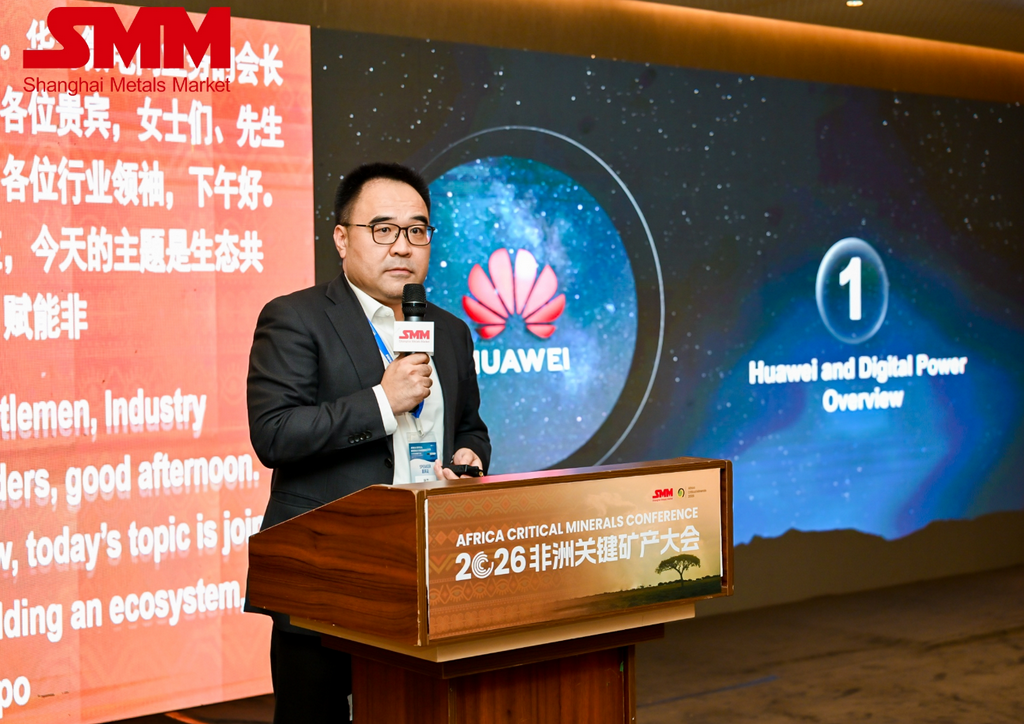
หัวเว่ยเดินหน้าจับมือพันธมิตรเหมืองสีเขียวในแอฟริกา และเจรจาธุรกิจกับ ZESCO ในงาน SMM ACM 2026
23 Sep 2026 16:41 (GMT+8)
![[SMM Analysis] กระแสการค้าทองแดงจากมาตรการภาษีของสหรัฐฯ กำลังแผ่วลง — แต่ยังไม่จบ](https://imgqn.smm.cn/production/admin/votes/imagesMbCUq20260929144044.png)
[SMM Analysis] กระแสการค้าทองแดงจากมาตรการภาษีของสหรัฐฯ กำลังแผ่วลง — แต่ยังไม่จบ
29 Sep 2026 14:37 (GMT+8)
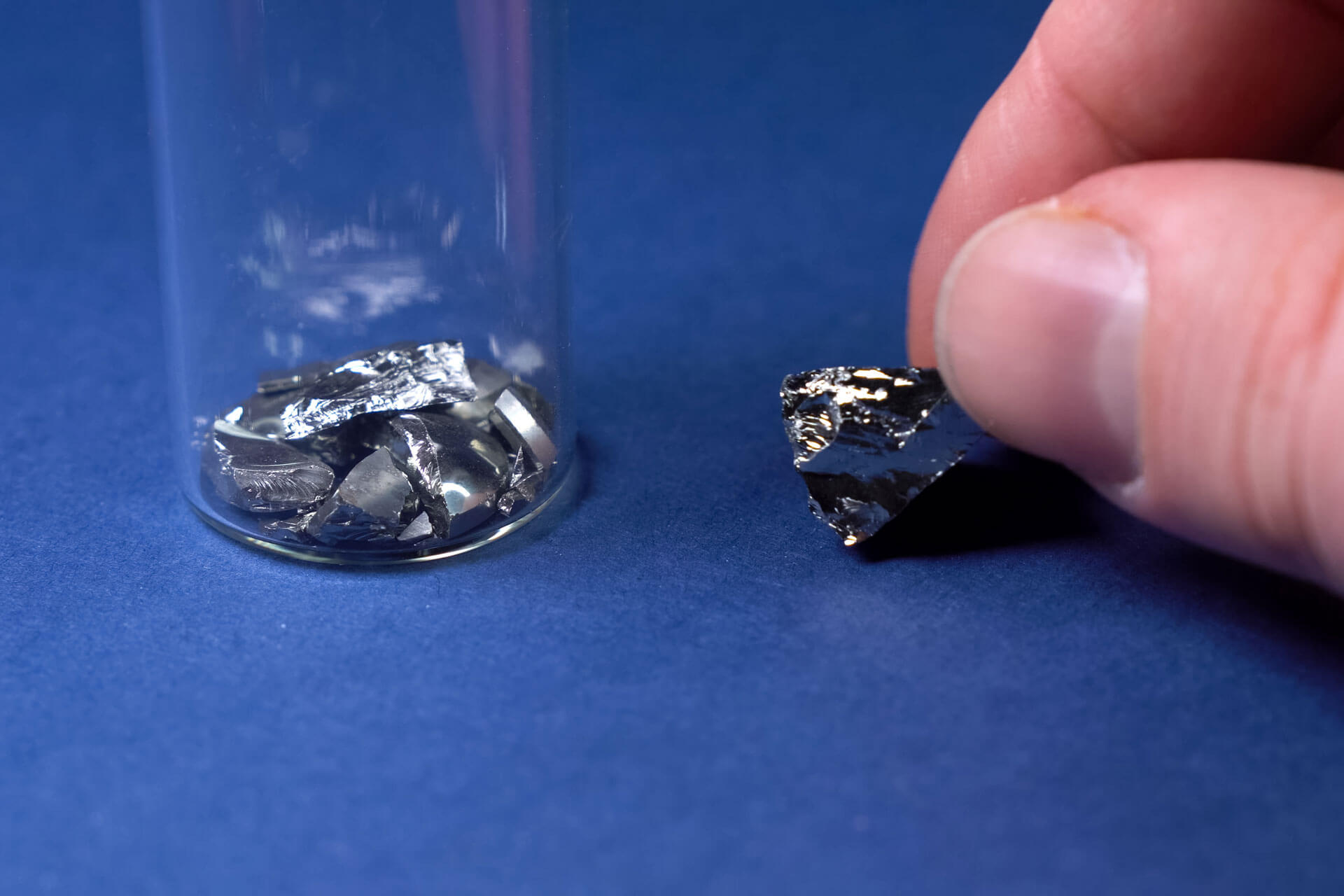
แอฟริกาใต้พร้อมก้าวขึ้นเป็นผู้เล่นสำคัญในห่วงโซ่อุปทานแร่หายากระดับโลกภายในปี 2034【บทวิเคราะห์ SMM】
29 Sep 2026 18:54 (GMT+8)
[บทวิเคราะห์ SMM] การผลักดันการผลิต BESS ของอินเดียเร่งตัวขึ้น แต่การพึ่งพาเซลล์ยังคงเป็นคอขวดสำคัญ
30 Sep 2026 08:50 (GMT+8)
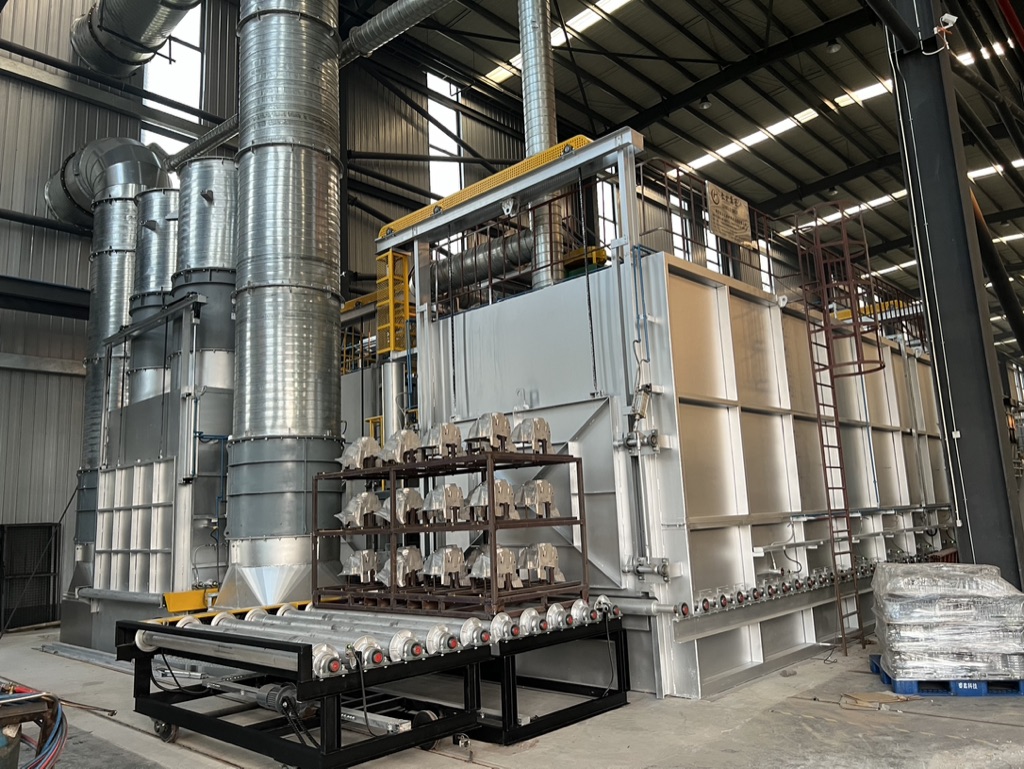
SMM เปิดตัวเครื่องคำนวณ CBAM อะลูมิเนียม: ความหมายของการประมาณต้นทุนสำหรับข้อเสนอที่ส่งไปยังสหภาพยุโรป【บทวิเคราะห์ SMM】
29 Sep 2026 17:32 (GMT+8)
![[SMM Analysis] ทองแดงปฐมภูมิคาร์บอนต่ำเริ่มซื้อขายแยกต่างหาก—มูลค่าสีเขียวของทองแดงรีไซเคิลจะถูกประเมินใหม่หรือไม่?](https://imgqn.smm.cn/usercenter/MXbup20251217171745.jpg)
[SMM Analysis] ทองแดงปฐมภูมิคาร์บอนต่ำเริ่มซื้อขายแยกต่างหาก—มูลค่าสีเขียวของทองแดงรีไซเคิลจะถูกประเมินใหม่หรือไม่?
29 Sep 2026 16:03 (GMT+8)
ข่าวล่าสุด
ตลาดแมกนีเซียมเดือนกันยายน: จากพุ่งแรงสู่ทรุดตัว ผู้ผลิตเผชิญความท้าทายด้านต้นทุนและอุปสงค์ [บทวิเคราะห์ SMM]
30 Sep 2026 18:41 (GMT+8)
พุ่งขึ้นก่อนแล้วร่วงลง ทะลุจุดต่ำสุดของปี: ตรรกะที่แท้จริงเบื้องหลังการดำเนินงานแบบ "หยุด-เริ่ม" ของโรงงานแมกนีเซียม [บทวิเคราะห์ SMM]
30 Sep 2026 17:28 (GMT+8)
ราคาแมกนีเซียมทรงตัวใกล้จุดต่ำสุด: ผู้ผลิตขายในราคาต่ำเพื่อกระตุ้นการจัดส่ง ผู้ซื้อปลายน้ำซื้ออย่างระมัดระวังตามความต้องการที่จำเป็น [บทวิเคราะห์รายสัปดาห์แมกนีเซียม SMM]
30 Sep 2026 15:56 (GMT+8)
การสำรวจทรัพยากรและการขยายกำลังการผลิตเดินหน้าควบคู่กัน แต่โครงการเหมืองในยุโรปยังเผชิญอุปสรรคในการดำเนินงาน [ผลสำรวจ SMM]
30 Sep 2026 14:30 (GMT+8)
ความต้องการแท่งแมกนีเซียมยังคงอ่อนตัว ศูนย์กลางการซื้อขายปรับตัวลดลงเล็กน้อย [รายงานพิเศษราคาแท่งแมกนีเซียม SMM]
29 Sep 2026 17:58 (GMT+8)
อุปสงค์หนุนไม่เพียงพอ แมกนีเซียมแท่งยังซบเซาในระยะสั้น [รายงานพิเศษราคาสปอตแมกนีเซียมแท่ง SMM]
28 Sep 2026 17:30 (GMT+8)
ผลผลิตแมกนีเซียมรายสัปดาห์เพิ่มขึ้น 4.11% หลังโรงงานกลับมาดำเนินการผลิต แต่ความไม่แน่นอนในอนาคตยังคงอยู่
28 Sep 2026 09:19 (GMT+8)
สต๊อกแมกนีเซียมในประเทศและราคาปรับตัวลดลง ช่วงหน้าต่างการเติมสต๊อกครั้งสุดท้ายก่อนเทศกาลมีการซื้อขายคึกคัก
28 Sep 2026 09:17 (GMT+8)
สต็อกแมกนีเซียมในสังคมยังคงสะสมตัวขึ้น โดยมีแรงกดดันจากหลายปัจจัยที่สอดคล้องกัน
28 Sep 2026 09:01 (GMT+8)
กักตุนสต็อกก่อนวันหยุดต่ำกว่าคาด ห่วงโซ่อุตสาหกรรมแมกนีเซียมแยกทิศทางและซบเซา [SMM Magnesium Weekly Review]
24 Sep 2026 15:36 (GMT+8)
ความผันผวนตามฤดูกาลระยะสั้นไม่กระทบศักยภาพการเติบโตระยะยาว ผลิตภัณฑ์แมกนีเซียมระดับไฮเอนด์ขับเคลื่อนการขยายตัวของการค้าต่างประเทศ
24 Sep 2026 14:11 (GMT+8)
การหยุดชะงักนอกฤดูกาลระยะสั้นจะไม่บั่นทอนศักยภาพการเติบโตระยะยาว ผลิตภัณฑ์แมกนีเซียมระดับไฮเอนด์ขับเคลื่อนการเติบโตของการค้าต่างประเทศ [บทวิเคราะห์ระหว่างประเทศของ SMM]
24 Sep 2026 13:51 (GMT+8)
ราคาแมกนีเซียมแท่งทรงตัวและปรับฐาน การเติมสต็อกก่อนเทศกาลชะลอตัว การซื้อขายเบาบาง [รายงานราคาสปอตแมกนีเซียมแท่ง SMM]
23 Sep 2026 18:11 (GMT+8)
การกักตุนก่อนวันหยุดไม่สามารถชดเชยอุปทานที่แข็งแกร่งและอุปสงค์ที่อ่อนแอได้ ราคาแมกนีเซียมทรงตัวในทิศทางซบเซาในระยะสั้น [รายงานราคาสปอตแมกนีเซียมแท่ง SMM]
22 Sep 2026 17:21 (GMT+8)
ยงเมาไถวางแผนระดมทุน 998 ล้านดอลลาร์สำหรับโครงการแมกนีเซียมอัลลอยด์และขยายการผลิตชิ้นส่วนหุ่นยนต์
22 Sep 2026 15:34 (GMT+8)
เจียงซู อีเหม่ยไถ่ ส่งมอบสายการผลิตแมกนีเซียมอัลลอยด์ขั้นสูงให้เจ้อเจียง ลดการใช้พลังงานลง 60%
22 Sep 2026 15:23 (GMT+8)
อุปทานแมกนีเซียมโลกและรูปแบบการค้าถูกปรับโฉมใหม่โดยอุปสงค์เชิงยุทธศาสตร์และโครงการใหม่
22 Sep 2026 11:29 (GMT+8)
การชักเย่อระหว่างผู้ขายและผู้ซื้อยังคงดำเนินต่อไป ราคาแมกนีเซียมซบเซาในวันนี้ [รายงานราคาแมกนีเซียมแท่งสปอต SMM]
21 Sep 2026 18:13 (GMT+8)
บทบาทเชิงกลยุทธ์ของโลหะแมกนีเซียมเติบโตอย่างต่อเนื่อง อุปสงค์-อุปทานแมกนีเซียมปฐมภูมิโลกและรูปแบบการค้ากำลังปรับโครงสร้างใหม่ [บทวิเคราะห์ระหว่างประเทศ SMM]
21 Sep 2026 18:10 (GMT+8)
การส่งออกแมกนีเซียมของจีนลดลงในเดือนสิงหาคม 2569 ลดลง 3.5% เมื่อเทียบรายเดือน และ 13.7% เมื่อเทียบรายปี
20 Sep 2026 09:21 (GMT+8)