

ข่าว
บทความวิเคราะห์พิเศษพร้อมข้อมูลตลาดล่าสุด และฟีดข่าวแบบเรียลไทม์
![[บทวิเคราะห์ SMM] การผลักดันการผลิต BESS ของอินเดียเร่งตัวขึ้น แต่การพึ่งพาเซลล์ยังคงเป็นคอขวดสำคัญ](https://imgqn.smm.cn/production/admin/votes/imagesozVHm20260131125121.jpeg)
[บทวิเคราะห์ SMM] การผลักดันการผลิต BESS ของอินเดียเร่งตัวขึ้น แต่การพึ่งพาเซลล์ยังคงเป็นคอขวดสำคัญ
ในไตรมาสแรกของปี 2026 การจัดส่งระบบกักเก็บพลังงานทั่วโลกสูงถึง 100.0 กิกะวัตต์ชั่วโมง เพิ่มขึ้น 96.5% จาก 50.9 กิกะวัตต์ชั่วโมงในช่วงเดียวกันของปี 2025 ส่งผลให้ยอดจัดส่งรายไตรมาสก้าวสู่ระดับใหม่โดยสิ้นเชิง
30 Sep 2026 08:50 (GMT+8)
SMM เปิดตัวเครื่องคำนวณ CBAM อะลูมิเนียม: ความหมายของการประมาณต้นทุนสำหรับข้อเสนอที่ส่งไปยังสหภาพยุโรป【บทวิเคราะห์ SMM】
เมื่อกลไกปรับคาร์บอนก่อนข้ามพรมแดน (CBAM) ของสหภาพยุโรปเข้าสู่ระยะบังคับใช้เต็มรูปแบบ การค้าอะลูมิเนียมกับยุโรปจำเป็นต้องประเมินต้นทุนคาร์บอนควบคู่กับราคาโลหะ ค่าดำเนินการแปรรูป และค่าขนส่ง SMM ได้เปิดตัว เครื่องคำนวณ CBAM สำหรับอะลูมิเนียม ซึ่งรวบรวมรหัสสินค้า แหล่งกำเนิด ข้อมูลการปล่อยก๊าซ และราคาใบรับรอง เพื่อสนับสนุนการเสนอราคาส่งออก การจัดซื้อในยุโรป และการจัดทำงบประมาณภายใน โมดูลอะลูมิเนียมครอบคลุมรหัส CN 58 รายการ และหมวดหมู่แหล่งกำเนิด/ค่าอ้างอิง 68 รายการ ครอบคลุมอะลูมิเนียมยังไม่ขึ้นรูป โปรไฟล์ แผ่น แถบ ฟอยล์ และผลิตภัณฑ์อื่น ๆ มีพารามิเตอร์รายปีสำหรับปี 2026–2030 ผู้ใช้กรอกปริมาณเป็นตัน และเลือกค่าการปล่อยอ้างอิงหรือป้อนค่าการปล่อยจริงที่ผ่านการรับรอง หน้านี้จะแสดงจำนวนใบรับรองโดยประมาณต่อตัน จำนวนใบรับรองรวม ต้นทุนต่อตัน และงบประมาณรวม โดยแยกเส้นทางการผลิตอะลูมิเนียมปฐมภูมิและทุติยภูมิให้สอดคล้องกับฐานข้อมูลที่เกี่ยวข้อง ประโยชน์ในทางปฏิบัติคือสมมติฐานและผลลัพธ์แสดงอยู่ด้วยกัน ผู้ส่งออกสามารถระบุผลิตภัณฑ์ แหล่งกำเนิด ช่วงเวลานำเข้า และฐานการปล่อยก๊าซที่อยู่เบื้องหลังการเสนอราคา ขณะที่ผู้ซื้อสามารถเปรียบเทียบแหล่งที่มาภายใต้เงื่อนไขที่สอดคล้องกัน หน้านี้มีอินเทอร์เฟซภาษาจีนและภาษาอังกฤษ ตารางพารามิเตอร์ และตัวเลือกพิมพ์เอกสารต้นทุน การแบ่งปันต้นทุนที่เกี่ยวข้องระหว่างผู้ซื้อและผู้ขายยังคงเป็นเรื่องตามสัญญา ควรแยกภาระใบรับรองออกจากมูลค่าทางการเงิน ณ วันที่ 29 กันยายน 2026 เครื่องคำนวณใช้ราคาทางการที่ 75.36 ยูโรต่อใบรับรองสำหรับไตรมาส 1 ปี 2026 และ 75.28 ยูโรสำหรับไตรมาส 2 ส่วนราคาไตรมาส 3 ยังไม่ประกาศ ในกรณีที่ไม่มีราคา หน้านี้จะคงการประมาณปริมาณใบรับรองไว้และเว้นช่องต้นทุนว่างไว้ แทนที่จะใช้ราคาสมมติ เวอร์ชันปัจจุบันไม่รวมการหักลดหย่อนภาษีคาร์บอนที่ชำระในต่างประเทศ และการประเมินเกณฑ์การนำเข้าต่อปี การคำนวณการปล่อยจริงสำหรับสินค้าอะลูมิเนียมที่มีความซับซ้อนยังขาดการปรับลดการจัดสรรฟรีที่เกี่ยวข้องกับสารตั้งต้น การวิเคราะห์ด้านล่างจึงใช้การคำนวณค่าอ้างอิงที่ตรวจสอบแล้ว ผลลัพธ์เป็นเพียงประมาณการเชิงพาณิชย์ ไม่ใช่ภาระผูกพันในการส่งมอบใบรับรองตามกฎหมายขั้นสุดท้าย สำหรับการเปรียบเทียบตลาด ผลิตภัณฑ์อะลูมิเนียมชนิดเดียวกันอาจมีต้นทุนโดยประมาณแตกต่างกันอย่างมีนัยสำคัญ ขึ้นอยู่กับค่าอ้างอิงเฉพาะแหล่งกำเนิด พิจารณารหัส CN 76012040—อะลูมิเนียมเจือยังไม่ขึ้นรูปในรูปแบบแท่ง—ด้วยเส้นทางปฐมภูมิ K ราคาใบรับรองไตรมาส 2 ปี 2026 และปริมาณ 1,000 ตัน ต้นทุนโดยประมาณภายใต้กรณีค่าอ้างอิงของจีน อินเดีย และแคนาดา อยู่ที่ 143.98, 50.41 และ 57.86 ยูโรต่อตัน ตามลำดับ ตัวเลขเหล่านี้รวมการปรับเพิ่มค่าอ้างอิงรายปีและการปรับลดการจัดสรรฟรีตามเกณฑ์มาตรฐาน กรณีค่าอ้างอิงของจีนและอินเดียแตกต่างกันประมาณ 93.57 ยูโรต่อตัน การเปรียบเทียบเฉพาะราคาโลหะหรือค่าดำเนินการแปรรูปจึงอาจพลาดความแตกต่างที่มีนัยสำคัญในงบประมาณของผู้ซื้อ หากเงื่อนไขเชิงพาณิชย์อื่น ๆ ใกล้เคียงกัน ต้นทุน CBAM โดยประมาณอาจส่งผลต่อความน่าสนใจของข้อเสนอ อย่างไรก็ตาม นี่ไม่ใช่การจัดอันดับความเข้มข้นของคาร์บอนที่แท้จริงของผู้ผลิต ค่าขนส่ง ภาษีศุลกากร คุณภาพ และเงื่อนไขการส่งมอบก็อยู่นอกเหนือการเปรียบเทียบนี้ ดังนั้นตัวเลขเพียงอย่างเดียวไม่สามารถกำหนดผู้จัดจำหน่ายที่เหมาะสมที่สุดได้ สิ่งนี้ชี้ให้เห็นมูลค่าเชิงพาณิชย์ของเอกสารการปล่อยก๊าซจากผู้จัดจำหน่าย สำหรับผู้ผลิตที่มีการปล่อยจริงต่ำกว่าค่าอ้างอิงที่ใช้บังคับ และมีเอกสารรับรองที่สอดคล้อง ข้อมูลจริงอาจเปลี่ยนแปลงการประเมินต้นทุนของผู้ซื้อ ผู้ซื้อสามารถใช้ค่าอ้างอิงสำหรับงบประมาณเบื้องต้นเมื่อไม่มีเอกสาร จากนั้นประเมินใหม่โดยใช้หลักฐานจากผู้จัดจำหน่าย ผู้ส่งออกจึงมีเหตุผลที่จะเตรียมข้อมูลการปล่อยก๊าซควบคู่กับข้อเสนอผลิตภัณฑ์ แทนที่จะเจรจาเฉพาะความแตกต่างของค่าอ้างอิงรายประเทศ การเปลี่ยนแปลงพารามิเตอร์รายปีก็สมควรได้รับความสนใจ หากคงค่าอ้างอิงพื้นฐาน เส้นทาง และเกณฑ์มาตรฐานของผลิตภัณฑ์จีนไว้เท่าเดิม และสมมติว่าปีนำเข้าและปีรายงานที่เกี่ยวข้องตรงกัน ภาระใบรับรองโดยประมาณจะเพิ่มขึ้นจาก 1.912575 ต่อตันในปี 2026 เป็น 2.248150 ในปี 2027—เพิ่มขึ้นประมาณ 17.5% ซึ่งสะท้อนการปรับเพิ่มค่าอ้างอิงที่สูงขึ้นและการหักลดการจัดสรรฟรีที่น้อยลง ไม่ได้หมายความว่าราคาใบรับรองในอนาคตจะสูงขึ้น สำหรับข้อตกลงการจัดหาที่ครอบคลุมหลายปี บริษัทสามารถเปรียบเทียบภาระใบรับรองก่อน จากนั้นจึงหารือกลไกการปรับราคาและการแบ่งปันต้นทุน แม้ราคาใบรับรองในอนาคตยังไม่ทราบ การระบุภาระใบรับรองและการได้รับเอกสารจากผู้จัดจำหน่ายสามารถปรับปรุงความสามารถในการเปรียบเทียบข้อเสนอและงบประมาณการจัดซื้อได้
29 Sep 2026 17:32 (GMT+8)
[SMM Analysis] ทองแดงปฐมภูมิคาร์บอนต่ำเริ่มซื้อขายแยกต่างหาก—มูลค่าสีเขียวของทองแดงรีไซเคิลจะถูกประเมินใหม่หรือไม่?
[SMM วิเคราะห์: ทองแดงปฐมภูมิคาร์บอนต่ำเริ่มซื้อขายแยกส่วน—มูลค่าสีเขียวของทองแดงรีไซเคิลจะถูกประเมินใหม่หรือไม่?] โครงการนำร่อง EAC ของ BHP และ Amazon แยกการลดการปล่อยก๊าซที่ผ่านการรับรองออกจากการค้าทองแดงทางกายภาพ ทำให้ทองแดงปฐมภูมิที่ปล่อยมลพิษต่ำมีแหล่งมูลค่าทางสิ่งแวดล้อมใหม่ ทองแดงรีไซเคิลยังคงมีความได้เปรียบด้านพลังงานอย่างมาก แต่ความสามารถในการแข่งขันในอนาคตอาจขึ้นอยู่กับการตรวจสอบย้อนกลับ ปริมาณวัสดุรีไซเคิล และข้อมูลคาร์บอนที่ผ่านการรับรองมากขึ้น ซึ่งอาจเพิ่มมิติด้านสิ่งแวดล้อมให้กับการกำหนดราคา
29 Sep 2026 16:03 (GMT+8)
ข่าวล่าสุด
【แฟลช | โครงการที่ได้รับทุนจาก BHP เดินหน้าขุดเจาะที่เป้าหมายทองแดง-ทอง-โมลิบดีนัม เอลเดสติโน ในอาร์เจนตินา】
6 ชั่วโมงที่แล้ว
【แฟลช | เกลนคอร์ตั้งเป้ายื่นเอกสารด้านสิ่งแวดล้อมสำหรับโครงการทองแดง-โมลิบดีนัมเอลปาชอนในไตรมาส 1 ปี 2570】
6 ชั่วโมงที่แล้ว
【แฟลช | เกลนคอร์ได้รับการอนุมัติ RIGI สำหรับโครงการทองแดง-ทองคำ-เงิน-โมลิบดีนัม อากัวริกาในอาร์เจนตินา】
6 ชั่วโมงที่แล้ว
【แฟลช | เซียร์รากอร์ดาเริ่มเดินเครื่องสายบดที่สี่ ตั้งเป้าเพิ่มผลผลิตโมลิบดีนัมตั้งแต่ปี 2573】
KGHM Polska Miedź ได้เริ่มโครงการขยายสายการบดเส้นที่สี่ของ Sierra Gorda ในชิลี มูลค่า 725 ล้านดอลลาร์สหรัฐ โครงการนี้จะเพิ่มการบดย่อย การบดละเอียด การลอยแร่ และโครงสร้างพื้นฐานที่เกี่ยวข้อง ทำให้กำลังการผลิตแร่ต่อปีเพิ่มขึ้นจากประมาณ 48 ล้านตันเป็น 60 ล้านตัน กำหนดแล้วเสร็จในช่วงปลายปี 2029 และคาดว่าจะผลิตเต็มกำลังในช่วงครึ่งหลังของปี 2030 หากคิดบนฐานเหมือง 100% คาดว่าปริมาณการผลิตโมลิบดีนัมที่จ่ายได้เฉลี่ยหลังการขยายจะอยู่ที่ประมาณ 6,000 ตันต่อปี KGHM รายงานว่า Sierra Gorda ผลิตโมลิบดีนัมได้มากกว่า 8 ล้านปอนด์ หรือประมาณ 3,629 ตัน ในปี 2025 บทวิเคราะห์จาก SMM: โครงการนี้ถือเป็นการเพิ่มอุปทานโมลิบดีนัมในต่างประเทศระยะกลางถึงยาวที่มีนัยสำคัญ แต่จะไม่เพิ่มอุปทานในระยะใกล้
7 ชั่วโมงที่แล้ว
【แฟลช | อุบัติเหตุร้ายแรงทำให้บางส่วนของราโดมิโร โทมิกหยุดดำเนินการ ยังไม่เปิดเผยผลกระทบต่อโมลิบดีนัม】
โคเดลโกรายงานอุบัติเหตุร้ายแรงเมื่อวันที่ 1 ตุลาคม ในพื้นที่บดย่อยและขนถ่ายวัสดุของเหมืองราโดมิโร โทมิก กิจกรรมในพื้นที่ที่ได้รับผลกระทบถูกระงับทันทีและได้เริ่มการสอบสวน โคเดลโกระบุว่าราโดมิโร โทมิกเป็นหนึ่งในเหมืองที่ผลิตโมลิบดีนัม โดยแร่ซัลไฟด์ถูกแปรรูปผ่านโรงแต่งแร่ชูกิกามาตา บริษัทยังไม่เปิดเผยระยะเวลาหรือขอบเขตของการระงับการดำเนินงาน หรือผลกระทบต่อปริมาณการผลิตทองแดงและโมลิบดีนัม บทวิเคราะห์จาก SMM: การระงับที่ยืดเยื้อหรือขยายวงกว้างอาจกระทบจังหวะการแปรรูปแร่ซัลไฟด์ที่มีโมลิบดีนัม แต่ปัจจุบันยังไม่มีหลักฐานเพียงพอที่จะสรุปได้ว่าการผลิตโมลิบดีนัมลดลง
7 ชั่วโมงที่แล้ว
【แฟลช | สหราชอาณาจักรขยายมาตรการควบคุมสินค้าโมลิบดีนัมที่เกี่ยวข้องกับอิหร่าน】
มาตรการคว่ำบาตรอิหร่านที่เข้มงวดขึ้นของสหราชอาณาจักรมีผลบังคับใช้เมื่อวันที่ 29 กันยายน รายการควบคุมใหม่ครอบคลุมโมลิบดีนัมและสินค้าที่เกี่ยวข้องภายใต้พิกัด HS 8102 และรวมถึงผงโมลิบดีนัมและผงโลหะผสมโมลิบดีนัมทรงกลมสม่ำเสมอหรือแบบอะตอมไมซ์ที่มีโมลิบดีนัมอย่างน้อย 97% โดยมีขนาดอนุภาคไม่เกิน 500 ไมโครเมตร ข้อจำกัดยังขยายไปถึงการจัดหา การส่งมอบ ความช่วยเหลือทางเทคนิค การเป็นนายหน้า และบริการทางการเงินที่เกี่ยวข้อง บทวิเคราะห์จาก SMM: มาตรการดังกล่าวเพิ่มอุปสรรคด้านการปฏิบัติตามกฎระเบียบสำหรับการค้าโมลิบดีนัมความบริสุทธิ์สูงที่เกี่ยวข้องกับอิหร่านภายใต้เขตอำนาจของสหราชอาณาจักร แม้ว่าผลกระทบโดยตรงต่ออุปสงค์และอุปทานทั่วโลกน่าจะจำกัด เนื่องจากไม่มีการเปิดเผยปริมาณที่ได้รับผลกระทบ
7 ชั่วโมงที่แล้ว
【แฟลช | เอลเม็ต ชนะสัญญา DLA มูลค่า 36 ล้านดอลลาร์ สำหรับวัสดุโมลิบดีนัมและทังสเตน】
Elmet Technologies ได้รับสัญญามูลค่าประมาณ 36 ล้านดอลลาร์สหรัฐจากสำนักงานโลจิสติกส์กลาโหมสหรัฐฯ เพื่อจัดหาแท่งโลหะผสมไทเทเนียม-เซอร์โคเนียม-โมลิบดีนัม แท่งยาว และแท่งหลอม รวมถึงลวดโมลิบดีนัมและทังสเตนชนิดพิเศษให้แก่คลังสำรองยุทโธปกรณ์แห่งชาติ วัสดุเหล่านี้มีวัตถุประสงค์เพื่อใช้ในชิ้นส่วนเครื่องยนต์ไอพ่นและการใช้งานด้านอวกาศยานที่อุณหภูมิสูงอื่นๆ Elmet ไม่ได้เปิดเผยปริมาณการส่งมอบ ระยะเวลาสัญญา หรือสัดส่วนมูลค่าระหว่างผลิตภัณฑ์โมลิบดีนัมและทังสเตน บทวิเคราะห์จาก SMM: การได้รับสัญญานี้ยืนยันความต้องการจัดซื้อวัสดุโมลิบดีนัมสมรรถนะสูงในภาคกลาโหมสหรัฐฯ แต่ยังไม่สามารถแปลงเป็นการบริโภคโมลิบดีนัมเพิ่มเติมได้เนื่องจากไม่มีข้อมูลปริมาณจริง
7 ชั่วโมงที่แล้ว
【แฟลช | ราคาโมลิบดีนัมอ้างอิงของ Novametal ปรับตัวขึ้น แต่การส่งผ่านค่าธรรมเนียมพิเศษของ 316 ยังจำกัด】
Novametal USA ประกาศค่าธรรมเนียมวัตถุดิบเดือนตุลาคม 2026 สำหรับลวดสเตนเลสดึงเย็น ราคาเฉลี่ยโมลิบดีนัมเพิ่มขึ้น 1.0% จาก 33.2230 ดอลลาร์สหรัฐ/ปอนด์ เป็น 33.5558 ดอลลาร์สหรัฐ/ปอนด์ คิดเป็นประมาณ 73,244 ดอลลาร์สหรัฐ/ตัน และ 73,978 ดอลลาร์สหรัฐ/ตัน อย่างไรก็ตาม ราคาเฉลี่ยนิกเกิลและโครเมียมลดลง 1.9% และ 1.2% ตามลำดับ ส่งผลให้ค่าธรรมเนียมโลหะผสม 316 ลดลงจาก 1.94 ดอลลาร์สหรัฐ/ปอนด์ เป็น 1.92 ดอลลาร์สหรัฐ/ปอนด์ ขณะที่ 316L ลดลงจาก 1.98 ดอลลาร์สหรัฐ/ปอนด์ เป็น 1.97 ดอลลาร์สหรัฐ/ปอนด์ หลังจากค่าธรรมเนียมพลังงานเพิ่มขึ้นจาก 0.10 ดอลลาร์สหรัฐ/ปอนด์ เป็น 0.12 ดอลลาร์สหรัฐ/ปอนด์ ค่าธรรมเนียมรวมของ 316 ยังคงไม่เปลี่ยนแปลงที่ 2.04 ดอลลาร์สหรัฐ/ปอนด์ และ 316L ขยับขึ้นเป็น 2.09 ดอลลาร์สหรัฐ/ปอนด์ บทวิเคราะห์จาก SMM: ราคานิกเกิลและโครเมียมที่อ่อนตัวลงช่วยชดเชยต้นทุนโมลิบดีนัมที่สูงขึ้นบางส่วน จำกัดการส่งผ่านราคาไปยังปลายน้ำ
8 ชั่วโมงที่แล้ว
【แฟลช | Eaton Steel ปรับขึ้นค่าธรรมเนียมโมลิบดีนัมสำหรับเดือนตุลาคม】
บริษัท Eaton Steel Bar ประกาศตารางค่าธรรมเนียมเศษเหล็กและโลหะผสมประจำเดือนตุลาคม 2026 โดยปรับขึ้นส่วนประกอบโมลิบดีนัมในทุกเกรดที่มีโมลิบดีนัมเป็นส่วนผสม ค่าธรรมเนียมโมลิบดีนัมสำหรับซีรีส์ 4000 ปรับขึ้นจาก 9.49 ดอลลาร์สหรัฐต่อ cwt เป็น 9.77 ดอลลาร์สหรัฐต่อ cwt คิดเป็นประมาณ 209.22 ดอลลาร์สหรัฐต่อตัน เป็น 215.39 ดอลลาร์สหรัฐต่อตันของเหล็ก ซีรีส์ 4600 ปรับขึ้นจาก 15.18 ดอลลาร์สหรัฐต่อ cwt เป็น 15.64 ดอลลาร์สหรัฐต่อ cwt ขณะที่เกรด 9260 ปรับขึ้นจาก 3.64 ดอลลาร์สหรัฐต่อ cwt เป็น 3.81 ดอลลาร์สหรัฐต่อ cwt อัตราการปรับขึ้นอยู่ที่ประมาณ 3.0% ถึง 4.7% ค่าธรรมเนียมเศษเหล็กคงเดิมที่ 14.50 ดอลลาร์สหรัฐต่อ cwt บทวิเคราะห์จาก SMM: การปรับขึ้นในเดือนตุลาคมส่วนใหญ่มาจากส่วนประกอบโลหะผสม แม้ว่าค่าธรรมเนียมดังกล่าวไม่ควรถูกนำไปใช้เป็นตัวชี้วัดราคาโมลิบดีนัมในตลาดสปอตโดยตรง
8 ชั่วโมงที่แล้ว
【แฟลช | เมทัลลัสปรับขึ้นส่วนประกอบค่าธรรมเนียมโมลิบดีนัมเดือนตุลาคมสำหรับเหล็ก 300M】
Metallus ประกาศค่าธรรมเนียมวัตถุดิบเดือนตุลาคมสำหรับวันที่ 1–30 ตุลาคม ส่วนประกอบโมลิบดีนัมสำหรับเหล็ก 300M เพิ่มขึ้น 0.52% เป็น 15.176 ดอลลาร์/ฮันเดรดเวท หรือประมาณ 334.57 ดอลลาร์/ตันเหล็ก จาก 15.098 ดอลลาร์/ฮันเดรดเวท หรือ 332.85 ดอลลาร์/ตัน ค่าธรรมเนียมรวมที่ประกาศเพิ่มขึ้น 1.03% เป็น 45.054 ดอลลาร์/ฮันเดรดเวท เศษเหล็กเพิ่มขึ้นเป็น 17.750 ดอลลาร์/ฮันเดรดเวท ขณะที่ค่าธรรมเนียมพลังงานแยกสำหรับเหล็กเส้นและท่อลดลงจาก 1.296 ดอลลาร์/ฮันเดรดเวท หรือประมาณ 28.57 ดอลลาร์/ตัน เป็น 0.050 ดอลลาร์/ฮันเดรดเวท หรือ 1.10 ดอลลาร์/ตัน
02 Oct 2026 10:47 (GMT+8)
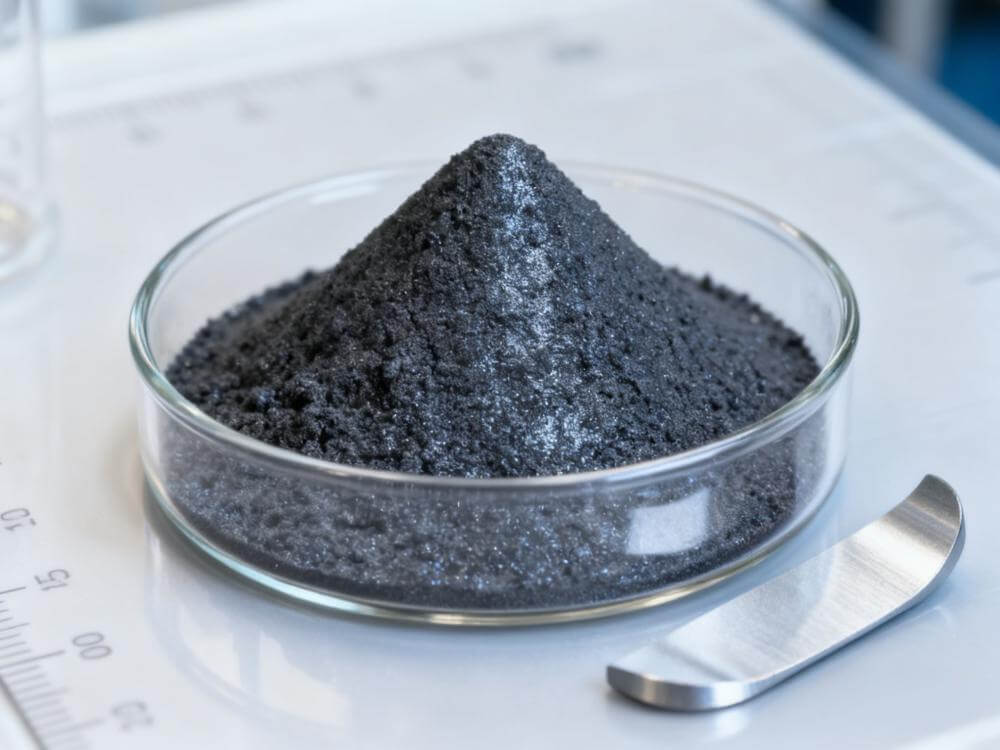
ราคาเสนอ APT ยุโรปลดลงแตะ 2,700–3,100 ดอลลาร์/ตันเมตริก ท่ามกลางอุปสงค์อ่อนตัวและราคาเศษเหล็กที่ลดลง
01 Oct 2026 16:46 (GMT+8)
【แฟลช | เอาทอกุมปุปรับลดค่าธรรมเนียมผสมโลหะเดือนตุลาคมสำหรับสเตนเลสเกรดผสมโมลิบดีนัมหลายเกรด】
01 Oct 2026 16:31 (GMT+8)
【แฟลช | BHEL ของอินเดียเปิดประมูลเฟอร์โรโมลิบดีนัม 40 ตัน】
01 Oct 2026 16:29 (GMT+8)
[บทวิเคราะห์ SMM] ปัจจัยลบหลายประการกดดันอัตราการเดินเครื่องของอุตสาหกรรม APT ในเดือนกันยายนสู่ระดับต่ำสุดใหม่
[SMM วิเคราะห์ทังสเตน: แรงกดดันหลายด้านกดดันอัตราการเดินเครื่องของอุตสาหกรรม APT ต่ำสุดเป็นประวัติการณ์ในเดือนกันยายน] SMM, 29 กันยายน:
ในเดือนกันยายน 2026 ตลาด APT ของจีนเผชิญการปรับลดกำลังการผลิตอย่างหนักและอัตราการเดินเครื่องแตะจุดต่ำสุด โดยการหดตัวด้านอุปทานลดลงสู่ระดับต่ำสุดใหม่ของช่วงเวลาดังกล่าว จากข้อมูลตัวอย่างการสำรวจของ SMM การผลิต APT ลดลงอย่างรวดเร็ว 32% เมื่อเทียบเดือนก่อนหน้า ขณะที่อัตราการเดินเครื่องของอุตสาหกรรมร่วงลง 21.2 จุดเปอร์เซ็นต์เมื่อเทียบเดือนก่อนหน้า มาอยู่ที่ประมาณ 49% ซึ่งเป็นระดับต่ำสุดเป็นประวัติการณ์
30 Sep 2026 12:12 (GMT+8)
【โมลิบดีนัม แฟลชนิวส์】
ราคาประมูลเฟอร์โรโมลิบดีนัมล่าสุดจากโรงงานเหล็กในมณฑลเจ้อเจียงอยู่ที่ 340,000 หยวน/ตัน (รับมอบ)
30 Sep 2026 11:41 (GMT+8)
【แฟลช | วัตถุดิบขาดแคลนฉุดผลผลิตโมลิบดีนัมของผู้แปรรูปคาซัคสถานลดลงเกือบครึ่ง】
Ferro-Alloy Resources รายงานว่าเฟอร์โรโมลิบดีนัมที่ผลิตได้จากโรงงาน Balasausqandiq มีปริมาณโมลิบดีนัมรวม 14.6 ตันในช่วงครึ่งแรกของปี 2026 ลดลง 47.5% จาก 27.8 ตันในช่วงเดียวกันของปีก่อน ตัวเลขดังกล่าวแสดงถึงปริมาณโมลิบดีนัมที่บรรจุอยู่ ไม่ใช่น้ำหนักรวมของเฟอร์โรโมลิบดีนัม โดยบริษัทไม่ได้เปิดเผยเกรดของโลหะผสมหรือปริมาณผลิตภัณฑ์ทั้งหมด ปริมาณวัตถุดิบที่ผ่านกระบวนการลดลง 35% เนื่องจากไม่มีหัวแร่ที่ซื้อมาซึ่งเหมาะสมและคุ้มค่าในเชิงเศรษฐกิจ ขณะที่รายได้ลดลง 28% เหลือ 1.8 ล้านดอลลาร์สหรัฐ ข้อจำกัดด้านวัตถุดิบทำให้ผลผลิตลดลง แม้ว่าปริมาณการผลิตโดยรวมของโรงงานจะยังอยู่ในระดับต่ำ
29 Sep 2026 16:38 (GMT+8)
สหรัฐฯ ระงับการจัดซื้อทังสเตนเพื่อการป้องกันประเทศจนถึงปี 2027
ตาม DFARS 252.225-7052 (eCFR Title48, 25 ก.ย. 2026) การจัดซื้อด้านกลาโหมของสหรัฐฯ จำกัดวัสดุที่เกี่ยวข้องกับทังสเตนจากจีน รัสเซีย เกาหลีเหนือ และอิหร่าน ข้อจำกัดมุ่งเป้าไปที่การแปรรูปขั้นปลายจนถึงวันที่ 31 ธ.ค. 2026 ตั้งแต่วันที่ 1 ม.ค. 2027 กฎจะขยายไปถึงขั้นต้น ได้แก่ แร่/วัตถุดิบตั้งต้น รวมถึงเศษวัสดุรีไซเคิล ซึ่งไม่สามารถเปลี่ยนถิ่นกำเนิดได้ด้วยการแปรรูปซ้ำ สินค้าที่ถูกควบคุม: ผงทังสเตนและชิ้นส่วนโลหะผสมหนัก ข้อยกเว้นครอบคลุม COTS ที่เข้าเงื่อนไข แท่งวัสดุที่ยังไม่ได้ขึ้นรูป ชิ้นส่วนอิเล็กทรอนิกส์ และการรับรองว่าไม่มีวัสดุทดแทนทางการทหาร ผู้รับเหมาหลักต้องถ่ายทอดข้อกำหนดไปยังผู้รับเหมาช่วง เม็ดมีดคาร์ไบด์ซีเมนต์มาตรฐานไม่ได้ถูกควบคุมอย่างชัดเจน
29 Sep 2026 14:04 (GMT+8)
เซียะเหมินทังสเตน: มีแผนเปิดตัวโครงการจูงใจด้วยหุ้นจำกัดสิทธิจำนวน 22.3268 ล้านหุ้น
เซียะเหมินทังสเตน (600549.SH) ประกาศว่า บริษัทได้เปิดเผยร่างแผนการให้สิทธิซื้อหุ้นแบบจำกัดสิทธิประจำปี 2569 โดยมีแผนจะมอบหุ้นแบบจำกัดสิทธิจำนวน 22.3268 ล้านหุ้นให้แก่ผู้ได้รับสิทธิ 1,011 ราย คิดเป็นร้อยละ 1.4063 ของทุนจดทะเบียนทั้งหมดของบริษัท ในราคาให้สิทธิหุ้นละ 24.99 หยวน ผู้ได้รับสิทธิประกอบด้วยกรรมการและผู้บริหารระดับสูงของบริษัท 8 ราย รวมถึงพนักงานฝ่ายบริหารและบุคลากรหลักด้านเทคนิค 1,003 ราย แผนการให้สิทธินี้ไม่มีการกันหุ้นสำรองไว้ และหุ้นจะมาจากหุ้นสามัญชนิด A ที่บริษัทจะออกใหม่ผ่านการจัดสรรแบบเฉพาะเจาะจง ระยะเวลาประเมินผลการดำเนินงานคือปี 2569-2571 โดยตัวชี้วัดการประเมินประกอบด้วยกำไรต่อหุ้น อัตราการเติบโตของกำไรสุทธิ และอัตราการเติบโตของค่าใช้จ่ายด้านการวิจัยและพัฒนา
29 Sep 2026 10:11 (GMT+8)
ราคาทังสเตนปรับตัวลดลงในมณฑลกวางตุ้ง: ประกาศสัญญาระยะยาวประจำเดือนกันยายน
เมื่อวันที่ 28 กันยายน องค์กรทังสเตนแห่งหนึ่งในมณฑลกวางตุ้งประกาศราคารับซื้อตามสัญญาระยะยาวสำหรับครึ่งหลังของเดือนกันยายน (รวมภาษีมูลค่าเพิ่มแล้ว):
หัวแร่วุลแฟรไมต์ 55% ราคา 375,000 หยวนต่อตันมาตรฐาน (ลดลง 38,000 หยวนต่อตันมาตรฐานจากครึ่งแรกของเดือน)
หัวแร่ชีไลต์ 55% ราคา 374,000 หยวนต่อตันมาตรฐาน (ลดลง 38,000 หยวนต่อตันมาตรฐานเมื่อเทียบรายเดือน)
APT เกรด 0 ตามมาตรฐานแห่งชาติ ราคา 560,000 หยวนต่อตัน (ลดลง 40,000 หยวนต่อตันเมื่อเทียบรายเดือน)
ราคาถูกปรับลดลงอย่างหนักในทุกรายการ
28 Sep 2026 16:12 (GMT+8)
【แฟลช | การประมูลสามทางดันราคาประมูลหัวแร่โมลิบดีนัมเออร์เดเนตพุ่งสูงขึ้นอย่างรวดเร็ว】
ข้อมูลจากตลาดหลักทรัพย์มองโกเลียระบุว่า บริษัทเหมืองแร่เออร์เดเนตได้จัดการประมูลโมลิบดีนัมคอนเซนเทรตภายใต้สัญญาล่วงหน้าเมื่อวันที่ 24 กันยายน รวม 14 ล็อต น้ำหนักรวม 499.408 ตัน โดยวัสดุดังกล่าวมีปริมาณโมลิบดีนัมขั้นต่ำ 44% ผู้ประมูล 3 รายดันราคาจาก 28,504.17 ดอลลาร์สหรัฐ เป็น 34,754.17 ดอลลาร์สหรัฐต่อตันผลิตภัณฑ์ คิดเป็นส่วนเพิ่ม 21.93% ทำให้มูลค่าสัญญารวมอยู่ที่ 17.36 ล้านดอลลาร์สหรัฐ จากเกรดขั้นต่ำ 44% SMM คำนวณเทียบเท่าได้ประมาณ 35.83 ดอลลาร์สหรัฐต่อปอนด์โมลิบดีนัม แม้ตัวเลขจริงจะขึ้นอยู่กับผลวิเคราะห์ขั้นสุดท้ายและไม่สามารถเทียบโดยตรงกับราคาสปอตโมลิบดีนัมออกไซด์ ราคาประมูลครั้งนี้สูงกว่าผลการประมูลเมื่อวันที่ 10 กันยายน 2.9%
28 Sep 2026 14:54 (GMT+8)
![[ประกาศ SMM] ราคาโลหะและข่าวสารตลาดจีนหยุดอัปเดตช่วงวันหยุดวันชาติ (1-7 ต.ค.)](https://imgqn.smm.cn/usercenter/HeIuV20251217171708.jpg)
[ประกาศ SMM] ราคาโลหะและข่าวสารตลาดจีนหยุดอัปเดตช่วงวันหยุดวันชาติ (1-7 ต.ค.)
เรียนผู้ใช้ SMM ที่มีคุณค่า วันหยุดวันชาติใกล้มาถึงแล้ว โปรดทราบว่าการประเมินราคาโลหะในตลาดจีนและข่าวสารของ SMM จะหยุดชั่วคราวในช่วงวันหยุด (1-7 ตุลาคม) และจะกลับมาอัปเดตตามปกติหลังวันหยุด อย่างไรก็ตาม การประเมินราคาต่างประเทศของ SMM จะยังคงอัปเดตตามปกติตลอดช่วงวันหยุด เราขออภัยในความไม่สะดวกที่เกิดขึ้น และขอให้คุณมีความสุขในวันหยุด เซี่ยงไฮ้ เมทัลส์ มาร์เก็ต (SMM)
28 Sep 2026 17:06 (GMT+8)
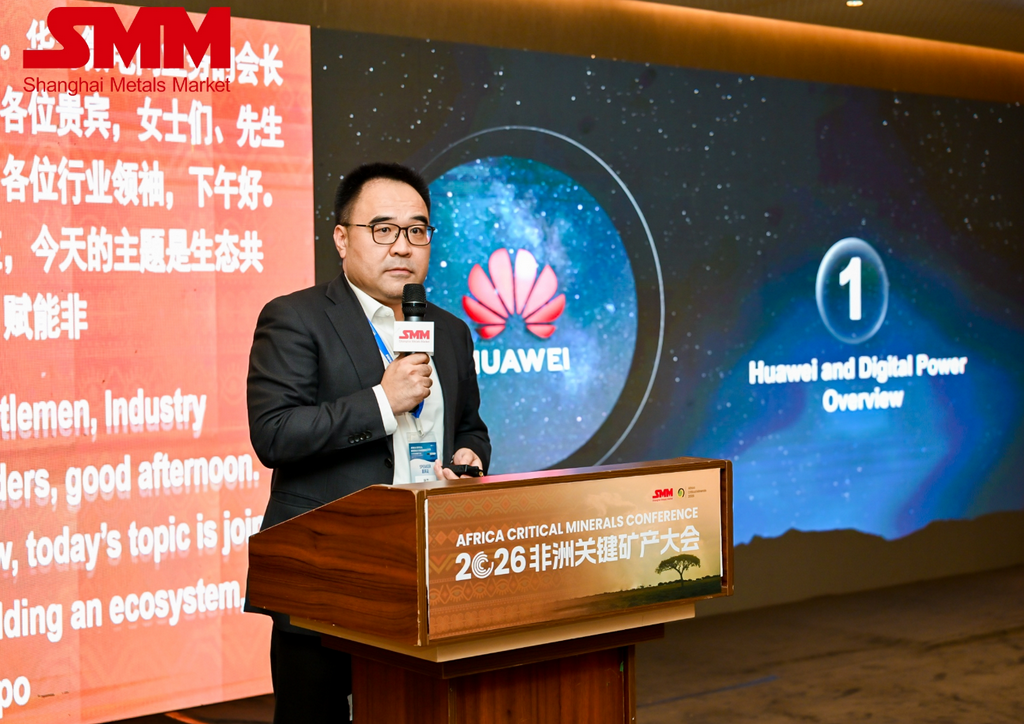
หัวเว่ยเดินหน้าจับมือพันธมิตรเหมืองสีเขียวในแอฟริกา และเจรจาธุรกิจกับ ZESCO ในงาน SMM ACM 2026
23 Sep 2026 16:41 (GMT+8)
![[SMM Analysis] กระแสการค้าทองแดงจากมาตรการภาษีของสหรัฐฯ กำลังแผ่วลง — แต่ยังไม่จบ](https://imgqn.smm.cn/production/admin/votes/imagesMbCUq20260929144044.png)
[SMM Analysis] กระแสการค้าทองแดงจากมาตรการภาษีของสหรัฐฯ กำลังแผ่วลง — แต่ยังไม่จบ
29 Sep 2026 14:37 (GMT+8)
แอฟริกาใต้พร้อมก้าวขึ้นเป็นผู้เล่นสำคัญในห่วงโซ่อุปทานแร่หายากระดับโลกภายในปี 2034【บทวิเคราะห์ SMM】
29 Sep 2026 18:54 (GMT+8)
[บทวิเคราะห์ SMM] การผลักดันการผลิต BESS ของอินเดียเร่งตัวขึ้น แต่การพึ่งพาเซลล์ยังคงเป็นคอขวดสำคัญ
30 Sep 2026 08:50 (GMT+8)
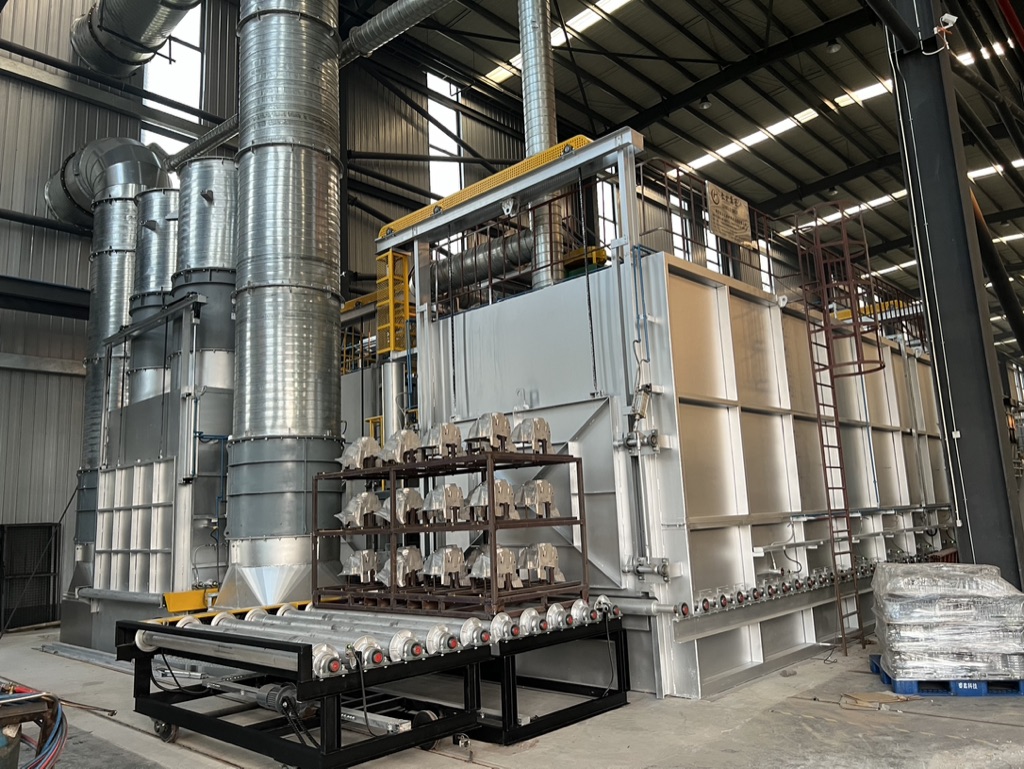
SMM เปิดตัวเครื่องคำนวณ CBAM อะลูมิเนียม: ความหมายของการประมาณต้นทุนสำหรับข้อเสนอที่ส่งไปยังสหภาพยุโรป【บทวิเคราะห์ SMM】
29 Sep 2026 17:32 (GMT+8)
![[SMM Analysis] ทองแดงปฐมภูมิคาร์บอนต่ำเริ่มซื้อขายแยกต่างหาก—มูลค่าสีเขียวของทองแดงรีไซเคิลจะถูกประเมินใหม่หรือไม่?](https://imgqn.smm.cn/usercenter/MXbup20251217171745.jpg)
[SMM Analysis] ทองแดงปฐมภูมิคาร์บอนต่ำเริ่มซื้อขายแยกต่างหาก—มูลค่าสีเขียวของทองแดงรีไซเคิลจะถูกประเมินใหม่หรือไม่?
29 Sep 2026 16:03 (GMT+8)
ข่าวล่าสุด
【แฟลช | โครงการที่ได้รับทุนจาก BHP เดินหน้าขุดเจาะที่เป้าหมายทองแดง-ทอง-โมลิบดีนัม เอลเดสติโน ในอาร์เจนตินา】
6 ชั่วโมงที่แล้ว
【แฟลช | เกลนคอร์ตั้งเป้ายื่นเอกสารด้านสิ่งแวดล้อมสำหรับโครงการทองแดง-โมลิบดีนัมเอลปาชอนในไตรมาส 1 ปี 2570】
6 ชั่วโมงที่แล้ว
【แฟลช | เกลนคอร์ได้รับการอนุมัติ RIGI สำหรับโครงการทองแดง-ทองคำ-เงิน-โมลิบดีนัม อากัวริกาในอาร์เจนตินา】
6 ชั่วโมงที่แล้ว
【แฟลช | เซียร์รากอร์ดาเริ่มเดินเครื่องสายบดที่สี่ ตั้งเป้าเพิ่มผลผลิตโมลิบดีนัมตั้งแต่ปี 2573】
7 ชั่วโมงที่แล้ว
【แฟลช | อุบัติเหตุร้ายแรงทำให้บางส่วนของราโดมิโร โทมิกหยุดดำเนินการ ยังไม่เปิดเผยผลกระทบต่อโมลิบดีนัม】
7 ชั่วโมงที่แล้ว
【แฟลช | สหราชอาณาจักรขยายมาตรการควบคุมสินค้าโมลิบดีนัมที่เกี่ยวข้องกับอิหร่าน】
7 ชั่วโมงที่แล้ว
【แฟลช | เอลเม็ต ชนะสัญญา DLA มูลค่า 36 ล้านดอลลาร์ สำหรับวัสดุโมลิบดีนัมและทังสเตน】
7 ชั่วโมงที่แล้ว
【แฟลช | ราคาโมลิบดีนัมอ้างอิงของ Novametal ปรับตัวขึ้น แต่การส่งผ่านค่าธรรมเนียมพิเศษของ 316 ยังจำกัด】
8 ชั่วโมงที่แล้ว
【แฟลช | Eaton Steel ปรับขึ้นค่าธรรมเนียมโมลิบดีนัมสำหรับเดือนตุลาคม】
8 ชั่วโมงที่แล้ว
【แฟลช | เมทัลลัสปรับขึ้นส่วนประกอบค่าธรรมเนียมโมลิบดีนัมเดือนตุลาคมสำหรับเหล็ก 300M】
02 Oct 2026 10:47 (GMT+8)
ราคาเสนอ APT ยุโรปลดลงแตะ 2,700–3,100 ดอลลาร์/ตันเมตริก ท่ามกลางอุปสงค์อ่อนตัวและราคาเศษเหล็กที่ลดลง
01 Oct 2026 16:46 (GMT+8)
【แฟลช | เอาทอกุมปุปรับลดค่าธรรมเนียมผสมโลหะเดือนตุลาคมสำหรับสเตนเลสเกรดผสมโมลิบดีนัมหลายเกรด】
01 Oct 2026 16:31 (GMT+8)
【แฟลช | BHEL ของอินเดียเปิดประมูลเฟอร์โรโมลิบดีนัม 40 ตัน】
01 Oct 2026 16:29 (GMT+8)
[บทวิเคราะห์ SMM] ปัจจัยลบหลายประการกดดันอัตราการเดินเครื่องของอุตสาหกรรม APT ในเดือนกันยายนสู่ระดับต่ำสุดใหม่
30 Sep 2026 12:12 (GMT+8)
【โมลิบดีนัม แฟลชนิวส์】
30 Sep 2026 11:41 (GMT+8)
【แฟลช | วัตถุดิบขาดแคลนฉุดผลผลิตโมลิบดีนัมของผู้แปรรูปคาซัคสถานลดลงเกือบครึ่ง】
29 Sep 2026 16:38 (GMT+8)
สหรัฐฯ ระงับการจัดซื้อทังสเตนเพื่อการป้องกันประเทศจนถึงปี 2027
29 Sep 2026 14:04 (GMT+8)
เซียะเหมินทังสเตน: มีแผนเปิดตัวโครงการจูงใจด้วยหุ้นจำกัดสิทธิจำนวน 22.3268 ล้านหุ้น
29 Sep 2026 10:11 (GMT+8)
ราคาทังสเตนปรับตัวลดลงในมณฑลกวางตุ้ง: ประกาศสัญญาระยะยาวประจำเดือนกันยายน
28 Sep 2026 16:12 (GMT+8)
【แฟลช | การประมูลสามทางดันราคาประมูลหัวแร่โมลิบดีนัมเออร์เดเนตพุ่งสูงขึ้นอย่างรวดเร็ว】
28 Sep 2026 14:54 (GMT+8)