

News
Exclusive analysis articles with the latest market updates, and real-time news feeds.
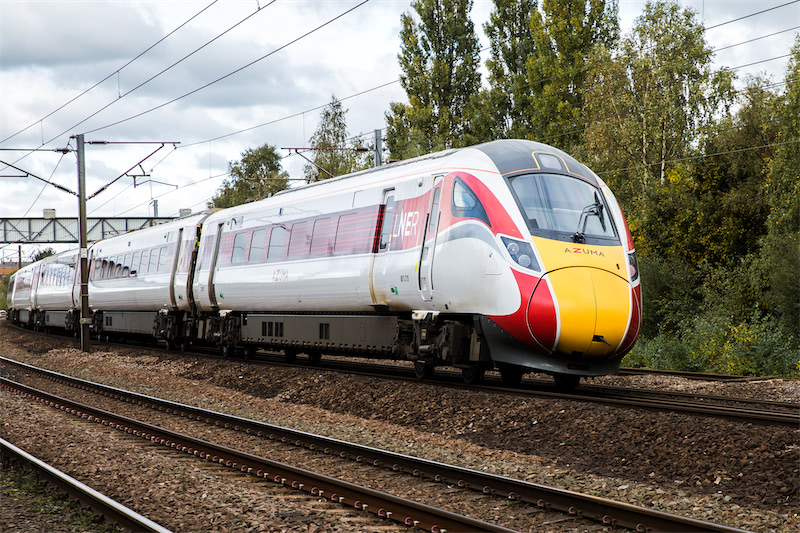
China’s Spodumene Imports Rise 7% MoM in September, with Australia, Nigeria and Zimbabwe the Top Three Sources
According to compiled Chinese customs data, China imported 970,100 physical tonnes of spodumene in September 2026, up approximately 7.0% from 906,600 tonnes in August. Based on the classification and assumed grades, moisture content and conversion factors used in this analysis, September imports represented approximately 81,300 tonnes of lithium carbonate equivalent (LCE). By origin, imports from Australia, Nigeria and Zimbabwe increased significantly. Australia remained the largest supplier, with shipments to China reaching 446,200 tonnes, up approximately 36.7% month on month and accounting for around 46.0% of total imports. Nigeria became the second-largest supplier at 189,800 tonnes, up approximately 40.1%, while imports from Zimbabwe rose approximately 83.0% to 136,500 tonnes. Imports from South Africa fell approximately 49.6% to 112,400 tonnes, whereas imports from Brazil increased approximately 30.9% to 81,200 tonnes. Smaller volumes came from Burundi, Rwanda and Mozambique, at approximately 1,800 tonnes, 1,300 tonnes and 1,000 tonnes, respectively, with limited shipments from Zambia and Somalia. No imports from Mali or Canada appeared in the September dataset. Overall, China’s spodumene imports continued to grow in September, with the composition shifting toward concentrate. Under the classification used in this analysis, concentrate imports reached approximately 688,800 tonnes, accounting for 71.0% of total physical imports, compared with 60.7% in August. Raw ore imports stood at approximately 281,300 tonnes. Increased concentrate imports from Australia, Zimbabwe and Nigeria offset lower imports from Mali and Canada, providing the main support for growth in China’s imported lithium resource supply during the month.
Oct 20, 2026 19:03 (GMT+8)
[SMM Analysis] Hoa Phat’s record HRC sales reshape Vietnam’s self-sufficiency and China’s export flows
Hoa Phat sold 5.47 Mt of hot-rolled coil in January to September, up 59% and about a third of Vietnam’s consumption, with 24.6% of third-quarter sales exported. Vietnam’s HRC demand of about 17.3 Mt this year still exceeds local output of about 10.8 Mt by 6.5 Mt, and new capacity arrives mainly after 2027. Anti-dumping duties have pushed mainstream Chinese coil out of Vietnam; Chinese mills now face Vietnamese coil in ASEAN and other third markets.
Oct 20, 2026 14:36 (GMT+8)
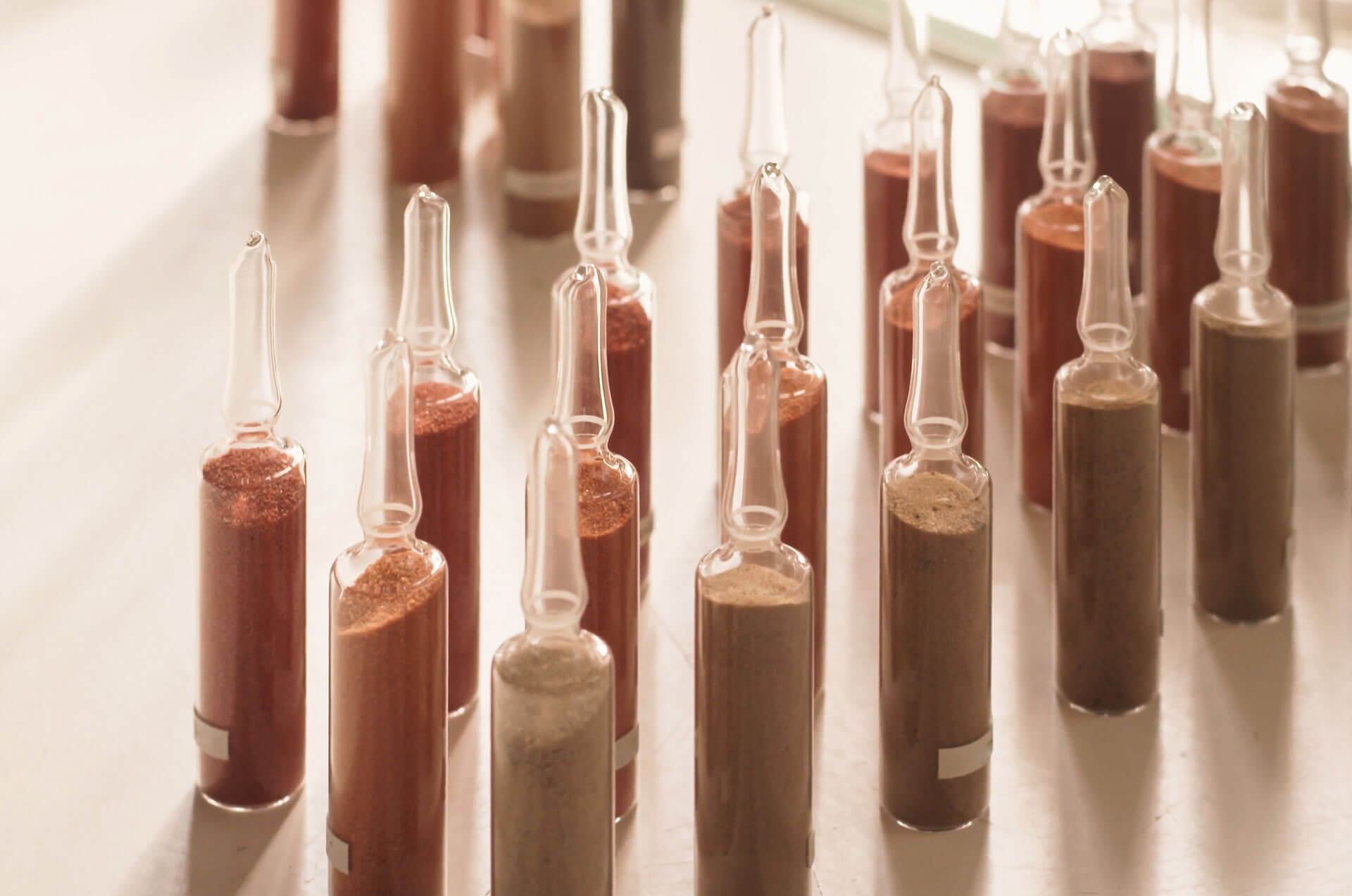
China's Rare Earth Magnet Exports Hit Record in September, Driven by Backlog Release and Regulatory Easing【SMM Analysis】
China’s September rare earth magnet exports hit a record 6,165 tonnes (+23% MoM), driven by clearance of July–August port backlogs, not new demand. US-China talks unblocked shipments, while EU “green channel” talks lifted Q4 forecast to ~5,700 tonnes/month. Large producers recovered fastest; small mills remain constrained.
Oct 20, 2026 16:06 (GMT+8)
Latest News
![[SMM Analysis] Mapping Africa’s Tantalum and Niobium Supply: Operating Mines and Projects in Development](https://imgqn.smm.cn/usercenter/CIcRv20251217171725.jpg)
[SMM Analysis] Mapping Africa’s Tantalum and Niobium Supply: Operating Mines and Projects in Development
Oct 20, 2026 23:59 (GMT+8)
Penouta owner lodges restoration guarantees in Spain
Oct 20, 2026 15:42 (GMT+8)
Review of Tantalum and Key Metals — 20 October 2026
Oct 20, 2026 15:40 (GMT+8)
African mining: Power costs test local mineral-processing ambitions
[SMM Flash] African countries' plan to expand domestic mineral processing faces a shortage of affordable, reliable electricity. A Guinea government adviser at Africa Mining Week said the country would need 5,000–10,000 MW to support its industrialisation ambitions, compared with about 1,000 MW currently generated. Those figures describe a stated requirement, not capacity already built.
Power is one of several conditions investors identified alongside secure mineral feedstock, stable policy, financing and buyers. The reporting helps explain why proposed refineries and smelters may take longer to develop than policy announcements suggest.
Oct 20, 2026 15:22 (GMT+8)
Review of Tantalum and Key Metals — 19 October 2026
[SMM Daily Review] China Market: Today’s SMM 30% tantalum ore CIF China assessment is US$241–246/lb, averaging US$243.50/lb, unchanged from the previous assessment. Also 99.5% tantalum pentoxide FOB at US$640–650/kg, averaging US$645/kg, and 99.99% tantalum pentoxide FOB at US$670–680/kg, averaging US$675/kg; both averages are unchanged. These FOB quotations refer to refined oxide, whereas the CIF quotation refers to ore, so their levels are not directly comparable.
African Market: An East African seller indication quotes US$32,000 per tonne of coltan ore grading at least 32% Ta₂O₅, with a stated potential supply of 21 tonnes or more per month. This is a single asking price, not a reported sale or an African market assessment. The seller has stock in Tanzania, but the material’s availability, origin and assay have not been independently verified. The correspondence mentions FOB Dar es Salaam port.
Tantalum Industry News: Industry research estimates the global tantalum concentrate market at US$617 million in 2025 and forecasts US$880 million by 2032, implying approximately 5.3% annual growth. These are estimates and projections, not measured changes in African production or transactions today.
Outlook: Outlook: African supply remains central to the tantalum market. Conflict or delays in bringing new projects into production could keep ore availability tight, while verified new output, recycling and more efficient material use could ease pressure over time. Several African projects target commissioning or expansion between 2027 and 2030, but their planned capacity is not yet saleable production. Near-term pricing will depend on how much traceable, assayed material reaches buyers and whether those projects meet their milestones.
Oct 19, 2026 15:06 (GMT+8)
East African seller indicates US$32,000 per tonne for coltan
[SMM Tantalum Flash] A seller holding coltan stock in Tanzania has indicated an asking price of US$32,000 per metric tonne for material grading at least 32% Ta₂O₅. The offer describes East African-origin material and potential monthly quantities of 21 tonnes or more. This is one seller’s quotation, not a completed transaction or a market benchmark. The stock, origin, grade and available volume have not been independently verified.
The buyer requested terms for 100 tonnes FOB Dar es Salaam. The seller also proposes staged payments, including a 5% deposit before physical inspection and a further 45% after inspection. No assay, signed contract, shipment or payment has been confirmed. The indication should not be treated as an established Tanzanian or wider African tantalum price.
Oct 19, 2026 15:01 (GMT+8)
North Kivu seller’s September proposal quotes US$4.70 per kg per 1% Tantalum
[SMM Tantalum Flash] A seller from the Democratic Republic of Congo (DRC) quotes US$4.70 per kg for each one-percentage-point tantalum (Ta) unit. Using an illustrative grade of 35% Ta, the seller calculates US$822,500 in total, or US$164.50 per kg of ore. The grade, quantity and availability have not been independently verified. This is one seller’s asking indication, not a completed transaction or a market benchmark.
The proposal divides payment into five instalments of 10%, 20%, 20%, 20% and 30%, with inspection, weighing, assay and document checks built into the acceptance process. It provides for an independent re-assay if the initial result is disputed. No buyer acceptance, payment or shipment has been confirmed. The quote specifies Ta metal units, so it should not be compared directly with Ta₂O₅-based prices without confirming the assay basis.
Oct 16, 2026 15:09 (GMT+8)
Indium Market Demand Weak, Prices Decline Stepwise [SMM Indium Spot Weekly Review]
Oct 16, 2026 14:40 (GMT+8)
NioBay reports new Crevier drilling intersections
[SMM Tantalum and Niobium Flash] NioBay Metals reported initial results on 13 October from its 2026 drilling campaign at the Crevier niobium-tantalum project in Québec, Canada. The company said tantalum intersections in the first 13 holes exceeded the average grade in its latest resource estimate; nine holes included mineralised intervals longer than 15 metres above that average. NioBay holds an 80.2% interest in Crevier. These are exploration results, and the company has not declared a new resource or reserve.
The first roughly 5,000 metres targeted a northern area previously associated with higher tantalum grades. NioBay says further results will feed a resource update after the campaign, which it expects to finish later in October. Any increase in resources or eventual supply of tantalum and niobium oxides remains unproven; this is neither a mine start nor commercial production.
Oct 15, 2026 14:47 (GMT+8)
Seller quotes 40-tonne coltan lot at US$40,000 per tonne
[SMM Tantalum Express] An 13th October sales offer attributed to a DRC-based company quoted US$40,000 per tonne of raw ore for 40 tonnes (±1%) of coltan grading a stated 32–38% Ta₂O₅. At 38% grade, the quoted price is approximately US$47.75 per pound of contained Ta₂O₅. This is one seller’s asking price, not a completed transaction or a market benchmark. The offer proposes buyer inspection and sampling at a private warehouse in Dar es Salaam; the lot’s availability, grade and ownership have not been independently verified.
The seller proposes FOB or CIF delivery and staged payments following testing and inspection, with either an escrow arrangement or an advance backed by proposed gold collateral. The terms remain subject to negotiation and verification, including the final assay and export documents. No shipment or sale has been confirmed, so the indication cannot establish a prevailing DRC or wider African tantalum price.
Oct 14, 2026 15:27 (GMT+8)
![Germanium prices have risen nearly 102% this year, minor metals sector active, Yunnan Germanium and China Northern Rare Earth lead gains [SMM Flash]](https://imgqn.smm.cn/usercenter/KXEYG20251217171725.jpg)
Germanium prices have risen nearly 102% this year, minor metals sector active, Yunnan Germanium and China Northern Rare Earth lead gains [SMM Flash]
Oct 13, 2026 19:19 (GMT+8)
US Energy and EXIM chiefs set for Elk Creek visit
Oct 13, 2026 18:27 (GMT+8)
![Supply-demand pattern unchanged, germanium prices continue to consolidate on a strong note [SMM Germanium Market Weekly Review]](https://imgqn.smm.cn/usercenter/mLwgx20251217171723.jpeg)
Supply-demand pattern unchanged, germanium prices continue to consolidate on a strong note [SMM Germanium Market Weekly Review]
Oct 10, 2026 09:41 (GMT+8)
Rwanda spot offers at “4.8+” leave one buyer waiting
[SMM Tantalum Flash] A trading contact said on 9 October that it was still receiving Rwandan tantalum offers at “4.8+” and had bought no tantalum in the preceding few weeks. Other contacts in the supplied sample described offers above US$4 per kg per grade percentage point. The “4.8+” message did not restate its pricing unit, assay, delivery basis or the dates of the underlying offers. It is a received asking indication, not a transaction price.
The contact said its Rwanda tin flows remained stable, but it had held off buying tantalum while considering air-freight economics and had shifted more attention to West Africa. It reported a Nigerian offer and expressed interest in a Sierra Leone trader; neither was described as a completed tantalum purchase. These conversations show how one buyer is responding to the offers, without establishing a representative Rwanda price or a wider change in trade flows.
Oct 09, 2026 23:32 (GMT+8)
DRC coltan spot sample received at US$60/kg for 38% material
[SMM Tantalum Flash] A trader quotation recorded on 2 October in the supplied survey lists DRC-origin coltan described as 38% Ta₂O₅ at US$60,000 per tonne, or US$60/kg. The sheet marks it CIF, names Dar es Salaam as the origin port and leaves the destination blank. The same trader mentioned US$43/kg for material spanning 6–35% grade. These are two received asking indications from one trader; the survey provides no accepted order or completed-trade evidence.
At the stated 38% grade, US$60/kg calculates to about US$1.58 per kg per grade percentage point. A separate 9 October conversation described traders sourcing from the DRC and routing material through Zambia towards Dar es Salaam, but did not link a shipment to this quoted lot. Assay, quantity and delivery terms still need checking. This small survey sample does not establish a DRC-wide price or a price movement.
Oct 09, 2026 23:16 (GMT+8)
Aterian’s Rwanda unit reports US$154,000 Q3 gross profit
[SMM Tantalum Flash] Aterian reports that its Rwanda-based mineral-trading subsidiary, generated about US$154,000 of unaudited gross profit in the three months to 30 September. This was its fourth consecutive quarter of gross profit. During Q3, the business moved processing into a new 500-square-metre facility at Gahanga, Kigali, causing a three-week disruption, while additional deliveries under new supply arrangements began only in the final week of September.
The update provides evidence of continued trading profitability, but Aterian disclosed neither Q3 tonnage nor realised tantalum prices. The company said tantalum concentrate prices remained at multi-decade highs and expects the new suppliers to contribute more in Q4; that is guidance, not booked performance. Higher throughput at Gahanga also remains to be demonstrated, with delivery timing and scale dependent on supplier performance and operating conditions.
Oct 08, 2026 21:00 (GMT+8)
Volta identifies potential third critical metal at Springer
[SMM Niobium Flash] Volta Metals' compilation of 39 holes at its Springer project near Sturgeon Falls, Ontario, has identified niobium intervals longer than two metres in 13 holes. Reported results included 41.8 metres at 0.16% Nb₂O₅, including 2.0 metres at 0.46%, in hole SL12-12, and 58.2 metres at 0.11% Nb₂O₅ in SL11-01. The update followed completion of a 13-hole, 5,445-metre winter programme, for which all assays have now been received.
The finding could add optionality to a deposit already being evaluated for rare earths and gallium, but it is early-stage. Volta explicitly said niobium is absent from the current resource estimate, no niobium metallurgical work has been completed, the grades are below those of primary niobium mines, and no decision has been made on dedicated follow-up. The company will first assess whether the data justify mineralogical, analytical and metallurgical work; therefore the release establishes exploration potential, not a recoverable resource or economic production case.
Oct 07, 2026 16:24 (GMT+8)
[SMM Analysis] Rubaya: Ownership, Conflict and the Global Tantalum Trade
Rubaya’s coltan industry shows how mineral wealth can sustain livelihoods while under conflict. This study traces the mining district’s ownership, formalisation efforts and M23’s takeover, then examines trade routes, taxation and risks facing miners. Rubaya matters to global tantalum supply, but its precise contribution is subject to further research.
Oct 06, 2026 21:09 (GMT+8)
Greenland approves Tanbreez mining and closure plans
[SMM Tantalum/ Niobioum Flash] Critical Metals said on 5 October 2026 that Greenland had approved the Mining Plan and Closure Plan for Tanbreez, with the documents signed on 29 September. The approvals run under exploitation licence 2020-54 to 8 September 2050 and specify 19 extractable elements, including tantalum and niobium, alongside zirconium, hafnium and rare earths.
This advances Tanbreez from a planning and permitting standpoint, but it is not permission to begin construction immediately. The company still needs activity-specific operating permits covering matters such as environmental management, marine transport, health and safety, and mineral exports, as well as the required financial security. No mining or commercial output has been achieved
Oct 06, 2026 15:17 (GMT+8)
Liberia survey flags early-stage anomalies across Zodiac licences
[SMM Tantalum & Niobium Flash] Zodiac Gold has completed 10,661 soil samples across 530 km² of its Bomi South and Bong West licences in Liberia. National stream-sediment maps place parts of the licence package within the top 0.5% of Liberia’s dataset for 16 elements, including tantalum and niobium. Zodiac’s portable-XRF screening of 2,270 soil samples returned niobium values up to 61 ppm; the release provided no corresponding quantified tantalum soil result.
The findings broaden the licences beyond their primary gold focus and identify areas for follow-up mapping and infill sampling. They remain reconnaissance evidence, not a tantalum or niobium discovery: portable-XRF readings are preliminary, most samples have not yet been screened for multiple elements, and no drilling, mineral resource, metallurgy or economic study has established recoverable mineralisation.
Oct 05, 2026 15:48 (GMT+8)

Early Bird Bookings Now Open for 2027 SMM LZE (22nd) Lead & Zinc Conference and Industry Expo in Yunnan next March
——From Conference to Expo · Doubled Scale · Full Upgrade—— [What This Article Brings You] ① Exhibition Introduction ② How to Register ③ First Batch of Exhibitors ④ Conference Agenda I. Doubled Scale, Full Upgrade! In 2026, lead and zinc face sharp volatility—elevated lead prices, scarce high-purity lead, record high LME low-grade lead stocks, lead-acid battery relocation from China to overseas, deeply negative zinc concentrate TCs, tight high-quality imported zinc ore, open export window for zinc ingots, and overseas zinc smelter buildout. The LZE covers market outlook, price forecast, equipment technology, recycling, and downstream applications—driving green transformation and win-win growth. What sets the 2027 (22nd) LZE apart from earlier events is its transformative upgrade: moving from a pure industry conference to a seamlessly combined conference and industry expo — deliver a larger-scale gathering, an expanded industry showcase and far-reaching involvement across the entire lead and zinc value chain. From industry trend analysis to in-depth industry chain exchanges, from upstream and downstream supply-demand matching to concentrated enterprise showcases, from a single industry conference to the further integration of "conference + industry expo"——in 2027, SMM LZE enters the "expo" era! The conference will embrace its 22nd edition with a larger scale, a richer industry lineup, and broader upstream and downstream participation! Scan the QR Code Below to Register as A Visitor for Free 1. Conference Scale Delegation: 6,000+ (up 71.4% from the previous edition) Companies: 2,000+ (up 100% from the previous edition) Exhibitors: 120+ (up 50% from the previous edition) Supply-demand matchmaking: 300+ (up 50% from the previous edition) Dedicated Forums: 7 (1 more than the previous edition) 2. Participant Groups 20% - Miners 23% - Smelters 22% - Processing enterprises 10% - Traders 5% - Lead-zinc end-user procurement 15% - Third-party equipment, technology, auxiliary materials, media, etc. 3% - Government, associations, university research institutions 2% - Financial and futures firms 3. Job Title Breakdown 4. Conference Highlights Price trends, consumption outlook, and policy interpretation Global dialogue on the lead-zinc industry and go-global strategies One-on-One Business Meetings Exploring Breakthrough Paths in Mining & Metallurgy Technology and Resource Recycling Showcase of Cutting-Edge Equipment and Consumables II. Four Identities, One Lead-Zinc Exhibition Whether you are here for market insights, procurement, showcasing or brand exposure, you will find a participation option that suits you. 1. Professional Visitors (Explore the exhibition for business opportunities and connect with the upstream and downstream of the industry) [Visitor Benefits] Exhibition Area Ticket On-site Check-in Gifts SMM Exclusive Lead-Zinc Industry Distribution Map Lead-Zinc Industry Visitor Exchange Group Group Benefits Tickets for Some Forums …… 2. Conference Delegates (Gain insights into new trends and discuss the lead-zinc market) [Delegate Benefits] Exhibition Area Ticket On-site Check-in Gifts SMM Exclusive Lead-Zinc Industry Distribution Map Lead-Zinc Industry Visitor & Conference Exchange Group Ticket for All Forums of the Conference Executive Dinner Voucher Lunch and Dinner Vouchers During the Conference Enterprise Directory Expert Reports 1-on-1 Supply-Demand Matching Post-Conference Field Trip Activities …… 3. Exhibitor (Step onto the industry stage and showcase your strengths) [18㎡ Custom Booth] [Benefits] Design & construction of all materials for the 18㎡ booth, tables, chairs, sofa & reception desk, TV, 5 conference passes, X-banner stand*1, conference booklet color page*1, LOGO display, multi-platform online exposure and promotion, supply-demand 1-on-1 matchmaking, long-term cooperation support from SMM, etc. [9㎡ Premium Booth] [Benefits] Design & construction of all materials for the 9㎡ booth, printed backdrop wall & reception desk & tables and chairs, TV, 3 conference passes, X-banner stand*1 or conference booklet color page*1, LOGO display, multi-platform online exposure and promotion, supply-demand 1-on-1 matchmaking, long-term cooperation support from SMM, etc. [6㎡ Standard Booth] [Benefits] Design & construction of all materials for the 6㎡ booth, one long table & two chairs, 2 X-banner stands with different content, 2 conference passes, multi-platform online exposure and promotion, supply-demand 1-on-1 matchmaking, long-term cooperation support from SMM, etc.
Oct 22, 2026 09:59 (GMT+8)

2027 Global Aluminum Supply-Demand Outlook: High Margins Drive Expansion, Shifting the Market from Tight to Loose
Oct 21, 2026 09:41 (GMT+8)

Chinese $6Billion Battery Investment in Morocco Reshapes EU Lithium Demand Amid Tariff Shifts
Oct 20, 2026 17:02 (GMT+8)

N-Type vs. P-Type Solar PV Modules: What Sets Them Apart, and Why Is N-Type Gaining Ground in the Global Market?
Oct 21, 2026 09:45 (GMT+8)
China’s Spodumene Imports Rise 7% MoM in September, with Australia, Nigeria and Zimbabwe the Top Three Sources
Oct 20, 2026 19:03 (GMT+8)
![[SMM Analysis] Hoa Phat’s record HRC sales reshape Vietnam’s self-sufficiency and China’s export flows](https://imgqn.smm.cn/usercenter/MhPNV20251217171716.jpg)
[SMM Analysis] Hoa Phat’s record HRC sales reshape Vietnam’s self-sufficiency and China’s export flows
Oct 20, 2026 14:36 (GMT+8)
China's Rare Earth Magnet Exports Hit Record in September, Driven by Backlog Release and Regulatory Easing【SMM Analysis】
Oct 20, 2026 16:06 (GMT+8)
Latest News
[SMM Analysis] Mapping Africa’s Tantalum and Niobium Supply: Operating Mines and Projects in Development
Oct 20, 2026 23:59 (GMT+8)
Penouta owner lodges restoration guarantees in Spain
Oct 20, 2026 15:42 (GMT+8)
Review of Tantalum and Key Metals — 20 October 2026
Oct 20, 2026 15:40 (GMT+8)
African mining: Power costs test local mineral-processing ambitions
Oct 20, 2026 15:22 (GMT+8)
Review of Tantalum and Key Metals — 19 October 2026
Oct 19, 2026 15:06 (GMT+8)
East African seller indicates US$32,000 per tonne for coltan
Oct 19, 2026 15:01 (GMT+8)
North Kivu seller’s September proposal quotes US$4.70 per kg per 1% Tantalum
Oct 16, 2026 15:09 (GMT+8)
Indium Market Demand Weak, Prices Decline Stepwise [SMM Indium Spot Weekly Review]
Oct 16, 2026 14:40 (GMT+8)
NioBay reports new Crevier drilling intersections
Oct 15, 2026 14:47 (GMT+8)
Seller quotes 40-tonne coltan lot at US$40,000 per tonne
Oct 14, 2026 15:27 (GMT+8)
Germanium prices have risen nearly 102% this year, minor metals sector active, Yunnan Germanium and China Northern Rare Earth lead gains [SMM Flash]
Oct 13, 2026 19:19 (GMT+8)
US Energy and EXIM chiefs set for Elk Creek visit
Oct 13, 2026 18:27 (GMT+8)
Supply-demand pattern unchanged, germanium prices continue to consolidate on a strong note [SMM Germanium Market Weekly Review]
Oct 10, 2026 09:41 (GMT+8)
Rwanda spot offers at “4.8+” leave one buyer waiting
Oct 09, 2026 23:32 (GMT+8)
DRC coltan spot sample received at US$60/kg for 38% material
Oct 09, 2026 23:16 (GMT+8)
Aterian’s Rwanda unit reports US$154,000 Q3 gross profit
Oct 08, 2026 21:00 (GMT+8)
Volta identifies potential third critical metal at Springer
Oct 07, 2026 16:24 (GMT+8)
[SMM Analysis] Rubaya: Ownership, Conflict and the Global Tantalum Trade
Oct 06, 2026 21:09 (GMT+8)
Greenland approves Tanbreez mining and closure plans
Oct 06, 2026 15:17 (GMT+8)
Liberia survey flags early-stage anomalies across Zodiac licences
Oct 05, 2026 15:48 (GMT+8)