

News
Exclusive analysis articles with the latest market updates, and real-time news feeds.
![[SMM Analysis] India’s BESS Manufacturing Push Accelerates, but Cell Dependence Remains a Key Bottleneck](https://imgqn.smm.cn/production/admin/votes/imagesozVHm20260131125121.jpeg)
[SMM Analysis] India’s BESS Manufacturing Push Accelerates, but Cell Dependence Remains a Key Bottleneck
In the first quarter of 2026, global energy storage system shipments reached 100.0 GWh, a 96.5% increase from 50.9 GWh in the same period of 2025, bringing quarterly shipments to an entirely new scale.
Sep 30, 2026 08:50 (GMT+8)
SMM Launches Aluminium CBAM Calculator: What Cost Estimates Mean for EU-Bound Offers【SMM Analysis】
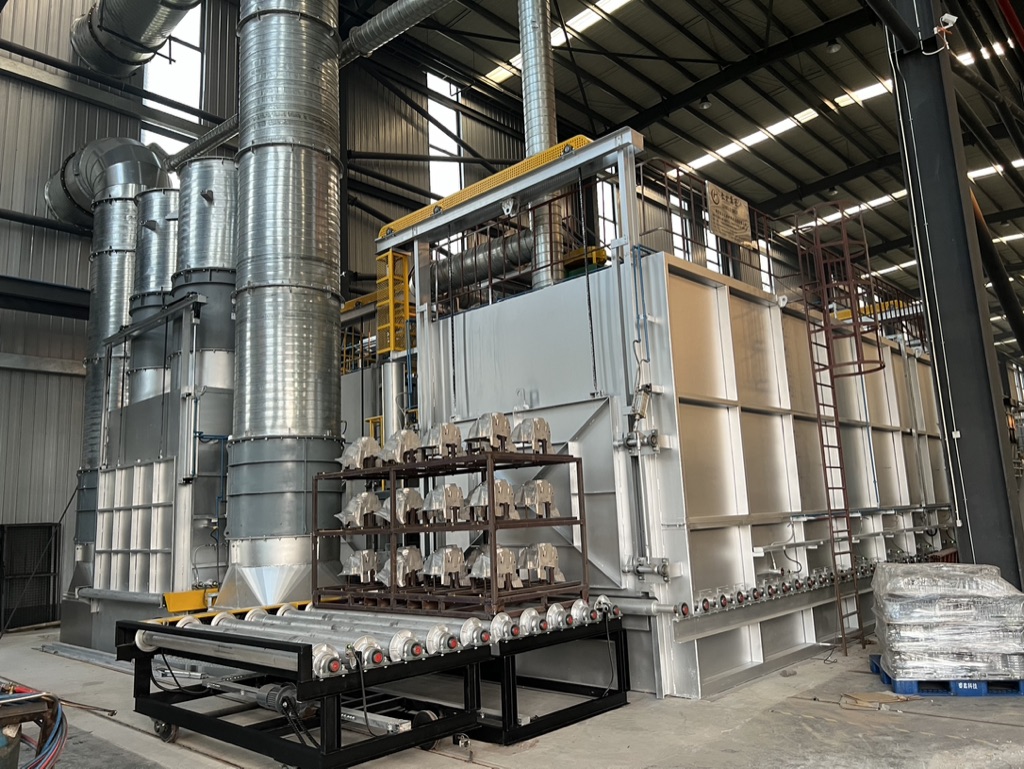
As the EU Carbon Border Adjustment Mechanism (CBAM) enters its definitive phase, aluminium trade with Europe requires carbon costs to be assessed alongside metal prices, processing charges and logistics. SMM has launched its Aluminium CBAM Calculator , bringing together product codes, origin, emissions data and certificate prices to support export quotations, European procurement and internal budgeting. The aluminium module offers 58 CN codes and 68 origin/default-value categories, covering unwrought aluminium, profiles, sheet, strip, foil and other products. Annual parameters are available for 2026–2030. Users enter a tonnage and select default emissions or enter verified actual emissions. The page then displays estimated certificates per tonne, total certificates, cost per tonne and total budget, with primary and secondary aluminium routes matched to the applicable data basis. The practical benefit is that assumptions and results appear together. Exporters can specify the product, origin, import period and emissions basis behind a quotation, while buyers can compare sources under consistent conditions. The page includes Chinese and English interfaces, parameter tables and a printable cost-sheet option. How the associated costs are shared between buyers and sellers remains a contractual matter. Certificate exposure should be distinguished from its monetary value. As of 29 September 2026, the calculator incorporates official prices of €75.36 per certificate for Q1 2026 and €75.28 for Q2. The Q3 price has not yet been published. Where a price is unavailable, the page retains certificate-volume estimates and leaves costs blank, rather than substituting an assumed price. The current version excludes deductions for carbon prices paid abroad and assessment of the annual import threshold. Its actual-emissions calculation for complex aluminium goods also lacks the free-allocation adjustment attributable to precursors. The analysis below therefore uses the checked default-value calculation. Results are commercial estimates, not final statutory surrender obligations. For market comparisons, the same aluminium product can carry materially different estimated costs depending on its origin-specific default value. Consider CN 76012040—unwrought aluminium alloys in billet form—with primary route K, the Q2 2026 certificate price and a quantity of 1,000 tonnes. Estimated costs under the Chinese, Indian and Canadian default-value cases are €143.98, €50.41 and €57.86 per tonne, respectively. These figures include the annual default-value mark-up and the benchmark-based free-allocation adjustment. The Chinese and Indian default-value cases differ by approximately €93.57 per tonne. Comparing only the metal price or processing charge may therefore miss a meaningful difference in the buyer's budget. Where other commercial terms are similar, estimated CBAM costs could affect an offer's attractiveness. However, this is not a ranking of producers' actual carbon intensity. Freight, customs duties, quality and delivery terms are also outside this comparison, so the figures alone cannot determine the preferred supplier. This highlights the commercial value of supplier emissions documentation. For producers whose actual emissions are below the applicable default value, supported by compliant verification, actual data may change a buyer's cost assessment. Buyers can use defaults for an initial budget when documentation is unavailable, then reassess using supplier evidence. Exporters consequently have a reason to prepare emissions information alongside their product offers, rather than negotiate solely around country-default differences. Annual parameter changes also warrant attention. Holding the Chinese product's base default value, route and benchmark constant, and assuming that the import year and applicable reporting year coincide, estimated certificate exposure rises from 1.912575 per tonne in 2026 to 2.248150 in 2027—an increase of approximately 17.5%. This reflects a higher default-value mark-up and a smaller free-allocation deduction; it does not imply a rise in future certificate prices. For supply arrangements spanning different years, companies can first compare certificate exposure, then discuss price-update mechanisms and cost sharing. Even while future certificate prices remain unknown, identifying that exposure and obtaining supplier documentation can improve the comparability of offers and procurement budgets.
Sep 29, 2026 17:32 (GMT+8)
[SMM Analysis] Low-Carbon of Primary Copper Begin Trading Separately—Will Recycled Copper’s Green Value Be Reassessed?
[SMM Analysis: Low-Carbon of Primary Copper Begin Trading Separately—Will Recycled Copper’s Green Value Be Reassessed?] BHP and Amazon’s EAC pilot separates verified emissions reductions from physical copper trade, giving low-emissions primary copper a new source of environmental value. Recycled copper retains a major energy advantage, but future competitiveness may depend more on traceability, recycled content and verified carbon data, potentially adding an environmental dimension to pricing.
Sep 29, 2026 16:03 (GMT+8)
Latest News

Dongfang Tantalum: Domestic demand in China for high-value-added products such as superalloys, semiconductor tantalum targets, and high-purity niobium materials is gradually rising.
Sep 30, 2026 18:57 (GMT+8)
![Slight decline continued before the holiday, with only sporadic transactions [SMM South China Spot Aluminum Daily Review]](https://imgqn.smm.cn/usercenter/wvGIW20251217171655.jpg)
Slight decline continued before the holiday, with only sporadic transactions [SMM South China Spot Aluminum Daily Review]
Sep 30, 2026 18:20 (GMT+8)

Institutions: iPhone 18 Pro series first-week sales in China up 12% YoY
Sep 30, 2026 18:09 (GMT+8)
AI Server Growth Demand Supports Q4 Memory Contract Price Uptrend; Consumer-Side Pressure Persists
According to TrendForce's latest memory industry research, in Q4 2026, DRAM manufacturers will continue to allocate advanced process capacity to high-performance products for server applications, maintaining an overall undersupply situation. However, the contract price uptrend is slowing down, with Conventional DRAM expected to increase by 10%–15% QoQ. The NAND Flash market is showing a dual-track development of AI acceleration and low consumer demand that nonetheless drives price increases, with overall contract prices expected to rise by 15%–20% QoQ.
Sep 30, 2026 18:08 (GMT+8)
Kimi K3 Integrates with OpenAI Codex, Becoming First Chinese Model in OpenAI's Enterprise Payment System
Kimi has made another advance in markets outside China. US AI infrastructure company Baseten announced that enterprise users can now use Kimi K3 within OpenAI's coding tool Codex, with related usage fees billed directly against enterprises' existing OpenAI procurement commitment quotas, eliminating the need for new supplier procurement processes. This means Kimi K3 has entered the mainstream paid settlement channel for OpenAI's enterprise clients, and it is also the first time a Chinese open-source model has entered this enterprise procurement system.
Sep 30, 2026 18:06 (GMT+8)
China's first 3D advanced packaging mass production line goes live in Optics Valley
According to the Optics Valley of China official account, on September 30, the second phase of the advanced packaging pilot platform project of Hubei Xingchen Technology Co., Ltd. ("Xingchen Technology") officially went live. This is China's first 3D advanced packaging mass production line, marking another solid step toward self-reliance and controllability in high-end chip advanced packaging for China.
Sep 30, 2026 18:06 (GMT+8)
Spot premiums traded flat in a sluggish last trading day before the National Day holiday [SMM Aluminum Spot Midday Review]
Sep 30, 2026 16:28 (GMT+8)
Pre-holiday Trading Quiet on Both Sides, Spot Premiums Continue to Pull Back [SMM Shanghai Spot Copper]
[SMM Shanghai spot copper] Looking ahead to the post-holiday period, on September 30, SMM recorded social inventory in Shanghai at 49,200 mt, down 2,000 mt WoW; social inventory in Jiangsu stood at 12,700 mt, down 2,600 mt WoW. Before the holiday, downstream processing enterprises had largely completed holiday stockpiling and arranged cargo pick-up schedules with suppliers in advance for the holiday period. On the supply side, arrivals of imported copper have remained limited recently, and smelter shipments have largely matched downstream pick-up demand, keeping the overall market in a tight balance. Post-holiday, as holiday stockpiles are consumed, downstream processing enterprises may have some restocking demand, but finished product inventories are expected to accumulate during the holiday, and actual purchasing intensity will still depend on whether new orders post-holiday can see a significant pickup. Buyers and sellers are expected to remain in a deadlock over high premiums after the holiday, and spot premiums are likely to stay high in the short term. Going forward, close attention should be paid to the extent of social inventory accumulation during the holiday, the recovery of downstream orders after the holiday, and the impact of changes in the backwardation spread between futures contracts on spot premiums.
Sep 30, 2026 15:00 (GMT+8)
Metals futures mixed, alumina leads gains, SHFE nickel weak, coke and precious metals rise [SMM Midday Review]
Sep 30, 2026 14:10 (GMT+8)
SMM Flash
[SMM Flash] National Bureau of Statistics: From January to August, industrial enterprises above designated size achieved total profits of 5.27198 trillion yuan, up 15.7% YoY. In August, profits of industrial enterprises above designated size increased 4.2% YoY. At the end of August, total assets of industrial enterprises above designated size reached 197.33 trillion yuan, up 6.4% YoY.
Sep 30, 2026 13:30 (GMT+8)

SMM Flash
Sep 30, 2026 13:25 (GMT+8)

SMM Flash
Sep 30, 2026 13:25 (GMT+8)

SMM Flash
Sep 30, 2026 13:24 (GMT+8)
SMM Flash
[SMM Flash] Texas, US, declared a state of emergency over diesel prices.
Sep 30, 2026 13:23 (GMT+8)
[Aluminum billet inventory consolidates at highs; production cuts and aluminum price pullback lead to regional divergence in processing fees [SMM Analysis]]
According to SMM statistics, as of September 30, aluminum billet inventory in major consuming areas in China recorded 149,500 mt, an inventory buildup of 500 mt WoW from last Thursday and a destocking of 5,000 mt from this Monday, with inventory consolidating at highs and basically flat overall.
Sep 30, 2026 13:21 (GMT+8)
Market closes steadily, the most-traded SHFE tin contract moves sideways ahead of National Day holiday [SMM Tin Midday Review]
[SMM Tin Midday Review: Market Ends Stable, SHFE Tin Moves Sideways Ahead of National Day Holiday]
Sep 30, 2026 12:58 (GMT+8)
Spot premiums fell sharply as downstream plants took holidays over the National Day period, reducing pre-holiday restocking volumes [SMM South China copper cathode spot weekly review]
Sep 30, 2026 12:08 (GMT+8)
Holiday Approaches, Market Quiet [SMM Yangshan Spot Copper]
Sep 30, 2026 11:58 (GMT+8)
Guangdong zinc: Market activity turned weaker, spot premiums stable [SMM midday comment]
[Guangdong: Market activity weakened, spot premiums stable] Guangdong 0# zinc was mainly traded at 26,425-26,515 yuan/mt, with mainstream brands quoted at discounts of 55-25 yuan/mt against the 2611 contract and a discount of 10 yuan/mt against Shanghai spot cargo. The Shanghai-Guangdong price spread remained...
Sep 30, 2026 11:42 (GMT+8)
Last trading day before the holiday, market trading was quiet [SMM South China spot copper]
Sep 30, 2026 11:33 (GMT+8)
![[SMM Announcement] Chinese Market Metal Prices and News Updates Suspended during National Day Holiday (Oct 1-7)](https://imgqn.smm.cn/usercenter/HeIuV20251217171708.jpg)
[SMM Announcement] Chinese Market Metal Prices and News Updates Suspended during National Day Holiday (Oct 1-7)
Dear Valued SMM Users, The National Day holiday is approaching. Please note that SMM Chinese market metal price assessments and news updates will be temporarily suspended during the holiday (October 1-7) and resume normal release after the break. However, SMM overseas price assessment will continue to be updated as usual throughout the holiday. We apologise for any inconvenience caused and wish you a pleasant holiday. Shanghai Metals Market (SMM)
Sep 28, 2026 17:06 (GMT+8)

Huawei Pursues Africa Green‑Mining Partnerships and Holds Business Talks with ZESCO at SMM ACM 2026
Sep 23, 2026 16:41 (GMT+8)
![[SMM Analysis] The U.S. Copper Tariff Trade Is Fading — but It Isn’t Over Yet](https://imgqn.smm.cn/production/admin/votes/imagesMbCUq20260929144044.png)
[SMM Analysis] The U.S. Copper Tariff Trade Is Fading — but It Isn’t Over Yet
Sep 29, 2026 14:37 (GMT+8)

South Africa Poised to Become Key Player in Global Rare Earth Supply Chain by 2034【SMM Analysis】
Sep 29, 2026 18:54 (GMT+8)
[SMM Analysis] India’s BESS Manufacturing Push Accelerates, but Cell Dependence Remains a Key Bottleneck
Sep 30, 2026 08:50 (GMT+8)
SMM Launches Aluminium CBAM Calculator: What Cost Estimates Mean for EU-Bound Offers【SMM Analysis】
Sep 29, 2026 17:32 (GMT+8)
![[SMM Analysis] Low-Carbon of Primary Copper Begin Trading Separately—Will Recycled Copper’s Green Value Be Reassessed?](https://imgqn.smm.cn/usercenter/MXbup20251217171745.jpg)
[SMM Analysis] Low-Carbon of Primary Copper Begin Trading Separately—Will Recycled Copper’s Green Value Be Reassessed?
Sep 29, 2026 16:03 (GMT+8)
Latest News
Dongfang Tantalum: Domestic demand in China for high-value-added products such as superalloys, semiconductor tantalum targets, and high-purity niobium materials is gradually rising.
Sep 30, 2026 18:57 (GMT+8)
Slight decline continued before the holiday, with only sporadic transactions [SMM South China Spot Aluminum Daily Review]
Sep 30, 2026 18:20 (GMT+8)
Institutions: iPhone 18 Pro series first-week sales in China up 12% YoY
Sep 30, 2026 18:09 (GMT+8)
AI Server Growth Demand Supports Q4 Memory Contract Price Uptrend; Consumer-Side Pressure Persists
Sep 30, 2026 18:08 (GMT+8)
Kimi K3 Integrates with OpenAI Codex, Becoming First Chinese Model in OpenAI's Enterprise Payment System
Sep 30, 2026 18:06 (GMT+8)
China's first 3D advanced packaging mass production line goes live in Optics Valley
Sep 30, 2026 18:06 (GMT+8)
Spot premiums traded flat in a sluggish last trading day before the National Day holiday [SMM Aluminum Spot Midday Review]
Sep 30, 2026 16:28 (GMT+8)
Pre-holiday Trading Quiet on Both Sides, Spot Premiums Continue to Pull Back [SMM Shanghai Spot Copper]
Sep 30, 2026 15:00 (GMT+8)
Metals futures mixed, alumina leads gains, SHFE nickel weak, coke and precious metals rise [SMM Midday Review]
Sep 30, 2026 14:10 (GMT+8)
SMM Flash
Sep 30, 2026 13:30 (GMT+8)
SMM Flash
Sep 30, 2026 13:25 (GMT+8)
SMM Flash
Sep 30, 2026 13:25 (GMT+8)
SMM Flash
Sep 30, 2026 13:24 (GMT+8)
SMM Flash
Sep 30, 2026 13:23 (GMT+8)
[Aluminum billet inventory consolidates at highs; production cuts and aluminum price pullback lead to regional divergence in processing fees [SMM Analysis]]
Sep 30, 2026 13:21 (GMT+8)
Market closes steadily, the most-traded SHFE tin contract moves sideways ahead of National Day holiday [SMM Tin Midday Review]
Sep 30, 2026 12:58 (GMT+8)
Spot premiums fell sharply as downstream plants took holidays over the National Day period, reducing pre-holiday restocking volumes [SMM South China copper cathode spot weekly review]
Sep 30, 2026 12:08 (GMT+8)
Holiday Approaches, Market Quiet [SMM Yangshan Spot Copper]
Sep 30, 2026 11:58 (GMT+8)
Guangdong zinc: Market activity turned weaker, spot premiums stable [SMM midday comment]
Sep 30, 2026 11:42 (GMT+8)
Last trading day before the holiday, market trading was quiet [SMM South China spot copper]
Sep 30, 2026 11:33 (GMT+8)