

News
Exclusive analysis articles with the latest market updates, and real-time news feeds.
China’s Spodumene Imports Rise 7% MoM in September, with Australia, Nigeria and Zimbabwe the Top Three Sources
According to compiled Chinese customs data, China imported 970,100 physical tonnes of spodumene in September 2026, up approximately 7.0% from 906,600 tonnes in August. Based on the classification and assumed grades, moisture content and conversion factors used in this analysis, September imports represented approximately 81,300 tonnes of lithium carbonate equivalent (LCE). By origin, imports from Australia, Nigeria and Zimbabwe increased significantly. Australia remained the largest supplier, with shipments to China reaching 446,200 tonnes, up approximately 36.7% month on month and accounting for around 46.0% of total imports. Nigeria became the second-largest supplier at 189,800 tonnes, up approximately 40.1%, while imports from Zimbabwe rose approximately 83.0% to 136,500 tonnes. Imports from South Africa fell approximately 49.6% to 112,400 tonnes, whereas imports from Brazil increased approximately 30.9% to 81,200 tonnes. Smaller volumes came from Burundi, Rwanda and Mozambique, at approximately 1,800 tonnes, 1,300 tonnes and 1,000 tonnes, respectively, with limited shipments from Zambia and Somalia. No imports from Mali or Canada appeared in the September dataset. Overall, China’s spodumene imports continued to grow in September, with the composition shifting toward concentrate. Under the classification used in this analysis, concentrate imports reached approximately 688,800 tonnes, accounting for 71.0% of total physical imports, compared with 60.7% in August. Raw ore imports stood at approximately 281,300 tonnes. Increased concentrate imports from Australia, Zimbabwe and Nigeria offset lower imports from Mali and Canada, providing the main support for growth in China’s imported lithium resource supply during the month.
Oct 20, 2026 19:03 (GMT+8)
[SMM Analysis] Hoa Phat’s record HRC sales reshape Vietnam’s self-sufficiency and China’s export flows
Hoa Phat sold 5.47 Mt of hot-rolled coil in January to September, up 59% and about a third of Vietnam’s consumption, with 24.6% of third-quarter sales exported. Vietnam’s HRC demand of about 17.3 Mt this year still exceeds local output of about 10.8 Mt by 6.5 Mt, and new capacity arrives mainly after 2027. Anti-dumping duties have pushed mainstream Chinese coil out of Vietnam; Chinese mills now face Vietnamese coil in ASEAN and other third markets.
Oct 20, 2026 14:36 (GMT+8)
China's Rare Earth Magnet Exports Hit Record in September, Driven by Backlog Release and Regulatory Easing【SMM Analysis】
China’s September rare earth magnet exports hit a record 6,165 tonnes (+23% MoM), driven by clearance of July–August port backlogs, not new demand. US-China talks unblocked shipments, while EU “green channel” talks lifted Q4 forecast to ~5,700 tonnes/month. Large producers recovered fastest; small mills remain constrained.
Oct 20, 2026 16:06 (GMT+8)
Latest News
China's Bismuth Exports Surge in September 2026, Showing Significant MoM and YoY Growth
Oct 23, 2026 16:27 (GMT+8)
Crude Selenium Auction in Northwest China Fetches Over RMB 140,000 per Tonne Amid Strong Market Confidence
Oct 23, 2026 16:23 (GMT+8)
![This week, another major plant in Northwest China successfully concluded transactions for several mt in metal content of crude selenium [SMM Selenium]](https://imgqn.smm.cn/usercenter/qbMSp20251217171722.jpeg)
This week, another major plant in Northwest China successfully concluded transactions for several mt in metal content of crude selenium [SMM Selenium]
Oct 23, 2026 16:21 (GMT+8)
China's Bismuth Exports Surge 25.5% MoM, 63.0% YoY in September 2026
In September 2026, China’s total exports of bismuth products reached 814.68 tonnes, up 25.5% month-on-month from 649.21 tonnes in August and rising 63.0% year-on-year from 499.91 tonnes in September 2025.
Oct 21, 2026 11:59 (GMT+8)
Major Producer in Northwest China Launches 25 Tonne Crude Selenium Sale, Deadline Oct 22, 2026
SMM Oct 21 News: According to market sources, a major producer in Northwest China has launched the public sale of 25 tonnes of crude selenium starting today, with the reserve price undisclosed. Sources stated that the deadline for quotation submission is October 22, 2026.
Oct 21, 2026 11:38 (GMT+8)
Crude Selenium Auctioned at RMB 138,000 per Ton Amid Strong Market Demand and Confidence
SMM News, October 19: According to official sources from a major northwestern smelter, several metric tons of crude selenium offered for public sale recently were successfully transacted last week. SMM learned that the official party declined to disclose the identity of the end buyer, while confirming the transaction price stood at approximately RMB 138,000 per metric ton.
The generally high auction prices for crude selenium recently demonstrate that trading activity in the selenium market has continued to pick up amid the peak demand season of "Golden September and Silver October". Market participants’ overall confidence in the future price trend of selenium keeps strengthening.
Oct 19, 2026 14:50 (GMT+8)
Several mt in metal content of crude selenium traded successfully at a major plant in Northwest China [SMM Selenium]
Oct 19, 2026 14:48 (GMT+8)
Tellurium Prices Hold Steady at RMB 798.5/kg for 16 Consecutive Quotation Days Post-Holiday
The first full trading week following the National Day holiday saw domestic tellurium quotes hold steady across the board. The average price of tellurium (99.99%) stood at RMB 798.5 per kg, with a high of RMB 807 per kg and a low of RMB 790 per kg, representing a price spread of RMB 17. No price adjustments were made throughout the five trading days of the week.
As such, the domestic average tellurium price has remained at RMB 798.5 per kg for 16 consecutive quotation days since September 17, with its price volatility ranking among the lowest across major minor metals.
Oct 16, 2026 14:55 (GMT+8)
Major East China Smelter Successfully Sells Several Tonnes of Crude Selenium in Public Auction
SMM News, October 14: According to official sources from a major smelter in East China, several metal tonnes of crude selenium offered for public sale recently were successfully sold today.
SMM understands that the official party declined to disclose the identity of the winning buyer, but stated that the final transaction price was slightly below RMB 145,000 per tonne. The achieved price remains in line with prevailing market levels, and the tender outcome was within market expectations.
Oct 14, 2026 15:43 (GMT+8)
Yanggu Xiangguang Launches Tender for 20MT Crude Selenium, Bidding Starts Oct 14, 2026
SMM News, October 13: According to official information from Yanggu Xiangguang, in response to the company’s production and operational requirements, it will launch an inquiry‑and‑comparison tender for approximately 20 metal tonnes of crude selenium.
Bidding window for the price inquiry: October 14, 2026 (14:00‑14:30).
Starting floor price for selenium: 141.27 yuan per kilogram.
Prior to submitting bids, participating merchants are required to pay a performance bond of 100,000 yuan and send the payment voucher to Xiangguang Copper.
Oct 13, 2026 15:28 (GMT+8)
![Yanggu Xiangguang auctioned several metric tons of crude selenium on the 13th [SMM Selenium Report]](https://imgqn.smm.cn/usercenter/ChqBy20251217171724.jpeg)
Yanggu Xiangguang auctioned several metric tons of crude selenium on the 13th [SMM Selenium Report]
Oct 13, 2026 15:25 (GMT+8)
![Baiyin Nonferrous Group Co., Ltd. recently successfully concluded a public tender for approximately 200 mt of crude cadmium [SMM report]](https://imgqn.smm.cn/usercenter/eGQFu20251217171723.jpeg)
Baiyin Nonferrous Group Co., Ltd. recently successfully concluded a public tender for approximately 200 mt of crude cadmium [SMM report]
Oct 12, 2026 11:44 (GMT+8)
Crude Selenium Auction Fetches High Price, Reflecting Market Confidence Amid Peak Demand Season
Oct 12, 2026 09:03 (GMT+8)
25-tonne crude selenium batch sold at RMB 145,000 per tonne, buyer's identity undisclosed
SMM News, October 12: According to official sources from a major southwest‑based plant, the 25‑tonne‑metal‑content crude selenium offered for public sale recently was successfully transacted over the past weekend.
SMM understands that the official side declined to disclose the identity of the ultimate buyer for this batch of crude selenium, but stated that the transaction price stood at around RMB 145,000 per tonne.
Oct 12, 2026 09:02 (GMT+8)
A major plant in Southwest China successfully won the bid for 25 mt in metal content of crude selenium [SMM Selenium]
Oct 12, 2026 09:00 (GMT+8)
Refined Bismuth Prices Stabilize at 129,000 Yuan/ton After Recent Decline
Refined bismuth prices have been running weak recently. The price fell from 131,000 yuan/ton before the National Day holiday to 129,000 yuan/ton, and remained stable at this level through October 9. No further price adjustments were made in the two post-holiday trading days, showing signs that prices have stopped falling and stabilized.
Oct 10, 2026 09:49 (GMT+8)
Bismuth Market in the Doldrums, Signs of Prices Stopping Falling and Stabilizing Emerge [SMM Bismuth Spot Weekly Review]
Oct 10, 2026 09:39 (GMT+8)
China's Refined Bismuth Output to Drop 3.5% MoM in Sept 2026, Market Supply Stable Despite Subdued Demand
SMM assessment shows that China’s refined bismuth estimated output in September 2026 will drop by approximately 3.5% month-on-month compared with August. Market participants believe this decline is within a reasonable range. Overall, market supply remains largely stable. Although end-user demand was generally subdued in September, trading markets hold expectations for October.
Oct 08, 2026 11:25 (GMT+8)
September SMM assessed refined bismuth production in China is expected to decline by about 3.5% MoM [SMM data]
Oct 08, 2026 11:22 (GMT+8)
Baiyin Nonferrous Launches Tender for 230 Tonnes of Crude Cadmium, Auction Set for Oct 9, 2026
SMM News, September 24: SMM has learned that the Northwest Lead-Zinc Smelter of Baiyin Nonferrous Group is launching a public tender for the sale of approximately 230 tonnes of crude cadmium. According to official details, the bidding floor price will be set at SMM average price minus a discount of 1,820 yuan per tonne, with the highest bidder to win the auction. The tender will only proceed if a minimum of three bidders register. Bidding will commence at 15:00 on October 9, 2026. Market participants commented that given the recent strong cadmium prices, this tender warrants close attention. To a certain extent, it can reflect the strength of market demand and serve as a reference for the future direction of cadmium prices.
Sep 24, 2026 18:04 (GMT+8)
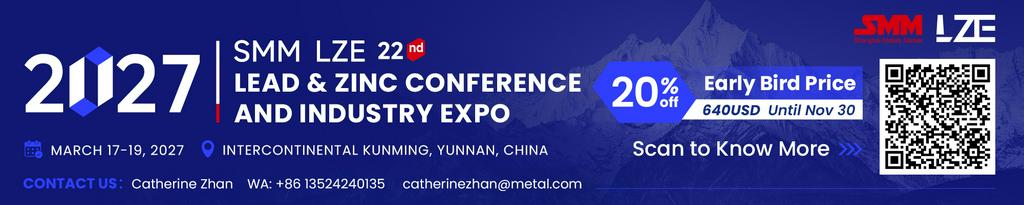
Early Bird Bookings Now Open for 2027 SMM LZE (22nd) Lead & Zinc Conference and Industry Expo in Yunnan next March
——From Conference to Expo · Doubled Scale · Full Upgrade—— [What This Article Brings You] ① Exhibition Introduction ② How to Register ③ First Batch of Exhibitors ④ Conference Agenda I. Doubled Scale, Full Upgrade! In 2026, lead and zinc face sharp volatility—elevated lead prices, scarce high-purity lead, record high LME low-grade lead stocks, lead-acid battery relocation from China to overseas, deeply negative zinc concentrate TCs, tight high-quality imported zinc ore, open export window for zinc ingots, and overseas zinc smelter buildout. The LZE covers market outlook, price forecast, equipment technology, recycling, and downstream applications—driving green transformation and win-win growth. What sets the 2027 (22nd) LZE apart from earlier events is its transformative upgrade: moving from a pure industry conference to a seamlessly combined conference and industry expo — deliver a larger-scale gathering, an expanded industry showcase and far-reaching involvement across the entire lead and zinc value chain. From industry trend analysis to in-depth industry chain exchanges, from upstream and downstream supply-demand matching to concentrated enterprise showcases, from a single industry conference to the further integration of "conference + industry expo"——in 2027, SMM LZE enters the "expo" era! The conference will embrace its 22nd edition with a larger scale, a richer industry lineup, and broader upstream and downstream participation! Scan the QR Code Below to Register as A Visitor for Free 1. Conference Scale Delegation: 6,000+ (up 71.4% from the previous edition) Companies: 2,000+ (up 100% from the previous edition) Exhibitors: 120+ (up 50% from the previous edition) Supply-demand matchmaking: 300+ (up 50% from the previous edition) Dedicated Forums: 7 (1 more than the previous edition) 2. Participant Groups 20% - Miners 23% - Smelters 22% - Processing enterprises 10% - Traders 5% - Lead-zinc end-user procurement 15% - Third-party equipment, technology, auxiliary materials, media, etc. 3% - Government, associations, university research institutions 2% - Financial and futures firms 3. Job Title Breakdown 4. Conference Highlights Price trends, consumption outlook, and policy interpretation Global dialogue on the lead-zinc industry and go-global strategies One-on-One Business Meetings Exploring Breakthrough Paths in Mining & Metallurgy Technology and Resource Recycling Showcase of Cutting-Edge Equipment and Consumables II. Four Identities, One Lead-Zinc Exhibition Whether you are here for market insights, procurement, showcasing or brand exposure, you will find a participation option that suits you. 1. Professional Visitors (Explore the exhibition for business opportunities and connect with the upstream and downstream of the industry) [Visitor Benefits] Exhibition Area Ticket On-site Check-in Gifts SMM Exclusive Lead-Zinc Industry Distribution Map Lead-Zinc Industry Visitor Exchange Group Group Benefits Tickets for Some Forums …… 2. Conference Delegates (Gain insights into new trends and discuss the lead-zinc market) [Delegate Benefits] Exhibition Area Ticket On-site Check-in Gifts SMM Exclusive Lead-Zinc Industry Distribution Map Lead-Zinc Industry Visitor & Conference Exchange Group Ticket for All Forums of the Conference Executive Dinner Voucher Lunch and Dinner Vouchers During the Conference Enterprise Directory Expert Reports 1-on-1 Supply-Demand Matching Post-Conference Field Trip Activities …… 3. Exhibitor (Step onto the industry stage and showcase your strengths) [18㎡ Custom Booth] [Benefits] Design & construction of all materials for the 18㎡ booth, tables, chairs, sofa & reception desk, TV, 5 conference passes, X-banner stand*1, conference booklet color page*1, LOGO display, multi-platform online exposure and promotion, supply-demand 1-on-1 matchmaking, long-term cooperation support from SMM, etc. [9㎡ Premium Booth] [Benefits] Design & construction of all materials for the 9㎡ booth, printed backdrop wall & reception desk & tables and chairs, TV, 3 conference passes, X-banner stand*1 or conference booklet color page*1, LOGO display, multi-platform online exposure and promotion, supply-demand 1-on-1 matchmaking, long-term cooperation support from SMM, etc. [6㎡ Standard Booth] [Benefits] Design & construction of all materials for the 6㎡ booth, one long table & two chairs, 2 X-banner stands with different content, 2 conference passes, multi-platform online exposure and promotion, supply-demand 1-on-1 matchmaking, long-term cooperation support from SMM, etc.
Oct 22, 2026 09:59 (GMT+8)

2027 Global Aluminum Supply-Demand Outlook: High Margins Drive Expansion, Shifting the Market from Tight to Loose
Oct 21, 2026 09:41 (GMT+8)

Chinese $6Billion Battery Investment in Morocco Reshapes EU Lithium Demand Amid Tariff Shifts
Oct 20, 2026 17:02 (GMT+8)
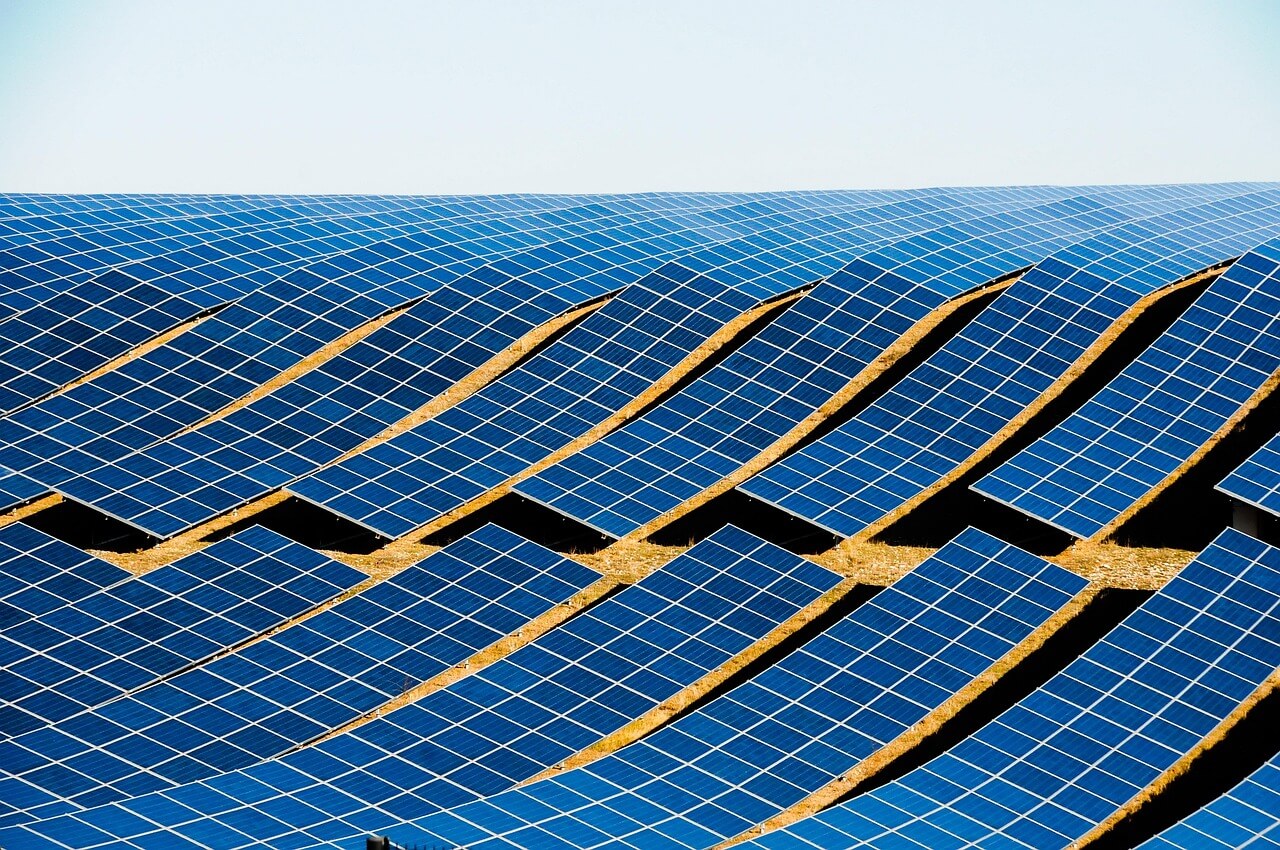
N-Type vs. P-Type Solar PV Modules: What Sets Them Apart, and Why Is N-Type Gaining Ground in the Global Market?
Oct 21, 2026 09:45 (GMT+8)
China’s Spodumene Imports Rise 7% MoM in September, with Australia, Nigeria and Zimbabwe the Top Three Sources
Oct 20, 2026 19:03 (GMT+8)
![[SMM Analysis] Hoa Phat’s record HRC sales reshape Vietnam’s self-sufficiency and China’s export flows](https://imgqn.smm.cn/usercenter/MhPNV20251217171716.jpg)
[SMM Analysis] Hoa Phat’s record HRC sales reshape Vietnam’s self-sufficiency and China’s export flows
Oct 20, 2026 14:36 (GMT+8)
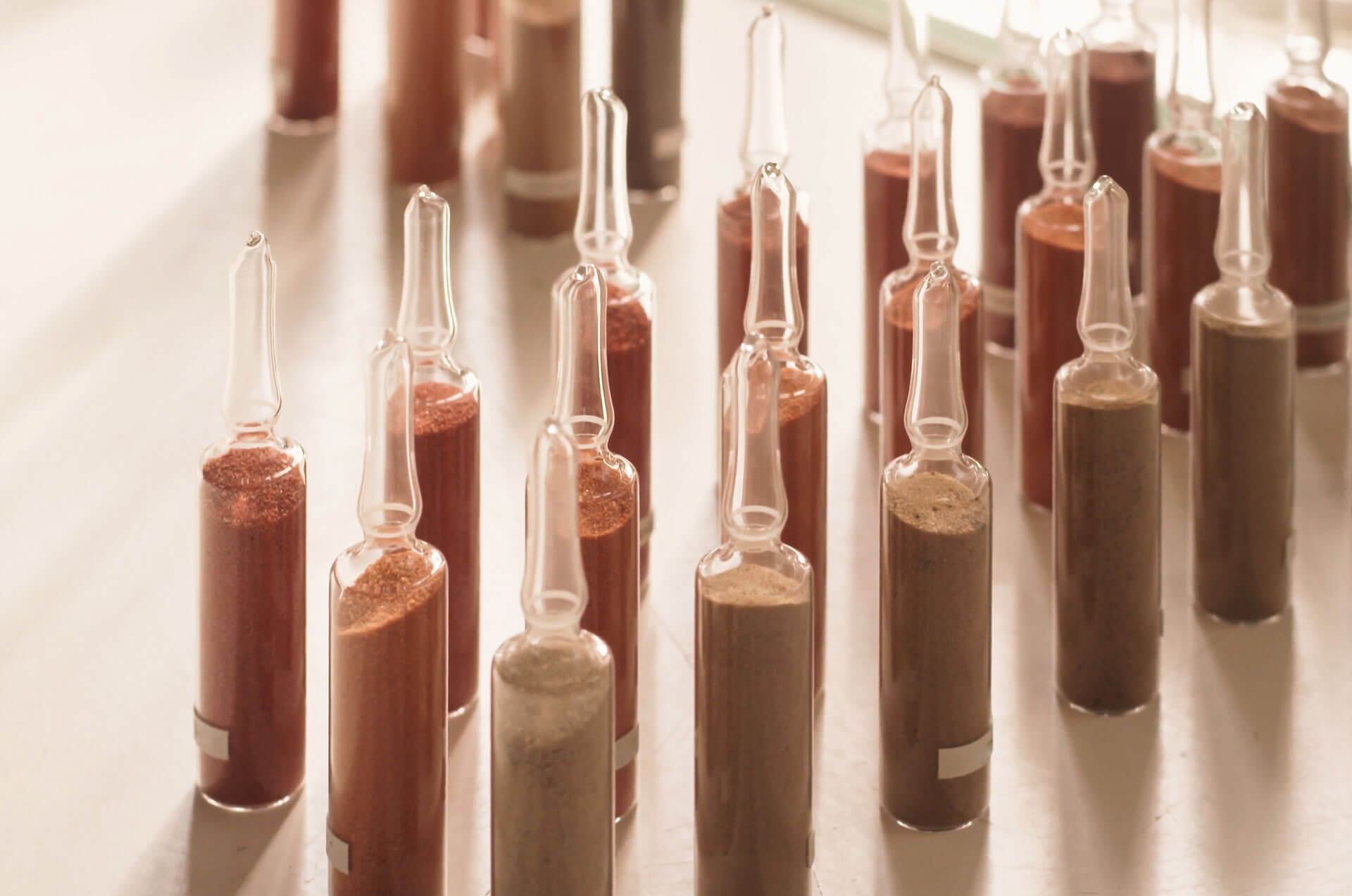
China's Rare Earth Magnet Exports Hit Record in September, Driven by Backlog Release and Regulatory Easing【SMM Analysis】
Oct 20, 2026 16:06 (GMT+8)
Latest News
China's Bismuth Exports Surge in September 2026, Showing Significant MoM and YoY Growth
Oct 23, 2026 16:27 (GMT+8)
Crude Selenium Auction in Northwest China Fetches Over RMB 140,000 per Tonne Amid Strong Market Confidence
Oct 23, 2026 16:23 (GMT+8)
This week, another major plant in Northwest China successfully concluded transactions for several mt in metal content of crude selenium [SMM Selenium]
Oct 23, 2026 16:21 (GMT+8)
China's Bismuth Exports Surge 25.5% MoM, 63.0% YoY in September 2026
Oct 21, 2026 11:59 (GMT+8)
Major Producer in Northwest China Launches 25 Tonne Crude Selenium Sale, Deadline Oct 22, 2026
Oct 21, 2026 11:38 (GMT+8)
Crude Selenium Auctioned at RMB 138,000 per Ton Amid Strong Market Demand and Confidence
Oct 19, 2026 14:50 (GMT+8)
Several mt in metal content of crude selenium traded successfully at a major plant in Northwest China [SMM Selenium]
Oct 19, 2026 14:48 (GMT+8)
Tellurium Prices Hold Steady at RMB 798.5/kg for 16 Consecutive Quotation Days Post-Holiday
Oct 16, 2026 14:55 (GMT+8)
Major East China Smelter Successfully Sells Several Tonnes of Crude Selenium in Public Auction
Oct 14, 2026 15:43 (GMT+8)
Yanggu Xiangguang Launches Tender for 20MT Crude Selenium, Bidding Starts Oct 14, 2026
Oct 13, 2026 15:28 (GMT+8)
Yanggu Xiangguang auctioned several metric tons of crude selenium on the 13th [SMM Selenium Report]
Oct 13, 2026 15:25 (GMT+8)
Baiyin Nonferrous Group Co., Ltd. recently successfully concluded a public tender for approximately 200 mt of crude cadmium [SMM report]
Oct 12, 2026 11:44 (GMT+8)
Crude Selenium Auction Fetches High Price, Reflecting Market Confidence Amid Peak Demand Season
Oct 12, 2026 09:03 (GMT+8)
25-tonne crude selenium batch sold at RMB 145,000 per tonne, buyer's identity undisclosed
Oct 12, 2026 09:02 (GMT+8)
A major plant in Southwest China successfully won the bid for 25 mt in metal content of crude selenium [SMM Selenium]
Oct 12, 2026 09:00 (GMT+8)
Refined Bismuth Prices Stabilize at 129,000 Yuan/ton After Recent Decline
Oct 10, 2026 09:49 (GMT+8)
Bismuth Market in the Doldrums, Signs of Prices Stopping Falling and Stabilizing Emerge [SMM Bismuth Spot Weekly Review]
Oct 10, 2026 09:39 (GMT+8)
China's Refined Bismuth Output to Drop 3.5% MoM in Sept 2026, Market Supply Stable Despite Subdued Demand
Oct 08, 2026 11:25 (GMT+8)
September SMM assessed refined bismuth production in China is expected to decline by about 3.5% MoM [SMM data]
Oct 08, 2026 11:22 (GMT+8)
Baiyin Nonferrous Launches Tender for 230 Tonnes of Crude Cadmium, Auction Set for Oct 9, 2026
Sep 24, 2026 18:04 (GMT+8)