

News
Exclusive analysis articles with the latest market updates, and real-time news feeds.
![[SMM Analysis] India’s BESS Manufacturing Push Accelerates, but Cell Dependence Remains a Key Bottleneck](https://imgqn.smm.cn/production/admin/votes/imagesozVHm20260131125121.jpeg)
[SMM Analysis] India’s BESS Manufacturing Push Accelerates, but Cell Dependence Remains a Key Bottleneck
In the first quarter of 2026, global energy storage system shipments reached 100.0 GWh, a 96.5% increase from 50.9 GWh in the same period of 2025, bringing quarterly shipments to an entirely new scale.
Sep 30, 2026 08:50 (GMT+8)
SMM Launches Aluminium CBAM Calculator: What Cost Estimates Mean for EU-Bound Offers【SMM Analysis】
As the EU Carbon Border Adjustment Mechanism (CBAM) enters its definitive phase, aluminium trade with Europe requires carbon costs to be assessed alongside metal prices, processing charges and logistics. SMM has launched its Aluminium CBAM Calculator , bringing together product codes, origin, emissions data and certificate prices to support export quotations, European procurement and internal budgeting. The aluminium module offers 58 CN codes and 68 origin/default-value categories, covering unwrought aluminium, profiles, sheet, strip, foil and other products. Annual parameters are available for 2026–2030. Users enter a tonnage and select default emissions or enter verified actual emissions. The page then displays estimated certificates per tonne, total certificates, cost per tonne and total budget, with primary and secondary aluminium routes matched to the applicable data basis. The practical benefit is that assumptions and results appear together. Exporters can specify the product, origin, import period and emissions basis behind a quotation, while buyers can compare sources under consistent conditions. The page includes Chinese and English interfaces, parameter tables and a printable cost-sheet option. How the associated costs are shared between buyers and sellers remains a contractual matter. Certificate exposure should be distinguished from its monetary value. As of 29 September 2026, the calculator incorporates official prices of €75.36 per certificate for Q1 2026 and €75.28 for Q2. The Q3 price has not yet been published. Where a price is unavailable, the page retains certificate-volume estimates and leaves costs blank, rather than substituting an assumed price. The current version excludes deductions for carbon prices paid abroad and assessment of the annual import threshold. Its actual-emissions calculation for complex aluminium goods also lacks the free-allocation adjustment attributable to precursors. The analysis below therefore uses the checked default-value calculation. Results are commercial estimates, not final statutory surrender obligations. For market comparisons, the same aluminium product can carry materially different estimated costs depending on its origin-specific default value. Consider CN 76012040—unwrought aluminium alloys in billet form—with primary route K, the Q2 2026 certificate price and a quantity of 1,000 tonnes. Estimated costs under the Chinese, Indian and Canadian default-value cases are €143.98, €50.41 and €57.86 per tonne, respectively. These figures include the annual default-value mark-up and the benchmark-based free-allocation adjustment. The Chinese and Indian default-value cases differ by approximately €93.57 per tonne. Comparing only the metal price or processing charge may therefore miss a meaningful difference in the buyer's budget. Where other commercial terms are similar, estimated CBAM costs could affect an offer's attractiveness. However, this is not a ranking of producers' actual carbon intensity. Freight, customs duties, quality and delivery terms are also outside this comparison, so the figures alone cannot determine the preferred supplier. This highlights the commercial value of supplier emissions documentation. For producers whose actual emissions are below the applicable default value, supported by compliant verification, actual data may change a buyer's cost assessment. Buyers can use defaults for an initial budget when documentation is unavailable, then reassess using supplier evidence. Exporters consequently have a reason to prepare emissions information alongside their product offers, rather than negotiate solely around country-default differences. Annual parameter changes also warrant attention. Holding the Chinese product's base default value, route and benchmark constant, and assuming that the import year and applicable reporting year coincide, estimated certificate exposure rises from 1.912575 per tonne in 2026 to 2.248150 in 2027—an increase of approximately 17.5%. This reflects a higher default-value mark-up and a smaller free-allocation deduction; it does not imply a rise in future certificate prices. For supply arrangements spanning different years, companies can first compare certificate exposure, then discuss price-update mechanisms and cost sharing. Even while future certificate prices remain unknown, identifying that exposure and obtaining supplier documentation can improve the comparability of offers and procurement budgets.
Sep 29, 2026 17:32 (GMT+8)
[SMM Analysis] Low-Carbon of Primary Copper Begin Trading Separately—Will Recycled Copper’s Green Value Be Reassessed?
[SMM Analysis: Low-Carbon of Primary Copper Begin Trading Separately—Will Recycled Copper’s Green Value Be Reassessed?] BHP and Amazon’s EAC pilot separates verified emissions reductions from physical copper trade, giving low-emissions primary copper a new source of environmental value. Recycled copper retains a major energy advantage, but future competitiveness may depend more on traceability, recycled content and verified carbon data, potentially adding an environmental dimension to pricing.
Sep 29, 2026 16:03 (GMT+8)
Latest News
![[SMM Flash News] South32 Revised Q4 '26 CIF MJP Premium Offer at US$265/mt](https://imgqn.smm.cn/usercenter/tkWbz20251217171654.jpg)
[SMM Flash News] South32 Revised Q4 '26 CIF MJP Premium Offer at US$265/mt
Oct 02, 2026 10:52 (GMT+8)
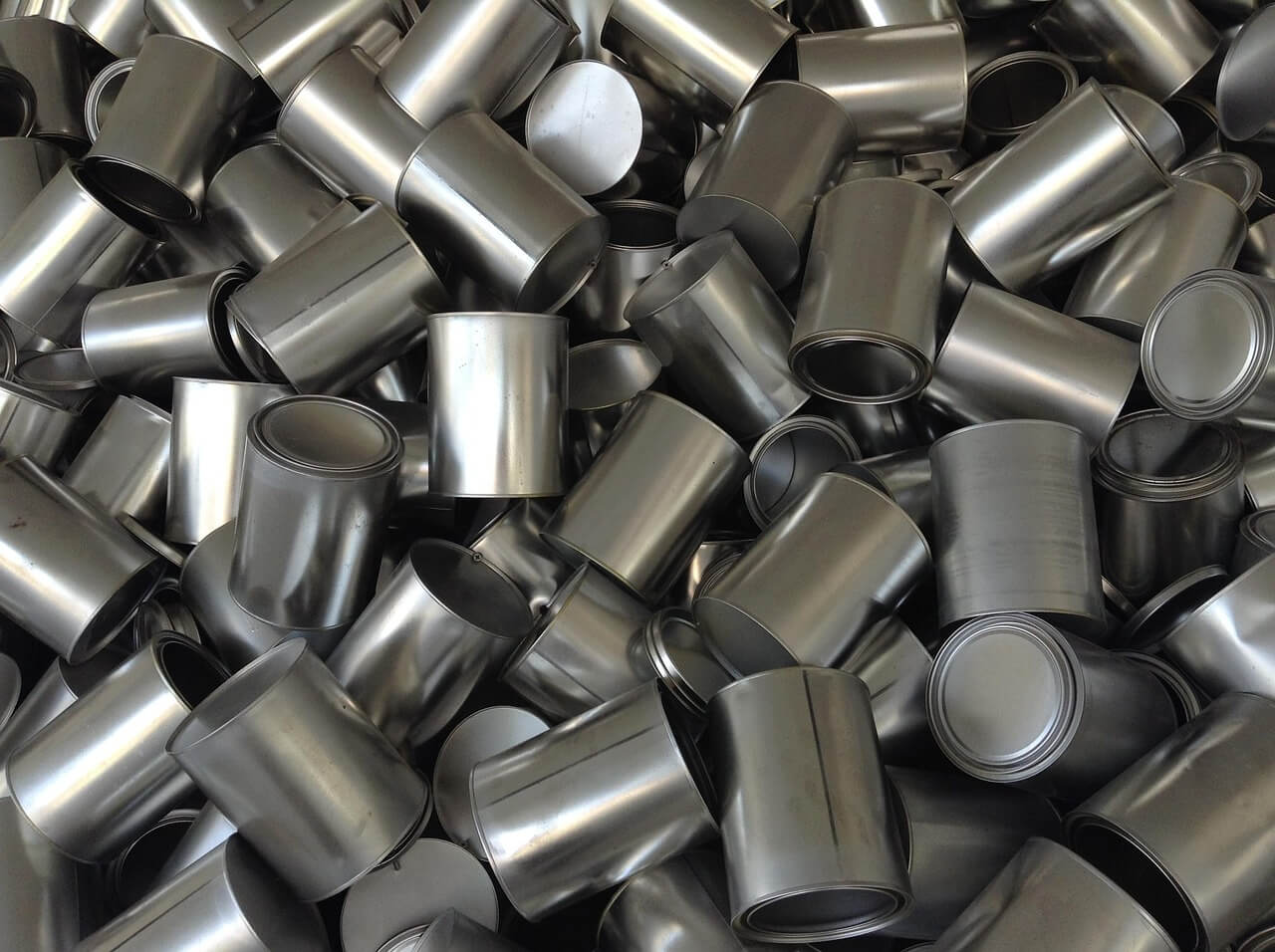
India ADC 12 Holds Firm as LME Aluminium Falls; Tight Scrap Supply Limits Downside
Oct 01, 2026 17:48 (GMT+8)

Rio Tinto Secures Bell Bay Smelter Operations Through End-2031
Oct 01, 2026 17:09 (GMT+8)
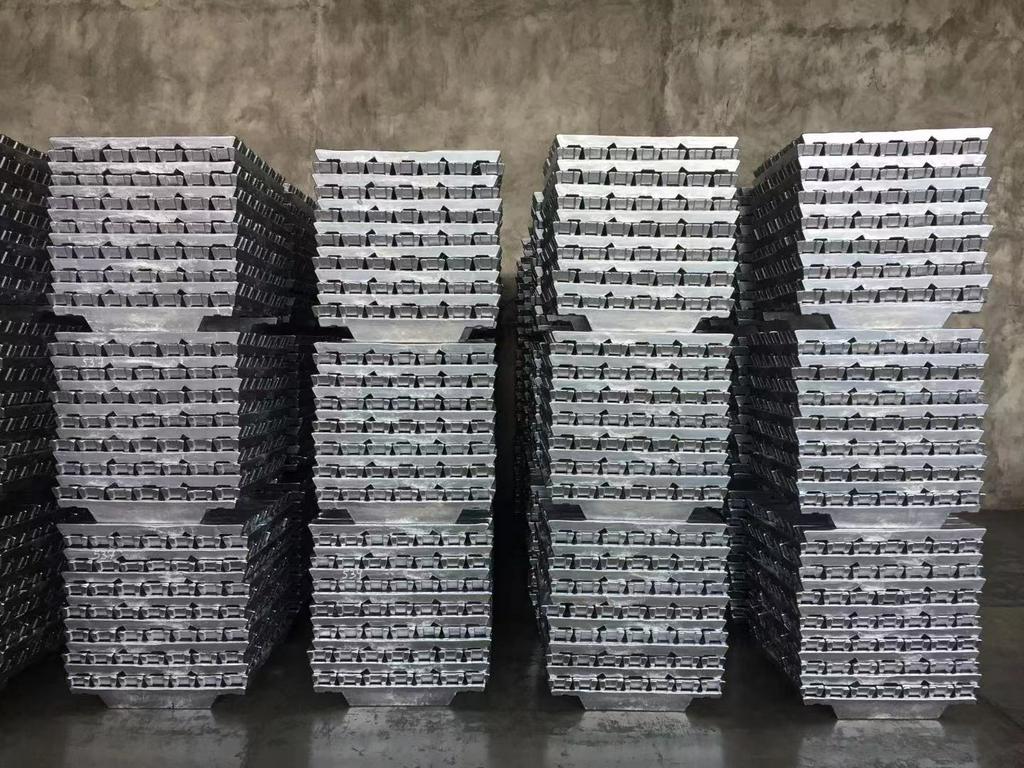
Domestic Aluminum Ingot Accumulation After National Day Holiday Expected to Be Moderate and Controllable
head of the National Day holiday, domestic aluminum ingot inventories continued to set fresh year-to-date lows. According to SMM statistics, as of September 30, electrolytic aluminum ingot inventories in China's major consuming regions stood at 638,000 mt, down 36,000 mt from Monday and 40,000 mt from last Thursday. The pace of pre-holiday destocking was relatively fast overall, leaving ample buffer for inventory accumulation during the holiday...
Sep 30, 2026 22:03 (GMT+8)
China's Petroleum Coke Imports Surge in August 2026, US Dominates Market
Looking ahead, the boost to imports from stockpiling in advance for the September-October peak season has already materialized, and with rising freight costs and recovering domestic supply, imports are expected to pull back in September-October.
Sep 30, 2026 22:03 (GMT+8)
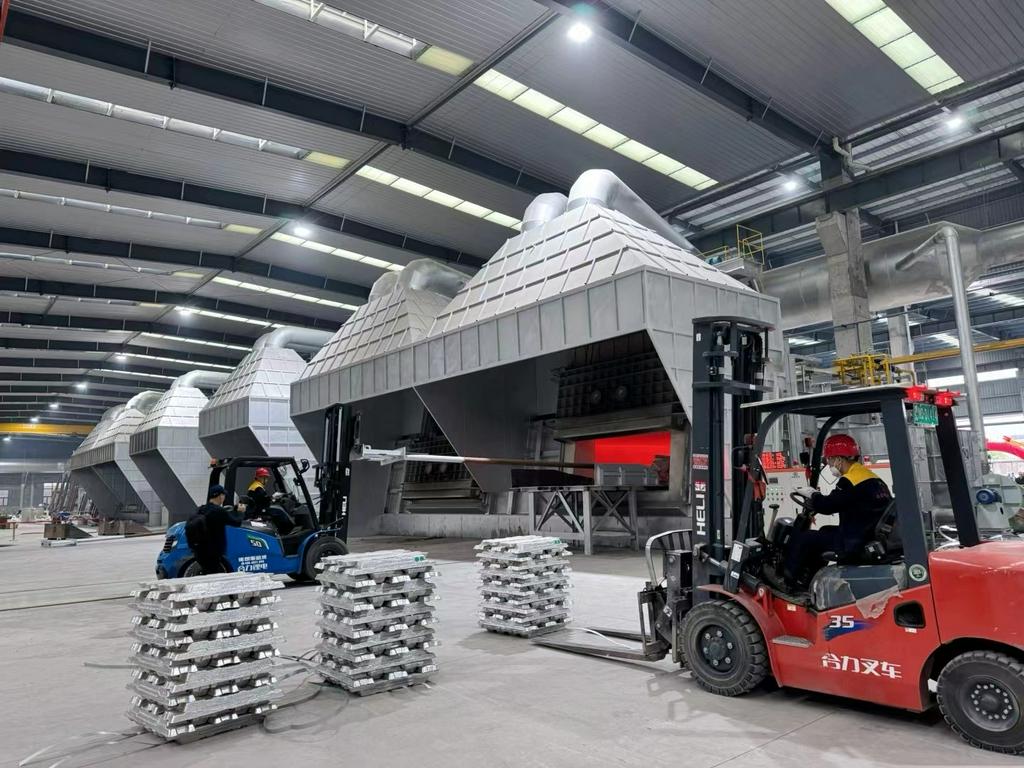
South China A00 Aluminum Ingot Premium Expected to Ease from Highs After National Day Holiday
In the final three trading days before the National Day holiday, the South China spot market stayed soft: aluminum prices continued to edge lower, the SHFE aluminum backwardation structure strengthened, and premiums over the next-month and far-month contracts were actually elevated. Ahead of the holiday, the willingness to cash out at the high basis was strong, and amid ongoing destocking, discount-priced cargoes still dominated spot circulation;...
Sep 30, 2026 21:56 (GMT+8)
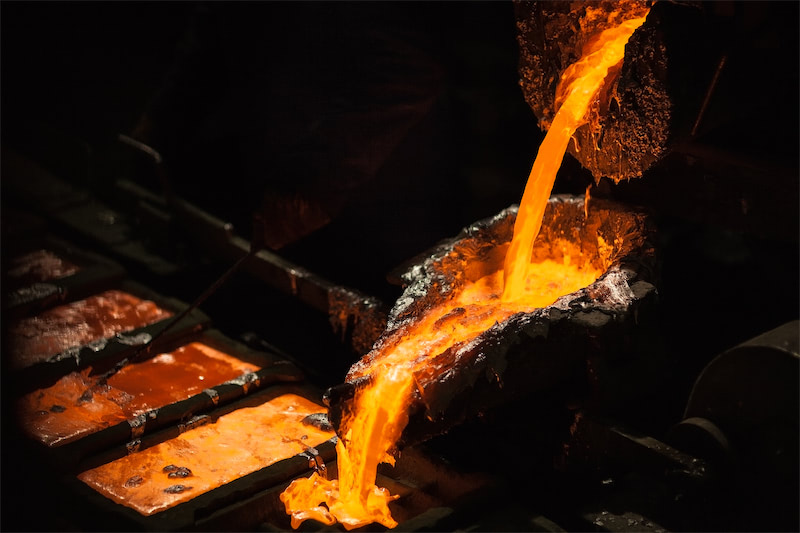
Aluminum Processors' Operating Rates Drop During National Day Holiday Due to Maintenance and Production Halts
Affected by concentrated maintenance, production halts, and load reductions during the National Day holiday, the operating rate of leading downstream aluminum processors in China fell 1.6 percentage points WoW to 60.5% this week.
Sep 30, 2026 20:30 (GMT+8)
Yantai Port Sets New Bauxite Handling Record with 320,000-Tonne Shipment from Guinea
Recently, the "Weili Ambition" vessel carrying 320,000 tonnes of Guinean bauxite berthed at the West Port Area of Yantai Port in Shandong Port for unloading operations, setting a new record for single-vessel bauxite handling at Yantai Port. During the vessel's port operations, Yantai Port formulated a dedicated-vessel operation plan and seamlessly connected all business processes to minimize non-productive downtime. In recent years, Yantai Port has built a two-way China–Africa logistics corridor, under which cargo ships unload African bauxite at the port and then use the empty space on their return voyages to ship machinery, vehicles, and other production and living supplies to Africa.
Sep 30, 2026 18:34 (GMT+8)
Yunnan Issues Measures to Support Key Industrial Chains and New-Type Industrialization Funds
The Yunnan Provincial Department of Finance and the Yunnan Provincial Department of Industry and Information Technology recently jointly issued the "Measures for the Management of Yunnan Provincial Special Funds for New-Type Industrialization" (hereinafter referred to as the "Measures"), consolidating provincial special funds for new-type industrialization to focus support on the development of key industrial chains including deep processing of nonferrous metals, new rare and precious metal materials, new energy batteries and fine phosphorus chemicals, green food and traditional Chinese medicinal materials, and the digital industry. The Measures specify that deep processing of nonferrous metals should focus on aluminum and copper, new rare and precious metal materials on indium, germanium, and platinum, new energy batteries and fine phosphorus chemicals on the efficient and high-value use of phosphorus resources, and the digital industry on being led by the digital information corridor with the electronic information manufacturing industry as the mainstay, with key support for extending, supplementing, and strengthening industrial chains.
Sep 30, 2026 18:34 (GMT+8)
Guinea Plans to Build 5-6 Alumina Refineries by 2030, Aims to Transform Bauxite Processing Locally
Guinea's Ministry of Mines and Geology has held discussions with the U.S. International Development Finance Corporation (DFC) and the Export-Import Bank of the United States on supporting the Compagnie des Bauxites de Guinée (CBG) in building an alumina refinery, with CBG planning to start construction by the end of 2026. The Guinean government plans to build 5–6 alumina refineries with total annual capacity of about 7 million tonnes by 2030, in order to drive the transformation of bauxite from export to local processing.
Sep 30, 2026 18:34 (GMT+8)

Hubei Xinyue Aluminum Expands Production, Aims for 300,000 Tonnes Annually by Mid-October
Sep 30, 2026 18:33 (GMT+8)
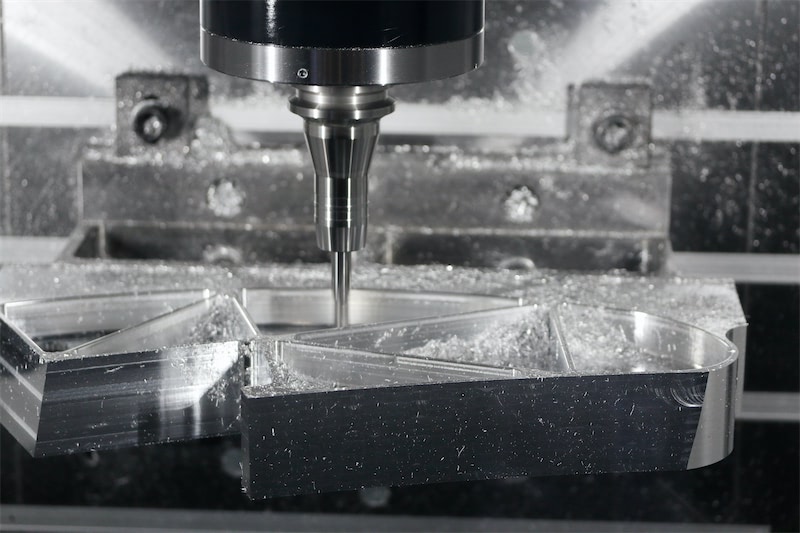
Algerian Agency Issues Land Concession for Aluminum Complex, Aiming to Create 1,000 Jobs
Sep 30, 2026 18:33 (GMT+8)

Nanning Yuqiang Commissions Phase II of 30,000-Tonne Carbon-Coated Foil Project, Boosting Annual Output Value
Sep 30, 2026 18:33 (GMT+8)
Kazakhstan's Abai Region Inks Deal for Aluminum Plant and Wind Farm with Chinese Consortium
On September 25, at the first Kazakhstan–China Investment Forum, the government of the Abai Region signed a cooperation agreement with a consortium formed by Xinjiang Sanbao Industrial Group Co., Ltd. and Inner Mongolia Wanjiang Investment Co., Ltd. to plan and build an aluminum electrolysis plant and supporting wind farm.
Sep 30, 2026 18:33 (GMT+8)
Guangxi Chuangui's 50,000-Ton High-Performance Aluminum Project to Launch in Baise by Feb 2027
The 50,000-tonne-per-year high-performance aluminum profile project of Guangxi Chuangui Aluminum Co., Ltd. settled in the Xinshan Park of Baise High-tech Zone in May 2026, with plans to invest in and build a production line for 50,000 tonnes per year of high-performance rare-earth aluminum profiles. The main construction content includes a production workshop, a packaging workshop, a finished goods warehouse, and supporting facilities such as a science and innovation building and a comprehensive building, with a total floor area of approximately 63,988 m² and a planned investment of RMB 300 million. At present, the project has completed preliminary work including overall planning, energy assessment, and environmental impact assessment, and plant construction is being stepped up, with the project expected to be completed and put into production in February 2027.
Sep 30, 2026 18:33 (GMT+8)
Aluminum Prices Retreat as Bulls Reduce Positions Before the Holiday; Aluminum Under Pressure Amid Risks of Post-Holiday Inventory Buildup and Weakening Demand [SMM Aluminum Weekly Review]
[SMM Aluminum Price Weekly Review: Bulls cut positions before the holiday, aluminum prices pulled back; after the holiday, aluminum prices under pressure amid risks of inventory buildup and weakening demand]
Sep 30, 2026 18:30 (GMT+8)
Overseas Metallurgical Alumina Output Rebounds 2.3% MoM in September; Australia's Production Cuts Persist in October
Sep 30, 2026 18:26 (GMT+8)
Sep overseas metallurgical-grade alumina production rebounds 2.3% MoM; October Australian production cuts remain a disruption [SMM Analysis]
Sep 30, 2026 18:20 (GMT+8)
Slight decline continued before the holiday, with only sporadic transactions [SMM South China Spot Aluminum Daily Review]
Sep 30, 2026 18:20 (GMT+8)
[SMM Analysis] Overseas Primary Aluminum Market Quiet as Market Awaits Q4 MJP Settlement
Sep 30, 2026 18:18 (GMT+8)
![[SMM Announcement] Chinese Market Metal Prices and News Updates Suspended during National Day Holiday (Oct 1-7)](https://imgqn.smm.cn/usercenter/HeIuV20251217171708.jpg)
[SMM Announcement] Chinese Market Metal Prices and News Updates Suspended during National Day Holiday (Oct 1-7)
Dear Valued SMM Users, The National Day holiday is approaching. Please note that SMM Chinese market metal price assessments and news updates will be temporarily suspended during the holiday (October 1-7) and resume normal release after the break. However, SMM overseas price assessment will continue to be updated as usual throughout the holiday. We apologise for any inconvenience caused and wish you a pleasant holiday. Shanghai Metals Market (SMM)
Sep 28, 2026 17:06 (GMT+8)

Huawei Pursues Africa Green‑Mining Partnerships and Holds Business Talks with ZESCO at SMM ACM 2026
Sep 23, 2026 16:41 (GMT+8)
![[SMM Analysis] The U.S. Copper Tariff Trade Is Fading — but It Isn’t Over Yet](https://imgqn.smm.cn/production/admin/votes/imagesMbCUq20260929144044.png)
[SMM Analysis] The U.S. Copper Tariff Trade Is Fading — but It Isn’t Over Yet
Sep 29, 2026 14:37 (GMT+8)
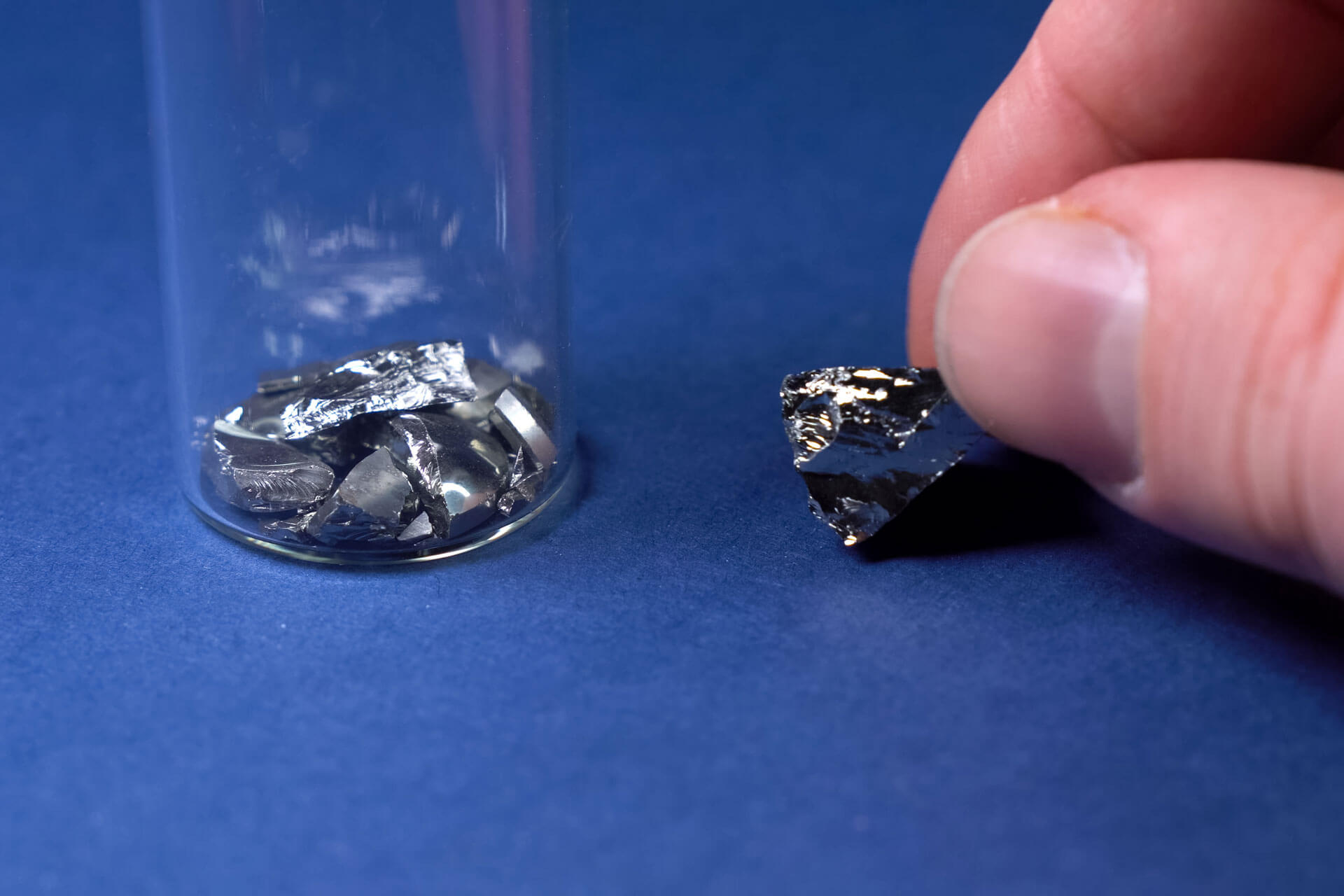
South Africa Poised to Become Key Player in Global Rare Earth Supply Chain by 2034【SMM Analysis】
Sep 29, 2026 18:54 (GMT+8)
[SMM Analysis] India’s BESS Manufacturing Push Accelerates, but Cell Dependence Remains a Key Bottleneck
Sep 30, 2026 08:50 (GMT+8)
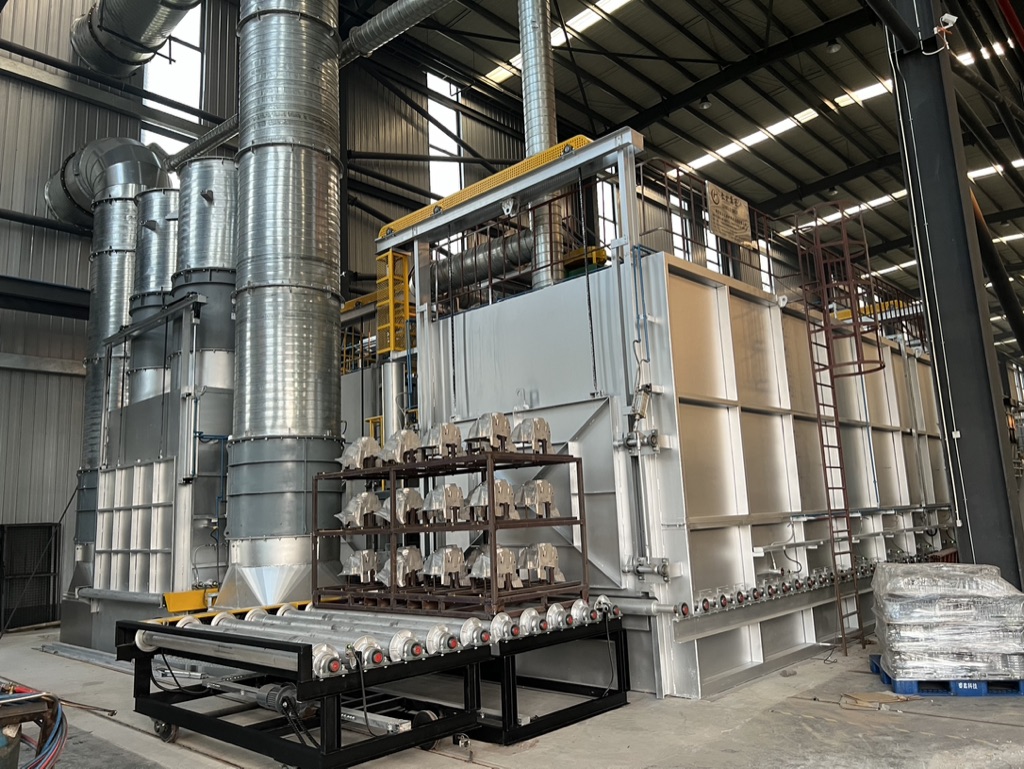
SMM Launches Aluminium CBAM Calculator: What Cost Estimates Mean for EU-Bound Offers【SMM Analysis】
Sep 29, 2026 17:32 (GMT+8)
![[SMM Analysis] Low-Carbon of Primary Copper Begin Trading Separately—Will Recycled Copper’s Green Value Be Reassessed?](https://imgqn.smm.cn/usercenter/MXbup20251217171745.jpg)
[SMM Analysis] Low-Carbon of Primary Copper Begin Trading Separately—Will Recycled Copper’s Green Value Be Reassessed?
Sep 29, 2026 16:03 (GMT+8)
Latest News
[SMM Flash News] South32 Revised Q4 '26 CIF MJP Premium Offer at US$265/mt
Oct 02, 2026 10:52 (GMT+8)
India ADC 12 Holds Firm as LME Aluminium Falls; Tight Scrap Supply Limits Downside
Oct 01, 2026 17:48 (GMT+8)
Rio Tinto Secures Bell Bay Smelter Operations Through End-2031
Oct 01, 2026 17:09 (GMT+8)
Domestic Aluminum Ingot Accumulation After National Day Holiday Expected to Be Moderate and Controllable
Sep 30, 2026 22:03 (GMT+8)
China's Petroleum Coke Imports Surge in August 2026, US Dominates Market
Sep 30, 2026 22:03 (GMT+8)
South China A00 Aluminum Ingot Premium Expected to Ease from Highs After National Day Holiday
Sep 30, 2026 21:56 (GMT+8)
Aluminum Processors' Operating Rates Drop During National Day Holiday Due to Maintenance and Production Halts
Sep 30, 2026 20:30 (GMT+8)
Yantai Port Sets New Bauxite Handling Record with 320,000-Tonne Shipment from Guinea
Sep 30, 2026 18:34 (GMT+8)
Yunnan Issues Measures to Support Key Industrial Chains and New-Type Industrialization Funds
Sep 30, 2026 18:34 (GMT+8)
Guinea Plans to Build 5-6 Alumina Refineries by 2030, Aims to Transform Bauxite Processing Locally
Sep 30, 2026 18:34 (GMT+8)
Hubei Xinyue Aluminum Expands Production, Aims for 300,000 Tonnes Annually by Mid-October
Sep 30, 2026 18:33 (GMT+8)
Algerian Agency Issues Land Concession for Aluminum Complex, Aiming to Create 1,000 Jobs
Sep 30, 2026 18:33 (GMT+8)
Nanning Yuqiang Commissions Phase II of 30,000-Tonne Carbon-Coated Foil Project, Boosting Annual Output Value
Sep 30, 2026 18:33 (GMT+8)
Kazakhstan's Abai Region Inks Deal for Aluminum Plant and Wind Farm with Chinese Consortium
Sep 30, 2026 18:33 (GMT+8)
Guangxi Chuangui's 50,000-Ton High-Performance Aluminum Project to Launch in Baise by Feb 2027
Sep 30, 2026 18:33 (GMT+8)
Aluminum Prices Retreat as Bulls Reduce Positions Before the Holiday; Aluminum Under Pressure Amid Risks of Post-Holiday Inventory Buildup and Weakening Demand [SMM Aluminum Weekly Review]
Sep 30, 2026 18:30 (GMT+8)
Overseas Metallurgical Alumina Output Rebounds 2.3% MoM in September; Australia's Production Cuts Persist in October
Sep 30, 2026 18:26 (GMT+8)
Sep overseas metallurgical-grade alumina production rebounds 2.3% MoM; October Australian production cuts remain a disruption [SMM Analysis]
Sep 30, 2026 18:20 (GMT+8)
Slight decline continued before the holiday, with only sporadic transactions [SMM South China Spot Aluminum Daily Review]
Sep 30, 2026 18:20 (GMT+8)
[SMM Analysis] Overseas Primary Aluminum Market Quiet as Market Awaits Q4 MJP Settlement
Sep 30, 2026 18:18 (GMT+8)