News

Exclusive analysis articles with the latest market updates, and real-time news feeds.

[SMM News] Zimbabwe's Lithium Beneficiation Policy Set to Reshape Investment Flows, Move Country Up Value Chain
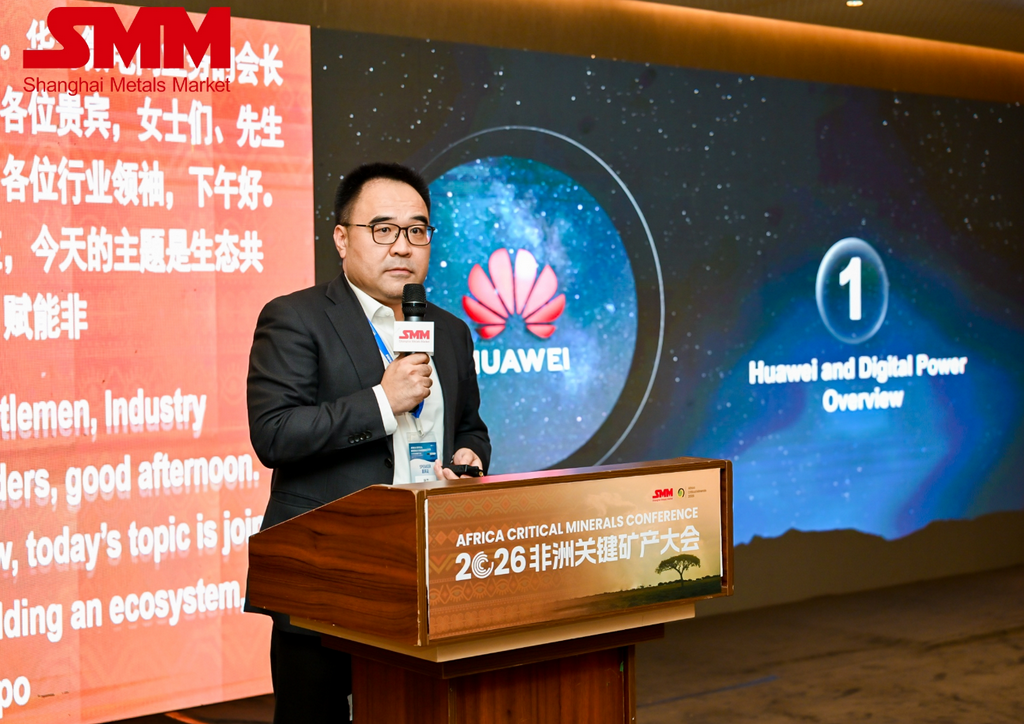
SMM, September 4: Zimbabwe's ability to attract and retain lithium mining investment depends on maintaining economic stability, infrastructure development and access to long-term capital, according to a Stanbic Bank Zimbabwe mining and metals executive. While the country's lithium endowment remains a major attraction for investors, unlocking further value from the sector requires increased investment in processing, infrastructure and power. Zimbabwe's lithium export restrictions, intended to encourage domestic processing, are already influencing investor capital allocation. The policy is expected to further shape investment decisions and could move the country up the lithium value chain. While domestic lithium beneficiation requires higher upfront capital investment for mining projects, the long-term benefits including increased export earnings, greater value addition, job creation and broader economic development are expected to outweigh initial costs. The export restrictions policy could also encourage industry consolidation, with smaller lithium mining companies pursuing strategic partnerships with larger operators through toll-processing arrangements, joint ventures or acquisitions. Financing requirements in the sector are shifting from being focused primarily on mining operations toward the wider lithium value chain. Stanbic Bank Zimbabwe provides funding for lithium mine development and processing plants, and can participate in syndicated financing for large projects, alongside trade finance, guarantees, letters of credit and working-capital facilities. Infrastructure, particularly security of power supply, remains a major investment requirement for the sector; the government is directing mining companies to develop their own power solutions, with the bank progressing renewable-energy transactions to support this. Rail and logistics infrastructure also require investment, with the bank facilitating funding for public–private partnership projects. Demand for longer-tenor structured project finance is increasing, with some lithium mining projects requiring financing terms of up to seven years, and requests for financing of lithium processing plants are rising. Regulatory certainty is described as a key consideration for lithium investors, weighed alongside resource quality and commodity prices; investors are less willing to commit capital where mining rights, taxation, foreign-currency regulations or export policies are unpredictable. Proposed reforms, including the Mines and Minerals Bill and a digital mining permit system, are cited as significant for providing this certainty. Environmental, social and governance (ESG) requirements are also increasingly factored into lithium mining finance decisions, with investors assessing green energy use, water and tailings management, emissions, community development, local economic participation and governance. Investment interest is broadening beyond lithium mining into processing and manufacturing as investors seek to secure critical mineral supply chains. Chinese investment is expected to remain significant in Zimbabwe's lithium sector, with interest from the Middle East, America and India also emerging. Zimbabwe's long-term positioning is linked to regulatory certainty, infrastructure, beneficiation, ESG performance and capital access, with potential to develop as a hub for battery material production rather than solely a supplier of raw lithium materials.
Sep 7, 2026 18:39
[SMM News] Zimbabwe's Lithium Beneficiation Policy Set to Reshape Investment Flows, Move Country Up Value Chain
South American Lithium Supply Disrupted: Sigma Suspension and Argentina Weather Impact Deliverability
South America’s lithium supply chain has recently faced a series of disruptions. In Brazil, Sigma Lithium’s Grota do Cirilo mine was ordered by a court to suspend its environmental licences and mining activities amid disputes related to environmental permitting and local communities. In Argentina, extreme winter weather has continued to affect high-altitude mining areas in the northwest, with road access to the Hombre Muerto salar temporarily disrupted and operations at some sites constrained. The immediate causes of these events are different. Sigma is facing risks associated with environmental permitting and community relations, while the disruptions in Argentina highlight the exposure of lithium brine operations to extreme weather, road logistics and infrastructure constraints at high altitude. From the perspective of the global lithium market, however, both developments point to a broader issue: As global lithium supply enters another period of concentrated capacity additions, the key variable is increasingly shifting from how much capacity has been announced to whether that capacity can actually be delivered according to expected timelines and ramp-up curves. Sigma Mining Suspension: Risks Extend from Current Supply to Future Expansion In September, a Brazilian court suspended the environmental licences and mining activities at Sigma Lithium’s Grota do Cirilo project. The dispute primarily concerns the project’s potential impact on the local Baú Quilombola community. The court determined that there was sufficient evidence to suggest that blasting and construction activities could affect the community and requested an independent assessment to further establish the actual distance between the mining operations and the protected community. Grota do Cirilo is currently Sigma’s only core producing asset, with existing annual lithium concentrate capacity of approximately 330,000 mt. Unlike delays at projects that remain under development, the immediate impact of this event is therefore on existing spodumene concentrate supply that has already entered the global trading system. In the short term, the actual supply impact will depend primarily on three variables: the duration of the mining suspension, existing ore and lithium concentrate inventories, and how long those inventories can sustain processing and exports. If the legal and permitting issues are resolved relatively quickly, Sigma may still be able to offset part of the short-term production loss through inventories and subsequent production recovery, limiting the impact on annual global lithium supply. However, if the suspension is prolonged and ore inventories gradually decline, the impact could extend downstream from mining to processing and exports, ultimately reducing the volume of Brazilian spodumene concentrate available to the international market. The medium-term implications deserve even greater attention. For lithium producers pursuing expansion, the stability of environmental permits, community relations and existing operations affects not only current production but potentially the approval, construction and capital deployment schedules of future expansions. The Sigma situation therefore needs to be assessed not only in terms of how many days production remains suspended, but also whether the legal dispute changes the market’s assessment of the deliverability of the company’s future expansion plans. In other words, if the issue is resolved quickly, it would remain primarily a temporary supply disruption. If permitting and community-related issues become prolonged, however, the situation could gradually evolve into a structural execution risk. Extreme Weather in Argentina: Limited Direct Production Losses, but Infrastructure and Project Delivery Risks Exposed Unlike Brazil, where lithium supply is primarily derived from hard-rock operations, Argentina’s incremental lithium supply is largely coming from brine projects. This winter, the Argentine Puna has experienced relatively severe weather conditions. Between July 19 and July 27, winter storms disrupted road access to the Hombre Muerto salar, with heavy snow accumulation on some routes and access temporarily restricted to four-wheel-drive vehicles. Employees and contractors at several mining operations were affected by the road disruptions, while Rio Tinto’s Fénix and Sal de Vida operations implemented precautionary operational suspensions. Significant snowfall returned in August. Some roads leading to the Hombre Muerto salar were again disrupted by snow and adverse weather, requiring continued road clearance and recovery work around the mining area. Based on currently available information, the direct loss of lithium production resulting from these weather events is expected to remain limited. The disruption therefore does not, at this stage, constitute a large-scale production loss capable of materially changing the global lithium balance. However, that does not make the events insignificant from a supply-analysis perspective. The more important issue is that extreme weather is exposing the infrastructure vulnerability behind Argentina’s rapidly growing lithium brine supply. Many Argentine lithium brine projects are located on the Puna plateau at elevations of approximately 3,500–4,500 metres. These operations are far from major cities, rail networks and ports, and both construction and production remain heavily dependent on road transportation. Under these conditions, extreme weather can affect not only the transportation of finished lithium products, but also the movement of equipment, reagents, construction materials and personnel into mining areas. For mature brine operations already operating at stable production levels, several days of road disruption can generally be partially absorbed through inventories and subsequent production recovery. For projects under construction, commissioning or ramp-up, however, the transmission mechanism is considerably longer: Extreme weather → road disruption → restricted movement of personnel and equipment → construction/commissioning delays → delayed ramp-up curve → annual incremental supply falling below the original plan. The key question surrounding Argentina’s weather disruptions is therefore not how many tonnes of lithium carbonate were lost on any particular day, but whether the disruptions alter the timing of incremental supply expected in H2 2026 and 2027. Argentina Enters a Concentrated Expansion Cycle: Ramp-Up Speed Matters More Than Nameplate Capacity The significance of this issue is closely related to the current stage of Argentina’s lithium supply cycle. Over the past several years, multiple Argentine brine projects have completed construction and progressively entered commercial production. The question facing the market is therefore no longer simply whether these projects can reach first production, but how quickly they can reach their design capacity. Cauchari-Olaroz provides a representative example of a project transitioning towards mature operations. The project produced 9,280 mt of lithium carbonate in the second quarter of 2026, with operations already approaching design capacity. At the same time, Stage 2 expansion is progressing, with plans to add 45,000 mtpa of LCE capacity, beginning with a 10,000 mtpa modular DLE facility. The principal risk at Cauchari-Olaroz has therefore gradually shifted away from the ramp-up of its initial capacity towards the execution and delivery of Stage 2. Centenario-Ratones remains at a more typical ramp-up stage. The project has design capacity of 24,000 mtpa LCE. It produced approximately 6,700 mt LCE in 2025, while capacity utilisation had reached approximately 90% by June 2026. Eramet is targeting production close to full capacity by the end of 2026. For projects at this stage, even if adverse weather does not result in a significant outright production stoppage, disruptions to operational stability can still create a gap between actual annual output and nameplate capacity. Meanwhile, Rio Tinto’s lithium portfolio in Argentina is rapidly entering a new phase of supply growth. Fénix 1B and Sal de Vida have both achieved first production, with Sal de Vida carrying design capacity of approximately 15,000 mtpa. The larger Rincon project is under construction, targeting approximately 60,000 mtpa of battery-grade lithium carbonate capacity. Production is planned to begin in 2028, followed by an expected ramp-up period of approximately three years to reach full capacity. For Argentina, therefore, the decisive factor determining incremental supply over the coming years is not simply the combined nameplate capacity of these projects, but their actual commissioning dates, the pace at which utilisation rates increase, and the time required to reach stable commercial production. The recent developments demonstrate that lithium supply risks in South America are becoming increasingly differentiated. Sigma represents the risk that existing supply may temporarily exit the market. Argentina’s large pipeline of new and expanding brine projects represents a different risk: future supply already incorporated into market expectations may arrive later than anticipated. Both ultimately affect the global lithium supply-demand balance, but through very different transmission mechanisms. The former directly affects near-term physical availability and could influence spodumene concentrate trade flows as well as the distribution of margins between miners and lithium converters. The latter primarily affects the incremental supply curve embedded in the medium-term global lithium balance. Global Lithium Supply Analysis Is Shifting from Nameplate Capacity to Risk-Adjusted Supply Over the past several years, global lithium supply analysis has largely focused on resource size, planned capacity, commissioning schedules and corporate expansion plans. However, as a growing number of projects move from planning into construction and production, simply adding together announced design capacities according to company commissioning schedules is becoming increasingly insufficient to accurately forecast actual supply growth. A project planning to add 50,000 mt LCE of capacity does not necessarily mean that the full 50,000 mt will enter the market in its first year of operation. A project must progress through a series of stages: Permitting → Financing/FID → Construction → Commissioning → Ramp-up → Stable operations → Logistics and sales. A disruption at any of these stages can result in actual supply falling below the amount implied by nameplate capacity. The nature of these constraints also varies significantly by region. Hard-rock operations in Brazil need to account for environmental permitting, community relations and operational stability. Argentine brine projects face high-altitude infrastructure constraints, weather exposure, brine-system performance, new processing technologies such as DLE and ramp-up execution. African projects additionally face road and port logistics, domestic processing requirements and changes in export policies. Some greenfield projects remain sensitive to lithium prices, financing availability and changes in capital expenditure. Future global lithium supply forecasting therefore needs to move beyond nameplate capacity towards risk-adjusted supply. At the project level, this can be expressed as: Risk-Adjusted Supply = Base-Case Production Forecast × Delivery Probability Delivery probability should not be treated as a static assumption. It should be dynamically adjusted according to permitting, financing, construction progress, technology and ramp-up performance, logistics and weather exposure, and operational stability. Following the Brazilian court’s suspension of Sigma’s mining activities, for example, the project’s nameplate capacity remains unchanged, but the probability of delivering the previously expected near-term supply should decline. If the suspension is quickly lifted, the corresponding risk weighting can subsequently be restored. Similarly, Argentine brine projects do not need to formally reduce their nameplate capacity for supply forecasts to change. If weather, road access or ramp-up issues persist, actual supply expectations for the following one or two quarters may need to be adjusted accordingly. For Lithium Prices, the Key Question Is Whether Supply Already Priced In by the Market Needs to Be Revised Down From the perspective of the global lithium balance, the suspension of a single Sigma operation and one period of severe winter weather in Argentina are not, by themselves, sufficient to change the broader direction of global lithium supply growth. This distinction is important when separating fundamental impact from short-term market sentiment. If Sigma resumes production relatively quickly and the impact of Argentine weather remains concentrated on short-term logistics, the effect of the two events on the annual global lithium balance should remain limited. Their price impact would be more likely to manifest as a temporary supply-risk premium. The implications would be considerably different, however, if these events prove symptomatic of broader project-execution challenges. The global lithium market has already incorporated substantial additional resource supply expected between 2026 and 2028. As a result, the marginal impact of another newly announced project is declining, while the marginal impact of a project already embedded in supply expectations being delayed, ramping up below expectations or suspending production may be increasing. In other words: The market increasingly needs to trade not only how much new capacity is being added, but how much of the incremental production already expected can actually be delivered. This is the broader significance of the recent Sigma disruption and extreme weather events in Argentina. Neither development currently represents a turning point for the global lithium supply outlook. However, both reinforce an important point: the global lithium industry does not lack announced resource capacity. What will ultimately determine the supply-demand balance in 2027 and beyond is the pace at which this capacity can be converted into stable, saleable production. As the market gradually shifts from trading “capacity additions” to trading “actual production additions,” supply deliverability may become an increasingly important variable in global lithium fundamentals and price formation. Lesley Yang SMM New Energy Analyst yangle@smm.cn
Sep 7, 2026 16:42
Goldman Sachs Sees Trend Reversal: $4,900 Gold Price in Sight!
September 3, 2026 Goldman Sachs is setting a new benchmark for the current year: With a price target of $4,900 per ounce, the U.S. investment bank forecasts that the record rally in the price of gold will continue. What at first glance appears to be an aggressive estimate is based on a fundamental paradigm shift. In addition to a historic buying spree by central banks and easing headwinds from interest rates, one often-underestimated catalyst is at work behind the scenes: a massive buildup of derivative positions that could drastically accelerate price swings. Central Banks as the Foundation—Fed Headwinds Are Ebbing The sustained demand from central banks forms the market’s bedrock. Central banks worldwide are consistently diversifying their foreign exchange reserves to reduce geopolitical and systemic risks—a structural trend that has been unfolding for several years. At an average of 50 metric tons per month, the official purchase volume this year is nearly three times higher than the historical average prior to 2022. Recent data even points to a further acceleration to a seasonally adjusted rate of around 100 metric tons per month, led by the People’s Bank of China. At the same time, interest rate pressure is noticeably easing. As markets price in speculation about further monetary tightening by the Federal Reserve and anticipate a cooling inflation trend, the interest-free precious metal is losing its biggest drag. The price target of $4,900 merely represents the base case scenario: Because gold remains historically underweight in institutional portfolios, growing doubts about the debt sustainability of Western nations, as well as ongoing geopolitical tensions, could unleash additional capital for portfolio reallocation. Derivatives as a Catalyst for the Rally The growing demand for gold call options to hedge portfolios holds particular upside potential. This leverage acts as a mechanical amplifier via the options market: As the spot price approaches the relevant strike prices, option writers are forced to purchase physical metal or futures contracts to hedge their short positions. This wave of hedging can transform an existing upward trend into a dynamic buying spiral. Since this derivative-driven acceleration effect is not included in the original base scenario, it significantly increases upside risk once again. At the same time, however, it also implies a market environment that will be characterized by sharper fluctuations in both directions should profit-taking set in. The combination of structural central bank purchases, waning interest rate headwinds, and the leverage effect of the options market means that the course is clearly set for gold to rise, according to analysts Source: https://goldinvest.de/en/goldman-sachs-sees-trend-reversal-usd4-900-gold-price-in-sight
Sep 7, 2026 13:49
August Copper Scrap Market Recap: Widening Price Spread, Muted Market Activity, and Invoice Constraints
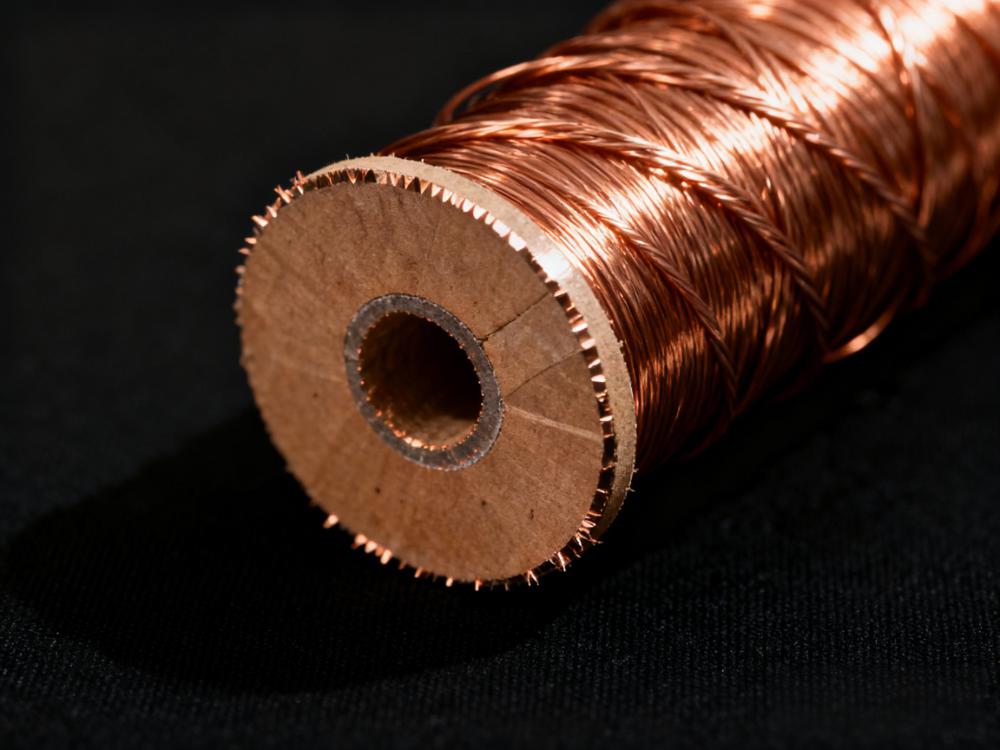
In August 2026, the price difference between primary metal and scrap widened from 3,455 yuan/mt at the beginning of the month to above 5,000 yuan/mt by month-end, reaching a historical extreme range. On August 17, it shot up to 5,533 yuan/mt. The price difference between copper cathode rod and secondary copper rod also fluctuated at highs in the 1,150-2,260 yuan/mt range.
Sep 6, 2026 21:59

Latest News

【Flash | QB Q2FY2026 Molybdenum Output Nearly Doubles on Stronger Operations】
Teck Resources reported Q2FY2026 molybdenum production of 840 tonnes at Quebrada Blanca, up about 95% from 430 tonnes a year earlier and 31% from 640 tonnes in Q1FY2026. The company attributed the increase to another quarter of strong operational performance and process stability, indicating a marked rise in by-product molybdenum supply from the mine.
Sep 11, 2026 09:33
Mitsubishi Materials to Invest $8bn in Tungsten Recycling Expansion at Akita Plant, Doubling Capacity
Mitsubishi Materials announced Sep 9 to invest ~JPY 8bn for tungsten recycling expansion at Japan New Metals Akita Plant. Certified by METI under the Economic Security Promotion Act with JPY 2bn subsidy, the plant’s APT recycling capacity will double to 2,400 tpa (WO₃ basis) and start operation in Apr 2029, using domestic cemented carbide scrap to reduce APT imports by 1,200 t annually.
Sep 10, 2026 17:16
【Molybdenum News Flash】
SMM, Sep 10: A steel mill in Liaoning recently awarded ferromolybdenum tender at RMB 339,000/MT (acceptance bill), volume 90 MT. A steel mill in Jiangsu awarded ferromolybdenum tender at RMB 340,000/MT (cash inclusive of tender service fee), volume 120 MT. A steel mill in Hunan awarded ferromolybdenum tender at RMB 339,000/MT (acceptance bill), volume 60 MT, delivery date Sep 20.
Sep 10, 2026 16:40
【Flash | Southern Copper Q2FY2026 Molybdenum Output Falls 11% on Lower Ore Grades】
Southern Copper Corporation reported Q2FY2026 molybdenum production of 7,046 tonnes, down 11.0% YoY, with H1FY2026 output falling 6.7% to 14,562 tonnes. Production declined at all four molybdenum-producing mines, with Toquepala down 21.9%, Cuajone down 1.4%, Buenavista down 12.4% and La Caridad down 3.5%. The company attributed the declines primarily to lower ore grades.
Sep 10, 2026 09:49
"September peak season" tungsten prices await validation: peak season expectations have yet to materialize! Tungsten enterprises' long-term contract prices slightly lowered [SMM Commentary]
Sep 9, 2026 19:19
Tender prices for ferromolybdenum from steel mills in multiple regions released at approximately 338,500 yuan/mt
[Molybdenum Flash] SMM, September 9: The latest ferromolybdenum tender price at a steel mill in Liaoning was 339,000 yuan/mt (acceptance), for 120 mt, with a delivery date of October 10. The latest ferromolybdenum tender price at a steel mill in Hebei was 338,500 yuan/mt (acceptance), for 120 mt. The latest ferromolybdenum tender price at a steel mill in Jiangsu was 339,000 yuan/mt (acceptance), for 60 mt.
Sep 9, 2026 16:55
Zimbabwe Bans Antimony and Tungsten Exports
[SMM Tungsten/Antimony Express] Zimbabwe's Ministry of Mines has ordered an immediate ban on exports of antimony and tungsten, including ores and concentrates. Customs data shows that from January to July 2026, China imported a total of 19,520 tonnes of tungsten ore and concentrate, of which 157 tonnes came from Zimbabwe. Antimony ore imports totaled 64,748 tonnes, with 54 tonnes from Zimbabwe.
Sep 9, 2026 11:15
EQ Resources Hits Record Revenue, Tungsten Output Up 34% in August
SMM, September 7 — ASX‑listed tungsten miner EQ Resources released its August operational update on September 1. The group posted total revenue of A$55.1 million, marking its second consecutive monthly revenue record.Consolidated tungsten production stood at 19,068 mtu in August, rising 34% month‑on‑month from July. Sales totalled 17,246 mtu at an average realised price of US$2,269 per mtu, subject to final assays and reconciliation. By mine: Spain’s Barruecopardo project produced 12,719 mtu, up 32% month‑on‑month and hitting an all‑time monthly output record for the site. It contributed A$35.2 million in revenue with an average realised price of US$2,368 per mtu. Australia’s Mt Carbine operation generated 6,349 mtu, a 38% month‑on‑month increase, bringing in A$19.9 million in revenue a
Sep 7, 2026 13:41
Japan officially implements new export control regulations on high-end machine tools
[Tungsten Flash] SMM, September 7: Japan's Ministry of Economy, Trade and Industry, pursuant to the revised Export Trade Control Order, officially implemented export controls on high-end machine tool-related items on August 16, 2026. The revision was announced on June 16 and falls under dual-use item control measures within the Wassenaar Arrangement framework. The new rules place complete ultra-high-precision five-axis CNC machine tools, core parts such as linear encoders, rotary tables, and motorized spindles, as well as supporting services including equipment commissioning, system upgrades, original manufacturer maintenance, and remote technical support, under Category II export controls. Export licensing has shifted from bulk licensing to case-by-case approval, with the approval period extended to 45–180 days, and rejection rates are high for sensitive applications such as aerospace and semiconductors. Orders signed before August 16 may be fulfilled under a grace period until the end of 2026, while ordinary three-axis machine tools and basic five-axis machine tools are not subject to the controls.
Sep 7, 2026 11:23
[Flash | Chile's Weather Bites Back: Caserones Copper Guidance Slashed, Molybdenum Caught in the Crossfire]
Chile's Caserones copper-molybdenum mine was previously affected by extreme winter weather, experiencing two winter storms that disrupted power supply and site access, causing an actual impact on mine production. The impact of this event has now carried over from a short-term operational disruption into full-year output expectations: Lundin Mining subsequently lowered its full-year copper production guidance for Caserones from the original 130,000–140,000 tonnes to 120,000–130,000 tonnes. By-product molybdenum output is expected to come under pressure in tandem, though a specific molybdenum production guidance figure has not yet been separately disclosed.
Sep 7, 2026 09:26
[SMM Tungsten Analysis] Global Tungsten Market's Quintuple Dilemma: Smelting Capacity Bottleneck at the Core
European APT prices remain stuck near $3,000/mtu, with the domestic-overseas spread widening to about $2,000/mtu. The core bottleneck lies in limited APT smelting capacity and scarce spot liquidity, as rising mine output has yet to translate into available APT supply. In China, APT prices softened to RMB 590,000–600,000/mt amid weak supply and demand.
Sep 4, 2026 16:21
Yunnan mine sells 60 mt of scheelite concentrates at 6,240 yuan/mtu
[W Quick News] SMM, September 4: A mine in Yunnan auctioned 60 mt of scheelite concentrates with a grade of 50% on September 3, with a final transaction price of 6,240 yuan/mtu, equivalent to 405,600 yuan/standard tonne (65% WO3 basis).
Sep 4, 2026 10:43
[Flash | Chile's July Imacec Falls 1.5% YoY, Steepest Monthly Drop Since 2022 as Mining Slumps 9.3%]
Chile's central bank reported on September 1 that the July Imacec economic activity index fell 1.5% year-on-year on an unadjusted basis. On a seasonally adjusted basis, the index fell 2.1% year-on-year and 1.7% month-on-month, marking the steepest monthly decline since 2022. The bank attributed the drop mainly to mining, which fell a significant 9.3%, primarily due to weather conditions, followed by lower ore grades and equipment maintenance that disrupted normal production operations. Many of the affected mines are copper-molybdenum associated deposits. Since molybdenum concentrate is recovered as a byproduct of the flotation process used to treat copper sulfide ore, the disruption to processing plants also curtailed molybdenum output.
Sep 4, 2026 09:32
Rigid Supply Constraints Intensify Molybdenum Market Tug‑of‑War in Early September 【SMM Analysis】
【SMM Molybdenum Analysis 】 SMM News on September 3: In August, China’s molybdenum market maintained a tight balance characterized by relatively tight supply and support from rigid demand. Overall prices rose first and then stabilized, consolidating at highs. 45% molybdenum concentrates shot up to 5,455 yuan/mtu during August 19–25, remaining firmly in the three-year high range; this simultaneously drove spot 60% ferromolybdenum to rise, reaching a phased high of 344,000 yuan/mt on August 24–25.
Sep 3, 2026 17:40
[SMM News] Zimbabwe's Lithium Beneficiation Policy Set to Reshape Investment Flows, Move Country Up Value Chain
[SMM News] Zimbabwe's Lithium Beneficiation Policy Set to Reshape Investment Flows, Move Country Up Value Chain
SMM, September 4: Zimbabwe's ability to attract and retain lithium mining investment depends on maintaining economic stability, infrastructure development and access to long-term capital, according to a Stanbic Bank Zimbabwe mining and metals executive. While the country's lithium endowment remains a major attraction for investors, unlocking further value from the sector requires increased investment in processing, infrastructure and power. Zimbabwe's lithium export restrictions, intended to encourage domestic processing, are already influencing investor capital allocation. The policy is expected to further shape investment decisions and could move the country up the lithium value chain. While domestic lithium beneficiation requires higher upfront capital investment for mining projects, the long-term benefits including increased export earnings, greater value addition, job creation and broader economic development are expected to outweigh initial costs. The export restrictions policy could also encourage industry consolidation, with smaller lithium mining companies pursuing strategic partnerships with larger operators through toll-processing arrangements, joint ventures or acquisitions. Financing requirements in the sector are shifting from being focused primarily on mining operations toward the wider lithium value chain. Stanbic Bank Zimbabwe provides funding for lithium mine development and processing plants, and can participate in syndicated financing for large projects, alongside trade finance, guarantees, letters of credit and working-capital facilities. Infrastructure, particularly security of power supply, remains a major investment requirement for the sector; the government is directing mining companies to develop their own power solutions, with the bank progressing renewable-energy transactions to support this. Rail and logistics infrastructure also require investment, with the bank facilitating funding for public–private partnership projects. Demand for longer-tenor structured project finance is increasing, with some lithium mining projects requiring financing terms of up to seven years, and requests for financing of lithium processing plants are rising. Regulatory certainty is described as a key consideration for lithium investors, weighed alongside resource quality and commodity prices; investors are less willing to commit capital where mining rights, taxation, foreign-currency regulations or export policies are unpredictable. Proposed reforms, including the Mines and Minerals Bill and a digital mining permit system, are cited as significant for providing this certainty. Environmental, social and governance (ESG) requirements are also increasingly factored into lithium mining finance decisions, with investors assessing green energy use, water and tailings management, emissions, community development, local economic participation and governance. Investment interest is broadening beyond lithium mining into processing and manufacturing as investors seek to secure critical mineral supply chains. Chinese investment is expected to remain significant in Zimbabwe's lithium sector, with interest from the Middle East, America and India also emerging. Zimbabwe's long-term positioning is linked to regulatory certainty, infrastructure, beneficiation, ESG performance and capital access, with potential to develop as a hub for battery material production rather than solely a supplier of raw lithium materials.
Sep 7, 2026 18:39
[SMM Tungsten Analysis] Global Tungsten Market's Quintuple Dilemma: Smelting Capacity Bottleneck at the Core
[SMM Tungsten Analysis] Global Tungsten Market's Quintuple Dilemma: Smelting Capacity Bottleneck at the Core
Sep 4, 2026 16:21
[SMM Analysis]  LME Stocks Climb While Backwardation Widens — What's Behind Zinc's Apparent Paradox?
[SMM Analysis] LME Stocks Climb While Backwardation Widens — What's Behind Zinc's Apparent Paradox?
Sep 8, 2026 17:27
[SMM Analysis] Indonesia's Sulphur and Sulphuric Acid Import and Export Data for July
[SMM Analysis] Indonesia's Sulphur and Sulphuric Acid Import and Export Data for July
Sep 7, 2026 15:07
South American Lithium Supply Disrupted: Sigma Suspension and Argentina Weather Impact Deliverability
Sep 7, 2026 16:42
Goldman Sachs Sees Trend Reversal: $4,900 Gold Price in Sight!
Sep 7, 2026 13:49
August Copper Scrap Market Recap: Widening Price Spread, Muted Market Activity, and Invoice Constraints
Sep 6, 2026 21:59
Latest News
[SMM Analysis] Stronger Profits, Yet Limited Supply Elasticity: H1 2026 Americas Moly Mine Review
Sep 12, 2026 00:05
【Molybdenum News Flash】
Sep 11, 2026 11:00
【Tungsten News Flash】
Sep 11, 2026 09:41
【Flash | QB Q2FY2026 Molybdenum Output Nearly Doubles on Stronger Operations】
Sep 11, 2026 09:33
Mitsubishi Materials to Invest $8bn in Tungsten Recycling Expansion at Akita Plant, Doubling Capacity
Sep 10, 2026 17:16
【Molybdenum News Flash】
Sep 10, 2026 16:40
【Flash | Southern Copper Q2FY2026 Molybdenum Output Falls 11% on Lower Ore Grades】
Sep 10, 2026 09:49
"September peak season" tungsten prices await validation: peak season expectations have yet to materialize! Tungsten enterprises' long-term contract prices slightly lowered [SMM Commentary]
Sep 9, 2026 19:19
Tender prices for ferromolybdenum from steel mills in multiple regions released at approximately 338,500 yuan/mt
Sep 9, 2026 16:55
Zimbabwe Bans Antimony and Tungsten Exports
Sep 9, 2026 11:15
【Flash | Codelco H1FY2026 Molybdenum Output Falls 14.5% YoY】
Sep 9, 2026 10:08
【Flash | Sierra Gorda H1FY2026 Molybdenum Output Rises 6% on Higher Recovery】
Sep 9, 2026 08:24
Jiangxi tungsten enterprise halts production due to technological transformation and upgrade, affecting APT raw material supply
Sep 7, 2026 15:02
EQ Resources Hits Record Revenue, Tungsten Output Up 34% in August
Sep 7, 2026 13:41
Japan officially implements new export control regulations on high-end machine tools
Sep 7, 2026 11:23
[Flash | Chile's Weather Bites Back: Caserones Copper Guidance Slashed, Molybdenum Caught in the Crossfire]
Sep 7, 2026 09:26
[SMM Tungsten Analysis] Global Tungsten Market's Quintuple Dilemma: Smelting Capacity Bottleneck at the Core
Sep 4, 2026 16:21
Yunnan mine sells 60 mt of scheelite concentrates at 6,240 yuan/mtu
Sep 4, 2026 10:43
[Flash | Chile's July Imacec Falls 1.5% YoY, Steepest Monthly Drop Since 2022 as Mining Slumps 9.3%]
Sep 4, 2026 09:32
Rigid Supply Constraints Intensify Molybdenum Market Tug‑of‑War in Early September 【SMM Analysis】
Sep 3, 2026 17:40