

Tin tức
Bài phân tích độc quyền với các cập nhật thị trường mới nhất và bản tin cập nhật theo thời gian thực.
![[SMM Analysis] Ấn Độ đẩy nhanh sản xuất BESS, nhưng sự phụ thuộc vào pin vẫn là nút thắt chính](https://imgqn.smm.cn/production/admin/votes/imagesozVHm20260131125121.jpeg)
[SMM Analysis] Ấn Độ đẩy nhanh sản xuất BESS, nhưng sự phụ thuộc vào pin vẫn là nút thắt chính
Trong quý đầu năm 2026, lượng xuất xưởng hệ thống lưu trữ năng lượng toàn cầu đạt 100,0 GWh, tăng 96,5% so với 50,9 GWh cùng kỳ năm 2025, đưa lượng xuất xưởng theo quý lên một quy mô hoàn toàn mới.
21 giờ trước
SMM Ra Mắt Công Cụ Tính Toán CBAM Nhôm: Ý Nghĩa của Ước Tính Chi Phí Đối Với Các Chào Hàng Sang EU【Phân Tích SMM】
Khi Cơ chế điều chỉnh biên giới carbon của EU (CBAM) bước vào giai đoạn chính thức, thương mại nhôm với châu Âu đòi hỏi phải đánh giá chi phí carbon cùng với giá kim loại, phí gia công và hậu cần. SMM đã ra mắt Công cụ tính CBAM nhôm , tích hợp mã sản phẩm, xuất xứ, dữ liệu phát thải và giá chứng chỉ để hỗ trợ báo giá xuất khẩu, mua sắm tại châu Âu và lập ngân sách nội bộ. Mô-đun nhôm cung cấp 58 mã CN và 68 danh mục xuất xứ/giá trị mặc định, bao gồm nhôm chưa gia công, thanh định hình, tấm, dải, lá và các sản phẩm khác. Các thông số hàng năm có sẵn cho giai đoạn 2026–2030. Người dùng nhập khối lượng và chọn mức phát thải mặc định hoặc nhập mức phát thải thực tế đã được xác minh. Trang sau đó hiển thị số chứng chỉ ước tính trên mỗi tấn, tổng số chứng chỉ, chi phí trên mỗi tấn và tổng ngân sách, với các lộ trình nhôm sơ cấp và thứ cấp được khớp với cơ sở dữ liệu áp dụng. Lợi ích thực tế là các giả định và kết quả xuất hiện cùng nhau. Nhà xuất khẩu có thể chỉ định sản phẩm, xuất xứ, kỳ nhập khẩu và cơ sở phát thải đằng sau một báo giá, trong khi người mua có thể so sánh các nguồn cung trong điều kiện nhất quán. Trang bao gồm giao diện tiếng Trung và tiếng Anh, bảng thông số và tùy chọn in bảng chi phí. Cách phân chia chi phí liên quan giữa người mua và người bán vẫn là vấn đề hợp đồng. Mức độ tiếp xúc chứng chỉ cần được phân biệt với giá trị tiền tệ của nó. Tính đến ngày 29 tháng 9 năm 2026, công cụ tính tích hợp giá chính thức là €75,36 mỗi chứng chỉ cho quý 1 năm 2026 và €75,28 cho quý 2. Giá quý 3 chưa được công bố. Khi giá không có sẵn, trang vẫn giữ ước tính khối lượng chứng chỉ và để trống chi phí, thay vì thay thế bằng một mức giá giả định. Phiên bản hiện tại loại trừ các khoản khấu trừ cho giá carbon đã trả ở nước ngoài và đánh giá ngưỡng nhập khẩu hàng năm. Tính toán phát thải thực tế cho hàng hóa nhôm phức tạp cũng thiếu điều chỉnh phân bổ miễn phí liên quan đến tiền chất. Do đó, phân tích dưới đây sử dụng tính toán giá trị mặc định đã được kiểm tra. Kết quả là ước tính thương mại, không phải nghĩa vụ nộp chứng chỉ cuối cùng theo luật định. Để so sánh thị trường, cùng một sản phẩm nhôm có thể mang chi phí ước tính khác biệt đáng kể tùy thuộc vào giá trị mặc định theo xuất xứ cụ thể. Xét mã CN 76012040—hợp kim nhôm chưa gia công dạng phôi—với lộ trình sơ cấp K, giá chứng chỉ quý 2 năm 2026 và khối lượng 1.000 tấn. Chi phí ước tính theo các trường hợp giá trị mặc định của Trung Quốc, Ấn Độ và Canada lần lượt là €143,98, €50,41 và €57,86 mỗi tấn. Các con số này bao gồm mức tăng giá trị mặc định hàng năm và điều chỉnh phân bổ miễn phí dựa trên chuẩn. Các trường hợp giá trị mặc định của Trung Quốc và Ấn Độ chênh lệch khoảng €93,57 mỗi tấn. Chỉ so sánh giá kim loại hoặc phí gia công có thể bỏ lỡ một khác biệt đáng kể trong ngân sách của người mua. Khi các điều khoản thương mại khác tương tự, chi phí CBAM ước tính có thể ảnh hưởng đến sức hấp dẫn của một chào hàng. Tuy nhiên, đây không phải là xếp hạng cường độ carbon thực tế của các nhà sản xuất. Cước vận chuyển, thuế hải quan, chất lượng và điều khoản giao hàng cũng nằm ngoài so sánh này, vì vậy các con số riêng lẻ không thể xác định nhà cung cấp ưu tiên. Điều này làm nổi bật giá trị thương mại của tài liệu phát thải từ nhà cung cấp. Đối với các nhà sản xuất có mức phát thải thực tế thấp hơn giá trị mặc định áp dụng, được hỗ trợ bởi xác minh tuân thủ, dữ liệu thực tế có thể thay đổi đánh giá chi phí của người mua. Người mua có thể sử dụng giá trị mặc định cho ngân sách ban đầu khi tài liệu không có sẵn, sau đó đánh giá lại bằng chứng từ nhà cung cấp. Do đó, nhà xuất khẩu có lý do để chuẩn bị thông tin phát thải cùng với chào hàng sản phẩm, thay vì chỉ đàm phán xoay quanh khác biệt giá trị mặc định theo quốc gia. Thay đổi thông số hàng năm cũng đáng chú ý. Giữ nguyên giá trị mặc định cơ sở, lộ trình và chuẩn của sản phẩm Trung Quốc, và giả định rằng năm nhập khẩu và năm báo cáo áp dụng trùng nhau, mức tiếp xúc chứng chỉ ước tính tăng từ 1,912575 mỗi tấn năm 2026 lên 2,248150 năm 2027—tăng khoảng 17,5%. Điều này phản ánh mức tăng giá trị mặc định cao hơn và khoản khấu trừ phân bổ miễn phí nhỏ hơn; nó không ngụ ý giá chứng chỉ trong tương lai sẽ tăng. Đối với các thỏa thuận cung ứng kéo dài nhiều năm, doanh nghiệp có thể so sánh mức tiếp xúc chứng chỉ trước, sau đó thảo luận cơ chế cập nhật giá và phân chia chi phí. Ngay cả khi giá chứng chỉ trong tương lai vẫn chưa biết, việc xác định mức tiếp xúc và thu thập tài liệu từ nhà cung cấp có thể cải thiện khả năng so sánh của các chào hàng và ngân sách mua sắm.
29 Sep 2026 17:32 (GMT+8)
[SMM Phân tích] Đồng nguyên sinh carbon thấp bắt đầu giao dịch riêng—Liệu giá trị xanh của đồng tái chế có được đánh giá lại?
[SMM Phân tích: Đồng nguyên sinh carbon thấp bắt đầu giao dịch riêng—Liệu giá trị xanh của đồng tái chế có được đánh giá lại?] Chương trình thí điểm EAC của BHP và Amazon tách biệt mức giảm phát thải đã được xác minh khỏi giao dịch đồng vật chất, mang lại cho đồng nguyên sinh phát thải thấp một nguồn giá trị môi trường mới. Đồng tái chế vẫn giữ lợi thế lớn về năng lượng, nhưng khả năng cạnh tranh trong tương lai có thể phụ thuộc nhiều hơn vào khả năng truy xuất nguồn gốc, hàm lượng tái chế và dữ liệu carbon đã được xác minh, có khả năng bổ sung một khía cạnh môi trường vào việc định giá.
29 Sep 2026 16:03 (GMT+8)
Tin mới nhất
![[SMM Điểm tin thị trường cell pin lưu trữ năng lượng tuần 9.3] Giá cell pin lưu trữ năng lượng giảm nhẹ, lịch sản xuất dự kiến sẽ phục hồi đáng kể trong quý 4.](https://imgqn.smm.cn/usercenter/PBUeR20251217171730.jpg)
[SMM Điểm tin thị trường cell pin lưu trữ năng lượng tuần 9.3] Giá cell pin lưu trữ năng lượng giảm nhẹ, lịch sản xuất dự kiến sẽ phục hồi đáng kể trong quý 4.
12 giờ trước
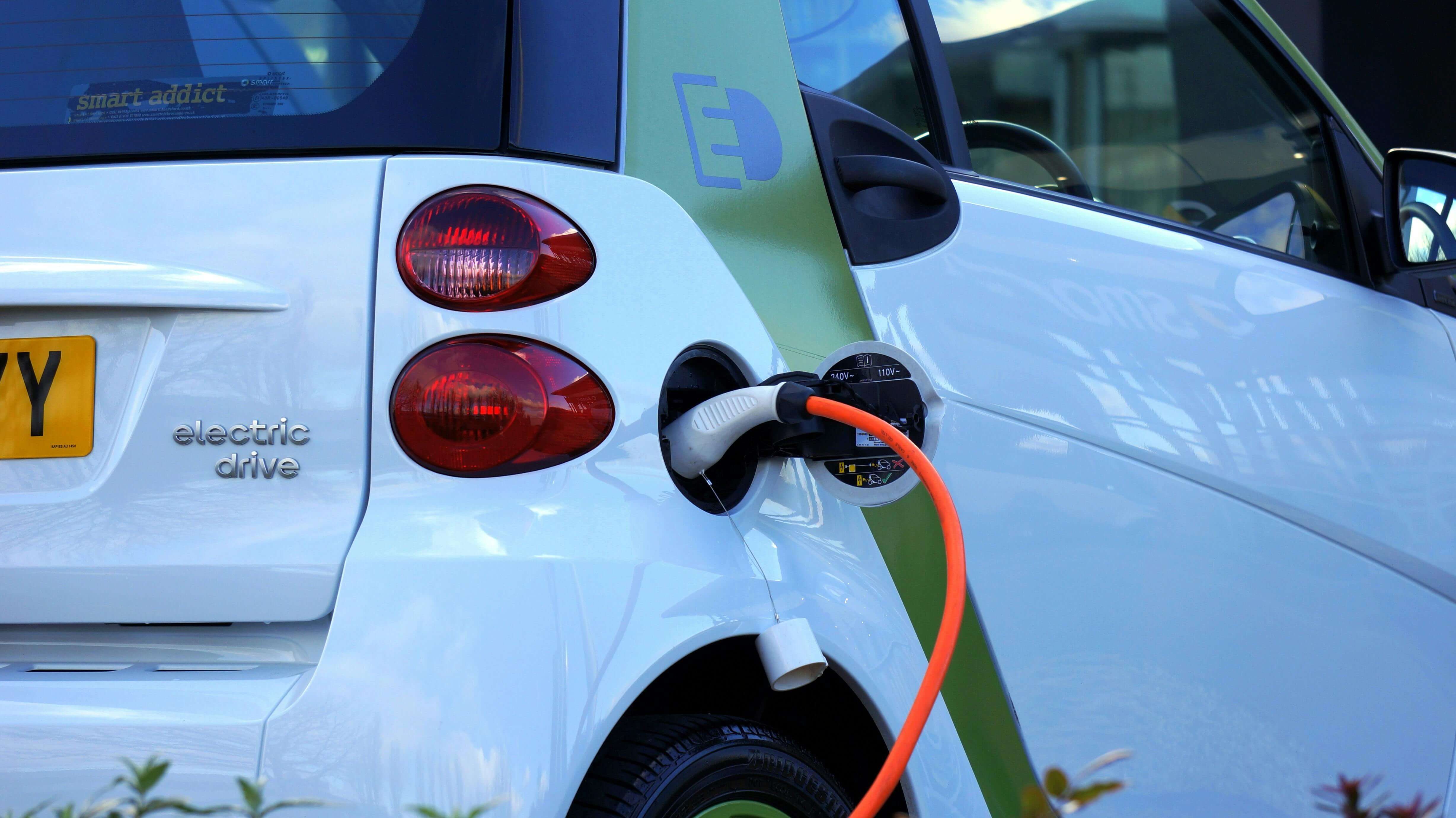
LG Energy Solution cung cấp ESS sản xuất tại Bắc Mỹ cho Eneon của Canada
13 giờ trước
![[SMM Analysis] Ấn Độ đẩy nhanh sản xuất BESS, nhưng sự phụ thuộc vào pin vẫn là nút thắt chính](https://imgqn.smm.cn/usercenter/JmyWy20251217171729.png)
[SMM Analysis] Ấn Độ đẩy nhanh sản xuất BESS, nhưng sự phụ thuộc vào pin vẫn là nút thắt chính
21 giờ trước
TCPL Ấn Độ thành lập công ty con sở hữu toàn bộ để thúc đẩy mảng kinh doanh màng ngăn pin lithium-ion
Vào ngày 24 tháng 9, TCPL Packaging có trụ sở tại Ấn Độ đã hoàn tất việc thành lập công ty con thuộc sở hữu toàn phần, TCPL Energy Materials Limited. Phạm vi kinh doanh của công ty mới bao gồm sản xuất màng ngăn pin lithium-ion. Trước đó, TCPL đã phê duyệt việc tham gia vào lĩnh vực sản xuất màng ngăn pin và lên kế hoạch đầu tư khoảng 1,25 tỷ INR. Do đó, sự kiện mới trong giai đoạn này không phải là thông báo đầu tư ban đầu, mà là việc chính thức thành lập đơn vị vận hành vào ngày 24 tháng 9.
21 giờ trước
Asahi Kasei được cấp bằng sáng chế Hoa Kỳ cho màng ngăn thiết bị lưu trữ năng lượng
Vào ngày 22 tháng 9, Asahi Kasei Battery Separator Corporation đã được cấp bằng sáng chế tại Hoa Kỳ cho màng ngăn dùng trong thiết bị lưu trữ năng lượng và thiết bị lưu trữ năng lượng tích hợp màng ngăn này. Số bằng sáng chế là US 12.744.284. Công nghệ sử dụng màng vi xốp polyolefin làm lớp nền và phủ một lớp chứa chất độn vô cơ cùng các hạt polymer nhiệt dẻo, nhằm cải thiện độ bám dính giữa màng ngăn và điện cực đồng thời tăng cường độ ổn định nhiệt. Đơn xin cấp bằng sáng chế cơ sở có trước giai đoạn này; sự kiện mới vào ngày 22 tháng 9 là việc chính thức được cấp bằng sáng chế tại Hoa Kỳ.
21 giờ trước
Siêu pin Waratah 850 MW/1,68 GWh của Úc bước vào giai đoạn vận hành thương mại cuối cùng
Ngày 28 tháng 9, Akaysha Energy thông báo rằng Waratah Super Battery tại New South Wales đã chính thức đi vào vận hành thương mại. Tọa lạc tại địa điểm nhà máy nhiệt điện than Munmorah trước đây, dự án có công suất định mức 850 MW và dung lượng lưu trữ năng lượng 1,68 GWh. Dự án do chính quyền bang New South Wales khởi xướng và được Akaysha Energy xây dựng, sở hữu và vận hành. Dự án hoạt động phối hợp với Hệ thống Bảo vệ Toàn vẹn Hệ thống của Transgrid và được thiết kế chủ yếu nhằm cung cấp phản ứng lưới điện nhanh chóng và hỗ trợ an ninh hệ thống truyền tải.
21 giờ trước
Greenvolt khởi công dự án lưu trữ pin 600 MW/2,4 GWh tại Ba Lan
Ngày 24/9, Greenvolt Power khởi công dự án lưu trữ năng lượng pin 600 MW/2,4 GWh tại Siedlce, Ba Lan. Dự án sẽ sử dụng 210 container pin và 105 container máy biến áp được trang bị hệ thống chuyển đổi công suất, với thiết bị pin do BYD Energy Storage cung cấp. Dự kiến vận hành thương mại vào cuối năm 2027. Sau khi hoàn thành, dự án Siedlce cùng hai dự án lưu trữ khác của Greenvolt tại Ba Lan sẽ tạo thành danh mục tổng công suất 1 GW/4 GWh.
21 giờ trước
Taaleri và KJK đầu tư vào dự án lưu trữ pin 192 MW/420 MWh tại Estonia
Vào ngày 23 tháng 9, quỹ SolarWind III của Taaleri Energia và KJK Capital đã đầu tư vào dự án lưu trữ năng lượng pin Raudsepa công suất 192 MW/420 MWh tại Estonia. Dự án đã đạt quyết định đầu tư cuối cùng và bước vào giai đoạn xây dựng. Trước đó do Evecon và Corsica Sole phát triển, dự án sẽ sử dụng thiết bị pin do LG Energy Solution cung cấp và dự kiến đi vào vận hành đầy đủ vào tháng 11 năm 2027.
21 giờ trước
New York trao thầu 950 MW trong đợt mua sắm lưu trữ năng lượng quy mô lớn đầu tiên
Vào ngày 23 tháng 9, Cơ quan Nghiên cứu và Phát triển Năng lượng bang New York (NYSERDA) đã công bố kết quả đợt mua sắm lưu trữ năng lượng quy mô lớn đầu tiên, trao hợp đồng cho tám dự án với tổng công suất 950 MW. Đợt đấu thầu thu hút hồ sơ từ 46 dự án, đại diện cho khoảng 6 GW công suất. Các dự án được chọn có thời gian lưu trữ từ bốn đến tám giờ, tọa lạc tại thành phố New York, Long Island, thung lũng Hudson và phía tây New York.
21 giờ trước
Energy Vault mua lại hơn 2,3 GW dự án lưu trữ pin tại Mỹ
Vào ngày 22 tháng 9, Energy Vault đã hoàn tất việc mua lại danh mục các dự án lưu trữ năng lượng pin tại Mỹ từ Goshe Energy Storage, bao gồm 15 dự án với tổng công suất vượt quá 2,3 GW. Hai dự án, tổng cộng 350 MW, đã đạt trạng thái sẵn sàng xây dựng và dự kiến sẽ đi vào vận hành thương mại trong quý đầu năm 2028. Energy Vault cũng đã nhận được khoản hỗ trợ tín dụng lên tới 40 triệu USD từ S2G Investments để thúc đẩy quá trình phát triển, xây dựng và vận hành các tài sản được mua lại.
21 giờ trước

RWE Ra Quyết Định Đầu Tư Cuối Cùng cho Dự Án Lưu Trữ Pin 400 MW/1,1 GWh tại Hà Lan
21 giờ trước
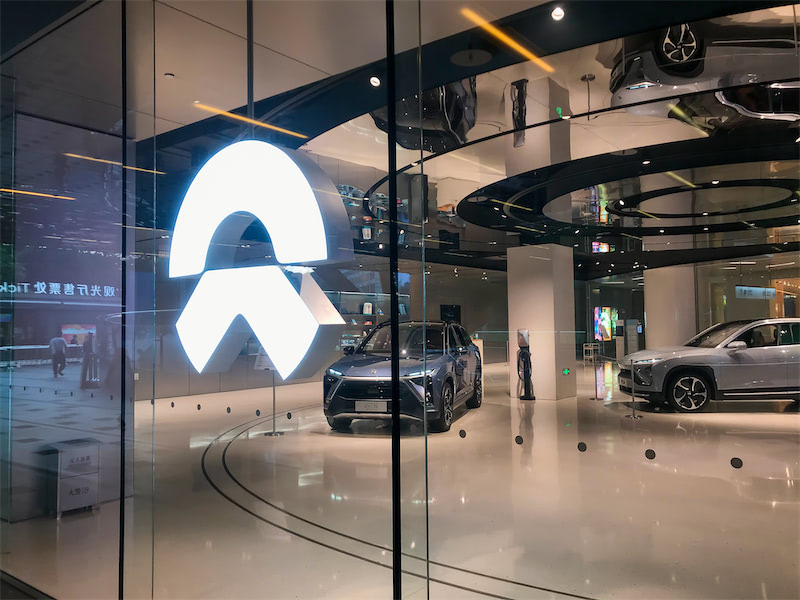
Dự án pin lưu trữ năng lượng Baranduda 400 MW/1,86 GWh của Úc đạt điều kiện hoàn tất tài chính
21 giờ trước
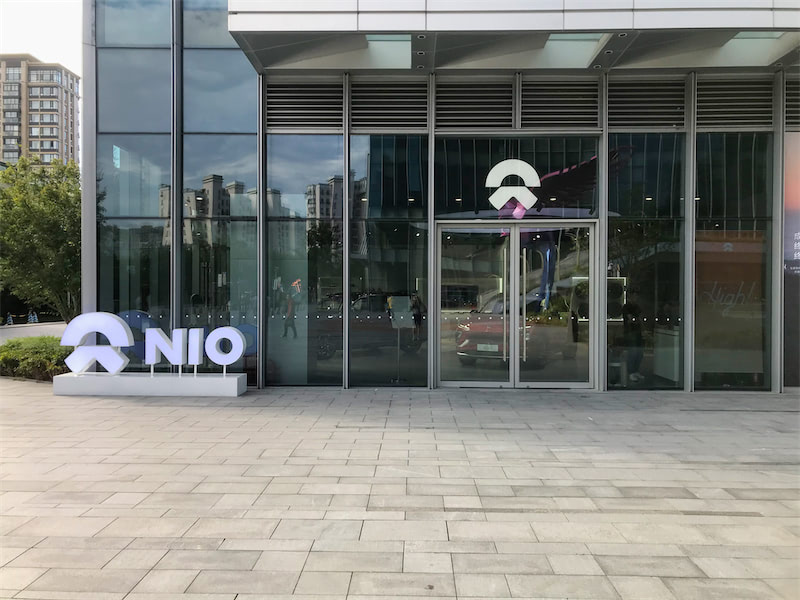
Canada khánh thành cơ sở lưu trữ năng lượng 150 MW/600 MWh tại Nova Scotia
21 giờ trước
Zelestra và Salzgitter ký thỏa thuận cung cấp dài hạn cho dự án hybrid điện mặt trời kết hợp lưu trữ 79 MW/237 MWh tại Đức
Ngày 15/9, Zelestra và nhà sản xuất thép Đức Salzgitter Flachstahl đã ký thỏa thuận cung cấp điện tái tạo hỗn hợp dài hạn, bao gồm hai dự án điện mặt trời với tổng công suất 147 MW và hệ thống pin lưu trữ năng lượng 79 MW/237 MWh. Zelestra sẽ phát triển, sở hữu và vận hành các dự án, trong khi Salzgitter Flachstahl sẽ mua điện mặt trời và kiểm soát vận hành hệ thống lưu trữ. Hai dự án nằm tại Brandenburg và Thuringia, Đức.
21 giờ trước
Đơn xin cấp bằng sáng chế màng phủ chấm của Hithium được công bố tại Mỹ
Ngày 24 tháng 9, đơn xin cấp bằng sáng chế tại Mỹ do Công ty TNHH Công nghệ Lưu trữ Năng lượng Hithium Hạ Môn nộp liên quan đến màng ngăn, pin và thiết bị lưu trữ năng lượng đã chính thức được công bố với số công bố US 2026/0291006 A1. Thiết kế bao gồm màng ngăn nền kết hợp lớp phủ keo dạng chấm, gồm các chấm keo hình khuyên, nhằm cải thiện cân bằng giữa độ bám dính và độ thoáng khí. Công nghệ này còn nhằm giảm nhăn tại bề mặt tiếp xúc điện cực âm và nâng cao hiệu suất năng lượng của pin lithium-ion. Đơn được nộp vào tháng 3 năm 2026, và ngày 24 tháng 9 đánh dấu thời điểm công bố chính thức.
21 giờ trước
Huệ Châu Vật Liệu Mới thúc đẩy dự án màng ngăn ướt 2,8 tỷ m² tại Toại Ninh
Tính đến ngày 15 tháng 9, công tác san lấp mặt bằng cho dự án màng ngăn ướt công suất 2,8 tỷ m²/năm của Huệ Châu Tân Vật Liệu tại Toại Ninh, Tứ Xuyên đã đạt khoảng 60% tiến độ. Công tác thi công đang được đẩy nhanh, dự kiến hoàn thành san lấp và bàn giao cho công ty vào đầu tháng 10. Dự án có tổng vốn đầu tư khoảng 2 tỷ nhân dân tệ, quy hoạch xây dựng 8 dây chuyền sản xuất màng ngăn ướt và 30 dây chuyền phủ. Dự kiến bắt đầu sản xuất thử vào tháng 8 năm 2027. Nhà máy sẽ trở thành cơ sở sản xuất màng ngăn ướt lớn thứ hai của Huệ Châu Tân Vật Liệu sau dự án Tương Dương.
21 giờ trước
Khởi công xây dựng nhà máy chính tại dự án thủy điện tích năng Caiziba 1,2 GW ở Trùng Khánh
Ngày 23/9, việc đào hầm nhà máy chính ngầm đã bắt đầu tại Nhà máy Thủy điện tích năng Caiziba ở Fengjie, Trùng Khánh, đánh dấu dự án bước vào giai đoạn xây dựng dân dụng chính. Dự án là phát triển thủy điện tích năng đầu tiên của Tập đoàn Tam Hiệp tại Trùng Khánh và có tổng công suất lắp đặt 1,2 GW. Dự án sẽ được trang bị bốn tổ máy phát điện 300 MW, với tổ máy đầu tiên dự kiến vận hành vào tháng 6/2030. Sau khi đi vào hoạt động, dự án sẽ cung cấp dịch vụ cắt đỉnh, lấp đáy, lưu trữ năng lượng, điều tần và dự phòng khẩn cấp cho lưới điện Trùng Khánh.
21 giờ trước
Khởi công dự án lưu trữ năng lượng độc lập 200 MW/800 MWh có khả năng tạo lưới tại Shanshan, Tân Cương
Ngày 21/9, dự án trạm lưu trữ năng lượng điện hóa độc lập 200 MW/800 MWh của Yuanpai Energy tại huyện Shanshan, Turpan, Tân Cương chính thức khởi công. Dự án có tổng vốn đầu tư dự kiến 750 triệu nhân dân tệ, bao gồm một trạm lưu trữ năng lượng kiểu tạo lưới và một trạm biến áp tăng áp 220 kV. Dự kiến đấu nối vào trạm biến áp 750 kV Loulan qua hai đường dây truyền tải 220 kV, dự kiến hoàn thành và hòa lưới vào tháng 6/2027. Sau khi vận hành, dự án sẽ hỗ trợ tích hợp năng lượng tái tạo, cắt đỉnh, điều tần và ổn định lưới điện.
21 giờ trước
Dự án lưu trữ năng lượng hybrid Nhà máy điện khí Chu Giang Quảng Châu hoàn thành chạy thử 72 giờ
Ngày 21/9, dự án điều tần lưu trữ năng lượng và khởi động đen tại Nhà máy điện khí Chu Giang Quảng Châu đã hoàn thành chạy thử 72 giờ. Dự án do Tập đoàn Lưu trữ Năng lượng Quảng Châu đầu tư phát triển, được trang bị hệ thống pin lithium sắt phosphate bán rắn 24 MW/48 MWh và hệ thống siêu tụ 1 MW/10 phút. Hệ thống lưu trữ năng lượng lai áp dụng công nghệ cao áp nối tầng, sẽ cung cấp dịch vụ điều tần và khởi động đen cho các tổ máy phát điện khí. Dự án đã hòa lưới toàn bộ công suất vào tháng 3 và dự kiến đưa vào vận hành thương mại vào tháng 10.
21 giờ trước
SPIC kết nối lưới dự án lưu trữ năng lượng hybrid 45 MW/90 MWh tại huyện Ứng, Sơn Tây
Ngày 17/9, giai đoạn I dự án lưu trữ năng lượng 100 MW/200 MWh của SPIC Sơn Tây tại huyện Ứng, với công suất 45 MW/90 MWh, đã chính thức hòa lưới. Đây là dự án lưu trữ năng lượng đầu tiên của công ty đi vào vận hành. Tọa lạc tại huyện Ứng, Sóc Châu, tỉnh Sơn Tây, dự án áp dụng cấu hình kết hợp giữa pin dòng oxy hóa khử vanadi và pin lithium-ion. Sau khi hoàn thành toàn bộ, dự án sẽ tham gia cắt đỉnh, điều tần và các dịch vụ phụ trợ khác, đồng thời vận hành phối hợp với các tài sản quang điện tại địa phương.
21 giờ trước
![[SMM Thông báo] Tạm ngừng cập nhật giá kim loại và tin tức thị trường Trung Quốc trong kỳ nghỉ Quốc khánh (1-7/10)](https://imgqn.smm.cn/usercenter/HeIuV20251217171708.jpg)
[SMM Thông báo] Tạm ngừng cập nhật giá kim loại và tin tức thị trường Trung Quốc trong kỳ nghỉ Quốc khánh (1-7/10)
Kính gửi Quý người dùng SMM, Kỳ nghỉ lễ Quốc khánh đang đến gần. Xin lưu ý rằng các đánh giá giá kim loại thị trường Trung Quốc và cập nhật tin tức của SMM sẽ tạm ngừng trong thời gian nghỉ lễ (1-7 tháng 10) và hoạt động trở lại bình thường sau kỳ nghỉ. Tuy nhiên, đánh giá giá ở nước ngoài của SMM sẽ tiếp tục được cập nhật như thường lệ trong suốt kỳ nghỉ. Chúng tôi xin lỗi vì bất kỳ sự bất tiện nào gây ra và chúc quý vị có một kỳ nghỉ vui vẻ. Thị trường Kim loại Thượng Hải (SMM)
28 Sep 2026 17:06 (GMT+8)
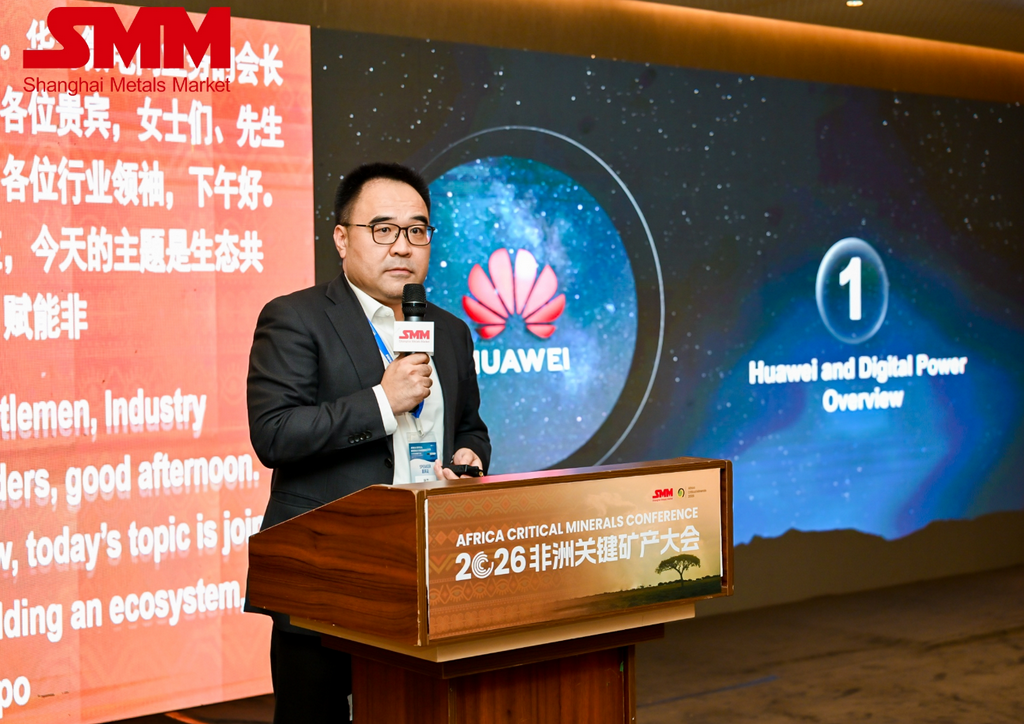
Huawei Theo đuổi Quan hệ Đối tác Khai thác Xanh tại Châu Phi và Tổ chức Đàm phán Kinh doanh với ZESCO tại SMM ACM 2026
23 Sep 2026 16:41 (GMT+8)
![[SMM Analysis] Giao dịch thuế quan đồng của Mỹ đang hạ nhiệt — nhưng vẫn chưa kết thúc](https://imgqn.smm.cn/production/admin/votes/imagesMbCUq20260929144044.png)
[SMM Analysis] Giao dịch thuế quan đồng của Mỹ đang hạ nhiệt — nhưng vẫn chưa kết thúc
29 Sep 2026 14:37 (GMT+8)
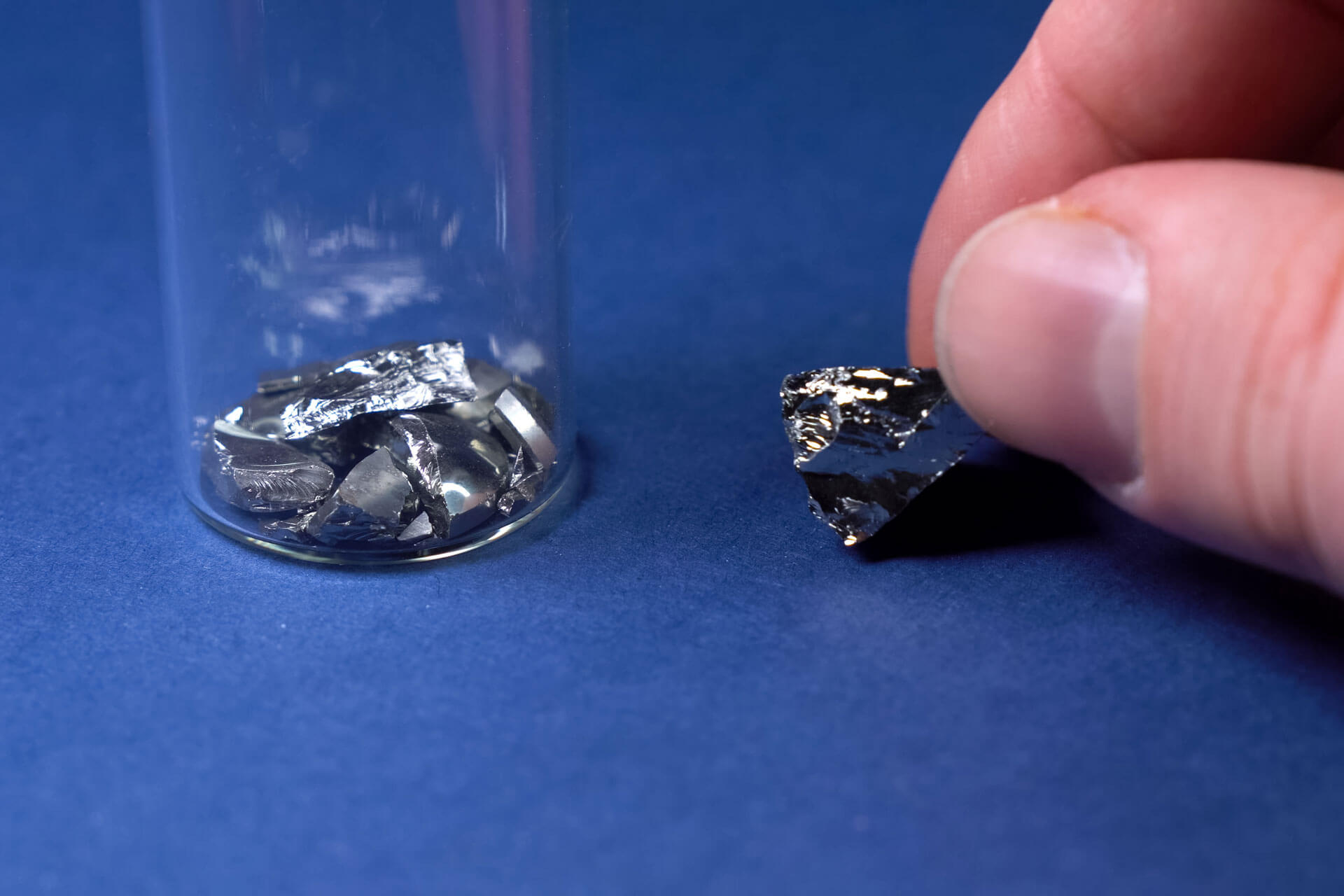
Nam Phi sẵn sàng trở thành nhân tố chủ chốt trong chuỗi cung ứng đất hiếm toàn cầu vào năm 2034【Phân tích SMM】
29 Sep 2026 18:54 (GMT+8)
[SMM Analysis] Ấn Độ đẩy nhanh sản xuất BESS, nhưng sự phụ thuộc vào pin vẫn là nút thắt chính
21 giờ trước
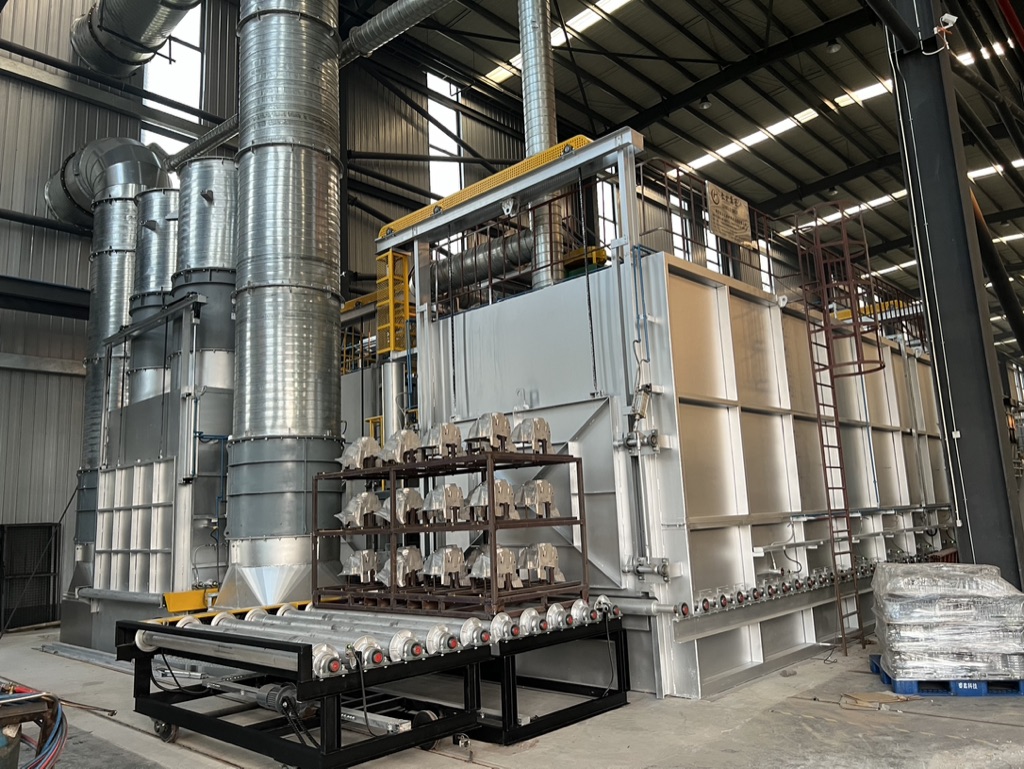
SMM Ra Mắt Công Cụ Tính Toán CBAM Nhôm: Ý Nghĩa của Ước Tính Chi Phí Đối Với Các Chào Hàng Sang EU【Phân Tích SMM】
29 Sep 2026 17:32 (GMT+8)
![[SMM Phân tích] Đồng nguyên sinh carbon thấp bắt đầu giao dịch riêng—Liệu giá trị xanh của đồng tái chế có được đánh giá lại?](https://imgqn.smm.cn/usercenter/MXbup20251217171745.jpg)
[SMM Phân tích] Đồng nguyên sinh carbon thấp bắt đầu giao dịch riêng—Liệu giá trị xanh của đồng tái chế có được đánh giá lại?
29 Sep 2026 16:03 (GMT+8)
Tin mới nhất
[SMM Điểm tin thị trường cell pin lưu trữ năng lượng tuần 9.3] Giá cell pin lưu trữ năng lượng giảm nhẹ, lịch sản xuất dự kiến sẽ phục hồi đáng kể trong quý 4.
12 giờ trước
LG Energy Solution cung cấp ESS sản xuất tại Bắc Mỹ cho Eneon của Canada
13 giờ trước
[SMM Analysis] Ấn Độ đẩy nhanh sản xuất BESS, nhưng sự phụ thuộc vào pin vẫn là nút thắt chính
21 giờ trước
TCPL Ấn Độ thành lập công ty con sở hữu toàn bộ để thúc đẩy mảng kinh doanh màng ngăn pin lithium-ion
21 giờ trước
Asahi Kasei được cấp bằng sáng chế Hoa Kỳ cho màng ngăn thiết bị lưu trữ năng lượng
21 giờ trước
Siêu pin Waratah 850 MW/1,68 GWh của Úc bước vào giai đoạn vận hành thương mại cuối cùng
21 giờ trước
Greenvolt khởi công dự án lưu trữ pin 600 MW/2,4 GWh tại Ba Lan
21 giờ trước
Taaleri và KJK đầu tư vào dự án lưu trữ pin 192 MW/420 MWh tại Estonia
21 giờ trước
New York trao thầu 950 MW trong đợt mua sắm lưu trữ năng lượng quy mô lớn đầu tiên
21 giờ trước
Energy Vault mua lại hơn 2,3 GW dự án lưu trữ pin tại Mỹ
21 giờ trước
RWE Ra Quyết Định Đầu Tư Cuối Cùng cho Dự Án Lưu Trữ Pin 400 MW/1,1 GWh tại Hà Lan
21 giờ trước
Dự án pin lưu trữ năng lượng Baranduda 400 MW/1,86 GWh của Úc đạt điều kiện hoàn tất tài chính
21 giờ trước
Canada khánh thành cơ sở lưu trữ năng lượng 150 MW/600 MWh tại Nova Scotia
21 giờ trước
Zelestra và Salzgitter ký thỏa thuận cung cấp dài hạn cho dự án hybrid điện mặt trời kết hợp lưu trữ 79 MW/237 MWh tại Đức
21 giờ trước
Đơn xin cấp bằng sáng chế màng phủ chấm của Hithium được công bố tại Mỹ
21 giờ trước
Huệ Châu Vật Liệu Mới thúc đẩy dự án màng ngăn ướt 2,8 tỷ m² tại Toại Ninh
21 giờ trước
Khởi công xây dựng nhà máy chính tại dự án thủy điện tích năng Caiziba 1,2 GW ở Trùng Khánh
21 giờ trước
Khởi công dự án lưu trữ năng lượng độc lập 200 MW/800 MWh có khả năng tạo lưới tại Shanshan, Tân Cương
21 giờ trước
Dự án lưu trữ năng lượng hybrid Nhà máy điện khí Chu Giang Quảng Châu hoàn thành chạy thử 72 giờ
21 giờ trước
SPIC kết nối lưới dự án lưu trữ năng lượng hybrid 45 MW/90 MWh tại huyện Ứng, Sơn Tây
21 giờ trước