

Notícias
Análise exclusiva com as atualizações mais recentes do mercado e notícias em tempo real.
![[Análise SMM] A fabricação de BESS na Índia acelera, mas a dependência de células continua sendo um gargalo fundamental](https://imgqn.smm.cn/production/admin/votes/imagesozVHm20260131125121.jpeg)
[Análise SMM] A fabricação de BESS na Índia acelera, mas a dependência de células continua sendo um gargalo fundamental
No primeiro trimestre de 2026, as remessas globais de sistemas de armazenamento de energia atingiram 100,0 GWh, um aumento de 96,5% em relação aos 50,9 GWh do mesmo período de 2025, elevando as remessas trimestrais a uma escala totalmente nova.
30 Sep 2026 08:50 (GMT+8)
SMM lança calculadora CBAM de alumínio: o que as estimativas de custo significam para ofertas destinadas à UE【Análise SMM】
Com a entrada do Mecanismo de Ajustamento Carbónico Fronteiriço (CBAM) da UE na sua fase definitiva, o comércio de alumínio com a Europa exige que os custos de carbono sejam avaliados a par dos preços do metal, das taxas de processamento e da logística. A SMM lançou a sua Calculadora CBAM de Alumínio , que reúne códigos de produto, origem, dados de emissões e preços de certificados para apoiar cotações de exportação, compras europeias e orçamentação interna. O módulo de alumínio oferece 58 códigos NC e 68 categorias de origem/valor por defeito, abrangendo alumínio não ligado, perfis, chapas, tiras, folhas e outros produtos. Estão disponíveis parâmetros anuais para 2026–2030. Os utilizadores introduzem uma tonelagem e selecionam emissões por defeito ou introduzem emissões reais verificadas. A página apresenta então estimativas de certificados por tonelada, total de certificados, custo por tonelada e orçamento total, com as rotas de alumínio primário e secundário associadas à base de dados aplicável. A vantagem prática é que os pressupostos e os resultados aparecem em conjunto. Os exportadores podem especificar o produto, a origem, o período de importação e a base de emissões subjacente a uma cotação, enquanto os compradores podem comparar origens em condições consistentes. A página inclui interfaces em chinês e inglês, tabelas de parâmetros e uma opção de folha de custos imprimível. A forma como os custos associados são partilhados entre compradores e vendedores continua a ser uma questão contratual. A exposição a certificados deve ser distinguida do seu valor monetário. Em 29 de setembro de 2026, a calculadora incorpora preços oficiais de 75,36 euros por certificado para o T1 de 2026 e 75,28 euros para o T2. O preço do T3 ainda não foi publicado. Quando um preço não está disponível, a página mantém as estimativas de volume de certificados e deixa os custos em branco, em vez de substituir por um preço assumido. A versão atual exclui deduções por preços de carbono pagos no estrangeiro e a avaliação do limiar anual de importação. O seu cálculo de emissões reais para produtos de alumínio complexos também carece do ajustamento de atribuição gratuita atribuível aos precursores. A análise abaixo utiliza, portanto, o cálculo verificado por valor por defeito. Os resultados são estimativas comerciais, não obrigações finais legais de entrega. Para comparações de mercado, o mesmo produto de alumínio pode ter custos estimados materialmente diferentes consoante o valor por defeito específico da origem. Considere-se o código NC 76012040 — ligas de alumínio não ligado em forma de bilete — com a rota primária K, o preço do certificado do T2 de 2026 e uma quantidade de 1.000 toneladas. Os custos estimados nos casos de valor por defeito da China, Índia e Canadá são de 143,98 euros, 50,41 euros e 57,86 euros por tonelada, respetivamente. Estes valores incluem o acréscimo anual do valor por defeito e o ajustamento de atribuição gratuita baseado no benchmark. Os casos de valor por defeito da China e da Índia diferem em aproximadamente 93,57 euros por tonelada. Comparar apenas o preço do metal ou a taxa de processamento pode, portanto, ignorar uma diferença significativa no orçamento do comprador. Quando outras condições comerciais são semelhantes, os custos CBAM estimados podem afetar a atratividade de uma oferta. No entanto, isto não é uma classificação da intensidade carbónica real dos produtores. O frete, os direitos aduaneiros, a qualidade e as condições de entrega também estão fora desta comparação, pelo que os valores por si só não podem determinar o fornecedor preferido. Isto realça o valor comercial da documentação de emissões dos fornecedores. Para produtores cujas emissões reais estão abaixo do valor por defeito aplicável, apoiadas por verificação conforme, os dados reais podem alterar a avaliação de custos do comprador. Os compradores podem usar valores por defeito para um orçamento inicial quando a documentação não está disponível e depois reavaliar com base em provas do fornecedor. Os exportadores têm, por conseguinte, razões para preparar informações de emissões juntamente com as suas ofertas de produto, em vez de negociar apenas em torno das diferenças de valores por defeito por país. As alterações anuais dos parâmetros também merecem atenção. Mantendo constantes o valor por defeito de base do produto chinês, a rota e o benchmark, e assumindo que o ano de importação e o ano de reporte aplicável coincidem, a exposição estimada a certificados aumenta de 1,912575 por tonelada em 2026 para 2,248150 em 2027 — um aumento de aproximadamente 17,5%. Isto reflete um acréscimo maior do valor por defeito e uma dedução menor da atribuição gratuita; não implica um aumento dos preços futuros dos certificados. Para acordos de fornecimento que abrangem anos diferentes, as empresas podem primeiro comparar a exposição a certificados e depois discutir mecanismos de atualização de preços e partilha de custos. Mesmo enquanto os preços futuros dos certificados permanecem desconhecidos, identificar essa exposição e obter documentação do fornecedor pode melhorar a comparabilidade das ofertas e dos orçamentos de compras.
29 Sep 2026 17:32 (GMT+8)
[SMM Analysis] Cobre Primário de Baixo Carbono Começa a Ser Negociado Separadamente — O Valor Verde do Cobre Reciclado Será Reavaliado?
[SMM Análise: Cobre Primário de Baixo Carbono Começa a Ser Negociado Separadamente — O Valor Verde do Cobre Reciclado Será Reavaliado?] O projeto piloto EAC da BHP e da Amazon separa as reduções de emissões verificadas do comércio físico de cobre, dando ao cobre primário de baixas emissões uma nova fonte de valor ambiental. O cobre reciclado mantém uma grande vantagem energética, mas a competitividade futura pode depender mais da rastreabilidade, do conteúdo reciclado e de dados de carbono verificados, potencialmente adicionando uma dimensão ambiental à precificação.
29 Sep 2026 16:03 (GMT+8)
Últimas Notícias
【Flash | Sobretaxas de tubos com molibdênio da Tubacex em outubro são mistas】
02 Oct 2026 10:52 (GMT+8)
【Flash | Metallus aumenta componente de sobretaxa de molibdênio de outubro para aço 300M】
02 Oct 2026 10:47 (GMT+8)
【Flash | Alleima aumenta sobretaxas de outubro para classes de tubos com molibdênio】
02 Oct 2026 10:30 (GMT+8)
【Flash | Sobretaxas de outubro da Acerinox para o aço 316L divergiram entre produtos planos e longos】
A produtora espanhola de aço inoxidável Acerinox fixou a sobretaxa europeia de outubro para produtos planos de 316L (1.4404) em €3,972/kg, uma queda de €0,035/kg ou 0,87% em relação a setembro. As sobretaxas para ligas com maior teor de molibdênio também recuaram: o 904L caiu 1,21%, para €7,004/kg, o 317L recuou 0,77%, para €5,187/kg, e o duplex 2205 cedeu 0,15%, para €3,994/kg. Em contrapartida, as sobretaxas dos produtos longos de 316L subiram para €4,323/kg no tarugo, €4,499/kg no fio-máquina, €4,715/kg em cantoneiras/barras laminadas a quente e €5,252/kg em arame/barras trefiladas, com alta de 0,75% a 1,12% na comparação mensal. As sobretaxas de liga refletem múltiplos insumos, incluindo níquel, cromo, molibdênio e energia, e não devem ser interpretadas como um sinal puro do preço do molibdênio.
02 Oct 2026 10:18 (GMT+8)
【Flash | Uso global de molibdênio superou a produção em 4.672 toneladas no 2º trimestre de 2026】
A produção global de molibdênio foi de 167,2 milhões de libras (75.841 toneladas) no segundo trimestre de 2026, queda de 3% em relação ao ano anterior e de 1% em relação ao trimestre anterior, enquanto o consumo atingiu 177,5 milhões de libras (80.513 toneladas), alta de 8% em relação ao ano anterior, mas queda de 2% em relação ao trimestre anterior. A comparação direta deixa uma lacuna trimestral aparente de 10,3 milhões de libras (4.672 toneladas). A China produziu 79,5 milhões de libras (36.061 toneladas), estável em relação ao ano anterior e alta de 1% em relação ao trimestre anterior; a produção sul-americana caiu 9% em relação ao ano anterior e 4% em relação ao trimestre anterior, para 39,9 milhões de libras (18.098 toneladas). O consumo da China subiu 10% em relação ao ano anterior, para 90,2 milhões de libras (40.914 toneladas), enquanto o consumo dos EUA aumentou 12%, para 17,1 milhões de libras (7.756 toneladas). A lacuna não leva em conta estoques nem fluxos comerciais.
02 Oct 2026 10:04 (GMT+8)
【Flash | Outokumpu reduz sobretaxas de outubro para vários aços inoxidáveis com molibdênio】
As sobretaxas de liga de outubro de 2026 da Outokumpu para bobinas na América do Norte recuaram ligeiramente em vários graus contendo molibdênio. A sobretaxa para o 316L com 2,5% de molibdênio caiu 0,5% na comparação mensal, para US$ 4.291,96/t, enquanto o 316L/4404 recuou 0,7%, para US$ 3.886,31/t. O duplex 2205 ficou praticamente estável em US$ 4.225,83/t. As sobretaxas para o 904L e o 254 SMO caíram 0,8% e 0,6%, para US$ 8.236,48/t e US$ 8.914,62/t, respectivamente. Trata-se de sobretaxas de liga, e não de preços completos do aço, e refletem os insumos de níquel, cromo e outras ligas, além do molibdênio.
01 Oct 2026 16:31 (GMT+8)
【Flash | A BHEL da Índia abre licitação para 40 toneladas de ferromolibdênio】
A unidade de Haridwar da Bharat Heavy Electricals Limited abriu uma licitação para 40 toneladas de ferromolibdênio. A aquisição utiliza leilão reverso e pode ser dividida na proporção de 60:40 entre até dois fornecedores. O cronograma de entrega prevê 25 toneladas em até 30 dias do início do contrato e 15 toneladas em até 60 dias. Pela fórmula de ajuste de preço, 80% do preço faturado está vinculado ao índice Argus de ferromolibdênio 60% Mo ex-works Índia. A licitação também inclui uma opção de quantidade de até 25%. Nenhum preço de adjudicação ou transação foi divulgado até o momento.
01 Oct 2026 16:29 (GMT+8)
【Notícias rápidas sobre molibdênio】
Último preço de licitação de ferromolibdênio de uma siderúrgica em Zhejiang é de RMB 340.000/tonelada (aceitação).
30 Sep 2026 11:41 (GMT+8)
【Flash | Perspetiva de alívio tarifário da UE impulsiona procura de ferromolibdénio arménio】
O Conselho da UE deu aprovação final em 24 de setembro a medidas comerciais temporárias que devem tornar cerca de 80% das exportações armênias para o bloco isentas de direitos aduaneiros. O anexo abrange as ligas de ferro CN 7202 e outros óxidos metálicos CN 2825, incluindo no âmbito o ferromolibdênio e o óxido de molibdênio armênios qualificados. A SMM apurou que as consultas e a demanda de compra europeias por ferromolibdênio armênio aumentaram hoje, à medida que o mercado precificou o alívio tarifário esperado, o que pode melhorar a competitividade do material. Em 30 de setembro, o regulamento ainda aguardava assinatura e publicação no Jornal Oficial da UE. Ele entrará em vigor no dia seguinte e vigorará por dois anos, o que significa que o atual aumento da demanda reflete principalmente um posicionamento antecipado antes da implementação.
30 Sep 2026 08:29 (GMT+8)
[Flash | Centinela, da Antofagasta, enfrenta ameaça de greve por disputa trabalhista]
Recentemente, a Centinela, uma mina central da Antofagasta, enfrentou graves desafios trabalhistas. Em 28 de setembro, seus sindicatos Minera Esperanza e Distrito Centinela votaram 98,73% a favor de uma greve devido a discrepâncias de remuneração, rejeitando a oferta de contrato da administração. Como importante fonte associada de molibdênio, a produção de molibdênio da Centinela no primeiro semestre de 2026 caiu cerca de 17,6% em relação ao ano anterior, para 1.400 toneladas. A votação da greve ameaça ainda mais a estabilidade do fornecimento. Embora a produção continue enquanto se aguardam os resultados da mediação, o potencial impacto nas operações e no progresso dos projetos de longo prazo exige monitoramento atento.
29 Sep 2026 18:24 (GMT+8)
【Flash | Escassez de matéria-prima quase reduz pela metade a produção de molibdênio de processadora do Cazaquistão】
29 Sep 2026 16:38 (GMT+8)
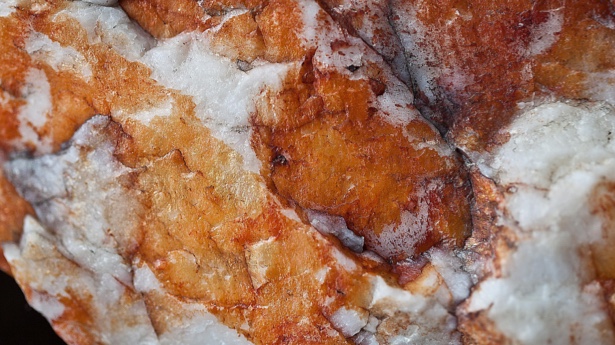
Proibições de aquisição de tungstênio pela defesa dos EUA até 2027
29 Sep 2026 14:04 (GMT+8)

【Flash | Leilão triplo impulsiona forte alta no leilão de concentrado de molibdênio de Erdenet】
28 Sep 2026 14:54 (GMT+8)
【Flash | Produção de concentrado de molibdênio da Armênia aumenta enquanto produção de ferromolibdênio despenca】
O Comitê Estatístico da Armênia reportou produção de concentrado de molibdênio de 10.403,5 toneladas em janeiro–julho de 2026, alta de 25,2% na comparação anual, enquanto a produção de ferromolibdênio caiu 47,4%, para 907,2 toneladas. A SMM calcula que a produção de concentrado em julho foi de cerca de 1.517,5 toneladas, alta de 22,4% na comparação anual, enquanto a produção de ferromolibdênio recuou 27,1%, para cerca de 176,0 toneladas. Os números mostram uma divergência crescente entre a produção de concentrado a montante e a de ferromolibdênio. A tonelagem de concentrado representa a massa do produto, não o molibdênio contido.
28 Sep 2026 09:51 (GMT+8)
Notícias rápidas sobre molibdênio
SMM, 24 de setembro: A CITIC Pacific lançou uma licitação de ferromolibdênio. As propostas devem ser enviadas até as 14h do dia 24 de setembro, com entrega em 20 de outubro, volume total de 90 toneladas.
24 Sep 2026 14:47 (GMT+8)
【Flash | Produção de molibdênio da Sierra Gorda despenca 90% em agosto com queda de teor e recuperação】
A KGHM Polska Miedź reportou a produção de molibdênio da Sierra Gorda em agosto em 0,1 milhão de lb (cerca de 45 toneladas) em sua base atribuível de 55%, queda de 90% em relação ao ano anterior. O declínio refletiu menor teor de molibdênio, recuperação e processamento de minério. A produção de janeiro a agosto caiu 38,2%, para 2,1 milhões de lb (cerca de 953 toneladas), ante 3,4 milhões de lb (cerca de 1.542 toneladas). Apesar de um aumento de 6% na produção de cobre em agosto, a produção de molibdênio caiu acentuadamente, evidenciando o desempenho divergente dos subprodutos causado pelas características do minério.
24 Sep 2026 14:11 (GMT+8)
【Flash | Produção de molibdênio do México mantém queda com oferta de janeiro a julho caindo 8,3%】
O Instituto Nacional de Estatística e Geografia do México (INEGI) reportou produção minero-metalúrgica de molibdênio de 1.329 toneladas em julho de 2026, queda de 2,6% na comparação mensal e de 6,3% na anual, marcando o segundo declínio mensal consecutivo. A produção acumulada de janeiro a julho totalizou 9.281 toneladas, 835 toneladas abaixo das 10.116 toneladas registradas um ano antes, representando uma queda anual de 8,3%. A nova contração em julho indica que a oferta acumulada de molibdênio do México permanece abaixo dos níveis de 2025. Os dados de 2026 são preliminares, enquanto os de 2025 são definitivos.
24 Sep 2026 10:39 (GMT+8)
【Flash | Negócio de óxido no exterior a preço mais baixo pesa sobre o mercado chinês de molibdênio】
A SMM soube que um produtor europeu de aço inoxidável comprou ontem 3 cargas de caminhão de briquetes de óxido de molibdênio, totalizando cerca de 75 toneladas. Na base DDP, um caminhão foi negociado a US$ 33,65/lb de Mo, enquanto os outros dois foram negociados a US$ 33,80/lb de Mo cada. O lote de menor preço foi fornecido por uma trading internacional e equivale a cerca de US$ 33,20/lb de Mo após frete e outras taxas. Fontes do mercado disseram que esse lote pode ser de origem armênia, embora isso ainda não esteja confirmado. Os outros dois caminhões foram fornecidos por grandes fornecedores internacionais de molibdênio. O feedback do mercado sugere que a notícia do negócio internacional de menor preço pode ter contribuído para o forte enfraquecimento do sentimento do mercado chinês nesta tarde, com as transações de ferromolibdênio caindo de cerca de RMB 345.000/tonelada ontem para RMB 341.000/tonelada.
23 Sep 2026 18:52 (GMT+8)
Notícias Breves sobre Molibdênio
Preços de licitação de ferromolibdênio de usinas siderúrgicas domésticas, 21 a 23 de setembro:
- 23 de setembro: Uma usina siderúrgica em Hunan adjudicou ferromolibdênio a **CNY 342.000/tonelada (aceitação, entregue na planta)**, volume de 90 toneladas.
- 22 de setembro: Uma usina siderúrgica em Zhejiang licitou ferromolibdênio a **CNY 340.500/tonelada (aceitação)**, volume de 210 toneladas.
- 21 de setembro: Uma usina siderúrgica em Shanxi licitou ferromolibdênio a **CNY 341.000/tonelada (aceitação)**.
A Nanjing Iron & Steel lançou sua licitação de ferromolibdênio. Volume: 90 toneladas. Prazo de encerramento da licitação: 09:30, 28 de setembro. Data de entrega: 20 de outubro. Resultados pendentes.
23 Sep 2026 16:47 (GMT+8)
【Flash | Produção de molibdênio da Mongólia cai em agosto, oferta acumulada no ano ainda sobe 9,2%】
O Escritório Nacional de Estatísticas da Mongólia reportou uma produção de concentrado de molibdênio, em base de metal contido, de 382,0 toneladas em agosto de 2026, queda de 10,0% na comparação mensal, mas alta de 8,7% na comparação anual. A produção acumulada de janeiro a agosto totalizou 3.672,5 toneladas, alta de 9,2% em relação ao ano anterior. A produção de agosto ficou 42,4 toneladas abaixo de julho, mas 30,5 toneladas acima do mesmo período do ano anterior. A oferta acumulada da Mongólia, portanto, permaneceu à frente de 2025, apesar da produção mais fraca no curto prazo. A tabela não fornece detalhamento por empresa, de modo que a causa da queda mensal não pode ser confirmada.
23 Sep 2026 09:35 (GMT+8)
![[SMM Anúncio] Preços de metais e atualizações de notícias do mercado chinês suspensos durante o feriado do Dia Nacional (1 a 7 de outubro)](https://imgqn.smm.cn/usercenter/HeIuV20251217171708.jpg)
[SMM Anúncio] Preços de metais e atualizações de notícias do mercado chinês suspensos durante o feriado do Dia Nacional (1 a 7 de outubro)
Prezados usuários do SMM, O feriado do Dia Nacional está se aproximando. Informamos que as avaliações de preços de metais do mercado chinês e as atualizações de notícias do SMM serão temporariamente suspensas durante o feriado (1 a 7 de outubro) e retomarão a publicação normal após o recesso. No entanto, as avaliações de preços internacionais do SMM continuarão sendo atualizadas normalmente durante todo o feriado. Pedimos desculpas por qualquer inconveniente causado e desejamos a todos um ótimo feriado. Shanghai Metals Market (SMM)
28 Sep 2026 17:06 (GMT+8)

A Huawei busca parcerias de mineração verde na África e realiza negociações comerciais com a ZESCO na SMM ACM 2026
23 Sep 2026 16:41 (GMT+8)
![[SMM Analysis] O comércio de tarifas de cobre dos EUA está perdendo força — mas ainda não acabou](https://imgqn.smm.cn/production/admin/votes/imagesMbCUq20260929144044.png)
[SMM Analysis] O comércio de tarifas de cobre dos EUA está perdendo força — mas ainda não acabou
29 Sep 2026 14:37 (GMT+8)
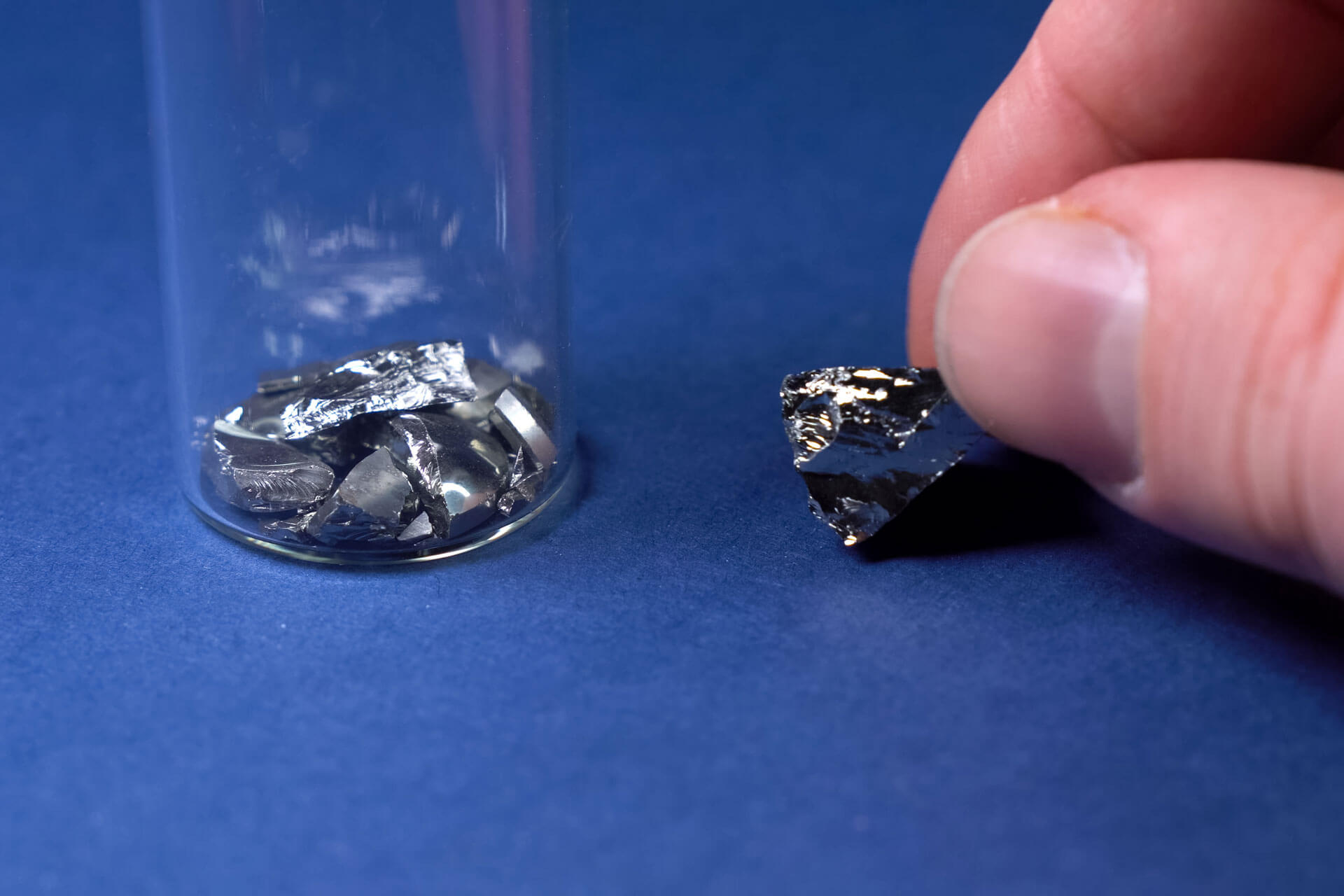
África do Sul Preparada para se Tornar um Agente-Chave na Cadeia Global de Fornecimento de Terras Raras até 2034【Análise SMM】
29 Sep 2026 18:54 (GMT+8)
[Análise SMM] A fabricação de BESS na Índia acelera, mas a dependência de células continua sendo um gargalo fundamental
30 Sep 2026 08:50 (GMT+8)
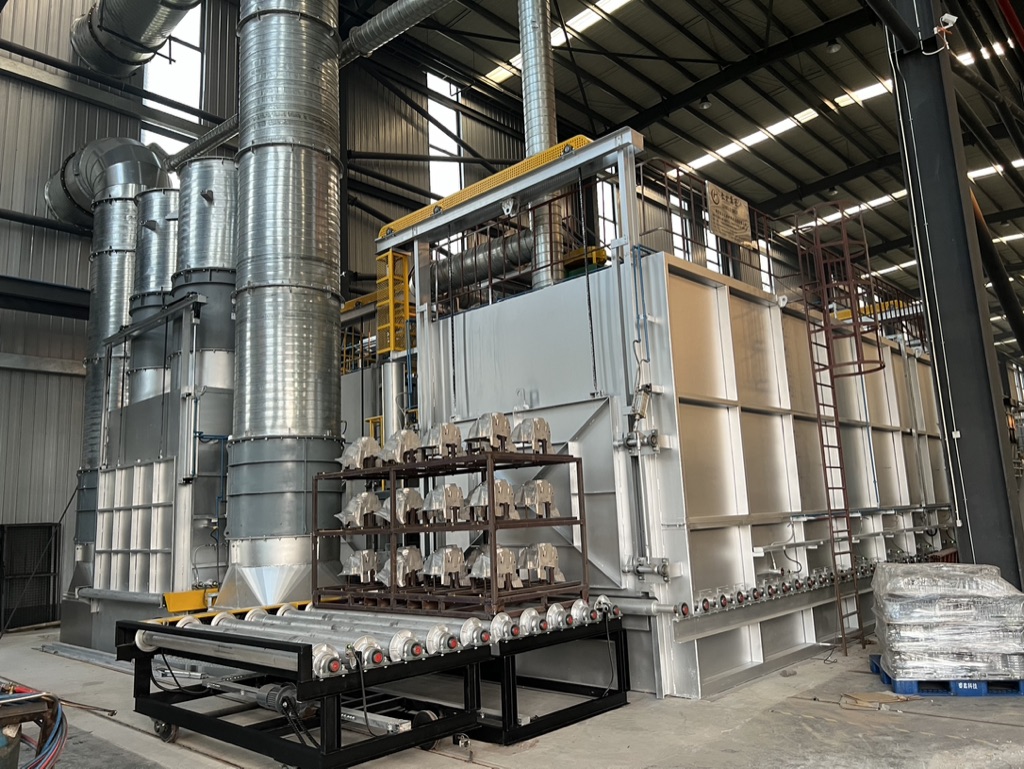
SMM lança calculadora CBAM de alumínio: o que as estimativas de custo significam para ofertas destinadas à UE【Análise SMM】
29 Sep 2026 17:32 (GMT+8)
![[SMM Analysis] Cobre Primário de Baixo Carbono Começa a Ser Negociado Separadamente — O Valor Verde do Cobre Reciclado Será Reavaliado?](https://imgqn.smm.cn/usercenter/MXbup20251217171745.jpg)
[SMM Analysis] Cobre Primário de Baixo Carbono Começa a Ser Negociado Separadamente — O Valor Verde do Cobre Reciclado Será Reavaliado?
29 Sep 2026 16:03 (GMT+8)
Últimas Notícias
【Flash | Sobretaxas de tubos com molibdênio da Tubacex em outubro são mistas】
02 Oct 2026 10:52 (GMT+8)
【Flash | Metallus aumenta componente de sobretaxa de molibdênio de outubro para aço 300M】
02 Oct 2026 10:47 (GMT+8)
【Flash | Alleima aumenta sobretaxas de outubro para classes de tubos com molibdênio】
02 Oct 2026 10:30 (GMT+8)
【Flash | Sobretaxas de outubro da Acerinox para o aço 316L divergiram entre produtos planos e longos】
02 Oct 2026 10:18 (GMT+8)
【Flash | Uso global de molibdênio superou a produção em 4.672 toneladas no 2º trimestre de 2026】
02 Oct 2026 10:04 (GMT+8)
【Flash | Outokumpu reduz sobretaxas de outubro para vários aços inoxidáveis com molibdênio】
01 Oct 2026 16:31 (GMT+8)
【Flash | A BHEL da Índia abre licitação para 40 toneladas de ferromolibdênio】
01 Oct 2026 16:29 (GMT+8)
【Notícias rápidas sobre molibdênio】
30 Sep 2026 11:41 (GMT+8)
【Flash | Perspetiva de alívio tarifário da UE impulsiona procura de ferromolibdénio arménio】
30 Sep 2026 08:29 (GMT+8)
[Flash | Centinela, da Antofagasta, enfrenta ameaça de greve por disputa trabalhista]
29 Sep 2026 18:24 (GMT+8)
【Flash | Escassez de matéria-prima quase reduz pela metade a produção de molibdênio de processadora do Cazaquistão】
29 Sep 2026 16:38 (GMT+8)
Proibições de aquisição de tungstênio pela defesa dos EUA até 2027
29 Sep 2026 14:04 (GMT+8)
【Flash | Leilão triplo impulsiona forte alta no leilão de concentrado de molibdênio de Erdenet】
28 Sep 2026 14:54 (GMT+8)
【Flash | Produção de concentrado de molibdênio da Armênia aumenta enquanto produção de ferromolibdênio despenca】
28 Sep 2026 09:51 (GMT+8)
Notícias rápidas sobre molibdênio
24 Sep 2026 14:47 (GMT+8)
【Flash | Produção de molibdênio da Sierra Gorda despenca 90% em agosto com queda de teor e recuperação】
24 Sep 2026 14:11 (GMT+8)
【Flash | Produção de molibdênio do México mantém queda com oferta de janeiro a julho caindo 8,3%】
24 Sep 2026 10:39 (GMT+8)
【Flash | Negócio de óxido no exterior a preço mais baixo pesa sobre o mercado chinês de molibdênio】
23 Sep 2026 18:52 (GMT+8)
Notícias Breves sobre Molibdênio
23 Sep 2026 16:47 (GMT+8)
【Flash | Produção de molibdênio da Mongólia cai em agosto, oferta acumulada no ano ainda sobe 9,2%】
23 Sep 2026 09:35 (GMT+8)