

Notícias
Análise exclusiva com as atualizações mais recentes do mercado e notícias em tempo real.
![[SMM Analysis] Revisão do aço inoxidável fora da China no 3º trimestre: a sobretaxa na Europa caiu EUR 158/t, mas os preços CIF subiram 2,8%](https://imgqn.smm.cn/usercenter/VstiG20251217171732.jpeg)
[SMM Analysis] Revisão do aço inoxidável fora da China no 3º trimestre: a sobretaxa na Europa caiu EUR 158/t, mas os preços CIF subiram 2,8%
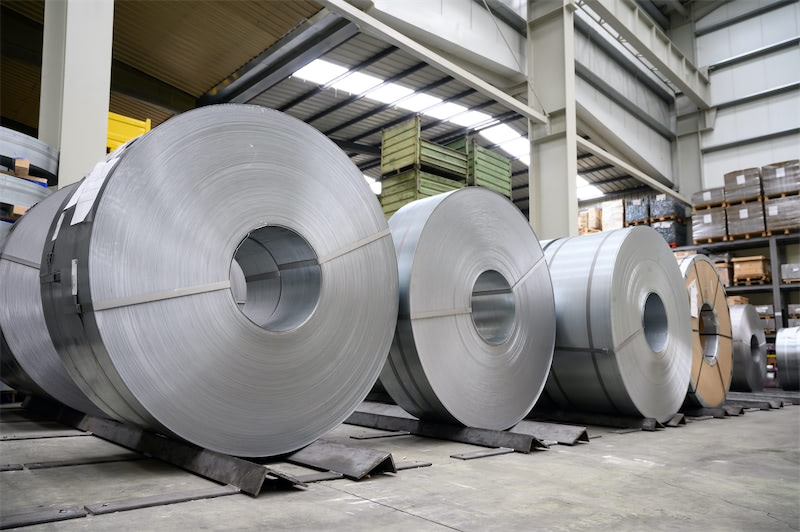
Revisão do 3º trimestre de 2026: custos e preços do aço inoxidável fora da China seguiram caminhos distintos. O NPI indonésio caiu 8,2%, mas a SMM estima que os custos do HRC 304 caíram apenas 1,7%, com margens oscilando entre 4,7% e 9,0% conforme os movimentos de preços das próprias usinas. A sobretaxa do 304 na Europa caiu EUR 158/t, enquanto os preços CIF subiram 2,8%. A sucata malaia subiu 10,4%, e o CRC local, 0,3%. Os preços de tabela de Taiwan (PoC) subiram duas vezes enquanto o spot recuava. Apenas a Índia viu custos e preços se moverem juntos, enquanto a Ásia abriu três novos casos antidumping.
08 Oct 2026 15:36 (GMT+8)
Ouro: Morgan Stanley afirma que o potencial de alta supera em muito o de baixa – US$ 4.000 como suporte
2 de outubro de 2026 O está atualmente em consolidação — mas, para investidores de commodities com visão de futuro, esse ambiente representa uma oportunidade estratégica. Embora os altos rendimentos dos títulos e o dólar forte estejam esfriando o mercado no curto prazo, o Morgan Stanley já está de olho no panorama geral: a base de demanda fundamental permanece intacta. Os analistas do banco de investimento americano mantêm, portanto, uma meta clara: até o segundo semestre de 2027, o preço do ouro voltará a romper a marca mágica de US$ 5.000 por onça. Análise do Morgan Stanley: por que a meta de US$ 5.000 está ganhando foco Amy Gower, chefe de Estratégia de Metais e Mineração do Morgan Stanley, vê o mercado como excepcionalmente bem protegido contra quedas, apesar dos atuais ventos contrários macroeconômicos — como os altos preços do petróleo e os novos picos de 20 anos nos rendimentos dos títulos de longo prazo. Um nível acima de US$ 4.000 oferece uma linha de suporte massiva. A razão pela qual o metal precioso não está reagindo com mais força à alta dos juros, explica ela, está em uma base de compradores excepcionalmente robusta que está estabilizando o nível de preço atual. Essa força estrutural do mercado se apoia em três pilares principais: Apetite asiático por ouro: a demanda física da China está extremamente alta. As importações de ouro da República Popular estão a caminho de atingir seu nível mais alto desde 2017 — se não um recorde de longo prazo. Após a breve pausa durante a “Golden Week”, esse poder de compra provavelmente retornará ao mercado rapidamente. Bancos centrais como corredores de longa distância: além da China, outros bancos centrais — como o da Polônia — também estão atuando como grandes compradores para se proteger contra riscos cambiais e preocupações com a sustentabilidade de longo prazo das montanhas de dívida globais. Entradas estáveis em ETFs: contrariando o padrão clássico observado em períodos de política monetária restritiva, os fundos de ouro negociados em bolsa continuam expandindo suas participações — um sinal notável de força institucional, segundo o Morgan Stanley. Picos de venda de curto prazo, como os observados recentemente, são atribuídos atualmente sobretudo ao rebalanceamento de carteiras por fundos de negociação algorítmica. A prata segue a tendência fundamental do ouro Essa forte tendência subjacente também está transbordando para o mercado de prata. Segundo especialistas do Morgan Stanley, a prata atualmente se correlaciona muito mais fortemente com seu “irmão mais velho”, o ouro, do que com metais industriais como o cobre. Embora a demanda industrial—particularmente da indústria solar, após os picos extremos de preços do ano passado—tenha esfriado ligeiramente devido a medidas de redução de custos de materiais, o potencial macroeconômico abrangente dos metais preciosos permanece elevado. Em última análise, a sustentabilidade fiscal das principais economias e a proteção de longo prazo contra a inflação continuam sendo catalisadores duradouros para ativos tangíveis. Se houver futuras intervenções no mercado de títulos de longo prazo fazendo os rendimentos caírem novamente, ou se o preço do petróleo cair, a pressão atual sobre o ouro e a prata desapareceria imediatamente. Para o Morgan Stanley, o caminho a seguir é, portanto, claro: em um horizonte de 12 meses, o potencial de alta é enorme, com uma meta intermediária declarada de US$ 5.000 no próximo ano. Fonte:
09 Oct 2026 13:46 (GMT+8)
[Análise SMM] O crescimento da demanda de aço da Índia pode compensar a desaceleração da China?
A Índia quase pode compensar a perda de demanda prevista da China em 2026. Se isso sustenta os preços internacionais do aço depende do que a Índia compra, da rapidez com que suas usinas se expandem e se a contração da China permanece contida. O surgimento da Índia como uma importante fonte de crescimento da demanda de aço levanta uma questão com consequências que vão muito além dos dois países: seu mercado em expansão pode compensar o apetite cada vez menor da China? A resposta depende do que significa "compensar". Substituir o consumo perdido no total global é um teste. Criar um mercado equivalente para o aço comercializado internacionalmente é outro. Reproduzir a escala e a influência do ciclo de desenvolvimento intensivo em aço da China é uma proposta muito maior. O crescimento da demanda de aço da Índia quase compensa o declínio da China No teste mais restrito, os números são surpreendentemente próximos. A perspectiva de abril da Worldsteel coloca a demanda de aço acabado da Índia em 171,6 milhões de toneladas em 2026, acima dos 159,8 milhões de toneladas em 2025. A China passa de 796,0 milhões de toneladas para 784,1 milhões de toneladas. A Índia, portanto, adiciona 11,8 milhões de toneladas contra o declínio de 11,9 milhões de toneladas da China: uma mudança combinada de aproximadamente menos 0,1 milhão de toneladas, calculada a partir dos níveis arredondados publicados. Figura 1. Um forte crescimento percentual em um mercado menor pode compensar um declínio modesto em um mercado muito maior. Esta comparação diz respeito à demanda de aço acabado, não à produção de aço bruto. Essa é uma contribuição significativa para a estabilidade do mercado. É também um equilíbrio frágil. A China permanece aproximadamente 4,6 vezes o tamanho da Índia na previsão de 2026. Uma pequena mudança na trajetória chinesa pode, portanto, absorver uma parte substancial do aumento indiano. A interpretação sensata é que a Índia fornece um contrapeso significativo a uma desaceleração chinesa contida. Isso ainda não torna o mercado global insensível à China. A distinção é importante para a forma como a história é apresentada. Comparar o crescimento previsto de 7,4% da Índia com o declínio de 1,5% da China faz a compensação parecer esmagadora. Comparar as toneladas mostra que quase todo o ganho indiano é necessário simplesmente para neutralizar a perda chinesa. Um ponto percentual de crescimento tem um significado físico muito diferente nos dois mercados. A tabela a seguir mantém a comparação anual em uma base estatística consistente. Ela também separa a contribuição do resto do mundo, calculada como resíduo, do par China–Índia. Figura 2. Demanda de aço acabado por ano-calendário; 2026 e 2027 são previsões de abril de 2026. As variações usam níveis publicados arredondados. O resto do mundo é calculado, e não uma série regional cotada separadamente. O Setor Imobiliário da China Permanece Sob Pressão, Lançando Dúvidas Sobre a Estabilização da Demanda Para 2027, a mesma previsão torna-se mais construtiva porque a China para de cair enquanto a Índia continua crescendo. Mas isso é uma suposição a ser testada com base em evidências futuras, e não um resultado já garantido. A perspectiva foi publicada em 14 de abril e refletiu informações disponíveis até meados de março. A Worldsteel vinculou explicitamente sua visão de estabilização chinesa à correção imobiliária em grande parte concluída; também destacou a incerteza na gravidade relatada do declínio da demanda chinesa em 2025. Indicadores imobiliários posteriores justificam cautela. O Departamento Nacional de Estatísticas da China informou que o início de novas construções caiu 24,8% em relação ao ano anterior em janeiro–agosto de 2026, enquanto o investimento em desenvolvimento imobiliário caiu 19,9%. Essas são medidas imobiliárias, não estimativas do consumo total de aço, e não podem ser substituídas diretamente em uma previsão de demanda de aço. No entanto, mostram que uma importante atividade consumidora de aço permaneceu sob pressão bem depois de a perspectiva de abril ter sido preparada. Dados imobiliários de janeiro–agosto do NBS da China A transmissão relevante ocorre por meio do pipeline de construção. Novos projetos criam requisitos de materiais estruturais; projetos já em andamento podem continuar consumindo aço mesmo quando os inícios enfraquecem. Mudanças no cronograma dos projetos, no design dos edifícios e na intensidade de materiais impedem uma conversão fixa de área construída para tonelagem de aço. A manufatura e a infraestrutura também influenciam o agregado. Consequentemente, inícios fracos são um motivo para examinar a linha de base da demanda, e não uma prova de que o consumo de aço deve cair na mesma taxa. Infraestrutura e Manufatura Impulsionam o Crescimento da Demanda de Aço da Índia O crescimento da Índia tem um conjunto mais amplo de fatores relatados. A Worldsteel identifica a construção liderada por infraestrutura, a atividade automotiva, bens de capital, o desenvolvimento ferroviário e bens de consumo duráveis como suportes. A avaliação da Worldsteel para a Índia. Para os participantes do mercado, a próxima questão é como esses usos finais se traduzem em pedidos de produtos específicos. O aço para reforço de uma obra, a chapa automotiva qualificada e o aço elétrico para equipamentos são mercados comerciais distintos, mesmo quando todos contribuem para o mesmo total de demanda nacional. Há evidências encorajadoras nos números de consumo mais recentes da Índia. O comunicado do Ministério do Aço de 6 de outubro mostra o consumo de aço acabado subindo de 79,0 milhões de toneladas para 84,9 milhões de toneladas em abril–setembro de 2026, um aumento relatado de 7,5%. Essas observações provisórias do semestre fiscal cobrem um período diferente da previsão de ano civil da Worldsteel. Elas sustentam o quadro de crescimento contínuo sem estabelecer o resultado final de 2026. Ministério do Aço / PIB, atualização do primeiro semestre Consumo crescente não garante importações maiores, já que o comércio de aço da Índia diverge Para as usinas estrangeiras, porém, o crescimento do consumo é apenas o começo da avaliação. A demanda indiana adicional pode ser atendida pela produção doméstica, pela redução das exportações, pelas importações ou por mudanças nos estoques. Não precisa se tornar um aumento correspondente nas compras do exterior. Um mercado doméstico forte pode melhorar as oportunidades de venda para os produtores indianos, ao mesmo tempo em que tem um efeito muito menor sobre o saldo líquido internacional de aço. Figura 3. Ambos os fluxos comerciais se expandiram em abril–setembro de 2026. A diferença entre eles mudou muito menos do que o consumo. Esta é uma comparação de indicadores, não uma reconciliação completa de oferta e uso. A aritmética comercial ilustra a distinção. As importações de abril–setembro aumentaram de 3,3448 milhões de toneladas para 4,1418 milhões de toneladas, enquanto as exportações subiram de 2,8102 milhões de toneladas para 3,5478 milhões de toneladas. As importações líquidas, consequentemente, se ampliaram de 0,5346 milhão de toneladas para 0,5940 milhão de toneladas — um aumento de apenas 59.400 toneladas. Isso não significa que os fornecedores estrangeiros não encontraram oportunidades: as importações brutas claramente aumentaram. Significa que a Índia estava simultaneamente vendendo mais aço no exterior. Um exportador que avalia possíveis vendas para a Índia deve examinar as importações brutas por produto e cliente. Um analista que avalia se a Índia está absorvendo um excedente global também deve examinar as exportações. Essas duas perguntas não podem ser respondidas apenas com a taxa de crescimento do consumo. Nem se deve forçar as estatísticas principais a um cálculo de estoques. Produção, comércio e consumo precisam de definições e ajustes correspondentes antes de formarem um balanço material completo. Os números aqui apresentados não estabelecem quanto aço foi retirado ou adicionado aos estoques. Atribuir o resíduo inteiramente aos estoques criaria uma precisão que as evidências disponíveis não sustentam. O detalhamento por produto torna o quadro comercial mais claro. Um comunicado anterior do Ministério fornece números comparáveis de importação e exportação para categorias selecionadas em abril–julho de 2026. Bobinas e chapas laminadas a quente registraram importações líquidas de 173.700 toneladas, enquanto barras e vergalhões registraram exportações líquidas de 95.100 toneladas. A tabela abaixo usa explicitamente esse período mais curto; não é uma divisão dos totais de abril–setembro. Figura 4. Categorias selecionadas com ambos os fluxos relatados. A tabela não cobre todos os produtos, e categorias amplas ocultam diferenças em graus, dimensões e aprovações de clientes. Esses fluxos simultâneos são comercialmente plausíveis. Um país pode exportar uma especificação e importar outra dentro da mesma categoria. A economia do frete, prazos de entrega, disponibilidade de laminadores e requisitos de qualificação também podem separar compradores em mercados distintos. A posição líquida nacional é, portanto, um contexto útil, mas é um guia incompleto para as perspectivas de uma usina específica. A oportunidade relevante é o grau que o comprador precisa a um preço entregue e prazo de entrega alcançáveis. A Expansão da Capacidade Doméstica Pode Remodelar as Necessidades de Importação de Aço da Índia A oferta doméstica também está respondendo à oportunidade. Em seu relatório anual do exercício 2025–26, a JSW descreve uma base consolidada de capacidade de aço bruto de 33,4 milhões de toneladas por ano e uma meta de 50,3 milhões de toneladas até o exercício 2029–30, com capacidade de joint venture discutida separadamente. A empresa também descreve investimento em tecnologia e fabricação de aço elétrico. Essas são capacidades e planos relatados pela empresa, não produção garantida de aço acabado adicional. A implicação é que o crescimento da demanda indiana e o crescimento da oferta indiana devem ser avaliados em conjunto. Nova capacidade pode atender clientes domésticos, substituir importações ou, eventualmente, apoiar exportações. O resultado depende do comissionamento, da rampa de produção, da capacidade do produto e do custo. A capacidade anunciada de aço bruto não deve ser subtraída diretamente de uma previsão de demanda de aço acabado: as medidas são diferentes, e a capacidade nominal não é o mesmo que a produção vendável. A Demanda da China Permanece a Variável-Chave: A Índia Pode Sustentar os Preços Globais do Aço? Isso deixa a trajetória chinesa como uma variável crítica. Um simples teste de sensibilidade mantém o incremento previsto para a Índia em 11,8 milhões de toneladas e altera apenas a queda presumida da demanda chinesa em relação à sua base de 2025. É um cenário mecânico, não um substituto para a previsão da worldsteel. Figura 5. Variação combinada = 11,8 − (796,0 × queda chinesa presumida). O percentual de entrada é expresso como uma fração no cálculo. Outros mercados são excluídos. A queda chinesa de equilíbrio é de aproximadamente 1,48%. Com uma queda de 3%, a China perderia cerca de 23,9 milhões de toneladas, deixando o par aproximadamente 12,1 milhões de toneladas menor, apesar do aumento da Índia. Por outro lado, um mercado chinês estável permitiria que o ganho indiano contribuísse integralmente para o crescimento combinado. Essa assimetria é a principal razão pela qual os indicadores imobiliários e industriais da China permanecem importantes mesmo com a expansão do papel da Índia. Para produtores e comerciantes, seguem três testes práticos. Primeiro, monitorar se o crescimento indiano persiste nas entregas físicas aos usuários finais, em vez de depender apenas de narrativas econômicas amplas. Segundo, acompanhar as adições de oferta pelo seu comissionamento real e pela prontidão do produto. Terceiro, comparar os fluxos de importação e exportação para o tipo de aço relevante, juntamente com frete, condições de entrega e requisitos aplicáveis de acesso ao mercado. Uma tendência favorável da demanda nacional não pode substituir esse trabalho comercial. As evidências sustentam uma resposta qualificada à pergunta original. A Índia pode quase compensar a perda de demanda chinesa embutida na previsão de abril de 2026, e observações indianas subsequentes confirmam o crescimento contínuo do consumo. Mas a compensação é sensível a uma contração chinesa mais profunda e não se traduz automaticamente em um escoadouro igualmente grande para o aço estrangeiro. O mercado em expansão da Índia merece peso crescente na análise global. Sua capacidade de sustentar os preços internacionais será determinada conjuntamente pela demanda, pela oferta doméstica e pelos produtos que efetivamente cruzam suas fronteiras.
09 Oct 2026 10:38 (GMT+8)
Últimas Notícias

30.000 toneladas de alumina negociadas a US$ 382/t FOB Índia, embarque em novembro de 2026
16 Oct 2026 19:18 (GMT+8)

30 mil toneladas de alumina negociadas a US$ 426/t FOB Brasil para embarque em novembro de 2026
16 Oct 2026 19:17 (GMT+8)
![[SMM Analysis] Mercado de alumínio primário no exterior permanece fraco; preços de oferta sob pressão nos principais mercados](https://imgqn.smm.cn/usercenter/PerRJ20251217171650.jpg)
[SMM Analysis] Mercado de alumínio primário no exterior permanece fraco; preços de oferta sob pressão nos principais mercados
16 Oct 2026 18:28 (GMT+8)
Mercado de alumínio ex-China permanece fraco, ofertas spot nos principais mercados caem sob pressão [Análise SMM]
16 Oct 2026 18:24 (GMT+8)
Taxas de processamento de tarugos de alumínio em Nanchang estáveis em 16 de outubro
Em 16 de outubro, o tarugo de alumínio Φ90 de Nanchang foi cotado a RMB 24.060/t, com taxa de processamento de RMB 600/t (estável em relação ao dia de negociação anterior); Φ120 a RMB 24.010/t, com taxa de processamento de RMB 550/t (estável); Φ178 a RMB 24.010/t, com taxa de processamento de RMB 550/t (estável). O alumínio spot SMM A00 ficou em RMB 23.460/t.
16 Oct 2026 16:55 (GMT+8)
Taxas de processamento de tarugos de alumínio em Wuxi caem em 16 de outubro
Em 16 de outubro, o tarugo de alumínio Φ90 de Wuxi foi cotado a RMB 23.960/t, com taxa de processamento de RMB 500/t (queda de RMB 40 em relação ao dia de negociação anterior); Φ120 a RMB 23.820/t, com taxa de processamento de RMB 360/t (queda de RMB 80); Φ178 a RMB 23.800/t, com taxa de processamento de RMB 340/t (queda de RMB 80). O alumínio A00 à vista da SMM ficou em RMB 23.460/t.
16 Oct 2026 16:55 (GMT+8)
Taxas de processamento de tarugos de alumínio de Foshan estáveis em 16 de outubro
Em 16 de outubro, o tarugo de alumínio Φ90 de Foshan foi cotado a RMB 23.880/t, com taxa de processamento de RMB 410/t (estável em relação ao dia de negociação anterior); Φ120 a RMB 23.830/t, com taxa de processamento de RMB 360/t (estável); Φ178 a RMB 23.830/t, com taxa de processamento de RMB 360/t (estável). O alumínio spot SMM A00 (Foshan) ficou em RMB 23.470/t.
16 Oct 2026 16:55 (GMT+8)
SHFE alumínio rebate com redução de posições e volume, alumina rebate com aumento de volume e redução de posições [SMM Resumo do Alumínio]
16 Oct 2026 16:18 (GMT+8)
Dados: Movimento do mercado SHFE, DCE (16 de outubro)
A tabela a seguir mostra a movimentação de metais ferrosos e não ferrosos na SHFE e na DCE em 16 de outubro de 2026.
16 Oct 2026 15:53 (GMT+8)
[SMM Analysis] Taxas de operação do alumínio secundário em outubro devem cair devido a interrupções por feriados e restrições de matéria-prima
16 Oct 2026 15:18 (GMT+8)
![[Revisão Diária do ADC12] Contrato Mais Negociado de ADC12 Fecha em Alta; Sentimento no Mercado à Vista se Recupera, mas Melhora da Demanda Permanece Insuficiente](https://imgqn.smm.cn/usercenter/mLwgx20251217171723.jpeg)
[Revisão Diária do ADC12] Contrato Mais Negociado de ADC12 Fecha em Alta; Sentimento no Mercado à Vista se Recupera, mas Melhora da Demanda Permanece Insuficiente
16 Oct 2026 14:12 (GMT+8)
![Espera-se que as interrupções causadas pelos feriados, combinadas com as restrições de matéria-prima, reduzam a taxa de operação dos produtores de alumínio secundário em outubro [Análise SMM]](https://imgqn.smm.cn/usercenter/YPMhF20251217171654.jpg)
Espera-se que as interrupções causadas pelos feriados, combinadas com as restrições de matéria-prima, reduzam a taxa de operação dos produtores de alumínio secundário em outubro [Análise SMM]
16 Oct 2026 13:07 (GMT+8)
Jereh lança projeto de reciclagem de baterias de lítio em Jinan, província de Shandong
16 Oct 2026 11:28 (GMT+8)
Gleich Aluminium moderniza com novo sistema de corte IMA Schelling, reduzindo sucata e aumentando a eficiência
A Gleich Aluminium instalou com sucesso um novo sistema de corte de chapas e placas IMA Schelling fm 8 em sua fábrica em Kaltenkirchen, Alemanha, substituindo a serra original. A instalação completa foi concluída em apenas três semanas, mantendo as operações normais.
Como uma empresa com 150 funcionários e uma produção anual de aproximadamente 20.000 toneladas de alumínio, a Gleich Aluminium tem uma necessidade clara de modernização de equipamentos. O diretor-geral da empresa, Sebastian Ricken, destacou que os detalhes de design e a relação custo-benefício foram os fatores decisivos nessa escolha.
O novo sistema conta com encaixe inteligente, que pode agrupar automaticamente centenas de pedidos por espessura de material por meio de software e calcular o plano de corte ideal antes do processamento, mantendo assim a taxa de sucata abaixo de 10%.
16 Oct 2026 11:25 (GMT+8)
Negociações tarifárias EUA-México travam enquanto secretário de Comércio Lutnick se opõe a concessões
As negociações do acordo tarifário entre EUA e México estagnaram devido à oposição do secretário de Comércio dos EUA, Lutnick, marcando a segunda vez que ele intervém e atrapalha as conversas com o parceiro norte-americano que já haviam avançado substancialmente.
Segundo pessoas familiarizadas com o assunto, os dois lados estavam anteriormente perto de chegar a um acordo: os EUA reduziriam as tarifas sobre aço, alumínio e automóveis em troca de uma série de concessões do México, abrindo caminho para novas negociações sobre a renovação do USMCA. Naquele momento, autoridades mexicanas e vários executivos de empresas expressaram otimismo de que um acordo estava prestes a ser alcançado.
No entanto, as fontes observaram que as negociações desaceleraram visivelmente nos últimos dias. As divergências concentram-se principalmente nas tarifas dos EUA sobre automóveis e produtos metálicos — Lutnick se opõe a cortes significativos nas tarifas sobre automóveis fabricados no México, bem como nas tarifas sobre produtos de aço e alumínio, e também se opõe à redução das tarifas sobre "produtos derivados" feitos de aço e alumínio.
Em resposta, autoridades dos EUA e do México afirmaram que as negociações ainda estão em andamento e negaram que as conversas tenham chegado a um impasse.
16 Oct 2026 11:22 (GMT+8)
Preços do alumínio em baixa; prêmios spot do alumínio na SHFE atingem nova máxima anual [Análise do meio-dia do alumínio spot da SMM]
16 Oct 2026 10:33 (GMT+8)
Taxas Operacionais do Setor de Alumínio da China se Recuperam em 15 de Outubro
[SMM Pesquisa Semanal da Cadeia de Alumínio] As taxas de operação das principais processadoras de alumínio a jusante da China ficaram em média em 61,7% esta semana, um aumento de 1,2 ponto percentual em relação à semana passada, uma vez que a retomada pós-feriado e o acúmulo de pedidos liquidados durante o feriado do Dia Nacional impulsionaram a atividade na maioria dos setores. O alumínio secundário e os fios e cabos de alumínio registraram os maiores ganhos, com alta de 6,5 e 1,0 ponto percentual, respectivamente; a extrusão subiu 0,3 ponto percentual; ligas primárias e folhas permaneceram estáveis; placas, chapas e tiras caíram 0,2 ponto percentual. A retomada pós-feriado e os preços mais baixos elevaram a taxa geral, mas a demanda subjacente ainda não se recuperou e a divergência entre os setores deve continuar.
16 Oct 2026 10:00 (GMT+8)
Guiné visa 5 refinarias de alumina, capacidade de 7 a 8 milhões de toneladas/ano até 2030 no âmbito da Estratégia Simandou 2040
[SMM Expresso de Notícias do Alumínio] Guiné mira cinco refinarias de alumina operacionais e capacidade de 7 a 8 milhões de toneladas por ano até 2030. A Guiné planeja ter cinco refinarias de alumina operacionais até 2030, com três projetos já em construção, segundo Daouda Diakité, conselheiro sênior do Ministério de Minas e Geologia da Guiné, em discurso na Semana Africana de Mineração 2026 na Cidade do Cabo, em 14 de outubro. A meta faz parte da estratégia Simandou 2040 do país, que visa aumentar o processamento doméstico de minerais e reduzir a dependência de exportações de matéria-prima. A Guiné tem como meta uma capacidade de produção de alumina de 7 a 8 milhões de toneladas por ano até 2030, apoiada por investimentos adicionais em geração de energia e infraestrutura industrial. A expansão planejada pode aumentar significativamente o consumo doméstico de bauxita da Guiné e consolidar o país como um fornecedor maior de alumina refinada para o mercado internacional. No entanto, o número de 7 a 8 milhões de toneladas por ano permanece uma meta governamental, e não uma capacidade operacional confirmada, com a conclusão dos projetos dependente de financiamento, progresso da construção e infraestrutura energética de apoio.
16 Oct 2026 09:55 (GMT+8)
Expectativas de alta de juros do Fed dos EUA aumentam, destocking valida resiliência do consumo, preços do alumínio se consolidam em tom moderado [Atas da Reunião Matinal de Alumínio da SMM]
[Expectativas de alta de juros pelo Fed dos EUA se intensificam; redução de estoques valida resiliência do consumo, preços do alumínio se consolidam em tom moderado] No front macroeconômico, o aumento das expectativas de alta de juros pelo Fed dos EUA, o dólar forte e os rendimentos elevados dos títulos do Tesouro americano continuam pesando sobre as avaliações dos metais não ferrosos. No lado dos fundamentos, a retomada da produção e a expansão de nova capacidade fora da China continuam a suprimir o sentimento dos futuros no curto prazo. Espera-se que os preços do alumínio se consolidem em tom moderado no curto prazo.
16 Oct 2026 09:19 (GMT+8)
Comentário matinal da SMM sobre liga de alumínio fundido: o spread semanal de preços entre o alumínio A00 e a sucata de alumínio se estreita, enquanto a queda no estoque social de liga de alumínio se amplia
[SMM comentário matinal sobre liga de alumínio fundido: O spread de preços entre o alumínio A00 e a sucata de alumínio diminuiu durante a semana, enquanto a queda no estoque social de liga de alumínio se ampliou] As cotações de mercado do ADC12 enfraqueceram de forma geral na quinta-feira, com o preço SMM do ADC12 caindo 200 yuans/t em relação ao dia anterior, para 24.300 yuans/t. A atual fraqueza nos preços do alumínio alimentou o sentimento pessimista no mercado, enquanto a melhora nos pedidos downstream permanece limitada, deixando os preços à vista sem impulso ascendente suficiente. No entanto, os preços relativamente firmes da sucata de alumínio, a oferta restrita de matérias-primas conformes, juntamente com a contínua redução do estoque social e a reposição limitada por importações, ainda oferecem algum suporte aos preços. Daqui em diante, deve-se prestar muita atenção às tendências dos preços do alumínio e da sucata de alumínio, às mudanças no sentimento do mercado, bem como às melhorias nos pedidos downstream e na demanda de compras.
16 Oct 2026 09:00 (GMT+8)
![[Análise SMM] O cenário do lítio no Zimbábue: exportações em rápido crescimento e política de processamento downstream local em aceleração](https://imgqn.smm.cn/usercenter/wzbHd20251217171731.jpg)
[Análise SMM] O cenário do lítio no Zimbábue: exportações em rápido crescimento e política de processamento downstream local em aceleração
Os produtos de lítio do Zimbábue tornaram-se uma das principais fontes de receita de exportação do país, com a Minerals Marketing Corporation of Zimbabwe (MMCZ) relatando um crescimento significativo nas vendas. Ao mesmo tempo, com a aproximação da proibição de exportação de concentrado de lítio em janeiro de 2027, surge uma lacuna entre os cronogramas de construção dos projetos locais de processamento downstream e as exigências da política governamental, levantando preocupações sobre a continuidade e a estrutura do fornecimento de matéria-prima de lítio. Concentrados ainda dominantes, com vendas em alta de 368% De acordo com dados divulgados pela MMCZ em 8 de outubro, as vendas totais de exportação de produtos minerais no Zimbábue atingiram US$ 4,735 bilhões entre janeiro e setembro de 2026, um aumento de 101,8% em relação ao ano anterior. As vendas de produtos de lítio representaram aproximadamente US$ 2,159 bilhões, ou 45,6% das vendas de exportação mineral dentro do escopo do relatório, superando os metais do grupo da platina para se tornar uma das maiores fontes de receita de exportação mineral do país. Por produto, as vendas de concentrado de espodumênio atingiram cerca de US$ 1,812 bilhão, um aumento de 368,2% em relação ao ano anterior, representando cerca de 83,9% das vendas totais de produtos de lítio. No mesmo período, as vendas de petalita ficaram em aproximadamente US$ 155 milhões, um aumento de 583,3%, enquanto as vendas de sulfato de lítio atingiram cerca de US$ 191 milhões com um volume de vendas de 33.807 toneladas — uma categoria que não registrou vendas no período correspondente de 2025. Em termos de preços, o Zimbábue obteve um preço médio de venda de aproximadamente US$ 1.483 por tonelada de concentrado de espodumênio nos três primeiros trimestres, acima dos US$ 387 por tonelada do ano anterior, um aumento de cerca de 283%. Isso indica que o crescimento acentuado na receita de exportação de lítio foi impulsionado não apenas por mudanças no volume de exportação, mas também por um forte aumento nos preços do concentrado. Em termos de composição das exportações, embora as exportações comerciais de sulfato de lítio tenham progredido, o concentrado de espodumênio continua sendo a principal fonte de receita. Em valor, o concentrado de espodumênio e a petalita juntos representaram cerca de 91,1% das vendas de produtos de lítio, refletindo que a indústria de lítio do Zimbábue ainda está em uma fase de transição, passando das exportações de concentrado para o processamento downstream doméstico. Projeto de sulfato de lítio de Bikita atrasado; empresas buscam extensão do período de transição da política Com a receita de exportação de lítio crescendo rapidamente, a política de processamento local do Zimbábue entrou em uma fase crítica de implementação. De acordo com relatos da mídia local em 9 de outubro, a Bikita Minerals, subsidiária do Sinomine Resource Group, iniciou conversas com o governo sobre as restrições à exportação de concentrado de lítio previstas para o início de 2027, buscando tempo adicional para a transição. A Bikita está construindo uma planta de sulfato de lítio com capacidade anual de 100.000 toneladas, envolvendo um investimento de aproximadamente US$ 400 milhões. O projeto estava originalmente programado para ser concluído em março de 2027, mas atrasos no transporte de equipamentos e fatores da cadeia de suprimentos adiaram o início esperado das operações para julho de 2027 — depois da data planejada para a implementação das restrições à exportação de concentrado. A empresa também pediu ao governo que reconsiderasse a estrutura de impostos e royalties relacionados à exportação, a fim de aliviar a pressão operacional criada pelos gastos de capital e pela volatilidade dos preços do lítio. Além disso, a Bikita afirmou que, uma vez introduzido o sistema de cotas de exportação, certos produtos minerais estão se acumulando no local da mina, criando pressão sobre a capacidade de armazenamento existente. Isso significa que, mesmo quando as minas têm capacidade para manter a produção, os volumes reais de exportação ainda podem ser limitados pelas cotas de exportação e pelas condições de armazenamento e logística. Governo reafirma cronograma de proibição em 2027; transição da capacidade de processamento local continua desafiadora Em resposta aos pedidos de adiamento das empresas, o governo do Zimbábue manteve sua posição de avançar com o processamento doméstico. Em 9 de outubro, o Ministro da Informação do Zimbábue, Nick Mangwana, disse que as empresas de mineração de lítio relevantes já tiveram tempo suficiente para preparar instalações de processamento local, e não havia motivo para adiar a proibição de exportação de concentrado de lítio programada para janeiro de 2027. Em fevereiro de 2026, o Zimbábue suspendeu as exportações de concentrado de lítio, antes de restaurá-las parcialmente em abril por meio de um sistema de cotas por empresa. No entanto, a direção política de restringir totalmente as exportações de concentrado em 2027 não mudou formalmente. Atualmente, o projeto Arcadia da Huayou Cobalt alcançou produção comercial e exportações de sulfato de lítio, enquanto minas como Bikita, Kamativi e Sabi Star permanecem em fase de construção ou planejamento de projetos de processamento local. Dados os diferentes cronogramas de comissionamento desses projetos, ainda não se sabe se a capacidade local de processamento de sulfato de lítio poderá absorver a produção existente de concentrado no início de 2027. Crescimento das exportações em meio a restrições políticas: ajuste estrutural à frente para o fornecimento de matéria-prima de lítio da China O Zimbábue é um dos principais países de origem do concentrado de lítio importado pela China, e mudanças em sua política de exportação afetarão diretamente os arranjos de aquisição de matéria-prima no exterior dos produtores chineses de sais de lítio. Os dados dos três primeiros trimestres de 2026 mostram que as exportações de concentrado de lítio do Zimbábue ainda mantiveram uma escala comercial substancial. Embora as exportações de sulfato de lítio tenham começado a contribuir com volume incremental, a composição do produto continua dominada pelo concentrado. No curto prazo, as exportações de concentrado de lítio do Zimbábue no quarto trimestre de 2026 continuarão a ser afetadas pelo sistema de cotas existente e pelas condições logísticas reais. Para as empresas chinesas de sais de lítio, o ritmo de chegada dependerá não apenas da produção das minas, mas também das licenças de exportação, embarques portuários e ciclos de transporte. Entrando em 2027, se o Zimbábue aplicar rigorosamente a proibição de exportação de concentrado no cronograma original, enquanto alguns projetos de sulfato de lítio ainda não atingirem produção estável, as exportações de matéria-prima de lítio do país poderão enfrentar pressão temporária na continuidade do fornecimento durante a transição do concentrado para o sulfato de lítio. Para o mercado chinês, mudanças nos volumes de chegada de concentrado podem afetar a estrutura de aquisição de matéria-prima de alguns produtores de sais de lítio e causar perturbações de curto prazo nos preços do concentrado de espodumênio. O impacto real nos preços, no entanto, dependerá da força da implementação da política, do crescimento do fornecimento de outros países de origem, dos estoques de matéria-prima nos portos e fundições chineses e das mudanças na demanda downstream por sais de lítio. No geral, a indústria de lítio do Zimbábue está na interseção entre o rápido crescimento da receita de exportação e a aceleração da política de processamento downstream local. Nos próximos meses, se o governo introduzirá arranjos de exportação transitórios, o progresso real da construção de projetos como Bikita e as mudanças na composição das exportações entre concentrado e sulfato de lítio serão indicadores-chave para avaliar o fornecimento de matéria-prima de lítio da China em 2027.
12 Oct 2026 22:18 (GMT+8)
![[SMM Análise de Tungstênio] Um Mercado, Dois Preços: Como Romper o Impasse Estrutural no Mercado de Tungstênio?](https://imgqn.smm.cn/usercenter/FHiZE20251217171722.jpeg)
[SMM Análise de Tungstênio] Um Mercado, Dois Preços: Como Romper o Impasse Estrutural no Mercado de Tungstênio?
09 Oct 2026 13:21 (GMT+8)
![[Análise SMM] Expectativas de demanda fraca dominam, carbonato de lítio à vista cai abaixo da marca de 110.000 yuans](https://imgqn.smm.cn/usercenter/fblvS20251217171729.png)
[Análise SMM] Expectativas de demanda fraca dominam, carbonato de lítio à vista cai abaixo da marca de 110.000 yuans
12 Oct 2026 14:16 (GMT+8)
![[Análise SMM] Dados de importação e exportação de enxofre e ácido sulfúrico da Indonésia em agosto](https://imgqn.smm.cn/usercenter/qcyEh20251217171709.jpg)
[Análise SMM] Dados de importação e exportação de enxofre e ácido sulfúrico da Indonésia em agosto
08 Oct 2026 11:02 (GMT+8)
[SMM Analysis] Revisão do aço inoxidável fora da China no 3º trimestre: a sobretaxa na Europa caiu EUR 158/t, mas os preços CIF subiram 2,8%
08 Oct 2026 15:36 (GMT+8)

Ouro: Morgan Stanley afirma que o potencial de alta supera em muito o de baixa – US$ 4.000 como suporte
09 Oct 2026 13:46 (GMT+8)
![[Análise SMM] O crescimento da demanda de aço da Índia pode compensar a desaceleração da China?](https://imgqn.smm.cn/usercenter/niwZw20251217171715.jpg)
[Análise SMM] O crescimento da demanda de aço da Índia pode compensar a desaceleração da China?
09 Oct 2026 10:38 (GMT+8)
Últimas Notícias
30.000 toneladas de alumina negociadas a US$ 382/t FOB Índia, embarque em novembro de 2026
16 Oct 2026 19:18 (GMT+8)
30 mil toneladas de alumina negociadas a US$ 426/t FOB Brasil para embarque em novembro de 2026
16 Oct 2026 19:17 (GMT+8)
[SMM Analysis] Mercado de alumínio primário no exterior permanece fraco; preços de oferta sob pressão nos principais mercados
16 Oct 2026 18:28 (GMT+8)
Mercado de alumínio ex-China permanece fraco, ofertas spot nos principais mercados caem sob pressão [Análise SMM]
16 Oct 2026 18:24 (GMT+8)
Taxas de processamento de tarugos de alumínio em Nanchang estáveis em 16 de outubro
16 Oct 2026 16:55 (GMT+8)
Taxas de processamento de tarugos de alumínio em Wuxi caem em 16 de outubro
16 Oct 2026 16:55 (GMT+8)
Taxas de processamento de tarugos de alumínio de Foshan estáveis em 16 de outubro
16 Oct 2026 16:55 (GMT+8)
SHFE alumínio rebate com redução de posições e volume, alumina rebate com aumento de volume e redução de posições [SMM Resumo do Alumínio]
16 Oct 2026 16:18 (GMT+8)
Dados: Movimento do mercado SHFE, DCE (16 de outubro)
16 Oct 2026 15:53 (GMT+8)
[SMM Analysis] Taxas de operação do alumínio secundário em outubro devem cair devido a interrupções por feriados e restrições de matéria-prima
16 Oct 2026 15:18 (GMT+8)
[Revisão Diária do ADC12] Contrato Mais Negociado de ADC12 Fecha em Alta; Sentimento no Mercado à Vista se Recupera, mas Melhora da Demanda Permanece Insuficiente
16 Oct 2026 14:12 (GMT+8)
Espera-se que as interrupções causadas pelos feriados, combinadas com as restrições de matéria-prima, reduzam a taxa de operação dos produtores de alumínio secundário em outubro [Análise SMM]
16 Oct 2026 13:07 (GMT+8)
Jereh lança projeto de reciclagem de baterias de lítio em Jinan, província de Shandong
16 Oct 2026 11:28 (GMT+8)
Gleich Aluminium moderniza com novo sistema de corte IMA Schelling, reduzindo sucata e aumentando a eficiência
16 Oct 2026 11:25 (GMT+8)
Negociações tarifárias EUA-México travam enquanto secretário de Comércio Lutnick se opõe a concessões
16 Oct 2026 11:22 (GMT+8)
Preços do alumínio em baixa; prêmios spot do alumínio na SHFE atingem nova máxima anual [Análise do meio-dia do alumínio spot da SMM]
16 Oct 2026 10:33 (GMT+8)
Taxas Operacionais do Setor de Alumínio da China se Recuperam em 15 de Outubro
16 Oct 2026 10:00 (GMT+8)
Guiné visa 5 refinarias de alumina, capacidade de 7 a 8 milhões de toneladas/ano até 2030 no âmbito da Estratégia Simandou 2040
16 Oct 2026 09:55 (GMT+8)
Expectativas de alta de juros do Fed dos EUA aumentam, destocking valida resiliência do consumo, preços do alumínio se consolidam em tom moderado [Atas da Reunião Matinal de Alumínio da SMM]
16 Oct 2026 09:19 (GMT+8)
Comentário matinal da SMM sobre liga de alumínio fundido: o spread semanal de preços entre o alumínio A00 e a sucata de alumínio se estreita, enquanto a queda no estoque social de liga de alumínio se amplia
16 Oct 2026 09:00 (GMT+8)