

Notícias
Análise exclusiva com as atualizações mais recentes do mercado e notícias em tempo real.
![[SMM Analysis] Revisão do aço inoxidável fora da China no 3º trimestre: a sobretaxa na Europa caiu EUR 158/t, mas os preços CIF subiram 2,8%](https://imgqn.smm.cn/usercenter/VstiG20251217171732.jpeg)
[SMM Analysis] Revisão do aço inoxidável fora da China no 3º trimestre: a sobretaxa na Europa caiu EUR 158/t, mas os preços CIF subiram 2,8%
Revisão do 3º trimestre de 2026: custos e preços do aço inoxidável fora da China seguiram caminhos distintos. O NPI indonésio caiu 8,2%, mas a SMM estima que os custos do HRC 304 caíram apenas 1,7%, com margens oscilando entre 4,7% e 9,0% conforme os movimentos de preços das próprias usinas. A sobretaxa do 304 na Europa caiu EUR 158/t, enquanto os preços CIF subiram 2,8%. A sucata malaia subiu 10,4%, e o CRC local, 0,3%. Os preços de tabela de Taiwan (PoC) subiram duas vezes enquanto o spot recuava. Apenas a Índia viu custos e preços se moverem juntos, enquanto a Ásia abriu três novos casos antidumping.
08 Oct 2026 15:36 (GMT+8)
Ouro: Morgan Stanley afirma que o potencial de alta supera em muito o de baixa – US$ 4.000 como suporte
2 de outubro de 2026 O está atualmente em consolidação — mas, para investidores de commodities com visão de futuro, esse ambiente representa uma oportunidade estratégica. Embora os altos rendimentos dos títulos e o dólar forte estejam esfriando o mercado no curto prazo, o Morgan Stanley já está de olho no panorama geral: a base de demanda fundamental permanece intacta. Os analistas do banco de investimento americano mantêm, portanto, uma meta clara: até o segundo semestre de 2027, o preço do ouro voltará a romper a marca mágica de US$ 5.000 por onça. Análise do Morgan Stanley: por que a meta de US$ 5.000 está ganhando foco Amy Gower, chefe de Estratégia de Metais e Mineração do Morgan Stanley, vê o mercado como excepcionalmente bem protegido contra quedas, apesar dos atuais ventos contrários macroeconômicos — como os altos preços do petróleo e os novos picos de 20 anos nos rendimentos dos títulos de longo prazo. Um nível acima de US$ 4.000 oferece uma linha de suporte massiva. A razão pela qual o metal precioso não está reagindo com mais força à alta dos juros, explica ela, está em uma base de compradores excepcionalmente robusta que está estabilizando o nível de preço atual. Essa força estrutural do mercado se apoia em três pilares principais: Apetite asiático por ouro: a demanda física da China está extremamente alta. As importações de ouro da República Popular estão a caminho de atingir seu nível mais alto desde 2017 — se não um recorde de longo prazo. Após a breve pausa durante a “Golden Week”, esse poder de compra provavelmente retornará ao mercado rapidamente. Bancos centrais como corredores de longa distância: além da China, outros bancos centrais — como o da Polônia — também estão atuando como grandes compradores para se proteger contra riscos cambiais e preocupações com a sustentabilidade de longo prazo das montanhas de dívida globais. Entradas estáveis em ETFs: contrariando o padrão clássico observado em períodos de política monetária restritiva, os fundos de ouro negociados em bolsa continuam expandindo suas participações — um sinal notável de força institucional, segundo o Morgan Stanley. Picos de venda de curto prazo, como os observados recentemente, são atribuídos atualmente sobretudo ao rebalanceamento de carteiras por fundos de negociação algorítmica. A prata segue a tendência fundamental do ouro Essa forte tendência subjacente também está transbordando para o mercado de prata. Segundo especialistas do Morgan Stanley, a prata atualmente se correlaciona muito mais fortemente com seu “irmão mais velho”, o ouro, do que com metais industriais como o cobre. Embora a demanda industrial—particularmente da indústria solar, após os picos extremos de preços do ano passado—tenha esfriado ligeiramente devido a medidas de redução de custos de materiais, o potencial macroeconômico abrangente dos metais preciosos permanece elevado. Em última análise, a sustentabilidade fiscal das principais economias e a proteção de longo prazo contra a inflação continuam sendo catalisadores duradouros para ativos tangíveis. Se houver futuras intervenções no mercado de títulos de longo prazo fazendo os rendimentos caírem novamente, ou se o preço do petróleo cair, a pressão atual sobre o ouro e a prata desapareceria imediatamente. Para o Morgan Stanley, o caminho a seguir é, portanto, claro: em um horizonte de 12 meses, o potencial de alta é enorme, com uma meta intermediária declarada de US$ 5.000 no próximo ano. Fonte:
09 Oct 2026 13:46 (GMT+8)
[Análise SMM] O crescimento da demanda de aço da Índia pode compensar a desaceleração da China?
A Índia quase pode compensar a perda de demanda prevista da China em 2026. Se isso sustenta os preços internacionais do aço depende do que a Índia compra, da rapidez com que suas usinas se expandem e se a contração da China permanece contida. O surgimento da Índia como uma importante fonte de crescimento da demanda de aço levanta uma questão com consequências que vão muito além dos dois países: seu mercado em expansão pode compensar o apetite cada vez menor da China? A resposta depende do que significa "compensar". Substituir o consumo perdido no total global é um teste. Criar um mercado equivalente para o aço comercializado internacionalmente é outro. Reproduzir a escala e a influência do ciclo de desenvolvimento intensivo em aço da China é uma proposta muito maior. O crescimento da demanda de aço da Índia quase compensa o declínio da China No teste mais restrito, os números são surpreendentemente próximos. A perspectiva de abril da Worldsteel coloca a demanda de aço acabado da Índia em 171,6 milhões de toneladas em 2026, acima dos 159,8 milhões de toneladas em 2025. A China passa de 796,0 milhões de toneladas para 784,1 milhões de toneladas. A Índia, portanto, adiciona 11,8 milhões de toneladas contra o declínio de 11,9 milhões de toneladas da China: uma mudança combinada de aproximadamente menos 0,1 milhão de toneladas, calculada a partir dos níveis arredondados publicados. Figura 1. Um forte crescimento percentual em um mercado menor pode compensar um declínio modesto em um mercado muito maior. Esta comparação diz respeito à demanda de aço acabado, não à produção de aço bruto. Essa é uma contribuição significativa para a estabilidade do mercado. É também um equilíbrio frágil. A China permanece aproximadamente 4,6 vezes o tamanho da Índia na previsão de 2026. Uma pequena mudança na trajetória chinesa pode, portanto, absorver uma parte substancial do aumento indiano. A interpretação sensata é que a Índia fornece um contrapeso significativo a uma desaceleração chinesa contida. Isso ainda não torna o mercado global insensível à China. A distinção é importante para a forma como a história é apresentada. Comparar o crescimento previsto de 7,4% da Índia com o declínio de 1,5% da China faz a compensação parecer esmagadora. Comparar as toneladas mostra que quase todo o ganho indiano é necessário simplesmente para neutralizar a perda chinesa. Um ponto percentual de crescimento tem um significado físico muito diferente nos dois mercados. A tabela a seguir mantém a comparação anual em uma base estatística consistente. Ela também separa a contribuição do resto do mundo, calculada como resíduo, do par China–Índia. Figura 2. Demanda de aço acabado por ano-calendário; 2026 e 2027 são previsões de abril de 2026. As variações usam níveis publicados arredondados. O resto do mundo é calculado, e não uma série regional cotada separadamente. O Setor Imobiliário da China Permanece Sob Pressão, Lançando Dúvidas Sobre a Estabilização da Demanda Para 2027, a mesma previsão torna-se mais construtiva porque a China para de cair enquanto a Índia continua crescendo. Mas isso é uma suposição a ser testada com base em evidências futuras, e não um resultado já garantido. A perspectiva foi publicada em 14 de abril e refletiu informações disponíveis até meados de março. A Worldsteel vinculou explicitamente sua visão de estabilização chinesa à correção imobiliária em grande parte concluída; também destacou a incerteza na gravidade relatada do declínio da demanda chinesa em 2025. Indicadores imobiliários posteriores justificam cautela. O Departamento Nacional de Estatísticas da China informou que o início de novas construções caiu 24,8% em relação ao ano anterior em janeiro–agosto de 2026, enquanto o investimento em desenvolvimento imobiliário caiu 19,9%. Essas são medidas imobiliárias, não estimativas do consumo total de aço, e não podem ser substituídas diretamente em uma previsão de demanda de aço. No entanto, mostram que uma importante atividade consumidora de aço permaneceu sob pressão bem depois de a perspectiva de abril ter sido preparada. Dados imobiliários de janeiro–agosto do NBS da China A transmissão relevante ocorre por meio do pipeline de construção. Novos projetos criam requisitos de materiais estruturais; projetos já em andamento podem continuar consumindo aço mesmo quando os inícios enfraquecem. Mudanças no cronograma dos projetos, no design dos edifícios e na intensidade de materiais impedem uma conversão fixa de área construída para tonelagem de aço. A manufatura e a infraestrutura também influenciam o agregado. Consequentemente, inícios fracos são um motivo para examinar a linha de base da demanda, e não uma prova de que o consumo de aço deve cair na mesma taxa. Infraestrutura e Manufatura Impulsionam o Crescimento da Demanda de Aço da Índia O crescimento da Índia tem um conjunto mais amplo de fatores relatados. A Worldsteel identifica a construção liderada por infraestrutura, a atividade automotiva, bens de capital, o desenvolvimento ferroviário e bens de consumo duráveis como suportes. A avaliação da Worldsteel para a Índia. Para os participantes do mercado, a próxima questão é como esses usos finais se traduzem em pedidos de produtos específicos. O aço para reforço de uma obra, a chapa automotiva qualificada e o aço elétrico para equipamentos são mercados comerciais distintos, mesmo quando todos contribuem para o mesmo total de demanda nacional. Há evidências encorajadoras nos números de consumo mais recentes da Índia. O comunicado do Ministério do Aço de 6 de outubro mostra o consumo de aço acabado subindo de 79,0 milhões de toneladas para 84,9 milhões de toneladas em abril–setembro de 2026, um aumento relatado de 7,5%. Essas observações provisórias do semestre fiscal cobrem um período diferente da previsão de ano civil da Worldsteel. Elas sustentam o quadro de crescimento contínuo sem estabelecer o resultado final de 2026. Ministério do Aço / PIB, atualização do primeiro semestre Consumo crescente não garante importações maiores, já que o comércio de aço da Índia diverge Para as usinas estrangeiras, porém, o crescimento do consumo é apenas o começo da avaliação. A demanda indiana adicional pode ser atendida pela produção doméstica, pela redução das exportações, pelas importações ou por mudanças nos estoques. Não precisa se tornar um aumento correspondente nas compras do exterior. Um mercado doméstico forte pode melhorar as oportunidades de venda para os produtores indianos, ao mesmo tempo em que tem um efeito muito menor sobre o saldo líquido internacional de aço. Figura 3. Ambos os fluxos comerciais se expandiram em abril–setembro de 2026. A diferença entre eles mudou muito menos do que o consumo. Esta é uma comparação de indicadores, não uma reconciliação completa de oferta e uso. A aritmética comercial ilustra a distinção. As importações de abril–setembro aumentaram de 3,3448 milhões de toneladas para 4,1418 milhões de toneladas, enquanto as exportações subiram de 2,8102 milhões de toneladas para 3,5478 milhões de toneladas. As importações líquidas, consequentemente, se ampliaram de 0,5346 milhão de toneladas para 0,5940 milhão de toneladas — um aumento de apenas 59.400 toneladas. Isso não significa que os fornecedores estrangeiros não encontraram oportunidades: as importações brutas claramente aumentaram. Significa que a Índia estava simultaneamente vendendo mais aço no exterior. Um exportador que avalia possíveis vendas para a Índia deve examinar as importações brutas por produto e cliente. Um analista que avalia se a Índia está absorvendo um excedente global também deve examinar as exportações. Essas duas perguntas não podem ser respondidas apenas com a taxa de crescimento do consumo. Nem se deve forçar as estatísticas principais a um cálculo de estoques. Produção, comércio e consumo precisam de definições e ajustes correspondentes antes de formarem um balanço material completo. Os números aqui apresentados não estabelecem quanto aço foi retirado ou adicionado aos estoques. Atribuir o resíduo inteiramente aos estoques criaria uma precisão que as evidências disponíveis não sustentam. O detalhamento por produto torna o quadro comercial mais claro. Um comunicado anterior do Ministério fornece números comparáveis de importação e exportação para categorias selecionadas em abril–julho de 2026. Bobinas e chapas laminadas a quente registraram importações líquidas de 173.700 toneladas, enquanto barras e vergalhões registraram exportações líquidas de 95.100 toneladas. A tabela abaixo usa explicitamente esse período mais curto; não é uma divisão dos totais de abril–setembro. Figura 4. Categorias selecionadas com ambos os fluxos relatados. A tabela não cobre todos os produtos, e categorias amplas ocultam diferenças em graus, dimensões e aprovações de clientes. Esses fluxos simultâneos são comercialmente plausíveis. Um país pode exportar uma especificação e importar outra dentro da mesma categoria. A economia do frete, prazos de entrega, disponibilidade de laminadores e requisitos de qualificação também podem separar compradores em mercados distintos. A posição líquida nacional é, portanto, um contexto útil, mas é um guia incompleto para as perspectivas de uma usina específica. A oportunidade relevante é o grau que o comprador precisa a um preço entregue e prazo de entrega alcançáveis. A Expansão da Capacidade Doméstica Pode Remodelar as Necessidades de Importação de Aço da Índia A oferta doméstica também está respondendo à oportunidade. Em seu relatório anual do exercício 2025–26, a JSW descreve uma base consolidada de capacidade de aço bruto de 33,4 milhões de toneladas por ano e uma meta de 50,3 milhões de toneladas até o exercício 2029–30, com capacidade de joint venture discutida separadamente. A empresa também descreve investimento em tecnologia e fabricação de aço elétrico. Essas são capacidades e planos relatados pela empresa, não produção garantida de aço acabado adicional. A implicação é que o crescimento da demanda indiana e o crescimento da oferta indiana devem ser avaliados em conjunto. Nova capacidade pode atender clientes domésticos, substituir importações ou, eventualmente, apoiar exportações. O resultado depende do comissionamento, da rampa de produção, da capacidade do produto e do custo. A capacidade anunciada de aço bruto não deve ser subtraída diretamente de uma previsão de demanda de aço acabado: as medidas são diferentes, e a capacidade nominal não é o mesmo que a produção vendável. A Demanda da China Permanece a Variável-Chave: A Índia Pode Sustentar os Preços Globais do Aço? Isso deixa a trajetória chinesa como uma variável crítica. Um simples teste de sensibilidade mantém o incremento previsto para a Índia em 11,8 milhões de toneladas e altera apenas a queda presumida da demanda chinesa em relação à sua base de 2025. É um cenário mecânico, não um substituto para a previsão da worldsteel. Figura 5. Variação combinada = 11,8 − (796,0 × queda chinesa presumida). O percentual de entrada é expresso como uma fração no cálculo. Outros mercados são excluídos. A queda chinesa de equilíbrio é de aproximadamente 1,48%. Com uma queda de 3%, a China perderia cerca de 23,9 milhões de toneladas, deixando o par aproximadamente 12,1 milhões de toneladas menor, apesar do aumento da Índia. Por outro lado, um mercado chinês estável permitiria que o ganho indiano contribuísse integralmente para o crescimento combinado. Essa assimetria é a principal razão pela qual os indicadores imobiliários e industriais da China permanecem importantes mesmo com a expansão do papel da Índia. Para produtores e comerciantes, seguem três testes práticos. Primeiro, monitorar se o crescimento indiano persiste nas entregas físicas aos usuários finais, em vez de depender apenas de narrativas econômicas amplas. Segundo, acompanhar as adições de oferta pelo seu comissionamento real e pela prontidão do produto. Terceiro, comparar os fluxos de importação e exportação para o tipo de aço relevante, juntamente com frete, condições de entrega e requisitos aplicáveis de acesso ao mercado. Uma tendência favorável da demanda nacional não pode substituir esse trabalho comercial. As evidências sustentam uma resposta qualificada à pergunta original. A Índia pode quase compensar a perda de demanda chinesa embutida na previsão de abril de 2026, e observações indianas subsequentes confirmam o crescimento contínuo do consumo. Mas a compensação é sensível a uma contração chinesa mais profunda e não se traduz automaticamente em um escoadouro igualmente grande para o aço estrangeiro. O mercado em expansão da Índia merece peso crescente na análise global. Sua capacidade de sustentar os preços internacionais será determinada conjuntamente pela demanda, pela oferta doméstica e pelos produtos que efetivamente cruzam suas fronteiras.
09 Oct 2026 10:38 (GMT+8)
Últimas Notícias
![Mercado de Titânio Semanal em Baixa, Divergência na Cadeia Industrial Continua [Revisão Semanal de Titânio da SMM]](https://imgqn.smm.cn/usercenter/jMeFI20251217171722.jpeg)
Mercado de Titânio Semanal em Baixa, Divergência na Cadeia Industrial Continua [Revisão Semanal de Titânio da SMM]
16 Oct 2026 17:38 (GMT+8)
Estado de Ondo, na Nigéria, assina acordo de US$ 362 milhões para a primeira usina integrada de titânio da África Ocidental
16 Oct 2026 15:56 (GMT+8)
UE concede estatuto estratégico ao projeto Verde Magnesium, com meta de produção anual de 90 mil toneladas até 2036
16 Oct 2026 15:54 (GMT+8)
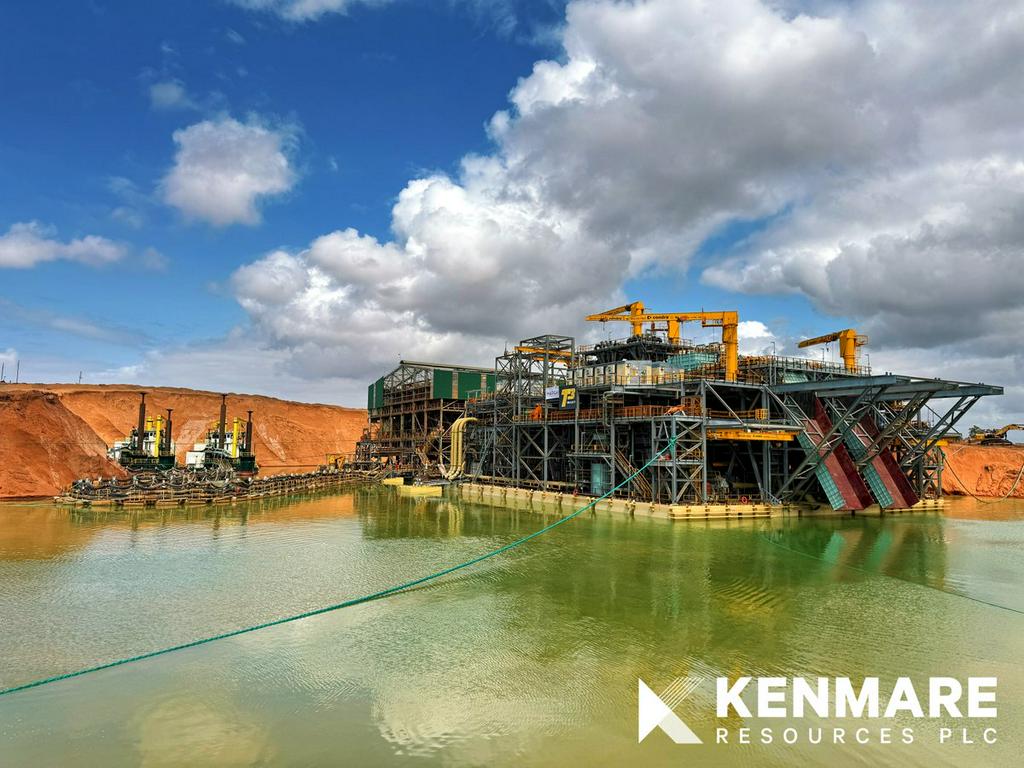
Produção de ilmenita da Moma se recupera no 3º tri, mas Kenmare reduz projeção anual
[SMM Titânio Flash] A Kenmare Resources informou em 15 de outubro que sua mina de Moma, em Moçambique, produziu 233.600 toneladas de ilmenita no terceiro trimestre, um aumento de 12% em relação ao ano anterior e de 59% em relação ao segundo trimestre. As expedições de produtos acabados totalizaram 242.900 toneladas. Apesar da recuperação, a Kenmare reduziu sua previsão de produção de ilmenita para 2026 para 710.000–750.000 toneladas, ante cerca de 800.000 toneladas, citando dificuldades contínuas de comissionamento na Planta de Concentração Úmida A.
A Kenmare também espera expedições anuais de cerca de 1,05 milhão de toneladas, abaixo de sua orientação anterior de mais de 1,1 milhão de toneladas. Os estoques de produtos acabados subiram para 284.200 toneladas no final de setembro, uma vez que a produção superou as expedições. A empresa afirmou que os preços das matérias-primas de titânio permaneceram pressionados pelo excesso de oferta, especialmente na China, e espera que seu preço médio recebido pela ilmenita caia no quarto trimestre. Esses números de expedições e preços são previsões, não resultados concluídos.
16 Oct 2026 14:49 (GMT+8)
Revisão Semanal do Ácido Sulfúrico SMM: As regiões com preços mensais registraram queda no início do mês; após o feriado, os preços do ácido sulfúrico foram elevados em diversas áreas, e as expectativas são de relativa estabilidade neste mês
Revisão Semanal do Ácido Sulfúrico SMM: As regiões com preços mensais registraram queda no início do mês; após o feriado, os preços do ácido sulfúrico foram elevados em diversas áreas, e as expectativas são de relativa estabilidade neste mês
16 Oct 2026 14:05 (GMT+8)
Ondo assina acordo para a proposta de planta de processamento nigeriana
[SMM Flash de Titânio] O Estado de Ondo e a PyVee Limited assinaram um memorando de entendimento em 10 de outubro para uma proposta de planta de processamento de titânio em duas etapas na Nigéria, segundo o ministério federal da informação. O estado afirma ter alocado cerca de 100 hectares em Alape para o projeto. Os parceiros estimam as necessidades totais de capital em US$ 362 milhões e preveem uma planta piloto seguida de um complexo maior para produzir pigmento de dióxido de titânio e esponja de titânio a partir de ilmenita. O anúncio não estabelece que a construção ou a produção tenham começado.
Uma planta em operação poderia criar uma rota doméstica de processamento para a ilmenita nigeriana, mas o acordo é um marco inicial do projeto. O ministério afirma que o estado ajudará o empreendimento a obter matérias-primas, licenças e infraestrutura; não informa fechamento financeiro confirmado, capacidade operacional ou data de comissionamento. A potencial produção de liga de nióbio-titânio é descrita apenas como uma opção futura.
15 Oct 2026 14:49 (GMT+8)
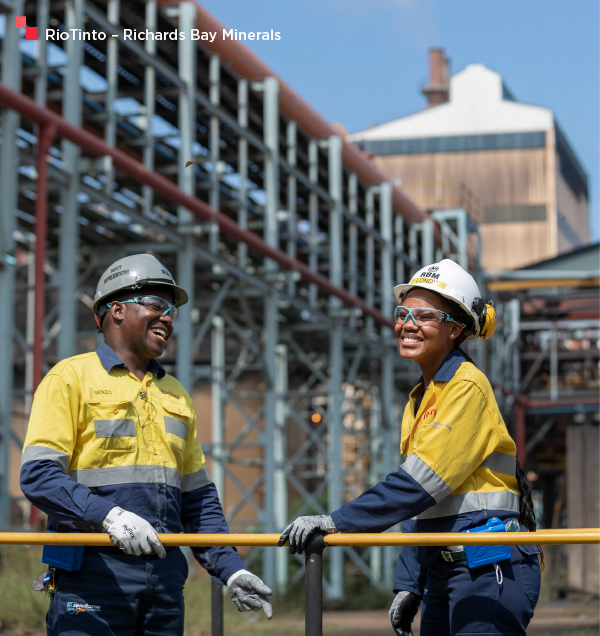
A produção de escória da Rio Tinto no 3º trimestre cai 17%
[SMM Titânio Flash] A Rio Tinto informa que sua participação na produção de escória de dióxido de titânio foi de 217 mil toneladas no terceiro trimestre de 2026, queda de 17% em relação ao ano anterior e de 4% em relação ao segundo trimestre. A produção acumulada em nove meses foi de 662 mil toneladas, 12% abaixo do período correspondente de 2025. O valor consolidado combina 100% da Rio Tinto Fer et Titane, em Quebec, com a participação de 74% da Rio na Richards Bay Minerals, na África do Sul; a ilmenita de Madagascar é processada no Canadá.
A Rio afirmou que estava ajustando a produção à demanda do mercado, operando seis dos nove fornos em Quebec e três dos quatro em Richards Bay. Os volumes menores, portanto, indicam uma disciplina deliberada de oferta, bem como uma produção mais fraca do grupo, mas a divulgação não apresenta a produção isolada da RBM. A Rio está avaliando opções para seu negócio de Ferro e Titânio; nenhuma venda ou outra transação foi anunciada.
14 Oct 2026 15:20 (GMT+8)

Chefes de Energia dos EUA e do EXIM farão visita a Elk Creek
[SMM Flash Titânio & Nióbio] A NioCorp anunciou que o Secretário de Energia dos EUA, Chris Wright, o presidente do Export-Import Bank, John Jovanovic, o governador de Nebraska, Jim Pillen, e parlamentares federais devem visitar o sítio de minerais críticos de Elk Creek em 14 de outubro. O grupo deverá percorrer a construção do portal da mina e receber informes sobre os produtos planejados de nióbio, titânio, escândio e terras raras. A NioCorp disse que o EXIM ainda está revisando seu pedido de potencial financiamento de dívida do projeto.
A visita coloca uma delegação federal sênior e de financiamento em um projeto destinado a reduzir a dependência de importações dos EUA, mas não é uma aprovação de financiamento nem uma decisão final de investimento. A NioCorp iniciou um programa de portal de aproximadamente US$ 44,6 milhões em fevereiro; trata-se de pré-construção para acesso subterrâneo, enquanto a construção completa da mina e a produção comercial permanecem condicionadas a financiamento suficiente. Qualquer resultado de política ou financiamento deve ser relatado somente após a visita das autoridades e uma decisão formal.
13 Oct 2026 18:27 (GMT+8)
Mercado de titânio carece de suporte claro para recuperação no curto prazo, e o mercado deve permanecer estável daqui para frente [Relatório Spot de Titânio SMM]
[SMM Expresso Spot de Titânio: Mercado de titânio carece de suporte claro de recuperação no curto prazo, e o mercado provavelmente permanecerá estável] A recuperação do ácido sulfúrico fornece suporte de custo, mas os concentrados de titânio estão sob pressão, novos pedidos ficaram aquém das expectativas e o crescimento dos pedidos pode estar esgotado. O mercado de dióxido de titânio provavelmente permanecerá estável no curto prazo.
13 Oct 2026 18:02 (GMT+8)

Kenmare confirma abordagem não vinculativa para proprietária de mina em Moçambique
[SMM Titânio Flash] A Kenmare Resources confirmou em 6 de outubro que a International Resources Holdings apresentou uma proposta não vinculativa para uma possível oferta em dinheiro por todas as ações da Kenmare. As discussões continuam, mas nenhum preço ou oferta firme foi anunciado. De acordo com as regras de aquisição irlandesas, a IRH deve declarar uma intenção firme de fazer uma oferta ou desistir até 17 de novembro, a menos que o prazo seja prorrogado.
A Kenmare opera a mina de Moma em Moçambique, que produz minerais de titânio, incluindo ilmenita e rutilo. Uma mudança de propriedade pode afetar o financiamento e o desenvolvimento futuros, mas nenhuma aquisição foi acordada. O comunicado da Kenmare informou que não houve alteração nos planos de produção de Moma.
13 Oct 2026 00:14 (GMT+8)
![Estoque pré-feriado impulsiona recuperação da demanda; novos pedidos pós-feriado têm crescimento limitado [Relatório Spot de Titânio SMM]](https://imgqn.smm.cn/usercenter/UhBXJ20251217171724.jpeg)
Estoque pré-feriado impulsiona recuperação da demanda; novos pedidos pós-feriado têm crescimento limitado [Relatório Spot de Titânio SMM]
09 Oct 2026 17:37 (GMT+8)

Reino Unido propõe tarifas de cinco anos sobre TiO₂ rutilo chinês
08 Oct 2026 21:03 (GMT+8)

Mercado de titânio em impasse após o feriado, riscos de queda persistem
08 Oct 2026 15:23 (GMT+8)
[Análise Macro de Titânio da SMM] Mercado de titânio em impasse após os dois festivais, exportações de curto prazo tornam-se ponto-chave de observação
[SMM Macro Análise de Titânio: Mercado de Titânio em Impasse Após o Feriado Duplo, Exportações de Curto Prazo Tornam-se Ponto-Chave de Observação] Durante o feriado do Dia Nacional, a cadeia da indústria de titânio esteve sob pressão de forma geral. No primeiro dia de negociação após o feriado, os preços permaneceram temporariamente estáveis, sem flutuações significativas. A oferta de concentrado de titânio a montante foi ampla, a esponja de titânio continuou a acumular estoques, e as cotações para todas as categorias de dióxido de titânio ficaram estáveis. No entanto, a demanda doméstica de uso final esteve fraca, o pico de setembro ficou aquém das expectativas, e o mercado permaneceu cauteloso em relação ao pico de outubro. Alguns produtores chegaram a aceitar pedidos a preços baixos, minando a confiança do mercado. Ainda assim, a suspensão das medidas antidumping sobre o dióxido de titânio pela Europa e Ásia, as políticas de subsídio de juros hipotecários e os pedidos de exportação trouxeram alguns fatores positivos. Contudo, a recuperação da demanda doméstica permaneceu lenta, e as medidas antidumping em várias regiões no exterior continuaram a restringir as exportações. No curto prazo, o mercado de titânio provavelmente manterá uma tendência de flutuação e estagnação, com os pedidos a jusante e o ritmo de redução de estoques em meados e final de outubro provavelmente determinando a direção subsequente.
08 Oct 2026 15:12 (GMT+8)
[Análise SMM] Dados de importação e exportação de enxofre e ácido sulfúrico do Canadá em agosto
08 Oct 2026 14:25 (GMT+8)
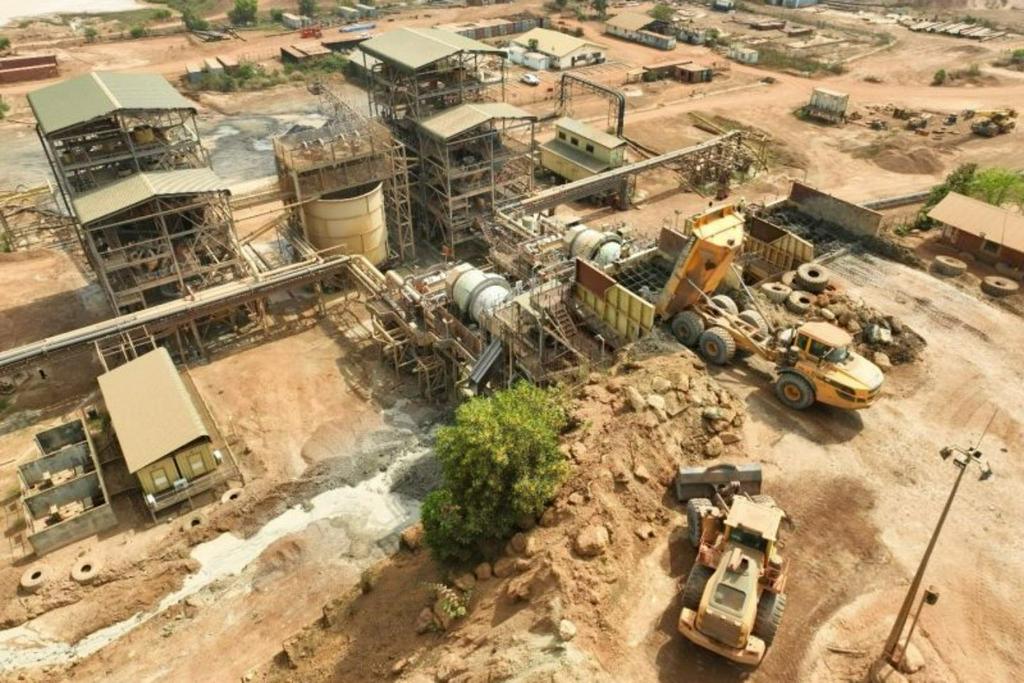
Kinetic inicia produção de rutilo em Rotifunk, Serra Leoa
[SMM Titânio Flash] A Kinetic Development iniciou uma linha de produção em seu projeto de rutilo Rotifunk em Serra Leoa, que concluiu a construção e o comissionamento e começou a produção em 1º de outubro. A empresa disse que a fase um compreenderá três linhas: a linha dois está programada para concluir a construção em meados de outubro e a linha três no início de novembro. Juntas, as linhas planejadas são projetadas para processar cerca de 6 milhões de toneladas de minério bruto por ano e produzir aproximadamente 220.000 toneladas de areias minerais pesadas anualmente; a Kinetic prevê cerca de 26.000 toneladas em 2026.
O material é relatado como contendo 30%–45% de rutilo com teor de 95% de dióxido de titânio, juntamente com concentrado de titânio e areia de zircão. As vendas iniciais terão como alvo processadores chineses de titânio e zircônio, com a Kinetic tendo direito a 80% dos produtos e a detentora da licença Minenet a 20%. Apenas a primeira linha está operando: a capacidade restante e a produção de 2026 são metas da empresa, não produção alcançada. O início adiciona uma nova fonte de matéria-prima de titânio em Serra Leoa, enquanto a execução agora depende das próximas duas linhas atingirem operação estável.
07 Oct 2026 16:34 (GMT+8)
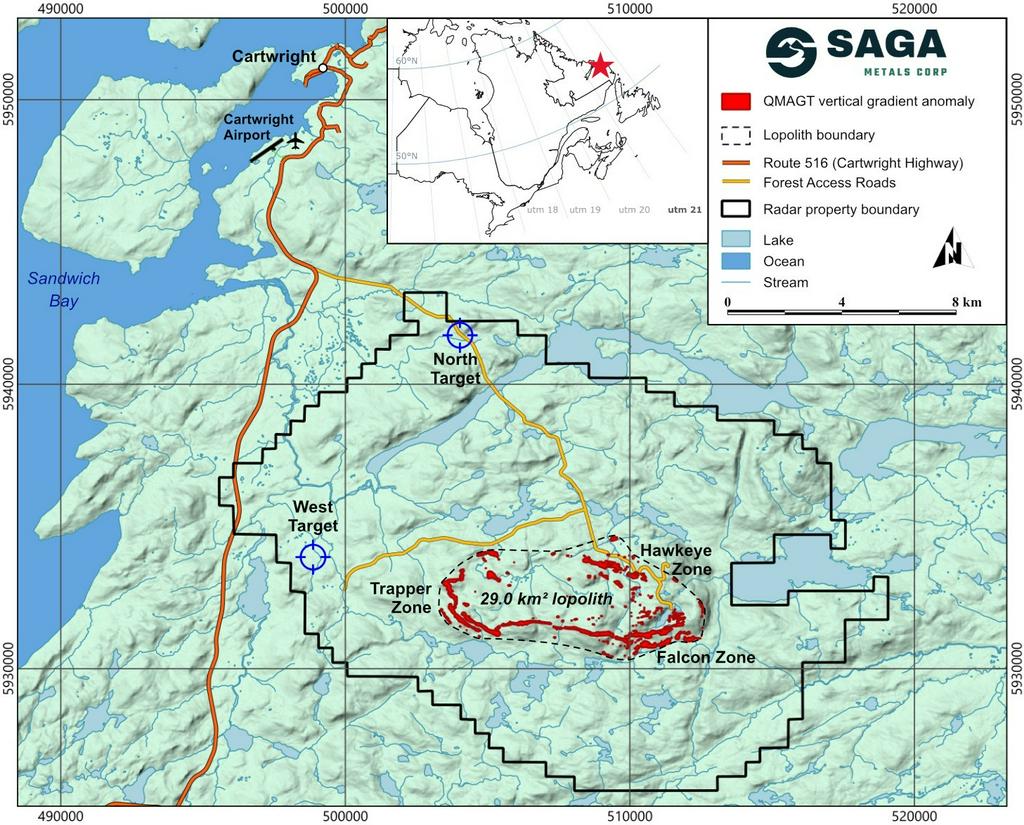
SAGA inicia novos testes de processamento de minério de Labrador
[SMM Flash de Titânio] A SAGA Metals e a Temas Resources iniciaram um programa de otimização em escala de bancada com duração aproximada de oito semanas, utilizando material do projeto Radar de titânio–vanádio–ferro da SAGA, em Labrador, Canadá. O programa dá sequência a testes laboratoriais anteriores que recuperaram até 90,8% do titânio de um concentrado de ilmenita nas condições testadas. O novo trabalho comparará amostras de alimentação e refinará as condições de lixiviação e extração por solvente.
As empresas pretendem produzir amostras iniciais de dióxido de titânio, vanádio e ferro de alta pureza e reunir dados para uma possível decisão de miniplanta-piloto. Esses produtos ainda não foram reportados, e a recuperação laboratorial anterior não estabelece rendimentos ou custos comerciais. Os resultados do processamento ajudarão a determinar se o Radar possui uma rota viável para produtos de titânio a jusante.
05 Oct 2026 15:44 (GMT+8)
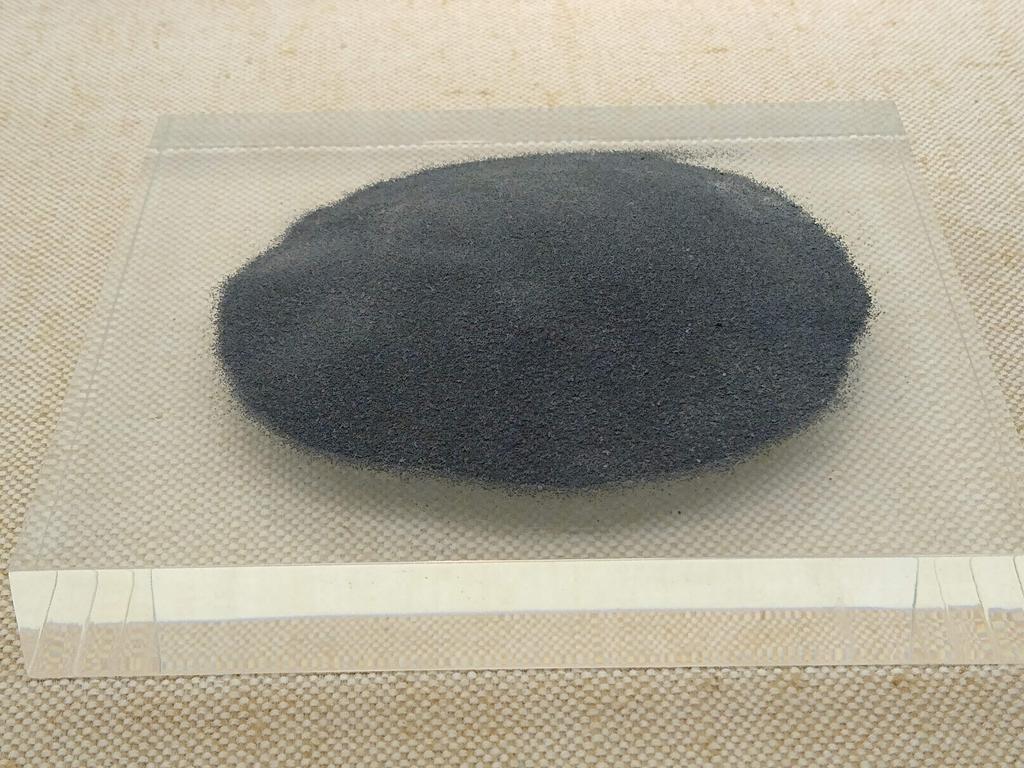
Os pontos de amostragem da Tusker no Malawi apontam para a dominância da ilmenita
[SMM Titânio Flash] A Tusker Minerals informou em 30 de setembro que a amostragem de acompanhamento em seu projeto Mzimba, no norte do Malawi, alterou sua interpretação geológica. O titânio magnético excedeu o equivalente de rutilo calculado em 112 das 149 amostras regionais de solo, apontando para um sistema dominado por ilmenita com rutilo localizado. Trinta e três amostras de canal de poço raso não mostraram rutilo de alto teor persistindo em profundidade. A Tusker afirmou que os resultados não sustentam um programa imediato de perfuração focado em rutilo nas anomalias da Fase 1.
O resultado enfraquece o caso específico de exploração de rutilo premium sugerido por amostras selecionadas anteriormente. Ele não estabelece um recurso mineral nem demonstra que a ilmenita poderia ser extraída de forma lucrativa. A Tusker reavaliará seu modelo geológico antes de decidir sobre trabalhos adicionais em Mzimba; seu foco de capital e técnico de curto prazo permanece em Camarões. A mistura mineral e a continuidade do teor ainda precisam ser estabelecidas antes que o potencial de matéria-prima do projeto possa ser avaliado.
02 Oct 2026 16:23 (GMT+8)
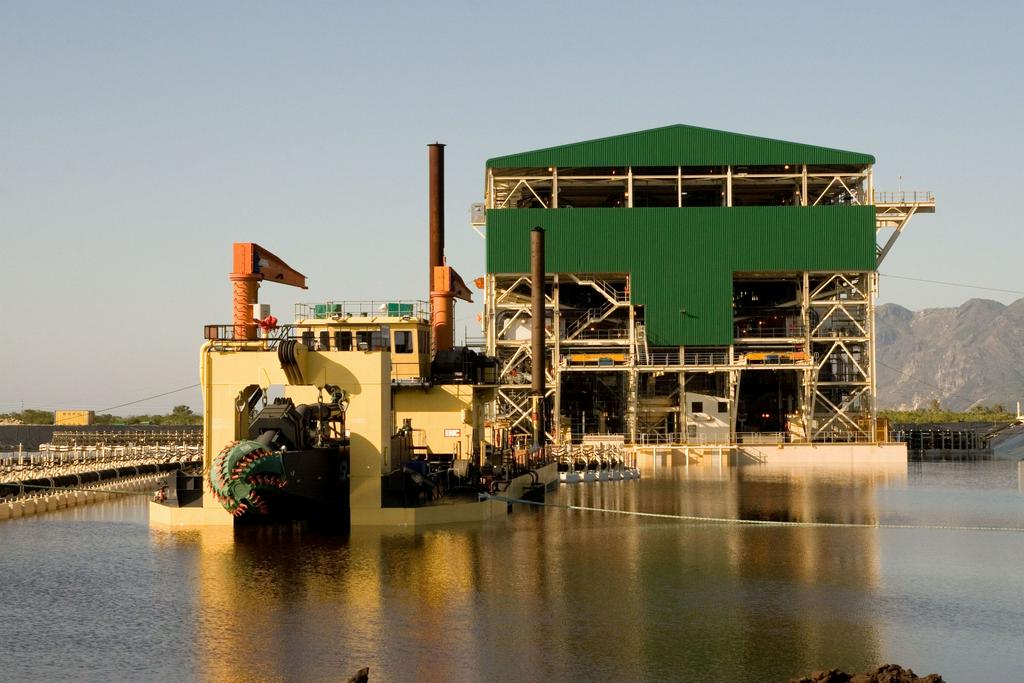
Mais de 6.500 residentes de Madagascar apresentam queixa de poluição contra a QMM
[SMM Titânio Flash] Mais de 6.500 pessoas em Madagascar entraram com uma ação no Tribunal Superior de Londres contra a Rio Tinto por suposta contaminação ligada à sua operação de ilmenita da QIT Madagascar Minerals (QMM), informou a Reuters em 30 de setembro. Os requerentes, representados pela Leigh Day, alegam que águas residuais expuseram as comunidades a chumbo e urânio e buscam indenização e ordens de remediação. A Rio Tinto disse ter sido notificada, mas não recebeu os documentos da ação. Afirmou que seu monitoramento da água encontrou amostras de urânio abaixo dos limites de detecção e a maioria das amostras de chumbo abaixo dos limites de detecção.
A QMM produz ilmenita para a cadeia de fornecimento de dióxido de titânio. O caso coloca a gestão da água e as relações comunitárias em uma grande operação de areias minerais africana sob escrutínio renovado. As alegações permanecem não comprovadas, e o próprio registro da ação não estabelece qualquer mudança na produção da QMM.
01 Oct 2026 16:36 (GMT+8)
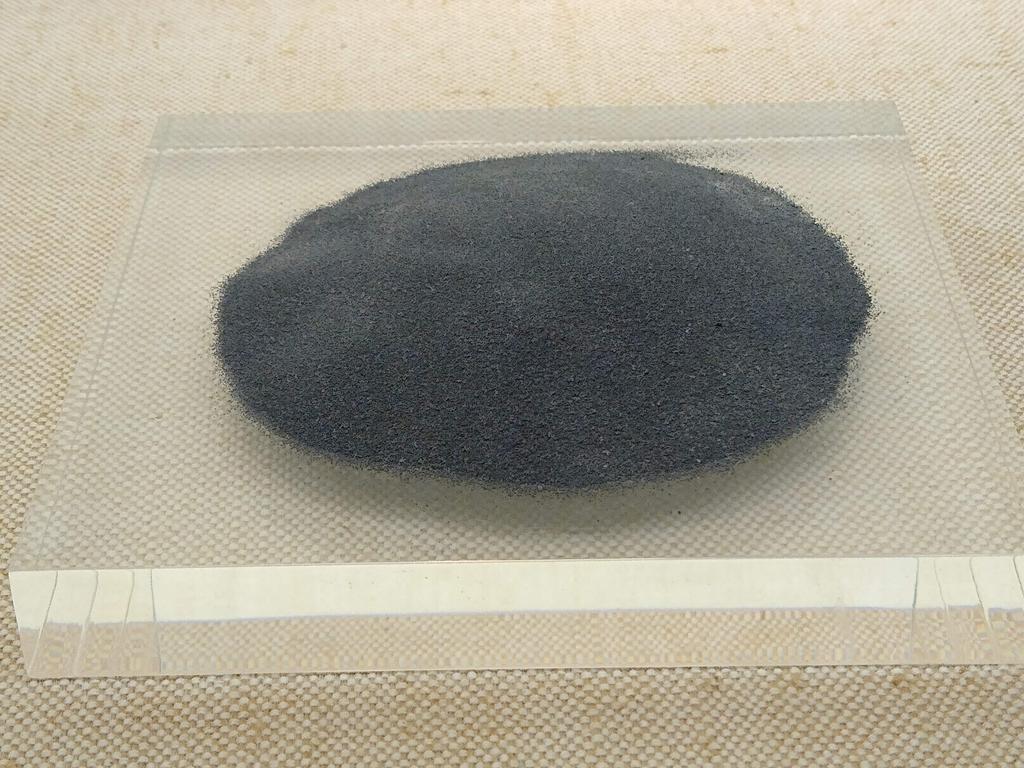
Amigo assina acordo de US$ 33 milhões para o projeto de areias minerais de Kamiesberg, na África do Sul
[SMM Titânio Flash] A Amigo Resources declarou em 28 de setembro que sua subsidiária assinou um contrato de compra de ações para adquirir o projeto de areias minerais Kamiesberg, no Cabo Setentrional da África do Sul, por meio de duas holdings. O preço proposto é de US$ 33 milhões, sujeito a ajustes de capital de giro e dívida. Kamiesberg possui um recurso mineral JORC reportado de 2,71 bilhões de toneladas e contém ilmenita, matéria-prima de dióxido de titânio, além de rutilo, zircão e monazita. A empresa estima uma produção eventual de cerca de 505 mil toneladas por ano de ilmenita sulfatada sob seu plano de mina atual.
Trata-se de um acordo assinado, não de uma aquisição concluída ou mina em produção. O fechamento depende de aprovações de acionistas e regulatórias, incluindo o consentimento ministerial sul-africano para mudança de controle, e a Amigo ainda pretende captar recursos para o desenvolvimento. Seu primeiro módulo de processamento proposto custaria cerca de US$ 15 milhões e seria comissionado em até seis meses após a conclusão; tanto o prazo quanto a produção são metas da empresa. O negócio pode adicionar um grande projeto sul-africano de matéria-prima de titânio ao portfólio africano da Amigo, se as condições e o financiamento forem atendidos.
30 Sep 2026 17:15 (GMT+8)
![[Análise SMM] O cenário do lítio no Zimbábue: exportações em rápido crescimento e política de processamento downstream local em aceleração](https://imgqn.smm.cn/usercenter/wzbHd20251217171731.jpg)
[Análise SMM] O cenário do lítio no Zimbábue: exportações em rápido crescimento e política de processamento downstream local em aceleração
Os produtos de lítio do Zimbábue tornaram-se uma das principais fontes de receita de exportação do país, com a Minerals Marketing Corporation of Zimbabwe (MMCZ) relatando um crescimento significativo nas vendas. Ao mesmo tempo, com a aproximação da proibição de exportação de concentrado de lítio em janeiro de 2027, surge uma lacuna entre os cronogramas de construção dos projetos locais de processamento downstream e as exigências da política governamental, levantando preocupações sobre a continuidade e a estrutura do fornecimento de matéria-prima de lítio. Concentrados ainda dominantes, com vendas em alta de 368% De acordo com dados divulgados pela MMCZ em 8 de outubro, as vendas totais de exportação de produtos minerais no Zimbábue atingiram US$ 4,735 bilhões entre janeiro e setembro de 2026, um aumento de 101,8% em relação ao ano anterior. As vendas de produtos de lítio representaram aproximadamente US$ 2,159 bilhões, ou 45,6% das vendas de exportação mineral dentro do escopo do relatório, superando os metais do grupo da platina para se tornar uma das maiores fontes de receita de exportação mineral do país. Por produto, as vendas de concentrado de espodumênio atingiram cerca de US$ 1,812 bilhão, um aumento de 368,2% em relação ao ano anterior, representando cerca de 83,9% das vendas totais de produtos de lítio. No mesmo período, as vendas de petalita ficaram em aproximadamente US$ 155 milhões, um aumento de 583,3%, enquanto as vendas de sulfato de lítio atingiram cerca de US$ 191 milhões com um volume de vendas de 33.807 toneladas — uma categoria que não registrou vendas no período correspondente de 2025. Em termos de preços, o Zimbábue obteve um preço médio de venda de aproximadamente US$ 1.483 por tonelada de concentrado de espodumênio nos três primeiros trimestres, acima dos US$ 387 por tonelada do ano anterior, um aumento de cerca de 283%. Isso indica que o crescimento acentuado na receita de exportação de lítio foi impulsionado não apenas por mudanças no volume de exportação, mas também por um forte aumento nos preços do concentrado. Em termos de composição das exportações, embora as exportações comerciais de sulfato de lítio tenham progredido, o concentrado de espodumênio continua sendo a principal fonte de receita. Em valor, o concentrado de espodumênio e a petalita juntos representaram cerca de 91,1% das vendas de produtos de lítio, refletindo que a indústria de lítio do Zimbábue ainda está em uma fase de transição, passando das exportações de concentrado para o processamento downstream doméstico. Projeto de sulfato de lítio de Bikita atrasado; empresas buscam extensão do período de transição da política Com a receita de exportação de lítio crescendo rapidamente, a política de processamento local do Zimbábue entrou em uma fase crítica de implementação. De acordo com relatos da mídia local em 9 de outubro, a Bikita Minerals, subsidiária do Sinomine Resource Group, iniciou conversas com o governo sobre as restrições à exportação de concentrado de lítio previstas para o início de 2027, buscando tempo adicional para a transição. A Bikita está construindo uma planta de sulfato de lítio com capacidade anual de 100.000 toneladas, envolvendo um investimento de aproximadamente US$ 400 milhões. O projeto estava originalmente programado para ser concluído em março de 2027, mas atrasos no transporte de equipamentos e fatores da cadeia de suprimentos adiaram o início esperado das operações para julho de 2027 — depois da data planejada para a implementação das restrições à exportação de concentrado. A empresa também pediu ao governo que reconsiderasse a estrutura de impostos e royalties relacionados à exportação, a fim de aliviar a pressão operacional criada pelos gastos de capital e pela volatilidade dos preços do lítio. Além disso, a Bikita afirmou que, uma vez introduzido o sistema de cotas de exportação, certos produtos minerais estão se acumulando no local da mina, criando pressão sobre a capacidade de armazenamento existente. Isso significa que, mesmo quando as minas têm capacidade para manter a produção, os volumes reais de exportação ainda podem ser limitados pelas cotas de exportação e pelas condições de armazenamento e logística. Governo reafirma cronograma de proibição em 2027; transição da capacidade de processamento local continua desafiadora Em resposta aos pedidos de adiamento das empresas, o governo do Zimbábue manteve sua posição de avançar com o processamento doméstico. Em 9 de outubro, o Ministro da Informação do Zimbábue, Nick Mangwana, disse que as empresas de mineração de lítio relevantes já tiveram tempo suficiente para preparar instalações de processamento local, e não havia motivo para adiar a proibição de exportação de concentrado de lítio programada para janeiro de 2027. Em fevereiro de 2026, o Zimbábue suspendeu as exportações de concentrado de lítio, antes de restaurá-las parcialmente em abril por meio de um sistema de cotas por empresa. No entanto, a direção política de restringir totalmente as exportações de concentrado em 2027 não mudou formalmente. Atualmente, o projeto Arcadia da Huayou Cobalt alcançou produção comercial e exportações de sulfato de lítio, enquanto minas como Bikita, Kamativi e Sabi Star permanecem em fase de construção ou planejamento de projetos de processamento local. Dados os diferentes cronogramas de comissionamento desses projetos, ainda não se sabe se a capacidade local de processamento de sulfato de lítio poderá absorver a produção existente de concentrado no início de 2027. Crescimento das exportações em meio a restrições políticas: ajuste estrutural à frente para o fornecimento de matéria-prima de lítio da China O Zimbábue é um dos principais países de origem do concentrado de lítio importado pela China, e mudanças em sua política de exportação afetarão diretamente os arranjos de aquisição de matéria-prima no exterior dos produtores chineses de sais de lítio. Os dados dos três primeiros trimestres de 2026 mostram que as exportações de concentrado de lítio do Zimbábue ainda mantiveram uma escala comercial substancial. Embora as exportações de sulfato de lítio tenham começado a contribuir com volume incremental, a composição do produto continua dominada pelo concentrado. No curto prazo, as exportações de concentrado de lítio do Zimbábue no quarto trimestre de 2026 continuarão a ser afetadas pelo sistema de cotas existente e pelas condições logísticas reais. Para as empresas chinesas de sais de lítio, o ritmo de chegada dependerá não apenas da produção das minas, mas também das licenças de exportação, embarques portuários e ciclos de transporte. Entrando em 2027, se o Zimbábue aplicar rigorosamente a proibição de exportação de concentrado no cronograma original, enquanto alguns projetos de sulfato de lítio ainda não atingirem produção estável, as exportações de matéria-prima de lítio do país poderão enfrentar pressão temporária na continuidade do fornecimento durante a transição do concentrado para o sulfato de lítio. Para o mercado chinês, mudanças nos volumes de chegada de concentrado podem afetar a estrutura de aquisição de matéria-prima de alguns produtores de sais de lítio e causar perturbações de curto prazo nos preços do concentrado de espodumênio. O impacto real nos preços, no entanto, dependerá da força da implementação da política, do crescimento do fornecimento de outros países de origem, dos estoques de matéria-prima nos portos e fundições chineses e das mudanças na demanda downstream por sais de lítio. No geral, a indústria de lítio do Zimbábue está na interseção entre o rápido crescimento da receita de exportação e a aceleração da política de processamento downstream local. Nos próximos meses, se o governo introduzirá arranjos de exportação transitórios, o progresso real da construção de projetos como Bikita e as mudanças na composição das exportações entre concentrado e sulfato de lítio serão indicadores-chave para avaliar o fornecimento de matéria-prima de lítio da China em 2027.
12 Oct 2026 22:18 (GMT+8)
![[SMM Análise de Tungstênio] Um Mercado, Dois Preços: Como Romper o Impasse Estrutural no Mercado de Tungstênio?](https://imgqn.smm.cn/usercenter/FHiZE20251217171722.jpeg)
[SMM Análise de Tungstênio] Um Mercado, Dois Preços: Como Romper o Impasse Estrutural no Mercado de Tungstênio?
09 Oct 2026 13:21 (GMT+8)
![[Análise SMM] Expectativas de demanda fraca dominam, carbonato de lítio à vista cai abaixo da marca de 110.000 yuans](https://imgqn.smm.cn/usercenter/fblvS20251217171729.png)
[Análise SMM] Expectativas de demanda fraca dominam, carbonato de lítio à vista cai abaixo da marca de 110.000 yuans
12 Oct 2026 14:16 (GMT+8)
![[Análise SMM] Dados de importação e exportação de enxofre e ácido sulfúrico da Indonésia em agosto](https://imgqn.smm.cn/usercenter/qcyEh20251217171709.jpg)
[Análise SMM] Dados de importação e exportação de enxofre e ácido sulfúrico da Indonésia em agosto
08 Oct 2026 11:02 (GMT+8)
[SMM Analysis] Revisão do aço inoxidável fora da China no 3º trimestre: a sobretaxa na Europa caiu EUR 158/t, mas os preços CIF subiram 2,8%
08 Oct 2026 15:36 (GMT+8)

Ouro: Morgan Stanley afirma que o potencial de alta supera em muito o de baixa – US$ 4.000 como suporte
09 Oct 2026 13:46 (GMT+8)
![[Análise SMM] O crescimento da demanda de aço da Índia pode compensar a desaceleração da China?](https://imgqn.smm.cn/usercenter/niwZw20251217171715.jpg)
[Análise SMM] O crescimento da demanda de aço da Índia pode compensar a desaceleração da China?
09 Oct 2026 10:38 (GMT+8)
Últimas Notícias
Mercado de Titânio Semanal em Baixa, Divergência na Cadeia Industrial Continua [Revisão Semanal de Titânio da SMM]
16 Oct 2026 17:38 (GMT+8)
Estado de Ondo, na Nigéria, assina acordo de US$ 362 milhões para a primeira usina integrada de titânio da África Ocidental
16 Oct 2026 15:56 (GMT+8)
UE concede estatuto estratégico ao projeto Verde Magnesium, com meta de produção anual de 90 mil toneladas até 2036
16 Oct 2026 15:54 (GMT+8)
Produção de ilmenita da Moma se recupera no 3º tri, mas Kenmare reduz projeção anual
16 Oct 2026 14:49 (GMT+8)
Revisão Semanal do Ácido Sulfúrico SMM: As regiões com preços mensais registraram queda no início do mês; após o feriado, os preços do ácido sulfúrico foram elevados em diversas áreas, e as expectativas são de relativa estabilidade neste mês
16 Oct 2026 14:05 (GMT+8)
Ondo assina acordo para a proposta de planta de processamento nigeriana
15 Oct 2026 14:49 (GMT+8)
A produção de escória da Rio Tinto no 3º trimestre cai 17%
14 Oct 2026 15:20 (GMT+8)
Chefes de Energia dos EUA e do EXIM farão visita a Elk Creek
13 Oct 2026 18:27 (GMT+8)
Mercado de titânio carece de suporte claro para recuperação no curto prazo, e o mercado deve permanecer estável daqui para frente [Relatório Spot de Titânio SMM]
13 Oct 2026 18:02 (GMT+8)
Kenmare confirma abordagem não vinculativa para proprietária de mina em Moçambique
13 Oct 2026 00:14 (GMT+8)
Estoque pré-feriado impulsiona recuperação da demanda; novos pedidos pós-feriado têm crescimento limitado [Relatório Spot de Titânio SMM]
09 Oct 2026 17:37 (GMT+8)
Reino Unido propõe tarifas de cinco anos sobre TiO₂ rutilo chinês
08 Oct 2026 21:03 (GMT+8)
Mercado de titânio em impasse após o feriado, riscos de queda persistem
08 Oct 2026 15:23 (GMT+8)
[Análise Macro de Titânio da SMM] Mercado de titânio em impasse após os dois festivais, exportações de curto prazo tornam-se ponto-chave de observação
08 Oct 2026 15:12 (GMT+8)
[Análise SMM] Dados de importação e exportação de enxofre e ácido sulfúrico do Canadá em agosto
08 Oct 2026 14:25 (GMT+8)
Kinetic inicia produção de rutilo em Rotifunk, Serra Leoa
07 Oct 2026 16:34 (GMT+8)
SAGA inicia novos testes de processamento de minério de Labrador
05 Oct 2026 15:44 (GMT+8)
Os pontos de amostragem da Tusker no Malawi apontam para a dominância da ilmenita
02 Oct 2026 16:23 (GMT+8)
Mais de 6.500 residentes de Madagascar apresentam queixa de poluição contra a QMM
01 Oct 2026 16:36 (GMT+8)
Amigo assina acordo de US$ 33 milhões para o projeto de areias minerais de Kamiesberg, na África do Sul
30 Sep 2026 17:15 (GMT+8)