

Notícias
Análise exclusiva com as atualizações mais recentes do mercado e notícias em tempo real.
![[Análise SMM] A fabricação de BESS na Índia acelera, mas a dependência de células continua sendo um gargalo fundamental](https://imgqn.smm.cn/production/admin/votes/imagesozVHm20260131125121.jpeg)
[Análise SMM] A fabricação de BESS na Índia acelera, mas a dependência de células continua sendo um gargalo fundamental
No primeiro trimestre de 2026, as remessas globais de sistemas de armazenamento de energia atingiram 100,0 GWh, um aumento de 96,5% em relação aos 50,9 GWh do mesmo período de 2025, elevando as remessas trimestrais a uma escala totalmente nova.
há 21 horas
SMM lança calculadora CBAM de alumínio: o que as estimativas de custo significam para ofertas destinadas à UE【Análise SMM】
Com a entrada do Mecanismo de Ajustamento Carbónico Fronteiriço (CBAM) da UE na sua fase definitiva, o comércio de alumínio com a Europa exige que os custos de carbono sejam avaliados a par dos preços do metal, das taxas de processamento e da logística. A SMM lançou a sua Calculadora CBAM de Alumínio , que reúne códigos de produto, origem, dados de emissões e preços de certificados para apoiar cotações de exportação, compras europeias e orçamentação interna. O módulo de alumínio oferece 58 códigos NC e 68 categorias de origem/valor por defeito, abrangendo alumínio não ligado, perfis, chapas, tiras, folhas e outros produtos. Estão disponíveis parâmetros anuais para 2026–2030. Os utilizadores introduzem uma tonelagem e selecionam emissões por defeito ou introduzem emissões reais verificadas. A página apresenta então estimativas de certificados por tonelada, total de certificados, custo por tonelada e orçamento total, com as rotas de alumínio primário e secundário associadas à base de dados aplicável. A vantagem prática é que os pressupostos e os resultados aparecem em conjunto. Os exportadores podem especificar o produto, a origem, o período de importação e a base de emissões subjacente a uma cotação, enquanto os compradores podem comparar origens em condições consistentes. A página inclui interfaces em chinês e inglês, tabelas de parâmetros e uma opção de folha de custos imprimível. A forma como os custos associados são partilhados entre compradores e vendedores continua a ser uma questão contratual. A exposição a certificados deve ser distinguida do seu valor monetário. Em 29 de setembro de 2026, a calculadora incorpora preços oficiais de 75,36 euros por certificado para o T1 de 2026 e 75,28 euros para o T2. O preço do T3 ainda não foi publicado. Quando um preço não está disponível, a página mantém as estimativas de volume de certificados e deixa os custos em branco, em vez de substituir por um preço assumido. A versão atual exclui deduções por preços de carbono pagos no estrangeiro e a avaliação do limiar anual de importação. O seu cálculo de emissões reais para produtos de alumínio complexos também carece do ajustamento de atribuição gratuita atribuível aos precursores. A análise abaixo utiliza, portanto, o cálculo verificado por valor por defeito. Os resultados são estimativas comerciais, não obrigações finais legais de entrega. Para comparações de mercado, o mesmo produto de alumínio pode ter custos estimados materialmente diferentes consoante o valor por defeito específico da origem. Considere-se o código NC 76012040 — ligas de alumínio não ligado em forma de bilete — com a rota primária K, o preço do certificado do T2 de 2026 e uma quantidade de 1.000 toneladas. Os custos estimados nos casos de valor por defeito da China, Índia e Canadá são de 143,98 euros, 50,41 euros e 57,86 euros por tonelada, respetivamente. Estes valores incluem o acréscimo anual do valor por defeito e o ajustamento de atribuição gratuita baseado no benchmark. Os casos de valor por defeito da China e da Índia diferem em aproximadamente 93,57 euros por tonelada. Comparar apenas o preço do metal ou a taxa de processamento pode, portanto, ignorar uma diferença significativa no orçamento do comprador. Quando outras condições comerciais são semelhantes, os custos CBAM estimados podem afetar a atratividade de uma oferta. No entanto, isto não é uma classificação da intensidade carbónica real dos produtores. O frete, os direitos aduaneiros, a qualidade e as condições de entrega também estão fora desta comparação, pelo que os valores por si só não podem determinar o fornecedor preferido. Isto realça o valor comercial da documentação de emissões dos fornecedores. Para produtores cujas emissões reais estão abaixo do valor por defeito aplicável, apoiadas por verificação conforme, os dados reais podem alterar a avaliação de custos do comprador. Os compradores podem usar valores por defeito para um orçamento inicial quando a documentação não está disponível e depois reavaliar com base em provas do fornecedor. Os exportadores têm, por conseguinte, razões para preparar informações de emissões juntamente com as suas ofertas de produto, em vez de negociar apenas em torno das diferenças de valores por defeito por país. As alterações anuais dos parâmetros também merecem atenção. Mantendo constantes o valor por defeito de base do produto chinês, a rota e o benchmark, e assumindo que o ano de importação e o ano de reporte aplicável coincidem, a exposição estimada a certificados aumenta de 1,912575 por tonelada em 2026 para 2,248150 em 2027 — um aumento de aproximadamente 17,5%. Isto reflete um acréscimo maior do valor por defeito e uma dedução menor da atribuição gratuita; não implica um aumento dos preços futuros dos certificados. Para acordos de fornecimento que abrangem anos diferentes, as empresas podem primeiro comparar a exposição a certificados e depois discutir mecanismos de atualização de preços e partilha de custos. Mesmo enquanto os preços futuros dos certificados permanecem desconhecidos, identificar essa exposição e obter documentação do fornecedor pode melhorar a comparabilidade das ofertas e dos orçamentos de compras.
29 Sep 2026 17:32 (GMT+8)
[SMM Analysis] Cobre Primário de Baixo Carbono Começa a Ser Negociado Separadamente — O Valor Verde do Cobre Reciclado Será Reavaliado?
[SMM Análise: Cobre Primário de Baixo Carbono Começa a Ser Negociado Separadamente — O Valor Verde do Cobre Reciclado Será Reavaliado?] O projeto piloto EAC da BHP e da Amazon separa as reduções de emissões verificadas do comércio físico de cobre, dando ao cobre primário de baixas emissões uma nova fonte de valor ambiental. O cobre reciclado mantém uma grande vantagem energética, mas a competitividade futura pode depender mais da rastreabilidade, do conteúdo reciclado e de dados de carbono verificados, potencialmente adicionando uma dimensão ambiental à precificação.
29 Sep 2026 16:03 (GMT+8)
Últimas Notícias
![Ouro, prata, platina e paládio se recuperam, setor de metais preciosos avança, mercados à vista de prata e platina mostram forte clima de feriado [SMM Flash]](https://imgqn.smm.cn/usercenter/wDeWQ20251217171734.jpeg)
Ouro, prata, platina e paládio se recuperam, setor de metais preciosos avança, mercados à vista de prata e platina mostram forte clima de feriado [SMM Flash]
há 10 horas
![[SMM Expresso de Metais Preciosos]](https://imgqn.smm.cn/usercenter/obeMy20251217171735.jpg)
[SMM Expresso de Metais Preciosos]
há 10 horas
![[SMM Expresso de Metais Preciosos]](https://imgqn.smm.cn/usercenter/ipCjz20251217171734.jpeg)
[SMM Expresso de Metais Preciosos]
há 11 horas
Platina e paládio fecharam em baixa esta semana; com a aproximação do feriado, o mercado à vista está imerso em clima festivo【Análise Semanal de Platina e Paládio da SMM】
Platina e paládio fecharam em queda esta semana, com recuos relativamente expressivos. O impasse entre EUA e Irã elevou os preços do petróleo e reacendeu as expectativas de alta de juros, enquanto os rendimentos dos títulos do Tesouro americano romperam a barreira de 5,25% e o dólar se fortaleceu, derrubando platina e paládio por dois dias consecutivos. Na quarta-feira, Williams afirmou que não havia pressa em agir, esfriando as expectativas de alta de juros e impulsionando uma recuperação a partir dos níveis de sobrevenda. Daqui em diante, as atenções se voltam para os dados do PCE desta noite, o relatório de empregos não agrícolas e o avanço das negociações entre EUA e Irã.
há 12 horas

Burkina Faso inaugura sua primeira refinaria nacional de ouro
[SMM Gold Flash] Burkina Faso inaugurou a RAFFINOR-BF em Uagadugu em 28 de setembro, informaram o governo e o ministério das minas. O ministério relatou que autoridades observaram a refinação das primeiras barras de ouro durante uma visita à planta. A capacidade teórica de refinação da primeira fase é de 164 toneladas por ano; uma fase adicional elevaria esse número para 515 toneladas por ano. O governo afirma que a instalação custou cerca de 11 bilhões de francos CFA e foi financiada principalmente pela empresa estatal de metais preciosos SONASP e parceiros privados.
A inauguração representa um passo no esforço de Burkina Faso para refinar ouro industrial e artesanal internamente e reter mais valor de processamento. A capacidade, porém, é um valor de projeto: nem a inauguração nem as primeiras barras observadas estabelecem o volume anual de processamento, a operação sustentada ou o fornecimento suficiente. A coleta de matéria-prima, a utilização da refinaria e a expansão proposta continuam sendo os números a observar.
há 12 horas
Análise do Preço do Ouro: Temores de Alta de Juros pelo Fed Pesam sobre o Ouro – Bancos Centrais Continuam Comprando
há 14 horas
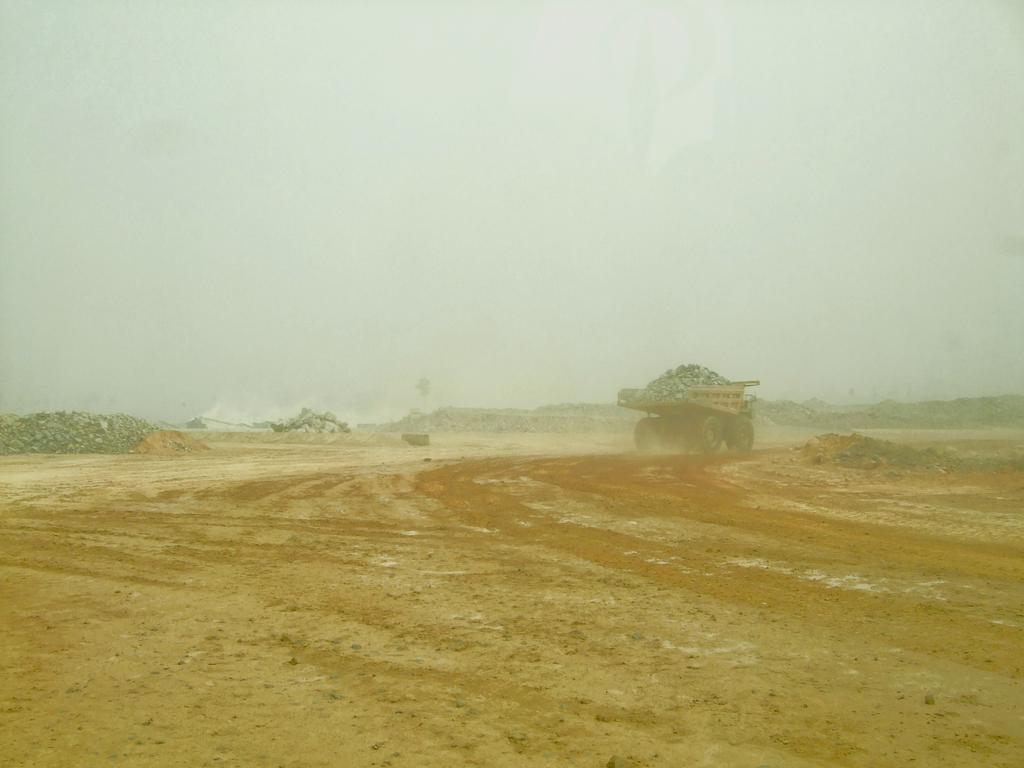
GoldStone estende isenção de juros sobre empréstimo de ouro até o fim do ano
[SMM Gold Flash] A GoldStone Resources informou em 29 de setembro que a Asian Investment Management Services concordou em estender o período sem juros de seu empréstimo de ouro existente até 31 de dezembro de 2026. O credor também renunciou irrevogavelmente ao direito a juros de 1º de janeiro a 31 de dezembro de 2026. Uma renúncia anunciada em junho expiraria em 30 de setembro. O empréstimo ainda vence em 30 de junho de 2027, e seus demais termos permanecem inalterados.
A extensão alivia a pressão de financiamento de curto prazo enquanto a GoldStone investe em sua mina Homase, em Gana. Ela não fornece novo caixa e não perdoa o principal do empréstimo. O anúncio não traz novos números de produção nem um plano de mina revisado; o desempenho operacional de Homase e o pagamento do empréstimo continuam sendo os pontos a observar.
há 15 horas
Preços da prata caem quase 5% na semana com preocupações sobre alta de juros e impasse geopolítico pressionando o mercado [Análise Semanal da Prata SMM]
[SMM Revisão Semanal da Prata: Preços da Prata Caem Quase 5% Esta Semana com Preocupações com Alta de Juros e Impasse Geopolítico Impulsionando Fraqueza] Os preços da prata caíram acentuadamente esta semana, recuando quase 5%. Dados do PMI dos EUA mais fortes que o esperado e comentários hawkish de autoridades do Fed dos EUA alimentaram preocupações com alta de juros, com um dólar mais forte e rendimentos dos títulos do Tesouro dos EUA em alta pesando sobre as avaliações. As esperanças de desescalada geopolítica não se concretizaram, e o aumento dos preços do petróleo intensificou as preocupações com a inflação. No entanto, uma mudança marginalmente dovish nos comentários do Fed dos EUA, um recuo nos preços do petróleo e o interesse aberto recorde em ETFs forneceram suporte de fundo. O mercado à vista registrou negociações fracas antes do feriado, com spreads de compra e venda se ampliando. No curto prazo, os preços da prata provavelmente se consolidarão em tom fraco após a queda acentuada, com a direção da tendência aguardando validação dos dados de PCE e dos payrolls não agrícolas.
há 17 horas
Platina sobe levemente no início das negociações; atividade do mercado lenta no último dia de negociação antes do feriado [Análise Diária SMM]
há 18 horas
SMM: Produção de lingotes de prata em setembro de 2026 sobe 4,28% no mês, produção acumulada no ano aumenta 4,2% na comparação anual
[SMM Silver Express] A produção de lingotes de prata SMM 1# subiu 4,28% em relação ao mês anterior em setembro de 2026. A produção acumulada de janeiro a setembro atingiu 14.600 toneladas, um aumento de 4,2% em relação ao ano anterior.
há 18 horas
![Probabilidade de aumentos de juros recua; clima de feriado forte no mercado à vista de prata [Comentário Diário SMM]](https://imgqn.smm.cn/usercenter/SSKOK20251217171734.jpeg)
Probabilidade de aumentos de juros recua; clima de feriado forte no mercado à vista de prata [Comentário Diário SMM]
há 18 horas

Perspectivas do ouro para o 4º trimestre de 2026: resiliência diante da alta do dólar e dos rendimentos
29 Sep 2026 17:35 (GMT+8)

Relatório de Metais Preciosos: Compras de Ouro da China Disparam Enquanto a Prata Luta Contra os US$ 60
29 Sep 2026 17:30 (GMT+8)
A subida dos rendimentos das obrigações pode empurrar o preço do ouro para 4.000 dólares, mas Doshi, da State Street, continua a prever 5.000 dólares até ao segundo trimestre de 2027
29 Sep 2026 17:15 (GMT+8)
China a caminho de importar 1.700 toneladas de ouro em 2026, preço da prata enfrenta teste decisivo perto de US$ 60/onça – Heraeus
29 Sep 2026 16:38 (GMT+8)
Wall Street dividida sobre a trajetória do preço do ouro após queda abaixo de US$ 4.300, Main Street mantém maioria otimista
29 Sep 2026 16:24 (GMT+8)
A correção do ouro se aproxima de um teste de suporte crítico, enquanto as metas de alta de longo prazo permanecem intactas
29 Sep 2026 16:22 (GMT+8)
Prata sob pressão: por que as ações de mineração despencam desproporcionalmente durante correções de preços
29 Sep 2026 15:23 (GMT+8)
Ouro sob pressão: por que o mercado prioriza as preocupações com as taxas de juros em detrimento da geopolítica
29 Sep 2026 14:50 (GMT+8)
Ouro se mantém perto da mínima de sete semanas com expectativas de juros pesando sobre o metal
[SMM Flash de Ouro] O ouro se recuperou modestamente no início das negociações de 29 de setembro, mas permaneceu perto da mínima de mais de sete semanas atingida um dia antes. A Reuters informou que o ouro à vista estava a US$ 4.130,58 a onça às 04h07 GMT, alta de 0,4%, enquanto os futuros de ouro nos EUA caíam 0,2%, a US$ 4.162,20. O mesmo relatório de mercado apontou a platina à vista 1,3% menor, a US$ 1.697,71, e o paládio 0,8% menor, a US$ 1.205,27.
Os investidores aguardavam dados de confiança e emprego dos EUA, enquanto as expectativas de juros altos sustentados pesavam sobre o ouro. Custos de energia mais elevados podem manter a inflação e os rendimentos dos títulos elevados, embora a direção da política monetária permaneça incerta. Para os produtores africanos de ouro e PGMs, esses são preços de mercado cotados em um momento específico, não preços de venda realizados nem evidência de mudança na produção das minas.
29 Sep 2026 14:48 (GMT+8)
![[SMM Anúncio] Preços de metais e atualizações de notícias do mercado chinês suspensos durante o feriado do Dia Nacional (1 a 7 de outubro)](https://imgqn.smm.cn/usercenter/HeIuV20251217171708.jpg)
[SMM Anúncio] Preços de metais e atualizações de notícias do mercado chinês suspensos durante o feriado do Dia Nacional (1 a 7 de outubro)
Prezados usuários do SMM, O feriado do Dia Nacional está se aproximando. Informamos que as avaliações de preços de metais do mercado chinês e as atualizações de notícias do SMM serão temporariamente suspensas durante o feriado (1 a 7 de outubro) e retomarão a publicação normal após o recesso. No entanto, as avaliações de preços internacionais do SMM continuarão sendo atualizadas normalmente durante todo o feriado. Pedimos desculpas por qualquer inconveniente causado e desejamos a todos um ótimo feriado. Shanghai Metals Market (SMM)
28 Sep 2026 17:06 (GMT+8)

A Huawei busca parcerias de mineração verde na África e realiza negociações comerciais com a ZESCO na SMM ACM 2026
23 Sep 2026 16:41 (GMT+8)
![[SMM Analysis] O comércio de tarifas de cobre dos EUA está perdendo força — mas ainda não acabou](https://imgqn.smm.cn/production/admin/votes/imagesMbCUq20260929144044.png)
[SMM Analysis] O comércio de tarifas de cobre dos EUA está perdendo força — mas ainda não acabou
29 Sep 2026 14:37 (GMT+8)
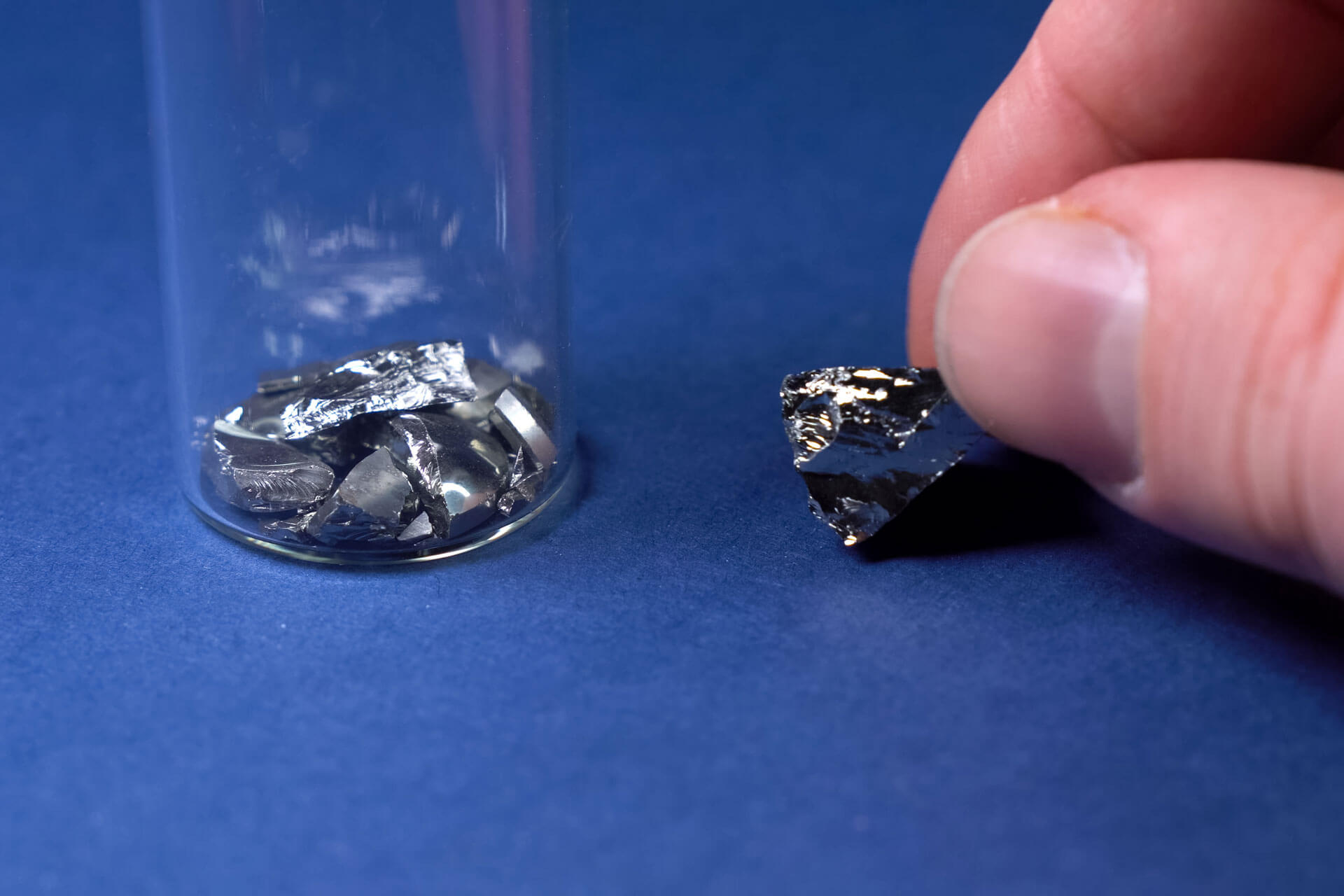
África do Sul Preparada para se Tornar um Agente-Chave na Cadeia Global de Fornecimento de Terras Raras até 2034【Análise SMM】
29 Sep 2026 18:54 (GMT+8)
[Análise SMM] A fabricação de BESS na Índia acelera, mas a dependência de células continua sendo um gargalo fundamental
há 21 horas
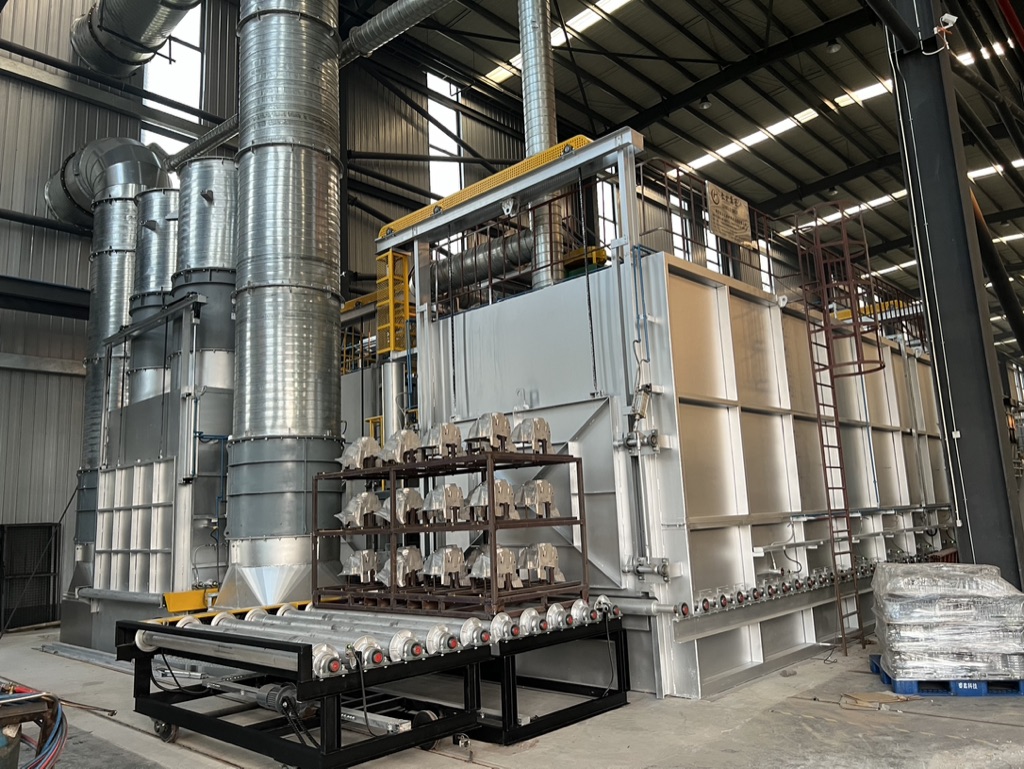
SMM lança calculadora CBAM de alumínio: o que as estimativas de custo significam para ofertas destinadas à UE【Análise SMM】
29 Sep 2026 17:32 (GMT+8)
![[SMM Analysis] Cobre Primário de Baixo Carbono Começa a Ser Negociado Separadamente — O Valor Verde do Cobre Reciclado Será Reavaliado?](https://imgqn.smm.cn/usercenter/MXbup20251217171745.jpg)
[SMM Analysis] Cobre Primário de Baixo Carbono Começa a Ser Negociado Separadamente — O Valor Verde do Cobre Reciclado Será Reavaliado?
29 Sep 2026 16:03 (GMT+8)
Últimas Notícias
Ouro, prata, platina e paládio se recuperam, setor de metais preciosos avança, mercados à vista de prata e platina mostram forte clima de feriado [SMM Flash]
há 10 horas
[SMM Expresso de Metais Preciosos]
há 10 horas
[SMM Expresso de Metais Preciosos]
há 11 horas
Platina e paládio fecharam em baixa esta semana; com a aproximação do feriado, o mercado à vista está imerso em clima festivo【Análise Semanal de Platina e Paládio da SMM】
há 12 horas
Burkina Faso inaugura sua primeira refinaria nacional de ouro
há 12 horas
Análise do Preço do Ouro: Temores de Alta de Juros pelo Fed Pesam sobre o Ouro – Bancos Centrais Continuam Comprando
há 14 horas
GoldStone estende isenção de juros sobre empréstimo de ouro até o fim do ano
há 15 horas
Preços da prata caem quase 5% na semana com preocupações sobre alta de juros e impasse geopolítico pressionando o mercado [Análise Semanal da Prata SMM]
há 17 horas
Platina sobe levemente no início das negociações; atividade do mercado lenta no último dia de negociação antes do feriado [Análise Diária SMM]
há 18 horas
SMM: Produção de lingotes de prata em setembro de 2026 sobe 4,28% no mês, produção acumulada no ano aumenta 4,2% na comparação anual
há 18 horas
Probabilidade de aumentos de juros recua; clima de feriado forte no mercado à vista de prata [Comentário Diário SMM]
há 18 horas
Perspectivas do ouro para o 4º trimestre de 2026: resiliência diante da alta do dólar e dos rendimentos
29 Sep 2026 17:35 (GMT+8)
Relatório de Metais Preciosos: Compras de Ouro da China Disparam Enquanto a Prata Luta Contra os US$ 60
29 Sep 2026 17:30 (GMT+8)
A subida dos rendimentos das obrigações pode empurrar o preço do ouro para 4.000 dólares, mas Doshi, da State Street, continua a prever 5.000 dólares até ao segundo trimestre de 2027
29 Sep 2026 17:15 (GMT+8)
China a caminho de importar 1.700 toneladas de ouro em 2026, preço da prata enfrenta teste decisivo perto de US$ 60/onça – Heraeus
29 Sep 2026 16:38 (GMT+8)
Wall Street dividida sobre a trajetória do preço do ouro após queda abaixo de US$ 4.300, Main Street mantém maioria otimista
29 Sep 2026 16:24 (GMT+8)
A correção do ouro se aproxima de um teste de suporte crítico, enquanto as metas de alta de longo prazo permanecem intactas
29 Sep 2026 16:22 (GMT+8)
Prata sob pressão: por que as ações de mineração despencam desproporcionalmente durante correções de preços
29 Sep 2026 15:23 (GMT+8)
Ouro sob pressão: por que o mercado prioriza as preocupações com as taxas de juros em detrimento da geopolítica
29 Sep 2026 14:50 (GMT+8)
Ouro se mantém perto da mínima de sete semanas com expectativas de juros pesando sobre o metal
29 Sep 2026 14:48 (GMT+8)