

Berita
Artikel analisis eksklusif dengan pembaruan pasar terkini dan umpan berita tepat waktu.
Impor Spodumene Tiongkok Naik 7% MoM pada September, dengan Australia, Nigeria, dan Zimbabwe sebagai Tiga Sumber Teratas
Berdasarkan data bea cukai Tiongkok yang telah dihimpun, Tiongkok mengimpor 970.100 ton fisik spodumene pada September 2026, naik sekitar 7,0% dari 906.600 ton pada Agustus. Berdasarkan klasifikasi serta asumsi kadar, kadar air, dan faktor konversi yang digunakan dalam analisis ini, impor September setara dengan sekitar 81.300 ton litium karbonat ekuivalen (LCE). Berdasarkan asal, impor dari Australia, Nigeria, dan Zimbabwe meningkat signifikan. Australia tetap menjadi pemasok terbesar, dengan pengiriman ke Tiongkok mencapai 446.200 ton, naik sekitar 36,7% dari bulan sebelumnya dan mencakup sekitar 46,0% dari total impor. Nigeria menjadi pemasok terbesar kedua dengan 189.800 ton, naik sekitar 40,1%, sementara impor dari Zimbabwe naik sekitar 83,0% menjadi 136.500 ton. Impor dari Afrika Selatan turun sekitar 49,6% menjadi 112.400 ton, sedangkan impor dari Brasil meningkat sekitar 30,9% menjadi 81.200 ton. Volume lebih kecil berasal dari Burundi, Rwanda, dan Mozambik, masing-masing sekitar 1.800 ton, 1.300 ton, dan 1.000 ton, dengan pengiriman terbatas dari Zambia dan Somalia. Tidak ada impor dari Mali atau Kanada yang tercatat dalam data September. Secara keseluruhan, impor spodumene Tiongkok terus tumbuh pada September, dengan komposisi bergeser ke konsentrat. Berdasarkan klasifikasi yang digunakan dalam analisis ini, impor konsentrat mencapai sekitar 688.800 ton, mencakup 71,0% dari total impor fisik, dibandingkan 60,7% pada Agustus. Impor bijih mentah tercatat sekitar 281.300 ton. Peningkatan impor konsentrat dari Australia, Zimbabwe, dan Nigeria mengimbangi penurunan impor dari Mali dan Kanada, menjadi pendorong utama pertumbuhan pasokan sumber daya litium impor Tiongkok selama bulan tersebut.
20 Oct 2026 19:03 (GMT+8)
[SMM Analysis] Penjualan HRC rekor Hoa Phat membentuk kembali swasembada Vietnam dan aliran ekspor Tiongkok
Hoa Phat menjual 5,47 juta ton baja canai panas dari Januari hingga September, naik 59% dan sekitar sepertiga dari konsumsi Vietnam, dengan 24,6% penjualan kuartal ketiga diekspor. Permintaan HRC Vietnam sekitar 17,3 juta ton tahun ini masih melampaui produksi lokal sekitar 10,8 juta ton sebesar 6,5 juta ton, dan kapasitas baru terutama hadir setelah 2027. Bea antidumping telah mendorong baja canai asal Tiongkok keluar dari Vietnam; pabrik-pabrik Tiongkok kini menghadapi baja canai Vietnam di ASEAN dan pasar ketiga lainnya.
20 Oct 2026 14:36 (GMT+8)
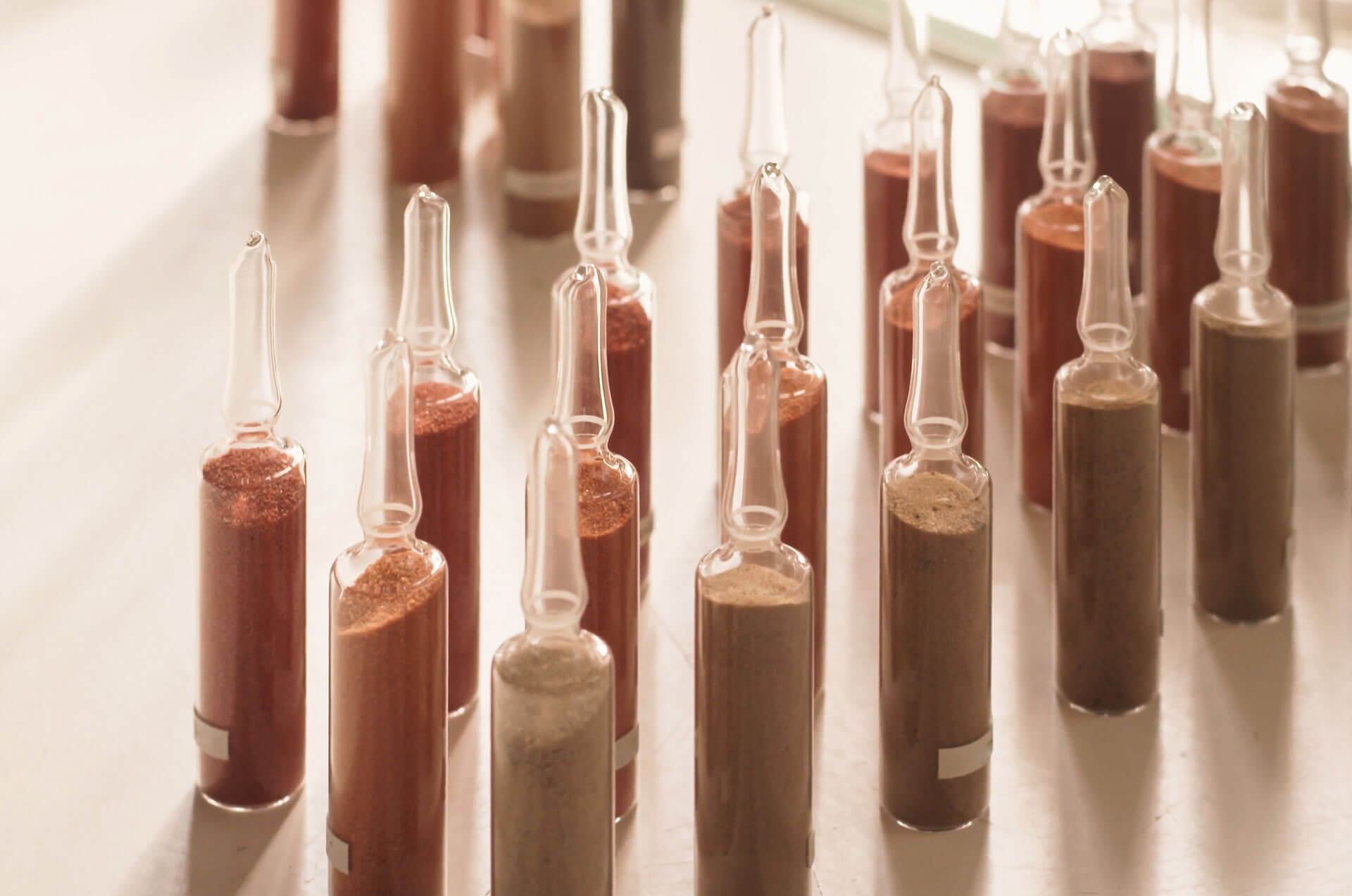
Ekspor Magnet Tanah Jarang China Cetak Rekor pada September, Didorong oleh Pelepasan Tunggakan dan Pelonggaran Regulasi【Analisis SMM】
Ekspor magnet tanah jarang Tiongkok pada September mencapai rekor 6.165 ton (+23% MoM), didorong oleh penyelesaian tunggakan pelabuhan Juli–Agustus, bukan permintaan baru. Pembicaraan AS-Tiongkok membuka kembali pengiriman, sementara pembicaraan "jalur hijau" UE menaikkan perkiraan kuartal IV menjadi sekitar 5.700 ton/bulan. Produsen besar pulih paling cepat; pabrik kecil tetap terkendala.
20 Oct 2026 16:06 (GMT+8)
Berita Terbaru
Liuzhou Iron & Steel dan Huawei menerapkan model AI baja Xuantie dengan target cakupan 80%
2 jam yang lalu
![[Fortescue pertahankan panduan setahun penuh; pengiriman kuartal September sebesar 46,8 Mt]](https://imgqn.smm.cn/usercenter/QMaot20251217171719.jpg)
[Fortescue pertahankan panduan setahun penuh; pengiriman kuartal September sebesar 46,8 Mt]
5 jam yang lalu
![[JSW Steel Cetak Produksi dan Penjualan Baja Kasar Rekor; Laba Bersih Naik 225,5%]](https://imgqn.smm.cn/usercenter/VgxkU20251217171719.jpg)
[JSW Steel Cetak Produksi dan Penjualan Baja Kasar Rekor; Laba Bersih Naik 225,5%]
5 jam yang lalu
[Produksi baja kasar global mencapai 142,4 Mt pada September, turun 0,2% y/y]
Produksi baja mentah global pada September 2026 mencapai 142,4 juta ton, turun 0,2% year-on-year dan turun 1,2% month-on-month, menurut peringkat World Steel Association (worldsteel) terhadap 70 negara dan wilayah penghasil baja. Sepanjang Januari–September, output global mencapai 1,37 miliar ton, turun 0,7% year-on-year.
Berdasarkan wilayah, output baja mentah di negara-negara CIS plus Ukraina pada September sebesar 6,1 juta ton, turun 1,9% year-on-year dan turun 3,2% month-on-month. Ukraina hanya memproduksi 131.000 ton pada September, turun 52,7% month-on-month dan turun 78,5% year-on-year. Output CIS plus Ukraina sepanjang Januari–September sebesar 58,2 juta ton, turun 5% year-on-year.
Sepuluh negara penghasil baja terbesar pada September adalah: Tiongkok 73,6 juta ton (+0,1% y/y), India 13,9 juta ton (+1,9%), AS 7,2 juta ton (+4,3%), Jepang 6,3 juta ton (-0,6%), Rusia 5,5 juta ton (+6,2%), Korea Selatan 5,2 juta ton (+3,6%), Turki 3,2 juta ton (+0,8%), Brasil 2,8 juta ton (-0,8%), Vietnam 2,6 juta ton (+29,1%), dan Jerman 2,6 juta ton (-13%).
Latar belakang: produksi baja mentah global turun 2% year-on-year menjadi 1,8 miliar ton pada 2025, sementara output CIS plus Ukraina turun 4,4% year-on-year menjadi 81,3 juta ton, seperti yang telah dilaporkan sebelumnya. [SMM Iron Ore]
5 jam yang lalu
[Produksi baja mentah global dari 70 negara turun 0,2% YoY menjadi 142,4 Mt pada September 2026]
Produksi baja mentah di 70 negara yang melapor ke Asosiasi Baja Dunia (worldsteel) mencapai 142,4 juta ton (Mt) pada September 2026, turun 0,2% dibandingkan September 2025. Berdasarkan wilayah, Afrika memproduksi 2,2 Mt, naik 10,6% YoY; Asia dan Oseania 104,0 Mt, naik 0,7%; UE (27) 10,1 Mt, turun 5,0%; Eropa Lainnya 3,6 Mt, turun 1,4%; Timur Tengah 3,6 Mt, turun 20,4%; Amerika Utara 9,3 Mt, naik 3,4%; Rusia & CIS lainnya + Ukraina 6,1 Mt, turun 1,9%; Amerika Selatan 3,5 Mt, naik 0,2%. Selama Januari–September 2026, 70 negara tersebut memproduksi 1.367,5 Mt, turun 0,7% YoY. Ke-70 negara tersebut menyumbang sekitar 98% dari total produksi baja mentah dunia pada 2025.
Di antara 10 negara produsen baja terbesar, Tiongkok memproduksi 73,6 Mt pada September, naik 0,1% YoY; India 13,9 Mt, naik 1,9%; Amerika Serikat diperkirakan memproduksi 7,2 Mt, naik 4,3%; Jepang 6,3 Mt, turun 0,6%; Rusia diperkirakan memproduksi 5,5 Mt, naik 6,2%; Korea Selatan 5,2 Mt, naik 3,6%; Türkiye 3,2 Mt, naik 0,8%; Jerman 2,6 Mt, turun 13,0%; Brasil 2,8 Mt, turun 0,8%; Vietnam 2,6 Mt, naik 29,1%. [SMM Iron Ore]
5 jam yang lalu
[SMM Analysis] Permintaan baja lembaran India mendukung penjualan rekor JSW di tengah tekanan margin akibat biaya batu bara
Rekor pengiriman mengangkat laba JSW Steel pada kuartal II FY27, tetapi biaya dan realisasi yang lebih lemah menyerap 71% dari kenaikan volume. Impor meningkat meskipun India memberlakukan bea pengamanan, dan biaya batu bara kokas diperkirakan akan naik lebih lanjut.
20 jam yang lalu
Harga Magnesium Turun Hampir 14% dalam Lebih dari Setengah Tahun, Mencapai Titik Terendah Tahunan; Pasokan Harga Rendah Sulit Menemukan Dukungan untuk Pulih [Komentar SMM]
23 jam yang lalu
Laporan Harian Bijih Besi MMi (23 Oktober)
Kontrak berjangka bijih besi menguat hari ini. Kontrak I2701 yang paling banyak diperdagangkan di DCE ditutup pada 675 yuan/mt, naik 0,90% dari sesi sebelumnya. Harga spot di pelabuhan Qingdao rata-rata naik sekitar 4 yuan/mt. Aktivitas pedagang moderat dan pabrik membeli sesuai kebutuhan. Perdagangan spot moderat.
23 Oct 2026 18:24 (GMT+8)
[SMM Bijih Besi] Stok pelabuhan turun karena kedatangan lebih rendah; negosiasi kontrak menjaga bijih besi bergerak dalam kisaran
23 Oct 2026 18:14 (GMT+8)
Kedatangan di pelabuhan menurun, inventaris pelabuhan sedikit berkurang; bijih besi bergerak mendatar di tengah gangguan negosiasi kontrak【Tinjauan Harian Bijih Besi SMM】
23 Oct 2026 18:14 (GMT+8)
![[SMM Baja] Pasokan Ketat Membuat Pembeli Wire Rod Indonesia Beralih ke Pabrik Kecil di Jawa Meski Permintaan Moderat](https://imgqn.smm.cn/usercenter/JAnHq20251217171716.jpg)
[SMM Baja] Pasokan Ketat Membuat Pembeli Wire Rod Indonesia Beralih ke Pabrik Kecil di Jawa Meski Permintaan Moderat
23 Oct 2026 17:38 (GMT+8)
![Baja jadi menguat sementara bahan baku melemah dan divergen; laba pabrik baja nirkarat terus meluas [Analisis SMM]](https://imgqn.smm.cn/usercenter/DpLok20251217171715.png)
Baja jadi menguat sementara bahan baku melemah dan divergen; laba pabrik baja nirkarat terus meluas [Analisis SMM]
23 Oct 2026 17:20 (GMT+8)
[SMM Tinjauan Harian Lembaran & Pelat] Pemulihan permintaan masih lemah; harga HRC kemungkinan akan terkonsolidasi dengan nada lesu minggu depan
23 Oct 2026 17:14 (GMT+8)
[Kementerian Baja India Akan Gelar Open House tentang Masalah Impor Baja pada 28 Okt]
Kementerian Baja India dalam pernyataan yang dirilis pada 23 Oktober menyatakan akan menggelar Open House pada 28 Oktober untuk membahas isu terkait impor baja. Pertemuan akan diadakan di Steel Room, Lantai 3, GPOA-3, Netaji Nagar, New Delhi, mulai pukul 11.00, dengan slot waktu spesifik yang akan diinformasikan melalui email. Kehadiran langsung tanpa janji tidak dimungkinkan karena kendala logistik, dan hanya satu perwakilan per organisasi yang diizinkan untuk memastikan partisipasi lebih luas.
Perusahaan atau asosiasi yang memiliki isu terkait SIMS, SARAL SIMS, dan Pengecualian QCO untuk impor baja harus mengirimkan permintaan melalui email paling lambat pukul 12.00 siang pada 26 Oktober untuk memperoleh slot waktu yang dikonfirmasi. Email harus mencantumkan jenis industri dan produk, seperti otomotif, kedirgantaraan, telekomunikasi, atau pertahanan, menjelaskan isu tidak lebih dari 50 kata, serta menyertakan nama peserta, jabatan, nomor ponsel, dan email. Kementerian menegaskan bahwa perwakilan pihak ketiga tidak diizinkan.
SIMS, SARAL SIMS, dan Pengecualian QCO adalah kerangka regulasi yang diperkenalkan dan diperbarui oleh Kementerian Baja untuk memantau dan menyederhanakan impor besi dan baja serta mengurangi beban kepatuhan bagi usaha kecil dan berorientasi ekspor. SARAL SIMS menyederhanakan pendaftaran wajib di bawah SIMS untuk kiriman kecil besi dan baja yang diimpor oleh UMKM dan importir kecil lainnya, serta impor melalui jalur Advance Authorization, SEZ, dan EOU untuk keperluan ekspor. QCO mewajibkan semua produsen baja domestik dan asing untuk memperoleh lisensi Bureau of Indian Standards (BIS) yang valid dan menampilkan tanda ISI untuk membuktikan produk mereka memenuhi Standar India yang ditetapkan.
Sementara itu, industri sektor inti India tumbuh 7,9% YoY pada September, tertinggi dalam 30 bulan, dengan produksi baja naik 4,9% dan produksi semen naik 10,3%. [SMM Iron Ore]
23 Oct 2026 17:07 (GMT+8)
[Fortescue memperingatkan mungkin akan memangkas produksi bijih besi Pilbara jika pembicaraan dengan lembaga pembelian China tetap tidak terselesaikan]
Fortescue (ASX:FMG) memperingatkan bahwa mereka mungkin terpaksa mengurangi operasi di Pilbara dan tidak mencapai target penjualan jika negosiasi kontrak dengan China Mineral Resources Group (CMRG) tidak selesai pada akhir 2026. Peringatan ini muncul setelah perintah dari lembaga pengadaan pusat Tiongkok kepada pabrik baja domestik untuk menghentikan pembelian produk bijih besi kadar rendah Fortescue selama sengketa harga berlangsung.
"Kami akan memanfaatkan setiap peluang untuk menimbun dan menggunakan modal kerja, tetapi akan tiba saatnya tidak ada lagi ruang untuk menyimpan bijih kami," kata Dino Otranto, CEO Fortescue Metals and Operations. Perusahaan tambang ini berencana menimbun 4–5 juta ton bijih bulan ini sambil mempertahankan target tahun fiskal 2027 sebesar 197–207 juta ton dengan biaya tunai US$20,50–21,00 per ton.
Harga saham turun 2% menjadi $14,57 setelah pengumuman tersebut. Pengiriman bijih besi pada kuartal September mencapai 46,8 juta ton, turun 6% dibandingkan tahun lalu. Biaya produksi per unit naik menjadi US$21,98 per ton pada kuartal tersebut, didorong oleh kenaikan harga solar akibat konflik di Timur Tengah. [SMM Iron Ore]
23 Oct 2026 17:07 (GMT+8)
[Menteri Perindustrian Kanada memberi Cleveland-Cliffs waktu 15 hari untuk membatalkan PHK Stelco atau menghadapi pengadilan]
Menteri Perindustrian Kanada Mélanie Joly memberi waktu 15 hari kepada Cleveland-Cliffs yang berbasis di Ohio untuk membatalkan PHK di operasi Stelco yang berbasis di Hamilton sebelum membawa masalah ini ke pengadilan. Dalam surat tuntutan yang dikirim kepada perusahaan pada hari Kamis, yang diperoleh Radio-Canada, Joly mengatakan perusahaan melanggar komitmennya berdasarkan Undang-Undang Investasi Kanada. Jika Cleveland-Cliffs gagal mematuhinya, menteri dapat, sesuai dengan Pasal 40 undang-undang tersebut, mengajukan permohonan ke pengadilan tinggi, meminta sanksi moneter terhadap perusahaan dan berpotensi perintah untuk melepas Stelco.
Cleveland-Cliffs mengatakan akhir bulan lalu bahwa mereka berencana mem-PHK hingga 500 pekerja karena menghentikan sebagian produksi baja di Stelco. Pemerintah federal mengatakan pembelian Stelco oleh perusahaan pada tahun 2024 mencakup komitmen untuk mempekerjakan setidaknya jumlah karyawan berserikat yang sama dan sebagian besar karyawan non-serikat seperti pada tahun 2024 hingga 2029. Perusahaan mengatakan PHK diperlukan untuk "memastikan kelangsungan hidup" perusahaan karena tarif baja AS menekan penjualannya; Joly menolak alasan tersebut, dengan mengatakan "tidak ada force majeure atau perubahan kondisi pasar yang dapat membebaskan Cleveland-Cliffs dari komitmen yang dibuatnya kepada Kanada. Komitmen tersebut tidak opsional."
Joly sebelumnya telah mengeluarkan ultimatum agar perusahaan menyampaikan rencana untuk menghindari PHK. Paul Simon, presiden dan penasihat umum di Stelco Inc., menulis kepada Joly awal bulan ini bahwa pernyataan bahwa PHK yang direncanakan Stelco menyebabkan pelanggaran terhadap janjinya adalah "palsu." Anggota Parlemen Konservatif Ned Kuruc meminta pemerintah untuk segera membawa perusahaan ke pengadilan. CEO Cleveland-Cliffs Lourenco Goncalves mengatakan pada hari Senin bahwa kuartal ketiga adalah kuartal terkuat Stelco sejak akuisisi, menambahkan bahwa "pasar baja canai panas Kanada telah membaik secara substansial." Pada tahun 2009, Industry Canada menggugat pemilik Stelco sebelumnya, U.S. Steel, terkait perlindungan pekerjaan; masalah tersebut diselesaikan di luar pengadilan pada tahun 2011. [SMM Iron Ore]
23 Oct 2026 17:07 (GMT+8)
[SMM Tinjauan Mingguan Bijih Besi] Produksi Logam Cair Naik dan Stok Pelabuhan Menurun, tetapi Reli Bijih Besi Tidak Bertahan
Permintaan mencatat titik balik pertama dalam enam periode dan penurunan kedatangan selama empat periode berturut-turut mendorong penarikan stok pelabuhan pertama dalam siklus ini. Namun, pabrik masih merugi, laporan kuartalan penambang menunjukkan pasokan belum benar-benar menyusut, dan kenaikan minggu ini sepenuhnya terkoreksi.
23 Oct 2026 16:51 (GMT+8)
[SMM Baja]
[Lembaran & Pelat] Hari ini, harga ekspor untuk beberapa HRC serta lembaran dan pelat lainnya turun $1-2/mt secara mingguan, dengan harga transaksi HRC terkonsentrasi pada kisaran $486-490/mt. Beberapa pabrik baja di Tiongkok timur laut masih dalam pemeliharaan, dengan progres penawaran melambat dan jadwal pengiriman sudah diperpanjang hingga Desember; beberapa pabrik baja di Tiongkok selatan terus mempertahankan tingkat penawaran yang relatif tinggi karena biaya di dalam pabrik yang meningkat.
23 Oct 2026 16:49 (GMT+8)
[SMM Baja] Harga Baja India Turun Tipis karena Pembeli Tetap Berhati-hati
[India Domestik] Pasar baja domestik India menunjukkan tren lemah dengan harga sedikit menurun hingga stabil. Pembelian yang hati-hati dan permintaan yang lesu terus membebani sentimen pasar. Billet Raipur turun 3 USD/ton (300 INR/ton) menjadi 463 USD/ton (44.000 INR/ton) EXW Raipur. Ingot Ludhiana turun 3 USD/ton (300 INR/ton) menjadi 502 USD/ton (47.700 INR/ton) EXW Ludhiana. Rebar Raipur turun 4 USD/ton (400 INR/ton) menjadi 542 USD/ton (51.100 INR/ton) EXW Raipur. HMS 1&2 (80:20) turun 1 USD/ton (100 INR/ton) menjadi 399 USD/ton (37.900 INR/ton) delivered Mandi. Sponge iron Bellary PDRI tidak berubah 308 USD/ton (29.300 INR/ton) EXW Bellary. Aktivitas perdagangan dapat membaik dan harga meningkat setelah awal November pasca Diwali menurut pelaku pasar.
23 Oct 2026 16:48 (GMT+8)
[ Tinjauan Mingguan Skrap Baja Tahan Karat SMM ] Harga berjangka dan spot bergerak seiring, produk baja tahan karat pulih, dan harga skrap baja tahan karat sedikit menguat
[SMM Ulasan Mingguan Skrap Stainless Steel] Keterkaitan Futures-Spot Mendorong Pemulihan Produk Stainless Steel, Harga Skrap Stainless Steel Menguat
Pekan ini, harga skrap potongan stainless steel 304 di Tiongkok timur menguat, dengan kisaran kuotasi 9.400-9.500 yuan/mt; di Foshan, harga skrap potongan stainless steel 304 pada dasarnya stabil, dengan kisaran harga 9.650-9.950 yuan/mt. Dari perspektif biaya bahan baku, biaya produksi stainless steel saat ini dengan hanya menggunakan skrap stainless steel sekitar 13.337,34 yuan/mt, sementara biaya dengan hanya menggunakan NPI kadar tinggi mencapai 13.796,39 yuan/mt. Skrap stainless steel masih mempertahankan keunggulan ekonomis sekitar 460 yuan/mt dibandingkan NPI kadar tinggi, dan peran dukungan biayanya tetap utuh.
Pekan ini, harga skrap stainless steel sedikit naik. Selama pekan berjalan, hambatan makro secara bertahap terserap, dan ditambah dengan berita pasar bahwa produk nikel Indonesia mungkin memangkas produksi, futures SS menguat. Harga produk stainless steel dan harga NPI kadar tinggi berhenti turun dan stabil. Sementara itu, biaya pembelian naik di bawah persyaratan faktur terbalik, mendorong harga skrap stainless steel sedikit naik. Meskipun skrap stainless steel masih memiliki keunggulan ekonomis dibandingkan NPI kadar tinggi, pemangkasan produksi di pabrik baja telah menyebabkan permintaan menyusut, masalah faktur pajak masih belum terselesaikan, dan transaksi tidak ideal di tengah ekspektasi pasar yang pesimistis, yang secara signifikan membatasi kenaikan harga.
Secara keseluruhan, futures yang lebih kuat, NPI kadar tinggi yang berhenti turun dan stabil, serta faktur terbalik yang menaikkan biaya pembelian bersama-sama mendorong pemulihan harga skrap stainless steel pekan ini, tetapi fundamental tidak membaik secara bersamaan. Ke depan, keunggulan ekonomis substitusi skrap stainless steel dibandingkan NPI kadar tinggi tetap...
23 Oct 2026 16:47 (GMT+8)
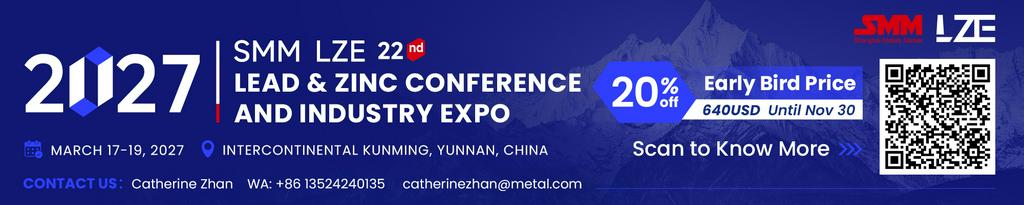
Pemesanan Early Bird Kini Dibuka untuk Konferensi & Pameran Industri Timbal dan Seng SMM LZE (ke-22) 2027 di Yunnan pada Maret mendatang
——Dari Konferensi ke Expo · Skala Berlipat Ganda · Peningkatan Penuh—— [Yang Akan Anda Dapatkan dari Artikel Ini] ① Pengenalan Pameran ② Cara Mendaftar ③ Gelombang Pertama Peserta Pameran ④ Agenda Konferensi I. Skala Berlipat Ganda, Peningkatan Penuh! Pada tahun 2026, timbal dan seng menghadapi volatilitas tajam—harga timbal yang tinggi, timbal kemurnian tinggi yang langka, stok timbal kadar rendah LME yang mencapai rekor tertinggi, relokasi baterai timbal-asam dari Tiongkok ke luar negeri, TC konsentrat seng yang sangat negatif, bijih seng impor berkualitas tinggi yang ketat, jendela ekspor untuk ingot seng yang terbuka, dan pembangunan smelter seng di luar negeri. LZE mencakup prospek pasar, perkiraan harga, teknologi peralatan, daur ulang, dan aplikasi hilir—mendorong transformasi hijau dan pertumbuhan yang saling menguntungkan. Yang membedakan LZE 2027 (edisi ke-22) dari acara-acara sebelumnya adalah peningkatan transformatifnya: beralih dari konferensi industri murni menjadi kombinasi mulus antara konferensi dan pameran industri—menghadirkan pertemuan berskala lebih besar, pameran industri yang diperluas, dan keterlibatan yang menjangkau jauh di seluruh rantai nilai timbal dan seng. Dari analisis tren industri hingga pertukaran rantai industri yang mendalam, dari pencocokan pasokan-permintaan hulu-hilir hingga pameran perusahaan yang terpusat, dari konferensi industri tunggal hingga integrasi lebih lanjut "konferensi + pameran industri"——pada tahun 2027, SMM LZE memasuki era "expo"! Konferensi ini akan memasuki edisi ke-22 dengan skala yang lebih besar, jajaran industri yang lebih kaya, dan partisipasi hulu-hilir yang lebih luas! Pindai Kode QR di Bawah untuk Mendaftar sebagai Pengunjung Secara Gratis 1. Skala Konferensi Delegasi: 6.000+ (naik 71,4% dari edisi sebelumnya) Perusahaan: 2.000+ (naik 100% dari edisi sebelumnya) Peserta Pameran: 120+ (naik 50% dari edisi sebelumnya) Pencocokan pasokan-permintaan: 300+ (naik 50% dari edisi sebelumnya) Forum Khusus: 7 (1 lebih banyak dari edisi sebelumnya) 2. Kelompok Peserta 20% - Penambang 23% - Smelter 22% - Perusahaan pengolahan 10% - Pedagang 5% - Pengadaan pengguna akhir timbal-seng 15% - Peralatan pihak ketiga, teknologi, bahan bantu, media, dll. 3% - Pemerintah, asosiasi, lembaga penelitian universitas 2% - Perusahaan keuangan dan berjangka 3. Rincian Jabatan 4. Sorotan Konferensi Tren harga, prospek konsumsi, dan interpretasi kebijakan Dialog global tentang industri timbal-seng dan strategi go-global Pertemuan Bisnis Satu-lawan-Satu Menjelajahi Jalur Terobosan dalam Teknologi Pertambangan & Metalurgi dan Daur Ulang Sumber Daya Pameran Peralatan dan Bahan Habis Pakai Terdepan II. Empat Identitas, Satu Pameran Timbal-Seng Baik Anda hadir untuk wawasan pasar, pengadaan, pameran, atau eksposur merek, Anda akan menemukan opsi partisipasi yang sesuai. 1. Pengunjung Profesional (Jelajahi pameran untuk peluang bisnis dan terhubung dengan hulu dan hilir industri) [Manfaat Pengunjung] Tiket Area Pameran Hadiah Check-in di Tempat Peta Distribusi Industri Timbal-Seng Eksklusif SMM Grup Pertukaran Pengunjung Industri Timbal-Seng Manfaat Grup Tiket untuk Beberapa Forum …… 2. Delegasi Konferensi (Dapatkan wawasan tentang tren baru dan diskusikan pasar timbal-seng) [Manfaat Delegasi] Tiket Area Pameran Hadiah Check-in di Tempat Peta Distribusi Industri Timbal-Seng Eksklusif SMM Grup Pertukaran Pengunjung & Konferensi Industri Timbal-Seng Tiket untuk Semua Forum Konferensi Voucher Makan Malam Eksekutif Voucher Makan Siang dan Makan Malam Selama Konferensi Direktori Perusahaan Laporan Ahli Pencocokan Pasokan-Permintaan 1-lawan-1 Kegiatan Kunjungan Lapangan Pasca-Konferensi …… 3. Peserta Pameran (Naik ke panggung industri dan tunjukkan kekuatan Anda) [Stan Kustom 18㎡] [Manfaat] Desain & konstruksi semua material untuk stan 18㎡, meja, kursi, sofa & meja resepsionis, TV, 5 tiket konferensi, spanduk X*1, halaman berwarna buklet konferensi*1, tampilan LOGO, eksposur dan promosi online multi-platform, pencocokan pasokan-permintaan 1-lawan-1, dukungan kerja sama jangka panjang dari SMM, dll. [Stan Premium 9㎡] [Keuntungan] Desain & konstruksi semua material untuk stan 9㎡, dinding latar cetak & meja resepsionis & meja dan kursi, TV, 3 tiket konferensi, 1 penyangga X-banner* atau 1 halaman berwarna buku konferensi*, tampilan LOGO, eksposur dan promosi online multi-platform, pencocokan pasokan-permintaan 1-on-1, dukungan kerja sama jangka panjang dari SMM, dll. [Stan Standar 6㎡] [Keuntungan] Desain & konstruksi semua material untuk stan 6㎡, satu meja panjang & dua kursi, 2 penyangga X-banner dengan konten berbeda, 2 tiket konferensi, eksposur dan promosi online multi-platform, pencocokan pasokan-permintaan 1-on-1, dukungan kerja sama jangka panjang dari SMM, dll.
22 Oct 2026 09:59 (GMT+8)
Prospek Pasokan-Permintaan Aluminium Global 2027: Margin Tinggi Mendorong Ekspansi, Mengubah Pasar dari Ketat Menjadi Longgar
21 Oct 2026 09:41 (GMT+8)

Investasi Baterai Tiongkok senilai $6 Miliar di Maroko Mengubah Permintaan Litium UE di Tengah Pergeseran Tarif
20 Oct 2026 17:02 (GMT+8)
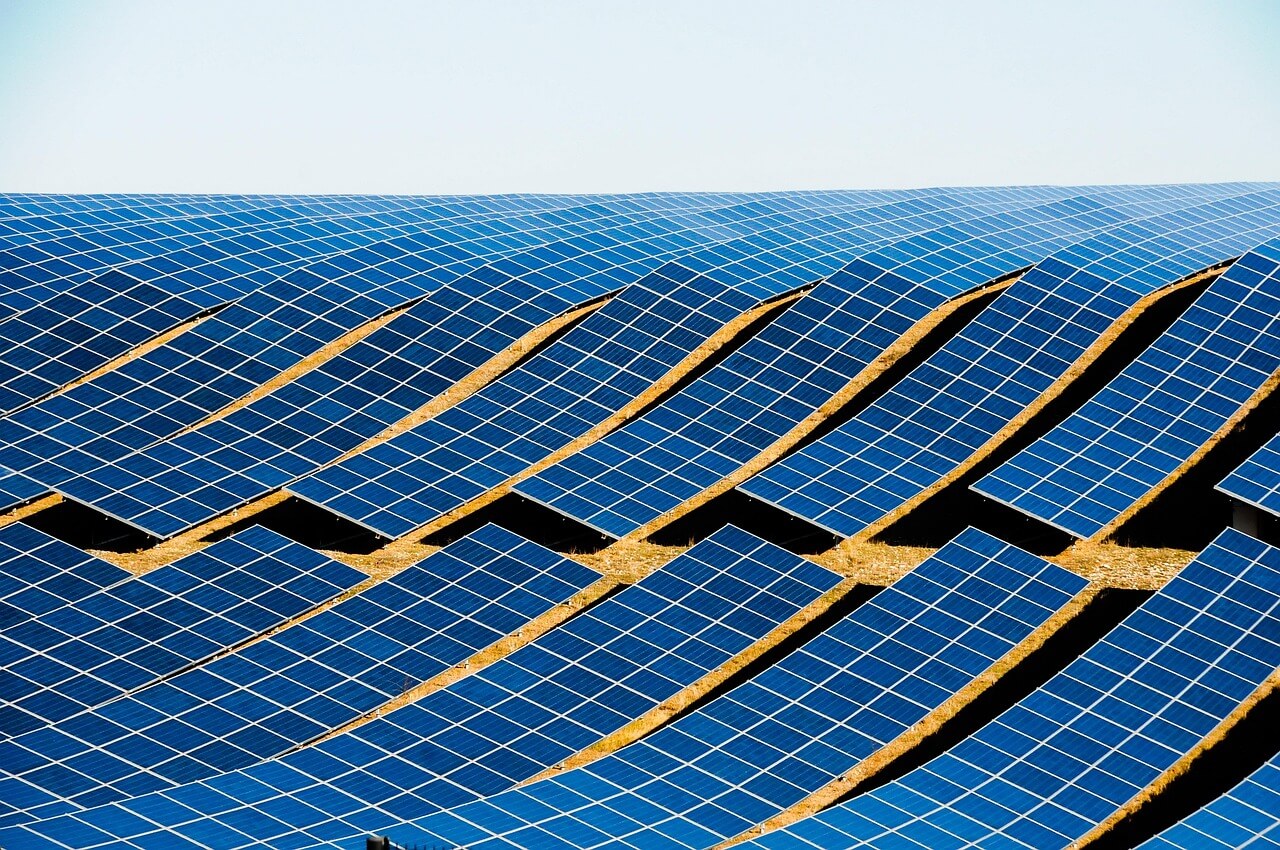
N-Type vs. P-Type Modul PV Surya: Apa yang Membedakannya, dan Mengapa N-Type Semakin Mendominasi Pasar Global?
21 Oct 2026 09:45 (GMT+8)
Impor Spodumene Tiongkok Naik 7% MoM pada September, dengan Australia, Nigeria, dan Zimbabwe sebagai Tiga Sumber Teratas
20 Oct 2026 19:03 (GMT+8)
![[SMM Analysis] Penjualan HRC rekor Hoa Phat membentuk kembali swasembada Vietnam dan aliran ekspor Tiongkok](https://imgqn.smm.cn/usercenter/MhPNV20251217171716.jpg)
[SMM Analysis] Penjualan HRC rekor Hoa Phat membentuk kembali swasembada Vietnam dan aliran ekspor Tiongkok
20 Oct 2026 14:36 (GMT+8)
Ekspor Magnet Tanah Jarang China Cetak Rekor pada September, Didorong oleh Pelepasan Tunggakan dan Pelonggaran Regulasi【Analisis SMM】
20 Oct 2026 16:06 (GMT+8)
Berita Terbaru
Liuzhou Iron & Steel dan Huawei menerapkan model AI baja Xuantie dengan target cakupan 80%
2 jam yang lalu
[Fortescue pertahankan panduan setahun penuh; pengiriman kuartal September sebesar 46,8 Mt]
5 jam yang lalu
[JSW Steel Cetak Produksi dan Penjualan Baja Kasar Rekor; Laba Bersih Naik 225,5%]
5 jam yang lalu
[Produksi baja kasar global mencapai 142,4 Mt pada September, turun 0,2% y/y]
5 jam yang lalu
[Produksi baja mentah global dari 70 negara turun 0,2% YoY menjadi 142,4 Mt pada September 2026]
5 jam yang lalu
[SMM Analysis] Permintaan baja lembaran India mendukung penjualan rekor JSW di tengah tekanan margin akibat biaya batu bara
20 jam yang lalu
Harga Magnesium Turun Hampir 14% dalam Lebih dari Setengah Tahun, Mencapai Titik Terendah Tahunan; Pasokan Harga Rendah Sulit Menemukan Dukungan untuk Pulih [Komentar SMM]
23 jam yang lalu
Laporan Harian Bijih Besi MMi (23 Oktober)
23 Oct 2026 18:24 (GMT+8)
[SMM Bijih Besi] Stok pelabuhan turun karena kedatangan lebih rendah; negosiasi kontrak menjaga bijih besi bergerak dalam kisaran
23 Oct 2026 18:14 (GMT+8)
Kedatangan di pelabuhan menurun, inventaris pelabuhan sedikit berkurang; bijih besi bergerak mendatar di tengah gangguan negosiasi kontrak【Tinjauan Harian Bijih Besi SMM】
23 Oct 2026 18:14 (GMT+8)
[SMM Baja] Pasokan Ketat Membuat Pembeli Wire Rod Indonesia Beralih ke Pabrik Kecil di Jawa Meski Permintaan Moderat
23 Oct 2026 17:38 (GMT+8)
Baja jadi menguat sementara bahan baku melemah dan divergen; laba pabrik baja nirkarat terus meluas [Analisis SMM]
23 Oct 2026 17:20 (GMT+8)
[SMM Tinjauan Harian Lembaran & Pelat] Pemulihan permintaan masih lemah; harga HRC kemungkinan akan terkonsolidasi dengan nada lesu minggu depan
23 Oct 2026 17:14 (GMT+8)
[Kementerian Baja India Akan Gelar Open House tentang Masalah Impor Baja pada 28 Okt]
23 Oct 2026 17:07 (GMT+8)
[Fortescue memperingatkan mungkin akan memangkas produksi bijih besi Pilbara jika pembicaraan dengan lembaga pembelian China tetap tidak terselesaikan]
23 Oct 2026 17:07 (GMT+8)
[Menteri Perindustrian Kanada memberi Cleveland-Cliffs waktu 15 hari untuk membatalkan PHK Stelco atau menghadapi pengadilan]
23 Oct 2026 17:07 (GMT+8)
[SMM Tinjauan Mingguan Bijih Besi] Produksi Logam Cair Naik dan Stok Pelabuhan Menurun, tetapi Reli Bijih Besi Tidak Bertahan
23 Oct 2026 16:51 (GMT+8)
[SMM Baja]
23 Oct 2026 16:49 (GMT+8)
[SMM Baja] Harga Baja India Turun Tipis karena Pembeli Tetap Berhati-hati
23 Oct 2026 16:48 (GMT+8)
[ Tinjauan Mingguan Skrap Baja Tahan Karat SMM ] Harga berjangka dan spot bergerak seiring, produk baja tahan karat pulih, dan harga skrap baja tahan karat sedikit menguat
23 Oct 2026 16:47 (GMT+8)