

ข่าว
บทความวิเคราะห์พิเศษพร้อมข้อมูลตลาดล่าสุด และฟีดข่าวแบบเรียลไทม์
![[บทวิเคราะห์ SMM] การผลักดันการผลิต BESS ของอินเดียเร่งตัวขึ้น แต่การพึ่งพาเซลล์ยังคงเป็นคอขวดสำคัญ](https://imgqn.smm.cn/production/admin/votes/imagesozVHm20260131125121.jpeg)
[บทวิเคราะห์ SMM] การผลักดันการผลิต BESS ของอินเดียเร่งตัวขึ้น แต่การพึ่งพาเซลล์ยังคงเป็นคอขวดสำคัญ
ในไตรมาสแรกของปี 2026 การจัดส่งระบบกักเก็บพลังงานทั่วโลกสูงถึง 100.0 กิกะวัตต์ชั่วโมง เพิ่มขึ้น 96.5% จาก 50.9 กิกะวัตต์ชั่วโมงในช่วงเดียวกันของปี 2025 ส่งผลให้ยอดจัดส่งรายไตรมาสก้าวสู่ระดับใหม่โดยสิ้นเชิง
30 Sep 2026 08:50 (GMT+8)
SMM เปิดตัวเครื่องคำนวณ CBAM อะลูมิเนียม: ความหมายของการประมาณต้นทุนสำหรับข้อเสนอที่ส่งไปยังสหภาพยุโรป【บทวิเคราะห์ SMM】
เมื่อกลไกปรับคาร์บอนก่อนข้ามพรมแดน (CBAM) ของสหภาพยุโรปเข้าสู่ระยะบังคับใช้เต็มรูปแบบ การค้าอะลูมิเนียมกับยุโรปจำเป็นต้องประเมินต้นทุนคาร์บอนควบคู่กับราคาโลหะ ค่าดำเนินการแปรรูป และค่าขนส่ง SMM ได้เปิดตัว เครื่องคำนวณ CBAM สำหรับอะลูมิเนียม ซึ่งรวบรวมรหัสสินค้า แหล่งกำเนิด ข้อมูลการปล่อยก๊าซ และราคาใบรับรอง เพื่อสนับสนุนการเสนอราคาส่งออก การจัดซื้อในยุโรป และการจัดทำงบประมาณภายใน โมดูลอะลูมิเนียมครอบคลุมรหัส CN 58 รายการ และหมวดหมู่แหล่งกำเนิด/ค่าอ้างอิง 68 รายการ ครอบคลุมอะลูมิเนียมยังไม่ขึ้นรูป โปรไฟล์ แผ่น แถบ ฟอยล์ และผลิตภัณฑ์อื่น ๆ มีพารามิเตอร์รายปีสำหรับปี 2026–2030 ผู้ใช้กรอกปริมาณเป็นตัน และเลือกค่าการปล่อยอ้างอิงหรือป้อนค่าการปล่อยจริงที่ผ่านการรับรอง หน้านี้จะแสดงจำนวนใบรับรองโดยประมาณต่อตัน จำนวนใบรับรองรวม ต้นทุนต่อตัน และงบประมาณรวม โดยแยกเส้นทางการผลิตอะลูมิเนียมปฐมภูมิและทุติยภูมิให้สอดคล้องกับฐานข้อมูลที่เกี่ยวข้อง ประโยชน์ในทางปฏิบัติคือสมมติฐานและผลลัพธ์แสดงอยู่ด้วยกัน ผู้ส่งออกสามารถระบุผลิตภัณฑ์ แหล่งกำเนิด ช่วงเวลานำเข้า และฐานการปล่อยก๊าซที่อยู่เบื้องหลังการเสนอราคา ขณะที่ผู้ซื้อสามารถเปรียบเทียบแหล่งที่มาภายใต้เงื่อนไขที่สอดคล้องกัน หน้านี้มีอินเทอร์เฟซภาษาจีนและภาษาอังกฤษ ตารางพารามิเตอร์ และตัวเลือกพิมพ์เอกสารต้นทุน การแบ่งปันต้นทุนที่เกี่ยวข้องระหว่างผู้ซื้อและผู้ขายยังคงเป็นเรื่องตามสัญญา ควรแยกภาระใบรับรองออกจากมูลค่าทางการเงิน ณ วันที่ 29 กันยายน 2026 เครื่องคำนวณใช้ราคาทางการที่ 75.36 ยูโรต่อใบรับรองสำหรับไตรมาส 1 ปี 2026 และ 75.28 ยูโรสำหรับไตรมาส 2 ส่วนราคาไตรมาส 3 ยังไม่ประกาศ ในกรณีที่ไม่มีราคา หน้านี้จะคงการประมาณปริมาณใบรับรองไว้และเว้นช่องต้นทุนว่างไว้ แทนที่จะใช้ราคาสมมติ เวอร์ชันปัจจุบันไม่รวมการหักลดหย่อนภาษีคาร์บอนที่ชำระในต่างประเทศ และการประเมินเกณฑ์การนำเข้าต่อปี การคำนวณการปล่อยจริงสำหรับสินค้าอะลูมิเนียมที่มีความซับซ้อนยังขาดการปรับลดการจัดสรรฟรีที่เกี่ยวข้องกับสารตั้งต้น การวิเคราะห์ด้านล่างจึงใช้การคำนวณค่าอ้างอิงที่ตรวจสอบแล้ว ผลลัพธ์เป็นเพียงประมาณการเชิงพาณิชย์ ไม่ใช่ภาระผูกพันในการส่งมอบใบรับรองตามกฎหมายขั้นสุดท้าย สำหรับการเปรียบเทียบตลาด ผลิตภัณฑ์อะลูมิเนียมชนิดเดียวกันอาจมีต้นทุนโดยประมาณแตกต่างกันอย่างมีนัยสำคัญ ขึ้นอยู่กับค่าอ้างอิงเฉพาะแหล่งกำเนิด พิจารณารหัส CN 76012040—อะลูมิเนียมเจือยังไม่ขึ้นรูปในรูปแบบแท่ง—ด้วยเส้นทางปฐมภูมิ K ราคาใบรับรองไตรมาส 2 ปี 2026 และปริมาณ 1,000 ตัน ต้นทุนโดยประมาณภายใต้กรณีค่าอ้างอิงของจีน อินเดีย และแคนาดา อยู่ที่ 143.98, 50.41 และ 57.86 ยูโรต่อตัน ตามลำดับ ตัวเลขเหล่านี้รวมการปรับเพิ่มค่าอ้างอิงรายปีและการปรับลดการจัดสรรฟรีตามเกณฑ์มาตรฐาน กรณีค่าอ้างอิงของจีนและอินเดียแตกต่างกันประมาณ 93.57 ยูโรต่อตัน การเปรียบเทียบเฉพาะราคาโลหะหรือค่าดำเนินการแปรรูปจึงอาจพลาดความแตกต่างที่มีนัยสำคัญในงบประมาณของผู้ซื้อ หากเงื่อนไขเชิงพาณิชย์อื่น ๆ ใกล้เคียงกัน ต้นทุน CBAM โดยประมาณอาจส่งผลต่อความน่าสนใจของข้อเสนอ อย่างไรก็ตาม นี่ไม่ใช่การจัดอันดับความเข้มข้นของคาร์บอนที่แท้จริงของผู้ผลิต ค่าขนส่ง ภาษีศุลกากร คุณภาพ และเงื่อนไขการส่งมอบก็อยู่นอกเหนือการเปรียบเทียบนี้ ดังนั้นตัวเลขเพียงอย่างเดียวไม่สามารถกำหนดผู้จัดจำหน่ายที่เหมาะสมที่สุดได้ สิ่งนี้ชี้ให้เห็นมูลค่าเชิงพาณิชย์ของเอกสารการปล่อยก๊าซจากผู้จัดจำหน่าย สำหรับผู้ผลิตที่มีการปล่อยจริงต่ำกว่าค่าอ้างอิงที่ใช้บังคับ และมีเอกสารรับรองที่สอดคล้อง ข้อมูลจริงอาจเปลี่ยนแปลงการประเมินต้นทุนของผู้ซื้อ ผู้ซื้อสามารถใช้ค่าอ้างอิงสำหรับงบประมาณเบื้องต้นเมื่อไม่มีเอกสาร จากนั้นประเมินใหม่โดยใช้หลักฐานจากผู้จัดจำหน่าย ผู้ส่งออกจึงมีเหตุผลที่จะเตรียมข้อมูลการปล่อยก๊าซควบคู่กับข้อเสนอผลิตภัณฑ์ แทนที่จะเจรจาเฉพาะความแตกต่างของค่าอ้างอิงรายประเทศ การเปลี่ยนแปลงพารามิเตอร์รายปีก็สมควรได้รับความสนใจ หากคงค่าอ้างอิงพื้นฐาน เส้นทาง และเกณฑ์มาตรฐานของผลิตภัณฑ์จีนไว้เท่าเดิม และสมมติว่าปีนำเข้าและปีรายงานที่เกี่ยวข้องตรงกัน ภาระใบรับรองโดยประมาณจะเพิ่มขึ้นจาก 1.912575 ต่อตันในปี 2026 เป็น 2.248150 ในปี 2027—เพิ่มขึ้นประมาณ 17.5% ซึ่งสะท้อนการปรับเพิ่มค่าอ้างอิงที่สูงขึ้นและการหักลดการจัดสรรฟรีที่น้อยลง ไม่ได้หมายความว่าราคาใบรับรองในอนาคตจะสูงขึ้น สำหรับข้อตกลงการจัดหาที่ครอบคลุมหลายปี บริษัทสามารถเปรียบเทียบภาระใบรับรองก่อน จากนั้นจึงหารือกลไกการปรับราคาและการแบ่งปันต้นทุน แม้ราคาใบรับรองในอนาคตยังไม่ทราบ การระบุภาระใบรับรองและการได้รับเอกสารจากผู้จัดจำหน่ายสามารถปรับปรุงความสามารถในการเปรียบเทียบข้อเสนอและงบประมาณการจัดซื้อได้
29 Sep 2026 17:32 (GMT+8)
[SMM Analysis] ทองแดงปฐมภูมิคาร์บอนต่ำเริ่มซื้อขายแยกต่างหาก—มูลค่าสีเขียวของทองแดงรีไซเคิลจะถูกประเมินใหม่หรือไม่?
[SMM วิเคราะห์: ทองแดงปฐมภูมิคาร์บอนต่ำเริ่มซื้อขายแยกส่วน—มูลค่าสีเขียวของทองแดงรีไซเคิลจะถูกประเมินใหม่หรือไม่?] โครงการนำร่อง EAC ของ BHP และ Amazon แยกการลดการปล่อยก๊าซที่ผ่านการรับรองออกจากการค้าทองแดงทางกายภาพ ทำให้ทองแดงปฐมภูมิที่ปล่อยมลพิษต่ำมีแหล่งมูลค่าทางสิ่งแวดล้อมใหม่ ทองแดงรีไซเคิลยังคงมีความได้เปรียบด้านพลังงานอย่างมาก แต่ความสามารถในการแข่งขันในอนาคตอาจขึ้นอยู่กับการตรวจสอบย้อนกลับ ปริมาณวัสดุรีไซเคิล และข้อมูลคาร์บอนที่ผ่านการรับรองมากขึ้น ซึ่งอาจเพิ่มมิติด้านสิ่งแวดล้อมให้กับการกำหนดราคา
29 Sep 2026 16:03 (GMT+8)
ข่าวล่าสุด
![[แอฟริกาใต้เดินหน้าแบนการขายเศษโลหะด้วยเงินสดเพื่อยับยั้งการโจรกรรมโครงสร้างพื้นฐาน]](https://imgqn.smm.cn/usercenter/DpLok20251217171715.png)
[แอฟริกาใต้เดินหน้าแบนการขายเศษโลหะด้วยเงินสดเพื่อยับยั้งการโจรกรรมโครงสร้างพื้นฐาน]
3 นาทีที่แล้ว
![[India's Steel Exchange India ทำสถิติผลผลิตเหล็กเส้นรายเดือนสูงสุดเป็นประวัติการณ์ เดือนกันยายนอยู่ที่ 25,095 ตัน]](https://imgqn.smm.cn/usercenter/gmcdk20251217171720.jpg)
[India's Steel Exchange India ทำสถิติผลผลิตเหล็กเส้นรายเดือนสูงสุดเป็นประวัติการณ์ เดือนกันยายนอยู่ที่ 25,095 ตัน]
3 นาทีที่แล้ว
![[Nigeria scrap dealers' 15-day strike threatens steel output and construction costs]](https://imgqn.smm.cn/usercenter/bkAyC20251217171720.jpg)
[Nigeria scrap dealers' 15-day strike threatens steel output and construction costs]
3 นาทีที่แล้ว
[SAIL ของอินเดียเผยผลผลิตเหล็กครึ่งปีแรกทำสถิติ 8.39 ล้านตัน ยอดขายเดือนกันยายนเพิ่มขึ้น 4%]
บริษัท สตีล ออธอริตี ออฟ อินเดีย จำกัด (SAIL) รายงานปริมาณการผลิตเหล็กครึ่งปีแรกสูงสุดเป็นประวัติการณ์ที่ 8.39 ล้านตัน สำหรับช่วงเดือนเมษายน-กันยายนของปีงบประมาณปัจจุบัน โดยยอดขายเดือนกันยายนเพิ่มขึ้น 4% เมื่อเทียบกับช่วงเดียวกันของปีก่อน สะท้อนถึงอุปสงค์ที่แข็งแกร่งจากภาคก่อสร้างและโครงสร้างพื้นฐาน ในฐานะผู้ผลิตเหล็กรายใหญ่ที่สุดของอินเดียภายใต้การกำกับดูแลของรัฐ ซึ่งดำเนินโรงงานแบบครบวงจรที่ภิไล โบกาโร รูร์เกลา ทุรคาปุระ และเบิร์นปุระ ปริมาณการผลิตของ SAIL ถือเป็นตัวชี้วัดสำคัญของการบริโภคภายในประเทศและการใช้จ่ายทุนภาครัฐ สถิติการผลิตครึ่งปีแรกและยอดขายเดือนกันยายนที่เติบโตชี้ให้เห็นถึงการดำเนินงานของเตาถลุงเหล็กที่เสถียรขึ้นและยอดคำสั่งซื้อที่แน่นขึ้น ซึ่งสนับสนุนการเติบโตของเหล็กดิบตลอดทั้งปีของอินเดีย ขณะนี้ความสนใจหันไปที่อุปสงค์เหล็กยาวหลังฤดูมรสุมจากภาคก่อสร้าง ระบบราง และท่าเรือ รวมถึงแรงกดดันจากสินค้านำเข้าราคาถูก ที่มา: SAIL
3 นาทีที่แล้ว
[กระทรวงเหล็กกล้าอินเดียสั่ง SAIL และ NMDC สำรวจแหล่งสินแร่เหล็กและถ่านหินโค้กในต่างประเทศ]
กระทรวงเหล็กกล้าได้สั่งการให้ SAIL และ NMDC สำรวจและเข้าซื้อสินทรัพย์แร่เหล็กและถ่านหินโค้กในต่างประเทศ เพื่อสร้างความมั่นคงด้านวัตถุดิบในระยะยาว ลดการพึ่งพาถ่านหินโลหะนำเข้า (ประมาณ 90% ของความต้องการของอินเดีย) และรักษาเสถียรภาพต้นทุนการผลิตเหล็ก สนับสนุนเป้าหมายกำลังการผลิต 300 ล้านตันต่อปีของอินเดียภายในปี 2030 จากปัจจุบันประมาณ 221.9 ล้านตันต่อปี หลังคณะผู้แทนเดินทางไปรัสเซียในเดือนพฤษภาคม 2026 SAIL ได้จัดตั้งคณะกรรมการภายในเพื่อประเมินข้อตกลงถ่านหินโค้กและนิกเกิล ซึ่งอาจดำเนินการผ่านกลุ่มพันธมิตร ICV ยอดขายของ SAIL ในเดือนสิงหาคม 2026 เพิ่มขึ้น 13% เมื่อเทียบกับปีก่อน เป็น 1.87 ล้านตัน และผลผลิตเหล็กดิบเพิ่มขึ้น 8% เป็น 1.68 ล้านตัน กำไรสุทธิไตรมาสแรกของปีงบประมาณ 2027 พุ่งขึ้น 138% เป็น 186 ล้านดอลลาร์สหรัฐ โดย EBITDA เพิ่มขึ้น 49% เป็น 496 ล้านดอลลาร์สหรัฐ NMDC ผลิตแร่เหล็กได้ 4.07 ล้านตัน เพิ่มขึ้น 20.8% และจำหน่ายได้ 3.58 ล้านตัน ความเสี่ยงด้านภูมิรัฐศาสตร์ เงินทุน และการดำเนินการยังคงมีอยู่
4 นาทีที่แล้ว
[Tata Steel CEO: การบริโภคเหล็กของอินเดียจะเติบโต 7-8% ในอีกไม่กี่ปีข้างหน้า]
ซีอีโอและกรรมการผู้จัดการของทาทา สตีล ที.วี. นเรนทราน คาดว่าการบริโภคเหล็กของอินเดียจะเติบโต 7-8% หรือมากกว่าในปีต่อ ๆ ไป จากอุปสงค์ในประเทศที่แข็งแกร่ง ในการกล่าวสุนทรพจน์ที่งานสัมมนา IFQM 2026 เขาระบุว่าการเปลี่ยนแปลงภาษี GST ได้กระตุ้นภาคยานยนต์ ขณะที่อุปสงค์ด้านการก่อสร้าง โดยเฉพาะโครงการอุตสาหกรรมและโครงสร้างพื้นฐาน ยังคงแข็งแกร่ง พร้อมการเติบโตที่สมดุลมากขึ้นระหว่างเมืองและชนบท เขามีมุมมองเชิงบวกต่ออุตสาหกรรมในช่วง 3-4 ปีข้างหน้า เกี่ยวกับภาษีศุลกากรและอุปสรรคทางการค้าที่เพิ่มขึ้นทั่วโลก เขากล่าวว่าการปรับห่วงโซ่อุปทานให้เป็นท้องถิ่นเป็นสิ่งที่หลีกเลี่ยงไม่ได้ เนื่องจากประเทศและบริษัทต่าง ๆ ให้ความสำคัญกับความยืดหยุ่นมากกว่าการลดต้นทุน พร้อมเรียกร้องให้บริษัทที่ต้องการเข้าสู่ตลาดอินเดียลงทุน สร้างงานในท้องถิ่น และให้บริการผู้บริโภคในพื้นที่ สำหรับเหล็กสีเขียว อินเดียยังอยู่ในช่วงเริ่มต้นและต้องการการสนับสนุนเชิงนโยบาย ลูกค้าที่ยินดีจ่ายมากขึ้น และการลงทุนจากภาคอุตสาหกรรม
4 นาทีที่แล้ว
[SMM Steel] ราคา HRC อินเดียทรงตัว ขณะคิวโควตา EU เพิ่มขึ้น
[การส่งออกของอินเดีย] ราคาส่งออก HRC ของอินเดียไปยุโรปคงอยู่ที่ 660 ดอลลาร์สหรัฐ/ตัน FOB อินเดีย เมื่อวันที่ 5 ตุลาคม โดยราคาอ้างอิงยุโรปเหนือไม่เปลี่ยนแปลงที่ 730 ดอลลาร์สหรัฐ/ตัน CFR คงระดับจากสัปดาห์ก่อนหน้า การซื้อของยุโรปยังคงเลือกสรรท่ามกลางสินค้าคงคลังระดับปานกลางถึงสูง และความไม่แน่นอนเกี่ยวกับการเข้าถึงโควตาและต้นทุน CBAM ตามการอัปเดตของคณะกรรมาธิการยุโรปเมื่อวันที่ 2 ตุลาคม อินเดียมีโควตา HRC ของสหภาพยุโรปเหลืออย่างเป็นทางการ 149,318.61 ตัน สำหรับเดือนตุลาคม–ธันวาคม ภายใต้หมวด 1A คำสั่ง 09.9803 โดยมีคำขอใช้โควตา 102,977.12 ตัน รอการอนุมัติ หากคำขอทั้งหมดได้รับการอนุมัติ จะเหลือเพียง 46,341.49 ตัน สำหรับการนำเข้าเพิ่มเติม การนำเข้านอกโควตาต้องเสียภาษี 50% ขณะที่ข้อกำหนดเอกสารการหลอมและเทเริ่มมีผลตั้งแต่วันที่ 1 ตุลาคม การรับฟังความคิดเห็นของคณะกรรมาธิการเกี่ยวกับการทำงานของระบอบโควตาเหล็กใหม่ ซึ่งเปิดเมื่อวันที่ 28 กันยายน จะดำเนินไปจนถึงวันที่ 11 ตุลาคม เวลา 23:59 CEST และขอความคิดเห็นจากผู้ผลิตเหล็ก ผู้ใช้ และผู้ส่งออกประเทศที่สามเกี่ยวกับผลกระทบในไตรมาสแรก ภายในประเทศ HRC มุมไบคงอยู่ที่ประมาณ 656 ดอลลาร์สหรัฐ/ตัน (63,000 รูปีอินเดีย/ตัน) EXW
35 นาทีที่แล้ว
การส่งออกเหล็กกล้า เฟอร์โรโครเมียม และอุปกรณ์ไฟฟ้าของอินเดียไปยังเกาหลีใต้เพิ่มขึ้นในไตรมาสแรกของปีงบประมาณ 2569-2570
การส่งออกเหล็กกล้า เฟอร์โรโครเมียม และอุปกรณ์ไฟฟ้าของอินเดียไปยังเกาหลีใต้เพิ่มขึ้นอย่างแข็งแกร่งในช่วงเดือนเมษายน–มิถุนายน ปีงบประมาณ 2026-27 สะท้อนถึงความต้องการสินค้าอุตสาหกรรมและวิศวกรรมของอินเดียที่แข็งแกร่ง
47 นาทีที่แล้ว
[SMM Steel] ราคาเหล็กและเศษเหล็กในประเทศอินเดียยังคงปรับตัวสูงขึ้น
[SMM Steel] ราคาเหล็กและเศษเหล็กในประเทศอินเดียยังคงปรับตัวสูงขึ้น
[ตลาดในประเทศอินเดีย] ตลาดเหล็กและเศษเหล็กในประเทศปรับตัวสูงขึ้นตั้งแต่วันที่ 1 ตุลาคม โดยราคาปรับขึ้นในตลาดหลัก ๆ ขณะที่บางตลาดทรงตัว ไฟฟ้าดับโดยไม่ได้แจ้งล่วงหน้าในรัฐฉัตตีสครห์ส่งผลกระทบต่อการดำเนินงานภาคอุตสาหกรรม โดยการผลิตของโรงงานหลายแห่งลดลงสูงสุดถึง 35% ความต้องการไฟฟ้าในเดือนกันยายนอยู่ที่ประมาณ 6,000 เมกะวัตต์ ขณะที่อุปทานขาดแคลนราว 500–600 เมกะวัตต์ ผู้ประกอบการอุตสาหกรรมระบุว่าไฟฟ้าดับช่วงกลางคืน 7–8 ชั่วโมงกำลังกระทบการผลิต โดยสมาคมโรงงานเหล็กขนาดเล็กก็รายงานผลผลิตที่ลดลงและขาดทุนเช่นกัน เศษเหล็ก Mandi HMS 1&2 (80:20) ปรับขึ้น 3 ดอลลาร์สหรัฐ/ตัน (300 รูปีอินเดีย/ตัน) มาอยู่ที่ 412 ดอลลาร์สหรัฐ/ตัน (39,700 รูปีอินเดีย/ตัน) ส่งมอบที่ Mandi เศษเหล็กหลอม Alang ทรงตัวที่ 395 ดอลลาร์สหรัฐ/ตัน (38,000 รูปีอินเดีย/ตัน) หน้าโรงงาน Alang เหล็กแท่งเล็ก Mandi ปรับขึ้น 1 ดอลลาร์สหรัฐ/ตัน (100 รูปีอินเดีย/ตัน) มาอยู่ที่ 506 ดอลลาร์สหรัฐ/ตัน (48,700 รูปีอินเดีย/ตัน) หน้าโรงงาน Mandi เหล็กเส้น Mumbai ปรับขึ้น 6 ดอลลาร์สหรัฐ/ตัน (600 รูปีอินเดีย/ตัน) มาอยู่ที่ 557 ดอลลาร์สหรัฐ/ตัน (53,700 รูปีอินเดีย/ตัน) หน้าโรงงาน Mumbai ขณะที่เหล็กเส้น Raipur ทรงตัวที่ 542 ดอลลาร์สหรัฐ/ตัน (52,200 รูปีอินเดีย/ตัน) หน้าโรงงาน Raipur เหล็กแท่งยาว Raipur ปรับขึ้น 2 ดอลลาร์สหรัฐ/ตัน (200 รูปีอินเดีย/ตัน) มาอยู่ที่ 474 ดอลลาร์สหรัฐ/ตัน (45,700 รูปีอินเดีย/ตัน) หน้าโรงงาน Raipur เหล็กพรุน PDRI ทรงตัวที่ 309 ดอลลาร์สหรัฐ/ตัน (29,800 รูปีอินเดีย/ตัน) หน้าโรงงาน Raipur
1 ชั่วโมงที่แล้ว
[เอสเอ็มเอ็ม สตีล] ราคา HRC อินโดนีเซียทรงตัวที่ 520 ดอลลาร์สหรัฐ/ตัน FOB เนื่องจากโรงงานไม่มีความจำเป็นต้องปรับราคา
[อินโดนีเซีย] ราคา HRC ของอินโดนีเซียยังคงอยู่ที่ 520 ดอลลาร์สหรัฐ/เมตริกตัน FOB และมีแนวโน้มจะทรงตัวจนถึงวันที่ 8 ตุลาคม 2026 เนื่องจากวันหยุดนักขัตฤกษ์ในจีน ซึ่งเป็นหนึ่งในปัจจัยขับเคลื่อนอุปสงค์เหล็กอินโดนีเซียที่สำคัญที่สุด แม้ว่าโรงงานเวียดนามซึ่งเป็นคู่แข่งสำคัญของอินโดนีเซียจะประกาศราคาใหม่แล้ว แต่ผู้ผลิตอินโดนีเซียมองว่าไม่จำเป็นต้องปรับข้อเสนอของตน ด้วยราคาเวียดนามที่ปรับขึ้นประมาณ 8-12 ดอลลาร์สหรัฐ/เมตริกตันเมื่อเทียบเดือนต่อเดือน แรงกดดันด้านการแข่งขันต่อ HRC อินโดนีเซียจึงผ่อนคลายลง ทำให้โรงงานในประเทศแทบไม่มีเหตุผลที่จะเปลี่ยนแปลงราคาในขณะนี้
1 ชั่วโมงที่แล้ว
![[SMM Steel] แรงกดดันต่อเหล็กตุรกี: เหล็กยาวร่วงหนักจากการเทขายของเทรดเดอร์ ขณะที่เหล็กแผ่นชะลอตัวรอการรีเซ็ตโควตา](https://imgqn.smm.cn/usercenter/mpffV20251217171715.jpg)
[SMM Steel] แรงกดดันต่อเหล็กตุรกี: เหล็กยาวร่วงหนักจากการเทขายของเทรดเดอร์ ขณะที่เหล็กแผ่นชะลอตัวรอการรีเซ็ตโควตา
2 ชั่วโมงที่แล้ว
[SMM Steel] การส่งออกเหล็กแผ่นของอิหร่านชะลอตัว: เงินเรียลร่วงหนักและปัญหาการขนส่งทำให้การค้าสแลบหยุดชะงัก ขณะที่ HRC เงียบเหงา
2 ชั่วโมงที่แล้ว
![[SMM Steel] HRC ยุโรป: ราคาปลายทางกดดันมาร์จิ้น ขณะอุปสงค์อ่อนตัวฉุดการปรับขึ้นราคาของโรงงาน](https://imgqn.smm.cn/usercenter/LSkpO20251217171720.jpg)
[SMM Steel] HRC ยุโรป: ราคาปลายทางกดดันมาร์จิ้น ขณะอุปสงค์อ่อนตัวฉุดการปรับขึ้นราคาของโรงงาน
2 ชั่วโมงที่แล้ว
[โกเบสตีลลดการปล่อยก๊าซลง 23% เทียบปีงบ 2013 พึ่งพา HBI และไฮโดรเจนสู่เป้า 30% ภายในปี 2030]
โคเบะสตีลลดการปล่อยคาร์บอนจากกระบวนการผลิตลง 23% ในปีงบประมาณ 2568 เมื่อเทียบกับปีงบประมาณ 2556 ตามรายงาน ESG Data Book 2026 โดยตั้งเป้าลด 30% ภายในปีงบประมาณ 2573 และความเป็นกลางทางคาร์บอนภายในปี 2593 การปล่อยขอบเขตที่ 1 และขอบเขตที่ 2 รวมอยู่ที่ 14.9 ล้านตันคาร์บอนไดออกไซด์ในปีงบประมาณ 2568 ลดลงจาก 15.4 ล้านตันในปีงบประมาณ 2567 โดยกว่า 90% มาจากการผลิตเหล็ก ความเข้มข้นคาร์บอนไดออกไซด์ต่อผลผลิตยังคงทรงตัวที่ประมาณ 2.4 ตันคาร์บอนไดออกไซด์ต่อตันผลผลิต บริษัทได้แสดงให้เห็นถึงการลดการปล่อยจากเตาถลุงเหล็กลงประมาณ 25% โดยการป้อนเหล็กอัดก้อนร้อน (HBI) ปริมาณมากที่ผลิตด้วยกระบวนการ MIDREX และมีแผนผสมผสาน HBI กับชีวมวลเพื่อบรรลุเป้าหมายปี 2573 ขณะที่เตาหลอมเศษเหล็กและกำลังการผลิตเตาอาร์กไฟฟ้าอยู่ระหว่างการพิจารณาสำหรับระยะยาว
2 ชั่วโมงที่แล้ว
[อินเดียขยายการสนับสนุนความเสี่ยงด้านการส่งออก ขณะที่ยูเออียังคงเป็นตลาดส่งออกเหล็กรายใหญ่]
อินเดียได้ขยายการสนับสนุนการประกันสินเชื่อเพื่อการส่งออกที่เพิ่มขึ้นสำหรับการขนส่งไปยังเอเชียตะวันตกจนถึงวันที่ 31 มีนาคม 2027 โดยให้ความคุ้มครองความเสี่ยงอย่างต่อเนื่องแก่ผู้ส่งออก เนื่องจากสหรัฐอาหรับเอมิเรตส์ยังคงเป็นหนึ่งในตลาดส่งออกเหล็กสำเร็จรูปที่ใหญ่ที่สุดของประเทศ
กรมการค้าต่างประเทศได้ขยายระยะเวลาการมีสิทธิ์ภายใต้องค์ประกอบที่ 2 ของโครงการ Resilience & Logistics Intervention for Export Facilitation (RELIEF) โดยอ้างถึงการหยุดชะงักทางภูมิรัฐศาสตร์ที่ยังคงดำเนินอยู่และผลกระทบต่อโลจิสติกส์ทางทะเลทั่วอ่าวเปอร์เซียและภูมิภาคใกล้เคียง
การขยายเวลานี้เกี่ยวข้องกับการค้าเหล็กของอินเดียกับภูมิภาคดังกล่าว ข้อมูลจากกระทรวงเหล็กซึ่งอ้างอิงจาก Joint Plant Committee แสดงให้เห็นว่าอินเดียส่งออกเหล็กสำเร็จรูป 2.986 ล้านตันในช่วงเดือนเมษายนถึงสิงหาคม 2026 เพิ่มขึ้น 34.1% เมื่อเทียบเป็นรายปี สหรัฐอาหรับเอมิเรตส์รับไป 389,200 ตัน คิดเป็น 13.0% ของการส่งออกเหล็กสำเร็จรูปทั้งหมดของอินเดีย และเป็นจุดหมายปลายทางการส่งออกอันดับสองรองจากเวียดนาม
ความสำคัญของสหรัฐอาหรับเอมิเรตส์ยิ่งเด่นชัดมากขึ้นในช่วงต้นปีการเงิน โดยเป็นจุดหมายปลายทางการส่งออกเหล็กสำเร็จรูปอันดับหนึ่งของอินเดียในช่วงเดือนเมษายนถึงมิถุนายน รับไป 249,000 ตัน หรือ 15.6% ของการส่งออกทั้งหมด ยอดขนส่งสะสมไปยังสหรัฐอาหรับเอมิเรตส์เพิ่มขึ้นเป็น 339,600 ตันในช่วงเดือนเมษายนถึงกรกฎาคม ก่อนจะแตะ 389,200 ตันภายในสิ้นเดือนสิงหาคม
RELIEF ครอบคลุมสินค้าที่มีปลายทางหรือถ่ายลำผ่านตลาดเอเชียตะวันตกที่กำหนด ได้แก่ สหรัฐอาหรับเอมิเรตส์ ซาอุดีอาระเบีย คูเวต กาตาร์ โอมาน และบาห์เรน เป็นต้น ภายใต้องค์ประกอบที่ 2 ผู้ส่งออกที่มีสิทธิ์ซึ่งได้รับความคุ้มครองจาก ECGC จะได้รับความคุ้มครองความเสี่ยงสูงสุด 95% ขณะที่เบี้ยประกันถูกป้องกันไม่ให้เพิ่มขึ้นเกินระดับก่อนเกิดการหยุดชะงักในช่วงเวลาที่มีสิทธิ์
รัฐบาลระบุว่ามาตรการนี้ตอบสนองต่อค่าระวางเรือที่พุ่งสูงผิดปกติ เบี้ยประกันที่สูงขึ้น และความเสี่ยงด้านการส่งออกที่เกี่ยวข้องกับสงครามอันเกิดจากการหยุดชะงักในอ่าวเปอร์เซียและเส้นทางเดินเรือเอเชียตะวันตกในวงกว้าง
สำหรับภาคเหล็ก มาตรการนี้สามารถช่วยจำกัดความเสี่ยงด้านการชำระเงินและการประกันสำหรับการขนส่งที่มีสิทธิ์ไปยังภูมิภาคที่กลายเป็นตลาดสำคัญสำหรับเหล็กสำเร็จรูปของอินเดีย อย่างไรก็ตาม การสนับสนุนนี้ไม่ควรตีความว่าใช้กับการส่งออกเหล็กทั้งหมดของอินเดียไปยังเอเชียตะวันตก องค์ประกอบที่ 2 ครอบคลุมเฉพาะสินค้าแบบเต็มตู้คอนเทนเนอร์และแบบไม่เต็มตู้คอนเทนเนอร์ รวมถึงตู้คอนเทนเนอร์ห้องเย็น ซึ่งหมายความว่าการบังคับใช้โดยตรงจะเข้มข้นที่สุดสำหรับการขนส่งเหล็กแบบตู้คอนเทนเนอร์ที่มีสิทธิ์ มากกว่าสินค้าเทกองหรือสินค้ากึ่งเทกองแบบดั้งเดิม
2 ชั่วโมงที่แล้ว
[SMM Steel] ตลาด HRC สหภาพยุโรปเผชิญแรงกดดัน เนื่องจากมาร์จิ้นเหล็กแผ่นที่อ่อนแอจำกัดการปรับขึ้นราคาของโรงงาน
[สหภาพยุโรป] ตลาด HRC ของสหภาพยุโรปยังคงซบเซา โดยดัชนี HRC ยุโรปตะวันตกเฉียงเหนือทรงตัวที่ประมาณ 820 ดอลลาร์สหรัฐ/ตัน ณ โรงงาน และดัชนีอิตาลีอ่อนตัวลงมาอยู่ที่ประมาณ 830 ดอลลาร์สหรัฐ/ตัน ณ โรงงาน อุปสงค์จากผู้ใช้ปลายทางที่อ่อนแอและอัตรากำไรจากการแปรรูปแผ่นที่ถูกบีบอัดยังคงจำกัดความสามารถของโรงงานในการขึ้นราคา ระดับราคาที่ซื้อขายได้จริงสำหรับคำสั่งซื้อ HRC ใหม่ของอิตาลีอยู่ที่ประมาณ 810-822 ดอลลาร์สหรัฐ/ตัน ณ โรงงาน ขณะที่ราคานำเข้าอยู่ใกล้ 675-698 ดอลลาร์สหรัฐ/ตัน CIF แม้ว่าความพร้อมของโควตาและต้นทุนที่เกี่ยวข้องกับ CBAM จะทำให้ผู้ซื้อยังคงระมัดระวัง
2 ชั่วโมงที่แล้ว
[Shyam Metalics เตรียมสร้างโรงงานเหล็ก 9 ล้านตันต่อปีในรัฐมหาราษฏระ]
บริษัทศยาม เมทัลลิกส์ แอนด์ เอเนอร์จี ของอินเดียได้ลงนามข้อตกลงกับรัฐบาลรัฐมหาราษฏระเพื่อลงทุน 5 แสนล้านรูปีอินเดีย (5.19 พันล้านดอลลาร์สหรัฐ) ในการก่อสร้างศูนย์เหล็กกล้าแห่งใหม่กำลังการผลิต 9 ล้านตันต่อปีที่จันทรปุระ โครงการนี้คาดว่าจะสร้างงานประมาณ 30,000 ตำแหน่ง และมีแผนเริ่มดำเนินการในปีการเงินปัจจุบัน ขึ้นอยู่กับการอนุมัติ ใบอนุญาต และสิทธิประโยชน์ต่าง ๆ การลงทุนครั้งนี้เป็นส่วนหนึ่งของการขยายธุรกิจของบริษัทออกนอกภาคตะวันออกของอินเดีย โดยมีแผนลงทุนเพิ่มเติมในรัฐโอริสสา เบงกอลตะวันตก และฌารขัณฑ์
4 ชั่วโมงที่แล้ว
[BCCL เพิ่มการผลิตถ่านหินดิบ 20.7% ในเดือนกันยายน]
บริษัทภารัตโค้กกิ้งโคล (BCCL) ผลิตถ่านหินดิบได้ 2.57 ล้านตันในเดือนกันยายน 2569 เพิ่มขึ้น 20.7% จาก 2.13 ล้านตันในเดือนกันยายน 2568 การจำหน่ายถ่านหินดิบเติบโต 13.7% เมื่อเทียบรายปี อยู่ที่ 3.15 ล้านตัน การผลิตถ่านหินโค้กเพิ่มขึ้น 21.5% เป็น 2.49 ล้านตัน จาก 2.05 ล้านตัน เหมืองเปิดเป็นแรงขับเคลื่อนการเติบโต โดยมีผลผลิตเพิ่มขึ้น 24.4% อยู่ที่ 2.55 ล้านตัน ขณะที่เหมืองใต้ดินลดลงอย่างมาก 76.6% เหลือ 0.02 ล้านตัน
4 ชั่วโมงที่แล้ว
【แฟลช | เกลนคอร์ตั้งเป้ายื่นเอกสารด้านสิ่งแวดล้อมสำหรับโครงการทองแดง-โมลิบดีนัมเอลปาชอนในไตรมาส 1 ปี 2570】
เกลนคอร์มีแผนยื่นรายงานผลกระทบสิ่งแวดล้อมสำหรับโครงการทองแดง-โมลิบดีนัมเอลปาชอนในอาร์เจนตินาในไตรมาสแรกของปี 2570 และตั้งเป้าได้รับการอนุมัติภายใต้ระบอบส่งเสริมการลงทุนขนาดใหญ่ หรือ RIGI ก่อนเดือนกรกฎาคม 2570 ก่อนหน้านี้เกลนคอร์รายงานทรัพยากรแร่ประมาณ 6 พันล้านตัน เกรดเฉลี่ยทองแดง 0.43% เงิน 2.2 กรัมต่อตัน และโมลิบดีนัม 130 กรัมต่อตัน คิดเป็นประมาณ 0.013% Mo จากปริมาณและเกรดเฉลี่ยที่เปิดเผย ทรัพยากรดังกล่าวมีโมลิบดีนัมในแหล่งประมาณ 780,000 ตัน แม้จะไม่นับเป็นปริมาณสำรอง โลหะที่กู้คืนได้ หรือการผลิตในอนาคต ในช่วงฤดูสำรวจปี 2568/69 โครงการเจาะหลุมแล้วเสร็จ 53 หลุม รวมความยาว 21,246 เมตร และพัฒนาโครงสร้างพื้นฐานถนนและสะพานเบื้องต้น
6 ชั่วโมงที่แล้ว
[ EUROFER ปรับลดคาดการณ์การใช้เหล็กปรากฏของสหภาพยุโรปปี 2026 ]
ในช่วงรายงานแนวโน้มเศรษฐกิจและตลาดเหล็กล่าสุดที่เผยแพร่เมื่อวันที่ 1 ตุลาคม 2026 ยูโรเฟอร์ได้ปรับลดคาดการณ์อุปสงค์อย่างเป็นทางการ โดยคาดว่าปริมาณการใช้เหล็กปรากฏของสหภาพยุโรปจะเติบโตเพียง 0.1% ตลอดทั้งปี 2026 แม้สมาคมคาดว่าจะฟื้นตัวเล็กน้อยที่ 2.3% ในปี 2027 แต่ภาวะชะงักงันในระยะใกล้สะท้อนถึงการหดตัวอย่างต่อเนื่องของภาคอุตสาหกรรมและต้นทุนการดำเนินงานที่สูง ซึ่งบีบให้ผู้ผลิตครบวงจรทั่วทั้งทวีปต้องลดกำลังการผลิตเตาถลุงเหล็ก [SMM Iron Ore]
6 ชั่วโมงที่แล้ว
![[ประกาศ SMM] ราคาโลหะและข่าวสารตลาดจีนหยุดอัปเดตช่วงวันหยุดวันชาติ (1-7 ต.ค.)](https://imgqn.smm.cn/usercenter/HeIuV20251217171708.jpg)
[ประกาศ SMM] ราคาโลหะและข่าวสารตลาดจีนหยุดอัปเดตช่วงวันหยุดวันชาติ (1-7 ต.ค.)
เรียนผู้ใช้ SMM ที่มีคุณค่า วันหยุดวันชาติใกล้มาถึงแล้ว โปรดทราบว่าการประเมินราคาโลหะในตลาดจีนและข่าวสารของ SMM จะหยุดชั่วคราวในช่วงวันหยุด (1-7 ตุลาคม) และจะกลับมาอัปเดตตามปกติหลังวันหยุด อย่างไรก็ตาม การประเมินราคาต่างประเทศของ SMM จะยังคงอัปเดตตามปกติตลอดช่วงวันหยุด เราขออภัยในความไม่สะดวกที่เกิดขึ้น และขอให้คุณมีความสุขในวันหยุด เซี่ยงไฮ้ เมทัลส์ มาร์เก็ต (SMM)
28 Sep 2026 17:06 (GMT+8)

หัวเว่ยเดินหน้าจับมือพันธมิตรเหมืองสีเขียวในแอฟริกา และเจรจาธุรกิจกับ ZESCO ในงาน SMM ACM 2026
23 Sep 2026 16:41 (GMT+8)
![[SMM Analysis] กระแสการค้าทองแดงจากมาตรการภาษีของสหรัฐฯ กำลังแผ่วลง — แต่ยังไม่จบ](https://imgqn.smm.cn/production/admin/votes/imagesMbCUq20260929144044.png)
[SMM Analysis] กระแสการค้าทองแดงจากมาตรการภาษีของสหรัฐฯ กำลังแผ่วลง — แต่ยังไม่จบ
29 Sep 2026 14:37 (GMT+8)
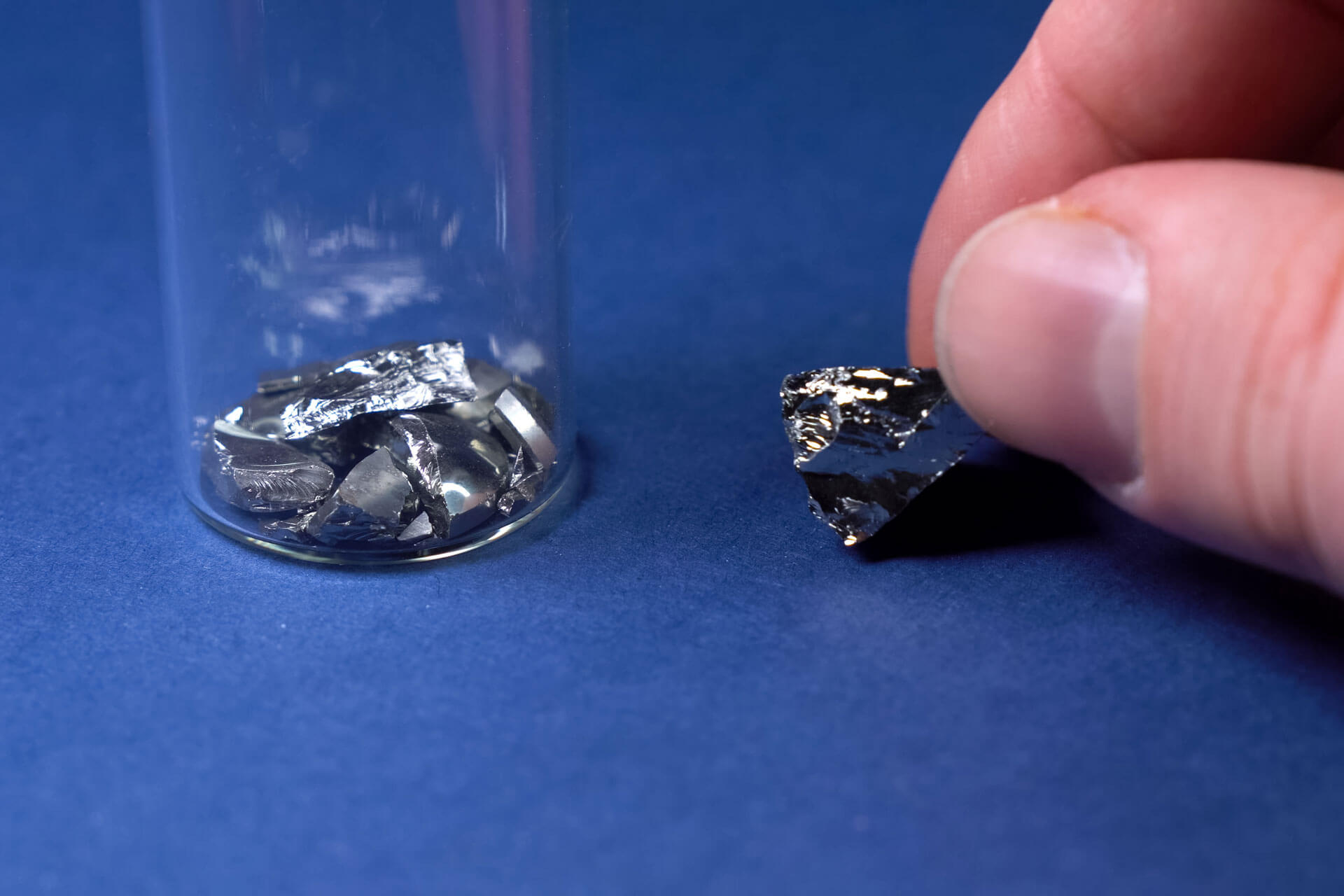
แอฟริกาใต้พร้อมก้าวขึ้นเป็นผู้เล่นสำคัญในห่วงโซ่อุปทานแร่หายากระดับโลกภายในปี 2034【บทวิเคราะห์ SMM】
29 Sep 2026 18:54 (GMT+8)
[บทวิเคราะห์ SMM] การผลักดันการผลิต BESS ของอินเดียเร่งตัวขึ้น แต่การพึ่งพาเซลล์ยังคงเป็นคอขวดสำคัญ
30 Sep 2026 08:50 (GMT+8)
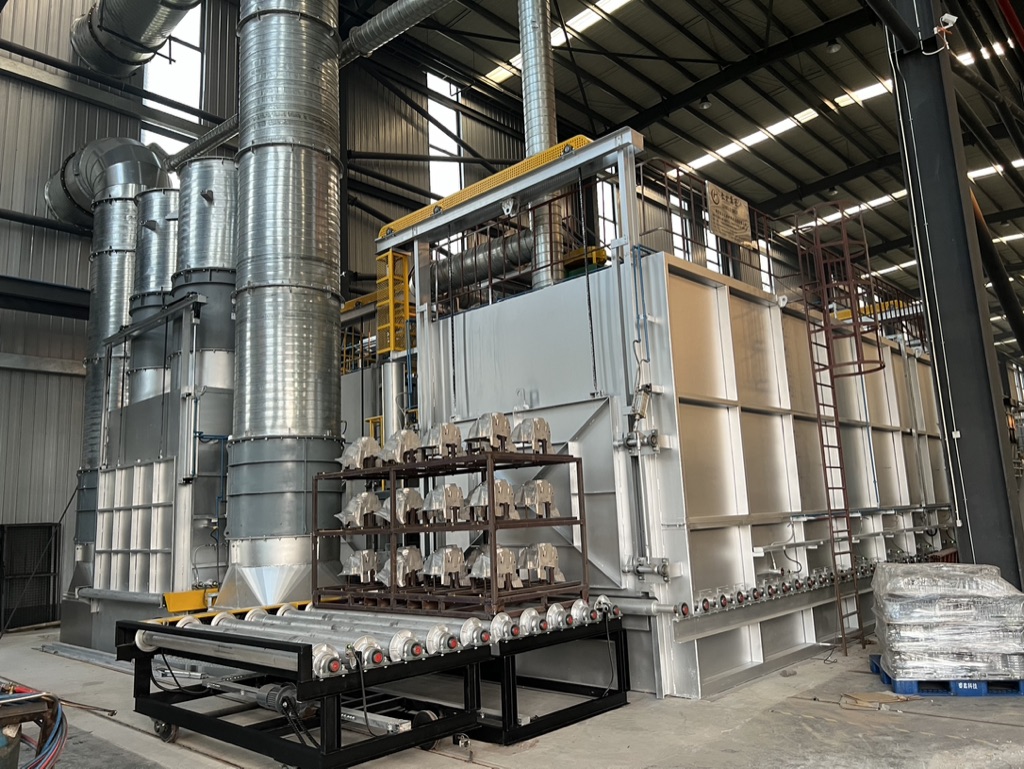
SMM เปิดตัวเครื่องคำนวณ CBAM อะลูมิเนียม: ความหมายของการประมาณต้นทุนสำหรับข้อเสนอที่ส่งไปยังสหภาพยุโรป【บทวิเคราะห์ SMM】
29 Sep 2026 17:32 (GMT+8)
![[SMM Analysis] ทองแดงปฐมภูมิคาร์บอนต่ำเริ่มซื้อขายแยกต่างหาก—มูลค่าสีเขียวของทองแดงรีไซเคิลจะถูกประเมินใหม่หรือไม่?](https://imgqn.smm.cn/usercenter/MXbup20251217171745.jpg)
[SMM Analysis] ทองแดงปฐมภูมิคาร์บอนต่ำเริ่มซื้อขายแยกต่างหาก—มูลค่าสีเขียวของทองแดงรีไซเคิลจะถูกประเมินใหม่หรือไม่?
29 Sep 2026 16:03 (GMT+8)
ข่าวล่าสุด
[แอฟริกาใต้เดินหน้าแบนการขายเศษโลหะด้วยเงินสดเพื่อยับยั้งการโจรกรรมโครงสร้างพื้นฐาน]
3 นาทีที่แล้ว
[India's Steel Exchange India ทำสถิติผลผลิตเหล็กเส้นรายเดือนสูงสุดเป็นประวัติการณ์ เดือนกันยายนอยู่ที่ 25,095 ตัน]
3 นาทีที่แล้ว
[Nigeria scrap dealers' 15-day strike threatens steel output and construction costs]
3 นาทีที่แล้ว
[SAIL ของอินเดียเผยผลผลิตเหล็กครึ่งปีแรกทำสถิติ 8.39 ล้านตัน ยอดขายเดือนกันยายนเพิ่มขึ้น 4%]
3 นาทีที่แล้ว
[กระทรวงเหล็กกล้าอินเดียสั่ง SAIL และ NMDC สำรวจแหล่งสินแร่เหล็กและถ่านหินโค้กในต่างประเทศ]
4 นาทีที่แล้ว
[Tata Steel CEO: การบริโภคเหล็กของอินเดียจะเติบโต 7-8% ในอีกไม่กี่ปีข้างหน้า]
4 นาทีที่แล้ว
[SMM Steel] ราคา HRC อินเดียทรงตัว ขณะคิวโควตา EU เพิ่มขึ้น
35 นาทีที่แล้ว
การส่งออกเหล็กกล้า เฟอร์โรโครเมียม และอุปกรณ์ไฟฟ้าของอินเดียไปยังเกาหลีใต้เพิ่มขึ้นในไตรมาสแรกของปีงบประมาณ 2569-2570
47 นาทีที่แล้ว
[SMM Steel] ราคาเหล็กและเศษเหล็กในประเทศอินเดียยังคงปรับตัวสูงขึ้น
1 ชั่วโมงที่แล้ว
[เอสเอ็มเอ็ม สตีล] ราคา HRC อินโดนีเซียทรงตัวที่ 520 ดอลลาร์สหรัฐ/ตัน FOB เนื่องจากโรงงานไม่มีความจำเป็นต้องปรับราคา
1 ชั่วโมงที่แล้ว
[SMM Steel] แรงกดดันต่อเหล็กตุรกี: เหล็กยาวร่วงหนักจากการเทขายของเทรดเดอร์ ขณะที่เหล็กแผ่นชะลอตัวรอการรีเซ็ตโควตา
2 ชั่วโมงที่แล้ว
[SMM Steel] การส่งออกเหล็กแผ่นของอิหร่านชะลอตัว: เงินเรียลร่วงหนักและปัญหาการขนส่งทำให้การค้าสแลบหยุดชะงัก ขณะที่ HRC เงียบเหงา
2 ชั่วโมงที่แล้ว
[SMM Steel] HRC ยุโรป: ราคาปลายทางกดดันมาร์จิ้น ขณะอุปสงค์อ่อนตัวฉุดการปรับขึ้นราคาของโรงงาน
2 ชั่วโมงที่แล้ว
[โกเบสตีลลดการปล่อยก๊าซลง 23% เทียบปีงบ 2013 พึ่งพา HBI และไฮโดรเจนสู่เป้า 30% ภายในปี 2030]
2 ชั่วโมงที่แล้ว
[อินเดียขยายการสนับสนุนความเสี่ยงด้านการส่งออก ขณะที่ยูเออียังคงเป็นตลาดส่งออกเหล็กรายใหญ่]
2 ชั่วโมงที่แล้ว
[SMM Steel] ตลาด HRC สหภาพยุโรปเผชิญแรงกดดัน เนื่องจากมาร์จิ้นเหล็กแผ่นที่อ่อนแอจำกัดการปรับขึ้นราคาของโรงงาน
2 ชั่วโมงที่แล้ว
[Shyam Metalics เตรียมสร้างโรงงานเหล็ก 9 ล้านตันต่อปีในรัฐมหาราษฏระ]
4 ชั่วโมงที่แล้ว
[BCCL เพิ่มการผลิตถ่านหินดิบ 20.7% ในเดือนกันยายน]
4 ชั่วโมงที่แล้ว
【แฟลช | เกลนคอร์ตั้งเป้ายื่นเอกสารด้านสิ่งแวดล้อมสำหรับโครงการทองแดง-โมลิบดีนัมเอลปาชอนในไตรมาส 1 ปี 2570】
6 ชั่วโมงที่แล้ว
[ EUROFER ปรับลดคาดการณ์การใช้เหล็กปรากฏของสหภาพยุโรปปี 2026 ]
6 ชั่วโมงที่แล้ว