

뉴스
최신 시장 업데이트와 실시간 뉴스 피드를 포함한 독점 분석 기사.
![[SMM 분석] 3분기 중국 외 스테인리스 리뷰: 유럽 할증료 158유로/톤 하락, CIF 가격은 2.8% 상승](https://imgqn.smm.cn/usercenter/VstiG20251217171732.jpeg)
[SMM 분석] 3분기 중국 외 스테인리스 리뷰: 유럽 할증료 158유로/톤 하락, CIF 가격은 2.8% 상승
2026년 3분기 리뷰: 중국 외 스테인리스 원가와 가격이 서로 다른 방향으로 움직였다. 인도네시아 NPI는 8.2% 하락했지만, SMM 추정 304 HRC 원가는 1.7% 하락에 그쳤으며, 마진은 철강사 자체 가격 변동에 따라 4.7%에서 9.0% 사이를 오갔다. 유럽의 304 할증료는 톤당 158유로 하락한 반면 CIF 가격은 2.8% 상승했다. 말레이시아 스크랩은 10.4% 상승했고, 현지 CRC는 0.3% 상승했다. 대만(PoC) 고시 가격은 현물 가격 하락 속에 두 차례 인상됐다. 인도만이 원가와 가격이 함께 움직였으며, 아시아에서 3건의 새로운 반덤핑 조사가 시작됐다.
2026년 10월 08일 15:36 (GMT+8)
골드: 모건스탠리, 상승 여력이 하방 압력보다 훨씬 커 – 4,000달러 지지선
2026년 10월 2일 현재 횡보 국면에 있다. 그러나 미래 지향적인 원자재 투자자들에게 바로 이 환경이 전략적 기회를 제공한다. 높은 채권 수익률과 강달러가 단기적으로 시장을 다소 식히고 있지만, 모건스탠리는 이미 큰 그림을 주시하고 있다. 근본적인 수요 기반은 여전히 건재하다는 것이다. 따라서 이 미국 투자은행의 애널리스트들은 명확한 목표를 유지하고 있다. 2027년 하반기까지 금 가격이 온스당 5,000달러라는 마법의 선을 다시 돌파할 것이라는 전망이다. 모건스탠리 분석: 5,000달러 목표가 부각되는 이유 모건스탠리의 금속·광업 전략 책임자 에이미 가워는 높은 유가와 20년 만의 장기 채권 수익률 최고치 같은 현재의 거시경제적 역풍에도 불구하고 시장의 하방이 exceptionally 잘 보호되고 있다고 본다. 4,000달러 이상의 수준이 강력한 지지선을 형성하고 있다. 금리가 상승하는데도 귀금속이 더 강하게 반응하지 않는 이유는 현재 가격 수준을 안정시키고 있는 이례적으로 견고한 매수 기반에 있다고 그녀는 설명한다. 이러한 시장의 구조적 강세는 세 가지 핵심 축에 기반한다. 아시아의 금 수요: 중국의 실물 수요가 extremely 높다. 중국의 금 수입량은 장기 기록은 아닐지라도 2017년 이후 최고 수준에 도달할 궤도에 있다. ‘골든위크’ 기간의 짧은 소강 상태 이후, 이 구매력은 빠르게 시장에 복귀할 가능성이 높다. 중앙은행들의 장거리 행보: 중국 외에도 폴란드 등 다른 중앙은행들도 통화 리스크와 글로벌 부채 증가의 장기적 지속 가능성에 대한 우려를 헤지하기 위해 주요 매수자로 나서고 있다. 안정적인 ETF 유입: 긴축 통화정책 시기의 전형적인 패턴과 달리, 금 상장지수펀드는 보유량을 계속 늘리고 있다. 모건스탠리에 따르면 이는 기관 수요의 강세를 보여주는 주목할 만한 신호다. 최근 관찰된 것과 같은 단기 매도 급증은 현재 주로 알고리즘 트레이딩 펀드의 포트폴리오 재조정에 기인한 것으로 분석된다. 은, 금의 펀더멘털 추세를 따르다 이러한 강한 기저 추세는 은 시장에도 영향을 미치고 있다. 모건스탠리 전문가들에 따르면, 현재 은은 구리와 같은 산업용 금속보다 ‘큰 형님’인 금과 훨씬 더 강한 상관관계를 보이고 있다. 산업 수요, 특히 지난해 극심한 가격 급등 이후 태양광 산업의 수요는 원가 절감 조치로 인해 다소 둔화되었지만, 귀금속의 거시경제적 잠재력은 여전히 높다. 결국 주요 경제국의 재정 지속 가능성과 인플레이션에 대한 장기적 보호는 실물 자산의 지속적인 촉매제로 작용한다. 향후 장기 채권 시장에 개입이 이루어져 수익률이 다시 하락하거나 유가가 하락한다면, 금과 은에 대한 현재의 압박은 즉시 사라질 것이다. 따라서 모건스탠리의 향후 방향은 분명하다. 12개월 기준 상승 잠재력은 막대하며, 내년 중간 목표가는 5,000달러로 제시되었다. 출처:
2026년 10월 09일 13:46 (GMT+8)
[SMM 분석] 인도의 철강 수요 증가가 중국의 둔화를 상쇄할 수 있을까?
인도는 2026년 중국의 예상 수요 감소분을 거의 상쇄할 수 있다. 이것이 국제 철강 가격을 지지할지는 인도가 무엇을 구매하는지, 인도 철강사들의 증설 속도, 그리고 중국의 수축이 억제된 상태로 유지되는지에 달려 있다. 인도가 철강 수요 성장의 주요 원천으로 부상하면서 두 나라를 훨씬 넘어서는 결과를 초래하는 질문이 제기된다. 인도의 확장하는 시장이 중국의 위축되는 수요를 보상할 수 있는가? 답은 “보상”이 무엇을 의미하는지에 달려 있다. 세계 총량에서 감소한 소비를 대체하는 것이 하나의 기준이다. 국제적으로 거래되는 철강에 대해 동등한 시장을 창출하는 것은 또 다른 기준이다. 중국의 철강 집약적 발전 주기의 규모와 영향력을 재현하는 것은 훨씬 더 큰 과제다. 인도의 철강 수요 성장이 중국의 감소를 거의 상쇄한다 가장 좁은 기준에서 보면 수치가 놀라울 정도로 근접하다. 세계철강협회의 4월 전망에 따르면 인도의 2026년 철강 완제품 수요는 1억 7,160만 톤으로 2025년의 1억 5,980만 톤에서 증가한다. 중국은 7억 9,600만 톤에서 7억 8,410만 톤으로 줄어든다. 따라서 인도는 1,180만 톤을 추가하는 반면 중국은 1,190만 톤이 감소한다. 발표된 반올림 수치를 기준으로 계산하면 합산 변동은 약 -10만 톤이다. 그림 1. 작은 시장의 높은 비율 성장이 훨씬 큰 시장의 완만한 감소를 상쇄할 수 있다. 이 비교는 조강 생산이 아닌 철강 완제품 수요에 관한 것이다. 이는 시장 안정에 의미 있는 기여다. 그러나 이는 또한 취약한 균형이기도 하다. 2026년 전망에서 중국은 여전히 인도의 약 4.6배 규모다. 따라서 중국 궤적의 작은 변화가 인도 증가분의 상당 부분을 흡수할 수 있다. 합리적인 해석은 인도가 억제된 중국의 둔화에 대해 상당한 균형추를 제공한다는 것이다. 아직 세계 시장이 중국에 무감각해지게 만들지는 못한다. 이 구분은 이야기가 어떻게 제시되는지에 중요하다. 인도의 7.4% 예상 성장률과 중국의 1.5% 감소를 비교하면 상쇄 효과가 압도적으로 보인다. 톤수를 비교하면 인도 증가분의 거의 전부가 단순히 중국의 손실을 중화하는 데 필요하다는 것을 보여준다. 1%포인트의 성장은 두 시장에서 물리적 의미가 매우 다르다. 다음 표는 연간 비교를 일관된 통계 기준으로 유지한 것이다. 또한 중국-인도 쌍을 제외한 나머지 세계의 기여도를 잔차로 계산하여 분리했다. 그림 2. 연간 완성재 철강 수요; 2026년과 2027년은 2026년 4월 전망치. 변동률은 반올림된 발표 수치를 사용. 나머지 세계는 별도로 발표된 지역 시계열이 아닌 계산된 값이다. 중국 부동산 부문의 압박 지속, 수요 안정화에 의문 제기 2027년의 경우 중국의 하락세가 멈추고 인도는 계속 성장하기 때문에 동일한 전망이 더 건설적으로 바뀐다. 그러나 이는 이미 확보된 결과라기보다는 향후 입수되는 증거로 검증해야 할 가정이다. 이 전망은 4월 14일에 발표되었으며 3월 중순까지 입수 가능한 정보를 반영했다. 세계철강협회는 중국의 안정화 전망을 부동산 조정이 대체로 마무리 단계에 접어든 것과 명시적으로 연계했으며, 2025년 중국 수요 감소의 보고된 심각성에 대한 불확실성도 강조했다. 이후의 부동산 지표는 신중한 접근이 타당함을 보여준다. 중국 국가통계국은 2026년 1~8월 신규 착공 면적이 전년 동기 대비 24.8% 감소했고, 부동산 개발 투자는 19.9% 감소했다고 발표했다. 이는 총 철강 소비 추정치가 아닌 부동산 지표이므로 철강 수요 전망에 직접 대입할 수 없다. 그럼에도 불구하고 중요한 철강 소비 활동이 4월 전망 작성 이후에도 상당 기간 압박을 받고 있었음을 보여준다. 중국 국가통계국, 1~8월 부동산 데이터 관련 전달 경로는 건설 파이프라인을 통해 이루어진다. 신규 프로젝트는 구조용 자재 수요를 창출하며, 이미 진행 중인 프로젝트는 착공이 약화되더라도 철강을 계속 소비할 수 있다. 프로젝트 시기, 건물 설계, 자재 집약도의 변화로 인해 바닥 면적을 철강 톤수로 고정 환산할 수 없다. 제조업과 인프라도 전체 수요에 영향을 미친다. 따라서 착공 부진은 철강 소비가 동일한 비율로 감소해야 한다는 증거라기보다는 수요 기준선을 면밀히 검토해야 할 이유가 된다. 인프라와 제조업이 인도 철강 수요 성장을 견인 인도의 성장은 더 다양한 보고된 동인을 가지고 있다. 세계철강협회는 인프라 주도 건설, 자동차 활동, 자본재, 철도 개발, 내구소비재를 지지 요인으로 꼽는다. Worldsteel의 인도 평가. 시장 참여자들에게 다음 질문은 이러한 최종 용도가 특정 제품 주문으로 어떻게 이어지는가이다. 건설 프로젝트용 철근, 자격을 갖춘 자동차용 강판, 장비용 전기강판은 모두 동일한 국가 수요 총량에 기여하더라도 서로 다른 상업 시장이다. 인도의 최근 소비 수치에는 고무적인 증거가 있다. 철강부의 10월 6일 발표에 따르면 2026년 4~9월 완성강 소비는 7,900만 톤에서 8,490만 톤으로 증가하여 7.5%의 증가율을 기록했다. 이러한 잠정 회계반기 관측치는 Worldsteel의 역년 전망과 다른 기간을 다룬다. 이는 2026년 최종 결과를 확정하지는 않으면서도 지속적인 성장세를 뒷받침한다. 철강부 / PIB, 상반기 업데이트 소비 증가가 수입 증가를 보장하지 않는 가운데 인도의 철강 무역은 엇갈린다 그러나 해외 제철소에게 소비 성장은 평가의 시작일 뿐이다. 추가적인 인도 수요는 국내 생산, 수출 감소, 수입 또는 재고 변동으로 충당될 수 있다. 이는 해외 구매의 동일한 증가로 이어질 필요가 없다. 견조한 국내 시장은 인도 생산자의 판매 기회를 개선할 수 있지만, 순 국제 철강 수지에는 훨씬 작은 영향을 미칠 수 있다. 그림 3. 2026년 4~9월 양방향 무역 흐름이 모두 확대되었다. 그 차이는 소비보다 훨씬 적게 변했다. 이는 지표 비교이지 완전한 수급 조정이 아니다. 무역 산술이 그 차이를 보여준다. 4~9월 수입은 334만 4,800톤에서 414만 1,800톤으로 증가한 반면, 수출은 281만 200톤에서 354만 7,800톤으로 증가했다. 이에 따라 순수입은 53만 4,600톤에서 59만 4,000톤으로 확대되어 증가폭은 5만 9,400톤에 불과했다. 이는 해외 공급업체에게 기회가 없었다는 뜻이 아니다. 총수입은 분명히 증가했다. 인도가 동시에 더 많은 철강을 해외에 판매하고 있었다는 뜻이다. 인도로의 판매 가능성을 평가하는 수출업체는 제품별, 고객별 총수입을 살펴봐야 한다. 인도가 글로벌 잉여분을 흡수하고 있는지 평가하는 분석가는 수출도 함께 살펴봐야 한다. 이 두 가지 질문은 소비 증가율만으로는 답할 수 없다. 또한 주요 통계를 재고 계산에 억지로 대입해서도 안 된다. 생산, 무역, 소비는 완전한 물질 수지를 이루기 전에 정의와 조정이 서로 일치해야 한다. 여기 제시된 수치만으로는 재고에서 얼마나 많은 철강이 인출되거나 추가되었는지 알 수 없다. 잔차 전체를 재고로만 돌리는 것은 이용 가능한 증거가 뒷받침하지 않는 정밀성을 만들어 낼 것이다. 제품 세부 내역은 상업적 상황을 더 분명하게 보여 준다. 앞서 발표된 부처 자료는 2026년 4~7월 일부 품목의 수입 및 수출 수치를 비교 가능한 형태로 제공한다. 열연 코일 및 스트립은 17만 3,700톤의 순수입을 기록했고, 봉강 및 선재는 9만 5,100톤의 순수출을 기록했다. 아래 표는 그 짧은 기간을 명시적으로 사용한 것이며, 4~9월 합계를 세분한 것이 아니다. 그림 4. 양쪽 흐름이 모두 보고된 일부 품목. 이 표는 모든 제품을 포괄하지 않으며, 광범위한 품목 구분은 등급, 치수, 고객 승인에서의 차이를 숨긴다. 이러한 동시적 흐름은 상업적으로 타당하다. 한 국가가 같은 품목 내에서 한 규격은 수출하고 다른 규격은 수입할 수 있다. 운임 경제성, 납기, 공장 가동 여건, 인증 요건 또한 구매자를 별개의 시장으로 나눌 수 있다. 따라서 국가 전체의 순수지 위치는 유용한 배경이 되지만, 특정 공장의 전망을 보여 주는 불완전한 지침이다. 관련 기회는 구매자가 필요로 하는 등급을 달성 가능한 인도 가격과 납기로 공급하는 것이다. 국내 생산능력 확대가 인도의 철강 수입 수요를 바꿀 수 있다 국내 공급도 이 기회에 대응하고 있다. JSW는 2025~26 회계연도 연차 보고서에서 연간 3,340만 톤의 통합 조강 생산능력 기반과 2029~30 회계연도까지 5,030만 톤이라는 목표를 설명하며, 합작 회사 생산능력은 별도로 논의한다. 또한 전기강판 기술 및 제조에 대한 투자도 설명한다. 이는 회사가 보고한 생산능력과 계획이며, 완제품 철강 생산량 증가를 보장하는 것은 아니다. 시사점은 인도의 수요 증가와 공급 증가를 함께 평가해야 한다는 것이다. 신규 생산능력은 국내 고객에게 공급하거나, 수입을 대체하거나, 궁극적으로 수출을 뒷받침할 수 있다. 결과는 설비 가동, 생산 능력 확대, 제품 성능 및 비용에 달려 있다. 발표된 조강 생산 능력을 완제품 수요 전망에서 직접 차감해서는 안 된다. 두 지표는 서로 다르며, 명목 생산 능력은 실제 판매 가능한 생산량과 같지 않다. 중국 수요가 여전히 핵심 변수: 인도가 글로벌 철강 가격을 지탱할 수 있을까? 이에 따라 중국의 향방이 중요한 변수로 남는다. 단순 민감도 분석에서는 인도의 전망 증가분을 1,180만 톤으로 고정하고, 2025년 기준 대비 중국 수요 감소 가정만 변경한다. 이는 기계적 시나리오일 뿐 세계철강협회의 전망을 대체하지 않는다. 그림 5. 합산 변화량 = 1,180만 톤 − (7억 9,600만 톤 × 가정된 중국 감소율). 계산 시 백분율 입력값은 소수로 표시한다. 기타 시장은 제외된다. 손익분기점에 해당하는 중국 감소율은 약 1.48%다. 3% 감소 시 중국은 약 2,390만 톤이 줄어 인도의 증가에도 불구하고 두 나라 합산 기준 약 1,210만 톤 감소한다. 반대로 중국 시장이 안정적이라면 인도의 증가분이 합산 성장에 온전히 기여할 수 있다. 이러한 비대칭성은 인도의 역할이 확대되더라도 중국의 부동산 및 제조업 지표가 여전히 중요한 주된 이유다. 생산자와 트레이더에게는 세 가지 실질적인 점검이 필요하다. 첫째, 광범위한 경제 서사에만 의존하지 말고 최종 사용자에 대한 실제 인도량을 통해 인도의 성장세가 지속되는지 확인해야 한다. 둘째, 공급 증설을 실제 가동 및 제품 준비 상태 기준으로 추적해야 한다. 셋째, 해당 철강 등급의 수출입 흐름을 운임, 인도 조건 및 적용 가능한 시장 접근 요건과 함께 비교해야 한다. 유리한 국내 수요 추세가 이러한 상업적 작업을 대체할 수는 없다. 증거는 원래 질문에 대해 제한적으로 긍정적인 답을 뒷받침한다. 인도는 2026년 4월 전망에 반영된 중국 수요 감소분을 거의 상쇄할 수 있으며, 이후 인도 지표는 소비 성장세가 지속되고 있음을 확인해 준다. 그러나 이러한 상쇄 효과는 중국의 더 깊은 위축에 민감하며, 외국산 철강에 대해 동일한 규모의 판로로 자동 전환되지는 않는다. 인도의 성장하는 시장은 글로벌 분석에서 더 큰 비중을 차지할 만하다. 국제 가격을 지탱할 수 있는 인도의 능력은 수요, 국내 공급, 그리고 실제로 국경을 넘는 제품에 의해 공동으로 결정될 것이다.
2026년 10월 09일 10:38 (GMT+8)
최신 뉴스

싱예 실버&틴, 웨이링 주식 6.12% 지분 공개매수 완료…아직 경영권 확보 못 해
11시간 전
알래스카 파머 다금속 광상 시추 진행 상황
14시간 전
![상하이 선물거래소 연 2611 계약 J값이 과매도 구간에 진입, 하락 후 반등하며 긴 아래꼬리로 마감 [연 선물 단평]](https://imgqn.smm.cn/usercenter/guTSZ20251217171722.jpg)
상하이 선물거래소 연 2611 계약 J값이 과매도 구간에 진입, 하락 후 반등하며 긴 아래꼬리로 마감 [연 선물 단평]
2026년 10월 09일 17:05 (GMT+8)
데이터: 상하이선물거래소(SHFE), 다롄상품거래소(DCE) 시장 동향 (10월 9일)
다음 표는 2026년 10월 9일 SHFE와 DCE의 철금속 및 비철금속 움직임을 보여줍니다.
2026년 10월 09일 16:01 (GMT+8)
2차 납: 제련소 시세 문의 적고, 하류는 문의만 있고 구매 없어 [SMM 납 일일 리뷰]
2026년 10월 09일 13:33 (GMT+8)
10월 9일 폐배터리 시장 거래 요약 [SMM 일일 리뷰]
2026년 10월 09일 13:33 (GMT+8)
퍼스트 마제스틱, 로스 가토스 광산 3분기 생산량 감소 보고, 2026년 성장 위한 확장 계획
캐나다 퍼스트 매제스틱 실버는 10월 8일 3분기 생산 보고서를 발표했다. 멕시코 로스 가토스 은-아연-납 광산의 3분기 아연 생산량은 13,277,264파운드(약 6,022톤)로 전년 동기 대비 4%, 전 분기 대비 19% 감소했으며, 납 생산량은 7,839,182파운드(약 3,556톤)로 전년 동기 대비 2% 증가했으나 전 분기 대비 13% 감소했다. 아연과 납 회수율의 소폭 하락 영향으로 두 금속 생산량 모두 전 분기보다 줄었다. 회사는 로스 가토스와 산타 엘레나 선광장의 확장을 추진 중이며, 2026년 하반기까지 처리량을 4,000t/d로 지속 확대하는 것을 목표로 하고 있다.
2026년 10월 09일 11:54 (GMT+8)
포산 주촹 자동화 유한회사, 2026 SMM 납·아연 연례 회의에서 만나 뵙기를 기대합니다
2026년 10월 09일 11:16 (GMT+8)
실버 포니, 레블스토크 6개 시추공 모두에서 다중 광화 구간 보고, 5개 공에서 육안으로 확인되는 방연석
실버 포니 리소시스(Silver Pony Resources Corp.)가 캐나다 브리티시컬럼비아주 실버 포니 프로젝트의 추가 지질 기록 결과를 발표했다. 2026년 첫 시추 프로그램은 총 2,280.17m 규모의 10개 공으로 구성되었으며, 이 중 6개 공은 레벨스토크 트렌드에서 시추되었다. 정밀 코어 기록 결과 레벨스토크 6개 공 모두에서 다중 복합 광화 구간이 확인되었고, 5개 공에서는 육안으로 확인 가능한 방연석과 황철석이 관찰되었다. 나머지 1개 공(SP-26-010)에서는 황철석 함유 구간이 확인되었다. 앞서 보고된 SP-26-009공의 7.5m 방연석-황철석 구간도 이번 갱신된 지질 기록에 포함되었다.
10개 공 전체에 대한 코어 기록이 완료되었으며, 각 공의 전 구간을 포괄하는 시료가 실험실 분석을 위해 제출되었다. 블랙 워리어와 올드 골드에서 시추된 4개 공은 목표했던 대리암 및 석회암 모암과 교차했으나 유의미한 황화물 광화 작용은 확인되지 않았다. 3차원 구조 해석이 진행 중이며, 10개 공 전체의 분석 결과는 아직 나오지 않았다.
2026년 10월 09일 10:55 (GMT+8)
Barksdale, Sunnyside의 16,000미터 시추 프로그램 추진을 위해 1,318만 캐나다달러 규모의 자금 조달 완료
Barksdale Resources Corp.는 기존에 발표한 최대 1,400만 캐나다달러 규모의 비중개 사모투자 중 1차 클로징을 완료했다고 밝혔다. 회사는 유닛당 0.18캐나다달러에 73,216,777유닛을 발행하여 약 1,318만 캐나다달러의 총 수익을 조달했다. 순수익은 미국 애리조나주에 위치한 Sunnyside 구리-아연-납-은 프로젝트의 단계적 16,000미터 다이아몬드 시추 프로그램을 지원하는 데 사용될 예정이며, 여기에는 2026년 가을 후반에 시작될 예정인 초기 8,000미터 캠페인이 포함된다.
Barksdale은 Sunnyside에 대해 67.5%의 지분을 보유하고 있다. 계획된 시추는 이전 역순환 시추 결과에 대한 후속 작업으로, Sunnyside 반암 광상에서 초기 광물자원량을 정의하는 것을 목표로 한다. 이 프로그램은 또한 역사적인 Sunnyside, Volcano 및 Thunder 광산 인근 지역을 시험할 것이다. ZTEM 지구물리 탐사가 Sunnyside와 Four Metals 광구 전역에 걸쳐 계획되어 있다. 2차 자금 조달은 10월 중순에 클로징될 예정이며, 이번 공모와 채무 정산은 여전히 TSX 벤처 거래소의 최종 승인을 받아야 한다.
2026년 10월 09일 10:54 (GMT+8)
알래스카 실버, 일리노이 크릭에서 9,496미터 시추 프로그램 완료, 워터펌프 크릭 아연-납 분석 결과 대기 중
2026년 10월 09일 10:53 (GMT+8)
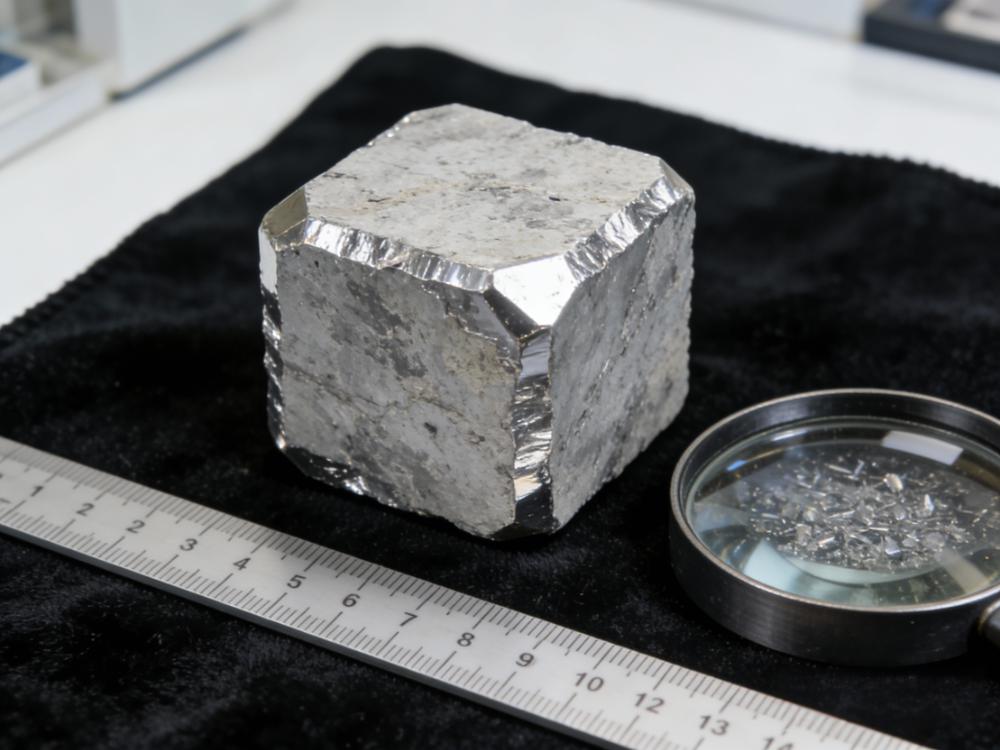
【SMM 속보】Equity Metals, 캐나다 실버 퀸 프로젝트에서 아연 8.6%, 납 1.9% 품위의 6.1m 구간 확인
2026년 10월 09일 10:50 (GMT+8)

엔데버 실버, 페루 콜파 플랜트 2026년 3분기 생산 증가 보고
2026년 10월 09일 10:48 (GMT+8)
【속보 | 미 국방물자청(DLA), 4N 인듐 2억 5,000만 달러 규모 입찰을 낙찰 없이 취소】
미국 국방물류국(DLA)은 4N(99.99%) 인듐 금속 잉곳에 대한 입찰 공고 SP8000-26-R-0011을 공식 취소하고 계약이 체결되지 않을 것임을 확인했다. 취소된 계획은 3년짜리 IDIQ(무기한 인도/무기한 수량) 복수 계약을 추진했으며, 총 상한액은 2억 5천만 달러, 수주업체 간 공유되는 최소 보장 금액은 1천만 달러였다. 자격은 미국 또는 그 외곽 지역에서 인듐을 제조할 수 있는 공급업체로 제한되었다. SMM은 이번 취소로 인해 해당 조달이 국내산 4N 인듐에 대해 형성했던 단기적인 정부 수요 신호가 사라진 것으로 판단한다. 다만 2억 5천만 달러는 보장된 수요가 아닌 계약 상한액이었으며, DLA는 해당 소요에 대한 재입찰 여부를 밝히지 않았다.
2026년 10월 09일 10:33 (GMT+8)
【SMM 속보】 실버 X, 누에바 레쿠페라다 확장 추진…4분기 일일 1,000톤 목표
Silver X는 10월 8일 페루 Nueva Recuperada가 3분기에 5만 4,681톤을 처리했다고 보도했다. 이는 전년 동기 대비 63% 증가했지만 전분기 대비 12% 감소한 수치로, 일평균 594톤을 처리했다. 확장 설비 설치로 처리량이 제한되었고, 개발 광석 증가로 은, 납, 아연 공급 품위가 낮아졌다. 회사는 4분기에 일일 1,000톤 처리 달성을 예상하고 있다. 처리 광석에 함유된 아연과 납은 전년 동기 대비 각각 42%, 20% 증가했다.
2026년 10월 09일 09:50 (GMT+8)
【SMM 속보】 엔데버 콜파 광산, 3분기 아연 생산량 전년 동기 대비 24% 증가, 납 생산량 15% 증가.
엔데버 실버는 10월 8일 콜파가 3분기에 아연 4,558톤과 납 6,504톤을 생산했다고 발표했다. 이는 전년 동기 대비 각각 24%, 15% 증가한 수치다. 처리량은 2분기 233,408톤에서 256,052톤으로 증가했으며, 이는 1분기 말 완공된 증설의 효과다. 비철금속 생산량은 계획을 충족했다. 연간 생산량은 기존 가이던스 하단과 비슷하거나 약간 낮을 것으로 예상되며, 11월 9일 업데이트가 있을 예정이다.
2026년 10월 09일 09:14 (GMT+8)
【SMM 속보】퍼스트 마제스틱의 3분기 귀속 아연 및 납 생산량이 전분기 대비 각각 19%, 13% 감소했다.
퍼스트 마제스틱은 10월 8일 로스 가토스의 3분기 아연 생산량이 70% 지분 기준 13,277,264파운드로 전년 동기 대비 4%, 전분기 대비 19% 감소했다고 발표했다. 납 생산량은 7,839,182파운드로 전년 동기 대비 2% 증가했으나 전분기 대비 13% 감소했다. 처리량은 100% 기준 일일 평균 3,994톤이었으며, 경영진은 2026년 하반기에 일일 4,000톤의 지속적인 처리를 목표로 하고 있다.
2026년 10월 09일 09:13 (GMT+8)
하류 기업들이 잇달아 가격을 문의하며, 연괴 구매 열기는 보통 수준 [SMM 연 시황 요약]
2026년 10월 09일 08:29 (GMT+8)
밤사이 공매도 세력 포지션 증가, 납 선물 가격 급락 [SMM 납 모닝 뉴스]
2026년 10월 09일 08:01 (GMT+8)

중국 동부 제련소, 휴일 장비 고장 후 절반 가동률로 재가동
[2차 납 생산 업데이트] 중국 동부의 대형 2차 납 제련소가 설비 고장으로 연휴 기간 중 생산량이 감소했습니다. 해당 업체는 어젯밤 생산을 재개했으며 현재 가동률 50% 수준으로 일일 생산량은 약 600톤입니다.
2026년 10월 08일 18:24 (GMT+8)
![[SMM 텅스텐 분석] 하나의 시장, 두 가지 가격: 텅스텐 시장의 구조적 교착 상태를 어떻게 타개할 것인가?](https://imgqn.smm.cn/usercenter/FHiZE20251217171722.jpeg)
[SMM 텅스텐 분석] 하나의 시장, 두 가지 가격: 텅스텐 시장의 구조적 교착 상태를 어떻게 타개할 것인가?
해외 텅스텐 광산은 생산량을 늘리고 있지만, 국제 텅스텐 시장의 핵심 모순은 조용히 이동했다. 광석은 캐내고 있지만 제련 측이 이를 따라가지 못하고 있다. 더 주목해야 할 점은 실제로 하락하는 것이 원자재가 아니라 스크랩과 텅스텐 제품이라는 사실이다. '시장 없는 가격'의 대치 국면은 결국 어떻게 전개될 것인가?
2026년 10월 09일 13:21 (GMT+8)
![[SMM 분석] 8월 인도네시아 황 및 황산 수출입 데이터](https://imgqn.smm.cn/usercenter/qcyEh20251217171709.jpg)
[SMM 분석] 8월 인도네시아 황 및 황산 수출입 데이터
2026년 10월 08일 11:02 (GMT+8)
![비용 상승, 구매자 저항: 중국 외 지역에서 태양광 모듈 가격이 회복될 수 있을까? [SMM 분석]](https://imgqn.smm.cn/usercenter/Jzkij20251217171737.jpg)
비용 상승, 구매자 저항: 중국 외 지역에서 태양광 모듈 가격이 회복될 수 있을까? [SMM 분석]
2026년 10월 08일 15:35 (GMT+8)
![[SMM 철광석] 운임 50% 급등, 제철소는 지불 거부: 브라질 중소 광산업체 양면 압박, 그런데 발리는 왜 감산하지 않나?](https://imgqn.smm.cn/usercenter/ocJKj20251217171717.jpg)
[SMM 철광석] 운임 50% 급등, 제철소는 지불 거부: 브라질 중소 광산업체 양면 압박, 그런데 발리는 왜 감산하지 않나?
2026년 10월 08일 09:50 (GMT+8)
[SMM 분석] 3분기 중국 외 스테인리스 리뷰: 유럽 할증료 158유로/톤 하락, CIF 가격은 2.8% 상승
2026년 10월 08일 15:36 (GMT+8)

골드: 모건스탠리, 상승 여력이 하방 압력보다 훨씬 커 – 4,000달러 지지선
2026년 10월 09일 13:46 (GMT+8)
![[SMM 분석] 인도의 철강 수요 증가가 중국의 둔화를 상쇄할 수 있을까?](https://imgqn.smm.cn/usercenter/niwZw20251217171715.jpg)
[SMM 분석] 인도의 철강 수요 증가가 중국의 둔화를 상쇄할 수 있을까?
2026년 10월 09일 10:38 (GMT+8)
최신 뉴스
싱예 실버&틴, 웨이링 주식 6.12% 지분 공개매수 완료…아직 경영권 확보 못 해
11시간 전
알래스카 파머 다금속 광상 시추 진행 상황
14시간 전
상하이 선물거래소 연 2611 계약 J값이 과매도 구간에 진입, 하락 후 반등하며 긴 아래꼬리로 마감 [연 선물 단평]
2026년 10월 09일 17:05 (GMT+8)
데이터: 상하이선물거래소(SHFE), 다롄상품거래소(DCE) 시장 동향 (10월 9일)
2026년 10월 09일 16:01 (GMT+8)
2차 납: 제련소 시세 문의 적고, 하류는 문의만 있고 구매 없어 [SMM 납 일일 리뷰]
2026년 10월 09일 13:33 (GMT+8)
10월 9일 폐배터리 시장 거래 요약 [SMM 일일 리뷰]
2026년 10월 09일 13:33 (GMT+8)
퍼스트 마제스틱, 로스 가토스 광산 3분기 생산량 감소 보고, 2026년 성장 위한 확장 계획
2026년 10월 09일 11:54 (GMT+8)
포산 주촹 자동화 유한회사, 2026 SMM 납·아연 연례 회의에서 만나 뵙기를 기대합니다
2026년 10월 09일 11:16 (GMT+8)
실버 포니, 레블스토크 6개 시추공 모두에서 다중 광화 구간 보고, 5개 공에서 육안으로 확인되는 방연석
2026년 10월 09일 10:55 (GMT+8)
Barksdale, Sunnyside의 16,000미터 시추 프로그램 추진을 위해 1,318만 캐나다달러 규모의 자금 조달 완료
2026년 10월 09일 10:54 (GMT+8)
알래스카 실버, 일리노이 크릭에서 9,496미터 시추 프로그램 완료, 워터펌프 크릭 아연-납 분석 결과 대기 중
2026년 10월 09일 10:53 (GMT+8)
【SMM 속보】Equity Metals, 캐나다 실버 퀸 프로젝트에서 아연 8.6%, 납 1.9% 품위의 6.1m 구간 확인
2026년 10월 09일 10:50 (GMT+8)
엔데버 실버, 페루 콜파 플랜트 2026년 3분기 생산 증가 보고
2026년 10월 09일 10:48 (GMT+8)
【속보 | 미 국방물자청(DLA), 4N 인듐 2억 5,000만 달러 규모 입찰을 낙찰 없이 취소】
2026년 10월 09일 10:33 (GMT+8)
【SMM 속보】 실버 X, 누에바 레쿠페라다 확장 추진…4분기 일일 1,000톤 목표
2026년 10월 09일 09:50 (GMT+8)
【SMM 속보】 엔데버 콜파 광산, 3분기 아연 생산량 전년 동기 대비 24% 증가, 납 생산량 15% 증가.
2026년 10월 09일 09:14 (GMT+8)
【SMM 속보】퍼스트 마제스틱의 3분기 귀속 아연 및 납 생산량이 전분기 대비 각각 19%, 13% 감소했다.
2026년 10월 09일 09:13 (GMT+8)
하류 기업들이 잇달아 가격을 문의하며, 연괴 구매 열기는 보통 수준 [SMM 연 시황 요약]
2026년 10월 09일 08:29 (GMT+8)
밤사이 공매도 세력 포지션 증가, 납 선물 가격 급락 [SMM 납 모닝 뉴스]
2026년 10월 09일 08:01 (GMT+8)
중국 동부 제련소, 휴일 장비 고장 후 절반 가동률로 재가동
2026년 10월 08일 18:24 (GMT+8)