

Berita
Artikel analisis eksklusif dengan pembaruan pasar terkini dan umpan berita tepat waktu.
![[SMM Analysis] Dorongan Manufaktur BESS India Meningkat, tetapi Ketergantungan Sel Tetap Menjadi Hambatan Utama](https://imgqn.smm.cn/production/admin/votes/imagesozVHm20260131125121.jpeg)
[SMM Analysis] Dorongan Manufaktur BESS India Meningkat, tetapi Ketergantungan Sel Tetap Menjadi Hambatan Utama
Pada kuartal pertama 2026, pengiriman sistem penyimpanan energi global mencapai 100,0 GWh, meningkat 96,5% dari 50,9 GWh pada periode yang sama tahun 2025, membawa pengiriman kuartalan ke skala yang sepenuhnya baru.
30 Sep 2026 08:50 (GMT+8)
SMM Meluncurkan Kalkulator CBAM Aluminium: Apa Arti Estimasi Biaya bagi Penawaran ke UE【Analisis SMM】
Seiring dengan dimulainya fase definitif Mekanisme Penyesuaian Batas Karbon Uni Eropa (CBAM), perdagangan aluminium dengan Eropa menuntut biaya karbon untuk dinilai bersama harga logam, biaya pemrosesan, dan logistik. SMM telah meluncurkan Kalkulator CBAM Aluminium , yang menggabungkan kode produk, asal barang, data emisi, dan harga sertifikat untuk mendukung kuotasi ekspor, pengadaan di Eropa, dan penganggaran internal. Modul aluminium menawarkan 58 kode CN dan 68 kategori asal/nilai default, mencakup aluminium tempa, profil, lembaran, strip, foil, dan produk lainnya. Parameter tahunan tersedia untuk 2026–2030. Pengguna memasukkan tonase dan memilih emisi default atau memasukkan emisi aktual terverifikasi. Halaman kemudian menampilkan estimasi sertifikat per ton, total sertifikat, biaya per ton, dan total anggaran, dengan rute aluminium primer dan sekunder disesuaikan dengan basis data yang berlaku. Manfaat praktisnya adalah asumsi dan hasil ditampilkan bersamaan. Eksportir dapat menentukan produk, asal, periode impor, dan basis emisi di balik suatu kuotasi, sementara pembeli dapat membandingkan sumber dalam kondisi yang konsisten. Halaman ini mencakup antarmuka bahasa Mandarin dan Inggris, tabel parameter, dan opsi lembar biaya yang dapat dicetak. Bagaimana biaya terkait dibagi antara pembeli dan penjual tetap merupakan masalah kontraktual. Eksposur sertifikat harus dibedakan dari nilai moneternya. Per 29 September 2026, kalkulator ini menggunakan harga resmi €75,36 per sertifikat untuk Q1 2026 dan €75,28 untuk Q2. Harga Q3 belum dipublikasikan. Jika harga tidak tersedia, halaman tetap menampilkan estimasi volume sertifikat dan mengosongkan biaya, alih-alih mengganti dengan harga asumsi. Versi saat ini tidak mencakup pengurangan untuk harga karbon yang dibayar di luar negeri dan penilaian ambang impor tahunan. Perhitungan emisi aktual untuk barang aluminium kompleks juga tidak memiliki penyesuaian alokasi gratis yang terkait dengan prekursor. Oleh karena itu, analisis di bawah ini menggunakan perhitungan nilai default yang telah diperiksa. Hasilnya adalah estimasi komersial, bukan kewajiban penyerahan akhir yang bersifat wajib. Untuk perbandingan pasar, produk aluminium yang sama dapat memiliki estimasi biaya yang berbeda secara signifikan tergantung pada nilai default spesifik asalnya. Ambil contoh CN 76012040—paduan aluminium tempa dalam bentuk billet—dengan rute primer K, harga sertifikat Q2 2026, dan kuantitas 1.000 ton. Estimasi biaya berdasarkan kasus nilai default Tiongkok, India, dan Kanada masing-masing adalah €143,98, €50,41, dan €57,86 per ton. Angka-angka ini mencakup markup nilai default tahunan dan penyesuaian alokasi gratis berbasis benchmark. Kasus nilai default Tiongkok dan India berbeda sekitar €93,57 per ton. Membandingkan hanya harga logam atau biaya pemrosesan dapat melewatkan perbedaan yang berarti dalam anggaran pembeli. Jika ketentuan komersial lainnya serupa, estimasi biaya CBAM dapat memengaruhi daya tarik suatu penawaran. Namun, ini bukan peringkat intensitas karbon aktual produsen. Biaya pengiriman, bea masuk, kualitas, dan ketentuan pengiriman juga berada di luar perbandingan ini, sehingga angka-angka tersebut saja tidak dapat menentukan pemasok yang lebih disukai. Hal ini menyoroti nilai komersial dari dokumentasi emisi pemasok. Bagi produsen yang emisi aktualnya berada di bawah nilai default yang berlaku, didukung oleh verifikasi yang sesuai, data aktual dapat mengubah penilaian biaya pembeli. Pembeli dapat menggunakan nilai default untuk anggaran awal ketika dokumentasi tidak tersedia, kemudian menilai ulang menggunakan bukti dari pemasok. Oleh karena itu, eksportir memiliki alasan untuk menyiapkan informasi emisi bersama penawaran produk mereka, alih-alih bernegosiasi hanya berdasarkan perbedaan default negara. Perubahan parameter tahunan juga perlu diperhatikan. Dengan mempertahankan nilai default dasar produk Tiongkok, rute, dan benchmark tetap konstan, serta mengasumsikan bahwa tahun impor dan tahun pelaporan yang berlaku bertepatan, estimasi eksposur sertifikat naik dari 1,912575 per ton pada 2026 menjadi 2,248150 pada 2027—peningkatan sekitar 17,5%. Ini mencerminkan markup nilai default yang lebih tinggi dan pengurangan alokasi gratis yang lebih kecil; ini tidak menyiratkan kenaikan harga sertifikat di masa depan. Untuk pengaturan pasokan yang mencakup tahun yang berbeda, perusahaan dapat terlebih dahulu membandingkan eksposur sertifikat, kemudian mendiskusikan mekanisme pembaruan harga dan pembagian biaya. Meskipun harga sertifikat di masa depan masih belum diketahui, mengidentifikasi eksposur tersebut dan memperoleh dokumentasi pemasok dapat meningkatkan keterbandingan penawaran dan anggaran pengadaan.
29 Sep 2026 17:32 (GMT+8)
[SMM Analysis] Tembaga Primer Rendah Karbon Mulai Diperdagangkan Secara Terpisah—Akankah Nilai Hijau Tembaga Daur Ulang Dinilai Ulang?
[SMM Analisis: Tembaga Primer Rendah Karbon Mulai Diperdagangkan Terpisah—Akankah Nilai Hijau Tembaga Daur Ulang Dinilai Ulang?] Proyek percontohan EAC oleh BHP dan Amazon memisahkan pengurangan emisi terverifikasi dari perdagangan fisik tembaga, memberikan sumber nilai lingkungan baru bagi tembaga primer rendah emisi. Tembaga daur ulang tetap memiliki keunggulan energi yang besar, tetapi daya saing di masa depan mungkin lebih bergantung pada ketertelusuran, kandungan daur ulang, dan data karbon terverifikasi, yang berpotensi menambah dimensi lingkungan pada penetapan harga.
29 Sep 2026 16:03 (GMT+8)
Berita Terbaru
Aterian melaporkan penjualan bijih 3T Rwanda yang lebih tinggi; margin perdagangan masih berupa estimasi
02 Oct 2026 16:26 (GMT+8)
【Flash | PhotonLink Coherent Menyiapkan Panggung untuk Peningkatan Komersial Indium Fosfida (InP)】
02 Oct 2026 14:34 (GMT+8)
【Kilas | Alleima Menaikkan Biaya Tambahan Oktober untuk Kelas Tabung Berbahan Molibdenum】
02 Oct 2026 10:30 (GMT+8)
【Kilas | Penggunaan Molibdenum Global Melebihi Produksi sebesar 4.672 Ton pada Kuartal II 2026】
Produksi molibdenum global mencapai 167,2 juta pon (75.841 ton) pada kuartal II 2026, turun 3% YoY dan 1% QoQ, sementara penggunaan mencapai 177,5 juta pon (80.513 ton), naik 8% YoY tetapi turun 2% QoQ. Perbandingan langsung menunjukkan selisih kuartalan sebesar 10,3 juta pon (4.672 ton). Tiongkok memproduksi 79,5 juta pon (36.061 ton), stabil YoY dan naik 1% QoQ; produksi Amerika Selatan turun 9% YoY dan 4% QoQ menjadi 39,9 juta pon (18.098 ton). Penggunaan Tiongkok naik 10% YoY menjadi 90,2 juta pon (40.914 ton), sementara penggunaan AS meningkat 12% menjadi 17,1 juta pon (7.756 ton). Selisih tersebut tidak memperhitungkan persediaan atau arus perdagangan.
02 Oct 2026 10:04 (GMT+8)
Produksi Silikon-Mangan Naik MoM pada September: Utara Melonjak, Selatan Bervariasi
Pada September, pasokan domestik paduan silikon-mangan secara keseluruhan meningkat dibandingkan Agustus, dengan produksi nasional naik dari bulan ke bulan. Meski demikian, tingkat operasi di berbagai wilayah penghasil tidak meningkat secara serempak. Terbentuk pola berupa pertumbuhan produksi di wilayah penghasil utara, kinerja beragam di wilayah selatan, dan kontraksi produksi moderat secara umum di zona penghasil kecil, yang semakin menyoroti divergensi regional dalam produksi.
30 Sep 2026 20:21 (GMT+8)
![[SMM Kilasan Kromium] A-3 Minerals Rencanakan Ekspansi 8,6 Kali Lipat Unit Pencucian Bijih Krom di Jajpur, Odisha](https://imgqn.smm.cn/production/admin/votes/imagesDviOh20260930201538.jpeg)
[SMM Kilasan Kromium] A-3 Minerals Rencanakan Ekspansi 8,6 Kali Lipat Unit Pencucian Bijih Krom di Jajpur, Odisha
A-3 Minerals & Metal Exports Private Limited berencana meningkatkan kapasitas produksi unit benefisiasi bijih kromnya di Desa Bayree, Distrik Jajpur, Odisha, dari 18.500 ton per tahun menjadi 160.000 ton per tahun, menurut pengajuan proyek yang dipantau oleh India Projects News. Ekspansi yang diusulkan, dengan perkiraan biaya sekitar Rs. 5 crore, saat ini berada pada tahap konseptual dan perencanaan serta sedang dipertimbangkan untuk persetujuan lingkungan.
Distrik Jajpur terletak di dalam sabuk Lembah Sukinda di Odisha, wilayah yang menyimpan sebagian besar cadangan kromit India dan menjadi basis operasional bagi produsen ferokrom domestik utama termasuk Indian Metals & Ferro Alloys (IMFA). Pengajuan tersebut tidak mengungkapkan jadwal proyek, proses benefisiasi spesifik yang akan digunakan, atau pelanggan hilir untuk bijih olahan tambahan, dan tidak ada rincian lebih lanjut mengenai operasi atau struktur kepemilikan A-3 Minerals yang tersedia dalam pengajuan sumber.
30 Sep 2026 19:58 (GMT+8)
Kontrak berjangka silikon-mangan: reli Agustus berubah menjadi penurunan September; pasar berbalik hati-hati setelah koreksi dari level tinggi.
Kontrak utama silikon-mangan menunjukkan kinerja reli lalu koreksi sepanjang Agustus-September. Agustus memperlihatkan tren naik berosilasi secara keseluruhan, diikuti oleh koreksi tajam pada September, menandai pergeseran signifikan dalam sentimen pasar dan struktur kepemilikan posisi.
30 Sep 2026 19:36 (GMT+8)
Pasokan spot ketat; harga logam silikon stagnan dan stabil menjelang liburan [Tinjauan Mingguan Industri Silikon SMM]
[Harga spot silikon metal stabil di tengah kebuntuan jelang libur karena pasokan ketat]: Harga spot silikon metal stabil di tengah kebuntuan pekan ini. Per 30 September, silikon #553 oxygen-blown SMM di Tiongkok timur berada di 9.400-9.500 yuan/mt, datar WoW. Di pasar berjangka, kontrak SI2611 bergerak sideways sepanjang pekan. Dengan hanya tiga hari perdagangan sebelum libur Hari Nasional, kontrak tersebut mundur ke sekitar 8.470 yuan/mt pada Senin sebelum stabil, kemudian rebound di tengah percepatan pengurangan inventori dan likuiditas spot yang ketat, ditutup di 8.565 yuan/mt pada hari perdagangan terakhir sebelum libur, naik 35 yuan/mt dari Jumat lalu. Dari sisi kuotasi pasar dan transaksi, aktivitas perdagangan mendingin pekan ini seiring mendekatnya libur Hari Nasional. Pemasok silikon menjaga kuotasi tetap stabil, sementara pengguna hilir melakukan pembelian intensif sebelum libur. Inventori sosial terus menurun, memperketat pasokan harga rendah di pasar. Likuiditas spot silikon metal ketat, dan pengguna hilir terutama menimbun sesuai kebutuhan sebelum libur, dengan keinginan terbatas untuk mengejar harga lebih tinggi. Pusat harga stabil di tengah kebuntuan.
30 Sep 2026 18:40 (GMT+8)
Tarik-menarik antara penjual dan pembeli berlanjut di pasar silikon; pesanan baru secara keseluruhan tetap lesu menjelang hari libur [Tinjauan Mingguan Silikon SMM]
[SMM Silikon Tinjauan Mingguan: Tarik-menarik antara penjual dan pembeli masih berlanjut di pasar silikon, dengan pesanan baru secara keseluruhan lesu menjelang hari libur] Minggu ini, pasar DMC silikon China mengalami penurunan tipis pada transaksi, dengan harga rata-rata 14.500 yuan/mt. Selama minggu ini, setelah satu produsen monomer menurunkan penawaran DMC-nya menjadi 14.500 yuan/mt, produsen monomer lainnya mempertahankan penawaran yang ada, menunjukkan keinginan kuat untuk menahan harga menjelang hari libur, tetapi hampir tidak ada perdagangan pada harga tinggi. Dari sisi bahan baku, logam silikon 421# (untuk penggunaan silikon) di China timur tetap stabil, dan harga metanol stabil minggu ini, memberikan dukungan bagi harga DMC silikon. Secara keseluruhan, pasar silikon tetap terkunci dalam tarik-menarik antara penjual dan pembeli minggu ini, dengan produsen monomer menunjukkan keinginan kuat untuk menahan harga menjelang hari libur, sementara permintaan terutama merupakan pengisian ulang berdasarkan kebutuhan, dan transaksi aktual sebelum hari libur lemah. Dalam jangka pendek, harga silikon akan tetap lesu, dengan perhatian tertuju pada arah pertemuan industri produsen monomer pada awal Oktober dan laju pengisian ulang stok hilir setelah hari libur.
30 Sep 2026 18:08 (GMT+8)
【Analisis SMM】Produksi Ferokrom Kembali Turun pada September, Inversi Biaya Membuat Prospek Suram
30 Sep 2026 17:38 (GMT+8)
![Tingkat operasi menurun signifikan karena libur; harga ADC12 diperkirakan tetap kuat setelah libur [Tinjauan Mingguan Skrap Aluminium dan Aluminium Sekunder]](https://imgqn.smm.cn/usercenter/hSSxt20251217171722.jpeg)
Tingkat operasi menurun signifikan karena libur; harga ADC12 diperkirakan tetap kuat setelah libur [Tinjauan Mingguan Skrap Aluminium dan Aluminium Sekunder]
30 Sep 2026 17:12 (GMT+8)
![Harga PV di berbagai segmen tetap stabil menjelang liburan, dengan ekspektasi pemangkasan produksi polisilikon pada Oktober semakin meningkat [Tinjauan Mingguan SMM]](https://imgqn.smm.cn/usercenter/teIej20251217171724.jpeg)
Harga PV di berbagai segmen tetap stabil menjelang liburan, dengan ekspektasi pemangkasan produksi polisilikon pada Oktober semakin meningkat [Tinjauan Mingguan SMM]
30 Sep 2026 15:46 (GMT+8)
![[SMM Kilasan Kromium] Bijih Kromium dan Ferokromium Menyumbang Hampir 29% dari Ekspor Zimbabwe ke UE pada Agustus](https://imgqn.smm.cn/production/admin/votes/imagesUsnYO20260930150218.jpeg)
[SMM Kilasan Kromium] Bijih Kromium dan Ferokromium Menyumbang Hampir 29% dari Ekspor Zimbabwe ke UE pada Agustus
30 Sep 2026 14:44 (GMT+8)
【Flash | 5N Plus Perluas Fasilitas Utah untuk Menangani Indium Antimonida】
5N Plus berencana memperluas fasilitasnya di St. George, Utah sekitar 50%, dengan target penyelesaian pada H2 2027. Situs ini mengubah indium antimonida dan bahan khusus lainnya menjadi bahan semikonduktor, wafer, substrat, dan komponen tertentu, dengan kemampuan pemulihan, pemurnian, dan pertumbuhan kristal. Peralatan baru akan dipasang secara bertahap, tetapi kapasitas khusus InSb tidak diungkapkan; angka 50% mengacu pada perluasan fasilitas, bukan permintaan indium.
30 Sep 2026 14:44 (GMT+8)
Dukungan biaya menjaga kargo spot stabil; pasar ADC12 berhati-hati jelang Hari Nasional [Tinjauan Harian Harga ADC12]
[Ulasan Harian Harga ADC12: Harga Spot Stabil Didukung Biaya, Pasar Berhati-hati Jelang Hari Nasional] Hari ini, kontrak paduan aluminium cor AD2611 yang paling aktif dibuka pada 23.635 yuan/mt. Setelah anjlok di sesi awal ke level terendah 23.540 yuan/mt, harga dengan cepat pulih dan ditutup pada 23.590 yuan/mt pada tengah hari, turun 25 yuan/mt atau 0,11% dari harga penyelesaian kemarin.
30 Sep 2026 13:35 (GMT+8)
[SMM Analisis] Coltan DRC pada 2025: Apa yang Diungkap Data Produksi dan Ekspor
Republik Demokratik Kongo tetap menjadi produsen tantalum terkemuka di dunia. Statistik harmonis 2025 yang digunakan untuk analisis ini melaporkan 1.434,17 ton koltan, dengan 88,1% berasal dari penambangan artisanal. Statistik tersebut juga mengungkap rantai pasok yang terkonsentrasi di beberapa provinsi dan perusahaan, perbedaan nilai satuan ekspor yang lebar, serta total resmi yang tidak sepenuhnya selaras. Oleh karena itu, isu utamanya bukan hanya seberapa banyak Kongo memproduksi, tetapi seberapa baik setiap ton tercatat dari tambang hingga ekspor.
29 Sep 2026 21:40 (GMT+8)
![[SMM Flash Kromium] Ancaman Blokade Odisha atas Undang-Undang Pertambangan Membahayakan Pusat Kromit India](https://imgqn.smm.cn/production/admin/votes/imagestNDzZ20260929194752.jpeg)
[SMM Flash Kromium] Ancaman Blokade Odisha atas Undang-Undang Pertambangan Membahayakan Pusat Kromit India
Negara bagian Odisha di India, produsen mineral terbesar di negara itu dan sumber utama bijih kromit, menghadapi potensi gangguan transportasi mineral setelah partai-partai oposisi mengumumkan rencana blokade ekonomi sebagai respons terhadap Undang-Undang Amandemen Mines and Minerals (Development and Regulation) (MMDR) 2026. Biju Janata Dal (BJD), partai oposisi utama di Odisha, menggelar demonstrasi publik di Bhubaneswar pada 28 September dan menyatakan akan meluncurkan kampanye tingkat distrik, yang kemudian diikuti blokade ekonomi untuk menghentikan transportasi mineral, jika undang-undang hasil amandemen tersebut tidak dicabut. Partai Kongres secara terpisah mengumumkan blokade ekonomi selama tujuh hari dan penutupan seluruh negara bagian yang direncanakan setelah festival Dussehra, serta menyerukan agar penambangan, ekstraksi, dan transportasi mineral dihentikan selama periode tersebut.
Pokok persoalannya adalah pembagian kewenangan perpajakan atas hak mineral antara pemerintah negara bagian dan pemerintah pusat. Menyusul putusan Mahkamah Agung pada 2024 yang menegaskan kewenangan negara bagian untuk mengenakan pajak atas hak mineral dan lahan yang mengandung mineral, dengan kewajiban terkait dibayarkan secara cicilan mulai April 2026, partai-partai oposisi Odisha menyatakan bahwa UU MMDR yang baru diamandemen mengubah kerangka yang diharapkan tersebut dan dapat mengurangi penerimaan pajak negara bagian terkait mineral. Seorang legislator BJD memperkirakan negara bagian dapat kehilangan sekitar ₹12.000 crore per tahun dari pendapatan terkait mineral, dengan potensi kekurangan tambahan yang melebihi ₹1 triliun dari kewajiban yang sebelumnya diharapkan dapat dipulihkan negara bagian. Pendapatan mineral Odisha mencapai ₹51.127 crore pada tahun fiskal 2025-26, setara sekitar 75–80% dari pendapatan asli daerah nonpajak, dibandingkan target 2026-27 sekitar ₹53.000 crore.
Bagi pasar kromium, relevansinya terletak pada posisi Odisha sebagai negara bagian penghasil kromit dominan di India. Menurut Direktorat Pertambangan negara bagian, Odisha memproduksi 474,17 juta mt mineral pada 2024-25, sekitar 43,7% dari total produksi mineral utama India, termasuk 3,19 juta mt kromit. Lembah Sukinda di negara bagian tersebut menampung porsi signifikan cadangan kromit India dan menjadi lokasi tambang bijih krom milik sendiri Indian Metals & Ferro Alloys (IMFA) serta operasi peleburan ferokrom di Therubali, Choudwar, dan Kalinganagar, lokasi ekspansi kapasitas IMFA yang sedang berlangsung. Jika blokade yang diancamkan benar-benar terjadi dan meluas hingga transportasi mineral sebagaimana diumumkan, pergerakan bijih krom dan produksi ferokrom di Odisha dapat terganggu, menambah sumber baru ketidakpastian sisi pasokan bagi sektor ferokrom India pada saat kapasitas domestik sedang aktif bertambah. Belum ada tanggal yang dikonfirmasi mengenai kapan blokade, jika dilaksanakan, akan dimulai selain kerangka waktu pasca-Dussehra yang dirujuk oleh Partai Kongres
29 Sep 2026 19:45 (GMT+8)
[Kilas | Centinela Antofagasta Terancam Mogok Akibat Sengketa Buruh]
Baru-baru ini, Centinela, tambang inti Antofagasta, menghadapi tantangan ketenagakerjaan yang berat. Pada 28 September, serikat pekerja Minera Esperanza dan Distrito Centinela memberikan suara 98,73% mendukung mogok kerja terkait kesenjangan kompensasi, menolak tawaran kontrak manajemen. Sebagai sumber molibdenum terkait yang penting, produksi molibdenum Centinela pada H1 2026 turun sekitar 17,6% year-on-year menjadi 1.400 ton. Pemungutan suara mogok ini mengancam stabilitas pasokan lebih lanjut. Meskipun produksi tetap berlanjut sambil menunggu hasil mediasi, dampak potensial terhadap operasi dan kemajuan proyek jangka panjang memerlukan pemantauan ketat.
29 Sep 2026 18:24 (GMT+8)
![[SMM Kilasan Kromium] Kazchrome Raih Medali Perak EcoVadis, Masuk 15% Teratas Global dalam Keberlanjutan](https://imgqn.smm.cn/production/admin/votes/imagesmuTmn20260929153950.jpeg)
[SMM Kilasan Kromium] Kazchrome Raih Medali Perak EcoVadis, Masuk 15% Teratas Global dalam Keberlanjutan
TNC Kazchrome JSC, anak perusahaan Eurasian Resources Group (ERG) dan produsen ferokrom karbon tinggi terbesar di dunia berdasarkan kandungan krom, telah dianugerahi Medali Perak dalam Penilaian Keberlanjutan Internasional EcoVadis, dengan skor 75 dari 100 poin. Hasil ini menempatkan Kazchrome di antara 15% perusahaan teratas yang dinilai secara global oleh EcoVadis, platform pemeringkat keberlanjutan bisnis internasional yang digunakan secara luas untuk mengevaluasi perusahaan berdasarkan kriteria lingkungan, ketenagakerjaan dan hak asasi manusia, etika, serta pengadaan berkelanjutan.
Kazchrome menjalankan bisnis pertambangan ferokrom dan bijih krom melalui empat divisi utama di Kazakhstan: Pabrik Pertambangan dan Pengolahan Donskoy, Pabrik Ferroalloy Aktobe, Pabrik Ferroalloy Aksu, dan Perusahaan Pertambangan Kazmarganets.
29 Sep 2026 15:38 (GMT+8)
![[SMM Kilasan Kromium] Kazchrome Selesaikan Perombakan Menara Pendingin di Pabrik Ferroalloy Aksu](https://imgqn.smm.cn/production/admin/votes/imagesaYdjw20260929150557.jpeg)
[SMM Kilasan Kromium] Kazchrome Selesaikan Perombakan Menara Pendingin di Pabrik Ferroalloy Aksu
TNC Kazchrome JSC, anak perusahaan Eurasian Resources Group (ERG) yang berkantor pusat di Luksemburg dan produsen ferokrom karbon tinggi terbesar di dunia berdasarkan kandungan krom, telah menyelesaikan perombakan besar menara pendingin di Pabrik Ferroalloy Aksu di wilayah Pavlodar, Kazakhstan. Investasi untuk peningkatan sistem pendingin tungku ini mencapai KZT 1,7 miliar.
Pabrik Ferroalloy Aksu adalah salah satu dari empat divisi produksi utama yang membentuk Kazchrome, bersama dengan Pabrik Ferroalloy Aktobe, Pabrik Penambangan dan Pengolahan Donskoy di wilayah Aktobe, dan Perusahaan Pertambangan Kazmarganets di wilayah Karaganda. Basis sumber daya Kazchrome didukung oleh perkiraan 221,7 juta ton bijih krom dengan kadar rata-rata 50,0%.
29 Sep 2026 15:04 (GMT+8)
![[SMM Announcement] Harga Logam Pasar Tiongkok dan Pembaruan Berita Dihentikan Selama Libur Hari Nasional (1-7 Okt)](https://imgqn.smm.cn/usercenter/HeIuV20251217171708.jpg)
[SMM Announcement] Harga Logam Pasar Tiongkok dan Pembaruan Berita Dihentikan Selama Libur Hari Nasional (1-7 Okt)
Pengguna SMM yang Terhormat, Hari libur Nasional semakin dekat. Perlu diketahui bahwa penilaian harga logam pasar Tiongkok dan pembaruan berita SMM akan dihentikan sementara selama liburan (1-7 Oktober) dan akan kembali normal setelah liburan berakhir. Namun, penilaian harga luar negeri SMM akan terus diperbarui seperti biasa sepanjang liburan. Kami mohon maaf atas ketidaknyamanan yang ditimbulkan dan mengucapkan selamat berlibur. Shanghai Metals Market (SMM)
28 Sep 2026 17:06 (GMT+8)
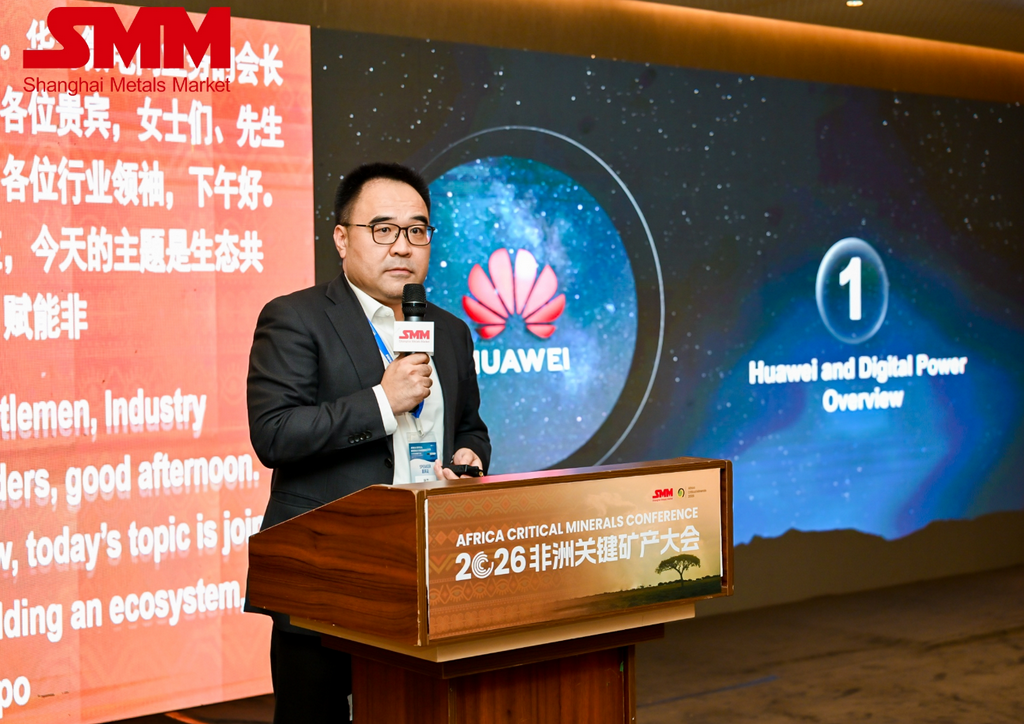
Huawei Jajaki Kemitraan Pertambangan Hijau di Afrika dan Gelar Pembicaraan Bisnis dengan ZESCO di SMM ACM 2026
23 Sep 2026 16:41 (GMT+8)
![[Analisis SMM] Perdagangan Tarif Tembaga AS Mulai Meredup — tetapi Belum Berakhir](https://imgqn.smm.cn/production/admin/votes/imagesMbCUq20260929144044.png)
[Analisis SMM] Perdagangan Tarif Tembaga AS Mulai Meredup — tetapi Belum Berakhir
29 Sep 2026 14:37 (GMT+8)
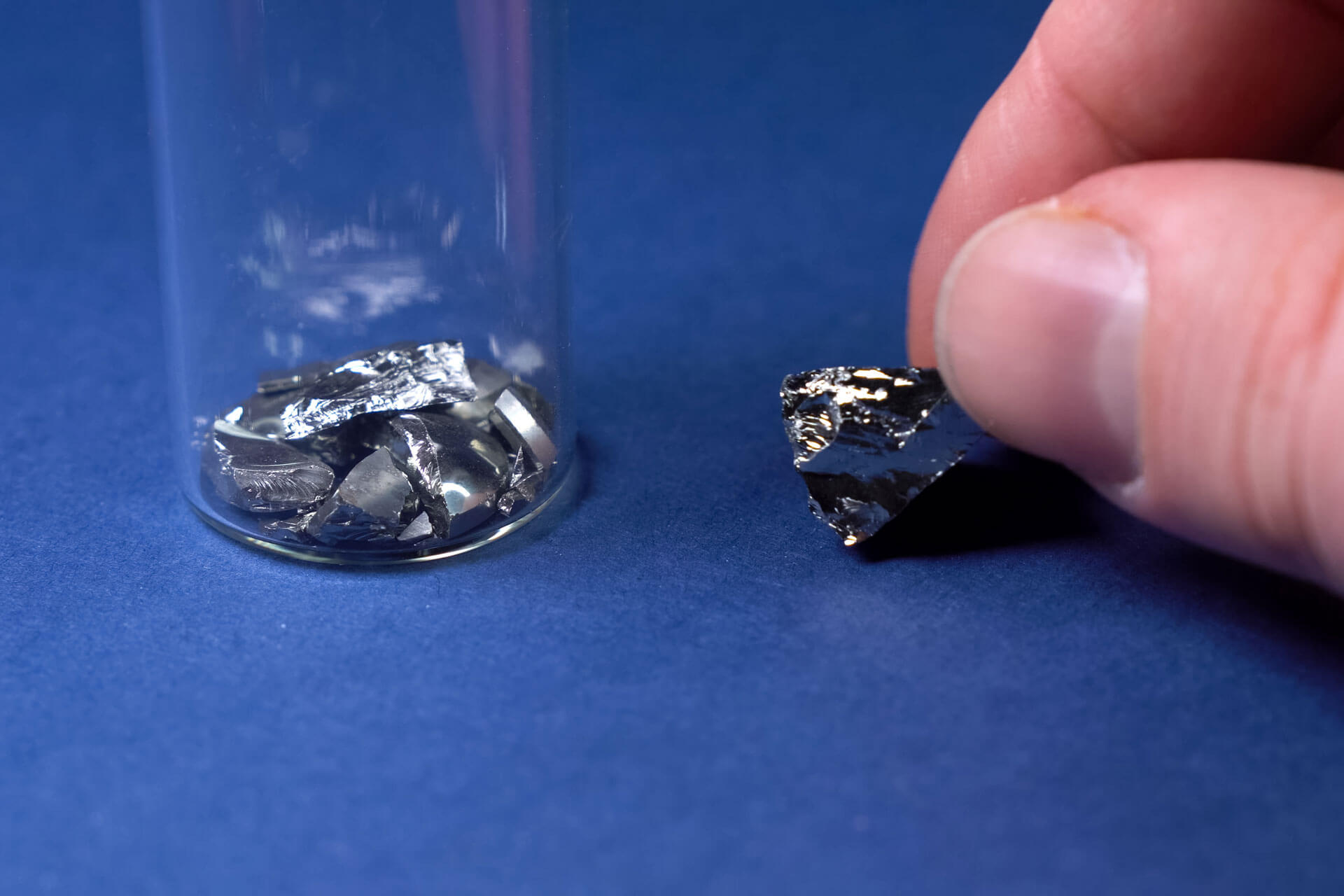
Afrika Selatan Siap Menjadi Pemain Kunci dalam Rantai Pasokan Logam Tanah Jarang Global pada 2034【Analisis SMM】
29 Sep 2026 18:54 (GMT+8)
[SMM Analysis] Dorongan Manufaktur BESS India Meningkat, tetapi Ketergantungan Sel Tetap Menjadi Hambatan Utama
30 Sep 2026 08:50 (GMT+8)
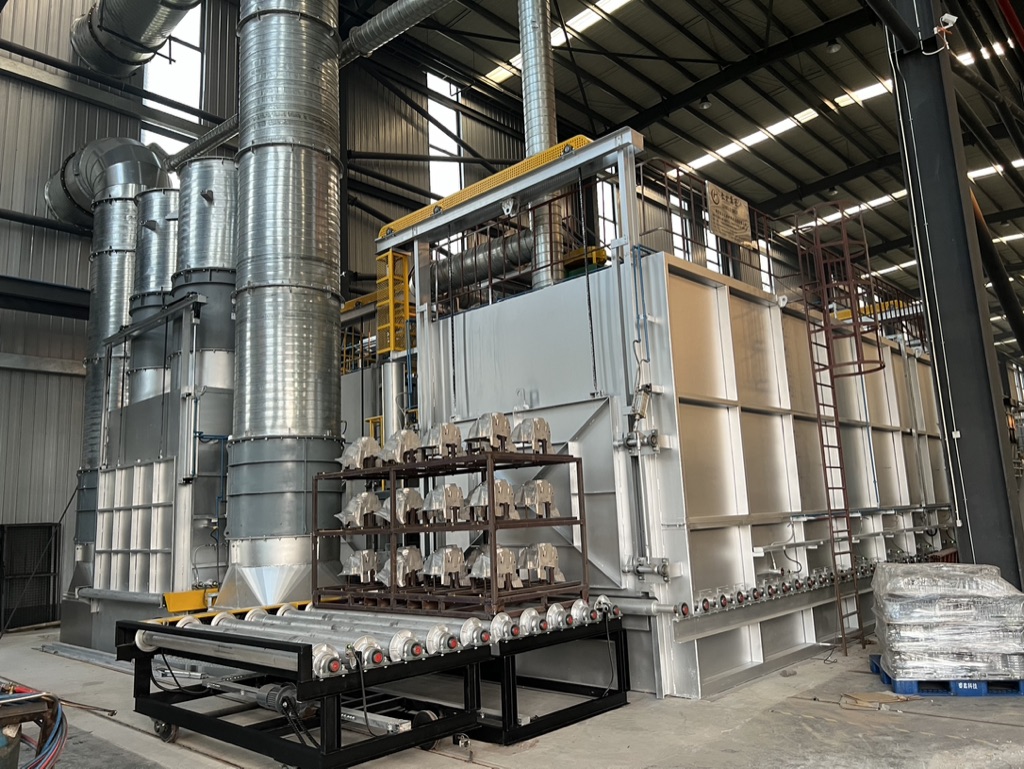
SMM Meluncurkan Kalkulator CBAM Aluminium: Apa Arti Estimasi Biaya bagi Penawaran ke UE【Analisis SMM】
29 Sep 2026 17:32 (GMT+8)
![[SMM Analysis] Tembaga Primer Rendah Karbon Mulai Diperdagangkan Secara Terpisah—Akankah Nilai Hijau Tembaga Daur Ulang Dinilai Ulang?](https://imgqn.smm.cn/usercenter/MXbup20251217171745.jpg)
[SMM Analysis] Tembaga Primer Rendah Karbon Mulai Diperdagangkan Secara Terpisah—Akankah Nilai Hijau Tembaga Daur Ulang Dinilai Ulang?
29 Sep 2026 16:03 (GMT+8)
Berita Terbaru
Aterian melaporkan penjualan bijih 3T Rwanda yang lebih tinggi; margin perdagangan masih berupa estimasi
02 Oct 2026 16:26 (GMT+8)
【Flash | PhotonLink Coherent Menyiapkan Panggung untuk Peningkatan Komersial Indium Fosfida (InP)】
02 Oct 2026 14:34 (GMT+8)
【Kilas | Alleima Menaikkan Biaya Tambahan Oktober untuk Kelas Tabung Berbahan Molibdenum】
02 Oct 2026 10:30 (GMT+8)
【Kilas | Penggunaan Molibdenum Global Melebihi Produksi sebesar 4.672 Ton pada Kuartal II 2026】
02 Oct 2026 10:04 (GMT+8)
Produksi Silikon-Mangan Naik MoM pada September: Utara Melonjak, Selatan Bervariasi
30 Sep 2026 20:21 (GMT+8)
[SMM Kilasan Kromium] A-3 Minerals Rencanakan Ekspansi 8,6 Kali Lipat Unit Pencucian Bijih Krom di Jajpur, Odisha
30 Sep 2026 19:58 (GMT+8)
Kontrak berjangka silikon-mangan: reli Agustus berubah menjadi penurunan September; pasar berbalik hati-hati setelah koreksi dari level tinggi.
30 Sep 2026 19:36 (GMT+8)
Pasokan spot ketat; harga logam silikon stagnan dan stabil menjelang liburan [Tinjauan Mingguan Industri Silikon SMM]
30 Sep 2026 18:40 (GMT+8)
Tarik-menarik antara penjual dan pembeli berlanjut di pasar silikon; pesanan baru secara keseluruhan tetap lesu menjelang hari libur [Tinjauan Mingguan Silikon SMM]
30 Sep 2026 18:08 (GMT+8)
【Analisis SMM】Produksi Ferokrom Kembali Turun pada September, Inversi Biaya Membuat Prospek Suram
30 Sep 2026 17:38 (GMT+8)
Tingkat operasi menurun signifikan karena libur; harga ADC12 diperkirakan tetap kuat setelah libur [Tinjauan Mingguan Skrap Aluminium dan Aluminium Sekunder]
30 Sep 2026 17:12 (GMT+8)
Harga PV di berbagai segmen tetap stabil menjelang liburan, dengan ekspektasi pemangkasan produksi polisilikon pada Oktober semakin meningkat [Tinjauan Mingguan SMM]
30 Sep 2026 15:46 (GMT+8)
[SMM Kilasan Kromium] Bijih Kromium dan Ferokromium Menyumbang Hampir 29% dari Ekspor Zimbabwe ke UE pada Agustus
30 Sep 2026 14:44 (GMT+8)
【Flash | 5N Plus Perluas Fasilitas Utah untuk Menangani Indium Antimonida】
30 Sep 2026 14:44 (GMT+8)
Dukungan biaya menjaga kargo spot stabil; pasar ADC12 berhati-hati jelang Hari Nasional [Tinjauan Harian Harga ADC12]
30 Sep 2026 13:35 (GMT+8)
[SMM Analisis] Coltan DRC pada 2025: Apa yang Diungkap Data Produksi dan Ekspor
29 Sep 2026 21:40 (GMT+8)
[SMM Flash Kromium] Ancaman Blokade Odisha atas Undang-Undang Pertambangan Membahayakan Pusat Kromit India
29 Sep 2026 19:45 (GMT+8)
[Kilas | Centinela Antofagasta Terancam Mogok Akibat Sengketa Buruh]
29 Sep 2026 18:24 (GMT+8)
[SMM Kilasan Kromium] Kazchrome Raih Medali Perak EcoVadis, Masuk 15% Teratas Global dalam Keberlanjutan
29 Sep 2026 15:38 (GMT+8)
[SMM Kilasan Kromium] Kazchrome Selesaikan Perombakan Menara Pendingin di Pabrik Ferroalloy Aksu
29 Sep 2026 15:04 (GMT+8)