

News
Exclusive analysis articles with the latest market updates, and real-time news feeds.
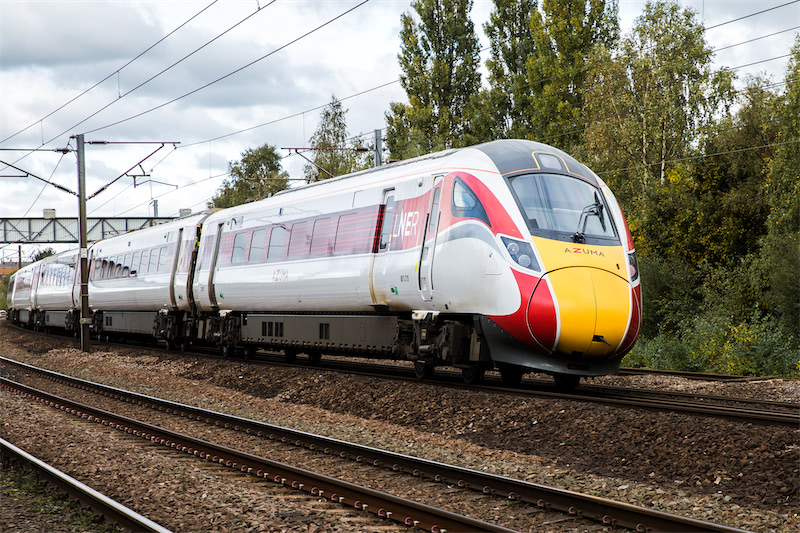
China’s Spodumene Imports Rise 7% MoM in September, with Australia, Nigeria and Zimbabwe the Top Three Sources
According to compiled Chinese customs data, China imported 970,100 physical tonnes of spodumene in September 2026, up approximately 7.0% from 906,600 tonnes in August. Based on the classification and assumed grades, moisture content and conversion factors used in this analysis, September imports represented approximately 81,300 tonnes of lithium carbonate equivalent (LCE). By origin, imports from Australia, Nigeria and Zimbabwe increased significantly. Australia remained the largest supplier, with shipments to China reaching 446,200 tonnes, up approximately 36.7% month on month and accounting for around 46.0% of total imports. Nigeria became the second-largest supplier at 189,800 tonnes, up approximately 40.1%, while imports from Zimbabwe rose approximately 83.0% to 136,500 tonnes. Imports from South Africa fell approximately 49.6% to 112,400 tonnes, whereas imports from Brazil increased approximately 30.9% to 81,200 tonnes. Smaller volumes came from Burundi, Rwanda and Mozambique, at approximately 1,800 tonnes, 1,300 tonnes and 1,000 tonnes, respectively, with limited shipments from Zambia and Somalia. No imports from Mali or Canada appeared in the September dataset. Overall, China’s spodumene imports continued to grow in September, with the composition shifting toward concentrate. Under the classification used in this analysis, concentrate imports reached approximately 688,800 tonnes, accounting for 71.0% of total physical imports, compared with 60.7% in August. Raw ore imports stood at approximately 281,300 tonnes. Increased concentrate imports from Australia, Zimbabwe and Nigeria offset lower imports from Mali and Canada, providing the main support for growth in China’s imported lithium resource supply during the month.
Oct 20, 2026 19:03 (GMT+8)
[SMM Analysis] Hoa Phat’s record HRC sales reshape Vietnam’s self-sufficiency and China’s export flows
Hoa Phat sold 5.47 Mt of hot-rolled coil in January to September, up 59% and about a third of Vietnam’s consumption, with 24.6% of third-quarter sales exported. Vietnam’s HRC demand of about 17.3 Mt this year still exceeds local output of about 10.8 Mt by 6.5 Mt, and new capacity arrives mainly after 2027. Anti-dumping duties have pushed mainstream Chinese coil out of Vietnam; Chinese mills now face Vietnamese coil in ASEAN and other third markets.
Oct 20, 2026 14:36 (GMT+8)
China's Rare Earth Magnet Exports Hit Record in September, Driven by Backlog Release and Regulatory Easing【SMM Analysis】
China’s September rare earth magnet exports hit a record 6,165 tonnes (+23% MoM), driven by clearance of July–August port backlogs, not new demand. US-China talks unblocked shipments, while EU “green channel” talks lifted Q4 forecast to ~5,700 tonnes/month. Large producers recovered fastest; small mills remain constrained.
Oct 20, 2026 16:06 (GMT+8)
Latest News
![[SMM Cobalt-Lithium Morning Meeting Summary] Market demand remains persistently weak, supply-demand imbalance intensifies, raw material prices fall under pressure](https://imgqn.smm.cn/usercenter/JKfXw20251217171731.jpg)
[SMM Cobalt-Lithium Morning Meeting Summary] Market demand remains persistently weak, supply-demand imbalance intensifies, raw material prices fall under pressure
Oct 23, 2026 15:34 (GMT+8)
![[SMM Cobalt Morning Meeting Summary] Industry Chain Prices Remain Under Pressure, End-use Demand Weakness Drags Market Trend](https://imgqn.smm.cn/usercenter/EutUV20251217171724.jpeg)
[SMM Cobalt Morning Meeting Summary] Industry Chain Prices Remain Under Pressure, End-use Demand Weakness Drags Market Trend
Oct 23, 2026 15:30 (GMT+8)
![[SMM Analysis]September Sodium-Ion Battery Electrolyte and Battery Cell Market Analysis](https://imgqn.smm.cn/usercenter/AmiJU20251217171730.jpg)
[SMM Analysis]September Sodium-Ion Battery Electrolyte and Battery Cell Market Analysis
Oct 21, 2026 11:32 (GMT+8)
[SMM Analysis] September Sodium-Ion Battery Value Chain: Electrolyte Builds Momentum, Cell Segment Faces Constraints
Oct 21, 2026 11:25 (GMT+8)
China Phosphate Ore Imports: August’s 563% MoM Spike Followed by September’s 81% Pullback – What’s Behind the Reversal?
In August 2026, China’s phosphate ore imports briefly appeared to be “recovering,” with imports of 116,000 mt and a MoM surge of 563.2%. One month later, however, September imports were knocked back to 22,000 mt, down 81.3% MoM and only slightly above July’s near-three-year low of 17,000 mt. August’s volume increase did not form a trend. It looked more like a pulse driven by a combination of the policy window and a low base, rather than a signal of substantive improvement on the demand side.
Oct 20, 2026 10:22 (GMT+8)
[SMM Cobalt-Lithium Morning Meeting Summary] Supply-demand expectations diverge, material prices under pressure, industry chain prosperity diverges
Industry chain prices were generally under pressure this week, with supply and demand diverging across segments. The lithium market was hit by expectations of ample future supply, dragging the average battery-grade lithium carbonate price down to 104,400 yuan/mt, a weekly decline of 14.7%. Spot destocking and a stronger basis still provided some support, but salt plant inventories edged higher. Cobalt and nickel demand recovery remained insufficient, with cautious procurement keeping salt prices on a downtrend. Ternary cathode materials and LCO faced dual pressure from falling costs and weak orders. LFP supply and demand were stable, with prices easing alongside raw materials. Artificial graphite found relatively strong cost support, separator inventories were low with tightening supply-demand conditions, and electrolyte prices held steady. Sodium-ion battery orders grew and capacity releases accelerated, but profitability recovery lagged, leaving commercialization still constrained by economics. In the recycling market, black mass prices and procurement coefficients moved lower, strengthening buyer bargaining power. Competition intensified in end-user energy storage project bidding, with Jieyang project candidate quotes concentrated at 0.8–0.82 Yuan/Wh. Going forward, attention should focus on ore-side production resumptions, production schedule fulfillment, and actual restocking; industry chain stabilization still hinges on demand improvement.
Oct 16, 2026 09:45 (GMT+8)
[SMM Cobalt Morning Meeting Summary] Weak Demand and Falling Costs Keep Industry Chain Prices Under Pressure and Hitting Bottom
The industry chain remained weak this week, with insufficient demand and lower costs jointly weighing on prices. Refined cobalt fell below 250,000 yuan/mt, and smelter quotes may see further downward adjustments. Intermediate product trading stalled, with buyers and sellers staying on the sidelines. The cobalt sulphate market shifted to a buyer-dominated phase, with downstream target prices dropping to 46,000-48,000 yuan/mt, while high inventory costs kept price disagreements unresolved. Cobalt chloride and Co3O4 saw production cuts and destocking, with new purchases insufficient. Cobalt powder quotes fell to 330,000-340,000 yuan/mt, and cemented carbide demand recovered slowly. Ternary cathode precursor prices weakened, with export orders moderate and domestic demand diverging. Ternary cathode material was dragged down by falling raw material prices and order reductions, with October production schedules expected to remain flat MoM. LCO cost support weakened, end-user restocking was cautious, and prices still had downside. Overall, just-in-time procurement was unlikely to reverse the weakness, and stabilization would still require actual order improvement. In news, September EV and ESS battery sales rose 52% YoY, with new progress in corporate earnings and overseas project construction.
Oct 16, 2026 09:38 (GMT+8)
Shanghai Flowx Valve Co., Ltd. Looks Forward to Meeting You at the 2026 SMM Data Elements Empowering Computing Power Industry Development Conference
Oct 15, 2026 09:26 (GMT+8)
Kehua Data Co., Ltd. Looks Forward to Meeting You at the 2026 SMM Data Elements Empowering the Computing Power Industry Development Conference
Oct 15, 2026 09:25 (GMT+8)
[SMM Cobalt-Lithium Morning Meeting Summary] Raw material price trends diverge; supply-demand support for battery materials varies in strength
This week, the battery industry chain showed divergent trends. Spot lithium ore was tight, but expectations of future supply growth weighed on prices. On October 12, the average spot price of lithium carbonate fell to 115,400 yuan/mt, down 6,950 yuan/mt in a single day. Futures declined with rising open interest, while social inventory continued to destock. Lithium hydroxide, cobalt salt, and nickel sulphate were under pressure, with cautious purchasing. Ternary cathode precursor, ternary cathode material, and LCO weakened along with raw materials. LFP orders were relatively strong, with high-quality production lines running near full capacity and finished product inventories declining. Iron phosphate operating rates were high, but resistance to price increases grew. Artificial graphite edged up, supported by costs and demand, while natural graphite operated at low levels. Separator was supported by NEV, energy storage, and export rush demand, with supply-demand conditions tight. Electrolyte rose due to lagged cost pass-through. Sodium-ion battery production and delivery were stable, while recycling-side inquiries recovered but transactions did not increase in volume. In news, CATL deepened cooperation with Seres. In the first three quarters, NEV production and sales both exceeded 12 million units. Export tax rebate policy adjustments and China-EU automotive trade consultations drew attention.
Oct 13, 2026 10:06 (GMT+8)
![[SMM Cobalt Morning Meeting Summary] Weak Demand and Falling Raw Material Prices Increase Destocking Pressure Across the Entire Industry Chain](https://imgqn.smm.cn/usercenter/ZVhtl20251217171724.jpeg)
[SMM Cobalt Morning Meeting Summary] Weak Demand and Falling Raw Material Prices Increase Destocking Pressure Across the Entire Industry Chain
Oct 13, 2026 09:58 (GMT+8)
![September Sodium-Ion Battery Electrolyte and Battery Cell Market Analysis: Electrolyte Poised for Volume Growth, Battery Cell Under Pressure in Peak Season [SMM Analysis]](https://imgqn.smm.cn/usercenter/oVqJl20251217171730.jpg)
September Sodium-Ion Battery Electrolyte and Battery Cell Market Analysis: Electrolyte Poised for Volume Growth, Battery Cell Under Pressure in Peak Season [SMM Analysis]
Oct 13, 2026 09:36 (GMT+8)
![[SMM Cobalt Morning Meeting Summary] Post-holiday demand recovery limited, cost support weakening, material prices under pressure](https://imgqn.smm.cn/usercenter/HBsPu20251217171723.jpeg)
[SMM Cobalt Morning Meeting Summary] Post-holiday demand recovery limited, cost support weakening, material prices under pressure
Oct 09, 2026 10:31 (GMT+8)
[SMM Cobalt-Lithium Morning Meeting Summary] Post-holiday lithium chemical trends diverge; LFP demand improves, materials market under pressure
Post-holiday battery materials market trends diverged. Lithium ore quotes rebounded slightly, trade inventories were destocked, and ore prices are expected to consolidate in line with lithium carbonate in the short term. Lithium carbonate futures retreated after a rapid rise, closing at 117,300 yuan/mt, down 1.28%; domestic production declined, downstream inventories were significantly destocked, and salt plants continued to ship mainly under long-term contracts. Lithium hydroxide spot order quotes rose to 130,000–140,000 yuan/mt, but purchasing was cautious and transactions were sluggish. Cobalt products and nickel sulphate remained under pressure, cost support weakened, and demand recovery for ternary cathode materials was limited. LFP orders were relatively strong, leading production lines were near full capacity, finished product inventories declined, and the average price rose to 50,400 yuan/mt; resistance to iron phosphate price increases grew. Artificial graphite had strong cost support, separators were driven by NEV, energy storage, and export rush demand, with a tight supply-demand balance; electrolytes rose due to earlier cost pass-through. In the recycling market, inquiries recovered, but transactions had yet to pick up volume. Going forward, attention should be paid to the sustainability of restocking, the realization of production schedules, and changes in raw material prices.
Oct 09, 2026 10:21 (GMT+8)
Sodium-ion Battery September-October Peak Season in Progress: Holiday Break Does Not Alter Tight Balance [SMM Analysis]
[SMM Analysis: Sodium-Ion Battery "September-October Peak Season" Underway: Holiday Break Does Not Alter Tight Balance] SMM, October 8: During the National Day holiday, the sodium-ion battery industry chain largely continued the pre-holiday pattern, with no significant changes...
Oct 08, 2026 09:32 (GMT+8)
2026 National Day Holiday Phosphate Ore Market Review: In the Doldrums, Supply-Demand Weakness on Both Sides [SMM Analysis]
[SMM Analysis: 2026 National Day Holiday Phosphate Ore Market Review: In the Doldrums, with Both Supply and Demand Weak] During the 2026 National Day holiday, phosphate ore was in the doldrums, with both supply and demand weak and prices consolidating. Supply contracted due to environmental protection checks in Sichuan and Guizhou and seasonal production restrictions; demand was front-loaded with pre-holiday stockpiling, downstream operating rates were low, and only new energy demand remained relatively strong. The market outlook focuses on post-holiday demand recovery and policy implementation. In the medium and long term, high-grade ore values will be reassessed, low-grade ore will remain under pressure, and integrated leaders will benefit.
Oct 07, 2026 18:52 (GMT+8)
[SMM Analysis] Sodium-Ion Batteries Targeted for "Coordinated Development" as Industrialization Advances
On 28 September, the Ministry of Industry and Information Technology and six other departments jointly issued the "15th Five-Year Plan for the Development of the New-type Battery Industry". This is China's first national-level special plan for the battery sector and the first time sodium-ion batteries have been written into a top-level national design for the battery industry.
Sep 30, 2026 09:55 (GMT+8)
[SMM Cobalt Morning Meeting Summary] Pre-holiday purchase willingness remains subdued; falling raw material costs drag down prices across the industry chain
At the beginning of this week, prices across the industry chain remained weak. After refined cobalt futures fell, traders raised their spot-futures price spread quotes, but downstream buyers continued to purchase only on a need-to basis. In the intermediate product market, there were almost no inquiries or transactions, with holders indicating prices above $17/lb while some buyers would only accept below $13/lb, widening the divergence. Cobalt sulphate, cobalt chloride, and Co3O4 prices continued to pull back, with downstream procurement subdued and lower raw material costs weakening price support. Cobalt powder enterprises also lowered their quotes, and high-priced inventory delayed restocking by cemented carbide enterprises. Ternary cathode precursors saw production schedules trend lower due to weaker nickel and cobalt salt prices and insufficient demand for some orders. Ternary cathode material prices fell along with raw materials, and cathode plants mainly consumed existing inventory. LCO demand showed no seasonal boost, and prices remained at risk of further weakness. Overall, pre-holiday stockpiling was limited, and the market is waiting for inventory digestion and demand improvement.
Sep 29, 2026 10:08 (GMT+8)
About 3 billion yuan! China BAK New Energy’s 12 GWh sodium-ion battery project lands in Nanjing, Jiangsu
The newly built production line will enable large-scale manufacturing of 32140-series sodium-ion battery cells, continuously iterate and optimize cell performance, and drive sodium-ion batteries from small-batch sampling to large-scale commercial application, providing the market with cost-effective energy storage and power battery solutions beyond lithium batteries.
Sep 28, 2026 13:29 (GMT+8)
Hebei's "lithium-sodium hybrid storage" sees batch deployment: sodium-ion battery energy storage enters provincial verification period [SMM Analysis]
[SMM Analysis: Hebei's "Lithium-Sodium Hybrid Storage" Deploys in Batches: Sodium-Ion Battery ESS Enters Provincial Verification Period] SMM, September 23: Recently, sodium-ion battery energy storage projects in Hebei have appeared intensively across filing, tendering, winning bid results, and construction commencement stages, making it one of the fastest provinces in China in terms of sodium-ion battery deployment pace on the electricity ESS side. After reviewing the public lists of the Hebei Provincial Development and Reform Commission (NDRC), as well as EPC and equipment tender winning bid results, SMM believes: Hebei is no longer a "policy statement" player, but has placed sodium-ion batteries into the project library of standalone ESS, grid connection timelines, and bidding sections—sodium-ion batteries are moving from demonstration fences into the provincial electricity market, entering a verification period with real money.
Sep 23, 2026 16:20 (GMT+8)
Early Bird Bookings Now Open for 2027 SMM LZE (22nd) Lead & Zinc Conference and Industry Expo in Yunnan next March
——From Conference to Expo · Doubled Scale · Full Upgrade—— [What This Article Brings You] ① Exhibition Introduction ② How to Register ③ First Batch of Exhibitors ④ Conference Agenda I. Doubled Scale, Full Upgrade! In 2026, lead and zinc face sharp volatility—elevated lead prices, scarce high-purity lead, record high LME low-grade lead stocks, lead-acid battery relocation from China to overseas, deeply negative zinc concentrate TCs, tight high-quality imported zinc ore, open export window for zinc ingots, and overseas zinc smelter buildout. The LZE covers market outlook, price forecast, equipment technology, recycling, and downstream applications—driving green transformation and win-win growth. What sets the 2027 (22nd) LZE apart from earlier events is its transformative upgrade: moving from a pure industry conference to a seamlessly combined conference and industry expo — deliver a larger-scale gathering, an expanded industry showcase and far-reaching involvement across the entire lead and zinc value chain. From industry trend analysis to in-depth industry chain exchanges, from upstream and downstream supply-demand matching to concentrated enterprise showcases, from a single industry conference to the further integration of "conference + industry expo"——in 2027, SMM LZE enters the "expo" era! The conference will embrace its 22nd edition with a larger scale, a richer industry lineup, and broader upstream and downstream participation! Scan the QR Code Below to Register as A Visitor for Free 1. Conference Scale Delegation: 6,000+ (up 71.4% from the previous edition) Companies: 2,000+ (up 100% from the previous edition) Exhibitors: 120+ (up 50% from the previous edition) Supply-demand matchmaking: 300+ (up 50% from the previous edition) Dedicated Forums: 7 (1 more than the previous edition) 2. Participant Groups 20% - Miners 23% - Smelters 22% - Processing enterprises 10% - Traders 5% - Lead-zinc end-user procurement 15% - Third-party equipment, technology, auxiliary materials, media, etc. 3% - Government, associations, university research institutions 2% - Financial and futures firms 3. Job Title Breakdown 4. Conference Highlights Price trends, consumption outlook, and policy interpretation Global dialogue on the lead-zinc industry and go-global strategies One-on-One Business Meetings Exploring Breakthrough Paths in Mining & Metallurgy Technology and Resource Recycling Showcase of Cutting-Edge Equipment and Consumables II. Four Identities, One Lead-Zinc Exhibition Whether you are here for market insights, procurement, showcasing or brand exposure, you will find a participation option that suits you. 1. Professional Visitors (Explore the exhibition for business opportunities and connect with the upstream and downstream of the industry) [Visitor Benefits] Exhibition Area Ticket On-site Check-in Gifts SMM Exclusive Lead-Zinc Industry Distribution Map Lead-Zinc Industry Visitor Exchange Group Group Benefits Tickets for Some Forums …… 2. Conference Delegates (Gain insights into new trends and discuss the lead-zinc market) [Delegate Benefits] Exhibition Area Ticket On-site Check-in Gifts SMM Exclusive Lead-Zinc Industry Distribution Map Lead-Zinc Industry Visitor & Conference Exchange Group Ticket for All Forums of the Conference Executive Dinner Voucher Lunch and Dinner Vouchers During the Conference Enterprise Directory Expert Reports 1-on-1 Supply-Demand Matching Post-Conference Field Trip Activities …… 3. Exhibitor (Step onto the industry stage and showcase your strengths) [18㎡ Custom Booth] [Benefits] Design & construction of all materials for the 18㎡ booth, tables, chairs, sofa & reception desk, TV, 5 conference passes, X-banner stand*1, conference booklet color page*1, LOGO display, multi-platform online exposure and promotion, supply-demand 1-on-1 matchmaking, long-term cooperation support from SMM, etc. [9㎡ Premium Booth] [Benefits] Design & construction of all materials for the 9㎡ booth, printed backdrop wall & reception desk & tables and chairs, TV, 3 conference passes, X-banner stand*1 or conference booklet color page*1, LOGO display, multi-platform online exposure and promotion, supply-demand 1-on-1 matchmaking, long-term cooperation support from SMM, etc. [6㎡ Standard Booth] [Benefits] Design & construction of all materials for the 6㎡ booth, one long table & two chairs, 2 X-banner stands with different content, 2 conference passes, multi-platform online exposure and promotion, supply-demand 1-on-1 matchmaking, long-term cooperation support from SMM, etc.
Oct 22, 2026 09:59 (GMT+8)

2027 Global Aluminum Supply-Demand Outlook: High Margins Drive Expansion, Shifting the Market from Tight to Loose
Oct 21, 2026 09:41 (GMT+8)
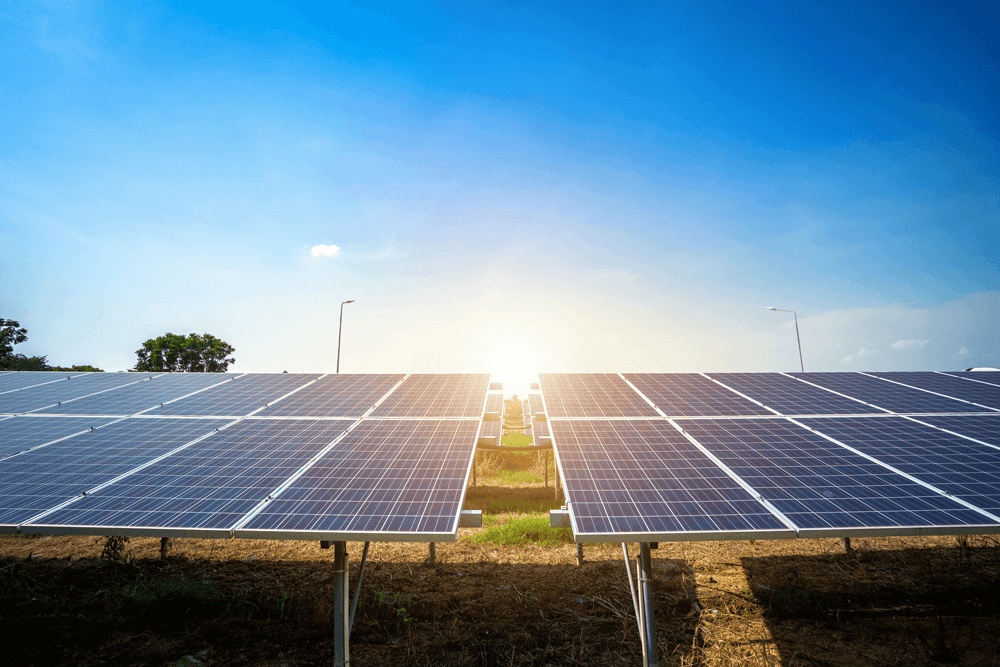
Chinese $6Billion Battery Investment in Morocco Reshapes EU Lithium Demand Amid Tariff Shifts
Oct 20, 2026 17:02 (GMT+8)
N-Type vs. P-Type Solar PV Modules: What Sets Them Apart, and Why Is N-Type Gaining Ground in the Global Market?
Oct 21, 2026 09:45 (GMT+8)
China’s Spodumene Imports Rise 7% MoM in September, with Australia, Nigeria and Zimbabwe the Top Three Sources
Oct 20, 2026 19:03 (GMT+8)
![[SMM Analysis] Hoa Phat’s record HRC sales reshape Vietnam’s self-sufficiency and China’s export flows](https://imgqn.smm.cn/usercenter/MhPNV20251217171716.jpg)
[SMM Analysis] Hoa Phat’s record HRC sales reshape Vietnam’s self-sufficiency and China’s export flows
Oct 20, 2026 14:36 (GMT+8)
China's Rare Earth Magnet Exports Hit Record in September, Driven by Backlog Release and Regulatory Easing【SMM Analysis】
Oct 20, 2026 16:06 (GMT+8)
Latest News
[SMM Cobalt-Lithium Morning Meeting Summary] Market demand remains persistently weak, supply-demand imbalance intensifies, raw material prices fall under pressure
Oct 23, 2026 15:34 (GMT+8)
[SMM Cobalt Morning Meeting Summary] Industry Chain Prices Remain Under Pressure, End-use Demand Weakness Drags Market Trend
Oct 23, 2026 15:30 (GMT+8)
[SMM Analysis]September Sodium-Ion Battery Electrolyte and Battery Cell Market Analysis
Oct 21, 2026 11:32 (GMT+8)
[SMM Analysis] September Sodium-Ion Battery Value Chain: Electrolyte Builds Momentum, Cell Segment Faces Constraints
Oct 21, 2026 11:25 (GMT+8)
China Phosphate Ore Imports: August’s 563% MoM Spike Followed by September’s 81% Pullback – What’s Behind the Reversal?
Oct 20, 2026 10:22 (GMT+8)
[SMM Cobalt-Lithium Morning Meeting Summary] Supply-demand expectations diverge, material prices under pressure, industry chain prosperity diverges
Oct 16, 2026 09:45 (GMT+8)
[SMM Cobalt Morning Meeting Summary] Weak Demand and Falling Costs Keep Industry Chain Prices Under Pressure and Hitting Bottom
Oct 16, 2026 09:38 (GMT+8)
Shanghai Flowx Valve Co., Ltd. Looks Forward to Meeting You at the 2026 SMM Data Elements Empowering Computing Power Industry Development Conference
Oct 15, 2026 09:26 (GMT+8)
Kehua Data Co., Ltd. Looks Forward to Meeting You at the 2026 SMM Data Elements Empowering the Computing Power Industry Development Conference
Oct 15, 2026 09:25 (GMT+8)
[SMM Cobalt-Lithium Morning Meeting Summary] Raw material price trends diverge; supply-demand support for battery materials varies in strength
Oct 13, 2026 10:06 (GMT+8)
[SMM Cobalt Morning Meeting Summary] Weak Demand and Falling Raw Material Prices Increase Destocking Pressure Across the Entire Industry Chain
Oct 13, 2026 09:58 (GMT+8)
September Sodium-Ion Battery Electrolyte and Battery Cell Market Analysis: Electrolyte Poised for Volume Growth, Battery Cell Under Pressure in Peak Season [SMM Analysis]
Oct 13, 2026 09:36 (GMT+8)
[SMM Cobalt Morning Meeting Summary] Post-holiday demand recovery limited, cost support weakening, material prices under pressure
Oct 09, 2026 10:31 (GMT+8)
[SMM Cobalt-Lithium Morning Meeting Summary] Post-holiday lithium chemical trends diverge; LFP demand improves, materials market under pressure
Oct 09, 2026 10:21 (GMT+8)
Sodium-ion Battery September-October Peak Season in Progress: Holiday Break Does Not Alter Tight Balance [SMM Analysis]
Oct 08, 2026 09:32 (GMT+8)
2026 National Day Holiday Phosphate Ore Market Review: In the Doldrums, Supply-Demand Weakness on Both Sides [SMM Analysis]
Oct 07, 2026 18:52 (GMT+8)
[SMM Analysis] Sodium-Ion Batteries Targeted for "Coordinated Development" as Industrialization Advances
Sep 30, 2026 09:55 (GMT+8)
[SMM Cobalt Morning Meeting Summary] Pre-holiday purchase willingness remains subdued; falling raw material costs drag down prices across the industry chain
Sep 29, 2026 10:08 (GMT+8)
About 3 billion yuan! China BAK New Energy’s 12 GWh sodium-ion battery project lands in Nanjing, Jiangsu
Sep 28, 2026 13:29 (GMT+8)
Hebei's "lithium-sodium hybrid storage" sees batch deployment: sodium-ion battery energy storage enters provincial verification period [SMM Analysis]
Sep 23, 2026 16:20 (GMT+8)