

News
Exclusive analysis article with latest market updates, and in-time news feeds.
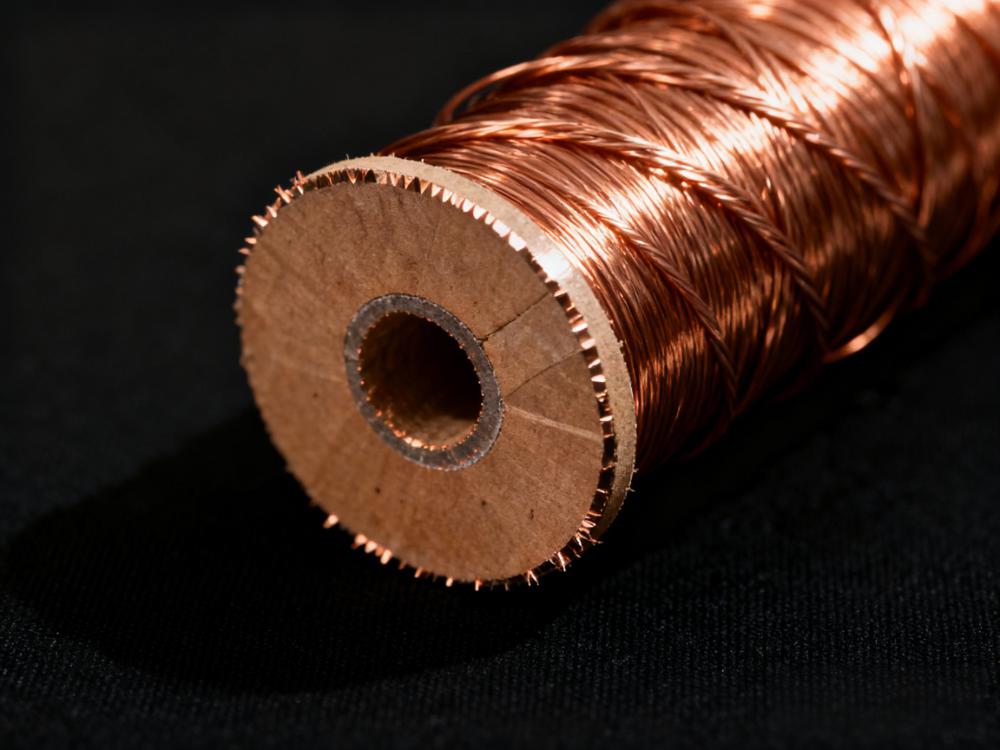
Middle East Escalation: Copper Prices Under Pressure Amid Rising Supply Risks in Africa
Tensions in the Middle East have escalated again recently, as the conflict between Israel and Iran continues to intensify, drawing renewed global attention to energy transportation security in the Gulf region.Given the high level of uncertainty surrounding the development of the situation, market risks are clearly skewed to the upside. This article provides a brief analysis of how the current conflict may affect the copper market going forward.
Mar 10, 2026 10:00
Gold set for second weekly loss on reduced rate cut bets, higher dollar, yields
March 13 (Reuters) - Gold was on track for a second straight weekly loss, even as it edged higher on Friday, as surging oil prices dampened rate cut bets and caused investors to cover margin calls, while a rising dollar and U.S. yields also pressured prices.
Common.Time.hoursAgo
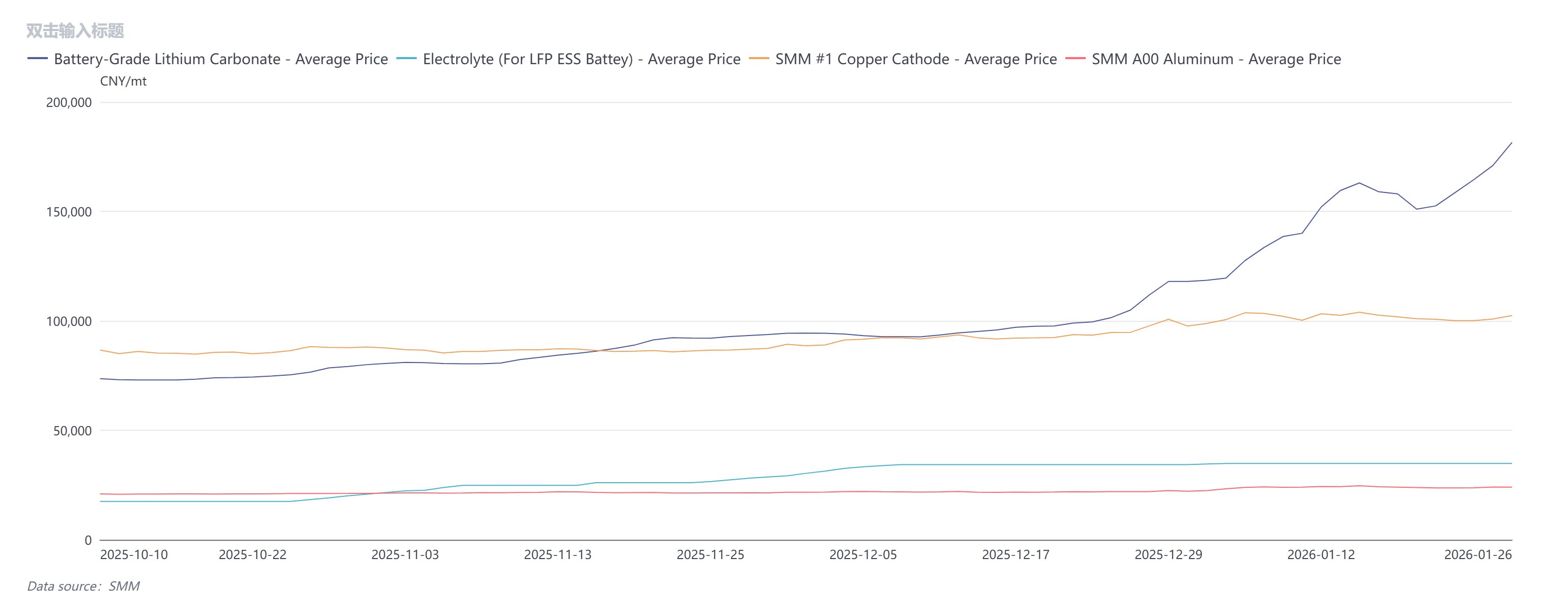
Amidst Middle East Conflicts: What is the Path Forward for China's Energy Storage Exports?
Recent Middle East conflicts have disrupted the region's booming energy storage market, a major destination for Chinese exports. To assess the real impact on Chinese supply chains and project deliveries, we must analyze baseline demand amidst these geopolitical uncertainties.
Mar 9, 2026 17:58
Latest News
![China Inventory Continued to Increase, SHFE Zinc Fluctuated Downward [SMM Zinc Morning Comment]](https://imgqn.smm.cn/usercenter/Txorc20251217171755.jpg)
China Inventory Continued to Increase, SHFE Zinc Fluctuated Downward [SMM Zinc Morning Comment]
Common.Time.hoursAgo
![Geopolitical Turmoil Resurfaces, LME Zinc Comes Under Pressure [SMM Morning Meeting Summary]](https://imgqn.smm.cn/usercenter/nGzXc20251217171754.jpg)
Geopolitical Turmoil Resurfaces, LME Zinc Comes Under Pressure [SMM Morning Meeting Summary]
Common.Time.hoursAgo

Data: SHFE, DCE market movement (Mar 16)
Common.Time.hoursAgo
US DOE to Invest $500M in Domestic Critical Minerals and Battery Materials Production
The US Department of Energy (DOE) plans to provide up to $500 million in funding to expand domestic critical minerals processing and battery materials manufacturing and recycling, as Washington seeks to reduce reliance on foreign supply chains.
Mar 16, 2026 09:13
China’s Inventory Continued to Increase, SHFE Zinc Fluctuated Downward [SMM Zinc Morning Comment]
[SMM Zinc Morning Comment] Last Friday, the most-traded SHFE zinc 2604 contract opened at 24,205 yuan/mt. In early trading, SHFE zinc briefly rose to a high of 24,255 yuan/mt, then bears added to their positions, sending SHFE zinc fluctuating downward all the way to a low of 24,070 yuan/mt near the close. It finally closed down at 24,080 yuan/mt, down 60 yuan/mt, or 0.25%, with trading volume falling to 37,382 lots and open interest increasing by 1,553 lots to 76,744 lots.
Mar 16, 2026 08:51
Stronger US Dollar Put LME Zinc Under Pressure [SMM Morning Meeting Summary]
[SMM Morning Meeting Summary: US Dollar Strengthened, LME Zinc Came Under Pressure] Last Friday, LME zinc opened at $3,315.5/mt. At the beginning of the session, bulls and bears were intertwined, and LME zinc briefly rose to a high of $3,316.5/mt. Subsequently, bulls reduced their open interest, and LME zinc fluctuated downward, touching a low of $3,270.5/mt during European trading hours. পরে, the center moved up slightly and fluctuated in consolidation along the daily average line, finally closing down at $3,293.5/mt, down $21/mt, or 0.63%. Trading volume fell to 7,065 lots, and open interest decreased by 1,630 lots to 215,000 lots.
Mar 16, 2026 08:49
North China Mine Sets March Zinc Concentrates Tender at 2,300 Yuan/mt with Profit-Sharing
[Zinc Concentrates Tender] According to SMM, the March tender price for self pick-up at the mine for zinc concentrates at a mine in North China was around 2,300 yuan/mt in metal content (including the 20/80 profit-sharing arrangement), with the enriched metal not priced. SMM will continue to monitor subsequent changes in processing fees.
Mar 13, 2026 18:52
Zinc Concentrates Market Faces Supply Concerns as Disruptions in Iran, Australia Persist
[Imported Zinc Concentrates Market] Disruptions in Iran and Australia persisted recently, and the market’s concern over zinc concentrates supply continued. This week, traders of imported zinc ore continued to lower spot quotes. It was learned that some recent offers for bulk cargoes of zinc-rich zinc concentrates fell to negative prices.
Mar 13, 2026 18:52
Secondary Zinc Oxide Payables Remained Relatively Firm, How Will They Perform in March [SMM Analysis]
Secondary Zinc Oxide Production Fell in February, While Secondary Zinc Oxide Payables Remained Relatively Firm. What Trend Will Secondary Zinc Oxide Show in March?
Mar 13, 2026 16:58
Oversupply in China Drives SHFE Zinc Lower [SMM Daily Zinc Commentary]
[China Oversupply Weighed on SHFE Zinc]: The most-traded SHFE zinc 2604 contract opened at 24,250 yuan/mt. In early trading, bears added to open interest, and SHFE zinc fluctuated downward all the way, falling to a low below 24,140 yuan/mt. Its center then slightly rebounded, and it finally closed down at 24,140 yuan/mt, down 160 yuan/mt, or 0.66. Trading volume increased to 85,941 lots, while open interest rose by 2,465 lots to 75,191 lots.
Mar 13, 2026 16:42
![Macro Disturbances Coupled With Rising Inventory in China Weighed on Prices, and the Centers of Both SHFE and LME Moved Lower This Week [SMM Market Review - Weekly Price Review]](https://imgqn.smm.cn/usercenter/TeRBO20251217171754.jpg)
Macro Disturbances Coupled With Rising Inventory in China Weighed on Prices, and the Centers of Both SHFE and LME Moved Lower This Week [SMM Market Review - Weekly Price Review]
Mar 13, 2026 16:24
![Die-Casting Zinc Alloy Operating Rates Continued to Rise, While Market Demand Still Awaited Improvement [SMM Weekly Review of Die-Casting Zinc Alloy]](https://imgqn.smm.cn/usercenter/XrnKf20251217171755.jpg)
Die-Casting Zinc Alloy Operating Rates Continued to Rise, While Market Demand Still Awaited Improvement [SMM Weekly Review of Die-Casting Zinc Alloy]
Mar 13, 2026 16:21
![Spot Premiums Recovered Slowly, but the Center Was Expected to Move Lower Next Week [SMM Guangdong Spot Weekly Review]](https://imgqn.smm.cn/usercenter/tAyyp20251217171754.jpg)
Spot Premiums Recovered Slowly, but the Center Was Expected to Move Lower Next Week [SMM Guangdong Spot Weekly Review]
Mar 13, 2026 16:15
Operating Rates Continued to Rise This Week, but Order Demand Had Not Fully Recovered [SMM Zinc Oxide Weekly Review]
[Operating Rates Continued to Rise This Week, but Order Demand Had Not Fully Started] The rise in operating rates this week was mainly driven by enterprises gradually resuming operations and production. On the order side, orders at top-tier enterprises generally remained stable, but overall industry demand had not yet fully recovered. Affected by the relatively late Chinese New Year break, current end-use demand in rubber, desulfurization, and other sectors still had not fully started, while performance in the ceramics sector was also relatively weak, and it would still take time for demand to see a substantive improvement......
Mar 13, 2026 16:13
Supply Disruptions Continued, Imported TCs Continued to Decline [SMM Zinc Concentrates Weekly Review]
[Supply Disruptions Persist, Imported TCs Continued to Decline]: Weekly data showed that the average weekly TC of SMM Zn50 domestic ore was unchanged at 1,550 yuan/mt in metal content, and the SMM imported zinc concentrate index fell $4.13/dmt MoM to $11.25/dmt...
Mar 13, 2026 16:12
SHFE/LME Price Ratio Pulled Back to Around 7.3 and Fluctuated [SMM Weekly Review of the SHFE/LME Zinc Price Ratio]
[SHFE/LME Price Ratio Pulled Back and Fluctuated Around 7.3]: This week, the SHFE/LME price ratio pulled back and fluctuated around 7.3, and the zinc ingot import window remained closed. Outside China, easing inflation concerns boosted a rebound in zinc prices; subsequently, investors stayed cautious about an escalation of the Middle East conflict, while a stronger US dollar, together with US February CPI coming in line with expectations and still-sticky inflation, drove LME zinc to fluctuate lower.
Mar 13, 2026 16:11
Sluggish Spot Transactions During the Week; Focus on Consumption Next Week [SMM Shanghai Spot Weekly Review]
[Weak Spot Transactions During the Week, Attention on Consumption Next Week]: Spot premiums in Shanghai weakened this week, with the weekly average price down 20 yuan/mt WoW. As of this Friday, ordinary domestic brands were quoted at discounts of 100-90 yuan/mt against the 2604 contract, while the high-priced brand Shuangyan was quoted at a discount of 30 yuan/mt against the 2604 contract..
Mar 13, 2026 16:11
Weak Spot Consumption During the Week, Widening Spot Discounts [SMM Ningbo Spot Weekly Review]
[Weak Spot Demand During the Week, Wider Spot Discounts]: This week, spot discounts in Ningbo widened, with the weekly average price down 20 yuan/mt WoW. As of Friday this week, spot prices in Ningbo against the 2604 contract were at a discount of 100 yuan/mt and at a premium of 20 yuan/mt against Shanghai, with the premium against Shanghai fluctuating during the week..
Mar 13, 2026 16:09
Data: SHFE, DCE market movement (Mar 13)
The following table shows the ferrous and nonferrous metals movement on the SHFE and DCE on 13 Mar , 2026
Mar 13, 2026 15:57
Northern Environmental Protection Impact, Overall Transactions Were Average This Week [SMM Tianjin Spot Zinc Weekly Review]
[Environmental Protection Measures in Northern China Weighed, Overall Trading Was Average This Week]: Spot premiums in Tianjin were flat WoW this week. As of this Friday, in China, standard domestic brands were quoted at discounts of around 50-100 yuan/mt against the 2604 contract, high-priced brands at discounts of around 30-60 yuan/mt against the 2604 contract, and Tianjin was quoted at a premium of around 10 yuan/mt against Shanghai.
Mar 13, 2026 13:34
![[SMM Events] 2026 GRMI: 200+ Executives & Companies Registered! Join us in Tokyo this June for Recycling Industry](https://imgqn.smm.cn/production/admin/votes/imagesECPmG20260316150318.jpeg)
[SMM Events] 2026 GRMI: 200+ Executives & Companies Registered! Join us in Tokyo this June for Recycling Industry
The 2026 SMM (3rd) Global Renewable Metal Industry Chain Summit & Battery Recycling Forum will be held in Tokyo, Japan, from May 11–12, 2026. The summit aims to bring together leading global enterprises, research institutions, industry experts, and policymakers in the fields of renewable metals and battery recycling.
Common.Time.hoursAgo
![[SMM Analysis] ITC Rejects Tariffs on Chinese Graphite Anodes, Final Duties Not Imposed](https://imgqn.smm.cn/usercenter/lzgUR20251217171731.jpg)
[SMM Analysis] ITC Rejects Tariffs on Chinese Graphite Anodes, Final Duties Not Imposed
Mar 13, 2026 19:55
![[SMM Analysis] Why Is India’s Stainless Steel Industry Calling for Both Lower Costs and Stronger Trade Barriers?](https://imgqn.smm.cn/production/admin/votes/imageskXuFi20260313172318.jpeg)
[SMM Analysis] Why Is India’s Stainless Steel Industry Calling for Both Lower Costs and Stronger Trade Barriers?
Mar 13, 2026 17:19
Key Implications for Vietnam's New clauses in Mining and Smelting Laws effective since January 1, 2026
Mar 12, 2026 16:32
Middle East Escalation: Copper Prices Under Pressure Amid Rising Supply Risks in Africa
Mar 10, 2026 10:00

Gold set for second weekly loss on reduced rate cut bets, higher dollar, yields
Common.Time.hoursAgo
Amidst Middle East Conflicts: What is the Path Forward for China's Energy Storage Exports?
Mar 9, 2026 17:58
Latest News
China Inventory Continued to Increase, SHFE Zinc Fluctuated Downward [SMM Zinc Morning Comment]
Common.Time.hoursAgo
Geopolitical Turmoil Resurfaces, LME Zinc Comes Under Pressure [SMM Morning Meeting Summary]
Common.Time.hoursAgo
Data: SHFE, DCE market movement (Mar 16)
Common.Time.hoursAgo
US DOE to Invest $500M in Domestic Critical Minerals and Battery Materials Production
Mar 16, 2026 09:13
China’s Inventory Continued to Increase, SHFE Zinc Fluctuated Downward [SMM Zinc Morning Comment]
Mar 16, 2026 08:51
Stronger US Dollar Put LME Zinc Under Pressure [SMM Morning Meeting Summary]
Mar 16, 2026 08:49
North China Mine Sets March Zinc Concentrates Tender at 2,300 Yuan/mt with Profit-Sharing
Mar 13, 2026 18:52
Zinc Concentrates Market Faces Supply Concerns as Disruptions in Iran, Australia Persist
Mar 13, 2026 18:52
Secondary Zinc Oxide Payables Remained Relatively Firm, How Will They Perform in March [SMM Analysis]
Mar 13, 2026 16:58
Oversupply in China Drives SHFE Zinc Lower [SMM Daily Zinc Commentary]
Mar 13, 2026 16:42
Macro Disturbances Coupled With Rising Inventory in China Weighed on Prices, and the Centers of Both SHFE and LME Moved Lower This Week [SMM Market Review - Weekly Price Review]
Mar 13, 2026 16:24
Die-Casting Zinc Alloy Operating Rates Continued to Rise, While Market Demand Still Awaited Improvement [SMM Weekly Review of Die-Casting Zinc Alloy]
Mar 13, 2026 16:21
Spot Premiums Recovered Slowly, but the Center Was Expected to Move Lower Next Week [SMM Guangdong Spot Weekly Review]
Mar 13, 2026 16:15
Operating Rates Continued to Rise This Week, but Order Demand Had Not Fully Recovered [SMM Zinc Oxide Weekly Review]
Mar 13, 2026 16:13
Supply Disruptions Continued, Imported TCs Continued to Decline [SMM Zinc Concentrates Weekly Review]
Mar 13, 2026 16:12
SHFE/LME Price Ratio Pulled Back to Around 7.3 and Fluctuated [SMM Weekly Review of the SHFE/LME Zinc Price Ratio]
Mar 13, 2026 16:11
Sluggish Spot Transactions During the Week; Focus on Consumption Next Week [SMM Shanghai Spot Weekly Review]
Mar 13, 2026 16:11
Weak Spot Consumption During the Week, Widening Spot Discounts [SMM Ningbo Spot Weekly Review]
Mar 13, 2026 16:09
Data: SHFE, DCE market movement (Mar 13)
Mar 13, 2026 15:57
Northern Environmental Protection Impact, Overall Transactions Were Average This Week [SMM Tianjin Spot Zinc Weekly Review]
Mar 13, 2026 13:34