

News
Exclusive analysis article with latest market updates, and in-time news feeds.
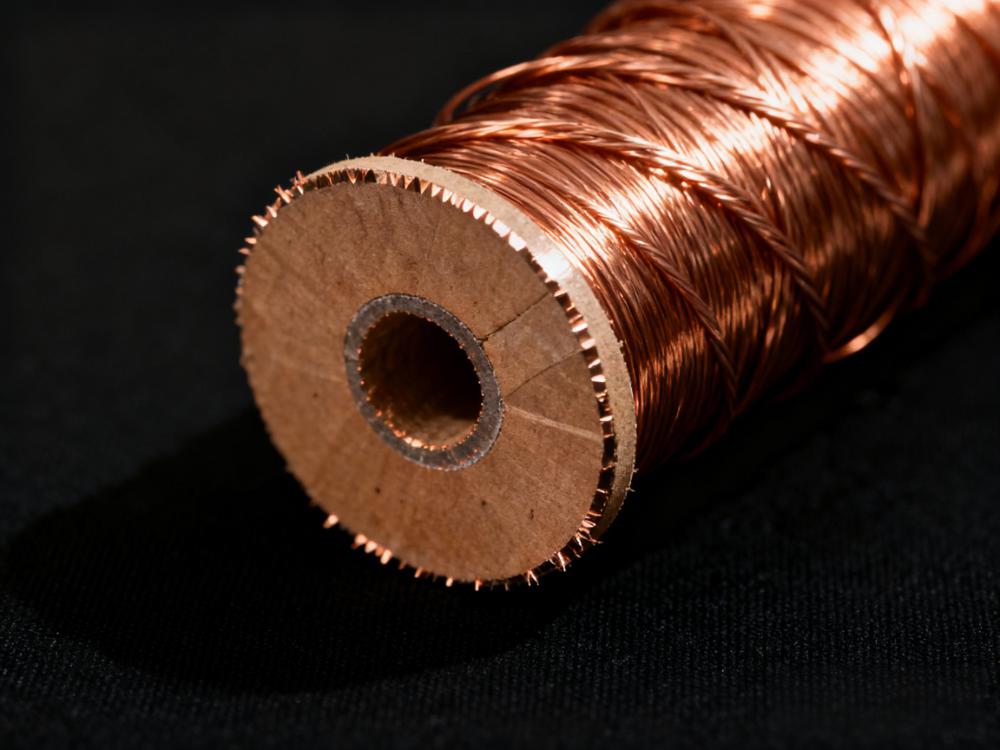
Middle East Escalation: Copper Prices Under Pressure Amid Rising Supply Risks in Africa
Tensions in the Middle East have escalated again recently, as the conflict between Israel and Iran continues to intensify, drawing renewed global attention to energy transportation security in the Gulf region.Given the high level of uncertainty surrounding the development of the situation, market risks are clearly skewed to the upside. This article provides a brief analysis of how the current conflict may affect the copper market going forward.
Mar 10, 2026 10:00
Gold set for second weekly loss on reduced rate cut bets, higher dollar, yields
March 13 (Reuters) - Gold was on track for a second straight weekly loss, even as it edged higher on Friday, as surging oil prices dampened rate cut bets and caused investors to cover margin calls, while a rising dollar and U.S. yields also pressured prices.
Common.Time.hoursAgo
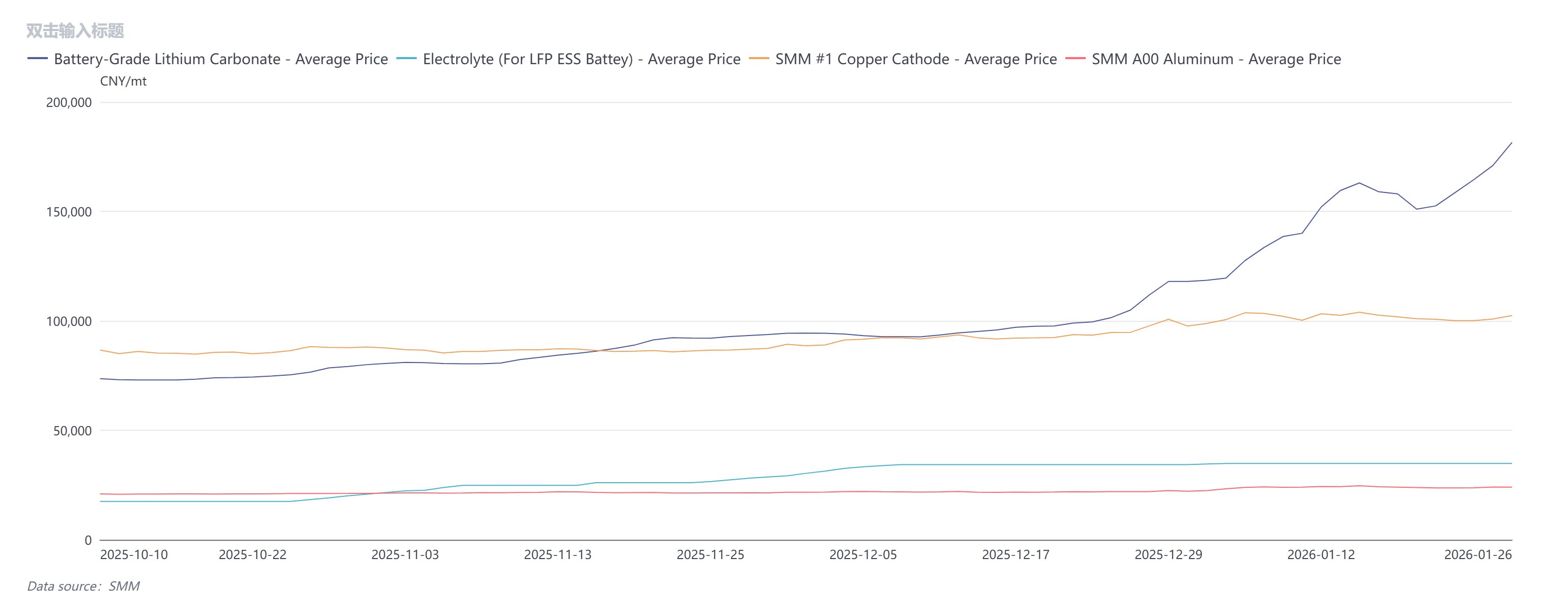
Amidst Middle East Conflicts: What is the Path Forward for China's Energy Storage Exports?
Recent Middle East conflicts have disrupted the region's booming energy storage market, a major destination for Chinese exports. To assess the real impact on Chinese supply chains and project deliveries, we must analyze baseline demand amidst these geopolitical uncertainties.
Mar 9, 2026 17:58
Latest News

Rio Tinto Secures Land for Resolution Copper Mine in Arizona, USA
1 hour ago
Korea Zinc Explores Metal Recovery from Data-Center Waste
Common.Time.hoursAgo
Greenway Metal Expands Electronics Scrap Recycling
Common.Time.hoursAgo
Nth Cycle Signs $1B Recycling Metals Deal with Trafigura
U.S. recycling technology firm Nth Cycle has signed a 10-year metal supply agreement with commodity trader Trafigura worth about $1.1 billion. The partnership will recover metals such as copper and nickel from scrap and industrial waste using electrochemical refining technology. Analysts say such collaborations could significantly expand secondary copper supply.
Common.Time.hoursAgo
Peru's Trapiche Copper Mine EIA Approved, Overnight LME Copper and SHFE Copper Both Rebounded [SMM Copper Morning Meeting Minutes]
SMM Morning Meeting Summary: Overnight, LME copper opened at $12,751/mt and dipped to $12,743/mt at the start of the session. Thereafter, the center of copper prices gradually moved higher and, near the close, touched a high of $12,940/mt, before finally closing at $12,918.5/mt, up 1.44. Trading volume reached 19,700 lots, and open interest stood at 302,000 lots, down 5,166 lots from the previous trading day, mainly due to bears reducing positions. Overnight, the most-traded SHFE copper 2604 contract opened at 100,020 yuan/mt and hit a low of 99,820 yuan/mt at the start of the session. It then fluctuated upward to 100,420 yuan/mt, followed by wide swings, and finally closed at 100,190 yuan/mt, up 0.58. Trading volume reached 274,000 lots, and open interest stood at 190,000 lots, down 3,315 lots from the previous trading day, mainly due to bears reducing positions.
Common.Time.hoursAgo
Tender Notice for Projects Including Safe and Energy-Efficient Copper Conductor Rails
Common.Time.hoursAgo
The Most-Traded BC Copper Contract Closed Down 1.16%, Inflation Concerns Suppressed Expectations for Interest Rate Cuts [SMM BC Copper Commentary]
Common.Time.hoursAgo
SHFE Copper Broke Below the 100,000 Mark Again, and Downstream Purchase Sentiment Cooled
Intraday, the SHFE copper 2603 contract fell below the 100,000-yuan mark for the second time after trading began. According to SMM, spot market activity today pulled back from March 9, when the contract first fell below 100,000 yuan, with overall trading sentiment remaining subdued on both buying and selling sides. On March 16, 2026, SMM's sentiment index for procurement in the Shanghai spot market was 2.53, while the sales sentiment index was 2.63, both down 0.29 from March 9. Historical data is available in the database.
According to SMM, when copper prices fell below 100,000 yuan on March 9, some enterprises had restocking demand, which briefly boosted spot trade and brought it to a post-Chinese New Year trading high. But based on market feedback today, the contract rollover in futures may have had an impact. With copper prices again trading below the 100,000-yuan threshold, downstream enterprises showed signs of weaker acceptance.
Common.Time.hoursAgo
Data: SHFE, DCE market movement (Mar 16)
The following table shows the ferrous and nonferrous metals movement on the SHFE and DCE on 16 Mar , 2026
Common.Time.hoursAgo
Weekend Destocking of Copper Inventories Continued in Major Regions Across China [SMM Weekly Data]
Common.Time.hoursAgo
![Import Window Opened Intraday, Active Morning Inquiries Pushed Up Offers [SMM Yangshan Spot Copper]](https://imgqn.smm.cn/usercenter/qcyEh20251217171709.jpg)
Import Window Opened Intraday, Active Morning Inquiries Pushed Up Offers [SMM Yangshan Spot Copper]
Common.Time.hoursAgo
Shanghai Spot Copper Under Pressure as Imports Rise and Demand Weakens
Common.Time.hoursAgo
![Copper Prices Fell on the Last Trading Day, and Trading in the Shanghai Spot Copper Market Was Weak [SMM Shanghai Spot Copper]](https://imgqn.smm.cn/usercenter/pJSbE20251217171713.jpeg)
Copper Prices Fell on the Last Trading Day, and Trading in the Shanghai Spot Copper Market Was Weak [SMM Shanghai Spot Copper]
Common.Time.hoursAgo
Market Quotations Were Mixed on the Contract Rollover Day, and Overall Trading Was Relatively Subdued [SMM South China Spot Copper]
Common.Time.hoursAgo
SHFE Copper Falls Below 100,000 Yuan/mt, while Spot Market Activity Weakens
During the day, the SHFE copper 2603 contract fell below 100,000 yuan/mt for the second time, opening at 99,500 yuan/mt and bottoming at 98,640 yuan/mt. Spot market trading activity today pulled back significantly from March 9, when the contract first fell below 100,000 yuan, with both buying and selling sides weak, SMM data showed. Shanghai spot market purchasing sentiment index stood at 2.53 and sales sentiment at 2.63 on March 14, down 0.29 from March 9. On March 9, some enterprises' restocking demand boosted spot trade to a post-holiday high, SMM noted. Today, possibly due to contract rollover, copper prices again traded below 100,000 yuan, but their appeal to downstream enterprises may have weakened.
Mar 16, 2026 11:18
SHFE Copper Fell Below the 100,000 Mark, Boosting Downstream Buying Interest Intraday [SMM North China Spot Copper]
In North China today, spot #1 copper cathode was quoted at parity to a premium of 120 yuan/mt against the front-month contract, with the average premium at 60 yuan/mt, up 20 yuan/mt from the previous trading day. The average transaction price was 99,125 yuan/mt, down 1,345 yuan/mt from the previous trading day.
Mar 16, 2026 11:16
Divergent Trends in Asian Scrap Copper Markets: China and Japan Discount Rate Rise While South Korea Holds Steady
Recent trends in Asian scrap copper markets are diverging: China’s Bare Bright copper import discount rate have climbed to 98%-98.5% due to tight tax-inclusive copper scrap supply, pushing Japanese quotes up by 1 percentage point to similar levels via strong market linkage. Conversely, South Korea remains stable at 97.5%-98% due to high domestic inventories level. According to feedback from local downstream enterprises, high domestic inventory levels mean current procurement discount rate are expected to remain unchanged through the second quarter,
Mar 16, 2026 11:06
Gravita India Acquires Metal Firm to Expand Copper Recycling
Indian recycling company Gravita India has agreed to acquire Rashtriya Metal Industries to expand its copper and copper-alloy recycling operations. The deal, valued at around ₹559 crore, will allow the company to move further into copper alloy production using scrap materials. Analysts say the acquisition reflects the rapid expansion of India’s secondary copper industry.
Mar 16, 2026 09:19
Startup Develops New Technology to Recover Copper from E-Waste
A U.S. startup called Valor is developing electrochemical liquid extraction technology to recover copper and other metals from ores and electronic waste. The process aims to reduce energy use and pollution compared with conventional smelting. The company plans to build its first commercial facility in Houston.
Mar 16, 2026 09:18
US DOE to Invest $500M in Domestic Critical Minerals and Battery Materials Production
The US Department of Energy (DOE) plans to provide up to $500 million in funding to expand domestic critical minerals processing and battery materials manufacturing and recycling, as Washington seeks to reduce reliance on foreign supply chains.
Mar 16, 2026 09:13
![[SMM Events] 2026 GRMI: 200+ Executives & Companies Registered! Join us in Tokyo this June for Recycling Industry](https://imgqn.smm.cn/production/admin/votes/imagesECPmG20260316150318.jpeg)
[SMM Events] 2026 GRMI: 200+ Executives & Companies Registered! Join us in Tokyo this June for Recycling Industry
The 2026 SMM (3rd) Global Renewable Metal Industry Chain Summit & Battery Recycling Forum will be held in Tokyo, Japan, from May 11–12, 2026. The summit aims to bring together leading global enterprises, research institutions, industry experts, and policymakers in the fields of renewable metals and battery recycling.
Common.Time.hoursAgo
![[SMM Analysis] ITC Rejects Tariffs on Chinese Graphite Anodes, Final Duties Not Imposed](https://imgqn.smm.cn/usercenter/lzgUR20251217171731.jpg)
[SMM Analysis] ITC Rejects Tariffs on Chinese Graphite Anodes, Final Duties Not Imposed
Mar 13, 2026 19:55
![[SMM Analysis] Why Is India’s Stainless Steel Industry Calling for Both Lower Costs and Stronger Trade Barriers?](https://imgqn.smm.cn/production/admin/votes/imageskXuFi20260313172318.jpeg)
[SMM Analysis] Why Is India’s Stainless Steel Industry Calling for Both Lower Costs and Stronger Trade Barriers?
Mar 13, 2026 17:19

Key Implications for Vietnam's New clauses in Mining and Smelting Laws effective since January 1, 2026
Mar 12, 2026 16:32
Middle East Escalation: Copper Prices Under Pressure Amid Rising Supply Risks in Africa
Mar 10, 2026 10:00

Gold set for second weekly loss on reduced rate cut bets, higher dollar, yields
Common.Time.hoursAgo
Amidst Middle East Conflicts: What is the Path Forward for China's Energy Storage Exports?
Mar 9, 2026 17:58
Latest News
Rio Tinto Secures Land for Resolution Copper Mine in Arizona, USA
1 hour ago
Korea Zinc Explores Metal Recovery from Data-Center Waste
Common.Time.hoursAgo
Greenway Metal Expands Electronics Scrap Recycling
Common.Time.hoursAgo
Nth Cycle Signs $1B Recycling Metals Deal with Trafigura
Common.Time.hoursAgo
Peru's Trapiche Copper Mine EIA Approved, Overnight LME Copper and SHFE Copper Both Rebounded [SMM Copper Morning Meeting Minutes]
Common.Time.hoursAgo
Tender Notice for Projects Including Safe and Energy-Efficient Copper Conductor Rails
Common.Time.hoursAgo
The Most-Traded BC Copper Contract Closed Down 1.16%, Inflation Concerns Suppressed Expectations for Interest Rate Cuts [SMM BC Copper Commentary]
Common.Time.hoursAgo
SHFE Copper Broke Below the 100,000 Mark Again, and Downstream Purchase Sentiment Cooled
Common.Time.hoursAgo
Data: SHFE, DCE market movement (Mar 16)
Common.Time.hoursAgo
Weekend Destocking of Copper Inventories Continued in Major Regions Across China [SMM Weekly Data]
Common.Time.hoursAgo
Import Window Opened Intraday, Active Morning Inquiries Pushed Up Offers [SMM Yangshan Spot Copper]
Common.Time.hoursAgo
Shanghai Spot Copper Under Pressure as Imports Rise and Demand Weakens
Common.Time.hoursAgo
Copper Prices Fell on the Last Trading Day, and Trading in the Shanghai Spot Copper Market Was Weak [SMM Shanghai Spot Copper]
Common.Time.hoursAgo
Market Quotations Were Mixed on the Contract Rollover Day, and Overall Trading Was Relatively Subdued [SMM South China Spot Copper]
Common.Time.hoursAgo
SHFE Copper Falls Below 100,000 Yuan/mt, while Spot Market Activity Weakens
Mar 16, 2026 11:18
SHFE Copper Fell Below the 100,000 Mark, Boosting Downstream Buying Interest Intraday [SMM North China Spot Copper]
Mar 16, 2026 11:16
Divergent Trends in Asian Scrap Copper Markets: China and Japan Discount Rate Rise While South Korea Holds Steady
Mar 16, 2026 11:06
Gravita India Acquires Metal Firm to Expand Copper Recycling
Mar 16, 2026 09:19
Startup Develops New Technology to Recover Copper from E-Waste
Mar 16, 2026 09:18
US DOE to Invest $500M in Domestic Critical Minerals and Battery Materials Production
Mar 16, 2026 09:13