

News
Exclusive analysis article with latest market updates, and in-time news feeds.

Middle East Escalation: Copper Prices Under Pressure Amid Rising Supply Risks in Africa
Tensions in the Middle East have escalated again recently, as the conflict between Israel and Iran continues to intensify, drawing renewed global attention to energy transportation security in the Gulf region.Given the high level of uncertainty surrounding the development of the situation, market risks are clearly skewed to the upside. This article provides a brief analysis of how the current conflict may affect the copper market going forward.
Mar 10, 2026 10:00
Gold set for second weekly loss on reduced rate cut bets, higher dollar, yields
March 13 (Reuters) - Gold was on track for a second straight weekly loss, even as it edged higher on Friday, as surging oil prices dampened rate cut bets and caused investors to cover margin calls, while a rising dollar and U.S. yields also pressured prices.
Common.Time.hoursAgo
Amidst Middle East Conflicts: What is the Path Forward for China's Energy Storage Exports?
Recent Middle East conflicts have disrupted the region's booming energy storage market, a major destination for Chinese exports. To assess the real impact on Chinese supply chains and project deliveries, we must analyze baseline demand amidst these geopolitical uncertainties.
Mar 9, 2026 17:58
Latest News

Shanghai Futures Exchange Approves "Yuanhe" Brand Rebar for Delivery by Xinyu Iron and Steel Co., Ltd.
1 hour ago
![Secondary Lead Prices Inverted Against Primary Lead Prices, Lead Market Fluctuated Amid a Tug-of-War Between Sellers and Buyers [SMM Lead Morning Meeting Minutes]](https://imgqn.smm.cn/usercenter/xVUpr20251217171722.jpg)
Secondary Lead Prices Inverted Against Primary Lead Prices, Lead Market Fluctuated Amid a Tug-of-War Between Sellers and Buyers [SMM Lead Morning Meeting Minutes]
Common.Time.hoursAgo
![The Most-Traded SHFE Tin Contract Hovered at Highs After Opening Slightly Higher in the Night Session, with Relatively Strong Purchase Willingness Among Downstream Enterprises [SMM Tin Morning Brief]](https://imgqn.smm.cn/usercenter/SkvFp20251217171752.jpg)
The Most-Traded SHFE Tin Contract Hovered at Highs After Opening Slightly Higher in the Night Session, with Relatively Strong Purchase Willingness Among Downstream Enterprises [SMM Tin Morning Brief]
Common.Time.hoursAgo
Geopolitical Turmoil Resurfaces, LME Zinc Comes Under Pressure [SMM Morning Meeting Summary]
[SMM Morning Meeting Summary: Geopolitical Turmoil Resurfaced, LME Zinc Came Under Pressure] Overnight, LME zinc opened at $3,297.5/mt. In early trading, bears increased open interest, dragging the center of LME zinc lower as it fluctuated downward throughout the session, and it hit an intraday low of $3,255/mt during European trading hours. The center then rebounded. Trading was suspended for about three hours due to technical issues during the period. After reopening, LME zinc touched a high of $3,306.5/mt, before the center moved lower again, and it finally closed down at $3,279/mt, down $14.5/mt, a decline of 0.44%. Trading volume increased to 7,502 lots, and open interest rose by 2,947 lots to 218,000 lots.
Common.Time.hoursAgo
The Most-Traded BC Copper Contract Closed Down 1.16%, Inflation Concerns Suppressed Expectations for Interest Rate Cuts [SMM BC Copper Commentary]
Common.Time.hoursAgo
Declining Aluminum Prices Boost Market Procurement Sentiment, Premiums Stabilize [SMM Spot Aluminum Midday Commentary]
Common.Time.hoursAgo
Import Window Opened Intraday, Active Morning Inquiries Pushed Up Offers [SMM Yangshan Spot Copper]
Common.Time.hoursAgo
Copper Prices Fell on the Last Trading Day, and Trading in the Shanghai Spot Copper Market Was Weak [SMM Shanghai Spot Copper]
[Shanghai Spot Copper] Looking ahead to tomorrow, the Shanghai spot copper market will officially quote against the 2604 contract. In terms of market structure, the Contango price spread between the 2604 and 2605 contracts was in the range of 110 yuan/mt to 60 yuan/mt. Suppliers showed strong willingness to sell, and with the import window wide open, expectations for continued inflows of cargo from outside China strengthened, putting spot premiums under pressure. Demand side, although copper prices pulled back again below the 100,000 yuan/mt mark, procurement enthusiasm among downstream enterprises did not improve significantly. Intraday trading was light on both buying and selling sides, and at current price levels, end-users still maintained wait-and-see sentiment toward the subsequent price trend, with procurement turning cautious. Supply side, SMM recorded social inventory at 547,300 mt, down 26,600 mt from the previous period, but the absolute level remained high. Coupled with stronger import expectations, overall supply pressure still persisted. Overall, with the contract rollover completed and import expectations strengthening, Shanghai spot copper is expected to remain under pressure tomorrow, and discounts may widen further.
Common.Time.hoursAgo
Macro and Fundamentals Resonated Negatively, the Most-Traded SHFE Tin Contract Once Fell Below the 370,000-yuan Mark [SMM Tin Midday Commentary]
[SMM Tin Midday Review: Macro and Fundamental Bearish Factors Resonated, and the Most-Traded SHFE Tin Contract Once Fell Below the 370,000 yuan Mark]
Common.Time.hoursAgo
Market Quotations Were Mixed on the Contract Rollover Day, and Overall Trading Was Relatively Subdued [SMM South China Spot Copper]
Common.Time.hoursAgo
![SHFE Copper Fell Below the 100,000 Mark, Boosting Downstream Buying Interest Intraday [SMM North China Spot Copper]](https://imgqn.smm.cn/usercenter/CaLPF20251217171713.jpg)
SHFE Copper Fell Below the 100,000 Mark, Boosting Downstream Buying Interest Intraday [SMM North China Spot Copper]
Mar 16, 2026 11:16

NBS: National Real Estate Development Investment Fell 11.1% YoY in January-February, with the Decline Narrower Than for the Whole of Last Year
Mar 16, 2026 10:31

NBS: MoM Decline in Commodity Residential Selling Prices Continued to Narrow in February
Mar 16, 2026 09:41
Divergence in the Spot Lead Market Pattern Makes It Difficult to Break Out of the Trading Range in the Short Term [SMM Lead Morning Meeting Summary]
Mar 16, 2026 08:54
Stronger US Dollar Put LME Zinc Under Pressure [SMM Morning Meeting Summary]
[SMM Morning Meeting Summary: US Dollar Strengthened, LME Zinc Came Under Pressure] Last Friday, LME zinc opened at $3,315.5/mt. At the beginning of the session, bulls and bears were intertwined, and LME zinc briefly rose to a high of $3,316.5/mt. Subsequently, bulls reduced their open interest, and LME zinc fluctuated downward, touching a low of $3,270.5/mt during European trading hours. পরে, the center moved up slightly and fluctuated in consolidation along the daily average line, finally closing down at $3,293.5/mt, down $21/mt, or 0.63%. Trading volume fell to 7,065 lots, and open interest decreased by 1,630 lots to 215,000 lots.
Mar 16, 2026 08:49
The Most-Traded SHFE Tin Contract Opened Slightly Higher in the Night Session and Then Fluctuated Downward, as Downstream Enterprises Concentrated on Restocking at Lower Prices [SMM Tin Morning Brief]
[SMM Tin Morning Briefing: The Most-Traded SHFE Tin Contract Opened Slightly Higher in the Night Session and Then Fluctuated Downward, While Downstream Enterprises Concentrated Their Restocking on Dips]
Mar 16, 2026 08:32
Tin Market Weakened After Fluctuating at Highs, Under Short-Term Pressure Amid Intertwined Bullish and Bearish Factors [SMM Tin Morning Meeting Summary]
[SMM Morning Meeting Summary: The Tin Market Weakened After Fluctuating at Highs, Under Short-Term Pressure Amid Intertwined Bullish and Bearish Factors]
Mar 16, 2026 08:30
US and Israel Bomb Iran, Escalating Middle East Tensions and Oil Price Risks
[SMM Flash News] There were still no signs of easing in the Middle East situation. Over the weekend, the US and Israel bombed Iran’s oil export hub of Kharg Island and other locations, while Iran said it had struck US military bases and Israeli targets. Continued attention will be paid to international oil prices next week. A retired US military officer warned that the US attack on Iran’s Kharg Island had escalated the risk of the war and could ultimately cause oil prices to “spiral out of control.”
Mar 15, 2026 22:02
Strong Cost Support Remained; Ferrous Metals May Hold Up Well in the Short Term [SMM Steel Industry Chain Weekly Report]
This week, ferrous metals rebounded from the bottom. At the start of the week, coking coal and coke led the futures higher, mainly driven by rising crude oil prices in the overseas market, which pushed the energy and chemicals sector stronger accordingly; mid-week, both the U.S. and Iran signaled a more relaxed stance toward war, easing geopolitical tensions, while coal prices fell in tandem, weakening the cost-side logic, and ferrous metals fluctuated at highs; in the latter half of the week, worsening short-term liquidity issues in BHP's iron ore port inventory triggered stronger iron ore prices in the overseas market, while the Middle East situation remained volatile, reinforcing cost support and pushing ferrous metals higher again. In the spot market, supported by futures, end-user and arbitrage purchase sentiment both improved WoW this week......
Mar 13, 2026 18:30
BC Copper 2604 Closed Lower with a Wide Trading Range, Pressured by Both Geopolitics and Interest Rate Cut Expectations [SMM BC Copper Commentary]
Mar 13, 2026 17:52
![[SMM Events] 2026 GRMI: 200+ Executives & Companies Registered! Join us in Tokyo this June for Recycling Industry](https://imgqn.smm.cn/production/admin/votes/imagesECPmG20260316150318.jpeg)
[SMM Events] 2026 GRMI: 200+ Executives & Companies Registered! Join us in Tokyo this June for Recycling Industry
The 2026 SMM (3rd) Global Renewable Metal Industry Chain Summit & Battery Recycling Forum will be held in Tokyo, Japan, from May 11–12, 2026. The summit aims to bring together leading global enterprises, research institutions, industry experts, and policymakers in the fields of renewable metals and battery recycling.
Common.Time.hoursAgo
![[SMM Analysis] ITC Rejects Tariffs on Chinese Graphite Anodes, Final Duties Not Imposed](https://imgqn.smm.cn/usercenter/lzgUR20251217171731.jpg)
[SMM Analysis] ITC Rejects Tariffs on Chinese Graphite Anodes, Final Duties Not Imposed
Mar 13, 2026 19:55
![[SMM Analysis] Why Is India’s Stainless Steel Industry Calling for Both Lower Costs and Stronger Trade Barriers?](https://imgqn.smm.cn/production/admin/votes/imageskXuFi20260313172318.jpeg)
[SMM Analysis] Why Is India’s Stainless Steel Industry Calling for Both Lower Costs and Stronger Trade Barriers?
Mar 13, 2026 17:19
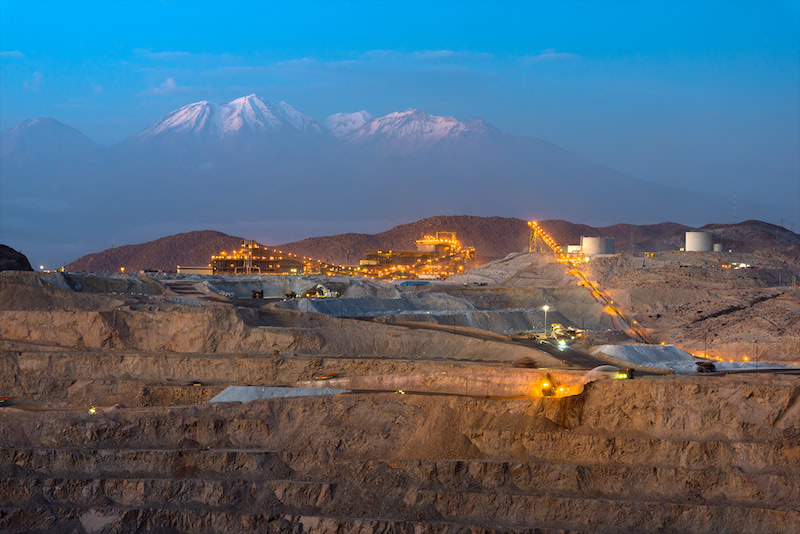
Key Implications for Vietnam's New clauses in Mining and Smelting Laws effective since January 1, 2026
Mar 12, 2026 16:32
Middle East Escalation: Copper Prices Under Pressure Amid Rising Supply Risks in Africa
Mar 10, 2026 10:00

Gold set for second weekly loss on reduced rate cut bets, higher dollar, yields
Common.Time.hoursAgo
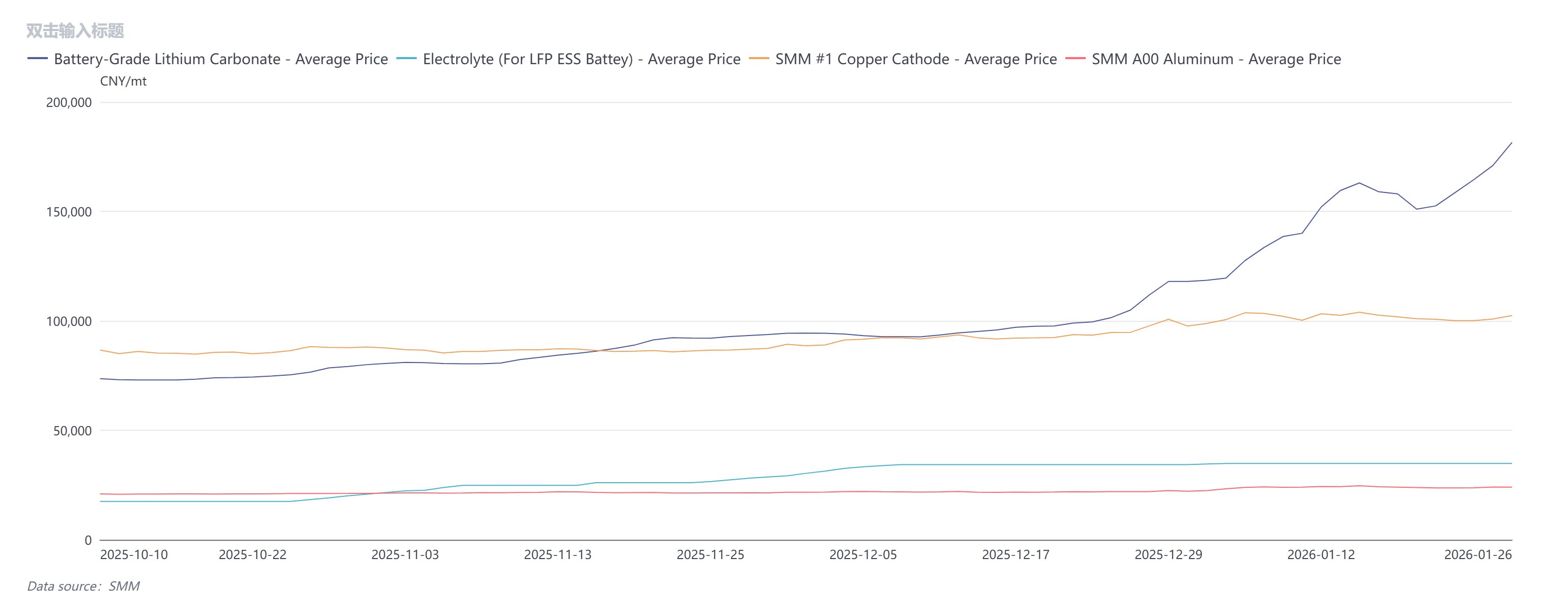
Amidst Middle East Conflicts: What is the Path Forward for China's Energy Storage Exports?
Mar 9, 2026 17:58
Latest News
Shanghai Futures Exchange Approves "Yuanhe" Brand Rebar for Delivery by Xinyu Iron and Steel Co., Ltd.
1 hour ago
Secondary Lead Prices Inverted Against Primary Lead Prices, Lead Market Fluctuated Amid a Tug-of-War Between Sellers and Buyers [SMM Lead Morning Meeting Minutes]
Common.Time.hoursAgo
The Most-Traded SHFE Tin Contract Hovered at Highs After Opening Slightly Higher in the Night Session, with Relatively Strong Purchase Willingness Among Downstream Enterprises [SMM Tin Morning Brief]
Common.Time.hoursAgo
Geopolitical Turmoil Resurfaces, LME Zinc Comes Under Pressure [SMM Morning Meeting Summary]
Common.Time.hoursAgo
The Most-Traded BC Copper Contract Closed Down 1.16%, Inflation Concerns Suppressed Expectations for Interest Rate Cuts [SMM BC Copper Commentary]
Common.Time.hoursAgo
Declining Aluminum Prices Boost Market Procurement Sentiment, Premiums Stabilize [SMM Spot Aluminum Midday Commentary]
Common.Time.hoursAgo
Import Window Opened Intraday, Active Morning Inquiries Pushed Up Offers [SMM Yangshan Spot Copper]
Common.Time.hoursAgo
Copper Prices Fell on the Last Trading Day, and Trading in the Shanghai Spot Copper Market Was Weak [SMM Shanghai Spot Copper]
Common.Time.hoursAgo
Macro and Fundamentals Resonated Negatively, the Most-Traded SHFE Tin Contract Once Fell Below the 370,000-yuan Mark [SMM Tin Midday Commentary]
Common.Time.hoursAgo
Market Quotations Were Mixed on the Contract Rollover Day, and Overall Trading Was Relatively Subdued [SMM South China Spot Copper]
Common.Time.hoursAgo
SHFE Copper Fell Below the 100,000 Mark, Boosting Downstream Buying Interest Intraday [SMM North China Spot Copper]
Mar 16, 2026 11:16
NBS: National Real Estate Development Investment Fell 11.1% YoY in January-February, with the Decline Narrower Than for the Whole of Last Year
Mar 16, 2026 10:31
NBS: MoM Decline in Commodity Residential Selling Prices Continued to Narrow in February
Mar 16, 2026 09:41
Divergence in the Spot Lead Market Pattern Makes It Difficult to Break Out of the Trading Range in the Short Term [SMM Lead Morning Meeting Summary]
Mar 16, 2026 08:54
Stronger US Dollar Put LME Zinc Under Pressure [SMM Morning Meeting Summary]
Mar 16, 2026 08:49
The Most-Traded SHFE Tin Contract Opened Slightly Higher in the Night Session and Then Fluctuated Downward, as Downstream Enterprises Concentrated on Restocking at Lower Prices [SMM Tin Morning Brief]
Mar 16, 2026 08:32
Tin Market Weakened After Fluctuating at Highs, Under Short-Term Pressure Amid Intertwined Bullish and Bearish Factors [SMM Tin Morning Meeting Summary]
Mar 16, 2026 08:30
US and Israel Bomb Iran, Escalating Middle East Tensions and Oil Price Risks
Mar 15, 2026 22:02
Strong Cost Support Remained; Ferrous Metals May Hold Up Well in the Short Term [SMM Steel Industry Chain Weekly Report]
Mar 13, 2026 18:30
BC Copper 2604 Closed Lower with a Wide Trading Range, Pressured by Both Geopolitics and Interest Rate Cut Expectations [SMM BC Copper Commentary]
Mar 13, 2026 17:52