

News
Exclusive analysis article with latest market updates, and in-time news feeds.
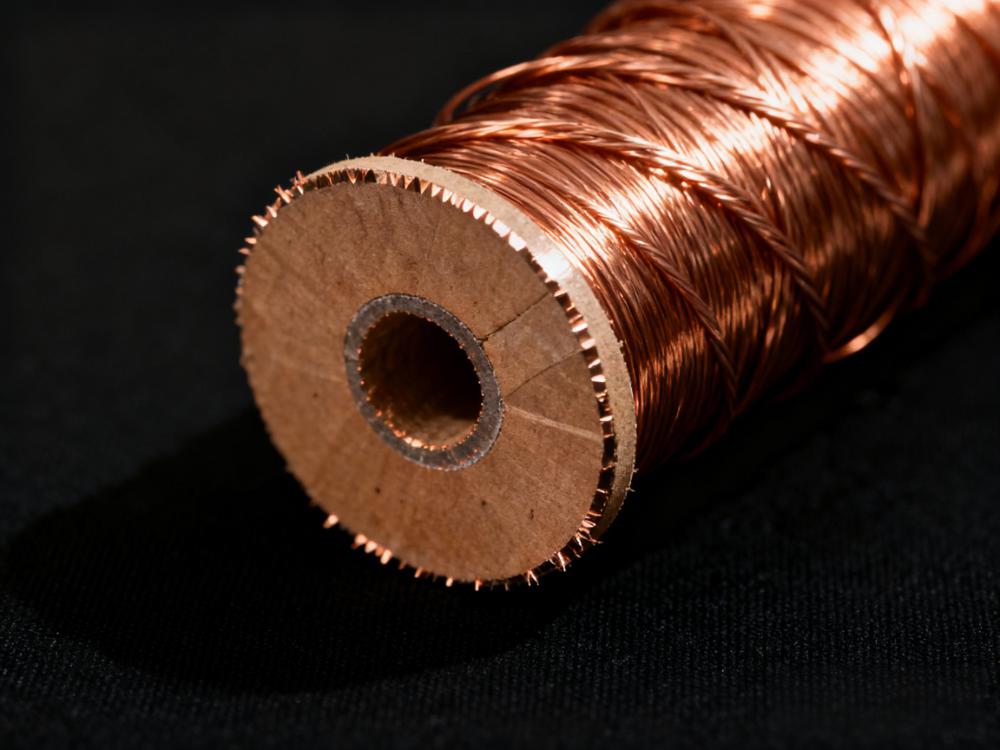
Middle East Escalation: Copper Prices Under Pressure Amid Rising Supply Risks in Africa
Tensions in the Middle East have escalated again recently, as the conflict between Israel and Iran continues to intensify, drawing renewed global attention to energy transportation security in the Gulf region.Given the high level of uncertainty surrounding the development of the situation, market risks are clearly skewed to the upside. This article provides a brief analysis of how the current conflict may affect the copper market going forward.
Mar 10, 2026 10:00
Gold set for second weekly loss on reduced rate cut bets, higher dollar, yields
March 13 (Reuters) - Gold was on track for a second straight weekly loss, even as it edged higher on Friday, as surging oil prices dampened rate cut bets and caused investors to cover margin calls, while a rising dollar and U.S. yields also pressured prices.
Common.Time.hoursAgo
Amidst Middle East Conflicts: What is the Path Forward for China's Energy Storage Exports?
Recent Middle East conflicts have disrupted the region's booming energy storage market, a major destination for Chinese exports. To assess the real impact on Chinese supply chains and project deliveries, we must analyze baseline demand amidst these geopolitical uncertainties.
Mar 9, 2026 17:58
Latest News
Indonesian Bauxite Mines to Observe Public Holidays in March 2026, Affecting Operations
1 hour ago
Indian Aluminum Industry Urges Exemption from RoDTEP Cuts Amid Global Trade Challenges
1 hour ago
PM Modi Dedicates India's First Automated Dry-Bulk Cargo Terminal to Nation
Common.Time.hoursAgo
Short-Term Bullish Momentum Weakened, Outside-China Supply Tightens Underpinned the Aluminum Market [SMM Aluminum Morning Meeting Summary]
[Short-Term Bullish Momentum Weakened, While Tight Supply Outside China Underpinned the Aluminum Market] Against the backdrop of continued tightening liquidity on the LME, LME aluminum still had upside momentum, with strong support from prices outside China, and the backwardation structure was likely to persist in the short term. China remained in a phase of high inventory and weak spot fundamentals, with upward momentum clearly weaker than that outside China. Amid divergent domestic and external drivers, the SHFE/LME price ratio was expected to continue weakening, and aluminum prices were expected to continue fluctuating at highs in the short term.
Common.Time.hoursAgo
Futures Staged a V-Shaped Rebound, ADC12 to Fluctuate at Highs in the Short Term [SMM Cast Aluminum Alloy Morning Comment]
[SMM Cast Aluminum Alloy Morning Comment: V-Shaped Rebound in Futures, ADC12 to Fluctuate at Highs in the Short Term] Overnight, aluminum alloy 2604 in the night session bottomed out and showed a rangebound fluctuating trend: after the opening, it quickly fell to around 23,570 yuan/mt, then fluctuated upward, with a trading range of 23,570-23,715 yuan/mt, and closed at 23,710 yuan/mt at the end of the session, down 0.50% from the previous day's closing price. Intraday, it first fell sharply and then staged a V-shaped rebound, before entering sideways consolidation, with the tug-of-war between longs and shorts remaining balanced. Trading volume shrank, open interest edged up slightly, and market sentiment remained cautious.
Common.Time.hoursAgo
LME Aluminum Inventory Down 0.56% on March 16, Continues Monthly Decline
[SMM Aluminum Flash News] On March 16, LME aluminum inventory stood at 442,800 mt, down 2,475 mt from the previous day, a decrease of 0.56%; over the past week, LME aluminum inventory decreased by a cumulative 11,800 mt, a decline of 2.60%; over the past month, LME aluminum inventory decreased by a cumulative 38,700 mt, a decline of 8.04%.
Common.Time.hoursAgo
Data: SHFE, DCE market movement (Mar 16)
The following table shows the ferrous and nonferrous metals movement on the SHFE and DCE on 16 Mar , 2026
Common.Time.hoursAgo
SHFE Aluminum Futures Warrants Surge 91.57% Over Past Month, Up 15.45% in a Week
[SMM Aluminum Bulletin] On March 16, SHFE aluminum futures warrants stood at 387,729 mt, up 25,761 mt from the previous trading day; over the past week, SHFE aluminum futures warrants increased by a cumulative 51,901 mt, up 15.45%; over the past month, SHFE aluminum futures warrants increased by a cumulative 185,334 mt, up 91.57%.
Common.Time.hoursAgo
Declining Aluminum Prices Boost Market Procurement Sentiment, Premiums Stabilize [SMM Spot Aluminum Midday Commentary]
Common.Time.hoursAgo
Secondary Aluminum Alloy Prices Drop by 100 Yuan/mt, Market Trading Stable Amid High Scrap Costs
[SMM Secondary Aluminum Alloy Daily Review] Secondary aluminum alloy market quotations were generally lowered by 100 yuan/mt today. Affected by the pullback in futures, most enterprises lowered their quotations accordingly. However, as aluminum scrap raw material prices remained at a relatively high level, the cost side provided some support for ADC12 prices, and enterprises were generally restrained in the extent of their price adjustments. Demand side, downstream procurement still mainly met immediate needs, and no concentrated restocking driven by the price pullback had yet emerged. Wait-and-see sentiment in the market increased somewhat, and overall trading remained relatively stable.
Common.Time.hoursAgo
Alumina Futures 2505 Contract Fluctuates Rangebound Amid Mixed Technical Signals
Mar 16, 2026 11:16

"SMM Aluminum: Guangxi Qiangqiang's 600,000 mt Anode Project Set for 2026 Trial Production"
Mar 16, 2026 10:37

Alba Shuts Down 19% of Production Capacity to Optimize Raw Material Use and Ensure Stability
Mar 16, 2026 10:28
Indonesia and Japan Sign Cooperation on Critical Minerals and Nuclear Energy
[SMM Aluminum Express News] Indonesia's Minister of Energy and Mineral Resources (ESDM), Bahlil Lahadalia, held a bilateral meeting with Japan's Minister of Economy, Trade and Industry (METI), Ryosei Akazawa, on the sidelines of the Indo Pacific Energy Security Ministerial and Business Forum (IPEM) in Tokyo, Japan, March 15, 2026.
A key outcome was the signing of a Memorandum of Cooperation in two strategic areas:
1. Critical minerals (focusing on secure, sustainable supply chains for nickel, bauxite, lithium, rare earths, and others essential for batteries, EVs, and green tech).
2. Nuclear energy (covering technology transfer, human resource development, safety standards, regulatory alignment, and potential collaboration on small modular reactors or other advanced nuclear solutions).
Mar 16, 2026 10:01
China's Secondary Aluminum Alloy Ingot Inventory Rises 677 mt WoW, Foshan and Ningbo See Most Growth
[SMM Flash] Today, inventory of secondary aluminum alloy ingots in China’s major consumption hubs increased by 677 mt WoW from last Monday, with the inventory buildup mainly concentrated in Foshan and Ningbo.
Mar 16, 2026 09:24
Qatalum Shifts from Full Shutdown to 60% Capacity: Operational Update Amid Strait of Hormuz Disruption
In early March 2026, Qatalum—the 648,000-tonne-per-year primary aluminum smelter in Qatar, a 50/50 joint venture between Norsk Hydro and Qatar Aluminum Manufacturing Company initiated a controlled shutdown of production. The decision, effective from March 3, followed a warning from gas supplier QatarEnergy that natural gas deliveries would be fully suspended due to disruptions linked to the ongoing U.S.-Israel-Iran conflict, including attacks on regional energy infrastructure.
Mar 16, 2026 09:15
US DOE to Invest $500M in Domestic Critical Minerals and Battery Materials Production
The US Department of Energy (DOE) plans to provide up to $500 million in funding to expand domestic critical minerals processing and battery materials manufacturing and recycling, as Washington seeks to reduce reliance on foreign supply chains.
Mar 16, 2026 09:13
Geopolitical Premium Remains, Aluminum Prices Fluctuate at Highs [SMM Aluminum Morning Meeting Summary]
[SMM Aluminum Morning Meeting Summary: Geopolitical Premiums Persist, Aluminum Prices Remained Fluctuating at Highs] Against the backdrop of continued tightening LME liquidity, LME aluminum still had upward momentum, with strong support from prices outside China, and was expected to maintain a backwardation structure in the short term. China, meanwhile, was in a phase of high inventory plus weak spot fundamentals, with upward momentum clearly weaker than outside China. Amid divergent domestic and external drivers, the SHFE/LME price ratio was expected to continue weakening, and aluminum prices were expected to remain fluctuating at highs in the short term.
Mar 16, 2026 09:13
Mozal Aluminium Enters Care and Maintenance Due to Power Supply Issues
According to South32’s official website on March 16, Mozal Aluminium (Mozal) was confirmed to have entered care and maintenance status on March 15, with annual capacity of approximately 580,000 mt. South32’s CEO said that over the past six years, the company had engaged extensively with the Mozambican government, Eskom, and other stakeholders, but failed to secure sufficient and affordable power supply for Mozal beyond March. This shutdown will incur a one-off cost of about $60 million, with subsequent annual maintenance expenses of around $5 million, and the alumina originally supplied to Mozal will be resold to third parties.
Mar 16, 2026 09:11
Bulls Lost Momentum at High Levels; Focus on Lower Support for Aluminum Alloy Futures Prices [SMM Cast Aluminum Alloy Morning Comment]
[SMM Cast Aluminum Alloy Morning Comment: Bulls Lost Momentum at High Levels, Aluminum Alloy Futures Prices Should Watch Lower Support] Last Friday, quotations in the secondary aluminum alloy market were mainly stable. Before noon, fluctuations in futures narrowed, enterprises' willingness to adjust prices weakened significantly, and most producers chose to hold prices steady and wait on the sidelines. In the afternoon, as futures fluctuated downward, some producers began to lower quotations by 100 yuan/mt. Demand side, downstream players still mainly made just-in-time procurement, but amid the pullback in aluminum prices and the approach of the weekend, some enterprises showed slightly stronger purchasing interest, and market transactions improved somewhat from the previous day.
Mar 16, 2026 09:06
![[SMM Events] 2026 GRMI: 200+ Executives & Companies Registered! Join us in Tokyo this June for Recycling Industry](https://imgqn.smm.cn/production/admin/votes/imagesECPmG20260316150318.jpeg)
[SMM Events] 2026 GRMI: 200+ Executives & Companies Registered! Join us in Tokyo this June for Recycling Industry
The 2026 SMM (3rd) Global Renewable Metal Industry Chain Summit & Battery Recycling Forum will be held in Tokyo, Japan, from May 11–12, 2026. The summit aims to bring together leading global enterprises, research institutions, industry experts, and policymakers in the fields of renewable metals and battery recycling.
Common.Time.hoursAgo
![[SMM Analysis] ITC Rejects Tariffs on Chinese Graphite Anodes, Final Duties Not Imposed](https://imgqn.smm.cn/usercenter/lzgUR20251217171731.jpg)
[SMM Analysis] ITC Rejects Tariffs on Chinese Graphite Anodes, Final Duties Not Imposed
Mar 13, 2026 19:55
![[SMM Analysis] Why Is India’s Stainless Steel Industry Calling for Both Lower Costs and Stronger Trade Barriers?](https://imgqn.smm.cn/production/admin/votes/imageskXuFi20260313172318.jpeg)
[SMM Analysis] Why Is India’s Stainless Steel Industry Calling for Both Lower Costs and Stronger Trade Barriers?
Mar 13, 2026 17:19
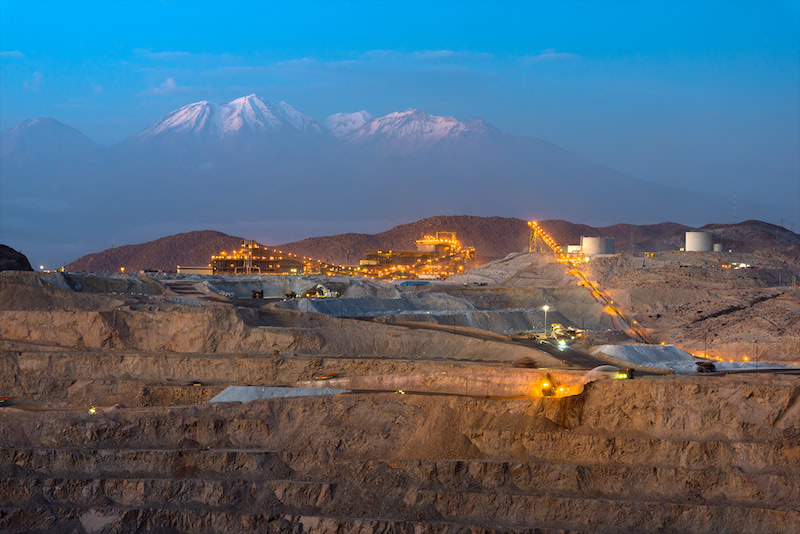
Key Implications for Vietnam's New clauses in Mining and Smelting Laws effective since January 1, 2026
Mar 12, 2026 16:32
Middle East Escalation: Copper Prices Under Pressure Amid Rising Supply Risks in Africa
Mar 10, 2026 10:00

Gold set for second weekly loss on reduced rate cut bets, higher dollar, yields
Common.Time.hoursAgo
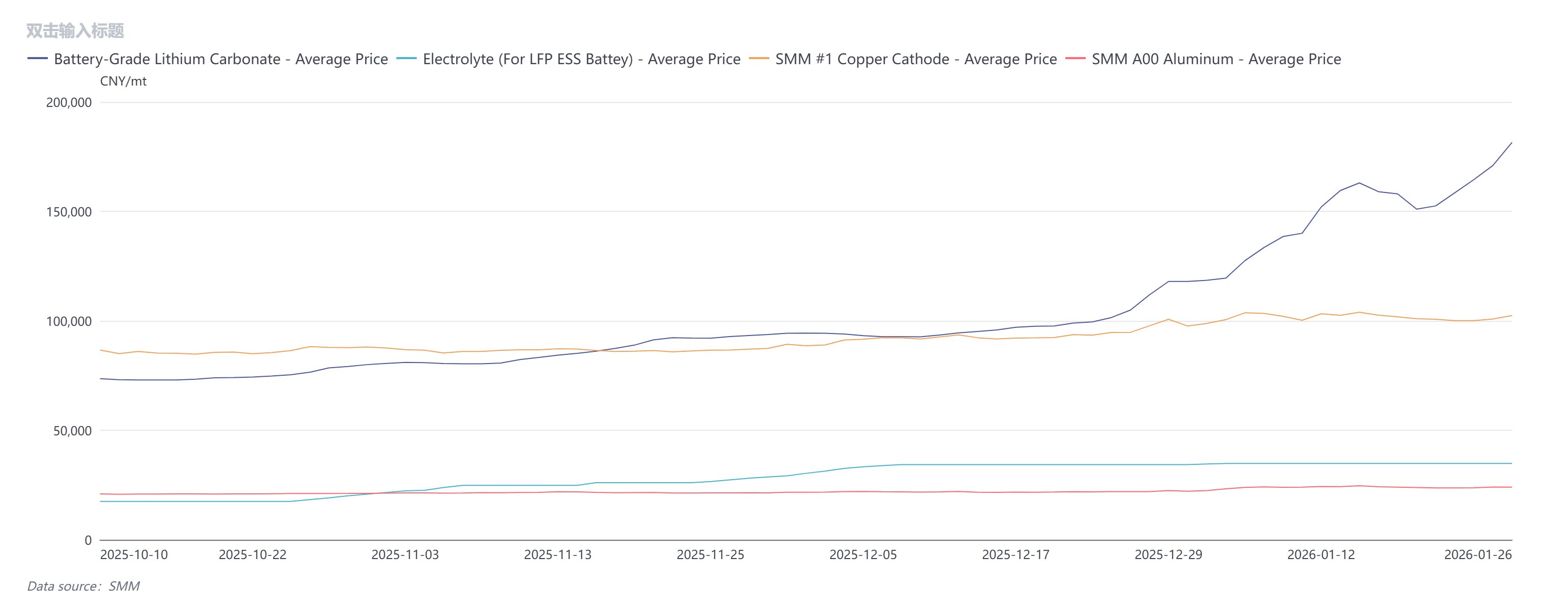
Amidst Middle East Conflicts: What is the Path Forward for China's Energy Storage Exports?
Mar 9, 2026 17:58
Latest News
Indonesian Bauxite Mines to Observe Public Holidays in March 2026, Affecting Operations
1 hour ago
Indian Aluminum Industry Urges Exemption from RoDTEP Cuts Amid Global Trade Challenges
1 hour ago
PM Modi Dedicates India's First Automated Dry-Bulk Cargo Terminal to Nation
Common.Time.hoursAgo
Short-Term Bullish Momentum Weakened, Outside-China Supply Tightens Underpinned the Aluminum Market [SMM Aluminum Morning Meeting Summary]
Common.Time.hoursAgo
Futures Staged a V-Shaped Rebound, ADC12 to Fluctuate at Highs in the Short Term [SMM Cast Aluminum Alloy Morning Comment]
Common.Time.hoursAgo
LME Aluminum Inventory Down 0.56% on March 16, Continues Monthly Decline
Common.Time.hoursAgo
Data: SHFE, DCE market movement (Mar 16)
Common.Time.hoursAgo
SHFE Aluminum Futures Warrants Surge 91.57% Over Past Month, Up 15.45% in a Week
Common.Time.hoursAgo
Declining Aluminum Prices Boost Market Procurement Sentiment, Premiums Stabilize [SMM Spot Aluminum Midday Commentary]
Common.Time.hoursAgo
Secondary Aluminum Alloy Prices Drop by 100 Yuan/mt, Market Trading Stable Amid High Scrap Costs
Common.Time.hoursAgo
Alumina Futures 2505 Contract Fluctuates Rangebound Amid Mixed Technical Signals
Mar 16, 2026 11:16
"SMM Aluminum: Guangxi Qiangqiang's 600,000 mt Anode Project Set for 2026 Trial Production"
Mar 16, 2026 10:37
Alba Shuts Down 19% of Production Capacity to Optimize Raw Material Use and Ensure Stability
Mar 16, 2026 10:28
Indonesia and Japan Sign Cooperation on Critical Minerals and Nuclear Energy
Mar 16, 2026 10:01
China's Secondary Aluminum Alloy Ingot Inventory Rises 677 mt WoW, Foshan and Ningbo See Most Growth
Mar 16, 2026 09:24
Qatalum Shifts from Full Shutdown to 60% Capacity: Operational Update Amid Strait of Hormuz Disruption
Mar 16, 2026 09:15
US DOE to Invest $500M in Domestic Critical Minerals and Battery Materials Production
Mar 16, 2026 09:13
Geopolitical Premium Remains, Aluminum Prices Fluctuate at Highs [SMM Aluminum Morning Meeting Summary]
Mar 16, 2026 09:13
Mozal Aluminium Enters Care and Maintenance Due to Power Supply Issues
Mar 16, 2026 09:11
Bulls Lost Momentum at High Levels; Focus on Lower Support for Aluminum Alloy Futures Prices [SMM Cast Aluminum Alloy Morning Comment]
Mar 16, 2026 09:06