

News
Exclusive analysis article with latest market updates, and in-time news feeds.
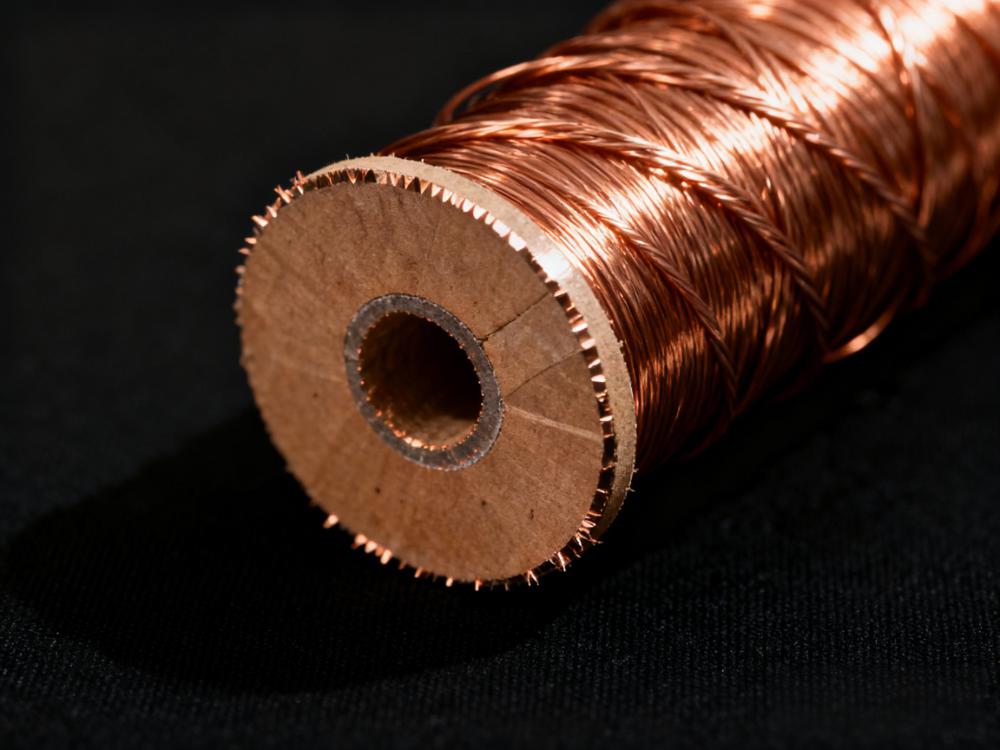
Middle East Escalation: Copper Prices Under Pressure Amid Rising Supply Risks in Africa
Tensions in the Middle East have escalated again recently, as the conflict between Israel and Iran continues to intensify, drawing renewed global attention to energy transportation security in the Gulf region.Given the high level of uncertainty surrounding the development of the situation, market risks are clearly skewed to the upside. This article provides a brief analysis of how the current conflict may affect the copper market going forward.
Mar 10, 2026 10:00
Gold set for second weekly loss on reduced rate cut bets, higher dollar, yields
March 13 (Reuters) - Gold was on track for a second straight weekly loss, even as it edged higher on Friday, as surging oil prices dampened rate cut bets and caused investors to cover margin calls, while a rising dollar and U.S. yields also pressured prices.
Common.Time.hoursAgo
Amidst Middle East Conflicts: What is the Path Forward for China's Energy Storage Exports?
Recent Middle East conflicts have disrupted the region's booming energy storage market, a major destination for Chinese exports. To assess the real impact on Chinese supply chains and project deliveries, we must analyze baseline demand amidst these geopolitical uncertainties.
Mar 9, 2026 17:58
Latest News
Production of Construction Materials in Central China Rose Steadily, While Mill Inventories Continued to Decline
1 hour ago
![[SMM Steel] Punjab emerges as key investment hub for India's steel sector](https://imgqn.smm.cn/usercenter/FFFrV20251217171719.jpg)
[SMM Steel] Punjab emerges as key investment hub for India's steel sector
Common.Time.hoursAgo
![[SMM Steel] India’s NMDC Limited achieves record iron ore output in FY 2025-26](https://imgqn.smm.cn/usercenter/ntiFA20251217171719.jpg)
[SMM Steel] India’s NMDC Limited achieves record iron ore output in FY 2025-26
Common.Time.hoursAgo
[SMM Daily HRC Trading] Spot Trading Fluctuated Rangebound
[SMM Daily HRC Trading] On March 16, the total daily HRC trading volume of sample enterprises in four SMM cities (Shanghai, Lecong, Tianjin, and Ningbo) was 15,390 mt, down 520 mt day on day, or 3.3%, up 19.95% YoY on a calendar basis and up 20.61% YoY on a lunar-calendar basis.
Common.Time.hoursAgo
[China Iron Ore Brief Review] Iron Ore Prices in Shandong May Have Some Upside Room
[China Iron Ore Brief Review: Iron Ore Concentrate Prices in Shandong May Have Some Upside Potential] In Shandong, 64-grade iron ore concentrates at mines and beneficiation plants were quoted at 882 yuan on a dry basis, before tax, with acceptance upon shipment from the mine. Most mines and beneficiation plants maintained normal production, and some mines showed reluctance to sell. Steel mills continued to purchase under long-term contracts and mainly operated with low inventory. Overall transactions were moderate. In the near term, steel mills in Hebei will gradually resume normal production, and some local iron ore concentrate resources will flow to Hebei. Overall local iron ore concentrate supply remains relatively tight, providing support for prices.
Common.Time.hoursAgo
MMi Daily Iron Ore Report (March 16)
Today, DCE iron ore futures first fell and then rebounded today. The most-traded contract I2605 eventually closed at 809 yuan/mt, down 0.74% from the previous trading session.
Common.Time.hoursAgo
HRC Futures Rangebound, Auto and Real Estate Data Show Mixed Signals Amid Geopolitical Tensions
A review of the data showed that auto production and sales in China remained at low levels, while exports stayed resilient. Excavators retreated from highs, and overall downstream performance was moderate. In terms of supply, HRC production was expected to rebound this week, but the pressure remained moderate. On exports, freight rates surged rapidly due to geopolitical conflicts, and most clients outside China stayed on the sidelines. Exporters in China reported mediocre order-taking for sheets & plates. Overall, HRC fundamentals were relatively stable in the short term, and prices would still mainly move sideways with the cost side.
Common.Time.hoursAgo
【SMM Steel】ArcelorMittal Belgium preparing to restart Liège galvanizing line
【SMM Steel】ArcelorMittal Belgium plans to restart its Galva 5 line in Flémalle, Liège, in Q2 2026. The facility will process HR coils from Ghent, regaining a strategic role after years of inactivity. Acquired in July 2025, it underwent a renewal program including technical analysis, safety training, repairs, and a workforce expansion. Digital infrastructure was also upgraded.
Common.Time.hoursAgo
【SMM Steel】Canada's Algoma Steel to adjust business model to prioritize domestic market
【SMM Steel】Facing the 50% US steel tariff, Algoma Steel is adjusting operations. It will close its blast furnaces and coke ovens ahead of schedule, pivot to the Canadian market, and secure funds for the transition. Focus will be on rolled, heat-treated plate, and some coil products for domestic use. Over 60% of its revenue once came from US clients. In 2025, direct tariffs total C$225m, with US shipments at ~51% of total.
Common.Time.hoursAgo
【SMM Steel】Indonesia's Bahagia Steel invests in high-speed rebar line for domestic infrastructure
【SMM Steel】Surabaya-based Bahagia Steel is building a new twin-strand HSD® rebar line with SMS group. Set for late 2026, it will process 5.2-32 mm rebar at 45 m/s to meet rising domestic construction demand. SMS will supply mechanical and automation equipment, including a waterbox and high-speed shear. The tech improves yield by ~2% and ensures tighter tolerances than traditional slitting.
Common.Time.hoursAgo
【SMM Steel】US issues final AD & CVD duties on Chinese temporary steel fencing
Common.Time.hoursAgo

【SMM Steel】Turkey launches anti-circumvention probe into Chinese steel pipe fittings
Common.Time.hoursAgo
![Inventory Release Weighs on Bullish Sentiment for Iron Ore, Dalian Iron Ore Futures Closed Slightly Lower [SMM Brief Review]](https://imgqn.smm.cn/usercenter/ENDOs20251217171718.jpg)
Inventory Release Weighs on Bullish Sentiment for Iron Ore, Dalian Iron Ore Futures Closed Slightly Lower [SMM Brief Review]
Common.Time.hoursAgo
[SMM Coking Coal and Coke Daily Brief Review] 20260316
[SMM Daily Brief Review of Coking Coal and Coke]
In terms of supply, as the Two Sessions ended, coke producers previously subject to production restrictions gradually resumed production. With losses per mt of coke remaining within an acceptable range, production enthusiasm was moderate, and coke supply increased steadily. On the demand side, as the country's important meetings ended, steel mills previously subject to production restrictions were expected to resume production, leading to some increase in coke demand. However, as no clearly positive policies emerged from the Two Sessions, market wait-and-see sentiment remained strong, and steel mills maintained a cautious attitude toward coke, mainly purchasing as needed. In summary, the coke market may remain temporarily stable in the short term.
Common.Time.hoursAgo
Data: SHFE, DCE market movement (Mar 16)
The following table shows the ferrous and nonferrous metals movement on the SHFE and DCE on 16 Mar , 2026
Common.Time.hoursAgo
[SMM Stainless Steel Daily Review] SS Futures Fell and Pulled Back, Coupled with Steel Mill Price Adjustments, and Strong Wait-and-See Sentiment Among Downstream Buyers
[SMM Stainless Steel Daily Review] SS Futures Fell Back as Steel Mill Price Adjustments Dampened Downstream Buying Interest
SMM News, March 16: SS futures showed a downward pullback. Although the contract was relatively stable during Friday's night session, Monday's open was dragged lower by a broad decline across the nonferrous metals sector, with SS also pulling back to close at 14,185 yuan/mt by midday. In the spot market, affected by the decline in SS futures and an overall cut of 200 yuan/mt in the morning guidance prices from a major stainless steel mill, retail quotations in the market edged lower. Price fluctuations fueled stronger wait-and-see sentiment among downstream buyers, and intraday transactions were weak. However, market feedback indicated that transactions had been broadly steady earlier, and coupled with relatively strong expectations for the cost side of stainless steel, most market participants had not expected this round of price cuts. Traders' spot quotations fell by less than the reduction in the guidance price.
The most-traded SS futures contract pulled back after falling. As of 10:15 a.m., SS2605 was quoted at 14,045 yuan/mt, down 230 yuan/mt from the previous trading day. Spot premiums for Wuxi 304/2B were in the range of 245-445 yuan/mt. In the spot market, Wuxi cold-rolled 201/2B coils were generally stable; for cold-rolled trim-edge 304/2B coils, the average price in Wuxi fell by 50 yuan/mt and the average price in Foshan fell by 50 yuan/mt; Wuxi cold-rolled 316L/2B coils were stable; Wuxi quotations for hot-rolled 316L/NO.1 coils were stable; cold-rolled 430/2B coils in both Wuxi and Foshan were also stable.
As the traditional peak consumption season of "Golden March and Silver April" begins, the stainless steel market is entering a window for demand recovery, with downstream end-users gradually resu...
Common.Time.hoursAgo
[SMM Daily Chrome Commentary] Ore Prices Continued to Rise, While Ferrochrome Remained Temporarily Stable
[SMM Daily Chrome Commentary: Ore Prices Continued to Rise, While Ferrochrome Remained Temporarily Stable] March 16, 2026: Spot chrome ore prices continued to rise, while ferrochrome quotations saw no adjustment for the time being...
Common.Time.hoursAgo
Shougang Changzhi Steel to Begin Annual Maintenance on Two Blast Furnaces, Affecting Output
[Steel Mill Maintenance] Shougang Group Changzhi Steel is expected to begin its annual maintenance on the No. 9 1080m³ blast furnace on March 27, with the maintenance expected to last 19 days and affect the daily average hot metal output by approximately 3,000 mt; it is also expected to begin maintenance on the No. 8 1080m³ blast furnace on May 6, with the maintenance expected to last 19 days and affect the daily average hot metal output by approximately 3,000 mt. [SMM Steel]
Common.Time.hoursAgo
South Africa Launches Second Sunset Review on Steel Fasteners Safeguard Measures
[South Africa Initiated a Second Sunset Review Investigation of Safeguard Measures on Imported Threaded Fasteners of Iron or Steel]
On March 6, 2026, the WTO Committee on Safeguards issued a safeguards notification submitted by the South African delegation. On February 27, 2026, the International Trade Administration Commission of South Africa (ITAC) published a notice and, upon an application filed by the South African industry association South African Fasteners Manufacturers Association (SAFMA), initiated a second sunset review investigation of safeguard measures on imported threaded fasteners of iron or steel.
Mar 16, 2026 11:15
China's Crude Steel Production Was 160.34 Million mt in January-February
According to data from the National Bureau of Statistics (NBS), China's pig iron production from January to February 2026 was 137.7 million mt, down 2.7% YoY; crude steel production was 160.34 million mt, down 3.6% YoY; and steel product production was 221.19 million mt, down 1.1% YoY.
Mar 16, 2026 11:14
![[SMM Events] 2026 GRMI: 200+ Executives & Companies Registered! Join us in Tokyo this June for Recycling Industry](https://imgqn.smm.cn/production/admin/votes/imagesECPmG20260316150318.jpeg)
[SMM Events] 2026 GRMI: 200+ Executives & Companies Registered! Join us in Tokyo this June for Recycling Industry
The 2026 SMM (3rd) Global Renewable Metal Industry Chain Summit & Battery Recycling Forum will be held in Tokyo, Japan, from May 11–12, 2026. The summit aims to bring together leading global enterprises, research institutions, industry experts, and policymakers in the fields of renewable metals and battery recycling.
Common.Time.hoursAgo
![[SMM Analysis] ITC Rejects Tariffs on Chinese Graphite Anodes, Final Duties Not Imposed](https://imgqn.smm.cn/usercenter/lzgUR20251217171731.jpg)
[SMM Analysis] ITC Rejects Tariffs on Chinese Graphite Anodes, Final Duties Not Imposed
Mar 13, 2026 19:55
![[SMM Analysis] Why Is India’s Stainless Steel Industry Calling for Both Lower Costs and Stronger Trade Barriers?](https://imgqn.smm.cn/production/admin/votes/imageskXuFi20260313172318.jpeg)
[SMM Analysis] Why Is India’s Stainless Steel Industry Calling for Both Lower Costs and Stronger Trade Barriers?
Mar 13, 2026 17:19
Key Implications for Vietnam's New clauses in Mining and Smelting Laws effective since January 1, 2026
Mar 12, 2026 16:32
Middle East Escalation: Copper Prices Under Pressure Amid Rising Supply Risks in Africa
Mar 10, 2026 10:00

Gold set for second weekly loss on reduced rate cut bets, higher dollar, yields
Common.Time.hoursAgo
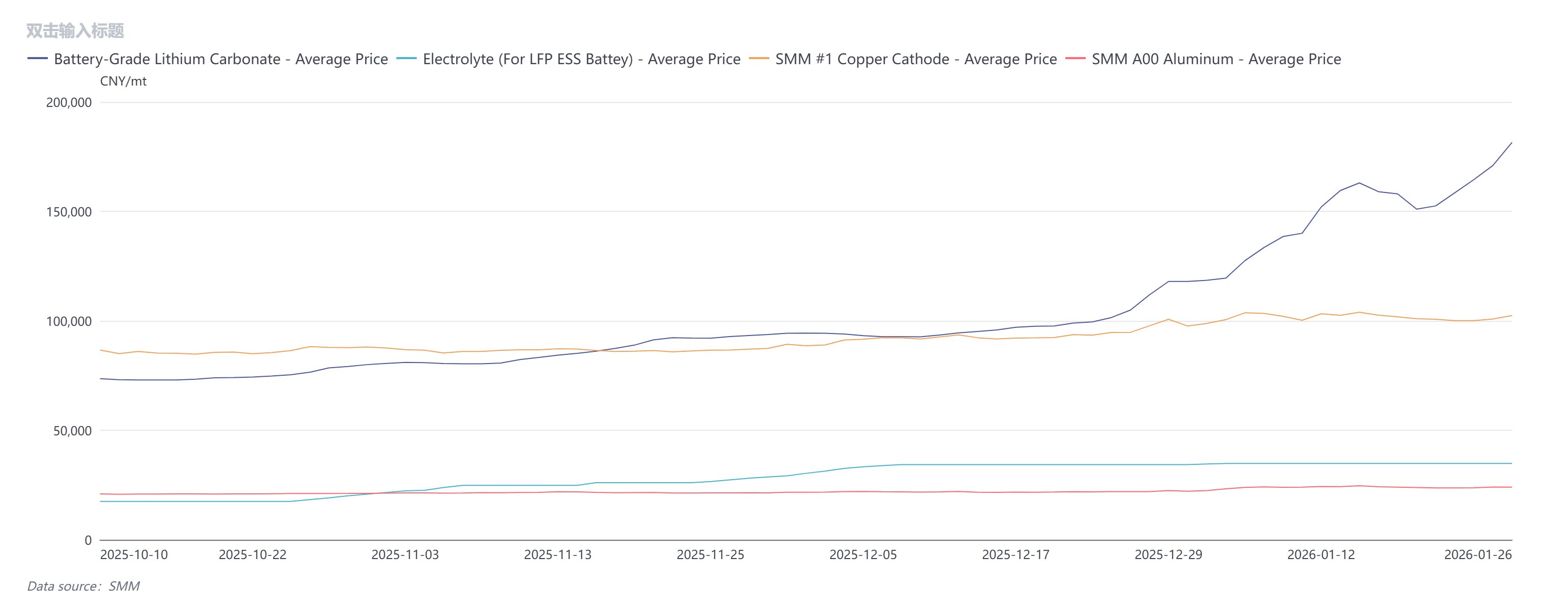
Amidst Middle East Conflicts: What is the Path Forward for China's Energy Storage Exports?
Mar 9, 2026 17:58
Latest News
Production of Construction Materials in Central China Rose Steadily, While Mill Inventories Continued to Decline
1 hour ago
[SMM Steel] Punjab emerges as key investment hub for India's steel sector
Common.Time.hoursAgo
[SMM Steel] India’s NMDC Limited achieves record iron ore output in FY 2025-26
Common.Time.hoursAgo
[SMM Daily HRC Trading] Spot Trading Fluctuated Rangebound
Common.Time.hoursAgo
[China Iron Ore Brief Review] Iron Ore Prices in Shandong May Have Some Upside Room
Common.Time.hoursAgo
MMi Daily Iron Ore Report (March 16)
Common.Time.hoursAgo
HRC Futures Rangebound, Auto and Real Estate Data Show Mixed Signals Amid Geopolitical Tensions
Common.Time.hoursAgo
【SMM Steel】ArcelorMittal Belgium preparing to restart Liège galvanizing line
Common.Time.hoursAgo
【SMM Steel】Canada's Algoma Steel to adjust business model to prioritize domestic market
Common.Time.hoursAgo
【SMM Steel】Indonesia's Bahagia Steel invests in high-speed rebar line for domestic infrastructure
Common.Time.hoursAgo
【SMM Steel】US issues final AD & CVD duties on Chinese temporary steel fencing
Common.Time.hoursAgo
【SMM Steel】Turkey launches anti-circumvention probe into Chinese steel pipe fittings
Common.Time.hoursAgo
Inventory Release Weighs on Bullish Sentiment for Iron Ore, Dalian Iron Ore Futures Closed Slightly Lower [SMM Brief Review]
Common.Time.hoursAgo
[SMM Coking Coal and Coke Daily Brief Review] 20260316
Common.Time.hoursAgo
Data: SHFE, DCE market movement (Mar 16)
Common.Time.hoursAgo
[SMM Stainless Steel Daily Review] SS Futures Fell and Pulled Back, Coupled with Steel Mill Price Adjustments, and Strong Wait-and-See Sentiment Among Downstream Buyers
Common.Time.hoursAgo
[SMM Daily Chrome Commentary] Ore Prices Continued to Rise, While Ferrochrome Remained Temporarily Stable
Common.Time.hoursAgo
Shougang Changzhi Steel to Begin Annual Maintenance on Two Blast Furnaces, Affecting Output
Common.Time.hoursAgo
South Africa Launches Second Sunset Review on Steel Fasteners Safeguard Measures
Mar 16, 2026 11:15
China's Crude Steel Production Was 160.34 Million mt in January-February
Mar 16, 2026 11:14