

News
Exclusive analysis articles with the latest market updates, and real-time news feeds.
![[SMM Analysis]Downstream Demand Improves Marginally Non-Oriented Silicon Steel Prices to See Modest Gains in September](https://imgqn.smm.cn/usercenter/Zznfn20251217171716.jpg)
[SMM Analysis]Downstream Demand Improves Marginally Non-Oriented Silicon Steel Prices to See Modest Gains in September
Monthly Review & Outlook: Downstream Demand Improves Marginally; Non-Oriented Silicon Steel Prices to See Only Modest Gains in September August Price Review Source: SMM Non-oriented silicon steel prices remained generally weak in August. Prices of mainstream grades edged lower across the board, with both high-grade and medium-low grade products under pressure. The monthly average price of benchmark grade B50A800 fluctuated at a low level. Although the supply-demand gap narrowed slightly in August, supply remained relatively loose. Lacking strong support from downstream demand, prices had limited upward momentum. The market consolidated at low levels overall; declines slowed, yet no clear rebound emerged. Fundamental Analysis Source: SMM Domestic output of non-oriented silicon steel fell month-on-month in August, a notable drop from July, as steel mills proactively cut production schedules. By grade mix, medium-low grades accounted for 66%, high grades 19%, and new-energy grades rose to 15%. Compared with July, the share of medium-low grades declined while new-energy grades increased, and high-grade share stayed stable. Production capacity continued shifting toward high-end products. Production scheduling for September retains divergent features: medium-low grades will rebound to 69%, high grades fall to 18%, and new-energy grades dip slightly to 14%. Steel mills plan to raise output of medium-low grades in September while trimming the proportion of high-grade production. Overall, August production cuts eased supply pressure to some extent, yet the rebound in medium-low grade output in September reflects steel mills’ improved market expectations for the month. Source: Public data, SMM Output of major domestic home appliance categories fell seasonally in July, with production of air conditioners, refrigerators, washing machines and color TVs retreating from earlier peaks. Monthly consumption of non-oriented silicon steel by the home appliance sector declined accordingly. By consumption breakdown, air conditioners represented 65% of silicon steel use in home appliances, making them the largest consumer; refrigerators, washing machines and color TVs accounted for 20%, 11% and 4% respectively. Total silicon steel consumption by home appliances dropped month-on-month in July, dragged down primarily by weaker air conditioner demand. China’s new-energy vehicle output stayed robust in July. Production of new-energy passenger and commercial vehicles maintained strong resilience, while output of conventional fuel vehicles remained relatively steady. The automotive sector is a core consumer of non-oriented silicon steel. In terms of consumption structure, new-energy passenger vehicles made up 75%, new-energy commercial vehicles 22%, and traditional vehicles only 3%. New-energy models have become the dominant source of automotive silicon steel consumption. Monthly silicon steel consumption by the auto sector edged up month-on-month in July. High production schedules for new-energy vehicles underpinned silicon steel demand and offset part of the home appliance demand slump. Nevertheless, incremental demand from automobiles was insufficient to fully counterbalance the decline in home appliances, leading to only limited overall improvement in downstream demand for non-oriented silicon steel. September Price Outlook Looking ahead to September 2026, on the supply side, planned output of non-oriented silicon steel in China is set to rise, with growth concentrated in medium-low grades. For one thing, the traditional off-season is drawing to a close; downstream orders for home appliance and motor manufacturers are expected to pick up, boosting steel mills’ willingness to produce. For another, leading producers including Baowu lifted base prices by RMB 50 per tonne for September, showing clear intentions to prop up and raise prices. This is expected to restore steel mill margins and support production. On the demand side for home appliances: production continued slowing in August. Most manufacturers scheduled high-temperature shutdowns and equipment maintenance in early August. Orders and sales were mixed. Air conditioners and refrigerators saw weaker orders and sales due to sluggish end-market demand. Washing machines entered their peak season, yet demand fell short of expectations. For the automotive sector, market performance is projected to be weak early in the month and strong later. In early August, offline sales were hampered by high temperatures, typhoons and other weather disruptions. Demand started to release from mid-August onward. Multiple new models launched by leading new-energy original equipment manufacturers (OEMs) were priced in line with consumer expectations, driving notable increases in store foot traffic and orders, marking a market recovery. On the cost side, September marks the traditional “Golden September” consumption peak. With hot and rainy weather abating, end-user project construction and downstream restocking demand are anticipated to improve marginally. Hot rolled coil prices are projected to trend higher in September. In summary, SMM forecasts that medium-low grade non-oriented silicon steel prices will trend upward amid volatility in September 2026, with moderate upside potential.
Sep 11, 2026 14:05
Morocco's Phosphate Chemical Industry: Resource Endowment, Export Landscape, and Capacity Expansion
Morocco accounts for approximately 68% of global phosphate rock reserves, with grades as high as 33% (P₂O₅), and is predominantly surface-mined, giving it significant cost advantages. Exports are carried out through four major ports: Casablanca, Safi, Jorf Lasfar, and Laayoune, with Safi Port emerging as a strategic hub.
Sep 10, 2026 17:50
[SMM Analysis] LME Stocks Climb While Backwardation Widens — What's Behind Zinc's Apparent Paradox?
From mid-August, LME official zinc stocks (registered plus cancelled warrants) began to build from a low of 86,500 tonnes on 17 August, rising to 113,100 tonnes by 4 September — a cumulative increase of 26,600 tonnes. Yet over the same window the LME cash-to-three-month (0-3) backwardation did not ease; rather, it expanded from USD 82.88/t on 17 August to around USD 168.62/t on 4 September.
Sep 8, 2026 17:27
Latest News

Economic Improvement of the Boumadine Polymetallic Mine in Morocco
2 hours ago

Rising Fed Rate Hike Expectations and Zinc Inventory Buildup Weigh on SHFE Zinc【SMM Zinc Futures Review】
3 hours ago
![US Fed rate hike expectations heat up, combined with zinc ingot social inventory shifting from decline to increase, SHFE zinc falls under pressure [SMM zinc futures review]](https://imgqn.smm.cn/usercenter/TeRBO20251217171754.jpg)
US Fed rate hike expectations heat up, combined with zinc ingot social inventory shifting from decline to increase, SHFE zinc falls under pressure [SMM zinc futures review]
4 hours ago
New Century H1 2026 Zinc Production Down 13% Due to Weather, Maintenance
[New Century Reports H1 2026 Production]New Century released its H1 2026 results, reporting zinc concentrate production of 54,000 tonnes, down 13% YoY. Saleable zinc production stood at 45,000 tonnes, also down 13% YoY. The decline was attributed to lower head grades, weather-related disruptions caused by above-average wet-season rainfall, and scheduled annual maintenance shutdowns during the first half of the year.
5 hours ago
[SMM Analysis] Sulfuric Acid & Zinc TCs Fall: Why Are Chinese Smelter Margins Squeezed?
According to SMM data, sulfuric acid prices for smelters have shifted from high levels into a downward trend since the third quarter, with prices in major domestic regions currently falling to RMB 1,100–1,800/mt. At the same time, zinc concentrate treatment charges (TCs) continued to decline rapidly in Q3. As of September 11, the average domestic zinc concentrate TC had fallen to -RMB 2,100/metal mt, while the import zinc concentrate index had declined to -$112.91/dmt.
5 hours ago
Data: SHFE, DCE market movement (Sep 14)
The following table shows the ferrous and nonferrous metals movement on the SHFE and DCE on 14 Sep , 2026
6 hours ago
Zinc Futures Decline Boosts Trading Activity in East China Market
[East China Refined Zinc Market]Zinc futures prices continued to decline this morning, reaching levels acceptable to some downstream buyers and prompting them to replenish inventories through price-fixing. Overall spot trading in the East China market was relatively active today. Traders were actively offering and selling, while spot premiums increased accordingly.
9 hours ago
US Fed September Rate Hike Probability Rises, LME Zinc Consolidates [SMM Zinc Morning Meeting Summary]
[SMM Zinc Morning Meeting Summary: US Fed September Rate Hike Probability Rises, LME Zinc Maintains Fluctuating Trend]: Last Friday, LME zinc opened at $3,860/mt, drifted higher after the open to touch a high of $3,918/mt, then pulled back continuously from the high to hit a low of $3,847/mt during the session, subsequently rebounded to near the daily average, and finally closed up at $3,863.5/mt, up $8.5/mt...
13 hours ago
SHFE zinc bulls reduce positions, night session consolidates at lows [SMM zinc morning comment]
[SMM Zinc Morning Comment: SHFE Zinc Bulls Reduce Positions, Night Session Consolidates at Lows] Last Friday, the most-traded SHFE zinc 2610 contract opened at 26,650 yuan/mt. After the open, SHFE zinc consolidated around the daily average, hitting a high of 26,785 yuan/mt near the opening and a low of 26,550 yuan/mt during the session, before closing down at 26,560 yuan/mt, down 245 yuan/mt or 0.91%, with trading volume decreasing to 73,922 lots.
13 hours ago
Australia Reviews Anti-Dumping Duties on Galvanized Steel from India, Malaysia, Vietnam Amid Zinc Concerns
On September 9, 2026, Australia initiated its second sunset review of anti-dumping measures on galvanized steel sheet from India, Malaysia and Vietnam, and separately launched a sunset review of countervailing measures on imports from India. The review covers July 2025-June 2026, with the final report expected by February 11, 2027. As galvanized steel is the largest end-use sector for zinc, the measures directly affect export costs and competitiveness, potentially impacting Australia’s domestic zinc demand and supply chain. Maintaining the duties would provide some protection for domestic steel and coating capacity, while termination could increase low-priced imports and affect regional zinc consumption. The final outcome remains subject to the authorities’ determination.
Sep 11, 2026 18:30
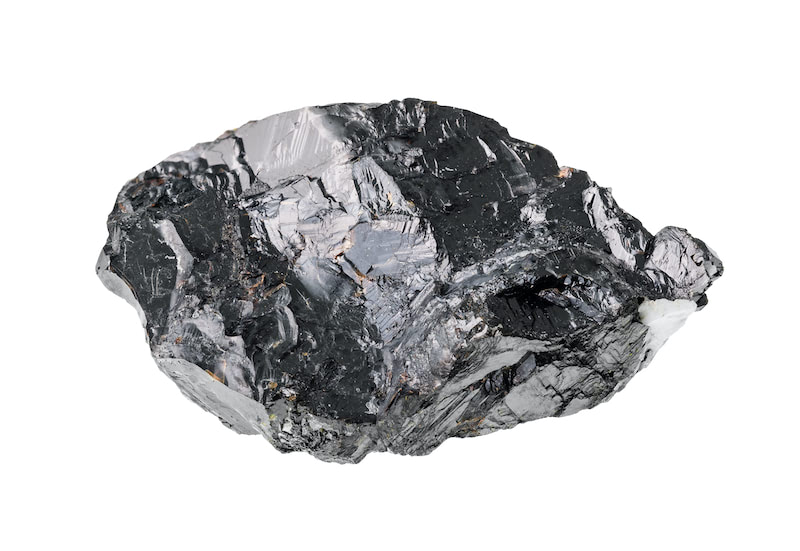
Limited Ore Offers Persist as Winter Demand Continues, Chinese Smelters Procure Imports Amid Low Treatment Charges
Sep 11, 2026 18:30

Northwest China Zinc Mine Offers September Tender at -RMB 2,800/mt; SMM to Track Treatment Charges
Sep 11, 2026 18:30
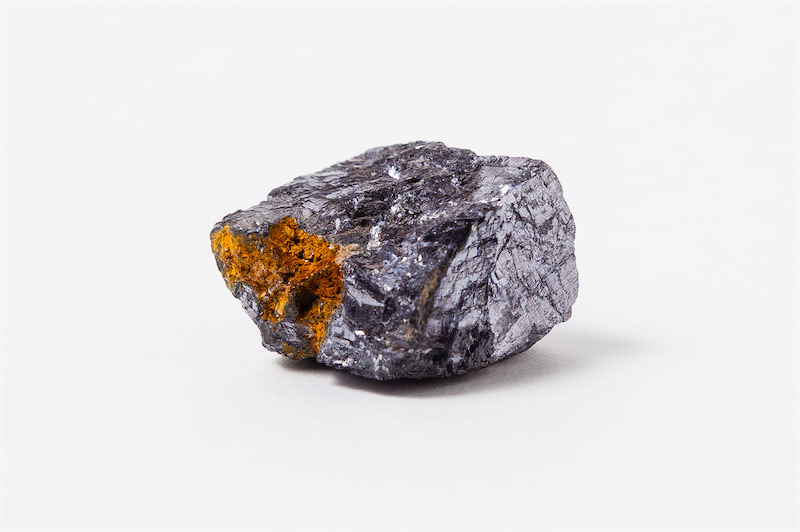
Liaoning Hongda Group Breaks Ground on Lead-Zinc Mining Project in Kazakhstan
Sep 11, 2026 18:30
SHFE zinc continues to consolidate at highs; watch macro and inventory performance [SMM zinc futures review]
[SHFE zinc continues to consolidate at highs; watch macro and inventory performance] The most-traded SHFE zinc 2611 contract opened at 26,845 yuan/mt. After the open, bulls reduced positions, dragging SHFE zinc down to 26,635 yuan/mt. Subsequently, bears cut positions, driving prices to rebound. Near the end of the session, prices touched a high of 26,890 yuan/mt, and the contract finally closed up 40 yuan/mt, or 0.15%.....
Sep 11, 2026 17:39
Data: SHFE, DCE market movement (Sep 11)
The following table shows the ferrous and nonferrous metals movement on the SHFE and DCE on 11 Sep , 2026
Sep 11, 2026 16:14
Griffin’s H1 Zinc Output Falls to 13,606 Tonnes as Caijiaying Throughput Restrictions Extend into Early 2027
Griffin Mining reported unaudited first-half 2026 results . Its Caijiaying Mine in China processed 419,128 tonnes of ore, compared with 588,852 tonnes a year earlier. Zinc-in-concentrate production fell to 13,606 tonnes from 17,093 tonnes, while lead-in-concentrate output increased to 1,420 tonnes from 708 tonnes. Higher metal prices and lower smelter treatment charges lifted revenue by 21% to US$77.286 million and operating profit to a first-half record of US$28.236 million. The average zinc price received rose to US$2,830/t from US$2,171/t.
The company expects restricted throughput to continue for the remainder of 2026 and into early 2027, pending approval to use Tailings Safety Facility 4. It intends to restore throughput to 1.5 million tonnes per year as soon as practicable thereafter. All necessary infrastructure and workings at Zone II are complete, with the safety permit expected in the fourth quarter of 2026; planned Zone II production remains conditional on its issuance.
Sep 11, 2026 16:05
SHFE/LME zinc price ratio rebounds to consolidate around 6.8, export window remains open [SMM Zinc SHFE/LME Price Ratio Weekly Review]
[SHFE/LME price ratio rebounds to consolidate around 6.8]: This week, the SHFE/LME price ratio held around 6.8, with the export window for China's zinc ingot opening up. Outside China, US PPI data exceeded expectations, driving up expectations for US Fed interest rate hikes. The dollar strengthened toward the end of the week, putting LME zinc under pressure and pulling it back.
Sep 11, 2026 15:59
Marginal consumption improvement in September; limited recovery in operating rates of galvanising producers [SMM galvanising weekly review]
[Consumption marginally improves in September, limited recovery in galvanising operating rates]: This week, the operating rate of the galvanising industry was 52.49%, up 0.69 percentage points WoW. Raw material side, zinc prices continued to consolidate at highs this week before pulling back at the end of the week, but they did not reach downstream psychological price levels. Raw material inventory remained at low levels overall, with cautious stockpiling sentiment.
Sep 11, 2026 15:56
Smelters Continue to Fulfill Previous Contracts, TCs Remain Low in Multiple Regions [SMM Zinc Concentrates Weekly Review]
[Smelters continue to execute previously signed contracts, with TCs remaining low across multiple regions]: On a weekly basis, the average weekly domestic TC for SMM Zn50 remained flat MoM at -2,100 yuan/mt Zn, while the SMM Imported Zinc Concentrate Index fell $1.6/dmt MoM to -$126.1/dmt....
Sep 11, 2026 15:42
Downstream fear of high prices remained strong, spot trades were sluggish during the week [SMM Shanghai Spot Weekly Review]
[Downstream Fear of High Prices Prevails, Spot Trades Sluggish This Week]: This week, spot premiums in Shanghai consolidated on a weak note, with the overall weekly average price basically flat WoW. As of this Friday, ordinary domestic brands were quoted at a discount of 30-20 yuan/mt against the 2610 contract, while high-priced brand Shuangyan was quoted at a premium of 130 yuan/mt against the 2610 contract.
Sep 11, 2026 15:41
![[SMM Analysis] DRC Cobalt Exports Surge, Shifting Near-Term Bargaining Power to Buyers](https://imgqn.smm.cn/usercenter/akEdZ20251217171728.jpg)
[SMM Analysis] DRC Cobalt Exports Surge, Shifting Near-Term Bargaining Power to Buyers
The Democratic Republic of the Congo's cobalt exports are gradually recovering, according to the country's mining report for the first half of 2026. The concentrated release of material should ease China's cobalt feedstock shortage and shift bargaining power toward buyers. With cobalt salt demand weak and smelter margins under pressure, additional arrivals will make it harder for sellers to hold firm, and price concessions will be needed to unlock transactions.
Sep 11, 2026 19:02
![[SMM Analysis] US Refined Copper Tariff Uncertainty Returns—What Does It Mean for Global Copper Scrap?](https://imgqn.smm.cn/usercenter/MXbup20251217171745.jpg)
[SMM Analysis] US Refined Copper Tariff Uncertainty Returns—What Does It Mean for Global Copper Scrap?
Sep 11, 2026 16:56

Solid-State Battery Weekly | Steady Progress — Cooling Hype, Stronger Efforts
Sep 11, 2026 16:00
![[SMM News] Zimbabwe's Lithium Beneficiation Policy Set to Reshape Investment Flows, Move Country Up Value Chain](https://imgqn.smm.cn/usercenter/GVVKq20251217171728.jpg)
[SMM News] Zimbabwe's Lithium Beneficiation Policy Set to Reshape Investment Flows, Move Country Up Value Chain
Sep 7, 2026 18:39
[SMM Analysis]Downstream Demand Improves Marginally Non-Oriented Silicon Steel Prices to See Modest Gains in September
Sep 11, 2026 14:05

Morocco's Phosphate Chemical Industry: Resource Endowment, Export Landscape, and Capacity Expansion
Sep 10, 2026 17:50
[SMM Analysis] LME Stocks Climb While Backwardation Widens — What's Behind Zinc's Apparent Paradox?
Sep 8, 2026 17:27
Latest News
Economic Improvement of the Boumadine Polymetallic Mine in Morocco
2 hours ago
Rising Fed Rate Hike Expectations and Zinc Inventory Buildup Weigh on SHFE Zinc【SMM Zinc Futures Review】
3 hours ago
US Fed rate hike expectations heat up, combined with zinc ingot social inventory shifting from decline to increase, SHFE zinc falls under pressure [SMM zinc futures review]
4 hours ago
New Century H1 2026 Zinc Production Down 13% Due to Weather, Maintenance
5 hours ago
[SMM Analysis] Sulfuric Acid & Zinc TCs Fall: Why Are Chinese Smelter Margins Squeezed?
5 hours ago
Data: SHFE, DCE market movement (Sep 14)
6 hours ago
Zinc Futures Decline Boosts Trading Activity in East China Market
9 hours ago
US Fed September Rate Hike Probability Rises, LME Zinc Consolidates [SMM Zinc Morning Meeting Summary]
13 hours ago
SHFE zinc bulls reduce positions, night session consolidates at lows [SMM zinc morning comment]
13 hours ago
Australia Reviews Anti-Dumping Duties on Galvanized Steel from India, Malaysia, Vietnam Amid Zinc Concerns
Sep 11, 2026 18:30
Limited Ore Offers Persist as Winter Demand Continues, Chinese Smelters Procure Imports Amid Low Treatment Charges
Sep 11, 2026 18:30
Northwest China Zinc Mine Offers September Tender at -RMB 2,800/mt; SMM to Track Treatment Charges
Sep 11, 2026 18:30
Liaoning Hongda Group Breaks Ground on Lead-Zinc Mining Project in Kazakhstan
Sep 11, 2026 18:30
SHFE zinc continues to consolidate at highs; watch macro and inventory performance [SMM zinc futures review]
Sep 11, 2026 17:39
Data: SHFE, DCE market movement (Sep 11)
Sep 11, 2026 16:14
Griffin’s H1 Zinc Output Falls to 13,606 Tonnes as Caijiaying Throughput Restrictions Extend into Early 2027
Sep 11, 2026 16:05
SHFE/LME zinc price ratio rebounds to consolidate around 6.8, export window remains open [SMM Zinc SHFE/LME Price Ratio Weekly Review]
Sep 11, 2026 15:59
Marginal consumption improvement in September; limited recovery in operating rates of galvanising producers [SMM galvanising weekly review]
Sep 11, 2026 15:56
Smelters Continue to Fulfill Previous Contracts, TCs Remain Low in Multiple Regions [SMM Zinc Concentrates Weekly Review]
Sep 11, 2026 15:42
Downstream fear of high prices remained strong, spot trades were sluggish during the week [SMM Shanghai Spot Weekly Review]
Sep 11, 2026 15:41