

Новости
Эксклюзивные аналитические статьи с последними обновлениями рынка и своевременными новостными лентами.
![[Анализ SMM] Производство BESS в Индии ускоряется, но зависимость от аккумуляторных элементов остаётся ключевым узким местом](https://imgqn.smm.cn/production/admin/votes/imagesozVHm20260131125121.jpeg)
[Анализ SMM] Производство BESS в Индии ускоряется, но зависимость от аккумуляторных элементов остаётся ключевым узким местом
В первом квартале 2026 года мировые поставки систем накопления энергии достигли 100,0 ГВт·ч, что на 96,5% больше, чем 50,9 ГВт·ч за аналогичный период 2025 года, и вывело квартальные поставки на совершенно новый уровень.
30 Sep 2026 08:50 (GMT+8)
SMM запускает калькулятор CBAM для алюминия: что означают оценки затрат для предложений, ориентированных на ЕС【Анализ SMM】
По мере вступления Механизма пограничной углеродной корректировки ЕС (CBAM) в окончательную фазу при торговле алюминием с Европой необходимо оценивать углеродные затраты наряду с ценами на металл, стоимостью переработки и логистикой. SMM запустила Калькулятор CBAM для алюминия , объединяющий коды товаров, страну происхождения, данные о выбросах и цены сертификатов для поддержки экспортных котировок, европейских закупок и внутреннего бюджетирования. Модуль по алюминию предлагает 58 кодов CN и 68 категорий происхождения/значений по умолчанию, охватывая необработанный алюминий, профили, листы, полосы, фольгу и другую продукцию. Годовые параметры доступны на 2026–2030 годы. Пользователи вводят тоннаж и выбирают значения выбросов по умолчанию или вводят проверенные фактические выбросы. Затем на странице отображаются расчётное количество сертификатов на тонну, общее количество сертификатов, стоимость за тонну и общий бюджет, при этом маршруты первичного и вторичного алюминия сопоставляются с применимой базой данных. Практическое преимущество заключается в том, что допущения и результаты отображаются вместе. Экспортёры могут указать продукт, происхождение, период импорта и основу выбросов, лежащую в основе котировки, а покупатели могут сравнивать источники в единообразных условиях. Страница включает китайский и английский интерфейсы, таблицы параметров и возможность печати сметы расходов. Распределение связанных затрат между покупателями и продавцами остаётся предметом договорных отношений. Следует различать объём сертификатов и их денежную стоимость. По состоянию на 29 сентября 2026 года калькулятор учитывает официальные цены: €75,36 за сертификат за I квартал 2026 года и €75,28 за II квартал. Цена за III квартал ещё не опубликована. Если цена недоступна, на странице сохраняются оценки объёма сертификатов, а поля стоимости остаются пустыми, вместо подстановки предполагаемой цены. Текущая версия не учитывает вычеты за углеродные платежи, уплаченные за рубежом, и оценку годового порога импорта. Расчёт фактических выбросов для сложных алюминиевых изделий также не включает корректировку на бесплатное распределение, относящуюся к прекурсорам. Поэтому в приведённом ниже анализе используется проверенный расчёт по значениям по умолчанию. Результаты являются коммерческими оценками, а не окончательными обязательствами по сдаче сертификатов. Для сравнения на рынке один и тот же алюминиевый продукт может иметь существенно разные расчётные затраты в зависимости от значения по умолчанию для конкретной страны происхождения. Рассмотрим код CN 76012040 — необработанные алюминиевые сплавы в форме заготовок — с первичным маршрутом K, ценой сертификата за II квартал 2026 года и количеством 1000 тонн. Расчётные затраты по значениям по умолчанию для Китая, Индии и Канады составляют €143,98, €50,41 и €57,86 за тонну соответственно. Эти цифры включают годовую надбавку к значению по умолчанию и корректировку на бесплатное распределение на основе бенчмарка. Случаи со значениями по умолчанию для Китая и Индии различаются примерно на €93,57 за тонну. Сравнение только цены металла или стоимости переработки может упустить существенную разницу в бюджете покупателя. При прочих схожих коммерческих условиях расчётные затраты CBAM могут повлиять на привлекательность предложения. Однако это не является рейтингом фактической углеродоёмкости производителей. Фрахт, таможенные пошлины, качество и условия поставки также находятся за рамками данного сравнения, поэтому одни лишь цифры не могут определить предпочтительного поставщика. Это подчёркивает коммерческую ценность документации поставщика о выбросах. Для производителей, чьи фактические выбросы ниже применимого значения по умолчанию, подтверждённые надлежащей верификацией, фактические данные могут изменить оценку затрат покупателем. Покупатели могут использовать значения по умолчанию для первоначального бюджета при отсутствии документации, а затем провести переоценку на основе доказательств поставщика. Таким образом, у экспортёров появляется основание готовить информацию о выбросах вместе с коммерческими предложениями, а не вести переговоры исключительно вокруг различий в страновых значениях по умолчанию. Изменения годовых параметров также заслуживают внимания. При неизменных базовом значении по умолчанию для китайской продукции, маршруте и бенчмарке, а также при допущении, что год импорта и применимый отчётный год совпадают, расчётный объём сертификатов возрастает с 1,912575 на тонну в 2026 году до 2,248150 в 2027 году — увеличение примерно на 17,5%. Это отражает более высокую надбавку к значению по умолчанию и меньший вычет за бесплатное распределение; это не означает роста будущих цен на сертификаты. Для соглашений о поставках, охватывающих разные годы, компании могут сначала сравнить объём сертификатов, а затем обсудить механизмы обновления цен и распределение затрат. Даже при неизвестных будущих ценах на сертификаты определение объёма сертификатов и получение документации поставщика может повысить сопоставимость предложений и бюджетов закупок.
29 Sep 2026 17:32 (GMT+8)
[Анализ SMM] Низкоуглеродная первичная медь начинает торговаться отдельно — будет ли переоценена «зелёная» ценность вторичной меди?
[Анализ SMM: Низкоуглеродная первичная медь начинает торговаться отдельно — будет ли переоценена экологическая ценность вторичной меди?] Пилотный проект BHP и Amazon EAC отделяет подтверждённые сокращения выбросов от физической торговли медью, давая первичной меди с низким уровнем выбросов новый источник экологической ценности. Вторичная медь сохраняет значительное энергетическое преимущество, но будущая конкурентоспособность может в большей степени зависеть от прослеживаемости, содержания вторичного сырья и подтверждённых данных о выбросах углерода, что потенциально добавит экологическое измерение в ценообразование.
29 Sep 2026 16:03 (GMT+8)
Последние новости
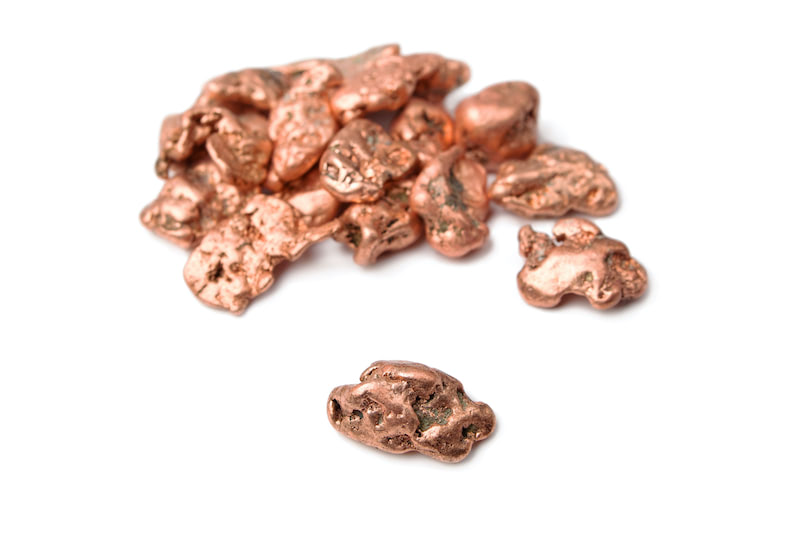
KGHM и South32 запускают расширение Sierra Gorda стоимостью 725 млн долларов США, увеличивая мощности по производству меди на 26%
02 Oct 2026 16:31 (GMT+8)
Emerita продлевает окончательный обзор PFS по месторождению Iberian Belt West, публикация ожидается в ближайшие недели
02 Oct 2026 15:31 (GMT+8)
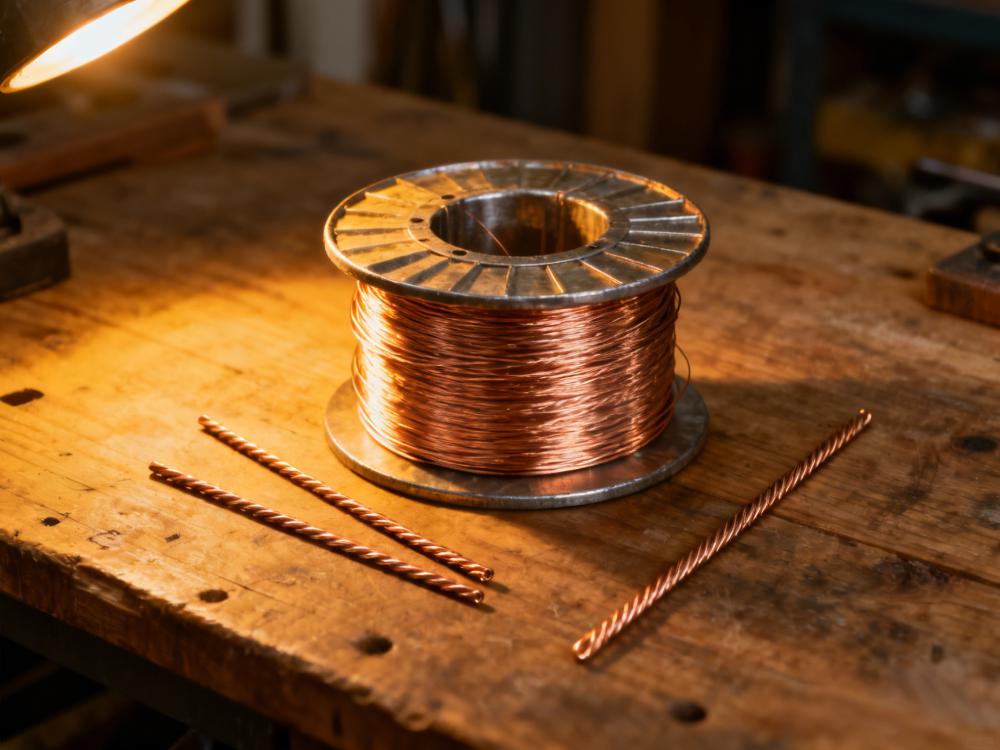
Каскадия пересекает 75,55 м с содержанием 1,19% Cu на медно-золотом проекте Кармакс
02 Oct 2026 15:27 (GMT+8)
NexMetals увеличивает ресурсы Selebi Main в Ботсване на 72%
NexMetals Mining сообщила об увеличении на 72% оценки минеральных ресурсов медно-никелевого месторождения Selebi Main в Ботсване: обновлённые ресурсы теперь содержат около 495 400 тонн меди.
Оценка минеральных ресурсов Selebi Main 2026 года составляет 32,47 млн тонн в категории Inferred при содержании 1,53% меди, 0,98% никеля и 0,05% кобальта. Для сравнения, в оценке компании 2024 года было 18,89 млн тонн при содержании 1,69% меди и 0,88% никеля.
Содержание меди выросло на 55% — до 495 400 тонн с 319 200 тонн в предыдущей оценке, а содержание никеля увеличилось на 91% — до 316 800 тонн с 165 500 тонн. Кобальт также впервые включён в оценку ресурсов Selebi Main: заявлено около 16 200 тонн содержащегося кобальта.
NexMetals отметила, что 91% прироста тоннажа ресурсов связан с новым бурением в зоне Flexure. Обновлённая оценка включает бурение, выполненное NexMetals, наряду с историческими данными бурения предыдущего оператора BCL Limited.
Компания сообщила, что недавнее бурение с расширением границ, завершённое после даты отсечения по ресурсам, пересекло дополнительную массивную сульфидную минерализацию, поэтому эти результаты не включены в текущую оценку.
Обновлённая оценка минеральных ресурсов отдельного месторождения Selebi North всё ещё находится в работе и будет опубликована отдельно после завершения. NexMetals заявила, что после финализации обновления по Selebi North две оценки дадут более полное представление о масштабе всего комплекса Selebi Mines.
Увеличение тоннажа ресурсов Selebi Main на 72% существенно расширяет масштаб ресурсной базы меди и никеля NexMetals в Ботсване, а рост содержащейся меди на 55% усиливает потенциальную значимость проекта для будущих региональных поставок меди. Однако все обновлённые ресурсы Selebi Main по-прежнему относятся к категории Inferred, а значит, для подтверждения экономической целесообразности потребуются дальнейшее бурение и технические исследования. Теперь внимание будет обращено на предстоящее обновление ресурсов Selebi North и последующие технические исследования по всему комплексу Selebi Mines.
02 Oct 2026 15:25 (GMT+8)
【Flash | Tubacex в октябре: надбавки на молибденсодержащие трубы неоднозначны】
Tubacex опубликовала октябрьские надбавки на легирующие элементы для труб. В евро стоимость горяче-/холоднокатаных 316/316L снизилась с €5,07/€5,59 за кг (€5 070/€5 590 за тонну) до €5,05/€5,56 за кг (€5 050/€5 560 за тонну). Материалы с высоким содержанием молибдена (Mo выше 2,5%) подешевели с €5,26/€5,79 до €5,23/€5,76 за кг. Надбавки для 2205 и 2507 остались без изменений, тогда как 254 SMO выросли с €9,64/€10,62 до €9,67/€10,65 за кг. Анализ SMM: большинство молибденсодержащих марок труб остались на прежнем уровне или незначительно снизились, в то время как 254 SMO подорожала, что указывает на дифференцированный перенос затрат между марками.
02 Oct 2026 10:52 (GMT+8)
【Flash | Metallus повышает октябрьскую молибденовую надбавку для стали 300M】
Metallus установила октябрьские надбавки на сырьё на период с 1 по 30 октября. Молибденовая составляющая для стали 300M выросла на 0,52% до $15,176 за центнер, что составляет около $334,57 за тонну стали, по сравнению с $15,098 за центнер, или $332,85 за тонну. Общая указанная надбавка увеличилась на 1,03% до $45,054 за центнер. Лом подорожал до $17,750 за центнер, тогда как отдельная энергетическая надбавка для прутков и труб снизилась с $1,296 за центнер, около $28,57 за тонну, до $0,050 за центнер, или $1,10 за тонну.
02 Oct 2026 10:47 (GMT+8)
【Flash | Alleima повышает октябрьские надбавки для трубных марок, содержащих молибден】
Alleima повысила надбавки на легирующие элементы для труб в Европе, Азии, Африке и Океании с 1 октября. Для горячедеформированной продукции 316/316L выросли с €5,26/кг (€5 260/т) до €5,33/кг (€5 330/т); High Mo — с €5,74/кг (€5 740/т) до €5,81/кг (€5 810/т); SAF 2205 и SAF 2507 увеличились на 2,26% и 1,95%; а 254 SMO вырос на 0,70%. Энергетическая надбавка для горячедеформированной продукции более чем удвоилась до €0,21/кг (€210/т). Анализ SMM: надбавки на молибденсодержащие сплавы в целом выросли, однако пересмотр энергетической составляющей означает, что весь прирост нельзя отнести только на счёт молибдена.
02 Oct 2026 10:30 (GMT+8)
【Flash | Октябрьские надбавки Acerinox на 316L разошлись между плоским и сортовым прокатом】
Испанский производитель нержавеющей стали Acerinox установил октябрьскую надбавку на европейский плоский прокат из стали 316L (1.4404) на уровне 3,972 евро/кг, что на 0,035 евро/кг, или 0,87%, ниже сентябрьского показателя. Надбавки для марок с более высоким содержанием молибдена также снизились: 904L подешевела на 1,21% до 7,004 евро/кг, 317L — на 0,77% до 5,187 евро/кг, а дуплекс 2205 — на 0,15% до 3,994 евро/кг. В то же время надбавки на сортовой прокат из 316L выросли: до 4,323 евро/кг для заготовки, 4,499 евро/кг для катанки, 4,715 евро/кг для уголка/горячекатаного прутка и 5,252 евро/кг для проволоки/шлифованного прутка, что на 0,75–1,12% выше по сравнению с предыдущим месяцем. Надбавки на сплавы учитывают множество факторов, включая никель, хром, молибден и энергоносители, и не должны рассматриваться как чистый индикатор цен на молибден.
02 Oct 2026 10:18 (GMT+8)
【Flash | Мировое потребление молибдена превысило производство на 4 672 тонны во II квартале 2026 года】
Мировое производство молибдена во втором квартале 2026 года составило 167,2 млн фунтов (75 841 тонну), снизившись на 3% в годовом исчислении и на 1% по сравнению с предыдущим кварталом, тогда как потребление достигло 177,5 млн фунтов (80 513 тонн), увеличившись на 8% в годовом исчислении, но сократившись на 2% по сравнению с предыдущим кварталом. Прямое сопоставление показывает кажущийся квартальный дефицит в размере 10,3 млн фунтов (4 672 тонны). Китай произвёл 79,5 млн фунтов (36 061 тонну), без изменений в годовом исчислении и с ростом на 1% по сравнению с предыдущим кварталом; выпуск в Южной Америке упал на 9% в годовом исчислении и на 4% по сравнению с предыдущим кварталом, до 39,9 млн фунтов (18 098 тонн). Потребление в Китае выросло на 10% в годовом исчислении, до 90,2 млн фунтов (40 914 тонн), тогда как потребление в США увеличилось на 12%, до 17,1 млн фунтов (7 756 тонн). Этот разрыв не учитывает запасы и торговые потоки.
02 Oct 2026 10:04 (GMT+8)
Веданта планирует расширение производства меди на 2,3 миллиарда долларов, поскольку возвращается в повестку дня перезапуск медеплавильного завода в Тутикорине мощностью 400 000 тонн
Vedanta планирует инвестировать около 2,3 млрд долларов в течение следующих трех-четырех лет, чтобы к 2030 году увеличить производство меди до более чем 1 млн тонн, ориентируясь примерно на 500 000 тонн в Индии и Саудовской Аравии. Около 2 млрд долларов пойдут на поддержку интегрированных операций в Саудовской Аравии, включая добычу, плавку и производство медной катанки. Ее завод по выпуску катанки в Саудовской Аравии близок к вводу в эксплуатацию, а переговоры с правительством о новом плавильном заводе находятся на продвинутой стадии, решение об инвестициях ожидается в этом квартале. The Economic Times
Компания также вновь добивается перезапуска своего медеплавильного завода в Тутикорине мощностью 400 000 тонн в год, остановленного с 2018 года. Vedanta ожидает решения суда по своему новому предложению о «зеленой меди» в течение примерно трех месяцев. В случае одобрения компания планирует инвестировать 250 млн долларов в модернизацию предприятия и перезапустить его в течение 8–9 месяцев, нацеливаясь на годовой объем производства около 250 000 тонн с более широким использованием возобновляемой энергии, переработки и усовершенствованным экологическим контролем. Vedanta также сообщила, что ее предприятие в Силвассе в настоящее время работает с годовым объемом производства выше 245 000 тонн при загрузке мощностей примерно на 95%.
02 Oct 2026 09:39 (GMT+8)
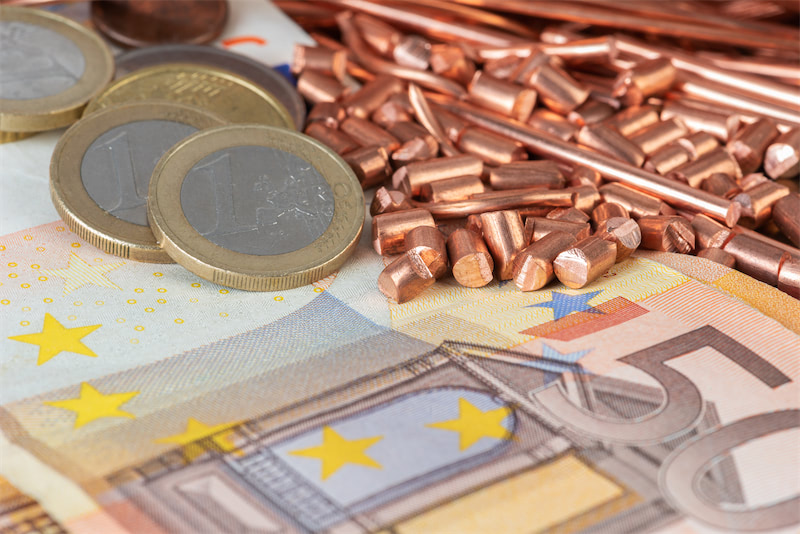
Pantheon Electric увеличила долю вторичной меди в сырье до 33%, завод в Литсдейле ежегодно перерабатывает более 45 000 тонн лома
02 Oct 2026 09:36 (GMT+8)
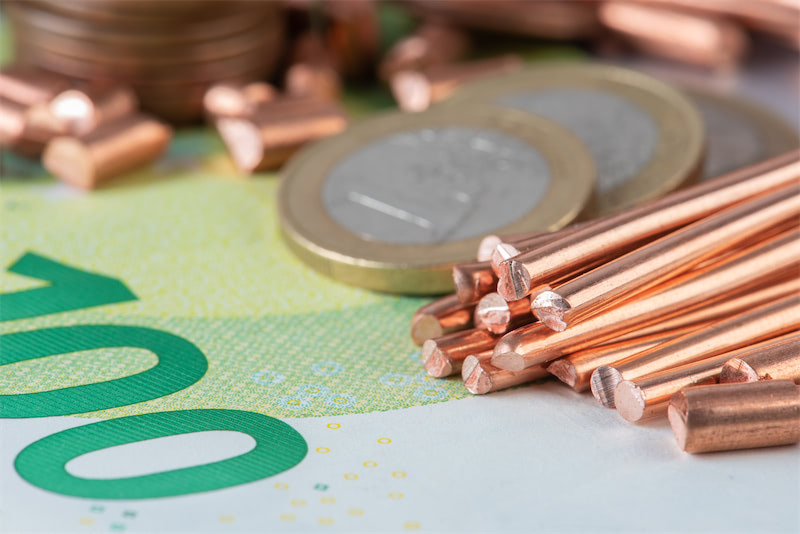
KGHM завершает рекордный капитальный ремонт медеплавильного завода «Глогув II» с опережением графика
02 Oct 2026 09:35 (GMT+8)
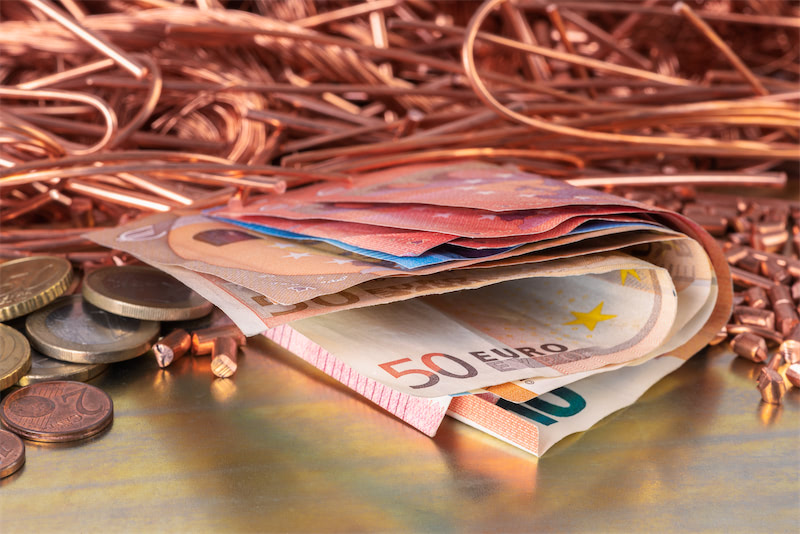
Японская Furukawa планирует сократить производство рафинированной меди во втором полугодии на 3%
02 Oct 2026 09:34 (GMT+8)
Сообщается о несчастном случае со смертельным исходом на руднике Radomiro Tomic компании Codelco
Чилийский горный регулятор сообщил 1 октября, что рабочий погиб в результате несчастного случая на медном руднике Radomiro Tomic компании Codelco на севере Чили. Предварительная информация указывает, что инцидент произошёл в зоне, связанной с конвейерной лентой, недалеко от Каламы. Национальная служба геологии и горного дела Чили направила персонал для осмотра места происшествия и принятия соответствующих административных мер.
Личность рабочего, его работодатель и причина несчастного случая не разглашаются, расследование продолжается. Других связанных с этим чрезвычайных ситуаций не зарегистрировано. Codelco и власти не объявляли о приостановке работ или влиянии на производство.
01 Oct 2026 23:51 (GMT+8)
Руководители Escondida отклонили контрактное предложение BHP, открывая путь к возможной забастовке
Руководители на медном руднике Escondida компании BHP в Чили отклонили окончательное предложение компании по коллективному договору, что повышает риск возможной забастовки на крупнейшем в мире медном руднике.
По сообщениям зарубежных СМИ, 95% участвовавших в голосовании членов профсоюза руководителей, насчитывающего 1020 человек, проголосовали за забастовку после отклонения последнего предложения BHP по контракту.
Согласно чилийскому трудовому законодательству, профсоюз и компания теперь должны пройти обязательный пятидневный процесс посредничества под руководством правительства, прежде чем может начаться любая законная остановка работы. Период посредничества может быть продлён ещё на пять дней при согласии обеих сторон.
Профсоюз заявил, что предложение BHP не представляет собой существенного улучшения по сравнению с действующим контрактом, и раскритиковал предлагаемые требования к руководителям проходить обучение работе на производственных объектах, включая вождение грузовиков. BHP заявила, что планирует обратиться за посредничеством в Трудовую инспекцию Чили в попытке достичь соглашения.
Последнее развитие событий в сфере трудовых отношений произошло вскоре после смертельного несчастного случая, связанного с техническим обслуживанием, на Escondida, который временно нарушил работу предприятия. Профсоюз руководителей ранее отклонил просьбу BHP о продлении переговоров после инцидента. С тех пор работа на Escondida постепенно возобновляется.
Голосование 95% за забастовку представляет собой значительную эскалацию переговоров по коллективному договору на Escondida, хотя на данном этапе забастовки или сообщений о влиянии трудового спора на производство не было. Обязательный процесс посредничества даёт BHP и профсоюзу возможность достичь соглашения до начала забастовочных действий. Учитывая положение Escondida как крупнейшего в мире медного рудника, любая продолжительная остановка работы может усилить неопределённость с поставками меди в ближайшей перспективе, что делает исход периода посредничества важным объектом внимания рынка.
01 Oct 2026 23:12 (GMT+8)
Marimaca получает разрешение на подключение к электросети для оксидного месторождения Marimaca
Marimaca Copper получила разрешение на подключение к электросети для своего месторождения оксидной меди Marimaca (MOD) в Чили и согласовала ключевые коммерческие условия рамочного договора купли-продажи электроэнергии, что продвигает планирование энергетической инфраструктуры проекта по мере его развития.
Разрешение на подключение к электросети открывает для MOD путь к подключению к чилийской энергосистеме, а согласованные коммерческие условия закладывают основу для будущего соглашения о поставке электроэнергии. Marimaca заявила, что рамочная структура призвана обеспечить проекту доступ к 100% возобновляемой электроэнергии.
Компания охарактеризовала это событие как важную веху снижения рисков для MOD, поскольку надёжное долгосрочное энергоснабжение является ключевым требованием для планируемой горнодобывающей и перерабатывающей деятельности.
Marimaca продвигает MOD как проект разработки оксидной меди на севере Чили. Компания ведёт работу по получению разрешений, проектированию и другим направлениям развития проекта, приближая актив к потенциальному решению о строительстве.
Достижение в области энергоснабжения укрепляет инфраструктурную готовность проекта, однако окончательный договор купли-продажи электроэнергии и полная реализация проекта по-прежнему зависят от дальнейших этапов разработки и завершения контрактных процедур.
Получение разрешения на подключение к электросети снижает важный инфраструктурный риск для месторождения оксидной меди Marimaca, обеспечивая большую ясность относительно того, как проект сможет получить доступ к долгосрочному электроснабжению. Предполагаемое использование возобновляемой энергии также может способствовать производству меди с более низким уровнем выбросов. Теперь внимание будет сосредоточено на завершении договора купли-продажи электроэнергии и продвижении оставшихся этапов получения разрешений, финансирования и разработки, необходимых до начала строительства.
01 Oct 2026 23:06 (GMT+8)
Generation Mining начинает строительство медно-палладиевого проекта Marathon в Онтарио
Generation Mining приступила к строительству на полностью принадлежащем ей медно-палладиевом проекте Marathon на северо-западе Онтарио, Канада, после предоставления финансового обеспечения, необходимого для этапа строительства проекта.
Подготовительные работы уже начались и, как ожидается, продолжатся до четвертого квартала 2026 года и в 2027 году. Программа включает модернизацию подъездных дорог к площадке, расчистку территории завода и первоначального контура карьера, создание ранней инфраструктуры управления водными ресурсами, расширение вахтового поселка, масштабные земляные работы, установку временного электроснабжения и систем экологического мониторинга.
Generation Mining разместила облигацию на сумму 6,5 млн канадских долларов, покрывающую обязательства по рекультивации, связанные с этапом строительства. Поэтапная структура финансового обеспечения позволяет компании начать работы на площадке, одновременно приводя финансовое обеспечение в соответствие с уровнем нарушений, создаваемых на каждой стадии освоения.
Компания также продвигает закупку критически важного оборудования, включая горнодобывающую технику, станцию первичного дробления, мельницы измельчения и доизмельчения, гидроциклоны, флотационное оборудование, сгустители и производственные здания. Generation Mining ожидает произвести первоначальные платежи в размере около 30 млн канадских долларов для обеспечения заказа оборудования и инфраструктуры на сумму около 150 млн канадских долларов при условии окончательного оформления контрактов и получения необходимых разрешений.
Generation Mining сообщила, что запланированные критически важные закупки на сумму около 150 млн канадских долларов в совокупности находятся на уровне или ниже сметных затрат, заложенных в технико-экономическом обосновании проекта, а ожидаемые сроки поставки соответствуют базовому графику проекта.
Проект Marathon планируется как медно-палладиевое предприятие со сроком эксплуатации 13 лет. Согласно технико-экономическому обоснованию компании, рудник, как ожидается, произведет около 532 млн фунтов товарной меди за весь срок эксплуатации, наряду с палладием, платиной, золотом и серебром.
Начало строительства представляет собой важную веху в развитии Marathon после недавнего объявления Generation Mining о том, что компания собрала финансирование, необходимое для строительства. Ранние работы на площадке и закупка оборудования с длительным сроком изготовления снижают риски реализации по мере перехода проекта от финансирования и получения разрешений к физическому освоению. При ожидаемом объеме товарной меди около 532 млн фунтов за планируемый 13-летний срок эксплуатации рудника Marathon может стать новым источником поставок меди в Северной Америке после завершения строительства и ввода в эксплуатацию.
01 Oct 2026 23:00 (GMT+8)
【Flash | Outokumpu снижает октябрьские надбавки для нескольких молибденсодержащих марок нержавеющей стали】
Надбавки за сплавы Outokumpu на октябрь 2026 года для североамериканского рулонного проката несколько снизились по ряду молибденсодержащих марок. Надбавка для 316L с 2,5% Mo упала на 0,5% м/м до 4 291,96 долл./т, тогда как для 316L/4404 снизилась на 0,7% до 3 886,31 долл./т. Дуплекс 2205 остался практически без изменений на уровне 4 225,83 долл./т. Надбавки для 904L и 254 SMO снизились на 0,8% и 0,6% до 8 236,48 долл./т и 8 914,62 долл./т соответственно. Это надбавки за сплавы, а не полные цены на сталь, и они отражают стоимость никеля, хрома и других легирующих элементов, а также молибдена.
01 Oct 2026 16:31 (GMT+8)
【Молния | Индийская BHEL объявила тендер на 40 тонн ферромолибдена】
Завод Bharat Heavy Electricals Limited в Харидваре объявил тендер на поставку 40 тонн ферромолибдена. Закупка проводится в формате обратного аукциона и может быть разделена в пропорции 60:40 между двумя поставщиками. График поставки предусматривает 25 тонн в течение 30 дней с начала действия контракта и 15 тонн в течение 60 дней. Согласно формуле корректировки цены, 80% стоимости по счёту привязано к индексу Argus на 60%-ный ферромолибден на условиях франко-завод в Индии. Тендер также включает опцион на увеличение объёма до 25%. Информация о победителе и цене сделки пока не раскрывается.
01 Oct 2026 16:29 (GMT+8)
【Flash | В июле отгрузки молибдена в США превысили производство на фоне роста выпуска в годовом исчислении】
USGS сообщило, что производство молибденового концентрата в США в июле 2026 года составило 3390 тонн содержащегося молибдена, что на 2,6% меньше по сравнению с предыдущим месяцем, но на 6,3% больше по сравнению с аналогичным периодом прошлого года. Суммарный объём производства за январь–июль составил 24 330 тонн, увеличившись примерно на 4,2% на основе месячных данных. Отгрузки в июле достигли 3730 тонн, что на 4,8% больше по сравнению с предыдущим месяцем и на 17,7% больше по сравнению с аналогичным периодом прошлого года, при этом отгрузки с начала года выросли примерно на 5,7% до 24 600 тонн. Отгрузки превысили месячный объём производства примерно на 340 тонн. USGS отмечает, что отгрузки включают внутренние продажи, экспорт и передачу на заводы компаний, при этом некоторые данные производителей представляют собой месячные оценки, полученные на основе квартальных или годовых отчётов.
01 Oct 2026 10:49 (GMT+8)
![[Объявление SMM] Публикация цен на металлы и новостей на китайском рынке приостановлена в период национальных праздников (1–7 октября)](https://imgqn.smm.cn/usercenter/HeIuV20251217171708.jpg)
[Объявление SMM] Публикация цен на металлы и новостей на китайском рынке приостановлена в период национальных праздников (1–7 октября)
Уважаемые пользователи SMM, Приближаются праздничные дни по случаю Национального дня. Обращаем ваше внимание, что публикация ценовых оценок на металлы на китайском рынке SMM и новостных обновлений будет временно приостановлена на время праздников (1–7 октября) и возобновится в обычном режиме после их окончания. При этом зарубежные ценовые оценки SMM будут обновляться в обычном режиме на протяжении всех праздничных дней. Приносим извинения за возможные неудобства и желаем вам приятных праздников. Shanghai Metals Market (SMM)
28 Sep 2026 17:06 (GMT+8)
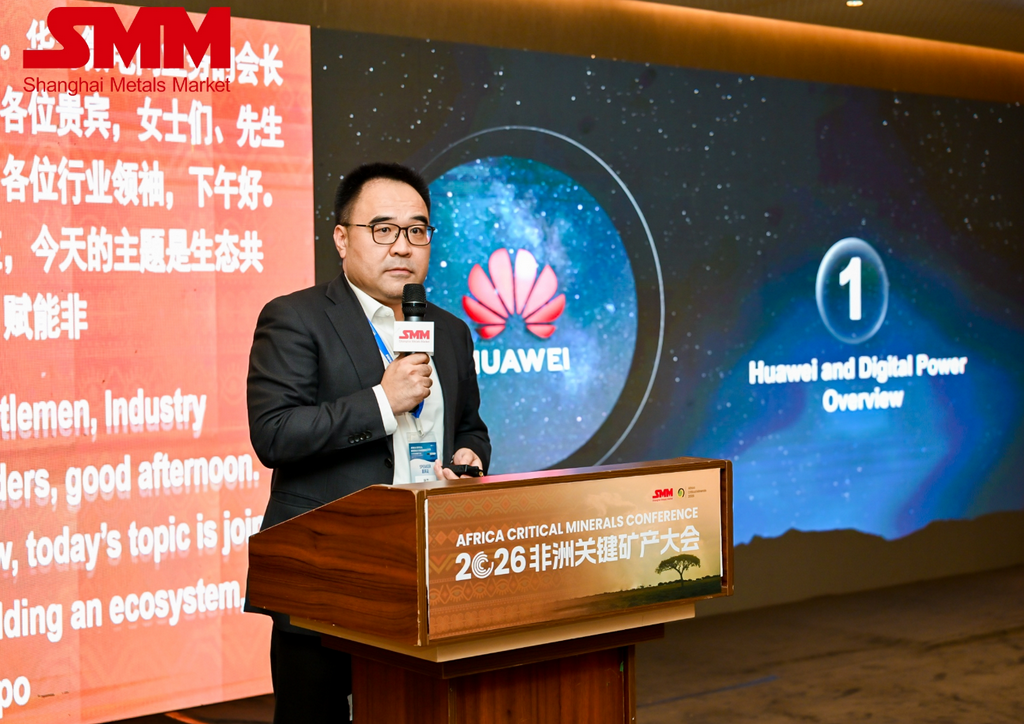
Huawei развивает партнерства в сфере экологичной добычи полезных ископаемых в Африке и проводит деловые переговоры с ZESCO на SMM ACM 2026
23 Sep 2026 16:41 (GMT+8)
![[SMM анализ] Торговля медью с учётом тарифов США затухает — но ещё не завершена](https://imgqn.smm.cn/production/admin/votes/imagesMbCUq20260929144044.png)
[SMM анализ] Торговля медью с учётом тарифов США затухает — но ещё не завершена
29 Sep 2026 14:37 (GMT+8)
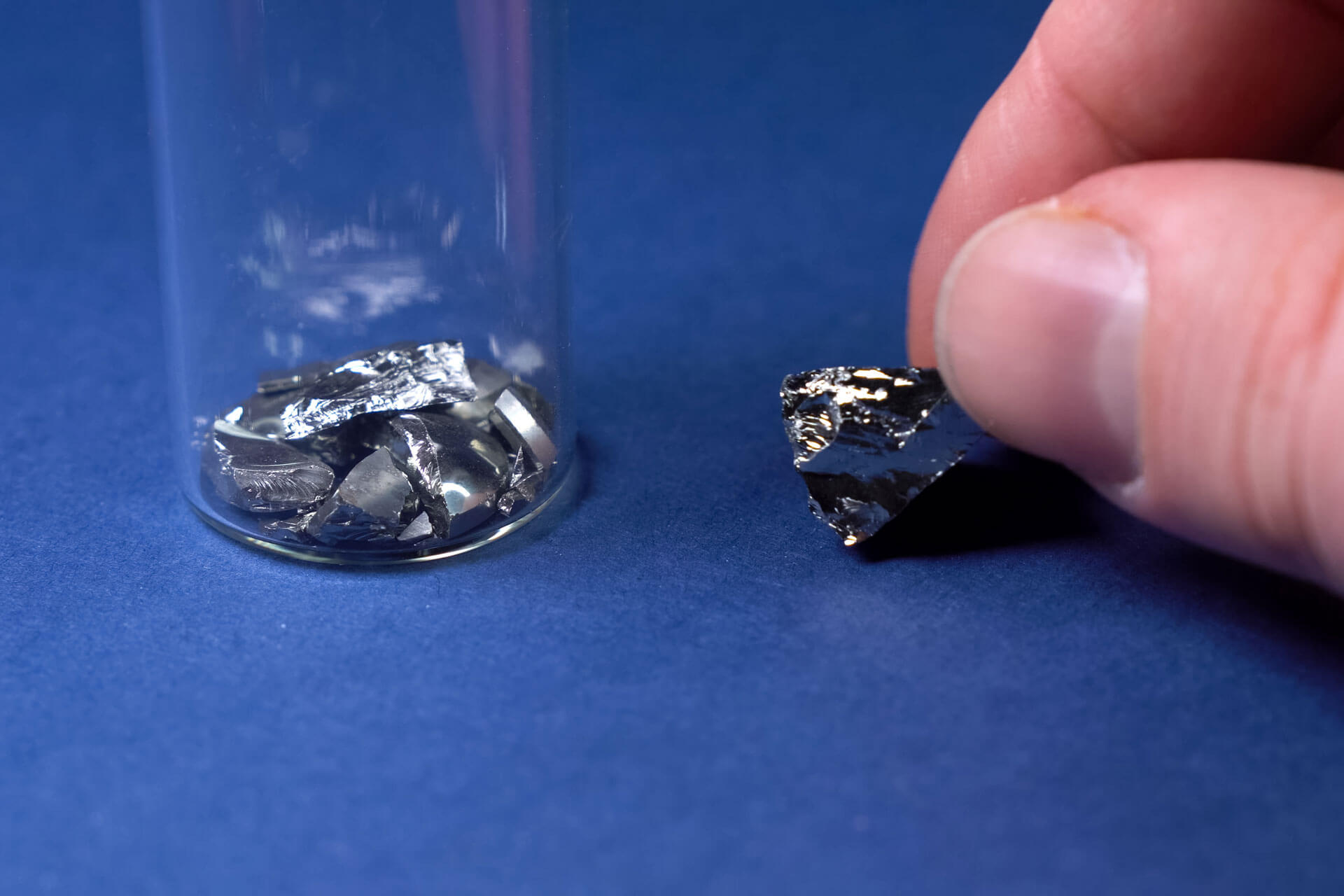
ЮАР готова стать ключевым игроком в глобальной цепочке поставок редкоземельных металлов к 2034 году【Анализ SMM】
29 Sep 2026 18:54 (GMT+8)
[Анализ SMM] Производство BESS в Индии ускоряется, но зависимость от аккумуляторных элементов остаётся ключевым узким местом
30 Sep 2026 08:50 (GMT+8)
SMM запускает калькулятор CBAM для алюминия: что означают оценки затрат для предложений, ориентированных на ЕС【Анализ SMM】
29 Sep 2026 17:32 (GMT+8)
![[Анализ SMM] Низкоуглеродная первичная медь начинает торговаться отдельно — будет ли переоценена «зелёная» ценность вторичной меди?](https://imgqn.smm.cn/usercenter/MXbup20251217171745.jpg)
[Анализ SMM] Низкоуглеродная первичная медь начинает торговаться отдельно — будет ли переоценена «зелёная» ценность вторичной меди?
29 Sep 2026 16:03 (GMT+8)
Последние новости
KGHM и South32 запускают расширение Sierra Gorda стоимостью 725 млн долларов США, увеличивая мощности по производству меди на 26%
02 Oct 2026 16:31 (GMT+8)
Emerita продлевает окончательный обзор PFS по месторождению Iberian Belt West, публикация ожидается в ближайшие недели
02 Oct 2026 15:31 (GMT+8)
Каскадия пересекает 75,55 м с содержанием 1,19% Cu на медно-золотом проекте Кармакс
02 Oct 2026 15:27 (GMT+8)
NexMetals увеличивает ресурсы Selebi Main в Ботсване на 72%
02 Oct 2026 15:25 (GMT+8)
【Flash | Tubacex в октябре: надбавки на молибденсодержащие трубы неоднозначны】
02 Oct 2026 10:52 (GMT+8)
【Flash | Metallus повышает октябрьскую молибденовую надбавку для стали 300M】
02 Oct 2026 10:47 (GMT+8)
【Flash | Alleima повышает октябрьские надбавки для трубных марок, содержащих молибден】
02 Oct 2026 10:30 (GMT+8)
【Flash | Октябрьские надбавки Acerinox на 316L разошлись между плоским и сортовым прокатом】
02 Oct 2026 10:18 (GMT+8)
【Flash | Мировое потребление молибдена превысило производство на 4 672 тонны во II квартале 2026 года】
02 Oct 2026 10:04 (GMT+8)
Веданта планирует расширение производства меди на 2,3 миллиарда долларов, поскольку возвращается в повестку дня перезапуск медеплавильного завода в Тутикорине мощностью 400 000 тонн
02 Oct 2026 09:39 (GMT+8)
Pantheon Electric увеличила долю вторичной меди в сырье до 33%, завод в Литсдейле ежегодно перерабатывает более 45 000 тонн лома
02 Oct 2026 09:36 (GMT+8)
KGHM завершает рекордный капитальный ремонт медеплавильного завода «Глогув II» с опережением графика
02 Oct 2026 09:35 (GMT+8)
Японская Furukawa планирует сократить производство рафинированной меди во втором полугодии на 3%
02 Oct 2026 09:34 (GMT+8)
Сообщается о несчастном случае со смертельным исходом на руднике Radomiro Tomic компании Codelco
01 Oct 2026 23:51 (GMT+8)
Руководители Escondida отклонили контрактное предложение BHP, открывая путь к возможной забастовке
01 Oct 2026 23:12 (GMT+8)
Marimaca получает разрешение на подключение к электросети для оксидного месторождения Marimaca
01 Oct 2026 23:06 (GMT+8)
Generation Mining начинает строительство медно-палладиевого проекта Marathon в Онтарио
01 Oct 2026 23:00 (GMT+8)
【Flash | Outokumpu снижает октябрьские надбавки для нескольких молибденсодержащих марок нержавеющей стали】
01 Oct 2026 16:31 (GMT+8)
【Молния | Индийская BHEL объявила тендер на 40 тонн ферромолибдена】
01 Oct 2026 16:29 (GMT+8)
【Flash | В июле отгрузки молибдена в США превысили производство на фоне роста выпуска в годовом исчислении】
01 Oct 2026 10:49 (GMT+8)