

Notícias
Análise exclusiva com as atualizações mais recentes do mercado e notícias em tempo real.
![[Análise SMM] A fabricação de BESS na Índia acelera, mas a dependência de células continua sendo um gargalo fundamental](https://imgqn.smm.cn/production/admin/votes/imagesozVHm20260131125121.jpeg)
[Análise SMM] A fabricação de BESS na Índia acelera, mas a dependência de células continua sendo um gargalo fundamental
No primeiro trimestre de 2026, as remessas globais de sistemas de armazenamento de energia atingiram 100,0 GWh, um aumento de 96,5% em relação aos 50,9 GWh do mesmo período de 2025, elevando as remessas trimestrais a uma escala totalmente nova.
há 21 horas
SMM lança calculadora CBAM de alumínio: o que as estimativas de custo significam para ofertas destinadas à UE【Análise SMM】
Com a entrada do Mecanismo de Ajustamento Carbónico Fronteiriço (CBAM) da UE na sua fase definitiva, o comércio de alumínio com a Europa exige que os custos de carbono sejam avaliados a par dos preços do metal, das taxas de processamento e da logística. A SMM lançou a sua Calculadora CBAM de Alumínio , que reúne códigos de produto, origem, dados de emissões e preços de certificados para apoiar cotações de exportação, compras europeias e orçamentação interna. O módulo de alumínio oferece 58 códigos NC e 68 categorias de origem/valor por defeito, abrangendo alumínio não ligado, perfis, chapas, tiras, folhas e outros produtos. Estão disponíveis parâmetros anuais para 2026–2030. Os utilizadores introduzem uma tonelagem e selecionam emissões por defeito ou introduzem emissões reais verificadas. A página apresenta então estimativas de certificados por tonelada, total de certificados, custo por tonelada e orçamento total, com as rotas de alumínio primário e secundário associadas à base de dados aplicável. A vantagem prática é que os pressupostos e os resultados aparecem em conjunto. Os exportadores podem especificar o produto, a origem, o período de importação e a base de emissões subjacente a uma cotação, enquanto os compradores podem comparar origens em condições consistentes. A página inclui interfaces em chinês e inglês, tabelas de parâmetros e uma opção de folha de custos imprimível. A forma como os custos associados são partilhados entre compradores e vendedores continua a ser uma questão contratual. A exposição a certificados deve ser distinguida do seu valor monetário. Em 29 de setembro de 2026, a calculadora incorpora preços oficiais de 75,36 euros por certificado para o T1 de 2026 e 75,28 euros para o T2. O preço do T3 ainda não foi publicado. Quando um preço não está disponível, a página mantém as estimativas de volume de certificados e deixa os custos em branco, em vez de substituir por um preço assumido. A versão atual exclui deduções por preços de carbono pagos no estrangeiro e a avaliação do limiar anual de importação. O seu cálculo de emissões reais para produtos de alumínio complexos também carece do ajustamento de atribuição gratuita atribuível aos precursores. A análise abaixo utiliza, portanto, o cálculo verificado por valor por defeito. Os resultados são estimativas comerciais, não obrigações finais legais de entrega. Para comparações de mercado, o mesmo produto de alumínio pode ter custos estimados materialmente diferentes consoante o valor por defeito específico da origem. Considere-se o código NC 76012040 — ligas de alumínio não ligado em forma de bilete — com a rota primária K, o preço do certificado do T2 de 2026 e uma quantidade de 1.000 toneladas. Os custos estimados nos casos de valor por defeito da China, Índia e Canadá são de 143,98 euros, 50,41 euros e 57,86 euros por tonelada, respetivamente. Estes valores incluem o acréscimo anual do valor por defeito e o ajustamento de atribuição gratuita baseado no benchmark. Os casos de valor por defeito da China e da Índia diferem em aproximadamente 93,57 euros por tonelada. Comparar apenas o preço do metal ou a taxa de processamento pode, portanto, ignorar uma diferença significativa no orçamento do comprador. Quando outras condições comerciais são semelhantes, os custos CBAM estimados podem afetar a atratividade de uma oferta. No entanto, isto não é uma classificação da intensidade carbónica real dos produtores. O frete, os direitos aduaneiros, a qualidade e as condições de entrega também estão fora desta comparação, pelo que os valores por si só não podem determinar o fornecedor preferido. Isto realça o valor comercial da documentação de emissões dos fornecedores. Para produtores cujas emissões reais estão abaixo do valor por defeito aplicável, apoiadas por verificação conforme, os dados reais podem alterar a avaliação de custos do comprador. Os compradores podem usar valores por defeito para um orçamento inicial quando a documentação não está disponível e depois reavaliar com base em provas do fornecedor. Os exportadores têm, por conseguinte, razões para preparar informações de emissões juntamente com as suas ofertas de produto, em vez de negociar apenas em torno das diferenças de valores por defeito por país. As alterações anuais dos parâmetros também merecem atenção. Mantendo constantes o valor por defeito de base do produto chinês, a rota e o benchmark, e assumindo que o ano de importação e o ano de reporte aplicável coincidem, a exposição estimada a certificados aumenta de 1,912575 por tonelada em 2026 para 2,248150 em 2027 — um aumento de aproximadamente 17,5%. Isto reflete um acréscimo maior do valor por defeito e uma dedução menor da atribuição gratuita; não implica um aumento dos preços futuros dos certificados. Para acordos de fornecimento que abrangem anos diferentes, as empresas podem primeiro comparar a exposição a certificados e depois discutir mecanismos de atualização de preços e partilha de custos. Mesmo enquanto os preços futuros dos certificados permanecem desconhecidos, identificar essa exposição e obter documentação do fornecedor pode melhorar a comparabilidade das ofertas e dos orçamentos de compras.
29 Sep 2026 17:32 (GMT+8)
[SMM Analysis] Cobre Primário de Baixo Carbono Começa a Ser Negociado Separadamente — O Valor Verde do Cobre Reciclado Será Reavaliado?
[SMM Análise: Cobre Primário de Baixo Carbono Começa a Ser Negociado Separadamente — O Valor Verde do Cobre Reciclado Será Reavaliado?] O projeto piloto EAC da BHP e da Amazon separa as reduções de emissões verificadas do comércio físico de cobre, dando ao cobre primário de baixas emissões uma nova fonte de valor ambiental. O cobre reciclado mantém uma grande vantagem energética, mas a competitividade futura pode depender mais da rastreabilidade, do conteúdo reciclado e de dados de carbono verificados, potencialmente adicionando uma dimensão ambiental à precificação.
29 Sep 2026 16:03 (GMT+8)
Últimas Notícias
![[Análise SMM] Baterias de íons de sódio visam "desenvolvimento coordenado" à medida que a industrialização avança](https://imgqn.smm.cn/usercenter/lzgUR20251217171731.jpg)
[Análise SMM] Baterias de íons de sódio visam "desenvolvimento coordenado" à medida que a industrialização avança
há 20 horas
![[SMM Resumo da Reunião Matinal sobre Cobalto] Disposição de compra antes do feriado permanece contida; queda nos custos de matérias-primas pressiona os preços em toda a cadeia industrial](https://imgqn.smm.cn/usercenter/HGHao20251217171725.jpg)
[SMM Resumo da Reunião Matinal sobre Cobalto] Disposição de compra antes do feriado permanece contida; queda nos custos de matérias-primas pressiona os preços em toda a cadeia industrial
29 Sep 2026 10:08 (GMT+8)
Cerca de 3 bilhões de yuans! Projeto de bateria de íons de sódio de 12 GWh da China BAK New Energy chega a Nanquim, Jiangsu
28 Sep 2026 13:29 (GMT+8)
Armazenamento híbrido de lítio-sódio em Hebei tem implantação em lote: armazenamento de energia com bateria de íons de sódio entra em período de verificação provincial [Análise SMM]
[SMM Análise: "Armazenamento Híbrido Lítio-Sódio" de Hebei é Implantado em Lotes: ESS de Bateria de Íon de Sódio Entra no Período de Verificação Provincial] SMM, 23 de setembro: Recentemente, projetos de armazenamento de energia com baterias de íon de sódio em Hebei surgiram intensamente nas etapas de registro, licitação, resultados de propostas vencedoras e início de construção, tornando-se uma das províncias mais rápidas da China em termos de ritmo de implantação de baterias de íon de sódio no lado do ESS de eletricidade. Após revisar as listas públicas da Comissão Provincial de Desenvolvimento e Reforma de Hebei (NDRC), bem como os resultados de propostas vencedoras de EPC e licitações de equipamentos, a SMM acredita: Hebei não é mais um agente de "declaração de política", mas colocou baterias de íon de sódio na biblioteca de projetos de ESS autônomo, cronogramas de conexão à rede e seções de licitação — as baterias de íon de sódio estão saindo das cercas de demonstração para o mercado provincial de eletricidade, entrando em um período de verificação com dinheiro real.
23 Sep 2026 16:20 (GMT+8)
NFPP vs NFS: Quem Dominará a Corrida das Baterias de Íons de Sódio de Poliânions?
Uma profunda transformação nas rotas técnicas está em curso no setor de baterias de íon de sódio.
Nos estágios iniciais do desenvolvimento da indústria, a tecnologia de baterias de íon de sódio com óxido em camadas, aproveitando sua vantagem teórica de alta densidade energética e visando "substituir as baterias de lítio", tornou-se a direção dominante amplamente favorecida em toda a cadeia industrial de baterias de íon de sódio.
22 Sep 2026 10:12 (GMT+8)
[SMM Resumo da Reunião Matinal sobre Cobalto] Demanda fraca pressiona os preços do setor, mercado segue em consolidação em tom fraco antes do feriado
No início desta semana, a cadeia industrial permaneceu em baixa no geral. Os preços do cobalto refinado ficaram temporariamente estáveis, com as principais fundições mantendo os preços à saída da fábrica em 285.000 yuans/tonelada, mas as compras a jusante continuaram sendo, em sua maioria, pontuais, e a reposição sustentada de estoques ainda não se concretizou. As cotações e transações de produtos intermediários foram escassas, e a pressão de vendas sobre os mineradores aumentou gradualmente. A demanda por sulfato de cobalto esteve fraca, com algumas empresas de reciclagem reduzindo as cotações para 57.000–58.000 yuans/tonelada. Os preços das matérias-primas e os custos de produção caíram em conjunto, e o ciclo de feedback negativo no mercado continuou. As transações de cloreto de cobalto e Co3O4 foram lentas, e o interesse de estocagem a jusante antes do feriado foi insuficiente, sendo provável que a melhora da demanda tenha de esperar até novembro. No mercado de pó de cobalto, as compras a jusante continuaram sendo adiadas devido ao estoque de alto preço e às perdas. Os preços dos precursores de cátodo ternário enfraqueceram, e as taxas de operação em algumas empresas caíram. A queda nos preços dos materiais de cátodo ternário desacelerou, mas a demanda do mercado de veículos elétricos ainda não se recuperou. A tradicional alta temporada do LCO ficou abaixo das expectativas, com o suporte de custos enfraquecendo e a estocagem dos usuários finais lenta, deixando os preços de curto prazo ainda expostos a mais riscos de queda. No futuro, o mercado se concentrará na recuperação das compras pós-feriado, na redução de estoques e nos pedidos reais do quarto trimestre.
22 Sep 2026 09:45 (GMT+8)
[SMM Resumo da Reunião Matinal de Cobalto-Lítio] ### Preços de matérias-primas se consolidam, cadeia industrial diverge, sentimento de espera pré-feriado se intensifica
Os preços do minério de lítio permaneceram resilientes em relação ao carbonato de lítio esta semana, com pressão de venda limitada do lado da mineração, mas as margens das plantas de sal continuaram a ser comprimidas e a aceitação de matérias-primas de alto preço diminuiu. Os embarques externos e a oferta doméstica se recuperaram marginalmente, embora a liberação efetiva de volumes incrementais ainda exija tempo. Os futuros de carbonato de lítio se recuperaram, os preços à vista subiram levemente e o hidróxido de lítio se recuperou em conjunto, mas os compradores a jusante ficaram cautelosos após as compras de baixa, desacelerando o ritmo das transações. As negociações de cobalto refinado e produtos intermediários foram lentas, a demanda por sulfato de cobalto, cloreto de cobalto e Co3O4 foi fraca e a pressão de desestocagem persistiu. O sulfato de níquel permaneceu sob pressão, e os pedidos de precursores de cátodo ternário e materiais de cátodo ternário enfraqueceram; a produção de LFP aumentou e o estoque foi reduzido, enquanto os preços de novos pedidos de fosfato de ferro subiram levemente. Os preços dos ânodos ficaram geralmente estáveis, os preços dos separadores subiram levemente e o mercado de eletrólitos se manteve estável por enquanto. Os pedidos de baterias de íons de sódio se concentraram nos principais players, e os preços das matérias-primas recicladas continuaram a cair. Com a aproximação dos feriados duplos, as compras de pedidos à vista em toda a cadeia industrial diminuíram, e espera-se que o mercado permaneça divergente no curto prazo. No setor de ESS, os projetos no exterior passaram para negociações de preços para o próximo ano, e as vantagens de custo das células de bateria grandes também empurraram algumas cotações para baixo.
22 Sep 2026 09:40 (GMT+8)
Coreia do Sul revela roteiro de tecnologia de baterias apoiado por 8 trilhões de wones em investimento privado
O Ministério do Comércio, Indústria e Energia da Coreia do Sul e a indústria nacional de baterias anunciaram um roteiro tecnológico conjunto em 22 de setembro para diversificar além das baterias NCM de alto níquel para tecnologias de íons de sódio, estado sólido e LFP.
O governo concentrará o apoio em P&D na comercialização de baterias de íons de sódio e baterias de estado sólido para robôs, drones e mobilidade aérea urbana, ao mesmo tempo em que estabelecerá pesquisa conjunta entre as três principais fabricantes de células e colaboração entre empresas de materiais e de células.
As empresas privadas concordaram em investir aproximadamente 8 trilhões de wones em P&D e instalações de fabricação até 2030, enquanto o governo planeja introduzir créditos fiscais à produção e desenvolver padrões para baterias de próxima geração.
22 Sep 2026 08:28 (GMT+8)
Importações e exportações de minério de fosfato disparam em agosto: a temporada de pico de demanda está chegando?
Em agosto, as importações chinesas de minério de fosfato dispararam em relação ao mês anterior, e o centro de preços se deslocou para cima. As importações totais do mês foram de 116 mil toneladas, um aumento de 563,2% em relação ao mês anterior, recuperando-se amplamente da base extremamente baixa de julho causada pela proibição de exportação. O preço médio de importação se recuperou para US$ 94,6/t, um aumento de 12,0% em relação ao mês anterior. Egito e Jordânia, juntos, responderam por 98,3%, intensificando ainda mais a concentração das fontes. Enquanto isso, após transações consecutivas zeradas, as exportações subitamente subiram para 61 mil toneladas em agosto.
21 Sep 2026 14:16 (GMT+8)
[Na-ion: Grupo Shenhuo inicia projeto de 50 mil t/ano de folha para bateria de sódio]
O Grupo Shenhuo iniciou a construção de um projeto de folha de alumínio de alto desempenho para baterias de íons de sódio, com capacidade de 50 mil toneladas por ano, em Shangqiu, Henan, em 16 de setembro. O projeto inclui cerca de 40 mil m² de oficinas e armazenagem inteligente, com laminadores de folha de 1850 mm e 2150 mm, produzindo folhas de 8 a 20 μm para cátodos e ânodos de baterias de íons de sódio, com prazo de construção de 24 meses. A produção atenderá baterias de potência e de armazenamento de energia, complementando a capacidade existente de folha para baterias de lítio, em uma estratégia de via dupla lítio-sódio.
20 Sep 2026 18:06 (GMT+8)
!["Bateria de Íon de Sódio" Incluída na Lista "Reforçada" Durante o 15º Plano Quinquenal: Uma Política, Três Contas [Análise SMM]](https://imgqn.smm.cn/usercenter/QxQbN20251217171727.jpg)
"Bateria de Íon de Sódio" Incluída na Lista "Reforçada" Durante o 15º Plano Quinquenal: Uma Política, Três Contas [Análise SMM]
18 Sep 2026 09:57 (GMT+8)
![[SMM Resumo da Reunião Matinal sobre Cobalto] Demanda fraca e custos em queda mantêm conjuntamente os preços da cadeia industrial em baixa](https://imgqn.smm.cn/usercenter/tjmLW20251217171722.jpeg)
[SMM Resumo da Reunião Matinal sobre Cobalto] Demanda fraca e custos em queda mantêm conjuntamente os preços da cadeia industrial em baixa
18 Sep 2026 09:36 (GMT+8)
![NaPF6: O "Ingrediente-Chave" no Eletrólito de Bateria de Íons de Sódio — O Que É Exatamente? [Análise SMM]](https://imgqn.smm.cn/usercenter/ajAmi20251217171726.jpg)
NaPF6: O "Ingrediente-Chave" no Eletrólito de Bateria de Íons de Sódio — O Que É Exatamente? [Análise SMM]
17 Sep 2026 16:24 (GMT+8)
534 milhões de yuans! Novo progresso no projeto de 30 mil toneladas/ano de materiais para baterias de íons de sódio em Changzhi, Shanxi
Recentemente, a Shanxi Xiang'an Energy Technology Co., Ltd. publicou o relatório de avaliação de impacto ambiental para consulta pública referente ao seu projeto de produção anual de 30.000 toneladas de materiais para baterias de íons de sódio.
O projeto está localizado no Parque Industrial Fuyang, na Zona de Desenvolvimento Econômico e Tecnológico de Xiangyuan, na cidade de Changzhi, província de Shanxi. A parte principal do projeto e as utilidades associadas incluem a construção de duas linhas de produção de materiais catódicos para baterias de íons de sódio e uma linha de produção de materiais anódicos, juntamente com sistemas de apoio para preparação de água pura, compressão de ar, geração de nitrogênio, desumidificação e circulação de água de resfriamento. Os processos adotados incluem: pré-tratamento (mistura + moagem em moinho de areia + remoção de ferro + secagem por pulverização), carregamento de saggars, nivelamento por vibração, inserção de grades + sinterização e tratamento final (moagem a jato + mistura em lote + peneiramento + embalagem). Após a entrada em operação, o projeto produzirá anualmente 25.000 toneladas de materiais catódicos e 5.000 toneladas de materiais anódicos para baterias de íons de sódio. O investimento total do projeto é de 534 milhões de yuans, com investimento em proteção ambiental de 3,64 milhões de yuans, representando 0,68%.
16 Sep 2026 17:23 (GMT+8)
[Sódio-íon: Primeira unidade de armazenamento de íons de sódio em escala de rede da CSG entra em operação em vilarejo urbano de Shenzhen]
A primeira unidade de armazenamento de energia com bateria de íons de sódio da China Southern Grid entrou em operação em uma zona de transformadores na vila de Dunbei, em Shenzhen, marcando o primeiro uso de armazenamento de Na-íon no gerenciamento de pontos terminais da rede de distribuição na cidade e um novo caminho de expansão flexível de capacidade baseada em armazenamento para vilas urbanas. A unidade utiliza uma bateria de Na-íon de polianião de nova geração com fornecimento ininterrupto em nível de milissegundos e controle inteligente de saída. O monitoramento mostra que ela reduziu a taxa de carga do transformador de 93,6% para um nível seguro de 79,5%, cobrindo totalmente os picos noturnos com zero sobrecarga por dias. Sem necessidade de grandes obras civis, a instalação levou apenas 15 dias a um custo muito menor do que as atualizações de capacidade tradicionais.
16 Sep 2026 13:52 (GMT+8)
[SMM Resumo da Reunião Matinal sobre Cobalto] Custos de matérias-primas enfraquecem, demanda está lenta e o centro de preços continua a se deslocar para baixo
A cadeia industrial permaneceu no marasmo geral esta semana, com alguns produtos se estabilizando brevemente, mas a melhora do lado da demanda foi limitada. Os preços dos produtos de eletrólise pararam de cair e se recuperaram, impulsionados principalmente por um aumento pontual nas compras, embora a sustentabilidade ainda esteja por ser vista. O mercado de produtos intermediários permaneceu em impasse, com a sustentação de preços a montante e as transações a preços baixos intensificando o impasse; se a oferta a preços baixos persistir, o centro de preços ainda enfrenta risco de queda. O suporte de custo para produtos de sal continuou a enfraquecer, pois materiais reciclados de baixo custo e vendas a preços baixos por algumas empresas intensificaram a concorrência de mercado, enquanto a disposição de compra a jusante permaneceu cautelosa, deixando os preços claramente sob pressão. Co3O4 e cloreto de cobalto ficaram amplamente estáveis, mas com oferta e demanda fracas e digestão lenta de estoques, houve pouco impulso de alta no curto prazo. As cotações de pó de cobalto continuaram a cair levemente, arrastadas pela fraca demanda do setor de metal duro. Precursores de cátodo ternário e materiais de cátodo ternário continuaram a enfraquecer sob o impacto da queda dos preços das matérias-primas de níquel e lítio e da redução dos pedidos dos usuários finais, com os cronogramas de produção também em tendência de queda. O desempenho da temporada de pico tradicional do LCO ficou aquém das expectativas, com fraca formação de estoques pelos usuários finais; a queda dos custos e a demanda insuficiente criaram dupla pressão, e espera-se que o mercado se consolide em tom fraco no curto prazo.
15 Sep 2026 09:55 (GMT+8)
[Resumo da Reunião Matinal de Cobalto-Lítio da SMM] Divergência de matérias-primas se intensifica; demanda da alta temporada desigual, preços se consolidam
Esta semana, a cadeia industrial continuou a divergir. No lado do lítio, o carbonato de lítio recuou ligeiramente, mas a disposição dos compradores a jusante para formar estoques perto de 140.000 yuans/tonelada permaneceu forte, dando suporte aos preços. O minério de lítio recuou em conformidade, embora interrupções no fornecimento no exterior e minas mantendo preços firmes tenham mantido os preços do minério relativamente resilientes. O hidróxido de lítio foi afetado pela redução de pedidos de materiais ternários, com transações permanecendo fracas. O segmento de materiais esteve sob pressão no geral, com precursores de cátodo ternário, materiais de cátodo ternário e óxido de lítio-cobalto continuando a enfraquecer devido a recuos nas matérias-primas e demanda insuficiente no uso final. Os cronogramas de produção na China diminuíram um pouco, enquanto os pedidos de alto teor de níquel no exterior permaneceram relativamente bons. A demanda por LFP permaneceu robusta, com produção e vendas mantendo-se em níveis elevados. Os pedidos de fosfato de ferro aumentaram e os preços subiram ligeiramente. Os preços dos ânodos ficaram amplamente estáveis, com grafite artificial ainda tendo espaço para alta, apoiado por cronogramas de produção na alta temporada e suporte de custos. Especificações de separadores de alta qualidade registraram oferta e demanda apertadas, com expectativas de aumentos de preços futuros. O suporte de custos dos eletrólitos se fortaleceu, com estabilidade no curto prazo por enquanto. As baterias de íons de sódio permaneceram limitadas pela capacidade efetiva insuficiente de ânodos e cátodos, enquanto o mercado de reciclagem continuou sob pressão em meio a flutuações nos preços das matérias-primas.
11 Sep 2026 09:59 (GMT+8)
[SMM Resumo da Reunião Matinal sobre Cobalto] Demanda fraca combinada com custos mais baixos, centro de preços da cadeia industrial continua em declínio
A cadeia industrial permaneceu fraca no geral esta semana, com os centros de preços geralmente em queda. A montante, os relatos de transações de matérias-primas a preços baixos aumentaram, e o impasse do mercado mostrou sinais de alívio. A meio da cadeia, o suporte de custos para os sais continuou a enfraquecer, e algumas empresas, afetadas pela pressão de financiamento e de estoques, reduziram proativamente os preços para vender, pressionando ainda mais o sentimento do mercado. A jusante, a recuperação da demanda ficou significativamente aquém das expectativas, com pedidos de precursores de cátodos ternários, materiais de cátodos ternários e LCO todos revisados para baixo em graus variados. As empresas mantiveram, em geral, estratégias cautelosas de compra e redução de estoques, e os cronogramas de produção de setembro ficaram amplamente sob pressão. Enquanto isso, os pedidos externos de materiais com alto teor de níquel permaneceram em um nível relativamente elevado, servindo como um dos poucos fatores de suporte. No lado do usuário final, a produção e as vendas de NEV em agosto continuaram a crescer ano a ano, mas o acúmulo de estoques da alta temporada ainda não havia sido claramente transmitido ao segmento de materiais. No curto prazo, sob os efeitos combinados da queda dos custos, estoques elevados e demanda fraca, a maioria dos produtos ainda carece de um impulso claro para a estabilização, e espera-se que os preços permaneçam em baixa. Daqui para frente, a atenção deve se concentrar na melhoria dos pedidos do quarto trimestre, no ritmo de acúmulo de estoques pelo usuário final e na liberação de oferta a preços baixos.
11 Sep 2026 09:55 (GMT+8)
Indústria Química de Fosfato do Marrocos: Dotação de Recursos, Panorama de Exportações e Expansão da Capacidade
Marrocos detém aproximadamente 68% das reservas globais de rocha fosfática, com teores de até 33% (P₂O₅), e a extração é predominantemente a céu aberto, o que lhe confere vantagens de custo significativas. As exportações são realizadas por quatro portos principais: Casablanca, Safi, Jorf Lasfar e Laayoune, com o Porto de Safi se destacando como um polo estratégico.
10 Sep 2026 17:50 (GMT+8)
[Íon de sódio: HiNa Battery assina contrato de fornecimento de 10 GWh por 5 anos com a VOLTA da Coreia]
A HiNa Battery assinou um acordo de cooperação estratégica com a sul-coreana VOLTA em 2 de setembro, avançando de um projeto anterior de armazenamento de 15 MWh para um contrato de fornecimento de longo prazo de cinco anos e 10 GWh. A HiNa liderará a tecnologia de células e a fabricação, a VOLTA cuidará da integração de sistemas e da promoção no mercado coreano, e a Universidade Kwangwoon fornecerá suporte em P&D e testes, abrangendo cenários de armazenamento em escala de utilidade, comercial e industrial e residencial. Desde 1º de setembro, as baterias de íons de sódio passaram a ter seu próprio código aduaneiro de mercadoria, com isenção de imposto sobre consumo até o final de 2028, tornando este acordo um marco para a indústria chinesa de íons de sódio entrar nos principais mercados globais.
10 Sep 2026 12:35 (GMT+8)
![[SMM Anúncio] Preços de metais e atualizações de notícias do mercado chinês suspensos durante o feriado do Dia Nacional (1 a 7 de outubro)](https://imgqn.smm.cn/usercenter/HeIuV20251217171708.jpg)
[SMM Anúncio] Preços de metais e atualizações de notícias do mercado chinês suspensos durante o feriado do Dia Nacional (1 a 7 de outubro)
Prezados usuários do SMM, O feriado do Dia Nacional está se aproximando. Informamos que as avaliações de preços de metais do mercado chinês e as atualizações de notícias do SMM serão temporariamente suspensas durante o feriado (1 a 7 de outubro) e retomarão a publicação normal após o recesso. No entanto, as avaliações de preços internacionais do SMM continuarão sendo atualizadas normalmente durante todo o feriado. Pedimos desculpas por qualquer inconveniente causado e desejamos a todos um ótimo feriado. Shanghai Metals Market (SMM)
28 Sep 2026 17:06 (GMT+8)
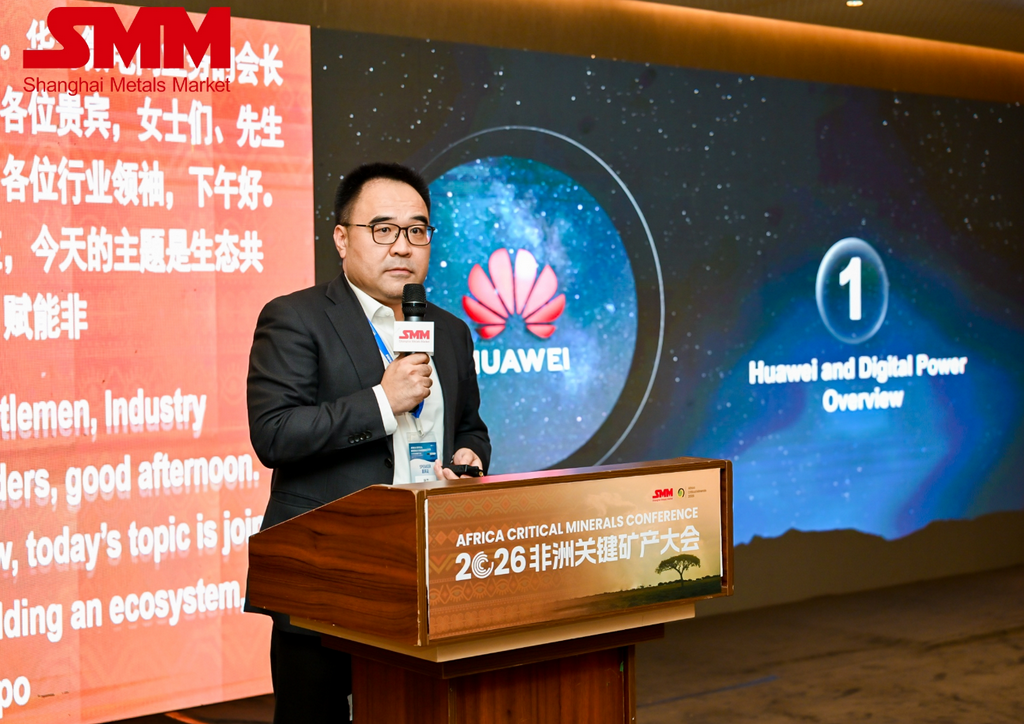
A Huawei busca parcerias de mineração verde na África e realiza negociações comerciais com a ZESCO na SMM ACM 2026
23 Sep 2026 16:41 (GMT+8)
![[SMM Analysis] O comércio de tarifas de cobre dos EUA está perdendo força — mas ainda não acabou](https://imgqn.smm.cn/production/admin/votes/imagesMbCUq20260929144044.png)
[SMM Analysis] O comércio de tarifas de cobre dos EUA está perdendo força — mas ainda não acabou
29 Sep 2026 14:37 (GMT+8)
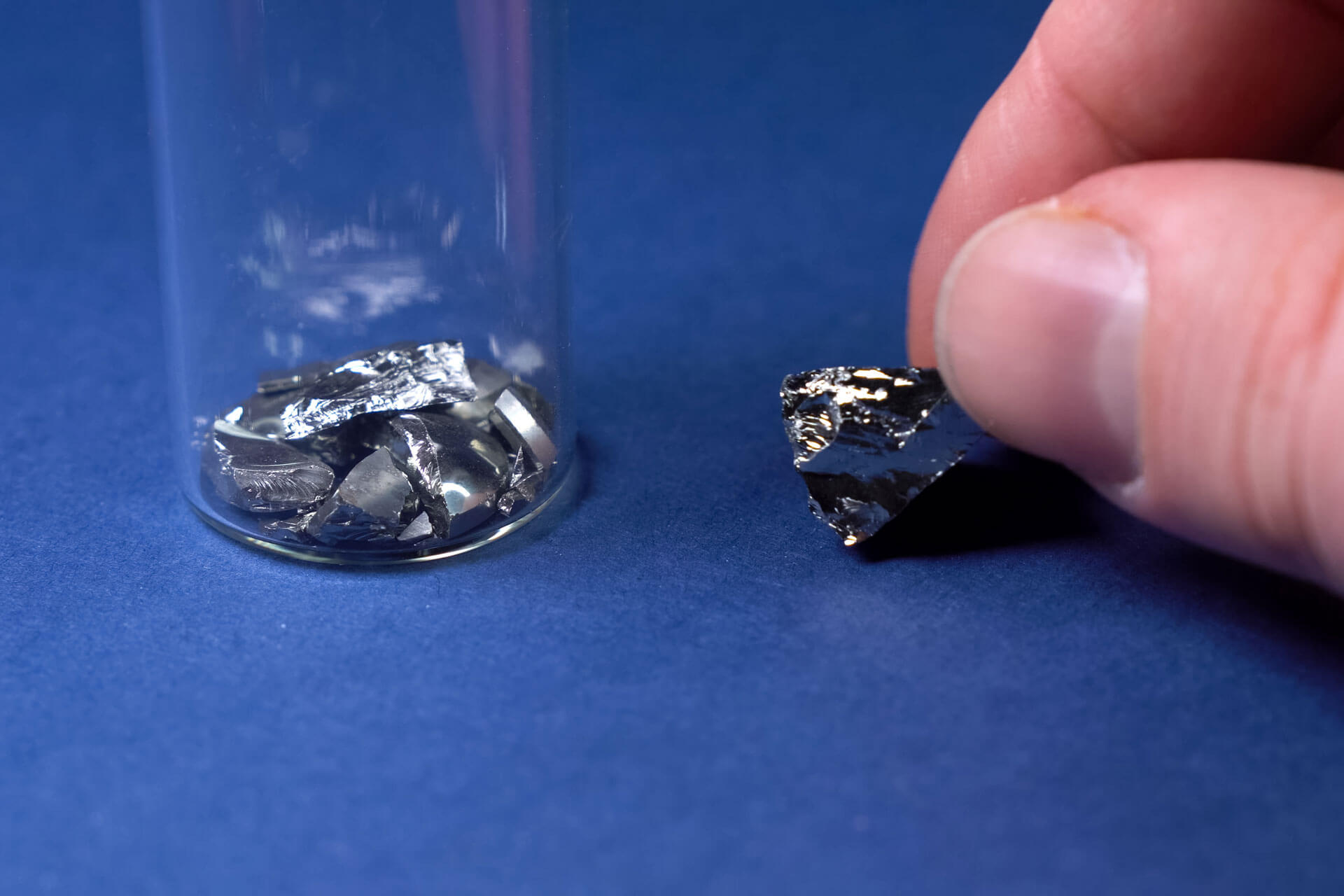
África do Sul Preparada para se Tornar um Agente-Chave na Cadeia Global de Fornecimento de Terras Raras até 2034【Análise SMM】
29 Sep 2026 18:54 (GMT+8)
[Análise SMM] A fabricação de BESS na Índia acelera, mas a dependência de células continua sendo um gargalo fundamental
há 21 horas
SMM lança calculadora CBAM de alumínio: o que as estimativas de custo significam para ofertas destinadas à UE【Análise SMM】
29 Sep 2026 17:32 (GMT+8)
![[SMM Analysis] Cobre Primário de Baixo Carbono Começa a Ser Negociado Separadamente — O Valor Verde do Cobre Reciclado Será Reavaliado?](https://imgqn.smm.cn/usercenter/MXbup20251217171745.jpg)
[SMM Analysis] Cobre Primário de Baixo Carbono Começa a Ser Negociado Separadamente — O Valor Verde do Cobre Reciclado Será Reavaliado?
29 Sep 2026 16:03 (GMT+8)
Últimas Notícias
[Análise SMM] Baterias de íons de sódio visam "desenvolvimento coordenado" à medida que a industrialização avança
há 20 horas
[SMM Resumo da Reunião Matinal sobre Cobalto] Disposição de compra antes do feriado permanece contida; queda nos custos de matérias-primas pressiona os preços em toda a cadeia industrial
29 Sep 2026 10:08 (GMT+8)
Cerca de 3 bilhões de yuans! Projeto de bateria de íons de sódio de 12 GWh da China BAK New Energy chega a Nanquim, Jiangsu
28 Sep 2026 13:29 (GMT+8)
Armazenamento híbrido de lítio-sódio em Hebei tem implantação em lote: armazenamento de energia com bateria de íons de sódio entra em período de verificação provincial [Análise SMM]
23 Sep 2026 16:20 (GMT+8)
NFPP vs NFS: Quem Dominará a Corrida das Baterias de Íons de Sódio de Poliânions?
22 Sep 2026 10:12 (GMT+8)
[SMM Resumo da Reunião Matinal sobre Cobalto] Demanda fraca pressiona os preços do setor, mercado segue em consolidação em tom fraco antes do feriado
22 Sep 2026 09:45 (GMT+8)
[SMM Resumo da Reunião Matinal de Cobalto-Lítio] ### Preços de matérias-primas se consolidam, cadeia industrial diverge, sentimento de espera pré-feriado se intensifica
22 Sep 2026 09:40 (GMT+8)
Coreia do Sul revela roteiro de tecnologia de baterias apoiado por 8 trilhões de wones em investimento privado
22 Sep 2026 08:28 (GMT+8)
Importações e exportações de minério de fosfato disparam em agosto: a temporada de pico de demanda está chegando?
21 Sep 2026 14:16 (GMT+8)
[Na-ion: Grupo Shenhuo inicia projeto de 50 mil t/ano de folha para bateria de sódio]
20 Sep 2026 18:06 (GMT+8)
"Bateria de Íon de Sódio" Incluída na Lista "Reforçada" Durante o 15º Plano Quinquenal: Uma Política, Três Contas [Análise SMM]
18 Sep 2026 09:57 (GMT+8)
[SMM Resumo da Reunião Matinal sobre Cobalto] Demanda fraca e custos em queda mantêm conjuntamente os preços da cadeia industrial em baixa
18 Sep 2026 09:36 (GMT+8)
NaPF6: O "Ingrediente-Chave" no Eletrólito de Bateria de Íons de Sódio — O Que É Exatamente? [Análise SMM]
17 Sep 2026 16:24 (GMT+8)
534 milhões de yuans! Novo progresso no projeto de 30 mil toneladas/ano de materiais para baterias de íons de sódio em Changzhi, Shanxi
16 Sep 2026 17:23 (GMT+8)
[Sódio-íon: Primeira unidade de armazenamento de íons de sódio em escala de rede da CSG entra em operação em vilarejo urbano de Shenzhen]
16 Sep 2026 13:52 (GMT+8)
[SMM Resumo da Reunião Matinal sobre Cobalto] Custos de matérias-primas enfraquecem, demanda está lenta e o centro de preços continua a se deslocar para baixo
15 Sep 2026 09:55 (GMT+8)
[Resumo da Reunião Matinal de Cobalto-Lítio da SMM] Divergência de matérias-primas se intensifica; demanda da alta temporada desigual, preços se consolidam
11 Sep 2026 09:59 (GMT+8)
[SMM Resumo da Reunião Matinal sobre Cobalto] Demanda fraca combinada com custos mais baixos, centro de preços da cadeia industrial continua em declínio
11 Sep 2026 09:55 (GMT+8)
Indústria Química de Fosfato do Marrocos: Dotação de Recursos, Panorama de Exportações e Expansão da Capacidade
10 Sep 2026 17:50 (GMT+8)
[Íon de sódio: HiNa Battery assina contrato de fornecimento de 10 GWh por 5 anos com a VOLTA da Coreia]
10 Sep 2026 12:35 (GMT+8)