

Actualités
Article d'analyse exclusif avec les dernières mises à jour du marché et des flux d'actualités en temps réel.
![[Analyse SMM] Bilan de l'acier inoxydable hors Chine au T3 : la surcharge européenne a baissé de 158 EUR/t, mais les prix CAF ont augmenté de 2,8 %](https://imgqn.smm.cn/usercenter/VstiG20251217171732.jpeg)
[Analyse SMM] Bilan de l'acier inoxydable hors Chine au T3 : la surcharge européenne a baissé de 158 EUR/t, mais les prix CAF ont augmenté de 2,8 %
Analyse du T3 2026 : les coûts et les prix de l'acier inoxydable hors Chine ont divergé. Le NPI indonésien a chuté de 8,2 %, mais SMM estime que les coûts des bobines laminées à chaud 304 n'ont baissé que de 1,7 %, les marges oscillant entre 4,7 % et 9,0 % selon les propres mouvements de prix des aciéries. La surtaxe européenne sur le 304 a reculé de 158 EUR/t tandis que les prix CAF ont progressé de 2,8 %. La ferraille malaisienne a bondi de 10,4 %, les bobines laminées à froid locales de 0,3 %. À Taïwan (port de chargement), les prix catalogue ont augmenté à deux reprises alors que le spot reculait. Seule l'Inde a vu coûts et prix évoluer de concert, tandis que l'Asie a ouvert trois nouvelles enquêtes antidumping.
08 Oct 2026 15:36 (GMT+8)
Or : Morgan Stanley estime que le potentiel de hausse l'emporte largement sur le risque de baisse – 4 000 $ comme support
2 octobre 2026 Le est actuellement en phase de consolidation, mais pour les investisseurs en matières premières tournés vers l’avenir, cet environnement représente précisément une opportunité stratégique. Si les rendements obligataires élevés et la vigueur du dollar américain refroidissent quelque peu le marché à court terme, Morgan Stanley garde déjà les yeux rivés sur l’essentiel : la demande fondamentale reste intacte. Les analystes de la banque d’investissement américaine maintiennent donc un objectif clair : d’ici le second semestre 2027, le prix de l’or franchira à nouveau la barre symbolique des 5 000 dollars l’once. Analyse de Morgan Stanley : pourquoi l’objectif de 5 000 dollars se précise Amy Gower, responsable de la stratégie métaux et mines chez Morgan Stanley, estime que le marché est exceptionnellement bien protégé à la baisse malgré les vents contraires macroéconomiques actuels, tels que les prix élevés du pétrole et les nouveaux sommets sur vingt ans des rendements obligataires à long terme. Un niveau supérieur à 4 000 dollars constitue une ligne de soutien massive. Si le métal précieux ne réagit pas plus fortement à la hausse des taux d’intérêt, explique-t-elle, c’est parce qu’une base d’acheteurs inhabituellement solide stabilise le niveau de prix actuel. Cette solidité structurelle du marché repose sur trois piliers essentiels : L’appétit asiatique pour l’or : la demande physique en provenance de Chine est extrêmement élevée. Les importations d’or de la République populaire sont en passe d’atteindre leur plus haut niveau depuis 2017, voire un record de long terme. Après la brève accalmie de la « Golden Week », ce pouvoir d’achat devrait rapidement revenir sur le marché. Les banques centrales en coureuses de fond : outre la Chine, d’autres banques centrales, comme celle de la Pologne, interviennent également en tant qu’acheteuses majeures pour se couvrir contre les risques de change et les inquiétudes quant à la soutenabilité à long terme de la montagne de dettes mondiale. Des flux stables vers les ETF : contrairement au schéma classique observé en période de politique monétaire restrictive, les fonds aurifères cotés en bourse continuent d’accroître leurs avoirs, un signe remarquable de solidité institutionnelle selon Morgan Stanley. Les pics de ventes à court terme, comme ceux observés récemment, sont actuellement attribués principalement au rééquilibrage de portefeuilles par des fonds de trading algorithmique. L’argent suit la tendance fondamentale de l’or Cette tendance de fond solide se répercute également sur le marché de l’argent. Selon les experts de Morgan Stanley, l’argent est actuellement bien plus corrélé à son « grand frère » l’or qu’aux métaux industriels comme le cuivre. Bien que la demande industrielle—en particulier celle de l’industrie solaire après les flambées de prix extrêmes de l’année dernière—se soit légèrement refroidie en raison des mesures de réduction des coûts des matériaux, le potentiel macroéconomique global des métaux précieux reste élevé. En fin de compte, la viabilité budgétaire des grandes économies et la protection à long terme contre l’inflation demeurent des catalyseurs durables pour les actifs tangibles. Si de futures interventions sur le marché obligataire à long terme faisaient de nouveau baisser les rendements, ou si le prix du pétrole baissait, la pression actuelle sur l’or et l’argent disparaîtrait immédiatement. Pour Morgan Stanley, la voie à suivre est donc claire : sur un horizon de 12 mois, le potentiel de hausse est massif, avec un objectif intermédiaire annoncé de 5 000 $ l’année prochaine. Source :
09 Oct 2026 13:46 (GMT+8)
[Analyse SMM] La croissance de la demande d'acier en Inde peut-elle compenser le ralentissement en Chine ?
L'Inde peut presque compenser la perte de demande prévue en Chine en 2026. Que cela soutienne les prix internationaux de l'acier dépend de ce que l'Inde achète, de la rapidité avec laquelle ses aciéries se développent et de la maîtrise de la contraction chinoise. L'émergence de l'Inde comme source majeure de croissance de la demande d'acier soulève une question aux conséquences qui dépassent largement les deux pays : son marché en expansion peut-il compenser l'appétit déclinant de la Chine ? La réponse dépend de ce que « compenser » signifie. Remplacer la consommation perdue dans le total mondial est un critère. Créer un marché équivalent pour l'acier échangé à l'international en est un autre. Reproduire l'ampleur et l'influence du cycle de développement à forte intensité d'acier de la Chine est une proposition bien plus vaste. La croissance de la demande d'acier en Inde compense presque le déclin de la Chine Sur le critère le plus étroit, les chiffres sont étonnamment proches. Les perspectives d'avril de Worldsteel situent la demande d'acier fini en Inde à 171,6 millions de tonnes en 2026, contre 159,8 millions de tonnes en 2025. La Chine passe de 796,0 millions de tonnes à 784,1 millions de tonnes. L'Inde ajoute donc 11,8 millions de tonnes face au déclin de 11,9 millions de tonnes de la Chine : une variation combinée d'environ moins 0,1 million de tonnes, calculée à partir des niveaux arrondis publiés. Figure 1. Une forte croissance en pourcentage dans un marché plus petit peut compenser un déclin modeste dans un marché beaucoup plus grand. Cette comparaison concerne la demande d'acier fini, et non la production d'acier brut. C'est une contribution significative à la stabilité du marché. C'est aussi un équilibre fragile. La Chine reste environ 4,6 fois plus grande que l'Inde dans les prévisions de 2026. Un petit changement dans la trajectoire chinoise peut donc absorber une part substantielle de l'augmentation indienne. L'interprétation raisonnable est que l'Inde fournit un contrepoids significatif à un ralentissement chinois maîtrisé. Elle ne rend pas encore le marché mondial insensible à la Chine. La distinction importe pour la manière dont l'histoire est présentée. Comparer la croissance prévue de 7,4 % de l'Inde avec le déclin de 1,5 % de la Chine donne l'impression que la compensation est écrasante. Comparer les tonnes montre que la quasi-totalité du gain indien est nécessaire simplement pour neutraliser la perte chinoise. Un point de pourcentage de croissance a une signification physique très différente dans les deux marchés. Le tableau suivant maintient la comparaison annuelle sur une base statistique cohérente. Il distingue également la contribution du reste du monde, calculée comme un résidu, de celle du duo Chine-Inde. Figure 2. Demande d'acier fini par année civile ; 2026 et 2027 sont des prévisions d'avril 2026. Les variations utilisent des niveaux publiés arrondis. Le reste du monde est calculé plutôt que constituant une série régionale citée séparément. Le secteur immobilier chinois reste sous pression, jetant le doute sur la stabilisation de la demande Pour 2027, la même prévision devient plus constructive car la Chine cesse de décliner tandis que l'Inde continue de croître. Mais il s'agit d'une hypothèse à tester au regard des données entrantes, plutôt que d'un résultat déjà acquis. Les perspectives ont été publiées le 14 avril et reflètent les informations disponibles à la mi-mars. Worldsteel a explicitement lié son point de vue sur la stabilisation chinoise à la correction immobilière en grande partie achevée ; elle a également souligné l'incertitude quant à la gravité rapportée du déclin de la demande chinoise en 2025. Les indicateurs immobiliers ultérieurs justifient la prudence. Le Bureau national des statistiques de Chine a rapporté que les mises en chantier de nouveaux bâtiments ont chuté de 24,8 % en glissement annuel de janvier à août 2026, tandis que l'investissement dans le développement immobilier a chuté de 19,9 %. Il s'agit de mesures immobilières, et non d'estimations de la consommation totale d'acier, et elles ne peuvent pas être substituées directement dans une prévision de demande d'acier. Elles montrent néanmoins qu'une activité importante consommatrice d'acier est restée sous pression bien après la préparation des perspectives d'avril. BNS de Chine, données immobilières de janvier à août La transmission pertinente passe par le pipeline de construction. Les nouveaux projets créent des besoins en matériaux structurels ; les projets déjà en cours peuvent continuer à consommer de l'acier même lorsque les mises en chantier faiblissent. Les changements dans le calendrier des projets, la conception des bâtiments et l'intensité en matériaux empêchent une conversion fixe de la surface de plancher en tonnage d'acier. L'industrie manufacturière et les infrastructures influencent également l'agrégat. Par conséquent, la faiblesse des mises en chantier est une raison d'examiner attentivement la base de référence de la demande, plutôt qu'une preuve que la consommation d'acier doit chuter au même rythme. Les infrastructures et l'industrie manufacturière stimulent la croissance de la demande d'acier en Inde La croissance de l'Inde s'appuie sur un ensemble plus large de moteurs rapportés. Worldsteel identifie la construction tirée par les infrastructures, l'activité automobile, les biens d'équipement, le développement ferroviaire et les biens de consommation durables comme soutiens. Évaluation de Worldsteel pour l'Inde. Pour les acteurs du marché, la question suivante est de savoir comment ces utilisations finales se traduisent en commandes pour des produits particuliers. Les aciers d'armature pour un projet de construction, les tôles automobiles qualifiées et les aciers électriques pour équipements constituent des marchés commerciaux distincts, même lorsqu'ils contribuent tous au même total de demande nationale. Les chiffres de consommation plus récents de l'Inde offrent des signes encourageants. La publication du ministère de l'Acier du 6 octobre montre que la consommation d'acier fini est passée de 79,0 millions de tonnes à 84,9 millions de tonnes entre avril et septembre 2026, soit une hausse déclarée de 7,5 %. Ces observations provisoires couvrant le premier semestre de l'exercice fiscal portent sur une période différente de celle des prévisions de Worldsteel pour l'année civile. Elles confirment la poursuite de la croissance sans établir le résultat final de 2026. Ministère de l'Acier / PIB, mise à jour du premier semestre La hausse de la consommation ne garantit pas une augmentation des importations, car le commerce de l'acier en Inde diverge Pour les aciéries étrangères, cependant, la croissance de la consommation n'est que le début de l'évaluation. La demande indienne supplémentaire peut être satisfaite par la production nationale, la réduction des exportations, les importations ou les variations de stocks. Elle ne se traduit pas nécessairement par une augmentation équivalente des achats à l'étranger. Un marché intérieur solide peut améliorer les opportunités de vente pour les producteurs indiens tout en ayant un effet beaucoup plus limité sur le solde international net de l'acier. Figure 3. Les deux flux commerciaux ont augmenté entre avril et septembre 2026. Leur différence a beaucoup moins varié que la consommation. Il s'agit d'une comparaison d'indicateurs, et non d'un rapprochement complet entre l'offre et la demande. L'arithmétique commerciale illustre cette distinction. Les importations d'avril à septembre sont passées de 3,3448 millions de tonnes à 4,1418 millions de tonnes, tandis que les exportations sont passées de 2,8102 millions de tonnes à 3,5478 millions de tonnes. Les importations nettes se sont par conséquent creusées, passant de 0,5346 million de tonnes à 0,5940 million de tonnes, soit une augmentation de seulement 59 400 tonnes. Cela ne signifie pas que les fournisseurs étrangers n'ont trouvé aucune opportunité : les importations brutes ont clairement augmenté. Cela signifie que l'Inde vendait simultanément davantage d'acier à l'étranger. Un exportateur évaluant d'éventuelles ventes en Inde devrait examiner les importations brutes par produit et par client. Un analyste évaluant si l'Inde absorbe un excédent mondial devrait également examiner les exportations. Ces deux questions ne peuvent être résolues par le seul taux de croissance de la consommation. Il ne faut pas non plus forcer les statistiques globales dans un calcul de stocks. La production, les échanges et la consommation doivent faire l'objet de définitions et d'ajustements cohérents avant de former un bilan matière complet. Les chiffres présentés ici n'établissent pas la quantité d'acier prélevée sur les stocks ni celle qui y a été ajoutée. Attribuer entièrement leur résidu aux stocks créerait une précision que les données disponibles ne permettent pas d'étayer. Le détail par produit rend le tableau commercial plus clair. Une publication antérieure du ministère fournit des chiffres comparables d'importations et d'exportations pour certaines catégories sur la période avril-juillet 2026. Les bobines et bandes laminées à chaud ont enregistré des importations nettes de 173 700 tonnes, tandis que les barres et les fil machine ont enregistré des exportations nettes de 95 100 tonnes. Le tableau ci-dessous utilise explicitement cette période plus courte ; il ne s'agit pas d'une ventilation des totaux d'avril à septembre. Figure 4. Catégories sélectionnées pour lesquelles les deux flux sont déclarés. Le tableau ne couvre pas tous les produits, et les grandes catégories masquent des différences de nuances, de dimensions et d'homologations clients. Ces flux simultanés sont commercialement plausibles. Un pays peut exporter une spécification et en importer une autre au sein de la même catégorie. L'économie du fret, les délais de livraison, la disponibilité des laminoirs et les exigences de qualification peuvent également répartir les acheteurs entre des marchés distincts. La position nette nationale est donc un contexte utile, mais elle constitue un guide incomplet des perspectives d'une usine particulière. L'opportunité pertinente est la nuance dont un acheteur a besoin à un prix livré et à une date de livraison réalisables. L'expansion des capacités nationales pourrait redéfinir les besoins d'importation d'acier de l'Inde L'offre nationale répond également à cette opportunité. Dans son rapport annuel 2025-2026, JSW décrit une base consolidée de capacité d'acier brut de 33,4 millions de tonnes par an et un objectif de 50,3 millions de tonnes d'ici 2029-2030, les capacités des coentreprises étant traitées séparément. L'entreprise décrit également des investissements dans la technologie et la fabrication d'acier électrique. Il s'agit de capacités et de plans déclarés par l'entreprise, et non d'une production garantie d'acier fini supplémentaire. Il en résulte que la croissance de la demande indienne et la croissance de l'offre indienne doivent être évaluées ensemble. De nouvelles capacités peuvent servir les clients nationaux, remplacer les importations ou, à terme, soutenir les exportations. Le résultat dépend de la mise en service, de la montée en puissance, des capacités des produits et des coûts. La capacité annoncée en acier brut ne doit pas être directement soustraite d’une prévision de demande d’acier fini : les mesures diffèrent, et la capacité nominale n’équivaut pas à la production vendable. La demande chinoise reste la variable clé : l’Inde peut-elle soutenir les prix mondiaux de l’acier ? La trajectoire chinoise demeure donc une variable déterminante. Un simple test de sensibilité maintient la hausse prévue pour l’Inde à 11,8 millions de tonnes et ne modifie que le recul supposé de la demande chinoise par rapport à sa base de 2025. Il s’agit d’un scénario mécanique, qui ne remplace pas les prévisions de worldsteel. Figure 5. Variation combinée = 11,8 − (796,0 × recul chinois supposé). Le pourcentage saisi est exprimé sous forme de fraction dans le calcul. Les autres marchés sont exclus. Le recul chinois d’équilibre est d’environ 1,48 %. Avec un recul de 3 %, la Chine perdrait environ 23,9 millions de tonnes, laissant l’ensemble environ 12,1 millions de tonnes plus bas malgré la hausse indienne. À l’inverse, un marché chinois stable permettrait au gain indien de contribuer pleinement à la croissance combinée. Cette asymétrie est la principale raison pour laquelle les indicateurs immobiliers et manufacturiers chinois restent importants, même à mesure que le rôle de l’Inde s’accroît. Pour les producteurs et les négociants, trois vérifications pratiques s’imposent. Premièrement, surveiller si la croissance indienne se confirme dans les livraisons physiques aux utilisateurs finaux plutôt que de s’appuyer uniquement sur de grands récits économiques. Deuxièmement, suivre les ajouts de capacité selon leur mise en service effective et l’état de préparation des produits. Troisièmement, comparer les flux d’importation et d’exportation pour la nuance d’acier concernée, ainsi que le fret, les conditions de livraison et les exigences d’accès au marché applicables. Une tendance nationale favorable de la demande ne peut se substituer à ce travail commercial. Les éléments disponibles appuient une réponse nuancée à la question initiale. L’Inde peut presque compenser la perte de demande chinoise intégrée dans les prévisions d’avril 2026, et les observations indiennes ultérieures confirment la poursuite de la croissance de la consommation. Mais cette compensation est sensible à une contraction chinoise plus profonde et ne se traduit pas automatiquement par un débouché aussi vaste pour l’acier étranger. Le marché indien en expansion mérite un poids croissant dans l’analyse mondiale. Sa capacité à soutenir les prix internationaux sera déterminée conjointement par la demande, l’offre intérieure et les produits qui franchissent réellement ses frontières.
09 Oct 2026 10:38 (GMT+8)
Dernières actualités
![[Mingyi Electronics lance un équipement d'électrodéposition en ligne à portique à rapport d'aspect élevé pour serveurs IA et substrats de circuits intégrés]](https://imgqn.smm.cn/usercenter/CaDcj20251217171711.jpg)
[Mingyi Electronics lance un équipement d'électrodéposition en ligne à portique à rapport d'aspect élevé pour serveurs IA et substrats de circuits intégrés]
il y a 12 heures
Données : évolution des marchés SHFE et DCE (16 octobre)
il y a 15 heures
![[SMM revue de midi sur l'étain] Les attentes de hausse des taux s'atténuent et les contrats à terme se redressent, l'étain SHFE revient à la barre des 380 000 yuans](https://imgqn.smm.cn/usercenter/iLVGs20251217171753.jpg)
[SMM revue de midi sur l'étain] Les attentes de hausse des taux s'atténuent et les contrats à terme se redressent, l'étain SHFE revient à la barre des 380 000 yuans
il y a 18 heures
[Google Quantum Computing réalise une nouvelle percée : la puce Willow réduit le taux d'erreur d'environ 40 fois]
Google (GOOG.O) d'Alphabet a annoncé le 15 octobre que son équipe Quantum AI a validé avec succès une nouvelle technique appelée « culture d'états magiques » sur la puce quantique Willow, réduisant le taux d'erreur d'états quantiques spécifiques d'environ 40 fois et atteignant une précision de préparation d'états quantiques de 99,99 %. Les résultats de recherche correspondants ont été publiés dans la revue Science. Google a expliqué que les ordinateurs quantiques sont sensibles aux interférences qui provoquent des erreurs, et que pour effectuer des calculs complexes, des états quantiques spéciaux doivent être préparés à l'avance, mais ce processus est très gourmand en ressources. Certaines études estiment que les méthodes conventionnelles pourraient consommer jusqu'à 95 % de la puissance de calcul d'un ordinateur quantique. La nouvelle technique améliore l'efficacité de la préparation en détectant et en écartant les états quantiques erronés, et devrait réduire la consommation de ressources liée à la correction d'erreurs dans les futurs ordinateurs quantiques. Google a déclaré que cette réalisation constitue une étape importante vers l'informatique quantique pratique, mais qu'une validation supplémentaire est encore nécessaire pour déterminer si elle peut être appliquée à des systèmes d'informatique quantique à plus grande échelle.
il y a 21 heures
Le contrat d'étain SHFE SN2611 le plus négocié s'est quelque peu redressé lors de la séance de nuit, avec un fort sentiment d'attentisme sur le marché au comptant [Compte rendu de la réunion matinale SMM sur l'étain]
[SMM Résumé de la réunion matinale sur l'étain : Le contrat d'étain le plus négocié du SHFE SN2611 a quelque peu récupéré lors de la séance de nuit, avec un fort sentiment d'attentisme sur le marché au comptant]
il y a 22 heures
[Le prototype chinois de source lumineuse EUV atteint 90 % de localisation ; la production de masse encore dans 3 à 5 ans]
La 26e Foire internationale de l'industrie de Chine se tient au Centre national des expositions et de conventions, où plus d'une centaine de réalisations scientifiques et technologiques de Shanghai sont présentées dans le Pavillon des technologies innovantes. Sur le stand de Landau Suiyan, un prototype de système de source lumineuse EUV fait ses débuts à la foire. Il s'agit actuellement du prototype de source lumineuse EUV développé en Chine le plus avancé présenté au public, également connu comme le « cœur » des machines de lithographie haut de gamme. Les sources lumineuses EUV constituent l'une des trois pièces maîtresses pour la fabrication de puces à procédé avancé de 7 nm et moins. Elles ont longtemps été soumises à des monopoles technologiques et à des embargos hors de Chine, ce qui en fait un maillon clé limitant la capacité de la Chine à maîtriser de manière autonome les puces haut de gamme. Le personnel sur place a indiqué que le système de source lumineuse exposé a atteint un taux de localisation de 90 %, la grande majorité des pièces essentielles ayant été développées de manière indépendante par la R&D. Sa voie technique est conforme à celle des principaux producteurs internationaux et il peut être utilisé pour des tests d'exposition de puces. Bien que la production de masse soit encore attendue dans 3 à 5 ans, cette percée marque une étape clé dans le passage de la source lumineuse EUV chinoise du laboratoire vers l'industrialisation.
15 Oct 2026 18:19 (GMT+8)
[TuringQ, Zhicheng et Asia Computing vont construire un centre quantique-supercalcul-IA dans la Greater Bay Area]
Selon TuringQ, le 14 octobre, TuringQ a officiellement signé un accord de coopération stratégique avec Shenzhen Zhicheng Computing Network Technology Co., Ltd. (Zhicheng Computing Network) et Asia Computing Network and Quantum Computing Technology Co., Ltd. (Asia Computing). Les trois parties collaboreront pour construire un centre de calcul intégré quantique-supercalcul-intelligent dans la région de la Grande Baie Guangdong-Hong Kong-Macao, créant ainsi une infrastructure de calcul de nouvelle génération intégrant l'informatique quantique, le calcul haute performance et l'intelligence artificielle.
15 Oct 2026 18:17 (GMT+8)
[Le bénéfice de TSMC au T3 bondit de 69 %, dépassant les attentes malgré les inquiétudes croissantes sur l'investissement dans l'IA]
TSMC a publié un bénéfice pour le troisième trimestre (clos en septembre) supérieur aux attentes du marché. Malgré les inquiétudes croissantes concernant le développement à long terme des infrastructures d'IA, le géant mondial des semi-conducteurs a maintenu sa dynamique de croissance rapide. TSMC a annoncé un bénéfice net en hausse de 69 % sur un an, à 763,1 milliards de dollars taïwanais (23,6 milliards de dollars américains), dépassant l'estimation moyenne des analystes. Auparavant, TSMC avait fait état d'un chiffre d'affaires en hausse de 51 % sur un an pour la même période, également supérieur aux attentes du marché, portant le chiffre d'affaires du troisième trimestre à 47 milliards de dollars. TSMC a indiqué que la croissance du chiffre d'affaires s'est accélérée au cours des deux derniers trimestres et que l'entreprise a également intensifié l'expansion de ses capacités. TSMC avait précédemment annoncé que ses dépenses d'investissement atteindraient cette année un niveau record de 64 milliards de dollars. Parallèlement, les attentes du marché concernant les dépenses d'investissement de TSMC pour 2027 ne cessent d'être revues à la hausse, un indicateur considéré comme un baromètre clé des perspectives du secteur. Goldman Sachs prévoit désormais que les dépenses d'investissement de TSMC en 2027 atteindront 85 milliards de dollars, tandis qu'UBS table sur 90 milliards de dollars, toutes deux supérieures à l'estimation consensuelle de 75 milliards de dollars. TSMC tente actuellement de construire et d'équiper simultanément une vingtaine d'usines de semi-conducteurs, sur son territoire comme hors de Chine, un rythme d'expansion sans précédent. À titre de comparaison, l'entreprise n'avait habituellement que quatre à cinq nouveaux bâtiments d'usine en construction en même temps.
15 Oct 2026 18:09 (GMT+8)
[TSMC en pourparlers avec Musk sur Terafab, insiste sur le contrôle de la production de puces]
TSMC discute d'une collaboration avec le projet Terafab d'Elon Musk, mais l'entreprise a souligné que dans tout accord de coopération, TSMC doit conserver le contrôle opérationnel de la production de puces. Interrogé sur une éventuelle participation de TSMC au plan ambitieux de fabrication de puces de Musk, le PDG de TSMC, C.C. Wei, a déclaré que l'entreprise devait être responsable de l'exploitation de l'usine. Musk avait déclaré la semaine dernière que TSMC pourrait tout au plus louer des capacités, plutôt que de prendre en charge les opérations de production de l'usine. Wei a déclaré lors de la conférence sur les résultats : « Nous sommes toujours en discussion. Mais je tiens à souligner que l'usine doit être exploitée par TSMC. » En réponse aux spéculations selon lesquelles TSMC pourrait être impliquée dans les opérations de l'usine, Musk avait précédemment affirmé que Terafab serait entièrement exploitée par ses entreprises. Hormis la confirmation que les deux parties sont en pourparlers, aucune des deux n'a divulgué les conditions précises d'un éventuel accord de coopération.
15 Oct 2026 18:08 (GMT+8)
[Koba Resources publie les premiers résultats de forage RC au projet étain-tungstène de Mt Garnet, mine Gilmore retestée]
Koba Resources (ASX:KOB) a publié les premiers résultats de son forage inaugural à circulation inverse (RC) sur son projet d'étain-tungstène de Mt Garnet, dans le nord du Queensland. Les sondages réalisés fin juillet ont testé l'historique mine d'étain de Gilmore et la perspective Stannex, située à environ 1 km au nord-est. Gilmore a été exploitée par intermittence jusqu'à une profondeur considérable ; il s'agit de ses premiers sondages depuis des années. Le directeur général Ben Vallerine a indiqué que la minéralisation reste non exploitée, mais il s'agit là d'un point de vue de la direction : aucune ressource minérale ni réserve de minerai n'existe à Gilmore, et les résultats seuls ne permettent pas de déterminer la quantité d'étain restante ni sa viabilité économique. Aucun essai métallurgique ni étude économique n'a été communiqué ; la plupart des intersections à Stannex étaient à faible teneur. Les intersections correspondent à des longueurs le long du forage et les largeurs réelles sont inconnues. Un forage RC de suivi à Gilmore est prévu avant la fin de l'année.
15 Oct 2026 17:05 (GMT+8)
Données : évolution des marchés SHFE et DCE (15 octobre)
15 Oct 2026 16:08 (GMT+8)
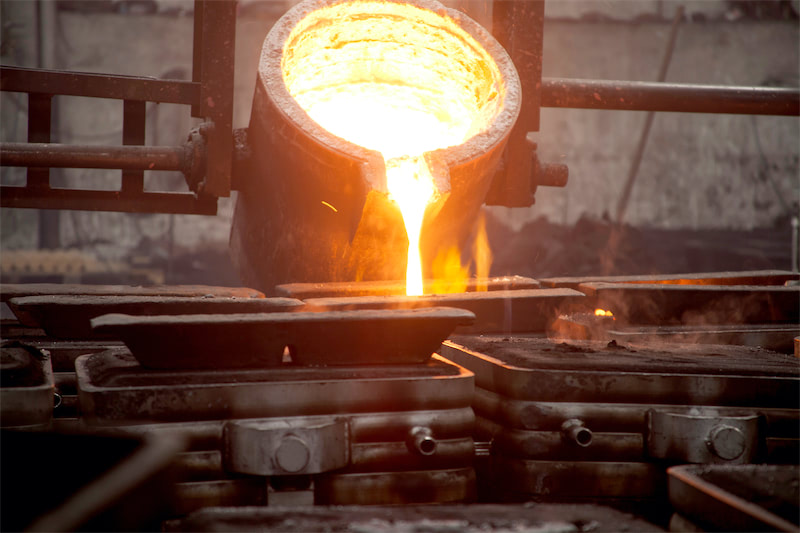
【Flash | TOP Nanometal arrête la production de films d'oxyde d'indium-étain et convertit ses équipements pour le cuivre pulvérisé】
15 Oct 2026 15:58 (GMT+8)
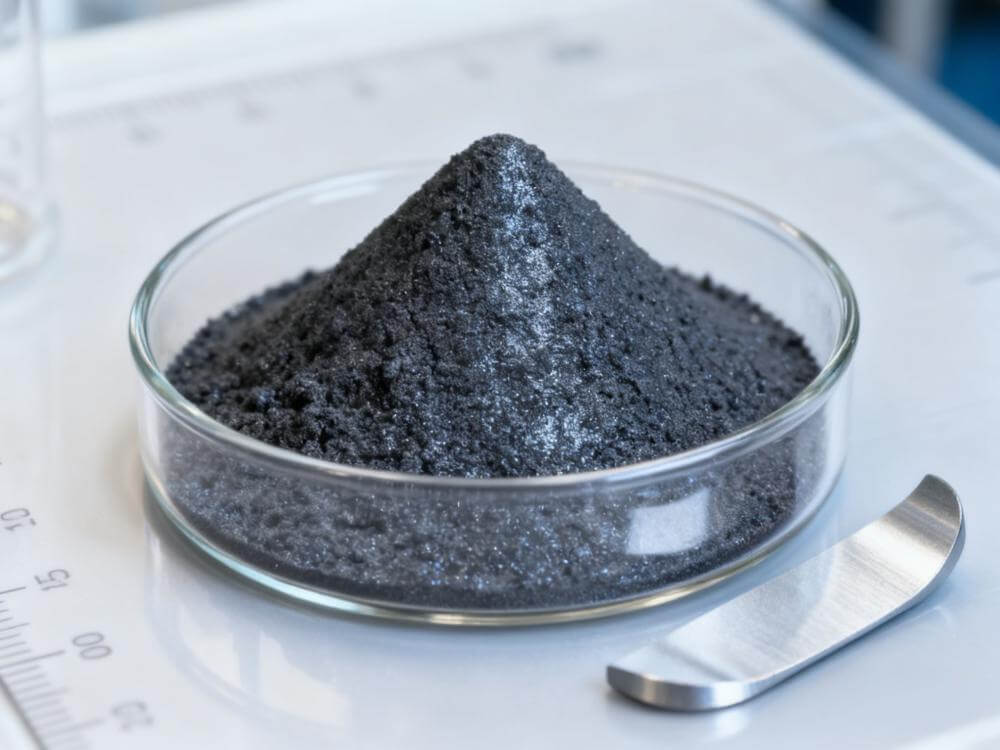
【Flash | JX Advanced Metals prévoit d'augmenter sa capacité de substrats en phosphure d'indium de sept à dix fois】
15 Oct 2026 15:56 (GMT+8)
【Flash | Trymax décroche une commande pluriannuelle d'équipements pour accroître la capacité de lasers au phosphure d'indium d'Applied Optoelectronics】
Trymax Semiconductor Equipment a obtenu une commande pluriannuelle substantielle de plusieurs millions de dollars de la part d'Applied Optoelectronics, Inc. Trymax fournira des systèmes de gravure plasma et de durcissement ultraviolet pour l'élimination des résidus, la gravure de surface et le traitement des matériaux lors de la fabrication des plaquettes. L'équipement peut traiter des plaquettes en phosphure d'indium (InP) de 3 à 6 pouces et sera intégré à l'usine de fabrication de plaquettes d'Applied Optoelectronics à Sugar Land, au Texas. Applied Optoelectronics cultive et fabrique des plaquettes InP en interne pour produire des puces laser destinées aux émetteurs-récepteurs optiques à haut débit utilisés dans la connectivité des centres de données. L'entreprise a déclaré que l'équipement soutiendra l'expansion rapide de sa capacité de production de puces laser au Texas. SMM estime que la commande pluriannuelle indique que
15 Oct 2026 15:55 (GMT+8)
[Les ressources en minerai d'étain augmentées de 45 %, étape clé franchie dans le développement de la mine d'étain à ciel ouvert de Bygoo en Australie]
La société australienne d'exploration minière Caspin Resources (ASX : CPN) a annoncé que l'estimation des ressources minérales du gisement d'étain de Kelpie, au sein de son projet de mine d'étain Bygoo, détenu à 100 % en Nouvelle-Galles du Sud, a augmenté de 45 %, atteignant désormais 6,5 millions de tonnes à une teneur en étain de 0,43 %, soit 28 000 tonnes de métal contenu. La ressource se situe entièrement dans une enveloppe de fosse optimisée, comprend pour la première fois des ressources indiquées représentant 25 % du total, et s'appuie sur des paramètres miniers et de traitement bien établis.
15 Oct 2026 15:13 (GMT+8)
[Les livraisons mondiales de smartphones chutent de 22 %, marquant le pire trimestre jamais enregistré]
Selon les données du cabinet d’études de marché IDC, les livraisons de smartphones ont chuté de 22 % au troisième trimestre en raison de la hausse des coûts des puces mémoire, marquant la plus forte baisse jamais enregistrée, et la situation pourrait encore s’aggraver. IDC a noté qu’au cours de l’année écoulée, la demande de commandes du secteur de l’intelligence artificielle a fait grimper les coûts des puces mémoire, érodant gravement la rentabilité de l’ensemble du secteur des téléphones portables et contraignant les fabricants à augmenter les prix de vente, à réduire les spécifications des produits et à abandonner les modèles à bas prix destinés aux consommateurs soucieux de leur budget. Nabila Popal, directrice de recherche chez IDC, a déclaré : « Les indicateurs actuels montrent que le marché n’a pas encore touché le fond. Les coûts des puces mémoire ont bondi d’environ 350 % depuis l’année dernière et continuent d’augmenter, exerçant une pression énorme sur les marges et les livraisons des fabricants. Le pire est à venir. »
15 Oct 2026 13:17 (GMT+8)
[SMM revue de midi sur l'étain] Le rebond de l'inflation renforce les attentes de resserrement, les prix de l'étain poursuivent leur tendance baissière, le marché au comptant est actif
[SMM Bilan de mi-journée sur l'étain : le rebond de l'inflation renforce les attentes de resserrement, les prix de l'étain poursuivent leur tendance baissière, le marché au comptant est actif]
15 Oct 2026 11:31 (GMT+8)
[Le supercycle de la mémoire IA met la pression sur les marques de smartphones, les livraisons du T3 chutant de 20 %]
Les serveurs d'IA absorbent l'offre mondiale de mémoire, gonflant les coûts des smartphones. Les données de Counterpoint Research montrent que les livraisons mondiales de téléphones au T3 ont chuté d'environ 20 % en glissement annuel, le T3 le plus faible depuis 2012, avec des prix de détail en hausse de 20 %. Samsung a augmenté les prix du Galaxy S26 le 1er octobre, sept mois après son lancement, portant le modèle 256 Go de 150 000 wons (111 USD) à 1,404 million de wons ; Apple a également relevé les prix de l'iPhone 18 Pro. Les fabricants de puces réorientent leurs capacités vers la mémoire HBM et la DRAM pour serveurs, ce qui fait grimper les prix de la NAND ; TrendForce prévoit une hausse de 8 à 13 % des prix de la DRAM pour téléphones au T3. Les livraisons de Xiaomi au T3 ont chuté de plus de 30 %, celles d'Oppo et de Vivo de plus de 20 % ; Samsung est en tête avec 23 %. Cela a un double effet pour Samsung : sa branche puces DS en profite, tandis que la division DX a enregistré une perte de 800 milliards de wons (590 millions USD) au T2 ; Hana Securities prévoit une perte de 2 100 milliards de wons (1,56 milliard USD) au T3.
15 Oct 2026 10:23 (GMT+8)
[GlobalFoundries va construire une nouvelle usine à New York d'une valeur pouvant atteindre 21 milliards de dollars ; Renesas s'approvisionnera en production, Tokyo Electron fournira les équipements]
GlobalFoundries (GF) construira une nouvelle usine de semi-conducteurs dans l'État de New York, avec une envergure de projet pouvant atteindre environ 21 milliards de dollars (soit environ 3 320 milliards de yens). Ce projet s'inscrit dans le cadre d'investissement à destination des États-Unis convenu entre le Japon et les États-Unis lors des négociations tarifaires. Renesas Electronics sera le partenaire d'approvisionnement pour la production de l'usine, tandis que Tokyo Electron fournira les équipements. L'usine produira des puces pour l'automobile, l'industrie et les infrastructures de communication. La production avancée étant concentrée à Taïwan et en Corée du Sud, le projet vise à renforcer les chaînes d'approvisionnement nippo-américaines face aux risques géopolitiques ; pour le Japon, il permet aussi de diversifier le risque de catastrophe après le séisme de Kumamoto en juillet qui a interrompu les usines de Kyushu. Il s'agit de la troisième tranche de l'engagement de 550 milliards de dollars pris en juillet 2025 ; six projets d'une valeur de 109 milliards de dollars, soit environ 20 %, ont été conclus.
15 Oct 2026 10:23 (GMT+8)
Les attentes de hausse des taux lors de la réunion d'octobre de la Fed s'intensifient, le contrat d'étain le plus négocié au SHFE poursuit sa baisse lors de la séance de nuit [Résumé de la réunion matinale sur l'étain de SMM]
[SMM Résumé de la réunion matinale sur l'étain : les attentes de hausse des taux lors de la réunion d'octobre de la Fed américaine augmentent, le contrat d'étain le plus négocié du SHFE poursuit sa baisse lors de la séance de nuit]
15 Oct 2026 08:58 (GMT+8)
![[Analyse SMM] Le paysage du lithium au Zimbabwe : des exportations en croissance rapide et une politique d'accélération du traitement local en aval](https://imgqn.smm.cn/usercenter/wzbHd20251217171731.jpg)
[Analyse SMM] Le paysage du lithium au Zimbabwe : des exportations en croissance rapide et une politique d'accélération du traitement local en aval
Les produits à base de lithium du Zimbabwe sont devenus une source majeure de recettes d'exportation pour le pays, la Minerals Marketing Corporation of Zimbabwe (MMCZ) faisant état d'une croissance significative des ventes. Dans le même temps, à l'approche de l'interdiction d'exportation de concentré de lithium prévue pour janvier 2027, un décalage apparaît entre les calendriers de construction des projets locaux de transformation en aval et les exigences de la politique gouvernementale, soulevant des inquiétudes quant à la continuité et à la structure de l'approvisionnement en matières premières de lithium. Les concentrés restent dominants, avec des ventes en hausse de 368 % Selon les données publiées par la MMCZ le 8 octobre, les ventes totales d'exportation de produits minéraux du Zimbabwe ont atteint 4,735 milliards de dollars américains entre janvier et septembre 2026, en hausse de 101,8 % sur un an. Les ventes de produits à base de lithium ont représenté environ 2,159 milliards de dollars américains, soit 45,6 % des ventes d'exportation de minéraux dans le périmètre considéré, dépassant les métaux du groupe du platine pour devenir l'une des plus grandes sources de recettes d'exportation minières du pays. Par produit, les ventes de concentré de spodumène ont atteint environ 1,812 milliard de dollars américains, en hausse de 368,2 % sur un an, représentant environ 83,9 % des ventes totales de produits à base de lithium. Sur la même période, les ventes de pétalite se sont établies à environ 155 millions de dollars américains, en hausse de 583,3 %, tandis que les ventes de sulfate de lithium ont atteint environ 191 millions de dollars américains pour un volume de 33 807 tonnes — une catégorie qui n'avait enregistré aucune vente au cours de la période correspondante de 2025. En termes de prix, le Zimbabwe a réalisé un prix de vente moyen d'environ 1 483 dollars américains par tonne de concentré de spodumène au cours des trois premiers trimestres, contre 387 dollars américains par tonne un an plus tôt, soit une augmentation d'environ 283 %. Cela indique que la croissance marquée des recettes d'exportation de lithium a été portée non seulement par l'évolution des volumes d'exportation, mais aussi par une forte hausse des prix du concentré. En ce qui concerne la composition des exportations, bien que les exportations commerciales de sulfate de lithium aient progressé, le concentré de spodumène reste la principale source de revenus. En valeur, le concentré de spodumène et la pétalite représentaient ensemble environ 91,1 % des ventes de produits à base de lithium, ce qui reflète que l'industrie du lithium du Zimbabwe se trouve encore dans une phase de transition, passant des exportations de concentré vers la transformation locale en aval. Le projet de sulfate de lithium de Bikita retardé ; les entreprises demandent une prolongation de la période de transition politique Alors que les recettes d'exportation de lithium croissent rapidement, la politique de transformation locale du Zimbabwe est entrée dans une phase critique de mise en œuvre. Selon des informations rapportées par les médias locaux le 9 octobre, Bikita Minerals, une filiale de Sinomine Resource Group, a engagé des discussions avec le gouvernement au sujet des restrictions sur les exportations de concentré de lithium prévues pour début 2027, afin d'obtenir un délai supplémentaire pour la transition. Bikita construit une usine de sulfate de lithium d'une capacité annuelle de 100 000 tonnes, représentant un investissement d'environ 400 millions de dollars américains. Le projet devait initialement être achevé en mars 2027, mais des retards dans le transport des équipements et des facteurs liés à la chaîne d'approvisionnement ont repoussé le début prévu des opérations à juillet 2027 — soit après la date de mise en œuvre prévue des restrictions sur les exportations de concentré. L'entreprise a également demandé au gouvernement de reconsidérer l'organisation des taxes et redevances liées à l'exportation afin d'alléger la pression opérationnelle créée par les dépenses en capital et la volatilité des prix du lithium. En outre, Bikita a indiqué qu'une fois le système de quotas d'exportation introduit, certains produits minéraux s'accumulent sur le site minier, créant une pression sur les capacités de stockage existantes. Cela signifie que même lorsque les mines ont la capacité de maintenir leur production, les volumes d'exportation réels peuvent encore être limités par les quotas d'exportation et les conditions de stockage et de logistique. Le gouvernement réaffirme l'échéance de l'interdiction de 2027 ; la transition des capacités de transformation locale reste difficile En réponse aux demandes de report des entreprises, le gouvernement zimbabwéen a maintenu sa position de promotion de la transformation nationale. Le 9 octobre, le ministre zimbabwéen de l'Information, Nick Mangwana, a déclaré que les sociétés minières de lithium concernées avaient déjà disposé de suffisamment de temps pour préparer leurs installations de transformation locale, et qu'il n'y avait aucune raison de retarder l'interdiction d'exportation de concentré de lithium prévue pour janvier 2027. En février 2026, le Zimbabwe a suspendu les exportations de concentré de lithium, avant de les rétablir partiellement en avril via un système de quotas par entreprise. Cependant, l'orientation politique visant à restreindre totalement les exportations de concentré en 2027 n'a pas formellement changé. À l'heure actuelle, le projet Arcadia de Huayou Cobalt a atteint la production commerciale et l'exportation de sulfate de lithium, tandis que les mines de Bikita, Kamativi et Sabi Star en sont encore au stade de la construction ou de la planification de leurs projets de transformation locale. Compte tenu des calendriers de mise en service différents de ces projets, il reste à voir si la capacité locale de traitement du sulfate de lithium pourra absorber la production actuelle de concentré début 2027. Croissance des exportations et restrictions politiques : un ajustement structurel à venir pour l'approvisionnement en matières premières de lithium de la Chine Le Zimbabwe est l'un des principaux pays sources de concentré de lithium importé par la Chine, et les changements de sa politique d'exportation affecteront directement les arrangements d'approvisionnement en matières premières à l'étranger des producteurs chinois de sels de lithium. Les données des trois premiers trimestres de 2026 montrent que les exportations de concentré de lithium du Zimbabwe ont maintenu une échelle commerciale substantielle. Bien que les exportations de sulfate de lithium aient commencé à contribuer à des volumes supplémentaires, la composition des produits reste dominée par le concentré. À court terme, les exportations de concentré de lithium du Zimbabwe au quatrième trimestre 2026 continueront d'être affectées par le système de quotas existant et les conditions logistiques réelles. Pour les entreprises chinoises de sels de lithium, le rythme des arrivages dépendra non seulement de la production minière, mais aussi des permis d'exportation, des expéditions portuaires et des cycles de transport. À partir de 2027, si le Zimbabwe applique strictement l'interdiction d'exportation de concentré selon le calendrier initial alors que certains projets de sulfate de lithium n'ont pas encore atteint une production stable, les exportations de matières premières de lithium du pays pourraient connaître des pressions temporaires sur la continuité de l'approvisionnement pendant la transition du concentré vers le sulfate de lithium. Pour le marché chinois, les variations des volumes d'arrivée de concentré pourraient affecter la structure d'approvisionnement en matières premières de certains producteurs de sels de lithium et provoquer des perturbations à court terme sur les prix du concentré de spodumène. L'impact réel sur les prix dépendra toutefois de la rigueur de la mise en œuvre de la politique, de la croissance de l'offre en provenance d'autres pays sources, des stocks de matières premières dans les ports et les fonderies chinois, et de l'évolution de la demande en aval de sels de lithium. Dans l'ensemble, l'industrie du lithium du Zimbabwe se trouve à l'intersection d'une croissance rapide des recettes d'exportation et d'une accélération de la politique de transformation locale en aval. Au cours des prochains mois, l'introduction éventuelle par le gouvernement de dispositions transitoires à l'exportation, l'avancement réel de la construction de projets tels que Bikita, et l'évolution de la composition des exportations entre concentré et sulfate de lithium seront des indicateurs clés pour évaluer l'approvisionnement en matières premières de lithium de la Chine en 2027.
12 Oct 2026 22:18 (GMT+8)
[SMM Analyse du tungstène] Un marché, deux prix : comment briser l'impasse structurelle du marché du tungstène ?
09 Oct 2026 13:21 (GMT+8)
![[Analyse SMM] Les faibles anticipations de demande dominent, le carbonate de lithium au comptant passe sous la barre des 110 000 yuans](https://imgqn.smm.cn/usercenter/fblvS20251217171729.png)
[Analyse SMM] Les faibles anticipations de demande dominent, le carbonate de lithium au comptant passe sous la barre des 110 000 yuans
12 Oct 2026 14:16 (GMT+8)
![[SMM Analysis] Données d'importation et d'exportation de soufre et d'acide sulfurique de l'Indonésie pour le mois d'août](https://imgqn.smm.cn/usercenter/qcyEh20251217171709.jpg)
[SMM Analysis] Données d'importation et d'exportation de soufre et d'acide sulfurique de l'Indonésie pour le mois d'août
08 Oct 2026 11:02 (GMT+8)
[Analyse SMM] Bilan de l'acier inoxydable hors Chine au T3 : la surcharge européenne a baissé de 158 EUR/t, mais les prix CAF ont augmenté de 2,8 %
08 Oct 2026 15:36 (GMT+8)

Or : Morgan Stanley estime que le potentiel de hausse l'emporte largement sur le risque de baisse – 4 000 $ comme support
09 Oct 2026 13:46 (GMT+8)
![[Analyse SMM] La croissance de la demande d'acier en Inde peut-elle compenser le ralentissement en Chine ?](https://imgqn.smm.cn/usercenter/niwZw20251217171715.jpg)
[Analyse SMM] La croissance de la demande d'acier en Inde peut-elle compenser le ralentissement en Chine ?
09 Oct 2026 10:38 (GMT+8)
Dernières actualités
[Mingyi Electronics lance un équipement d'électrodéposition en ligne à portique à rapport d'aspect élevé pour serveurs IA et substrats de circuits intégrés]
il y a 12 heures
Données : évolution des marchés SHFE et DCE (16 octobre)
il y a 15 heures
[SMM revue de midi sur l'étain] Les attentes de hausse des taux s'atténuent et les contrats à terme se redressent, l'étain SHFE revient à la barre des 380 000 yuans
il y a 18 heures
[Google Quantum Computing réalise une nouvelle percée : la puce Willow réduit le taux d'erreur d'environ 40 fois]
il y a 21 heures
Le contrat d'étain SHFE SN2611 le plus négocié s'est quelque peu redressé lors de la séance de nuit, avec un fort sentiment d'attentisme sur le marché au comptant [Compte rendu de la réunion matinale SMM sur l'étain]
il y a 22 heures
[Le prototype chinois de source lumineuse EUV atteint 90 % de localisation ; la production de masse encore dans 3 à 5 ans]
15 Oct 2026 18:19 (GMT+8)
[TuringQ, Zhicheng et Asia Computing vont construire un centre quantique-supercalcul-IA dans la Greater Bay Area]
15 Oct 2026 18:17 (GMT+8)
[Le bénéfice de TSMC au T3 bondit de 69 %, dépassant les attentes malgré les inquiétudes croissantes sur l'investissement dans l'IA]
15 Oct 2026 18:09 (GMT+8)
[TSMC en pourparlers avec Musk sur Terafab, insiste sur le contrôle de la production de puces]
15 Oct 2026 18:08 (GMT+8)
[Koba Resources publie les premiers résultats de forage RC au projet étain-tungstène de Mt Garnet, mine Gilmore retestée]
15 Oct 2026 17:05 (GMT+8)
Données : évolution des marchés SHFE et DCE (15 octobre)
15 Oct 2026 16:08 (GMT+8)
【Flash | TOP Nanometal arrête la production de films d'oxyde d'indium-étain et convertit ses équipements pour le cuivre pulvérisé】
15 Oct 2026 15:58 (GMT+8)
【Flash | JX Advanced Metals prévoit d'augmenter sa capacité de substrats en phosphure d'indium de sept à dix fois】
15 Oct 2026 15:56 (GMT+8)
【Flash | Trymax décroche une commande pluriannuelle d'équipements pour accroître la capacité de lasers au phosphure d'indium d'Applied Optoelectronics】
15 Oct 2026 15:55 (GMT+8)
[Les ressources en minerai d'étain augmentées de 45 %, étape clé franchie dans le développement de la mine d'étain à ciel ouvert de Bygoo en Australie]
15 Oct 2026 15:13 (GMT+8)
[Les livraisons mondiales de smartphones chutent de 22 %, marquant le pire trimestre jamais enregistré]
15 Oct 2026 13:17 (GMT+8)
[SMM revue de midi sur l'étain] Le rebond de l'inflation renforce les attentes de resserrement, les prix de l'étain poursuivent leur tendance baissière, le marché au comptant est actif
15 Oct 2026 11:31 (GMT+8)
[Le supercycle de la mémoire IA met la pression sur les marques de smartphones, les livraisons du T3 chutant de 20 %]
15 Oct 2026 10:23 (GMT+8)
[GlobalFoundries va construire une nouvelle usine à New York d'une valeur pouvant atteindre 21 milliards de dollars ; Renesas s'approvisionnera en production, Tokyo Electron fournira les équipements]
15 Oct 2026 10:23 (GMT+8)
Les attentes de hausse des taux lors de la réunion d'octobre de la Fed s'intensifient, le contrat d'étain le plus négocié au SHFE poursuit sa baisse lors de la séance de nuit [Résumé de la réunion matinale sur l'étain de SMM]
15 Oct 2026 08:58 (GMT+8)