

News
Exclusive analysis article with latest market updates, and in-time news feeds.
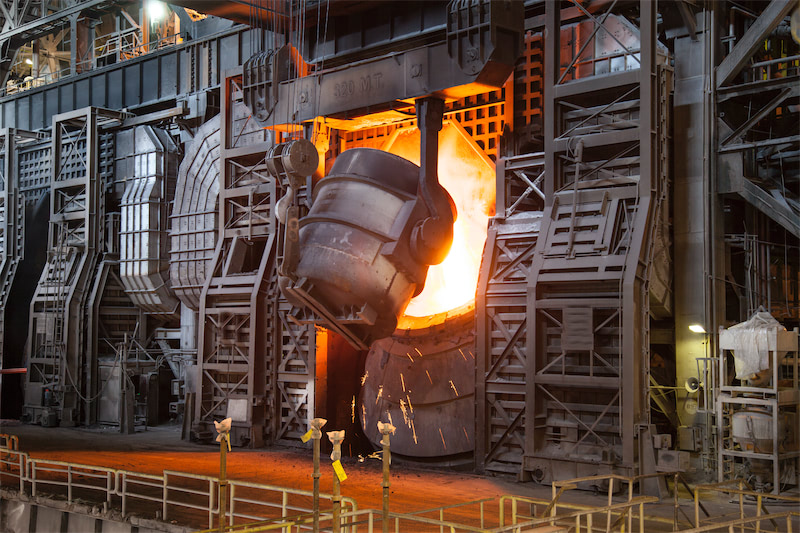
【SMM Analysis】India Steel Market 2026: Demand-Led Growth Reshapes Trade Flows and Market Balance
India’s steel market in 2026 is expected to remain balanced, with demand slightly outpacing supply. Domestic consumption will absorb most output, while imports decline overall and exports increase modestly as a balancing mechanism. Supported by strong growth and infrastructure investment, India is transitioning toward a demand-led steel market with solid long-term potential.
Mar 30, 2026 15:19
[SMM Analysis] Overseas Stainless Steel Market Overview: Overseas Policy Resonance and Cost Drivers
Indonesia's new nickel tariffs and Europe's CBAM have sharply raised overseas stainless steel costs, driving Asian mills to hike prices. Downstream demand remains mixed: Japan and South Korea are resilient, while the Taiwan, China region faces pressure. Wary of rapid price spikes, buyers are limiting purchases to rigid demand. The market will remain cautious until tariff details and actual demand are validated.
Mar 30, 2026 15:04
Pullback as an Opportunity: Analysts Raise Gold Forecast to $6,300!
Gold has lost significant ground in recent weeks, but for Wells Fargo, this apparently changes little in the long-term picture. The US bank has reaffirmed its positive outlook for the precious metal and significantly raised its price target for the current year.
Apr 1, 2026 11:10
Latest News
![[SMM Analysis] Stainless Steel Social Inventory Saw a Slight Buildup, While High Supply Coupled with Cautious Downstream Demand Constrained Destocking](https://imgqn.smm.cn/usercenter/bFzkj20251217171724.jpg)
[SMM Analysis] Stainless Steel Social Inventory Saw a Slight Buildup, While High Supply Coupled with Cautious Downstream Demand Constrained Destocking
Common.Time.hoursAgo
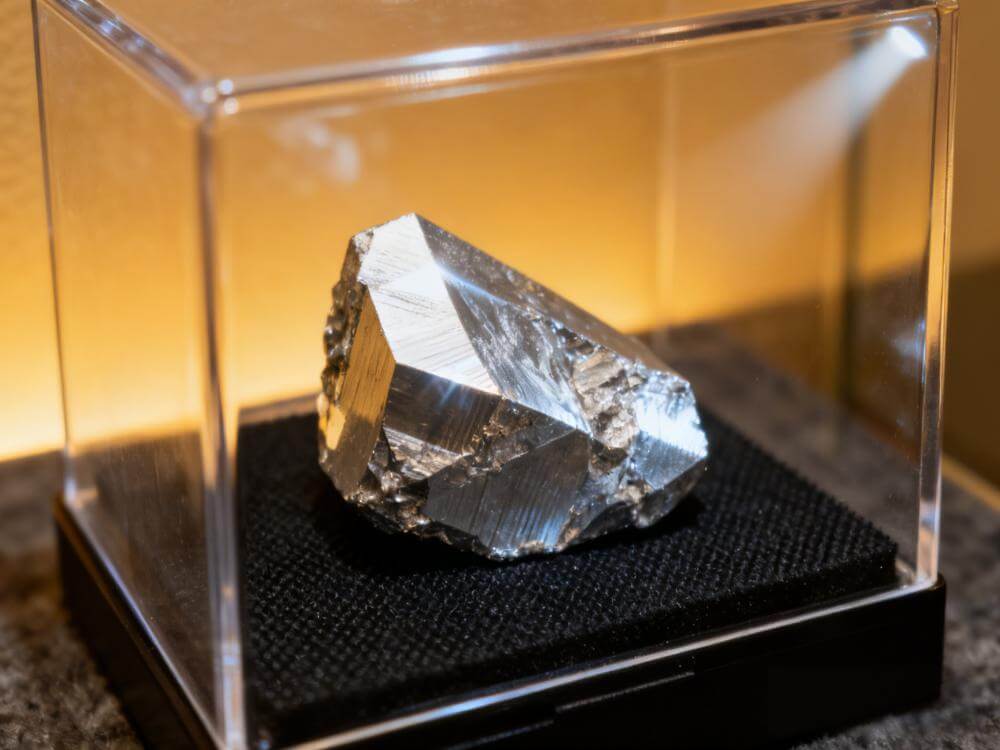
Xinghe Molybdenum Has Abundant Resources and Will Commence Construction in H2 2026
Common.Time.hoursAgo
Angang Steel's April ferromolybdenum tender price was 282,800/mt
Common.Time.hoursAgo
European Tungsten Prices Rise as Supply Tightens Ahead of Easter Holidays
[SMM Tungsten Express] As of April 2, European tungsten raw material and scrap prices continued to rise. According to SMM data, APT CIF Rotterdam is quoted at $3,100-3,200/mtu, averaging $3,150/mtu, up $350 from last week. European scrap carbide blades are at €135-145/kg, averaging €140/kg, up €10 from last week; scrap drill tips at €145/kg. Trading activity was light ahead of the Easter holidays, but tight feedstock supply continues to support expectations of further price increases.
Apr 2, 2026 18:59
Tight Supply and Recovering Demand Drove Magnesium Prices to Rise Steadily This Week, Breaking Above 17,500 [SMM Magnesium Weekly Review]
[SMM Magnesium Weekly Review: Tight Supply and Recovering Demand Drove Magnesium Prices Steadily Higher This Week, Breaking 17,500] This week, China's magnesium industry chain as a whole held up well. On the raw material side, the dolomite market remained stable. Part of the suspended output in core production areas was supplemented by supply from surrounding regions, while stable operating rates at downstream primary magnesium smelting plants supported demand and the supply-demand balance. Affected by rising crude oil prices, subsequent delivered prices may rise slightly. The magnesium ingot market stayed firm, and both production and sales in major producing areas were strong. Geopolitical disruptions pushed up energy expectations, prompting producers to hold back sales and tightening supply. Rigid downstream demand, export order lock-ins, and a boost from industry conferences jointly drove magnesium prices higher. Offshore quotations were adjusted in line with ex-factory prices, and although bidding-based shipment prices were low at the beginning of the week, they rebounded later, while new orders declined. Magnesium powder remained firm, supported by higher magnesium ingot prices, while increased operating rates at magnesium plants ensured supply and both domestic and overseas demand recovered. The magnesium alloy market also stayed strong, with stable operating rates at top-tier enterprises, new capacity coming on stream, and downstream end-use demand being released, supported by ample orders and a supply-demand balance.
Apr 2, 2026 16:57
LB Group's Jiaozuo Vanadium Project Starts, Aims for 1.767B Yuan Annual Revenue
[SMM Titanium Express] LB Group's Jiaozuo Sc-V New Materials Industrial Park Phase I project has commenced production, with annual capacity of 2,500 tonnes of high-purity V₂O₅ and 20,000 m³ of vanadium electrolyte. Total investment is 1.08 billion yuan across three phases. Full completion is expected to generate 1.767 billion yuan in annual revenue. Leveraging its vanadium-titanium magnetite and TiO₂ by-product resources, LB Group is accelerating its vanadium electrolyte value chain.
Apr 2, 2026 15:57
In 2026, Heilongjiang Province's First Batch of Tungsten Ore Quotas, 100 mt, Were All Allocated to Jianlong Mining
According to a public notice issued by the Heilongjiang Provincial Department of Natural Resources on March 30, 2026, the first batch of total tungsten ore mining quota control indicators for Heilongjiang Province in 2026 amounted to 100 mt, all of which were allocated to Shuangyashan Jianlong Mining Co., Ltd. (Yangbishan Iron Mine of Shuangyashan Jianlong Mining Co., Ltd.), at 100 mt. The first batch of local mining quota in 2025 was 0.
Apr 2, 2026 15:56
CITIC Titanium Raises TiO₂ Prices Again, Marking Industry's Third Consecutive Increase This Month
[SMM Titanium Express] CITIC Titanium announced a price increase effective April 1, raising selected CR series chloride-process TiO₂ prices by RMB 1,000/ton for domestic market and USD 200/ton for overseas market. This marks the company's second hike within a month and extends the industry's "three consecutive increases" in March, signaling the full deepening of the current price upcycle.
Apr 2, 2026 15:47
Latrobe Magnesium Secures Funding for Commercial Plant via U.S. Distributor Prepayment
[SMM Magnesium Express] Latrobe Magnesium secured a non-dilutive prepayment from U.S. distributor Metal Exchange to advance commissioning of its commercial magnesium plant. The Latrobe Valley facility uses brown coal fly ash as feedstock to produce magnesium ingots and cementitious by-products. The funding signals growing commercial backing for ash-to-magnesium processing, offering an offtake-backed prepayment model for similar projects.
Apr 2, 2026 15:08
China's Sodium Pyroantimonate Output Rises 23% in March 2026, Indicating Peak Demand Season
According to SMM estimates, the production of first-grade sodium pyroantimonate in China in March 2026 will increase by approximately 23% compared to the previous month. This significant rise has led many market participants to speculate whether the peak demand season is gradually approaching as the second quarter begins.
Apr 2, 2026 09:04
China's Refined Bismuth Production to Surge 40% in March 2026
Apr 2, 2026 09:01
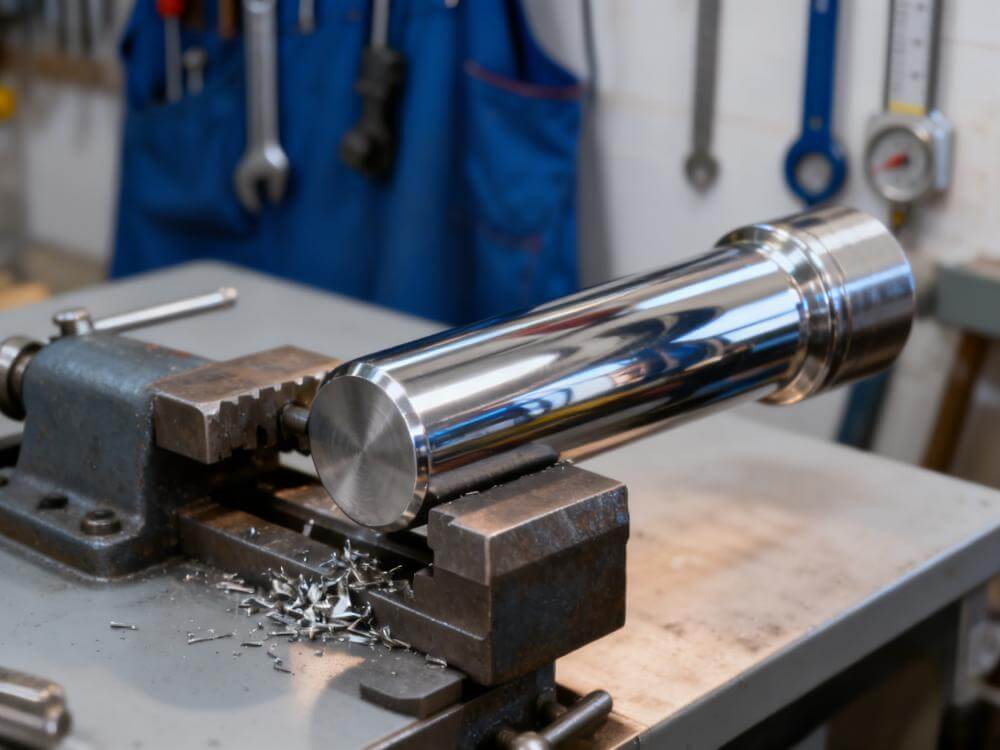
China's Antimony Ingot Production to Surge 78% in March 2026
Apr 2, 2026 08:59
![[SMM Analysis] Manganese-based Battery Materials Market Analysis:Cost-driven Divergence with Demand Recovery Ahead](https://imgqn.smm.cn/usercenter/uSadJ20251217171723.jpeg)
[SMM Analysis] Manganese-based Battery Materials Market Analysis:Cost-driven Divergence with Demand Recovery Ahead
Mar 31, 2026 19:33
【SMM Analysis】High Costs Worsen Loss Risks, Limited Demand Release Keeps Ferrochrome Stable
As of March 31, faced with upward cost pressure from high chromium ore prices, most ferrochrome producers have planned maintenance and output cuts recently. The supply-demand relationship of ferrochrome is expected to gradually adjust to a tight balance in the outlook.
Mar 31, 2026 17:12
[SMM Analysis] What Drove Global Tungsten Markets in March? Offshore Prices Up 30%, China Enters Consolidation
In March, European APT prices surged 30%, driven by persistent supply shortages, widening the price gap with China to over $400/mtu. Tungsten scrap markets saw panic selling mid-month but stabilized toward month-end. China entered a consolidation phase as mining quota were released, yet strong fundamentals point to renewed upside ahead.
Mar 30, 2026 15:23
Shandong Humon Launches Open Bid for 33 Tons of Electronic-Grade Sodium Antimonate, Pickup by April 20, 2026
SMM, March 30: SMM learned that Shandong Humon will launch an open bid sale for its electronic-grade sodium antimonate, effective today. The quantity is 33 metric tons (subject to the seller's actual quantity), with dobie packaging. The delivery method is buyer pickup, with freight borne by the buyer. Transportation must comply with national regulations using fully licensed hazardous chemical vehicles. The buyer must pick up the goods before April 20, 2026, at the delivery location of Shandong Humon Smelting Co., Ltd.
Mar 30, 2026 13:59
[Live] 2026 Panoramic Outlook for the Magnesium Industry, Reshaping the Value of Magnesium from a Global Perspective, Sharing Frontier Technologies in Magnesium Alloys
►New Advances in Magnesium Materials and Processes
►Development and Application of New-Type Low-Cost, High-Strength, Corrosion-Resistant Magnesium Alloys
►Stainless Magnesium Technology: R&D Progress from Alloy Materials to Semi-Solid Processes, R&D and Application of Stainless Magnesium Alloys
►Hefei • Great “Magnesium” Chaohu — Building a First-Class Magnesium Industry Ecosystem in China
►R&D Progress and Current Industrialisation Status of Magnesium-Based Materials and Products at Baowu Magnesium
►Haitian Magnesium Alloy Injection Molding Technology and Market Outlook
►Magnesium from an International Perspective: The Transformation from a Cost-Driven Bulk Commodity to a Strategic Engineering Material
►: Focusing on the New Cycle of Supply and Demand for Magnesium Metal and Downstream Applications — Outlook for the Magnesium Market in 2026
Mar 30, 2026 13:43
Titanium Dioxide Prices Rose Strongly, Titanium Ore Came Under Pressure and Pulled Back, with Cost Support and Inventory Dynamics Dominating the Market [SMM Titanium Spot Flash Report]
[SMM Titanium Spot Flash: Titanium Dioxide Prices Surged Strongly, Titanium Concentrate Came Under Pressure and Pulled Back, with Cost Support and Inventory Dynamics Dominating the Market] This week, prices in China’s titanium dioxide market continued to rise, with anatase and rutile grades raised by 400 yuan/mt and 150 yuan/mt, respectively. Multiple enterprises withheld sales after closing orders, and bullish sentiment remained strong in the market. Sulphuric acid prices continued to climb, with the SMM smelting acid index reaching 1,235.5 yuan/mt, providing strong cost support. Meanwhile, titanium concentrate prices dropped back slightly, as elevated inventory in the Panxi region, combined with titanium dioxide enterprises pushing for lower prices, led ore prices for 46% and 47% grades to be cut by 50 yuan/mt, respectively. Overall, titanium dioxide remained firm on cost support, while titanium concentrate was constrained by inventory and price-cut pressure, leaving the market in a diverging trend.
Mar 30, 2026 11:14
【SMM Analysis】Port Inventories Surge to Highs, Chromite Prices See Divergent Adjustments
In the spot market, high-priced long-term contracted cargoes arrived at ports in the early stage with high cargo receiving costs. Domestic traders showed a strong willingness to prop up prices, driving continuous hikes in chromite quotations. However, downstream demand remained sluggish. Coupled with persistently high shipments and a notable inventory build-up, selling pressure intensified, slowing the upward momentum of spot chromite prices.
Mar 30, 2026 10:42
Multiple Bearish Factors Stall the Uptrend; Short-Term Correction in the Tantalum Market, with Solid Medium and Long-Term Support [SMM Analysis]
[Multiple Bearish Factors Stall the Uptrend; China’s Tantalum Market Undergoes Short-Term Adjustment While Medium and Long-Term Support Remains Solid] Recently, the sustained upward momentum in China’s tantalum products market came to a halt, with the overall market entering a phase of temporary consolidation and adjustment. Upward momentum slowed markedly in the short term, mainly due to three core factors: the transmission of macro sentiment, changes in circulating supply, and weakening raw material costs.
Mar 29, 2026 13:36
![[SMM Analysis] What Drove Global Tungsten Markets in March? Offshore Prices Up 30%, China Enters Consolidation](https://imgqn.smm.cn/usercenter/eGQFu20251217171723.jpeg)
[SMM Analysis] What Drove Global Tungsten Markets in March? Offshore Prices Up 30%, China Enters Consolidation
In March, European APT prices surged 30%, driven by persistent supply shortages, widening the price gap with China to over $400/mtu. Tungsten scrap markets saw panic selling mid-month but stabilized toward month-end. China entered a consolidation phase as mining quota were released, yet strong fundamentals point to renewed upside ahead.
Mar 30, 2026 15:23

Korea’s Battery Industry Shifts from Product Competition to Supply Chain Competition
Mar 31, 2026 19:58

【SMM Analysis】 EV Sales Are No Longer the Sole Anchor of Power Battery Demand
Mar 30, 2026 18:05
Historically Low TCs Threaten Chinese Copper Smelters’ Survival – Sulfuric Acid & Geopolitics Emerge as Key Variables
Mar 30, 2026 12:20
【SMM Analysis】India Steel Market 2026: Demand-Led Growth Reshapes Trade Flows and Market Balance
Mar 30, 2026 15:19
![[SMM Analysis] Overseas Stainless Steel Market Overview: Overseas Policy Resonance and Cost Drivers](https://imgqn.smm.cn/usercenter/VstiG20251217171732.jpeg)
[SMM Analysis] Overseas Stainless Steel Market Overview: Overseas Policy Resonance and Cost Drivers
Mar 30, 2026 15:04

Pullback as an Opportunity: Analysts Raise Gold Forecast to $6,300!
Apr 1, 2026 11:10
Latest News
[SMM Analysis] Stainless Steel Social Inventory Saw a Slight Buildup, While High Supply Coupled with Cautious Downstream Demand Constrained Destocking
Common.Time.hoursAgo
Xinghe Molybdenum Has Abundant Resources and Will Commence Construction in H2 2026
Common.Time.hoursAgo
Angang Steel's April ferromolybdenum tender price was 282,800/mt
Common.Time.hoursAgo
European Tungsten Prices Rise as Supply Tightens Ahead of Easter Holidays
Apr 2, 2026 18:59
Tight Supply and Recovering Demand Drove Magnesium Prices to Rise Steadily This Week, Breaking Above 17,500 [SMM Magnesium Weekly Review]
Apr 2, 2026 16:57
LB Group's Jiaozuo Vanadium Project Starts, Aims for 1.767B Yuan Annual Revenue
Apr 2, 2026 15:57
In 2026, Heilongjiang Province's First Batch of Tungsten Ore Quotas, 100 mt, Were All Allocated to Jianlong Mining
Apr 2, 2026 15:56
CITIC Titanium Raises TiO₂ Prices Again, Marking Industry's Third Consecutive Increase This Month
Apr 2, 2026 15:47
Latrobe Magnesium Secures Funding for Commercial Plant via U.S. Distributor Prepayment
Apr 2, 2026 15:08
China's Sodium Pyroantimonate Output Rises 23% in March 2026, Indicating Peak Demand Season
Apr 2, 2026 09:04
China's Refined Bismuth Production to Surge 40% in March 2026
Apr 2, 2026 09:01
China's Antimony Ingot Production to Surge 78% in March 2026
Apr 2, 2026 08:59
[SMM Analysis] Manganese-based Battery Materials Market Analysis:Cost-driven Divergence with Demand Recovery Ahead
Mar 31, 2026 19:33
【SMM Analysis】High Costs Worsen Loss Risks, Limited Demand Release Keeps Ferrochrome Stable
Mar 31, 2026 17:12
[SMM Analysis] What Drove Global Tungsten Markets in March? Offshore Prices Up 30%, China Enters Consolidation
Mar 30, 2026 15:23
Shandong Humon Launches Open Bid for 33 Tons of Electronic-Grade Sodium Antimonate, Pickup by April 20, 2026
Mar 30, 2026 13:59
[Live] 2026 Panoramic Outlook for the Magnesium Industry, Reshaping the Value of Magnesium from a Global Perspective, Sharing Frontier Technologies in Magnesium Alloys
Mar 30, 2026 13:43
Titanium Dioxide Prices Rose Strongly, Titanium Ore Came Under Pressure and Pulled Back, with Cost Support and Inventory Dynamics Dominating the Market [SMM Titanium Spot Flash Report]
Mar 30, 2026 11:14
【SMM Analysis】Port Inventories Surge to Highs, Chromite Prices See Divergent Adjustments
Mar 30, 2026 10:42
Multiple Bearish Factors Stall the Uptrend; Short-Term Correction in the Tantalum Market, with Solid Medium and Long-Term Support [SMM Analysis]
Mar 29, 2026 13:36