Germany passes law to curb PV generation surpluses and negative pricing

Published: Feb 21, 2025 18:14
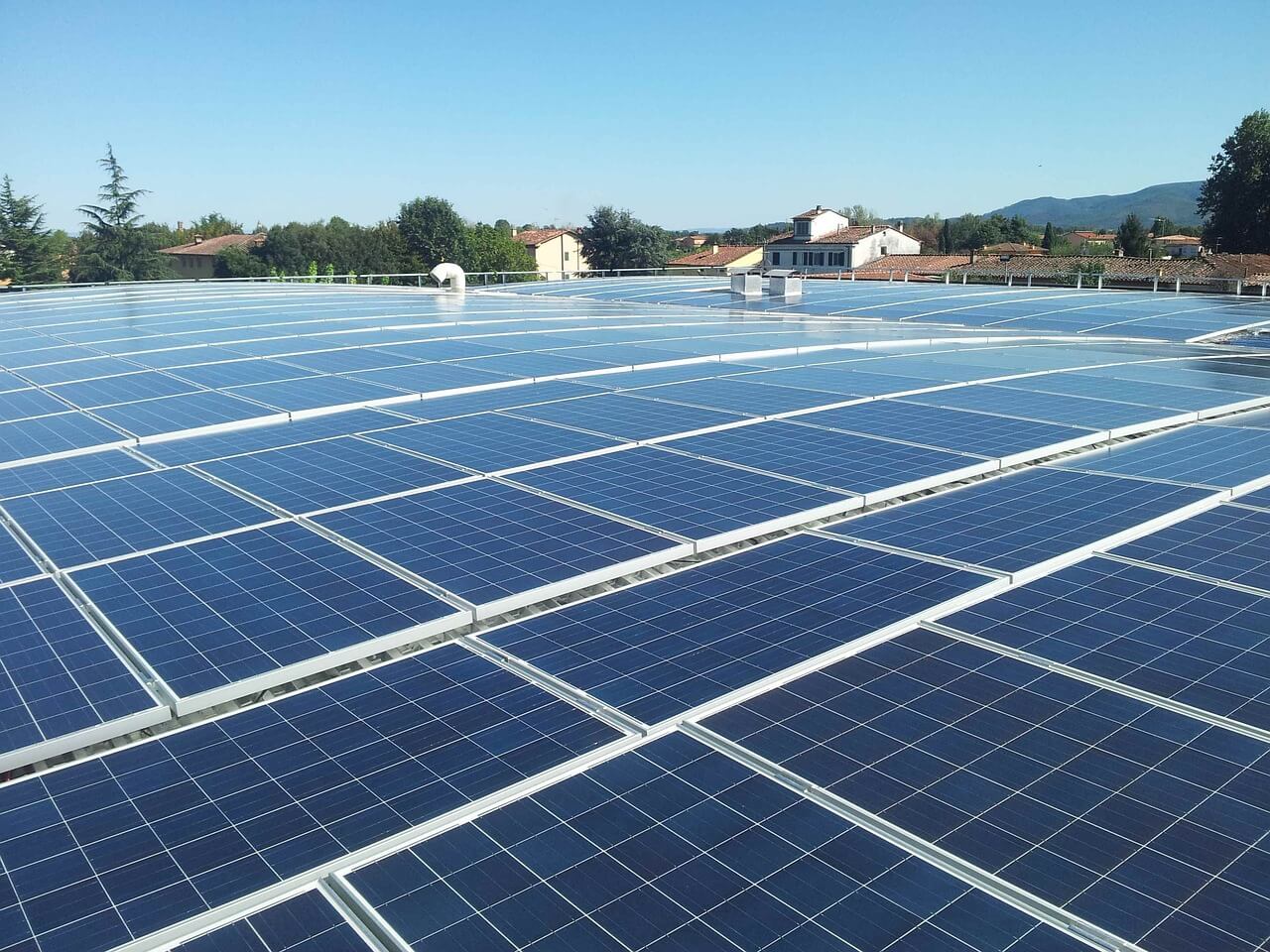
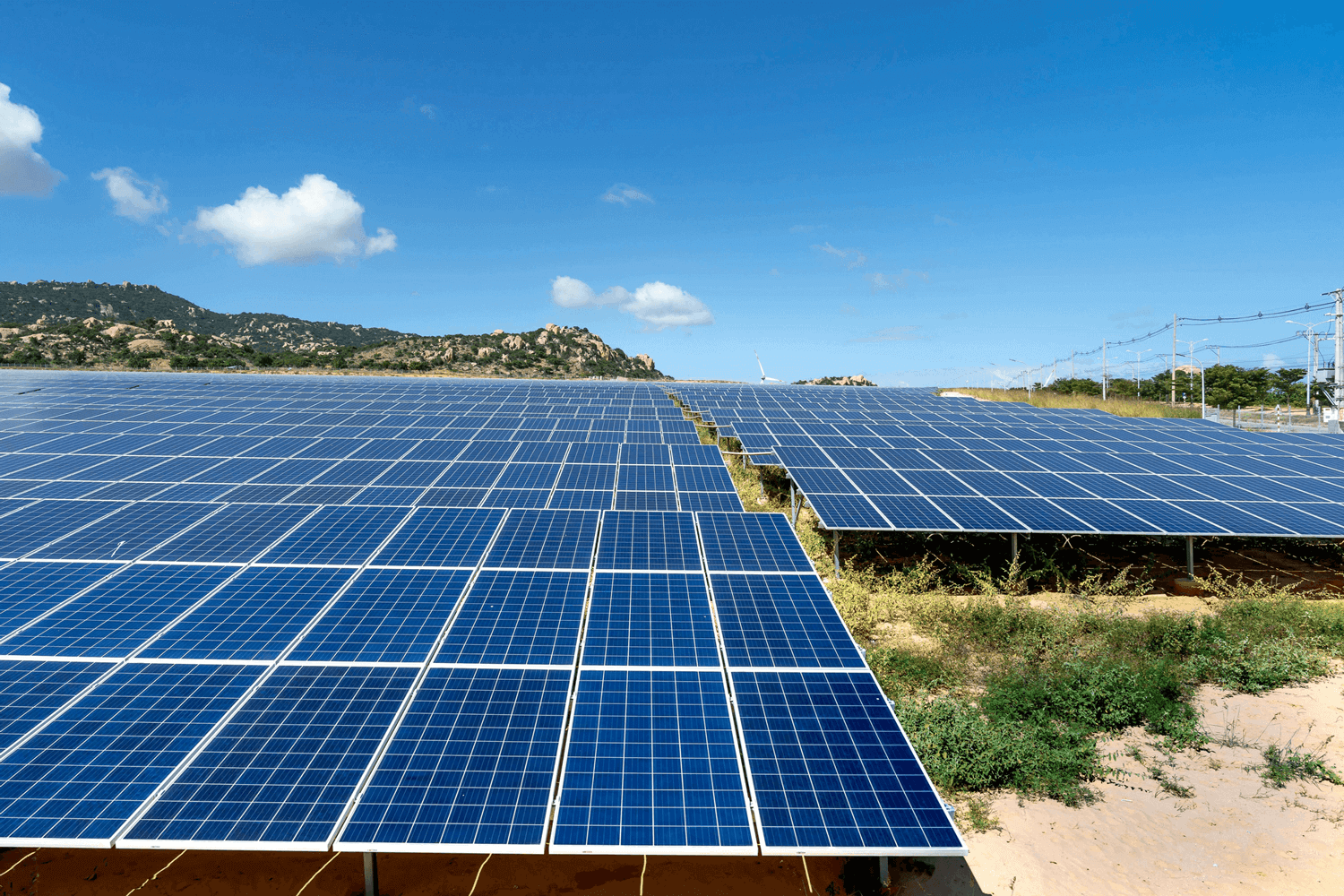
Germany is poised to introduce new rules aimed at removing electricity peaks and negative pricing associated with excessive generation of solar power at certain times of day. The German parliament has approved the “solar peak” legislation that will remove feed-in tariff compensation at times of negative pricing, which occurs when PV systems generate more electricity than is consumed.

Germany is poised to introduce new rules aimed at removing electricity peaks and negative pricing associated with excessive generation of solar power at certain times of day. The German parliament has approved the “solar peak” legislation that will remove feed-in tariff compensation at times of negative pricing, which occurs when PV systems generate more electricity than is consumed.

According to official figures, PV accounted for around 15% of public net electricity generation in Germany. The growing penetration of solar power has led to an increase in negative pricing. In 2024, 457 hours of negative pricing were recorded, the majority coinciding with PV generation hours. Until now, under Germany’s EEG renewables act, PV system owners have still been compensated during times of negative pricing, receiving a guaranteed feed-in tariff of €8.03 cents/kWh (US$8.41 cents/kWh) and, since February, €7.94 cents/kWh for plants up to 10kWp. But under the law, which could come into force at the beginning of March, operators of new PV installations will no longer be compensated during times of negative pricing. Systems that go online after the time of the legislation coming into force will also only be able to feed-in a maximum of 60% of the power they generated unless fitted with a smart meter.

The aim of the new rules is to avoid temporary production surpluses and negative pricing by encouraging system owners to feed in or use PV-generated electricity in ways that benefit the grid.
Data Source Statement: Except for publicly available information, all other data are processed by SMM based on publicly available information, market communication, and relying on SMM‘s internal database model. They are for reference only and do not constitute decision-making recommendations.

For any inquiries or to learn more information, please contact: lemonzhao@smm.cn
For more information on how to access our research reports, please contact:service.en@smm.cn
Related News
In January, national passenger car producers' new energy wholesale estimates reached 900,000 units, up 1% YoY.
16 hours ago
In January, national passenger car producers' new energy wholesale estimates reached 900,000 units, up 1% YoY.
Read More
In January, national passenger car producers' new energy wholesale estimates reached 900,000 units, up 1% YoY.
According to the latest data from the Passenger Car Association, in December 2025, producers with new energy wholesale sales exceeding 10,000 units accounted for 93% of the total wholesale sales of passenger NEVs that month. Based on preliminary January data, these producers achieved sales of 830,000 units in January. As most producers have already locked in their major sales figures, by applying the structural proportion from the previous month to the current month's data, the estimated wholesale sales of passenger NEVs nationwide in January were 900,000 units. According to comprehensive preliminary monthly association data: the estimated wholesale sales of NEVs by national passenger car producers in January 2026 were 900,000 units, up 1% YoY.
16 hours ago
CAAM: In 2025, 476,000 complete vehicles were imported, down 32.4% YoY.
16 hours ago
CAAM: In 2025, 476,000 complete vehicles were imported, down 32.4% YoY.
Read More
CAAM: In 2025, 476,000 complete vehicles were imported, down 32.4% YoY.
据中国汽车工业协会整理的海关总署数据显示,2025年12月,汽车整车进口3.0万辆,环比下降30.4%,同比下降56.1%;进口金额14.7亿美元,环比下降23.6%,同比下降52.5%。2025年,汽车整车进口47.6万辆,同比下降32.4%;进口金额236.4亿美元,同比下降39.7%。
16 hours ago
Canada Announces New EV Strategy, to Collaborate with China
16 hours ago
Canada Announces New EV Strategy, to Collaborate with China
Read More
Canada Announces New EV Strategy, to Collaborate with China
According to CCTV News, on February 5, Canadian Prime Minister Mark Carney announced a new electric vehicle strategy, including the reinstatement of car purchase subsidies, and stated that Canada will cooperate with China to promote the local production and export of EVs in Canada. According to a statement released by the Prime Minister's Office of Canada, the country will make full use of existing and newly established trade agreements, including a recently reached EV cooperation agreement with China, to facilitate large-scale investment in this sector, diversify Canada’s automotive export markets, and position Canada as one of the global leaders in the electric vehicle industry.
16 hours ago