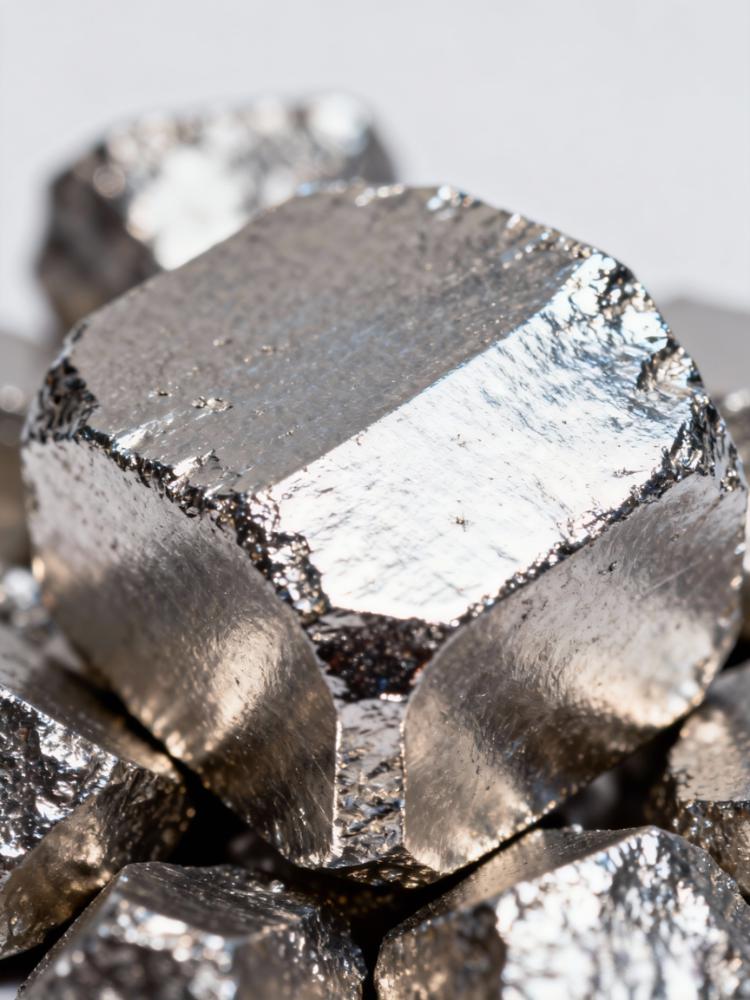
The weekly average price of SMM 8-12% high-grade NPI was 986.9 yuan/mtu (ex-factory, tax included), down 13 yuan/mtu WoW. The Indonesian NPI FOB index decreased by $1.7/mtu WoW. NPI prices continued to fluctuate downward this week.
Supply side, domestically, the economics of externally purchased NPI are currently better than self-produced, leading many companies to opt for external purchases. Integrated steel mills have low production due to cost pressures. In September, traditional smelters maintained stable operations, with some even increasing production, keeping overall output stable. However, this stability in supply has not effectively supported prices. In Indonesia, new capacity is gradually increasing, with new approvals for RKAB expected within the month. The tight supply of internal laterite nickel ore shows signs of easing, and NPI production in Indonesia is expected to continue increasing in September. These factors combined lead to a relatively ample supply expectation for NPI.
Demand side, although September is traditionally a peak season for stainless steel production, output remains high. However, due to the recent economic advantage of stainless steel scrap over NPI, stainless steel mills are gradually increasing the use of scrap, weakening demand for NPI. The market only sees small restocking at low prices, with overall demand remaining weak. This further exacerbates the weakness in the NPI market, with the market focus continuing to shift downward.
In summary, downstream demand for NPI is weak, burdened by the negative feedback from stainless steel profit losses and the economic advantage of stainless steel scrap. In the short term, NPI prices are likely to continue fluctuating downward. Meanwhile, the average discount of high-grade NPI to refined nickel was 236.3 yuan/mtu, narrowing by 24.3 yuan/mtu WoW. High-grade NPI prices fluctuated downward, while stainless steel futures fell to recent lows, with downstream profit losses negatively impacting raw materials, leading to recent lows in market transaction prices.
At the same time, for refined nickel, SHFE nickel futures experienced a deep drop followed by a fluctuating rebound, mainly due to the expected new approvals for Indonesian RKAB nickel ore, which pressured refined nickel prices. However, the US August CPI YoY rose 2.5%, with core MoM unexpectedly rising to 0.3%, the largest increase in four months, cooling expectations of a 50 basis point rate cut by the US Fed, benefiting the base metals market and driving a rebound in nickel prices. The discount between high-grade NPI and refined nickel first narrowed and then widened again. In the short term, high-grade NPI prices will continue to fluctuate downward, but the downside is limited due to cost support. Nickel prices may continue to rebound under the influence of positive US macroeconomic expectations, and the price spread between high-grade NPI and refined nickel is expected to widen further next week.
Overall, the NPI market remains weak under the combined influence of supply and demand, but changes in the stainless steel market and global macroeconomic conditions will continue to have a dual impact on prices, potentially increasing volatility. Further attention to the release of new capacity in Indonesia and changes in domestic and international macroeconomic indicators will help to gain a more comprehensive understanding of market trends.
The NPI market prices continue to weaken, and the supply-demand balance faces challenges
The weekly average price of high-grade NPI fell by 13 yuan/mtu to 986.9 yuan/mtu, while the Indonesian NPI FOB index decreased by $1.7/mtu. Domestic companies prefer externally purchased NPI over self-produced due to better economics, while Indonesian NPI production is expected to increase due to new capacity and approvals. Despite the traditional peak season for stainless steel, demand for NPI is weak as mills prefer stainless steel scrap. This leads to further downward pressure on NPI prices. High-grade NPI's discount to refined nickel narrowed, but fluctuations in nickel prices due to US macroeconomic factors may cause it to widen again. Overall, the NPI market remains weak with potential increased volatility influenced by stainless steel demand and global economic conditions.
데이터 출처 설명: 공개 정보를 제외한 모든 데이터는 SMM이 공개 정보, 시장 커뮤니케이션 및 SMM 내부 데이터베이스 모델을 기반으로 가공한 것입니다. 본 자료는 참고용이며 의사결정 권고를 구성하지 않습니다.
문의 사항이 있거나 자세한 정보를 원하시면 아래로 연락해 주시기 바랍니다: lemonzhao@smm.cn
리서치 보고서 열람 방법에 대한 자세한 내용은 아래로 문의하시기 바랍니다:service.en@smm.cn
관련 뉴스
![[SMM 분석] 인도네시아 감산과 명절 전 관망세로 NPI 가격 하락 둔화](https://imgqn.smm.cn/usercenter/Btmsv20251217171733.jpg)
12시간 전
[SMM 분석] 인도네시아 감산과 명절 전 관망세로 NPI 가격 하락 둔화
더 보기
[SMM 분석] 인도네시아 감산과 명절 전 관망세로 NPI 가격 하락 둔화
인도네시아의 감산으로 NPI 가격 하락세는 둔화되었으나, 항만 재고 증가와 스테인리스 수요 부진으로 매수세는 신중한 모습을 유지했다. 정련 니켈 대비 NPI 할인 폭이 확대되면서 고급 매트 전환의 경제성은 소폭 개선되었지만, NPI 직접 판매가 여전히 더 높은 수익성을 보였다.
12시간 전
![[SMM 분석] 하류 수요 개선 없이 니켈 중간재 가격 엇갈려](https://imgqn.smm.cn/usercenter/OjGlE20251217171734.jpg)
12시간 전
[SMM 분석] 하류 수요 개선 없이 니켈 중간재 가격 엇갈려
더 보기
[SMM 분석] 하류 수요 개선 없이 니켈 중간재 가격 엇갈려
MHP 지불 조건은 공급 과잉과 하류 구매 신중으로 약세를 보인 반면, 고순도 니켈 매트 지불 조건은 안정세를 유지했다. 기준 니켈 가격 반등에도 불구하고 MHP의 니켈 및 코발트 성분 가격은 하락했다. 니켈 중간재는 단기적으로 압박을 받을 것으로 예상된다.
12시간 전
![[SMM 분석] 인도네시아 NPI 감산 및 미중 회담 속 니켈 가격 반등 후 견조한 흐름](https://imgqn.smm.cn/usercenter/KFwsY20251217171734.jpg)
12시간 전
[SMM 분석] 인도네시아 NPI 감산 및 미중 회담 속 니켈 가격 반등 후 견조한 흐름
더 보기
[SMM 분석] 인도네시아 NPI 감산 및 미중 회담 속 니켈 가격 반등 후 견조한 흐름
12시간 전