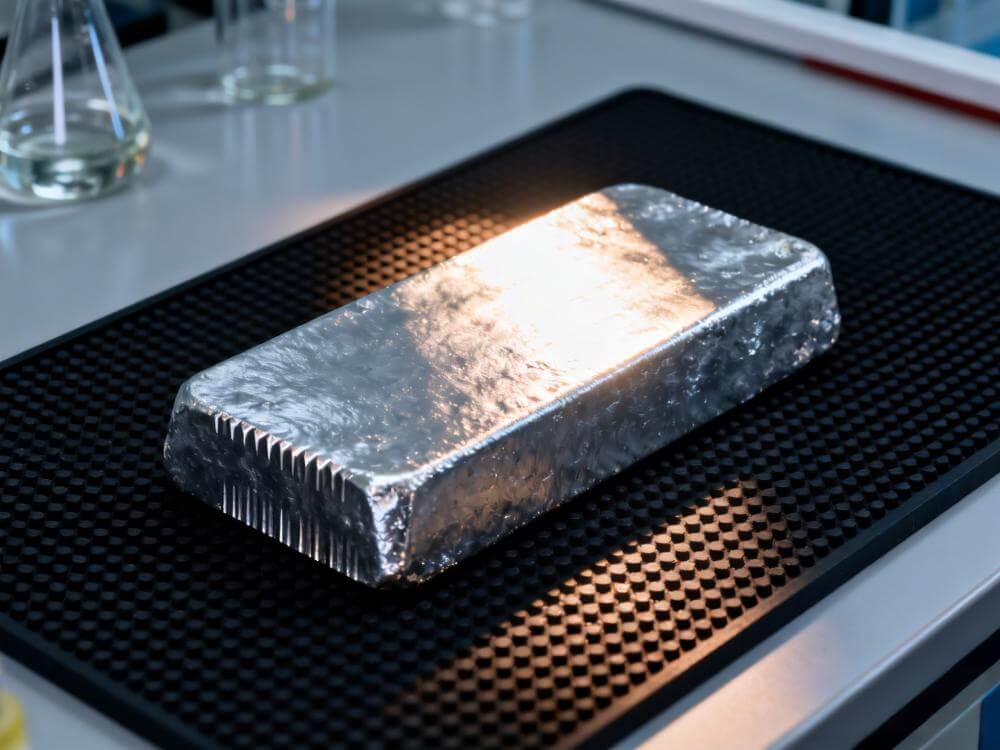
With the overall rise of coal and ferrosilicon raw materials this year, the production cost of magnesium metal has increased by nearly 10,000 yuan. Take the spot price of magnesium ingots in Wenxi area of our country as an example, the price of magnesium has soared from 15700 yuan / ton at the beginning of the year to 30250 yuan / ton today, and the price has increased by 14550 yuan / ton, an increase of nearly 93%! So where does magnesium with such a strong rise come from? What is its use? In this issue, the SMM magnesium horizon will give you a brief introduction to the basic situation of magnesium metal.
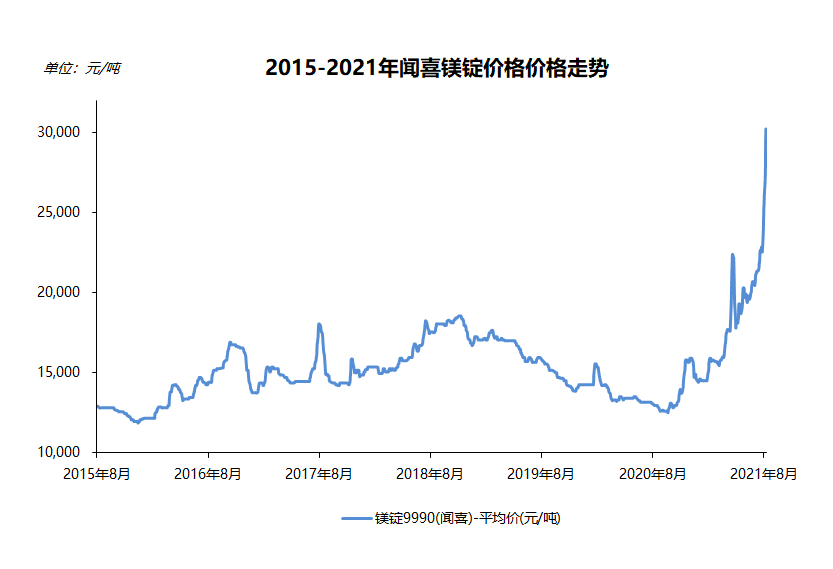
Magnesium is a silver-white, extremely light metal with good ductility. Magnesium is one of the most widely distributed elements in nature.
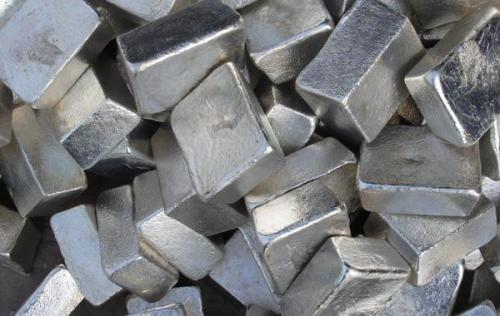
Since it was first discovered by human beings in 1755 and confirmed to be of use value in 1808, the development of global metal magnesium has a history of nearly 300 years. Because of its high chemical activity, magnesium can only exist in the form of compounds in nature, such as sea water, underground brine, salt lake brine, and solid minerals such as magnesite, dolomite, serpentine, talc, brucite and a small amount of other sedimentary ores. Magnesium is inexhaustible.

China is extremely rich in salt lake resources. Magnesium salts in salt lakes in China are mainly distributed in the northern part of the Tibet Autonomous region and the Chaidamu Basin in Qinghai Province. The reserves of magnesium salts in the Qaidam Basin account for 99% of the total magnesium salt identified in the country, ranking first in the country. Magnesium salts in the basin are mainly distributed in Chaerhan, Yiliping, East and West Taijinel Lake, Dalangtan, Kunteyi, Mahai and other salt lakes. Chaerhan, Yiliping, East and West Taijinel Lake are magnesium chloride, and there are magnesium chloride and magnesium sulfate in Dalangtan, Kunteyi, Mahai, Dachaidan and other mining areas, and the reserves of the two types of magnesium are basically the same. among them: magnesium chloride cumulative identified resource reserves of 4.281 billion tons, of which 1.908 billion tons of basic reserves; retained resources reserves of 4.07 billion tons, of which 1.798 billion tons of basic reserves. Magnesium sulfate accumulatively identified resource reserves of 1.722 billion tons, of which the basic reserves are 1.229 billion tons. The battle area of Chaerhan Salt Lake in Qinghai is 5856 square kilometers, and the reserve of magnesium chloride for magnesium smelting is 3.19 billion tons (second only to the Dead Sea), ranking second in the world.
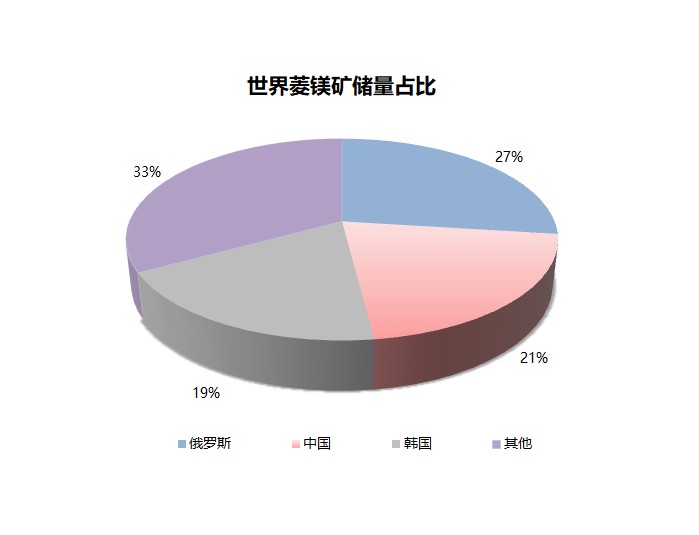
In terms of solid minerals, according to public data, magnesite in the world is mainly distributed in Russia, China and South Korea, which account for 67% of the world's total magnesite.
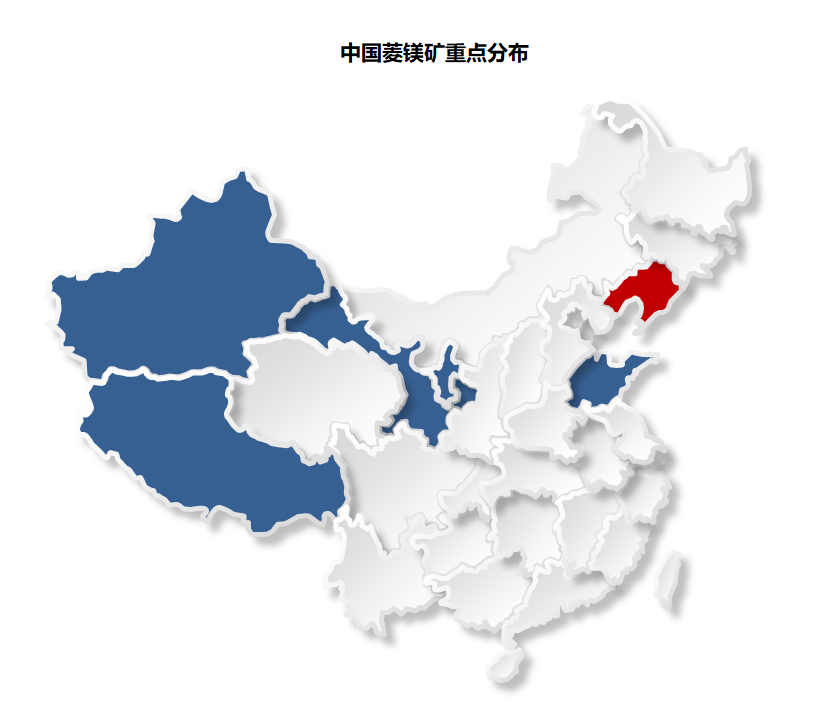
The vast majority of magnesite resources in China are in Liaoning, accounting for 86% of the country's total. In addition, it is also distributed in Shandong, Tibet, Xinjiang and Gansu. Most of China's magnesite is open-pit mining, magnesite is mainly used to produce reburned magnesia as a raw material for refractories, followed by light-burned magnesia for the production of gel materials, and our metal magnesium, almost 100% comes from another raw material-dolomite.
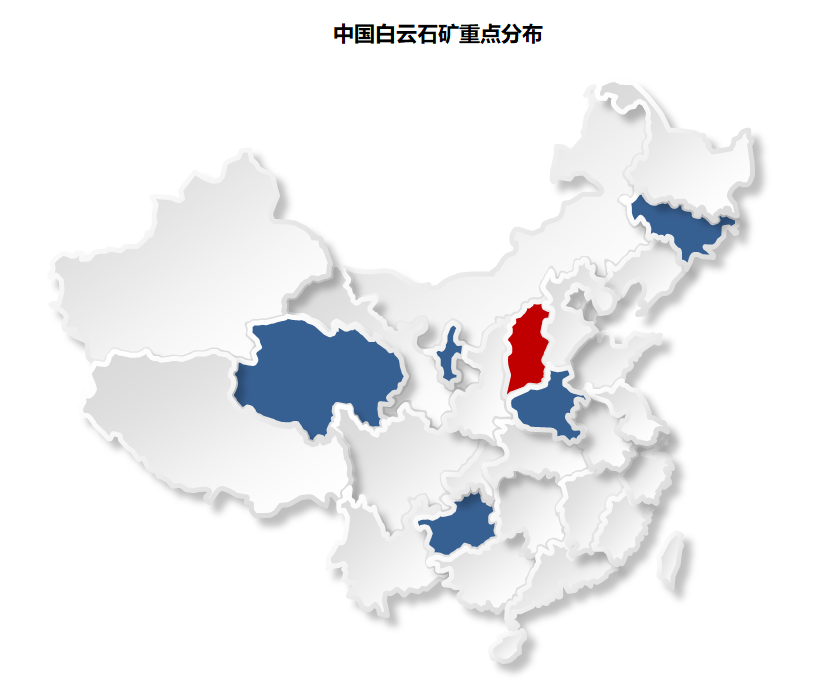
At present, the proven reserves of dolomite in China are more than 4 billion tons, which are mainly distributed in Shanxi, Ningxia, Henan, Jilin, Qinghai, Guizhou and other provinces. Among them, Shanxi dolomite reserves are more concentrated, and the proven reserves are about 450 million tons, accounting for about 11.25% of the country's proven reserves. Through the Pijiang process, magnesium ingots are produced, which is the most important smelting product of magnesium.
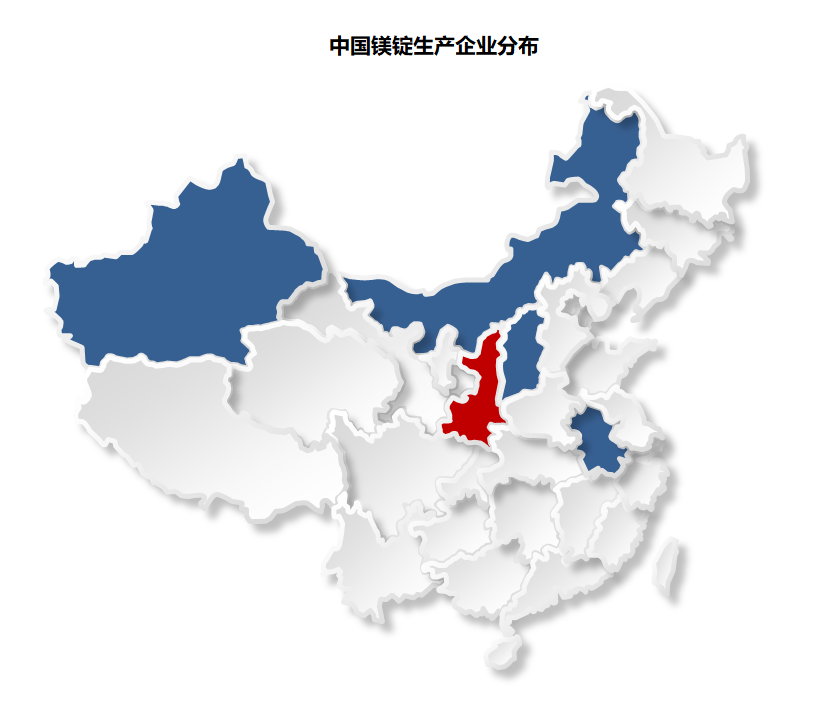
Since 1954, the state approved the introduction of Soviet magnesite chlorination electrolysis technology to build a project with an annual output of 3000 tons in Fushun Aluminum Plant. After nearly 70 years of development, China's magnesium smelting industry has gradually formed an industrial pattern with Shaanxi as the main production base. Because the local magnesium plant in Fugu County, Shaanxi Province creatively uses the gas produced after "low-grade coal pyrolysis at high temperature or medium-low temperature pyrolysis" as fuel to produce metal magnesium, not only gas recovery is realized, fuel costs are greatly saved, but also related circular industrial chains such as raw coal coal pyrolysis, power generation, ferrosilicon and magnesium smelting have been established, making Fugu County of Shaanxi Province an important base for magnesium smelting in China. It is the largest industrial cluster of magnesium smelting enterprises in China and the world, which is evaluated by the industry as "the world magnesium industry is in China, and China's magnesium industry looks at Fugu". At present, there are more than 40 local magnesium ingot production enterprises, and the regional output has always ranked first in the country.
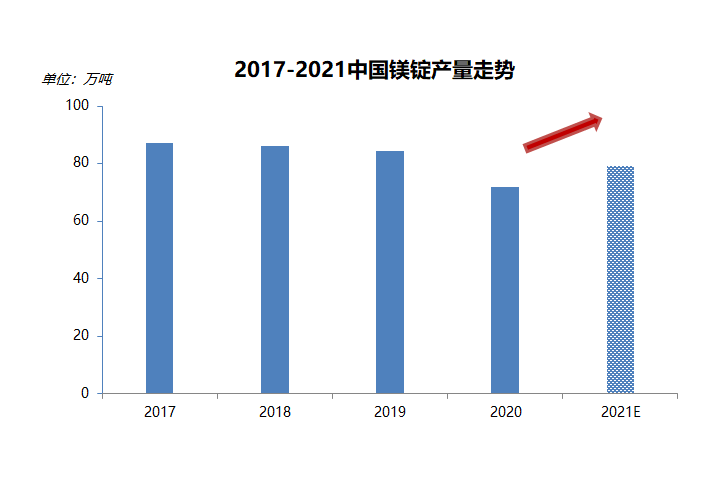
According to SMM, the output of magnesium ingots in China was 720000 tons in 2020, 15% less than the same period last year. Reviewing the changes of output in recent years, we found that the output of magnesium ingots decreased seriously in 2020 due to the epidemic of novel coronavirus last year. On the one hand, at the beginning of the epidemic, domestic traffic was blocked, the procurement of raw materials was difficult, the sale of products was limited, and the production rhythm was disrupted. On the one hand, the overseas epidemic situation has fermented, ports have been closed, foreign trade orders have been cancelled, demand has dropped sharply, and magnesium factories have no choice but to reduce production and insure prices, resulting in an overall decline in production in 2020. Considering the proper control of the domestic epidemic this year, overseas demand has recovered from last year, and magnesium ingot production is expected to return to previous levels this year.
At present, the downstream products of magnesium ingots in China are mainly magnesium alloy, aluminum alloy, sponge titanium reductant and iron and steel desulphurizer. According to the situation in 2020, magnesium alloy consumes the largest amount of magnesium ingots, accounting for 36%. Aluminum alloy consumption accounts for 29%, sponge titanium reductant consumption accounts for 18%, and iron and steel desulphurizer accounts for 10%.
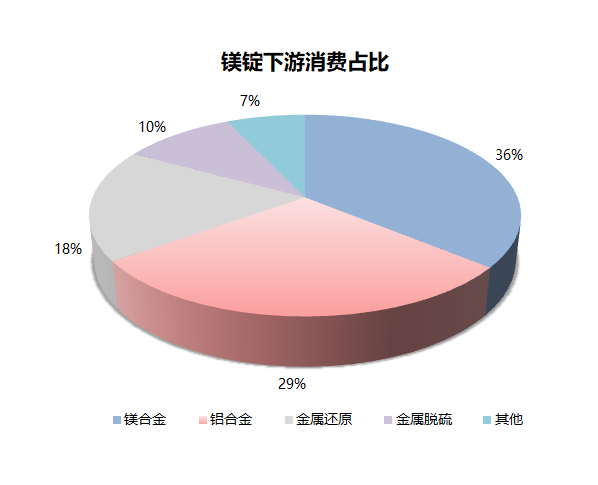
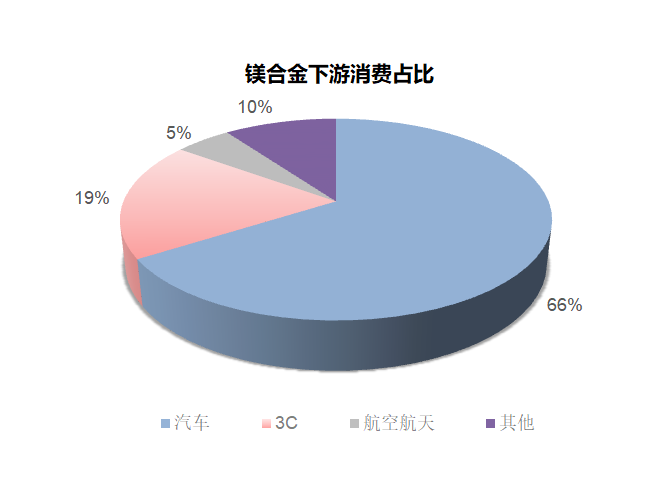
In the application of magnesium alloy, especially in magnesium alloy, magnesium alloy is widely used in automobile, 3C, aerospace and other fields because of its light weight and strong electromagnetic shielding ability. it is an ideal material for the shell of transportation, electronic communication, nuclear power plant and other products.
The data show that 60% of the fuel used in the car is consumed by the self-weight of the car, and for every 100 kg reduction in vehicle mass, the fuel consumption per 100 power can be reduced by 0.7 L. CO2 emissions can be reduced by about 500g; for every 10 per cent reduction in vehicle weight, fuel efficiency can be increased by 6 per cent.
The application of magnesium alloy in automobile mainly replaces cast iron, steel stamping welded structural parts and aluminum alloy castings, mostly in the form of castings, and mainly in die casting. It is roughly divided into two categories: 1 non-load-bearing parts, mainly used in packaging components, no large load-bearing requirements. (2) the load-bearing parts are required to bear a certain load and restrain the fracture. The general AZ91D, of non-load-bearing magnesium alloy parts for automobile mainly includes: transmission box, gearbox, clutch box, motor / AC generator housing, engine shell, intake manifold, oil pan and so on. Load-bearing magnesium alloy parts generally adopt AM60B and AM50B, with high toughness and plasticity, including pedal bracket, steering wheel, beam, seat, fuel tank, brake system, wheel hub and so on.
At present, hundreds of automotive magnesium alloy parts have been developed in the industry, most of which have been put into different models and have been produced on a large scale. If added together, the total quality can reach more than 100kg.
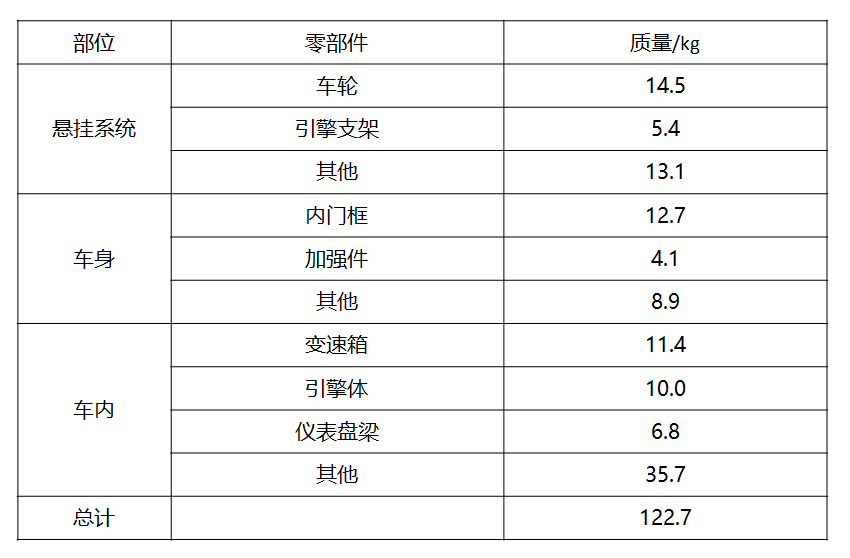
According to the energy saving and new energy vehicle technology roadmap issued by China's Energy Saving and New Energy vehicle Development Strategy Advisory Committee, it is estimated that the amount of magnesium alloy used by new energy vehicles in China will reach 45kg by 2030. On this basis, according to the data of China Automobile Association, according to the data of automobile production and sales in China in 2020, the annual sales volume was 25.311 million, the sales of new energy vehicles were 1.367 million, and the sales of new energy vehicles accounted for 5.4% of the total new car sales. if we want to meet the requirements of the New Energy vehicle Industry Development Plan issued by the General Office of the State Council in 2021, by 2025, The sales volume of new energy vehicles reaches the standard of 20% of the total sales of new cars. In 2025, the demand for magnesium alloy for new energy vehicles in China will be more than 230000 tons. Under the goal of carbon peak and carbon neutralization, the domestic automobile industry has put forward higher requirements for automobile lightweight, and magnesium alloy, as a very excellent lightweight material, will play an increasingly important role in weight loss. I believe there will be a wider application in the future.
![석탄 급등이 마그네슘 시장에 불을 붙였다. 두 달간의 횡보 국면이 마침내 돌파됐으며, 감산과 재고 소진이 다음 랠리를 예고한다 [SMM 분석]](https://imgqn.smm.cn/usercenter/mLwgx20251217171723.jpeg)
![비용 상승으로 마그네슘 가격 급등, 수요 부진으로 반등 지속 어려워 [SMM 마그네슘 주간 리뷰]](https://imgqn.smm.cn/usercenter/rUQIB20251217171723.jpeg)