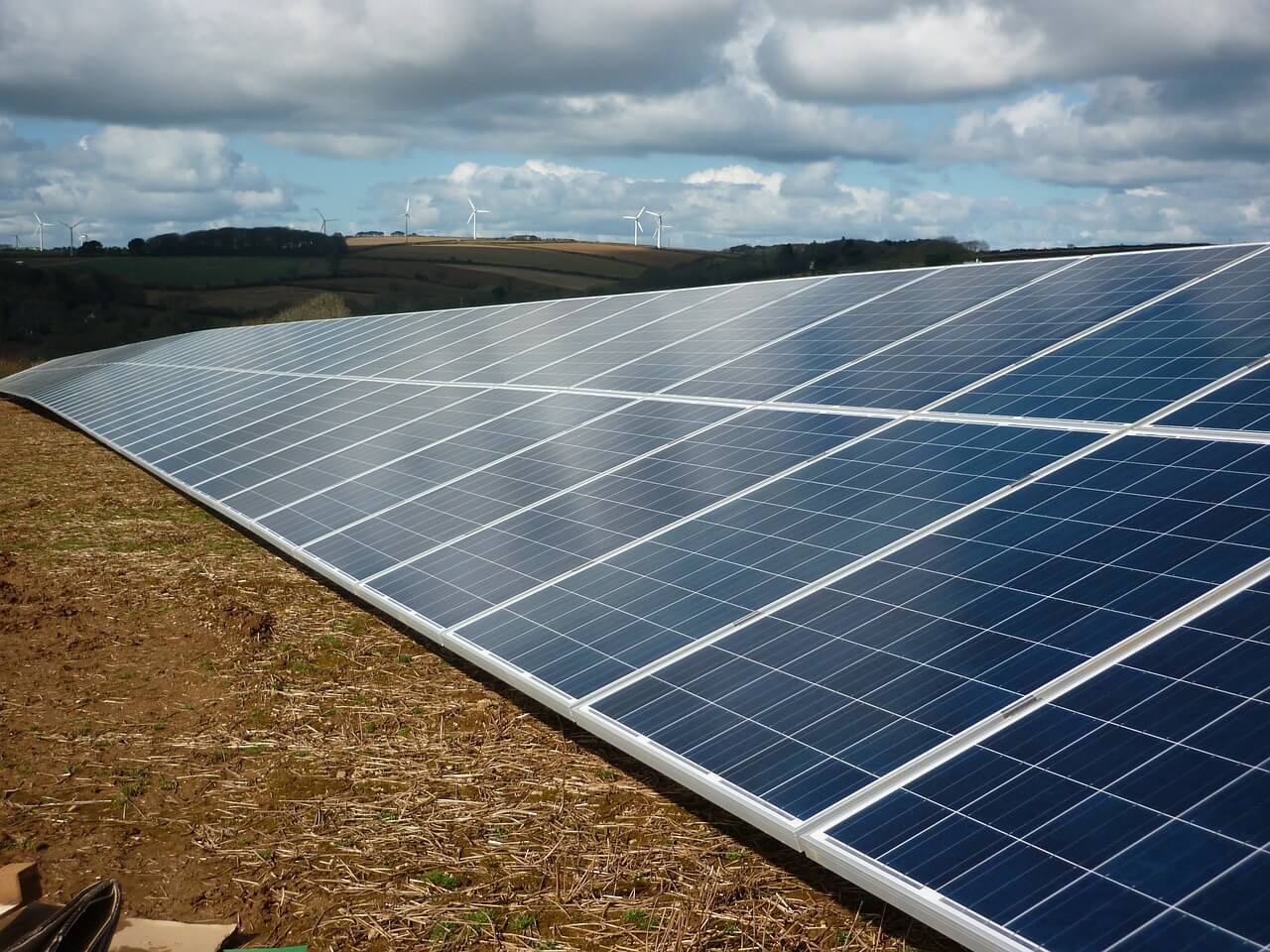
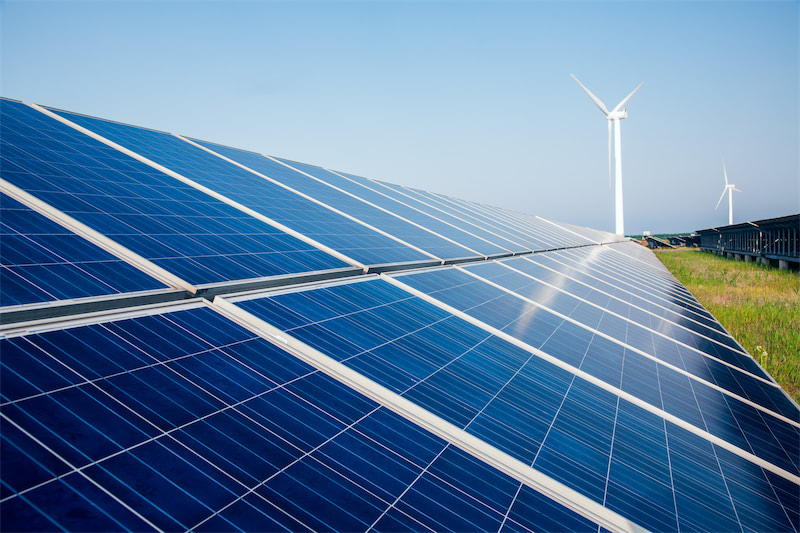
To prevent catastrophic climate change, global clean energy investment must increase by 30% to US $131 trillion by 2050, especially the massive expansion of hydrogen energy use, according to the annual report released by the International Renewable Energy Agency ((IRENA)) on Tuesday.
The report stresses that under the 2015 Paris climate agreement, countries around the world should strive to limit the rise in global average temperatures to 1.5 degrees Celsius of their pre-industrial average.
Francesco La Camera, director-general of IRENA, said: "the gap between us and our goals is not narrowing but widening. We need to significantly accelerate energy conversion in order to achieve a meaningful transformation. "
If the 1.5 degrees Celsius target is to be achieved, global fossil fuel consumption must fall by more than 75 percent by 2050, while oil and coal will have to contract faster, the report said. The use of natural gas must peak by 2025, although it will become a major fossil fuel between now and the middle of this century.
By the middle of this century, the power generation capacity of renewable energy must be more than 10 times larger than it is now, at the same time, the electrification scale of transportation will be expanded by 30 times, and the production and use of "green hydrogen" energy will be greatly increased.
"Green hydrogen" refers to a zero-carbon fuel that uses electricity generated by wind and solar energy to decompose water into hydrogen and oxygen.
The report predicts that by 2050, 30% of the world's electricity will be dedicated to the production of "green hydrogen", hydrogen and its derivatives, such as ammonia fuel cells and methanol fuel cells. In order to achieve this goal, the total global capacity of electrolytic cells needs to be expanded from 0.3 gigawatts today to nearly 5000 gigawatts.
![[การสำรวจ SMM] บทวิเคราะห์รายสัปดาห์อุตสาหกรรมพลังงานไฮโดรเจน 20260829-0903](https://imgqn.smm.cn/usercenter/PPLUj20251217171727.jpg)