The struggle between Congo and Zambia and mining companies has led to instability in the copper and cobalt supply chain!

เผยแพร่แล้ว: Feb 27, 2019 16:09

SMM2, March 27: last year it was the Congo, and this year it is Zambia's turn.
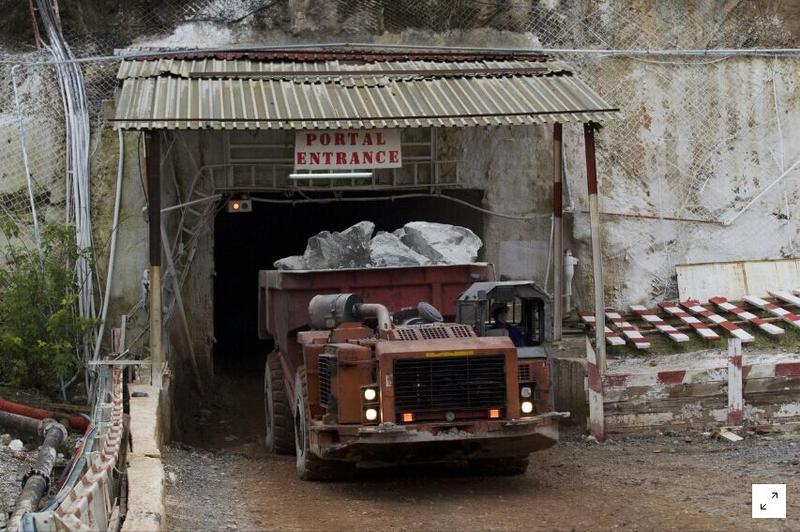
 

They are all silencing opposition from some of the big mining companies by changing the mining tax system.

Global demand for their resources, particularly copper and cobalt, will give them a stable source of tax revenue.

At present, however, the huge wealth under the African copper belt is disrupting the supply chain of copper and cobalt.

One Zambian copper smelter has closed and the other has cut production, Glencore confirmed media reports last week that it would cut production at its Mutanda mine in the Congo.

The news shook the copper market and highlighted the importance of the two African countries to the global supply chain.

Cobalt has barely reacted because the "overheated" metal in recent years is still digesting the excess after the price surge in 2017.

However, the current supply turmoil will cause even greater shock to the future of cobalt and copper.
 

The miner is at a disadvantage

For some time, the Congo and Zambia have been discussing the proposed tax reform policy with mining companies.

The arguments continued earlier this month at a mining Indaba conference in Cape Town.

Yet the miners have lost.

Last June, the Congo signed a new mining law, which provides for an increase in copper royalties from 2.0 per cent to 3.5 per cent and gold from 2.5 per cent to 3.5 per cent. And introduced a new tax law, a 50% tax rate can bring it huge profits.

When Congo declared cobalt a "strategic" mineral in December, the corresponding patent rate almost tripled to 10 per cent, hitting mining companies again.

Similarly, Zambia's tax crackdown on mining companies emerged at the start of the year, with royalties rising by 1.5 percentage points to 5.5-7.5 per cent, depending on specific copper prices.

If the copper price exceeds $7500 and $9000, the concession rate will rise to 8.5 per cent and 10.0 per cent, respectively.

In addition, 15 per cent of gold and gem royalties have been introduced, while mining companies are anxiously awaiting details of a non-refundable sales tax to replace VAT with a non-refundable sales tax, which the Zambian government plans to introduce in early April.

The cost of running mining operations in both the Congo and Zambia has become increasingly high.

Marginal destruction

However, this was only a less dramatic change in Zambia's tax system, which immediately led to supply chain disruptions.

A new import duty of 5.0 per cent on copper concentrate has hindered the flow of raw materials from the Congo to Zambia.

Smelters such as Nchanga and Chambishi have traditionally relied on the supply of raw materials from the Democratic Republic of the Congo, so new import duties quickly affected them, with Nchanga production reduced and Chambishi closed because it relied entirely on concentrate supplies from the company's Boss Mining and Frontier operations in the Congo.

Future threats

Glencore faces a similar dilemma at its Mutanda mine, where its orebodies are changing from oxides to sulfides, which often require smelter processing.

This orebody change is not uncommon in copper deposits because early operations have exhausted near-surface oxide deposits, which usually cover deeper sulphide deposits.

Glencore said the new mine plan would reduce Mutanda production to 100000 tons and decide whether and how to deal with the increased sulphide reserves. "

Congo's harsher tax system makes investment decisions more difficult and is likely to be more volatile in the future.

Another key change in the new mining code last year was the reduction of operating contracts from 10 to five years, which means the government can change its targets more frequently.

And will Congo and Zambia promote the redistribution of resources and wealth by blocking investment in production?

Both Congo and Zambia are under pressure to bet their chips on copper.

At the same time, mining companies worry that the moves in both countries may be far from stopping, as both countries are burdened with heavy national debt and tight budgets.

They are also the main sources of two metals, and the rapid development of electric vehicles requires cobalt to make lithium-ion batteries and copper to build infrastructure.

Dependence on cobalt in the Congo is a well-known problem for lithium-ion battery manufacturers and their car customers.

The confidence of the Congolese government has also affected the stable supply of copper. However, they must re-understand the unpredictability of copper prices in central Africa.

Congo's copper production collapsed in the 1990s and early 2000s, so much so that it lost its former role in the global production chain.

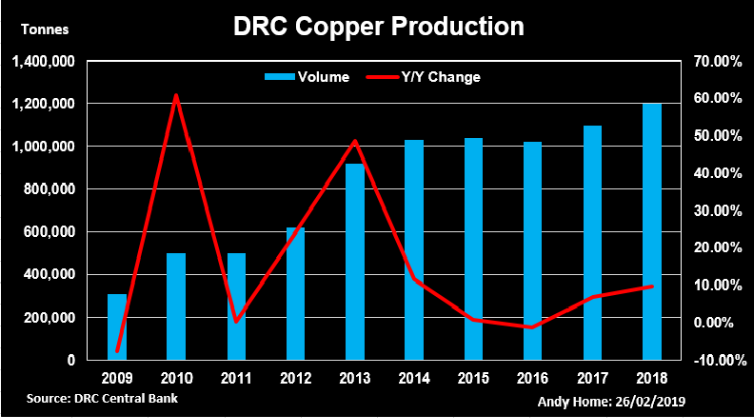
But now production is back. From less than 30, 000 tons in 2005 to 1.2 million tons in 2018, while Zambia produced 800000 tons, accounting for about 1/10 of global production.

Only time will tell if Congo and Zambia are on the right path, believing that mining companies will accept new mining taxes, even if they do not want to, and the cost of doing new business.

But in the short term, there will be more volatility in the supply chain.

"Click to enter the registration channel

Scan QR code, apply to join SMM metal exchange group, please indicate company + name + main business

คำชี้แจงแหล่งที่มาของข้อมูล: นอกจากข้อมูลที่เปิดเผยต่อสาธารณะแล้ว ข้อมูลอื่นๆ ทั้งหมดได้รับการประมวลผลโดย SMM จากข้อมูลสาธารณะ การสื่อสารกับตลาด และการพึ่งพาแบบจำลองฐานข้อมูลภายในของ SMMข้อมูลเหล่านี้มีไว้เพื่ออ้างอิงเท่านั้น ไม่ถือเป็นข้อเสนอแนะในการตัดสินใจ

หากมีข้อสงสัยหรือต้องการทราบข้อมูลเพิ่มเติม กรุณาติดต่อ: lemonzhao@smm.cn
หากต้องการข้อมูลเพิ่มเติมเกี่ยวกับวิธีการเข้าถึงรายงานการวิจัยของเรา โปรดติดต่อ:service.en@smm.cn
ข่าวที่เกี่ยวข้อง
โครงการทองแดงแคโทด 300,000 ตัน เฟส 1 หยิงโข่ว เจี้ยนฟา เสิงไห่ เตาหลอมเริ่มเดินเครื่อง ระบบโลหวิทยาความร้อนเข้าสู่ขั้นตอนการอบเตา
21 ชั่วโมงที่แล้ว
โครงการทองแดงแคโทด 300,000 ตัน เฟส 1 หยิงโข่ว เจี้ยนฟา เสิงไห่ เตาหลอมเริ่มเดินเครื่อง ระบบโลหวิทยาความร้อนเข้าสู่ขั้นตอนการอบเตา
อ่านเพิ่มเติม
โครงการทองแดงแคโทด 300,000 ตัน เฟส 1 หยิงโข่ว เจี้ยนฟา เสิงไห่ เตาหลอมเริ่มเดินเครื่อง ระบบโลหวิทยาความร้อนเข้าสู่ขั้นตอนการอบเตา
เมื่อเวลา 9:58 น. ของวันที่ 12 กันยายน เตาหลอมหลักของระบบถลุงโลหะด้วยความร้อนในโครงการนำโลหะหลายชนิดกลับมาใช้ใหม่ของบริษัท Yingkou Jianfa Shenghai Nonferrous Metals & Chemicals Co., Ltd. ได้จุดไฟสำเร็จ เข้าสู่ขั้นตอนการอบเตาอย่างเป็นทางการ นับเป็นก้าวสำคัญสู่การเดินเครื่องและผลิตเต็มระบบ ข้อมูลสาธารณะระบุว่า โครงการยกระดับเทคโนโลยีการนำกลับมาใช้อย่างครอบคลุม ย้ายและขยายกำลังการผลิตแร่ทองคำ-เงินเชิงซ้อนหลายโลหะของ Yingkou Jianfa Shenghai ใช้หัวแร่ทองแดงเป็นวัตถุดิบหลัก วางแผนกำลังการผลิตรวม 600,000 ตัน/ปีของแคโทดทองแดง แบ่งก่อสร้างเป็นสองเฟส เฟสละ 300,000 ตัน/ปี เฟสแรกออกแบบให้ผลิตแคโทดทองแดง 300,000 ตัน/ปี และกรดซัลฟิวริก 1.18 ล้านตัน/ปี พร้อมระบบสนับสนุนการถลุง การแปลงสภาพ การกลั่นแอโนด การแยกสกัดด้วยไฟฟ้า การแต่งแร่จากตะกรัน และการนำโลหะมีค่ากลับมาใช้ใหม่ หลังจากการจุดไฟครั้งนี้ โครงการจะดำเนินการอบเตาตามมาตรฐานและทดลองเดินระบบรวมแบบร้อนทั้งระบบ เพื่อตรวจสอบอุปกรณ์ เครื่องมือวัด ระบบอินเตอร์ล็อก และระบบควบคุมอัตโนมัติ โครงการยังไม่ได้เริ่มป้อนวัตถุดิบและผลิตอย่างเป็นทางการ หลังจากการอบเตาและการทดสอบระบบเสร็จสิ้น จะเดินหน้าทดสอบกำลังการผลิตแคโทดทองแดง 300,000 ตัน/ปีของเฟสแรกต่อไป หากโครงการสามารถเดินเครื่องผลิตได้สำเร็จ คาดว่าจะเพิ่มกำลังการถลุงทองแดงในภาคเหนือของจีน และกระตุ้นความต้องการหัวแร่ทองแดงในประเทศเพิ่มขึ้นอีก
21 ชั่วโมงที่แล้ว
Alchemy Resources เริ่มเจาะเป้าหมายทองแดง-ทองคำที่เยลโลว์เมาน์เทน
12 Sep 2026 01:13
Alchemy Resources เริ่มเจาะเป้าหมายทองแดง-ทองคำที่เยลโลว์เมาน์เทน
อ่านเพิ่มเติม
Alchemy Resources เริ่มเจาะเป้าหมายทองแดง-ทองคำที่เยลโลว์เมาน์เทน
Alchemy Resources ประกาศเมื่อวันที่ 11 กันยายนว่า การเจาะแบบหมุนเวียนย้อนกลับได้เริ่มต้นขึ้นแล้วที่โครงการ Yellow Mountain และ Overflow ในรัฐนิวเซาท์เวลส์ ประเทศออสเตรเลีย โดยมีแผนเจาะสูงสุด 15 หลุมในแคมเปญสำรวจล่าสุด ที่โครงการ Yellow Mountain ซึ่งบริษัทถือหุ้น 80% การเจาะจะทดสอบการขยายตัวของแหล่งแร่ทองแดง-ทองคำและโพลีเมทัลลิกที่ระบุไว้ก่อนหน้านี้ รวมถึงเป้าหมายทางธรณีฟิสิกส์สองแห่งที่ยังไม่เคยเจาะมาก่อน การเจาะครั้งก่อนที่ Yellow Mountain ให้ช่วงแร่ยาว 113 เมตร เกรดเทียบเท่าทองแดง 1.17% ประกอบด้วยทองแดง 0.33% ทองคำ 0.37 กรัมต่อตัน เงิน 24.3 กรัมต่อตัน ตะกั่ว 0.86% และสังกะสี 1.23% แคมเปญเจาะล่าสุดออกแบบมาเพื่อทดสอบว่าระบบแร่ที่ทราบแล้วขยายเข้าสู่พื้นที่เป้าหมายที่ระบุใหม่หรือไม่ โปรแกรมนี้จะรวมการเจาะที่โครงการ Overflow ซึ่ง Alchemy มุ่งเป้าไปที่การขยายตัวของแหล่งแร่ที่มีอยู่ตามแนวระดับและในเชิงลึก ปัจจุบัน Overflow มีทรัพยากรแร่อนุมานประมาณ 342,000 ออนซ์เทียบเท่าทองคำ และประกอบด้วยแร่ทองคำ เงิน ทองแดง ตะกั่ว และสังกะสี การเริ่มต้นเจาะเป็นการทดสอบขนาดและความต่อเนื่องของแหล่งแร่ที่ Yellow Mountain ในระยะใกล้ ช่วงแร่ทองแดง-ทองคำ-โพลีเมทัลลิกกว้างที่รายงานก่อนหน้านี้บ่งชี้ถึงศักยภาพของระบบแร่ขนาดใหญ่ ขณะที่เป้าหมายทางธรณีฟิสิกส์ที่กำหนดใหม่ให้โอกาสสำรวจเพิ่มเติม ผลการเจาะจะมีความสำคัญในการพิจารณาว่าสามารถขยายขอบเขตของแหล่งแร่ได้อย่างมีนัยสำคัญหรือไม่
12 Sep 2026 01:13
ซีอีโอฟรีพอร์ตส่งสัญญาณเดินหน้าโครงการขยายเหมืองทองแดงแบกแดดมูลค่า 4.5 พันล้านดอลลาร์
12 Sep 2026 01:10
ซีอีโอฟรีพอร์ตส่งสัญญาณเดินหน้าโครงการขยายเหมืองทองแดงแบกแดดมูลค่า 4.5 พันล้านดอลลาร์
อ่านเพิ่มเติม
ซีอีโอฟรีพอร์ตส่งสัญญาณเดินหน้าโครงการขยายเหมืองทองแดงแบกแดดมูลค่า 4.5 พันล้านดอลลาร์
ฟรีพอร์ต-แมคมอแรน ซีอีโอ แคธลีน เคิร์ก ระบุว่าบริษัทคาดว่าจะเดินหน้าขยายเหมืองทองแดงแบกแดดในรัฐแอริโซนา ซึ่งสะท้อนความมุ่งมั่นต่อโครงการมากขึ้นก่อนการตัดสินใจลงทุนอย่างเป็นทางการ ในการกล่าวที่งานประชุม Jefferies Global Industrials Conference เมื่อวันที่ 10 กันยายน เคิร์กระบุว่าโครงการยังต้องได้รับความเห็นชอบจากคณะกรรมการของฟรีพอร์ต แต่เธอคาดว่าบริษัทจะเดินหน้าต่อ เธออธิบายว่าการขยายนี้เป็นโครงการก่อสร้างระยะเวลาประมาณสามปี และระบุว่าไม่คาดว่าจะมีอุปสรรคสำคัญด้านใบอนุญาต ประมาณการล่าสุดของฟรีพอร์ตระบุค่าใช้จ่ายลงทุนสำหรับการขยายแบกแดดไว้ที่ประมาณ 4.5 พันล้านดอลลาร์สหรัฐ สูงกว่าประมาณการเดิมที่ 3.5 พันล้านดอลลาร์สหรัฐประมาณ 30% ซึ่งสะท้อนต้นทุนที่เพิ่มขึ้น การเปลี่ยนแปลงขอบเขตงาน และงานวิศวกรรมเพิ่มเติม โครงการนี้จะเพิ่มกำลังการผลิตของโรงแต่งแร่ที่แบกแดดมากกว่าสองเท่า และคาดว่าจะเพิ่มกำลังการผลิตทองแดงประมาณ 200–250 ล้านปอนด์ หรือราว 91,000–113,000 ตันต่อปี พร้อมโมลิบดีนัมเพิ่มอีก 10–12 ล้านปอนด์ ปัจจุบันเหมืองแบกแดดมีอายุปริมาณสำรองเกิน 80 ปี เอกสารยื่นต่อหน่วยงานกำกับดูแลของฟรีพอร์ตสำหรับไตรมาส 2 ปี 2026 ระบุว่าโครงการนี้เตรียมพร้อมสำหรับการตัดสินใจลงทุนที่อาจเกิดขึ้นในช่วงครึ่งหลังของปี 2026 ความเห็นล่าสุดจึงเป็นสัญญาณเชิงบวกมากขึ้นจากฝ่ายบริหารเกี่ยวกับแนวโน้มการพัฒนา แม้ยังไม่มีการประกาศอนุมัติอย่างเป็นทางการจากคณะกรรมการ การตัดสินใจเดินหน้าโครงการแบกแดดจะถือเป็นการลงทุนขยายการผลิตทองแดงระยะใกล้ที่สำคัญที่สุดรายการหนึ่งของฟรีพอร์ตในสหรัฐฯ การเพิ่มกำลังการผลิตทองแดงกว่า 90,000 ตันต่อปีจะเพิ่มผลผลิตในสหรัฐฯ ของฟรีพอร์ตอย่างมีนัยสำคัญ แม้การผลิตชุดแรกยังต้องใช้เวลาอีกหลายปีจากระยะเวลาก่อสร้างที่คาดไว้ ความสนใจจะเปลี่ยนไปที่การอนุมัติอย่างเป็นทางการจากคณะกรรมการและการตัดสินใจลงทุนขั้นสุดท้าย
12 Sep 2026 01:10
The struggle between Congo and Zambia and mining companies has led to instability in the copper and cobalt supply chain! - Shanghai Metals Market (SMM)